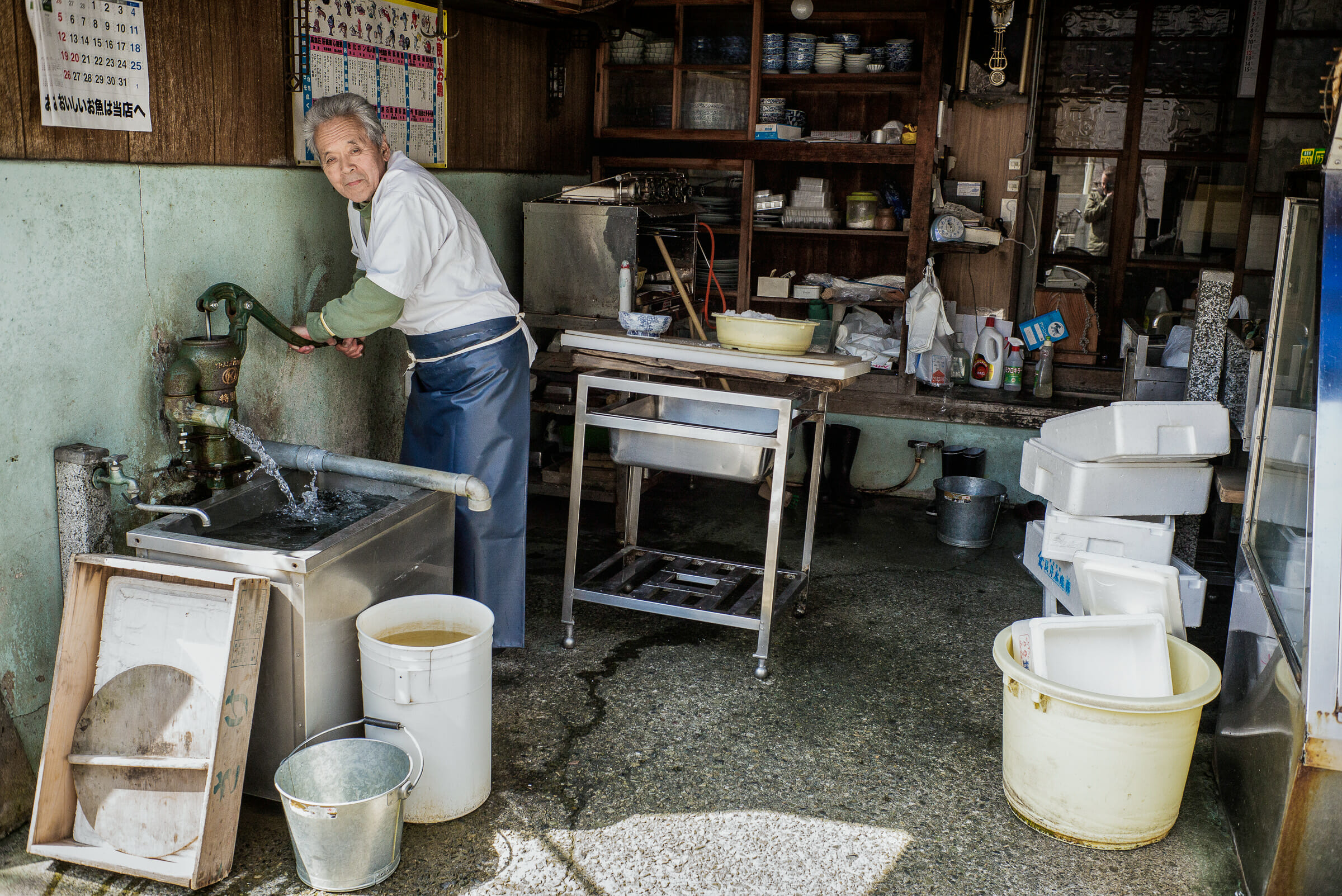
Many traditional shops in Tokyo open out onto the street — a lovely communal element that further cements their ties to the local neighbourhood. In older areas of the city, a surprising number of them still survive too, although there can’t be many that boast a working, and still in use water pump like the fishmonger’s below. A feature that has presumably been in place since the shop opened for business back in 1935.
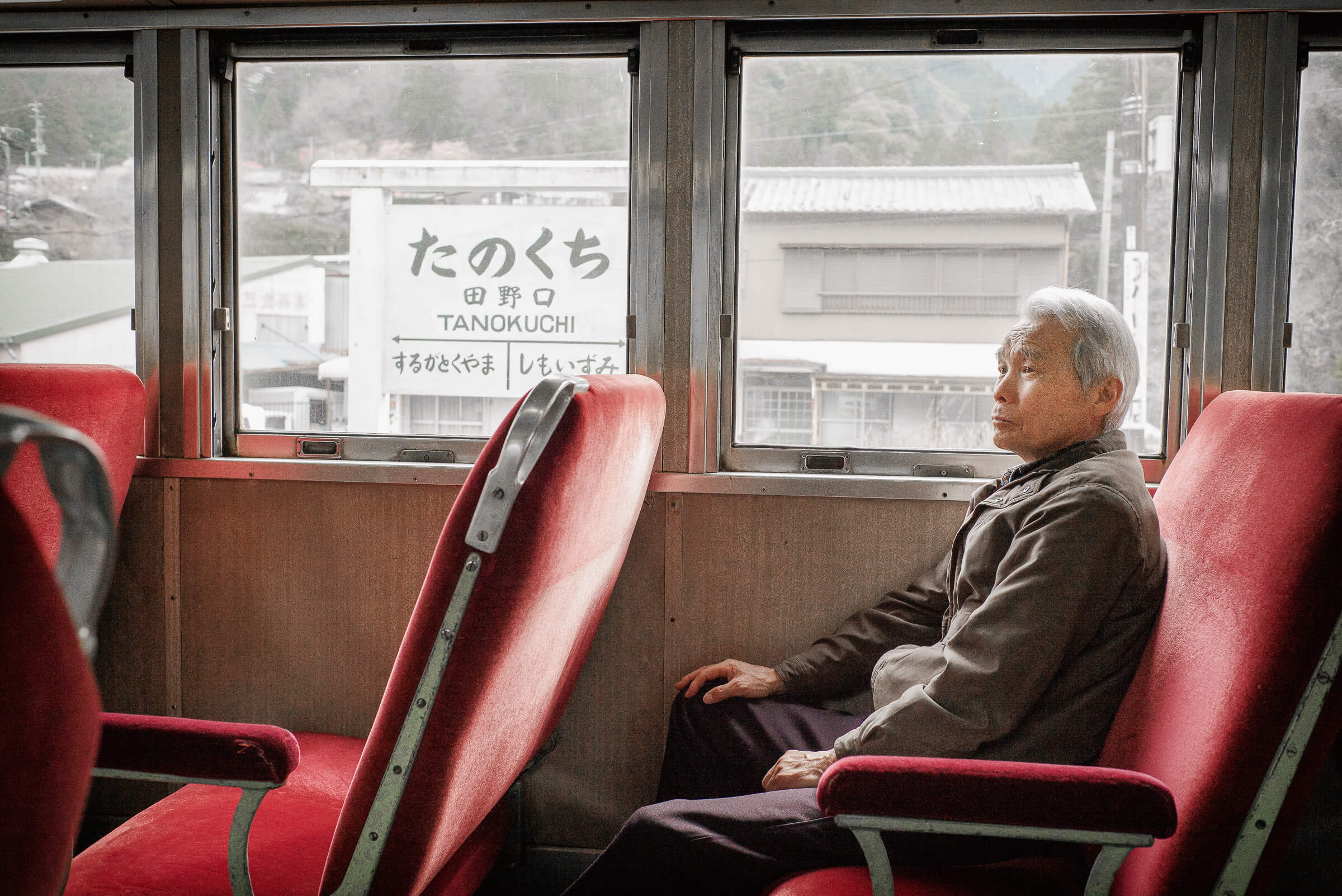
The tranquility of a rural Japanese train
The train system in Tokyo is, without a doubt, truly incredible. Similarly undeniable, however, is how incredibly busy said system can be. So while it’s possible to travel pretty much anywhere, the journey might well be a little unpleasant to say the least. But head to the Japanese countryside, and it’s a completely different story. Yes, the trains are often laughably infrequent, but once on board they can be fabulously relaxing.
*Over the last few days while traveling and riding trains like the one above, a site update was causing comments to be rejected. Sorry about that — I had no idea at all. It’s all fixed now though, so comments should work as normal once again.
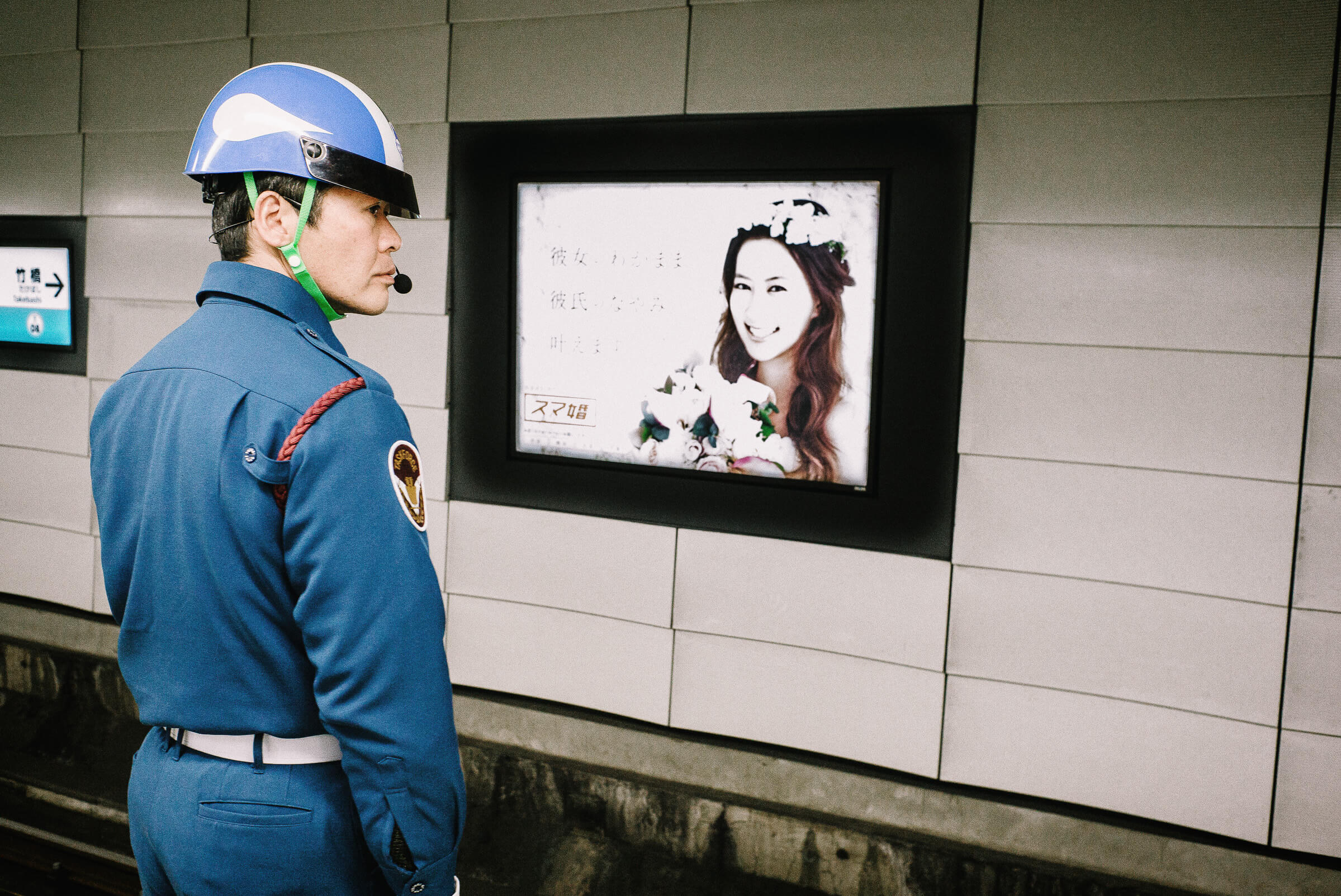
Tokyo subway souls
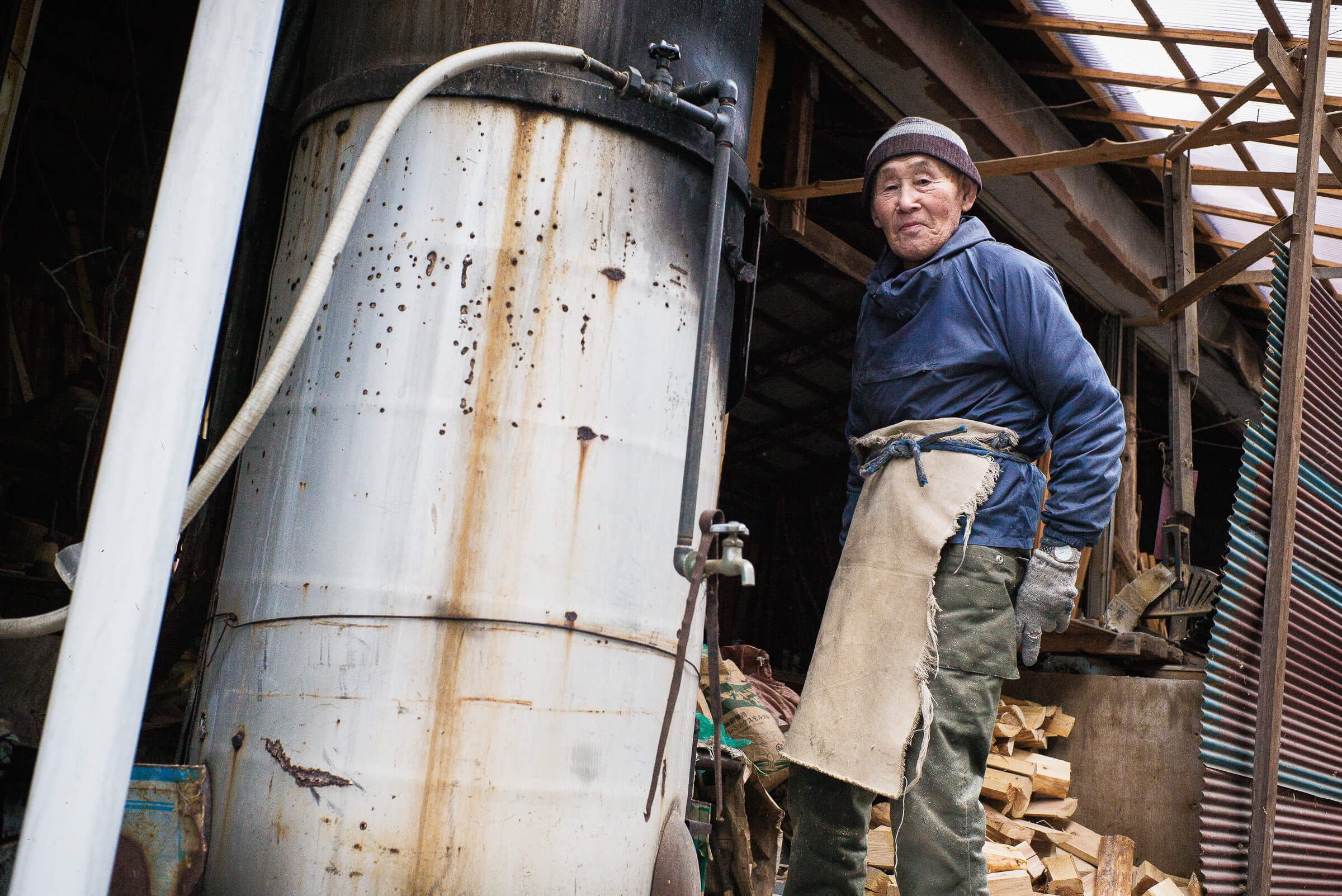
A west Tokyo woodcutter
The standard image of Tokyo as a busy, sprawling concrete mass is an accurate one. It really does feel like the city goes on forever, and the sometimes monstrous number of people can be overwhelming to say the least. But head west, a long way west, and the suburbs eventually make way for something very different — a part of the capital that is not only quiet, but also boasts mountains, abandoned cable cars, a disused railway line and even a bar owner in her 90s who still opens for business on a daily basis. An area where, as the latter suggests, the country’s ageing population is more pronounced. So in many ways, the sight of an elderly woodcutter is more expected than that common symbol of Tokyo, the salaryman.