• Skip to main content
  • Skip to footer

Tokyo Times

Photographs from a small group of islands

  • Photowalks
  • Portfolio
  • Book and Prints
  • Newsletter
  • About/Contact
  • Follow
    • Facebook
    • Instagram
    • Twitter
    • RSS

Lee

Aug 03 2021 23 Comments

Keirin, Japan’s wonderfully faded track cycling in photos

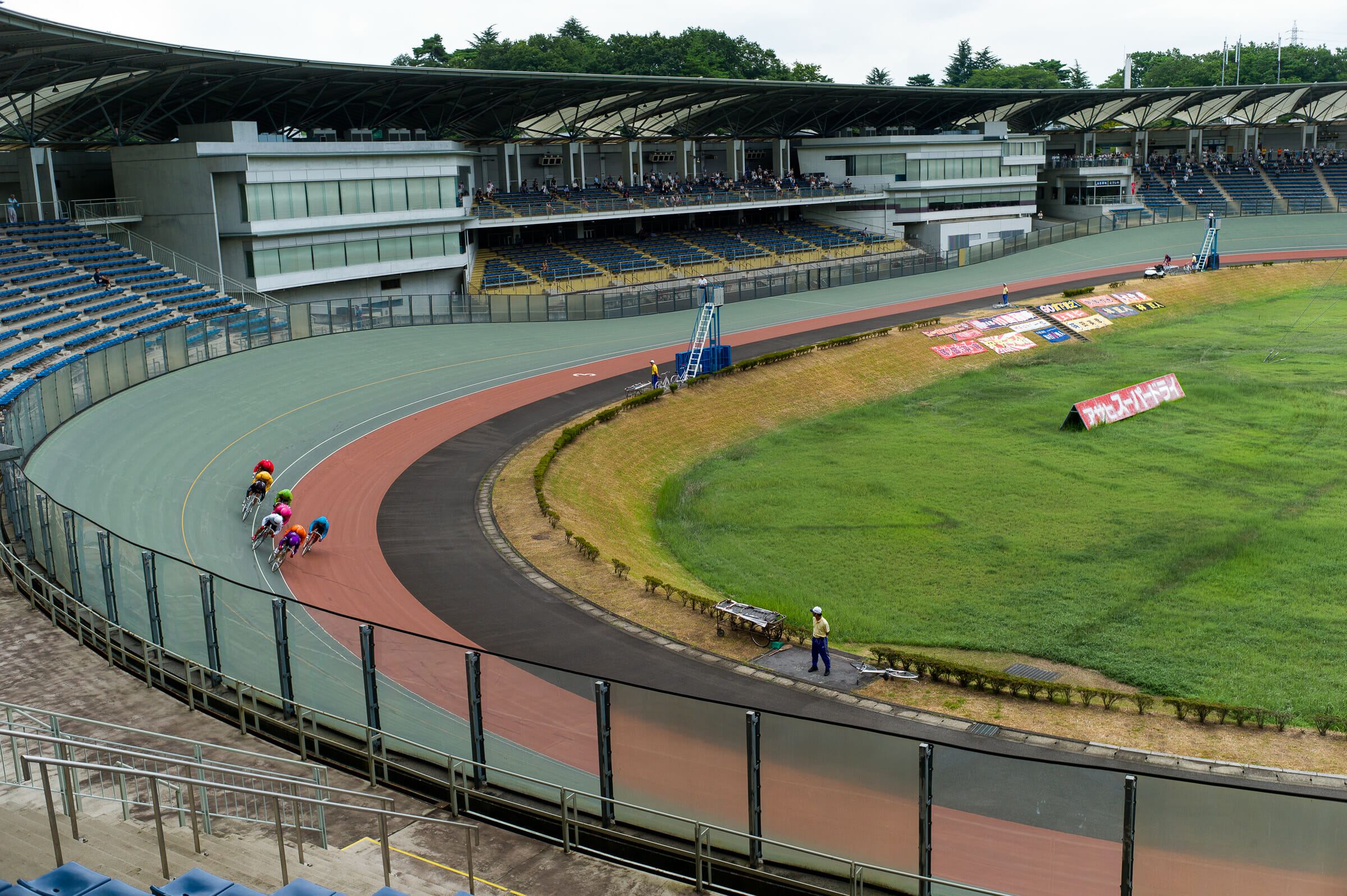
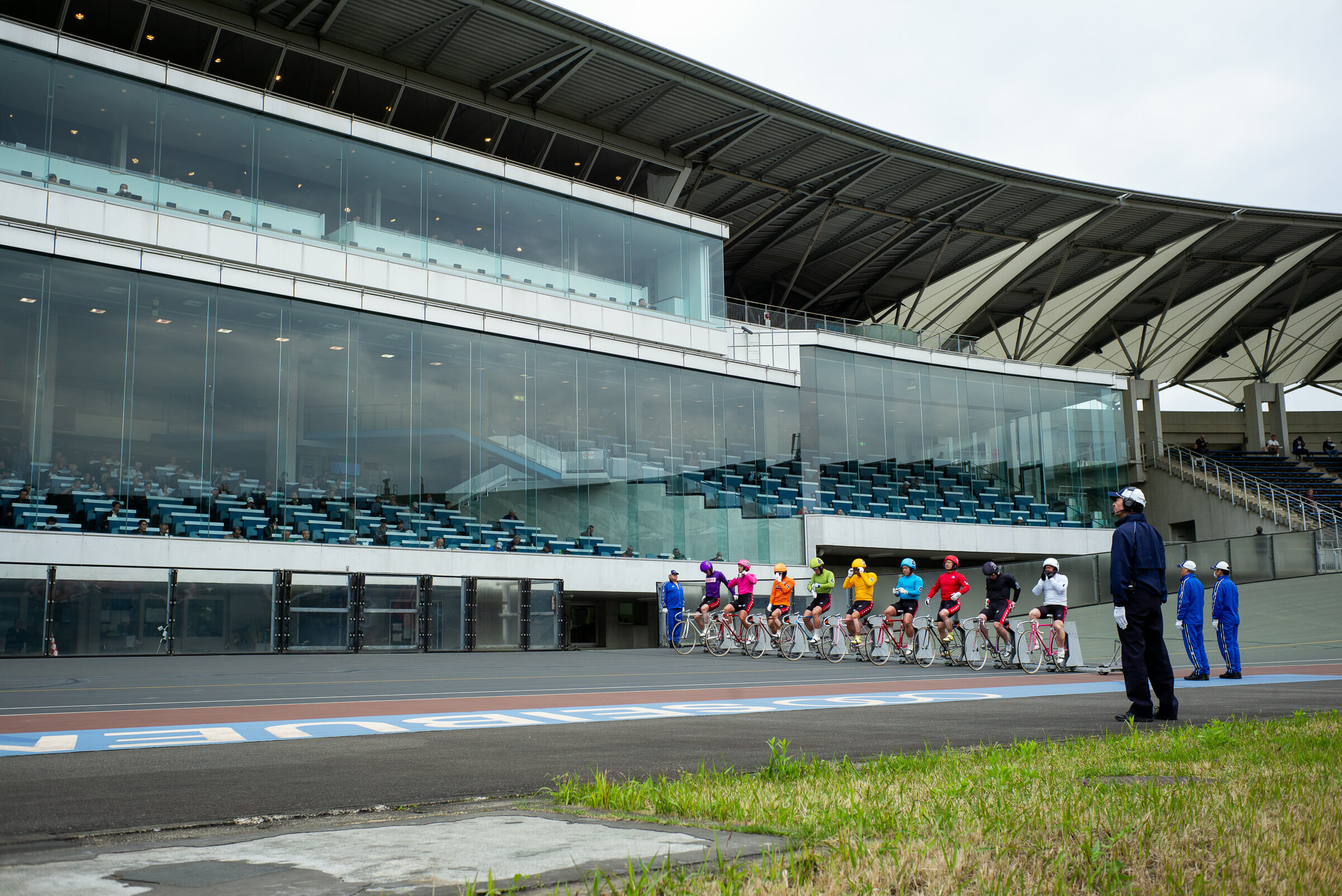
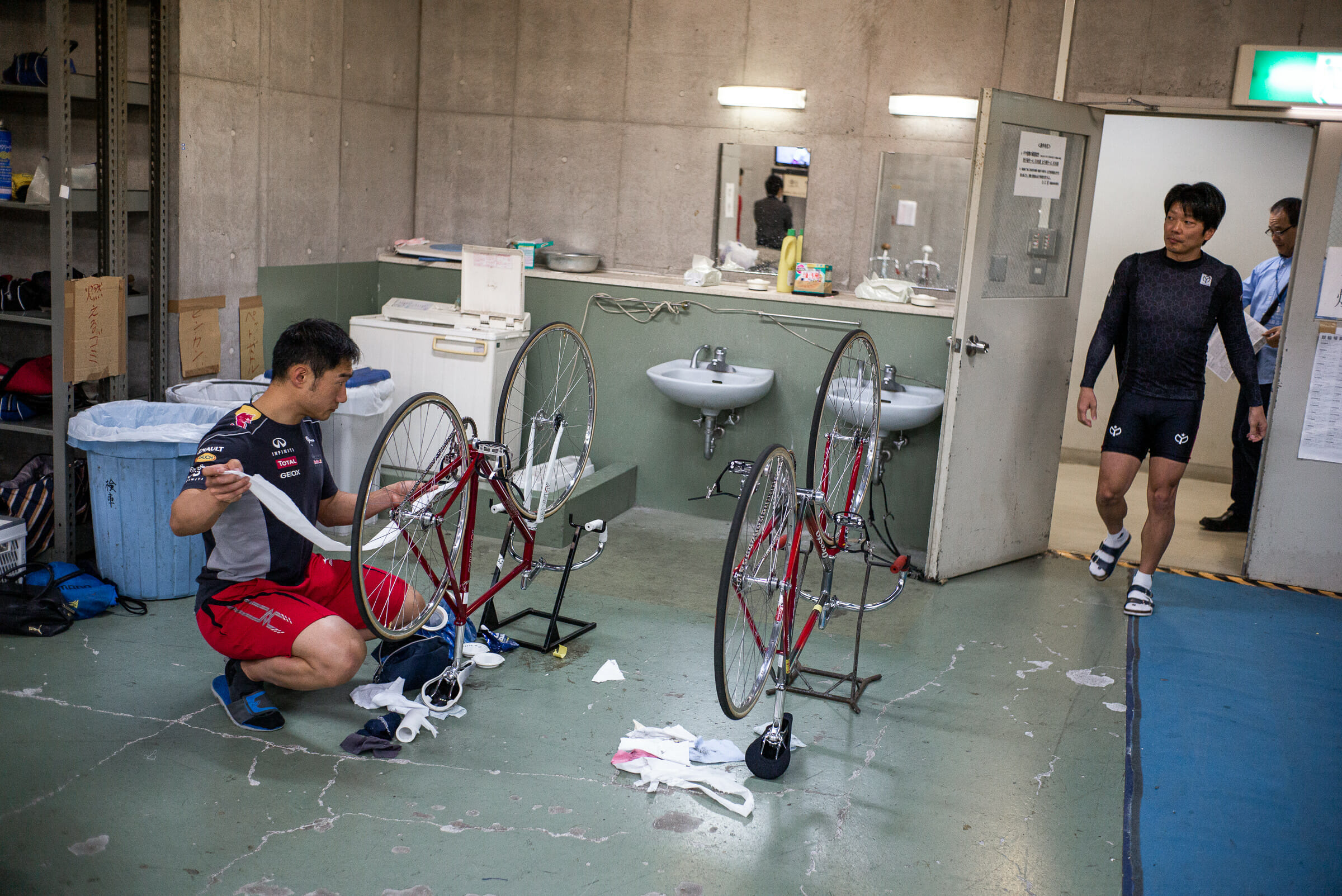
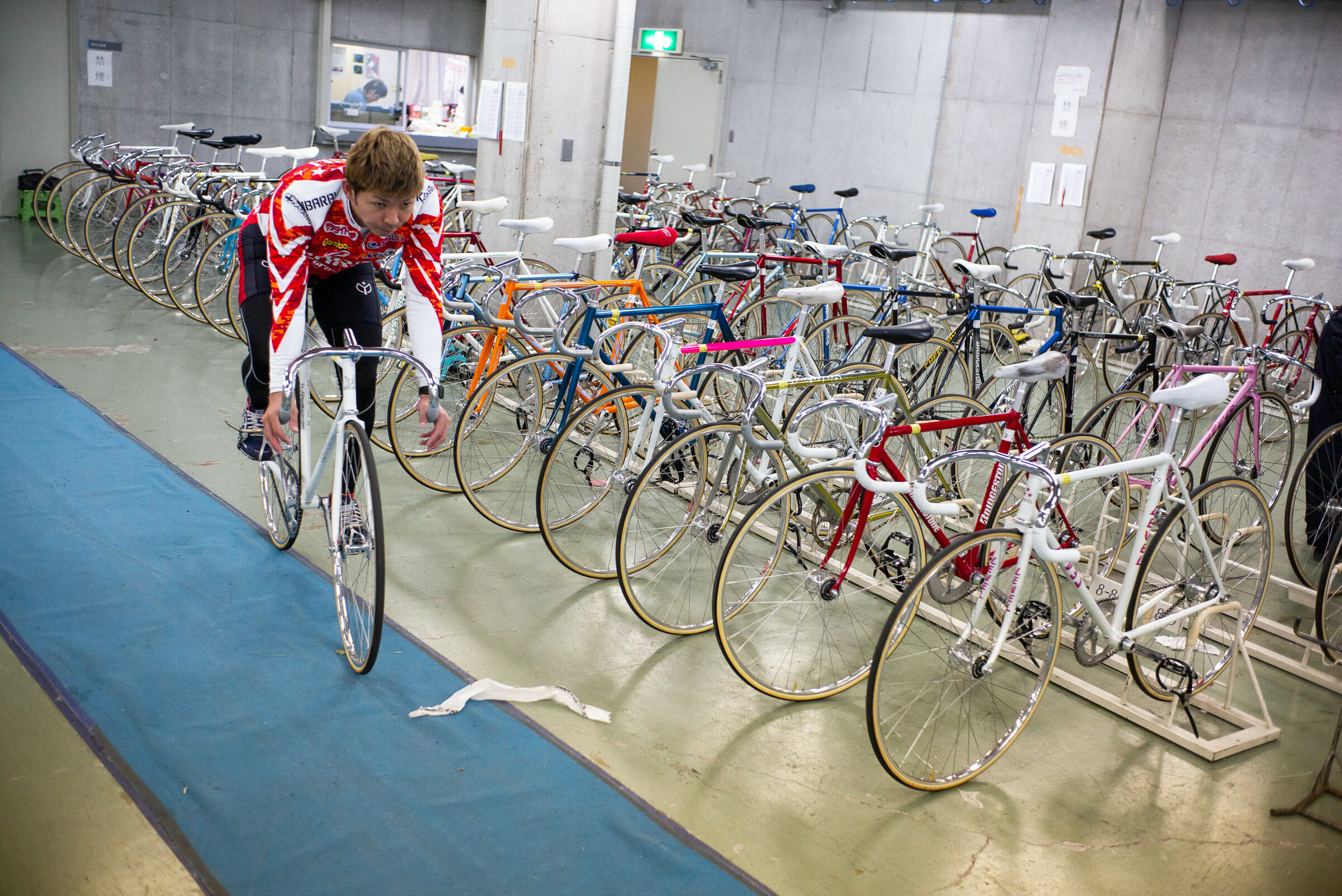
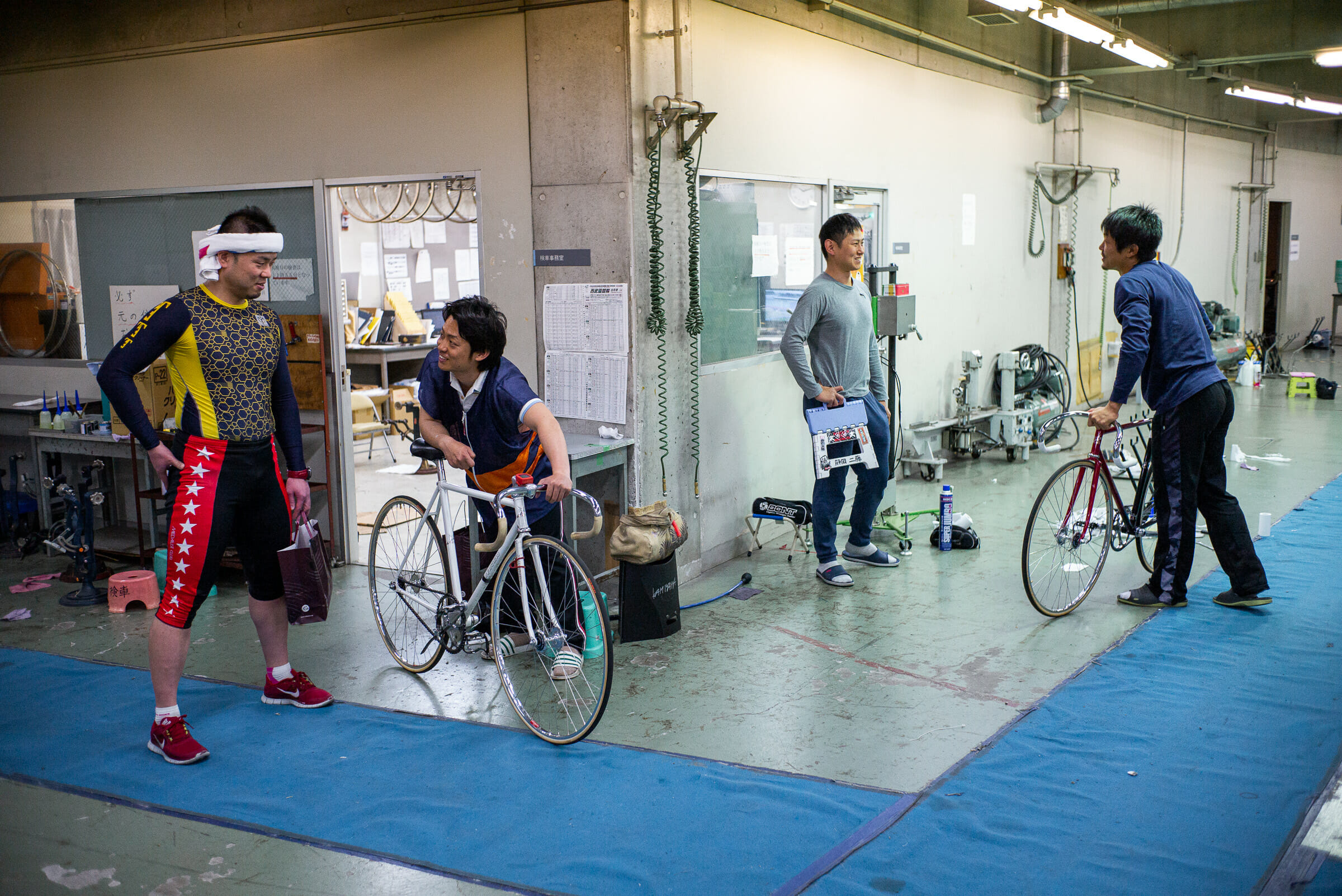
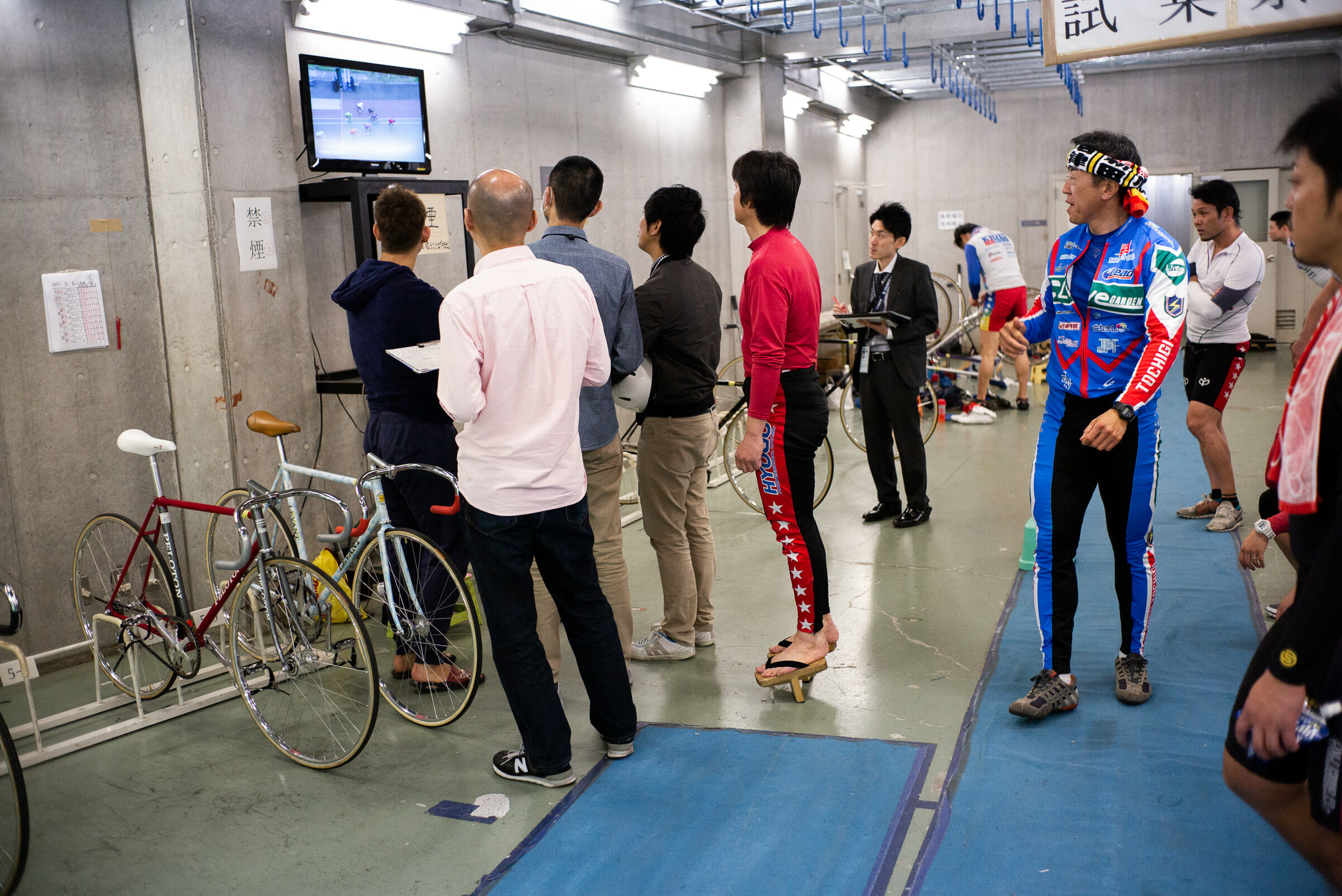
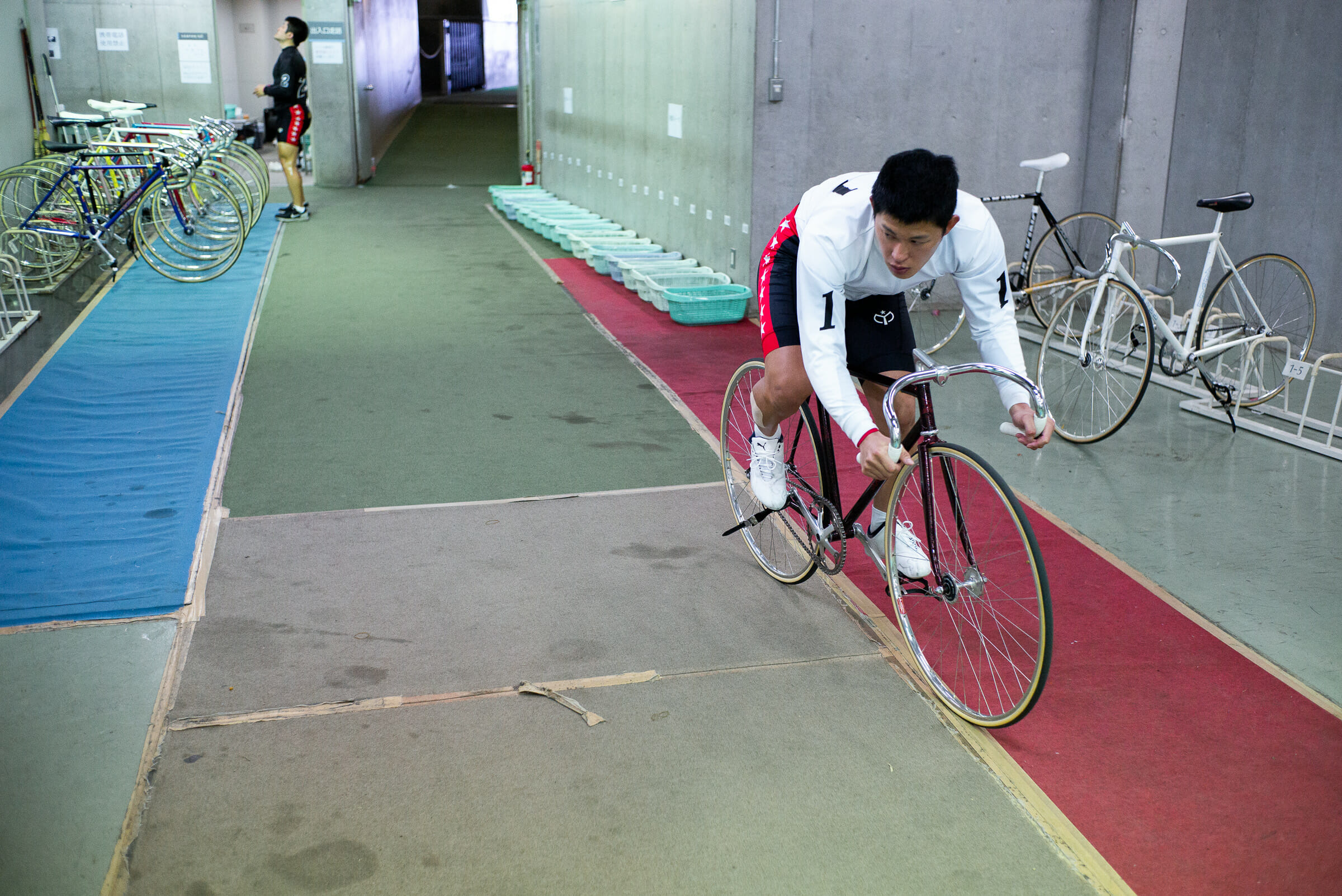
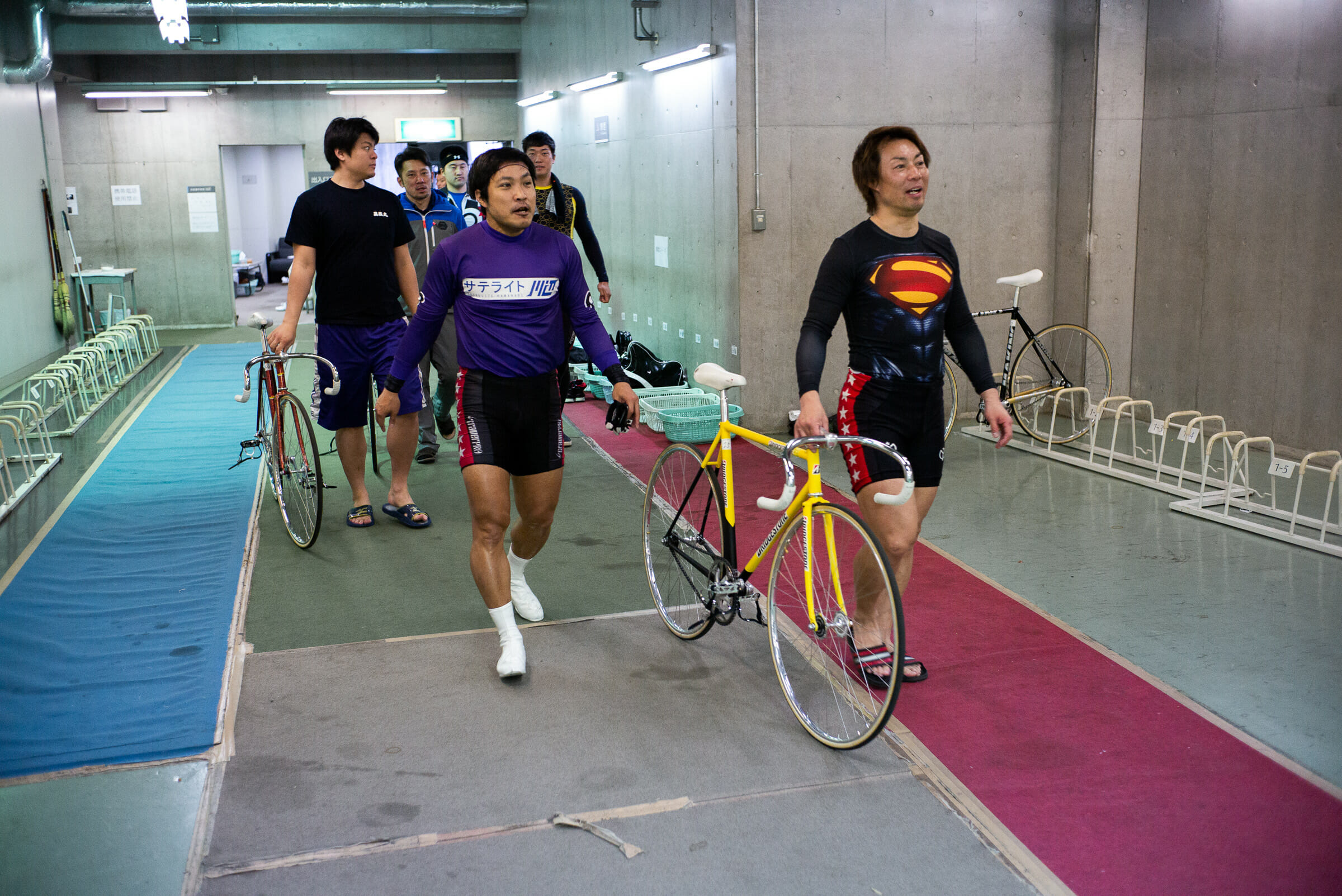
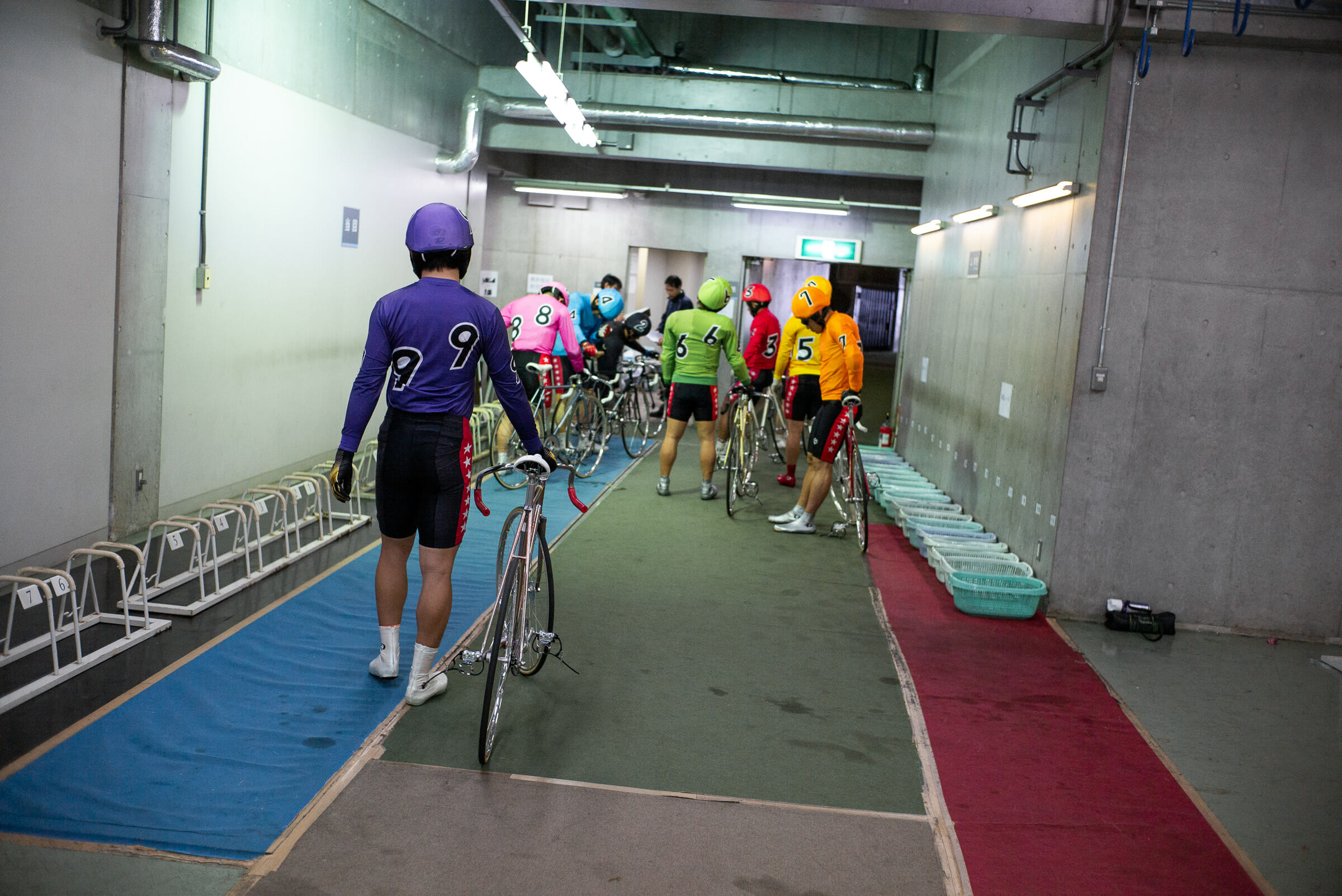
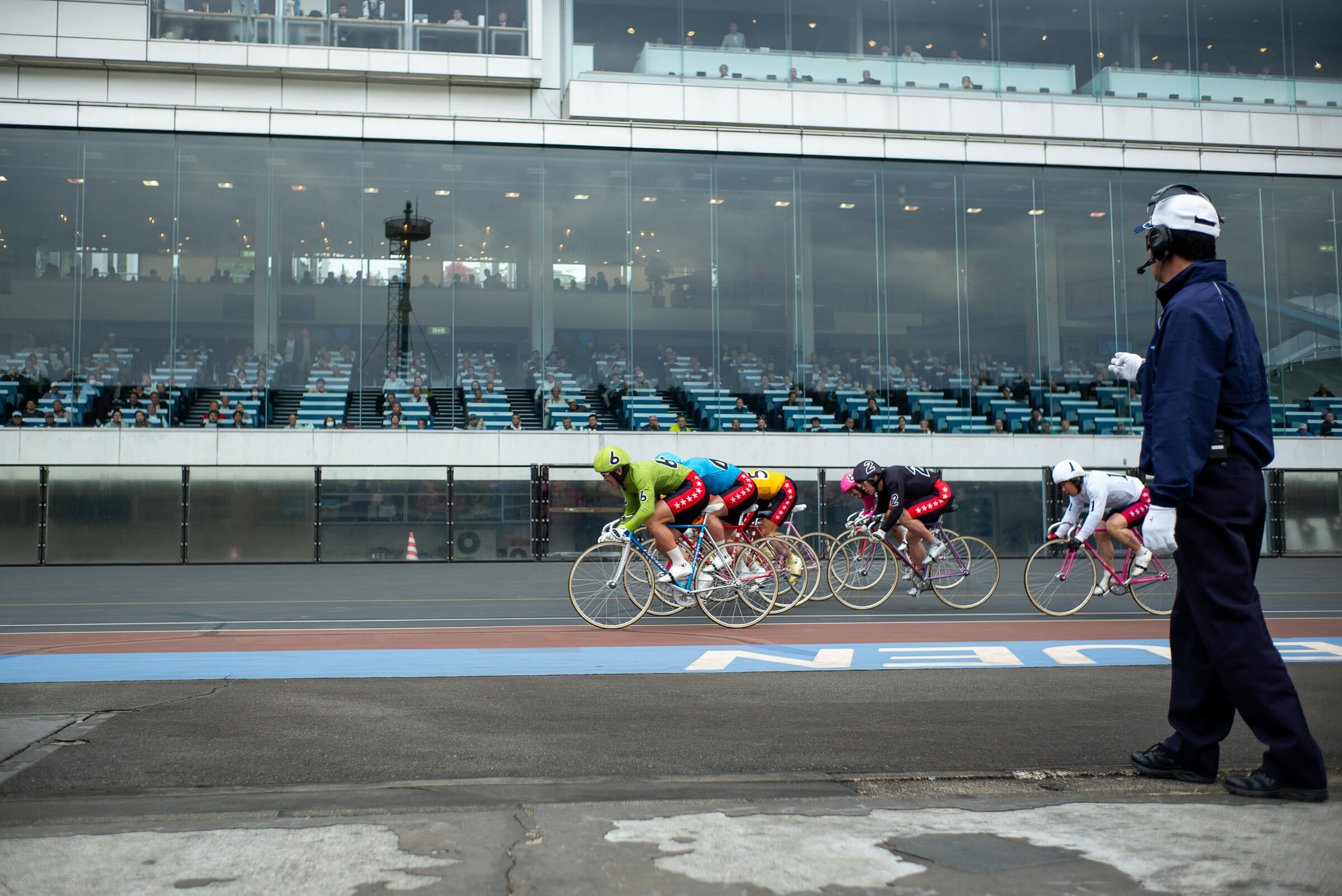
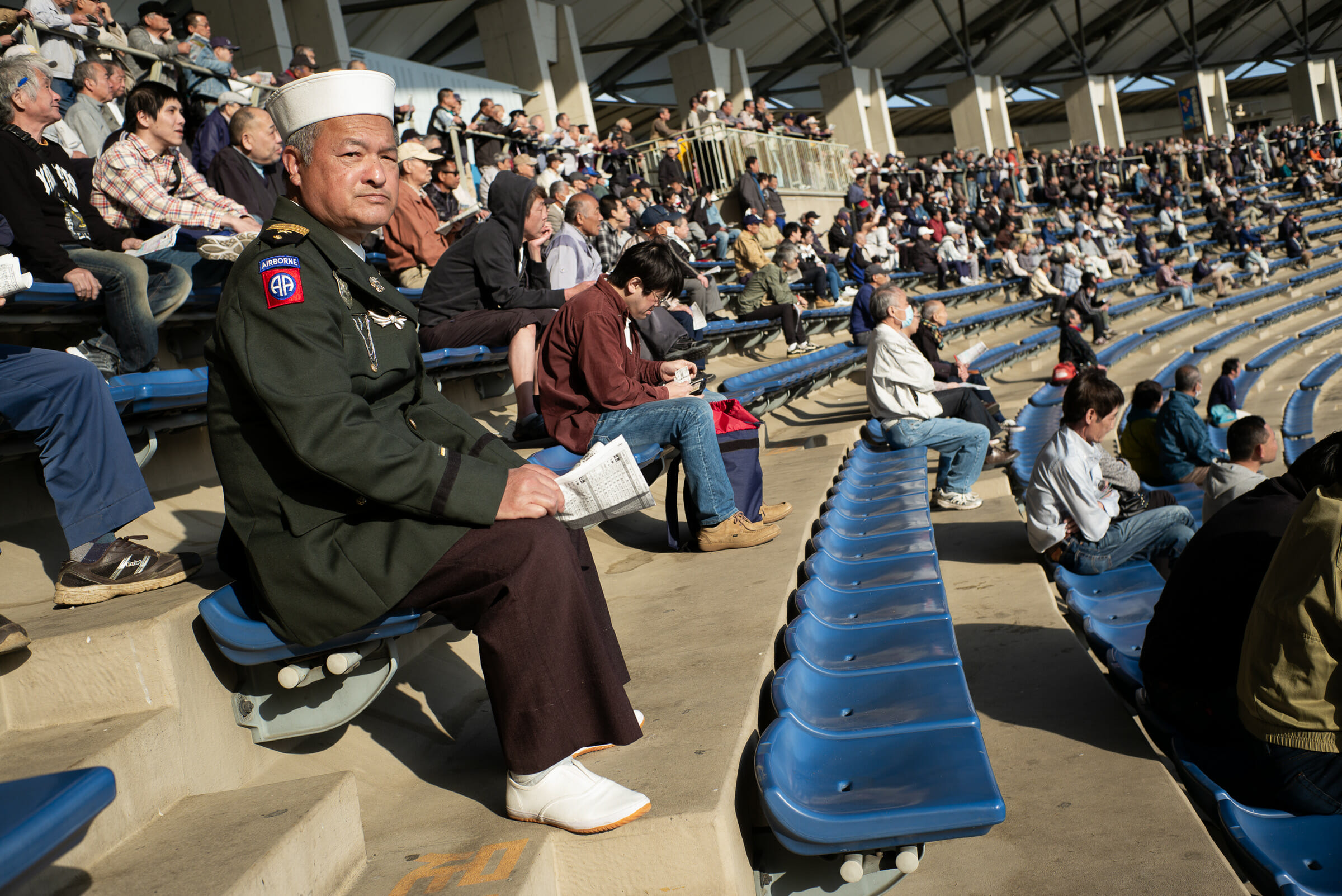
Track cycling at the Olympics is always a stunning spectacle, but in Japan, keirin is generally a far more rundown affair, with a decidedly back-to-basics approach right down to the riders and their kit/equipment. All of which is a world away from the glamour, state-of-the-art skinsuits and marginal gains velodrome racing is generally known for. And yet in many ways, it’s all the things keirin isn’t that makes it so appealing.

The sport started in 1948 with the main focus being to raise money for postwar reconstruction, and Kokura, a port city in south-west Japan, played host to the first races, as having suffered heavy bombing, an attempted quick financial fix of taxes on gambling made perfect sense. Spread over four days, and on a basic, dirt-covered track, the inaugural race meeting attracted over 50,000 people, the vast majority of whom were working class men fresh out of the army. A turnout that was impressive, but even more successful was the amount gambled — over 19 million yen, which at the time was a lot of money. Results that unsurprisingly prompted local authorities all over the country to build their own velodromes, quickly creating a thriving, nationwide sport.

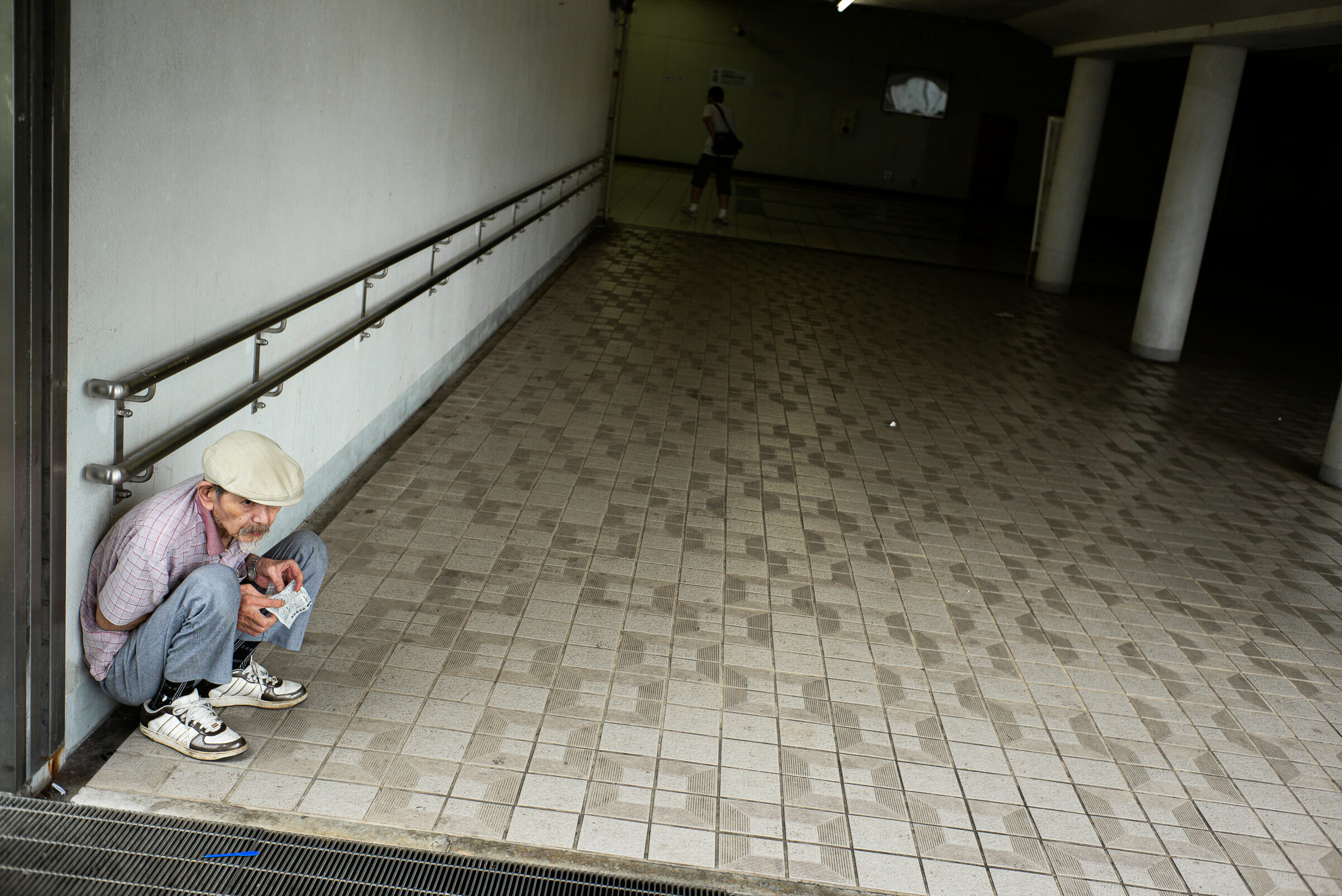
In current day Japan, keirin remains one of only four sports that it’s legal to bet on, with the horses, boat racing and speedway being the other three. As such, the amount of money staked on bicycle races now exceeds a trillion yen a year. That is good for business of course, but it’s partly this element that gives keirin something of a bad reputation, meaning it’s a sport known by everyone, but visiting a velodrome definitely isn’t a choice for everyone. And that goes for the more modern tracks too, or some of the older venues that now boast newer stands and nicer eating areas.

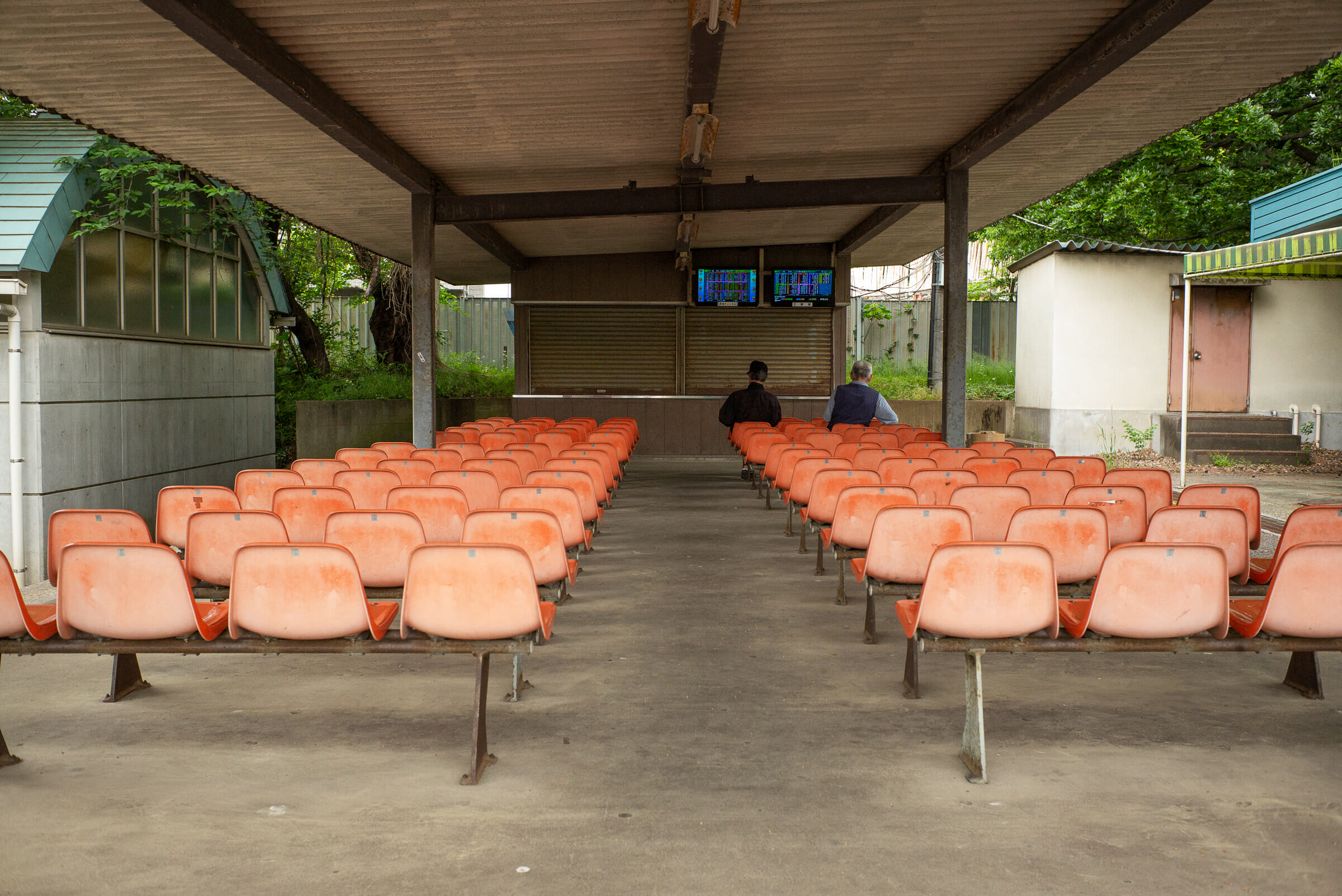
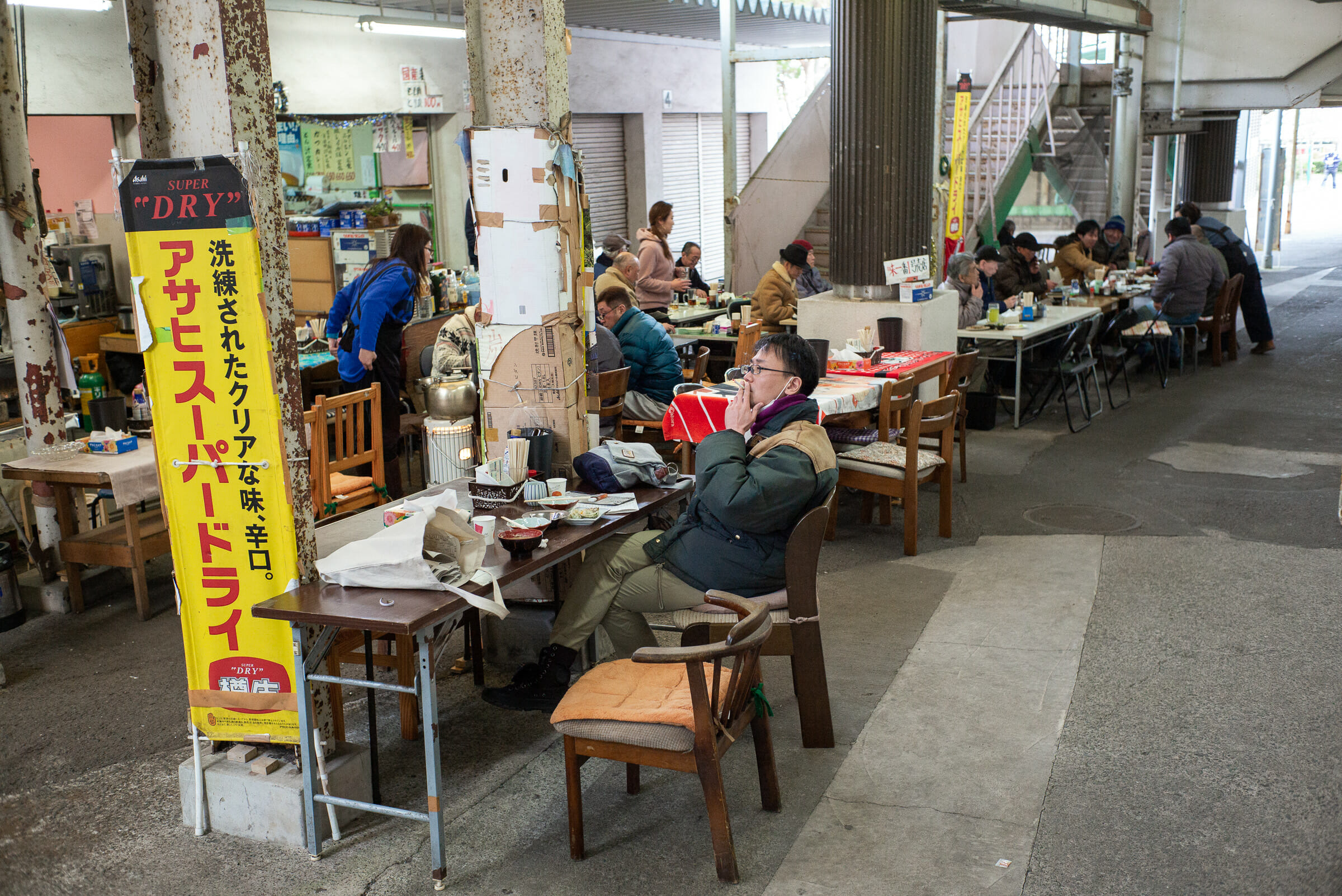
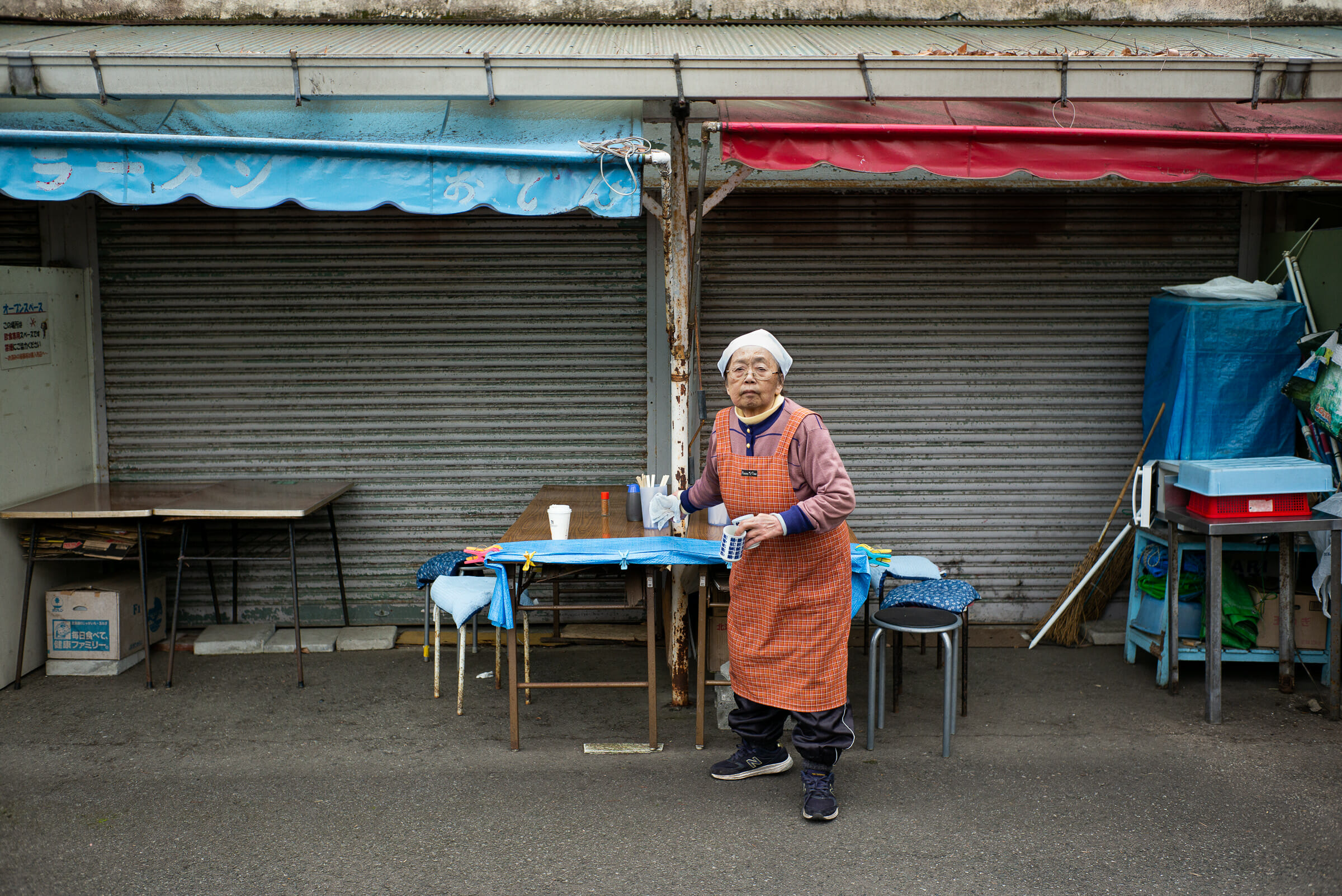
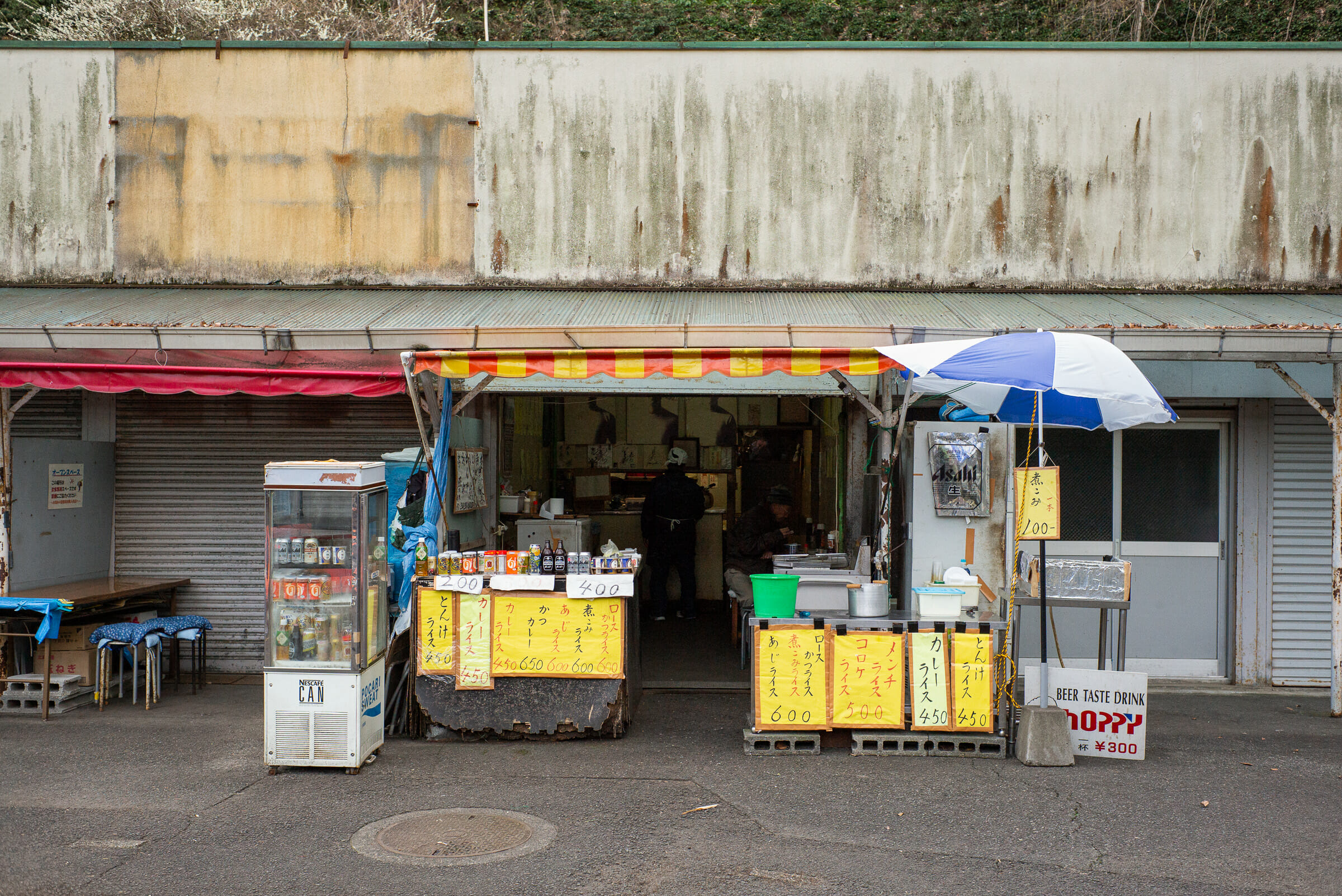
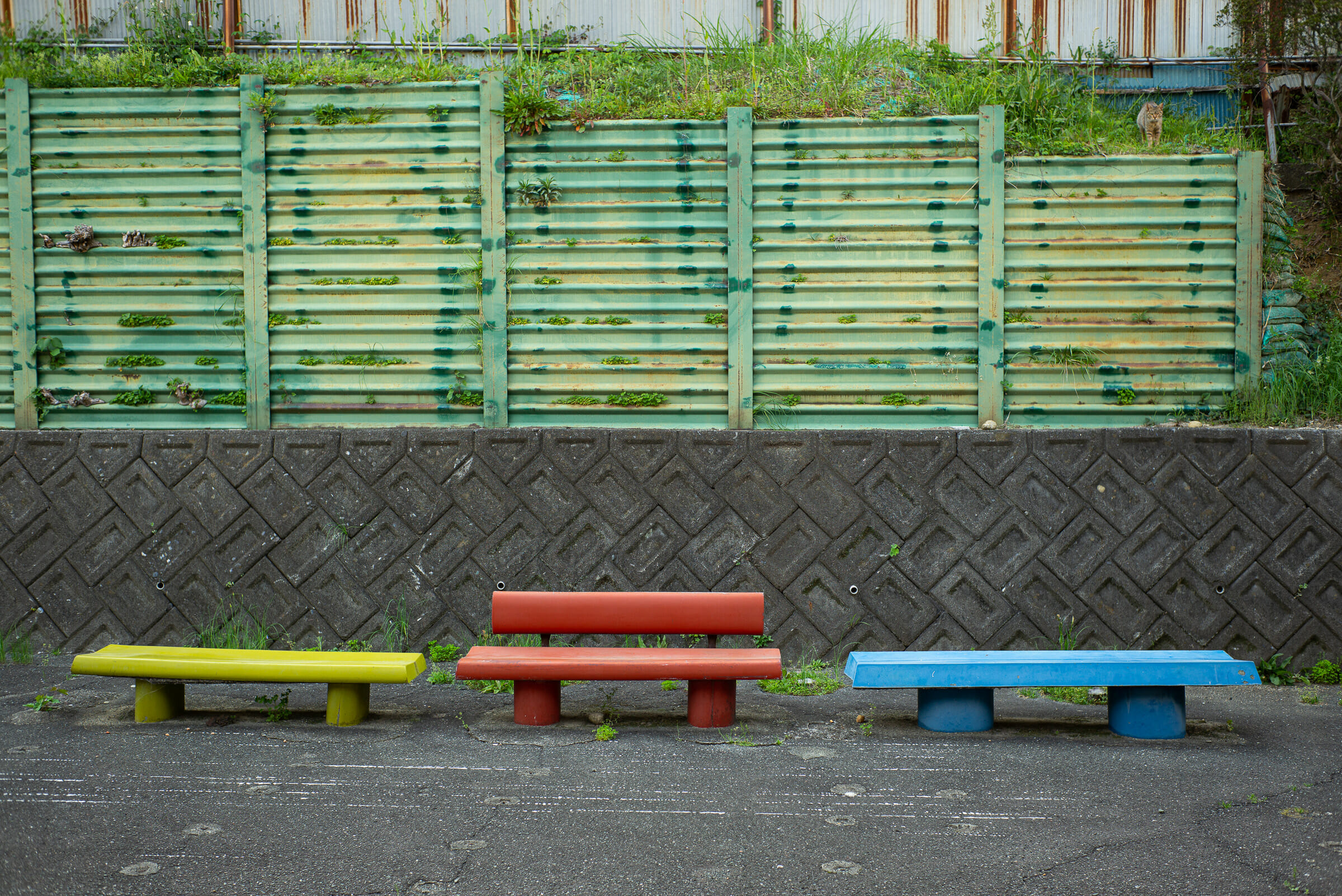
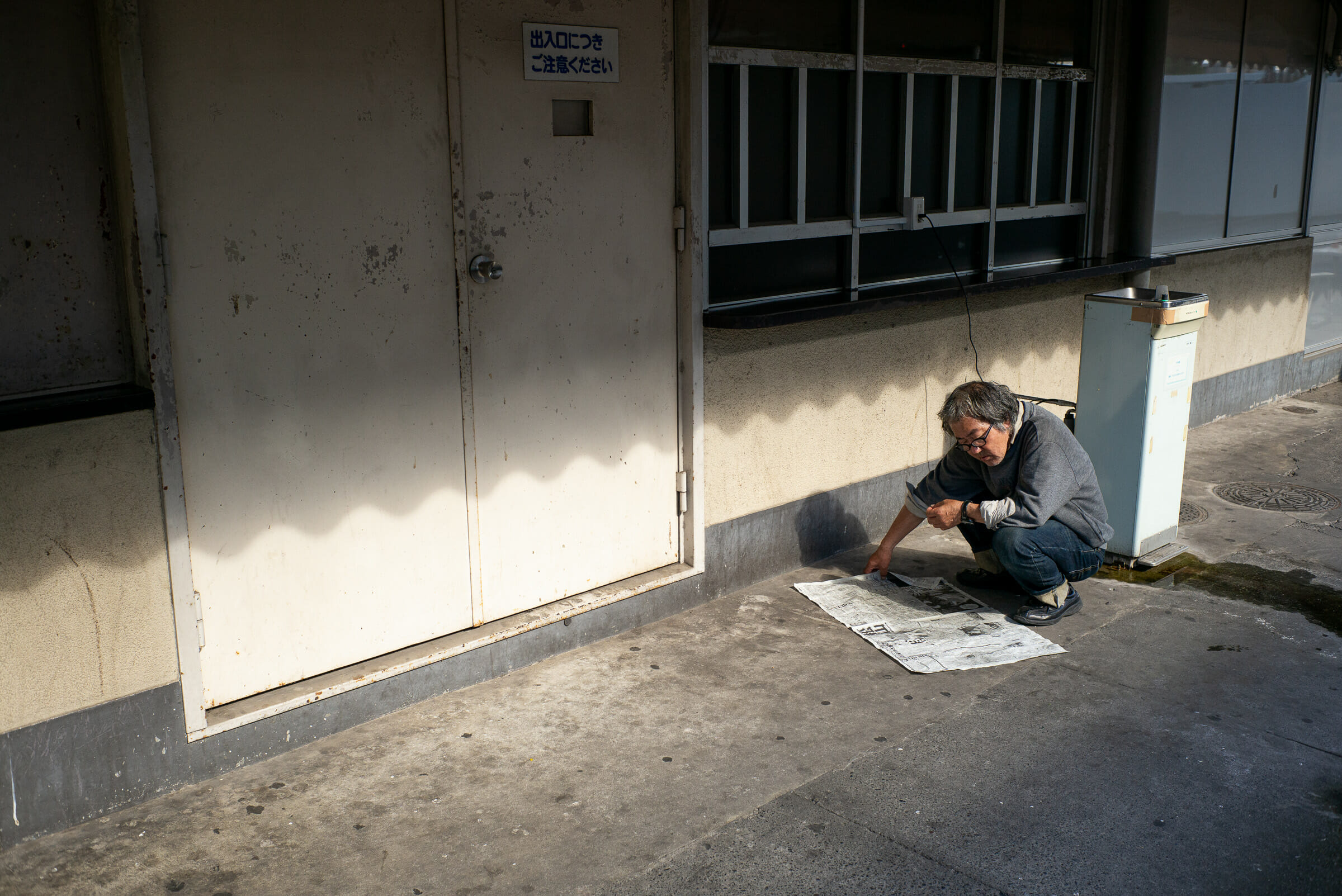
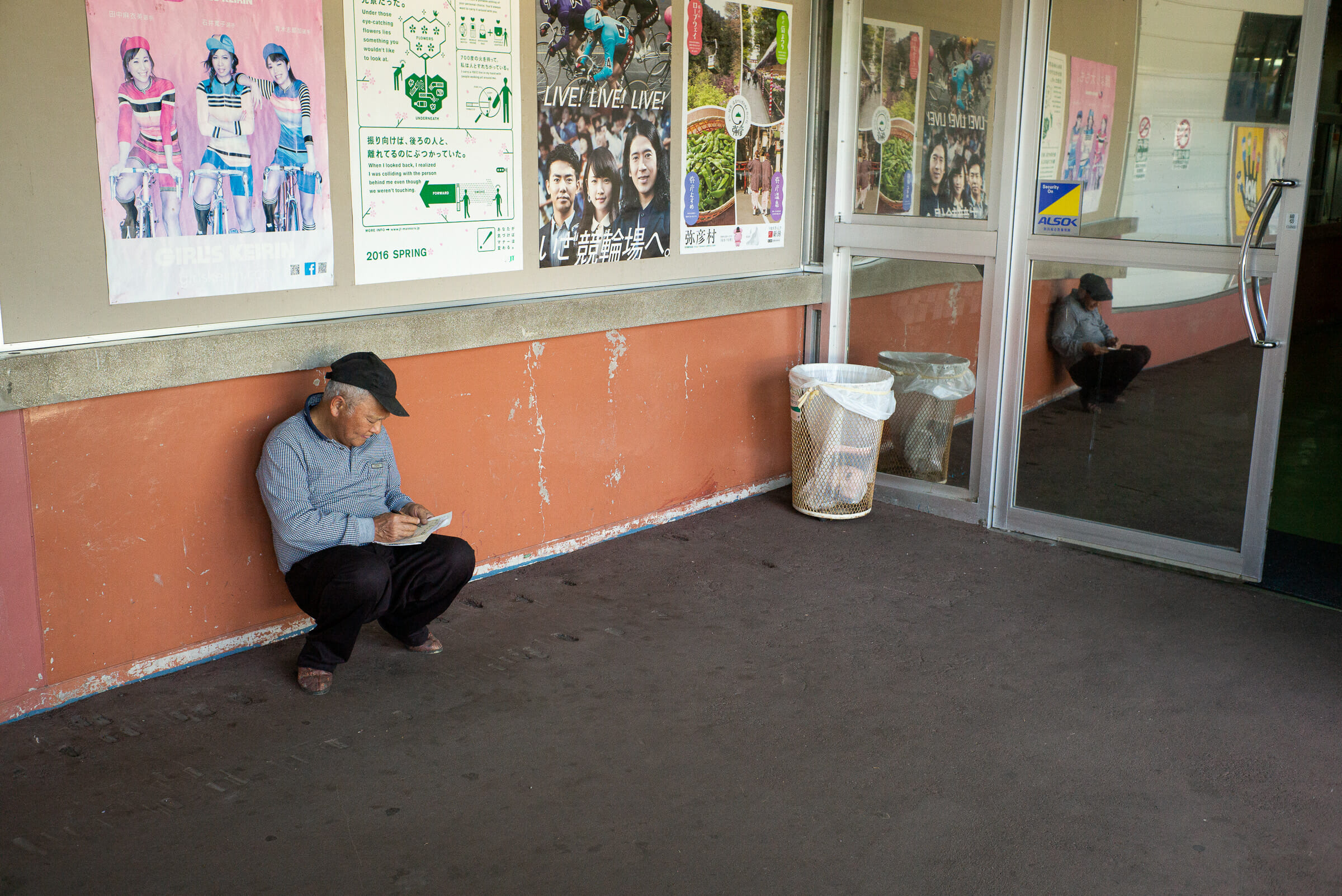
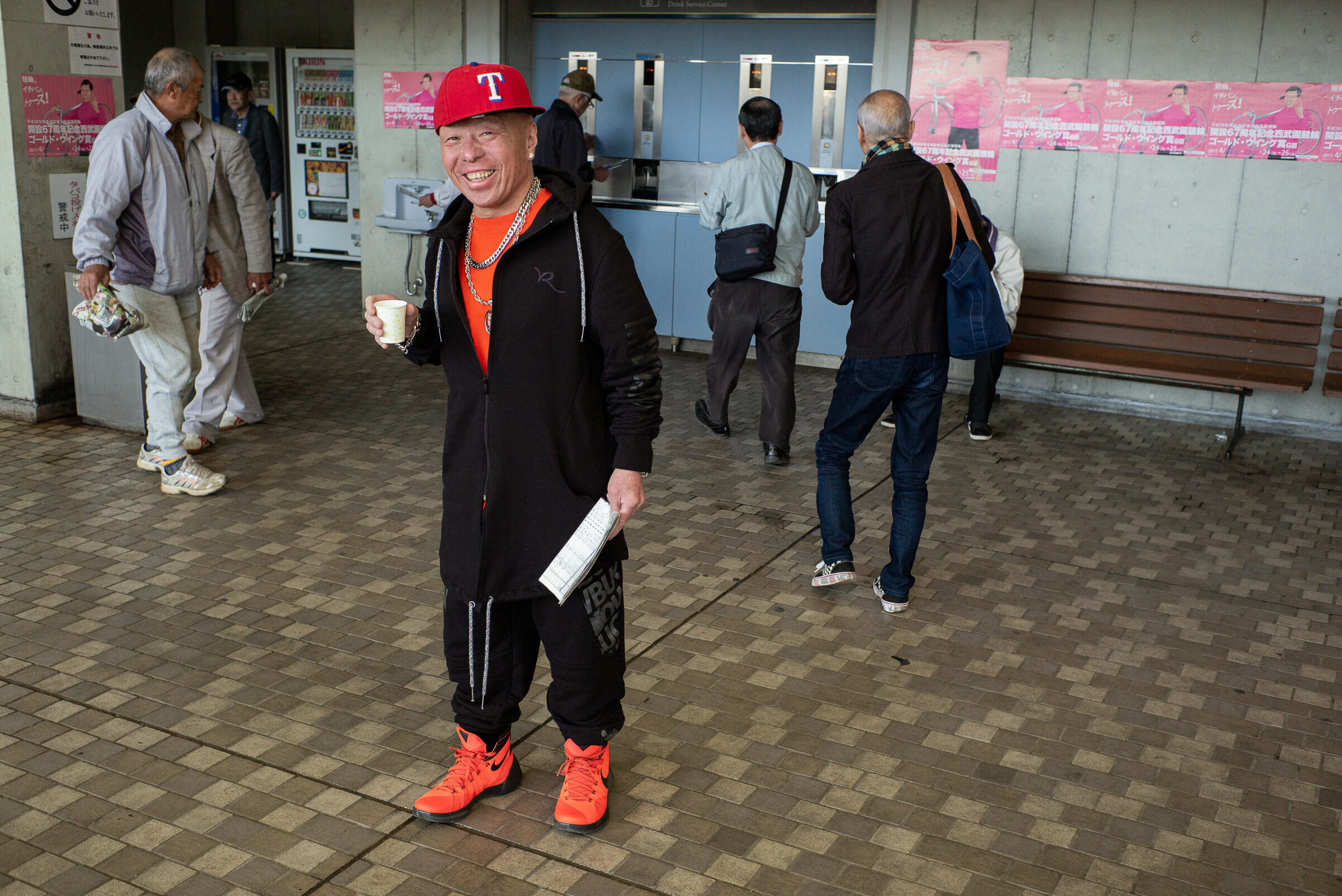
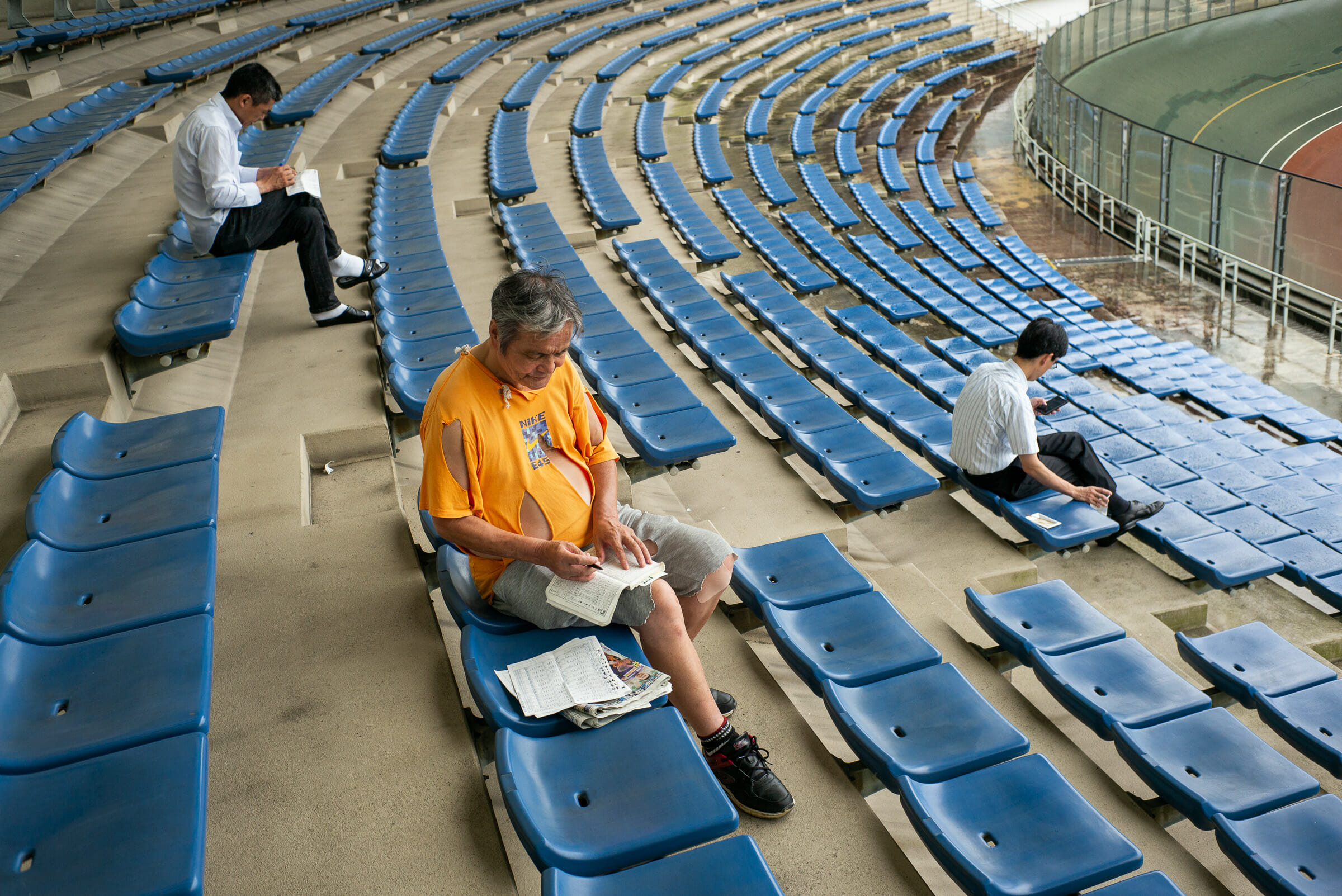
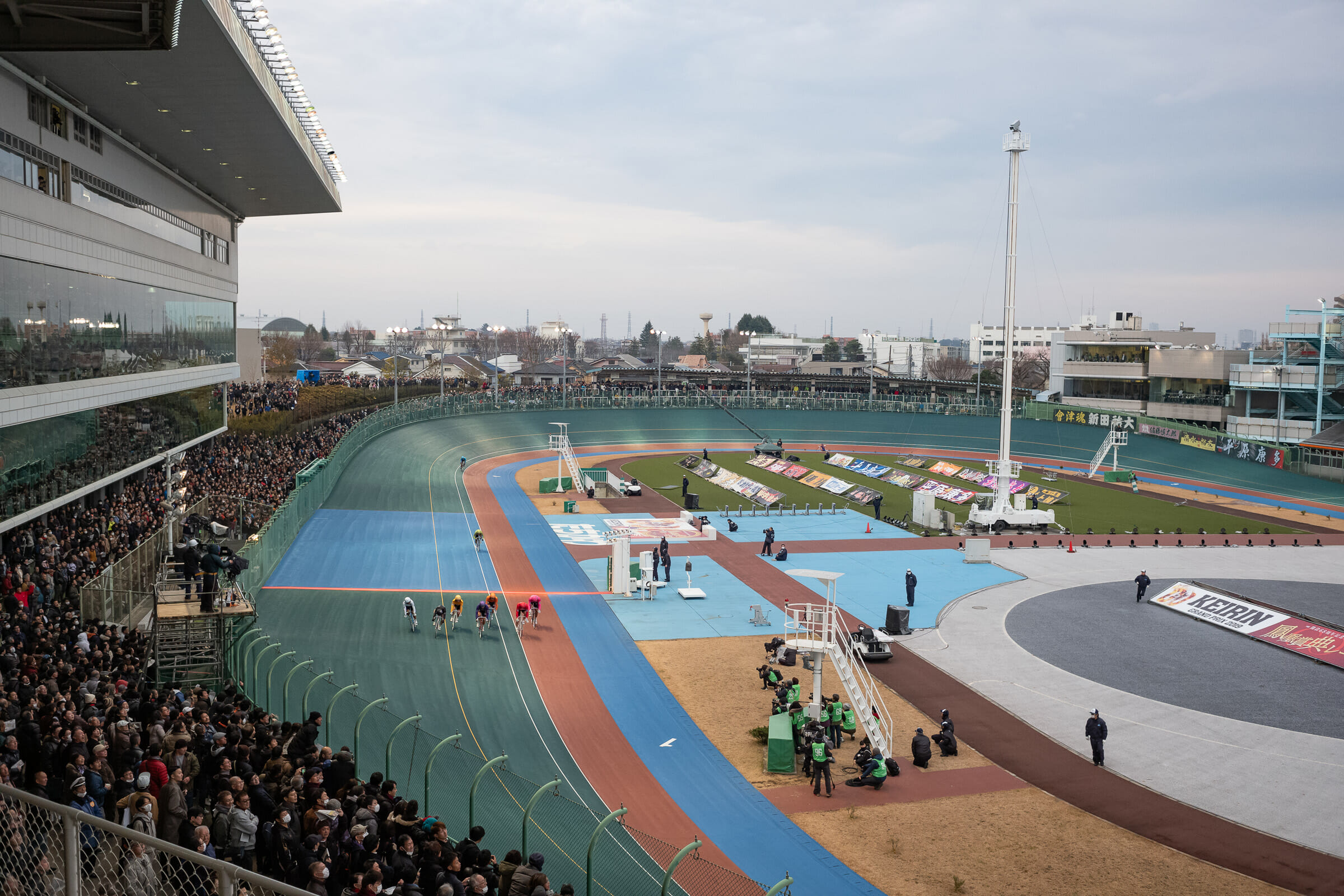
Gambling aside, it’s hard to pinpoint exactly why keirin is sometimes seen as a bit shady, but an element of snobbery could well be a part of it. At its heart, keirin is a very blue collar sport — just like those first races over 70 years ago. A factor that’s very clearly reflected in the faces you see there, the food and drinks that are for sale, and in many ways, the memories that are never far away. Stands that were once packed now rarely are, and it’s almost always possible to find lines of disused betting kiosks and quiet, rarely visited little areas. Signs of just how many spectators there once were. Numbers that nowadays are only really replicated at the year end big race — a three-day meeting that culminates in the Keirin Grand Prix on December 30th, a tense, six lap battle between the year’s nine best riders that boasts a truly life changing first prize of 100 million yen. The whole event is popular, but the last day in particular is the one time people do actually turn up en masse, along with a large contingent of the nation’s media. A genuine spectacle that’s shown in the last photograph, taken during the 2019 edition of the race.

Come the beginning of the new year, however, and it’s once again back to just the usual faces watching the usual races, which for me at least also means that it’s once again back to its fascinatingly faded best.
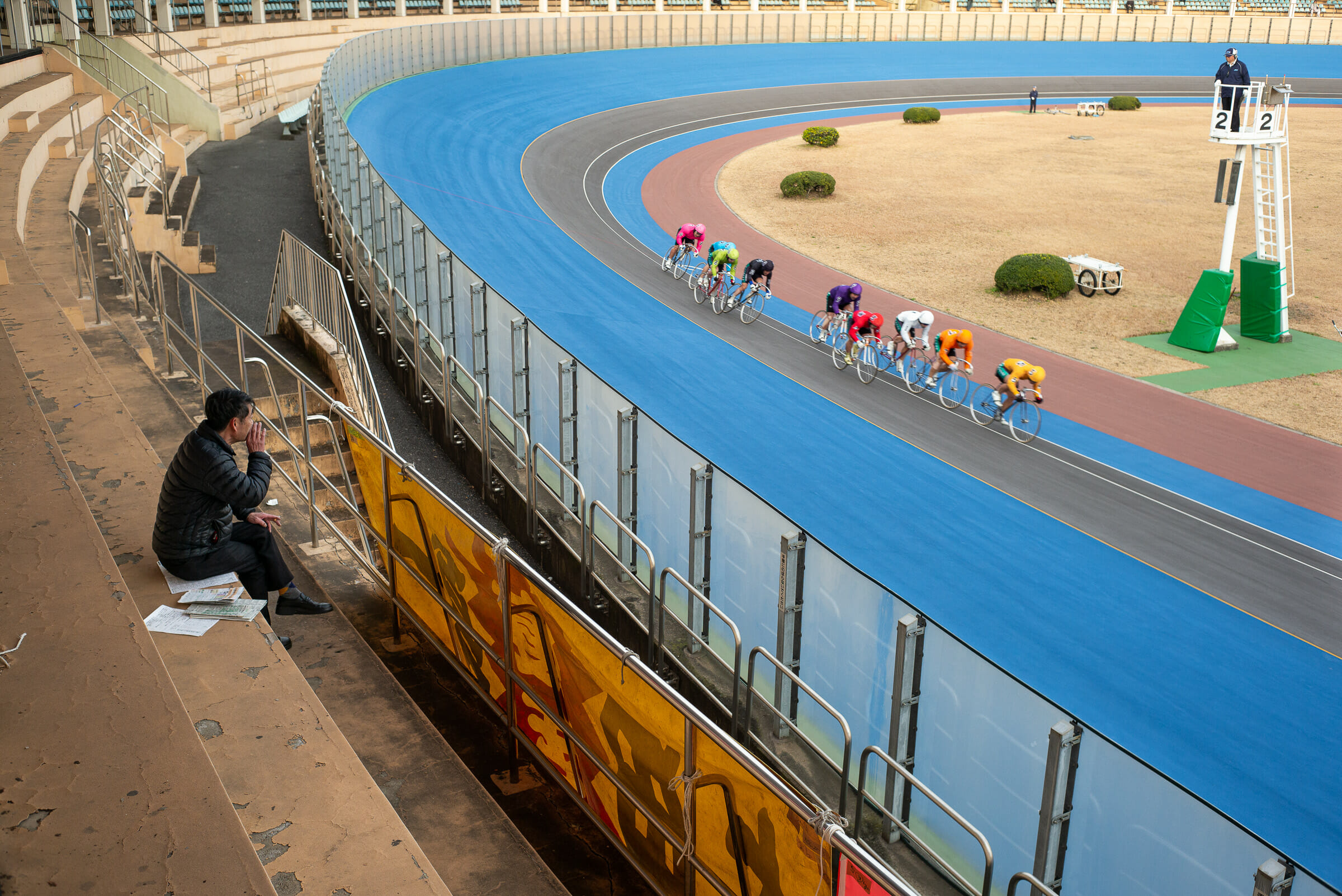
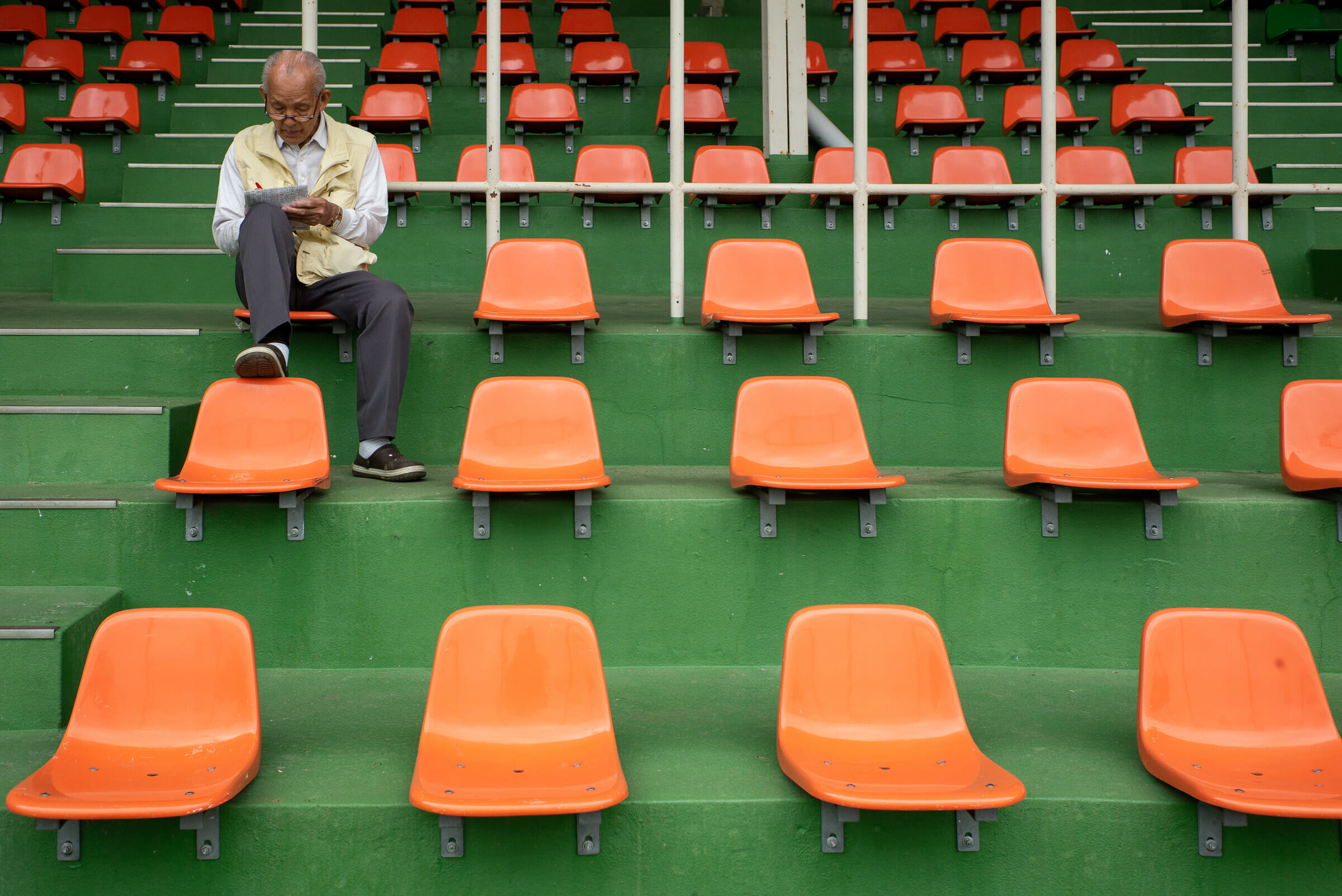
Japanese keirin in pictures

Japanese keirin in pictures

Japanese keirin in pictures

Japanese keirin in pictures

Japanese keirin in pictures

Japanese keirin in pictures

Japanese keirin in pictures

Japanese keirin in pictures

Japanese keirin in pictures

Japanese keirin in pictures

Japanese keirin in pictures

Japanese keirin in pictures

Japanese keirin in pictures

Japanese keirin in pictures

Japanese keirin in pictures

Japanese keirin in pictures

Japanese keirin in pictures

Japanese keirin in pictures

Japanese keirin in pictures

Japanese keirin in pictures

Japanese keirin in pictures

Japanese keirin in pictures

Japanese keirin in pictures

Japanese keirin in pictures

Categorized: Photography

Jul 30 2021 12 Comments

A tiny and incredibly urban Japanese garden

When space is at a premium, and greenery is just as sparse, it’s sometimes a case of simply making the most of what little you’ve got.

a tiny urban Japanese garden

Categorized: Photography

Jul 27 2021 26 Comments

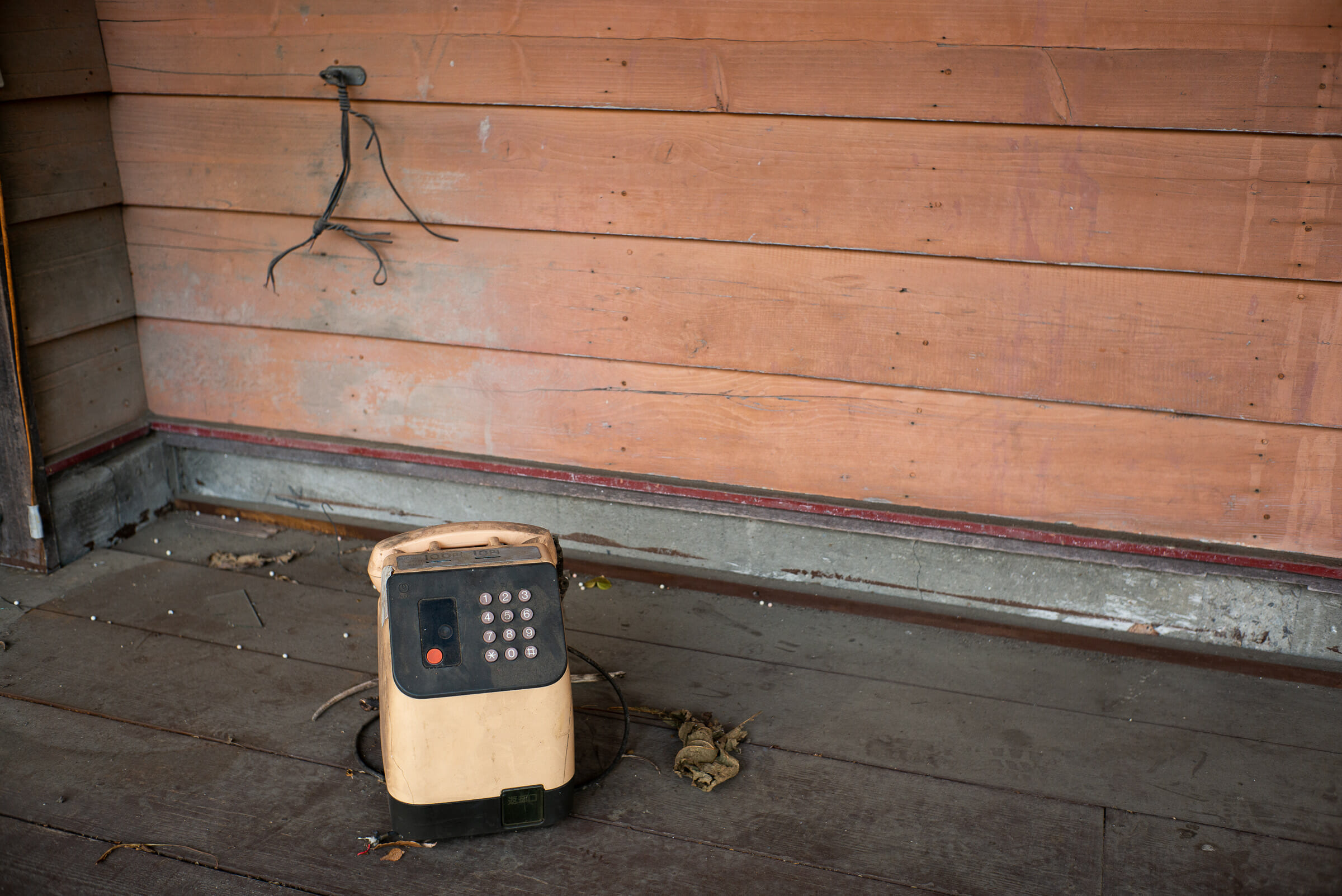
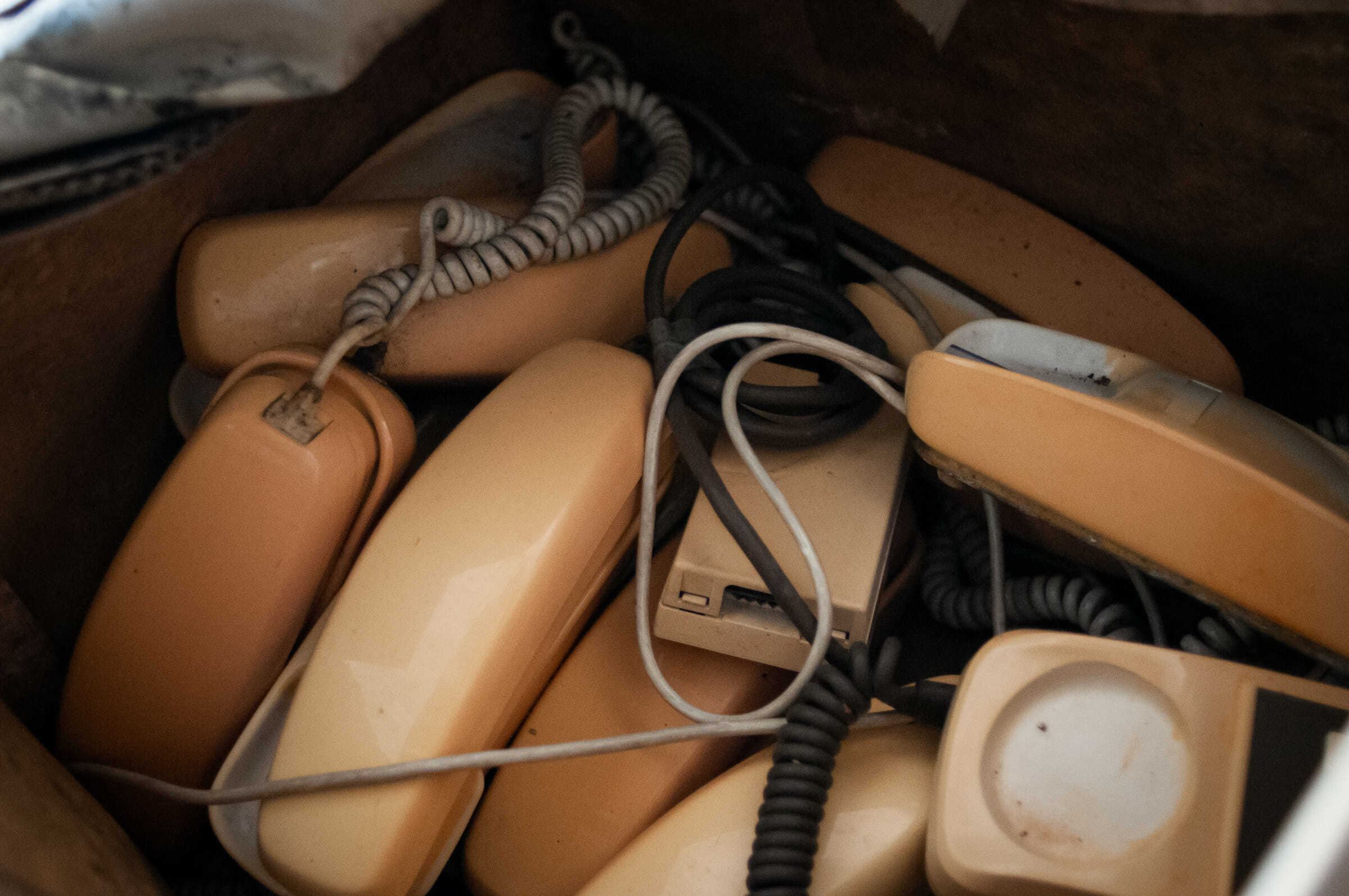
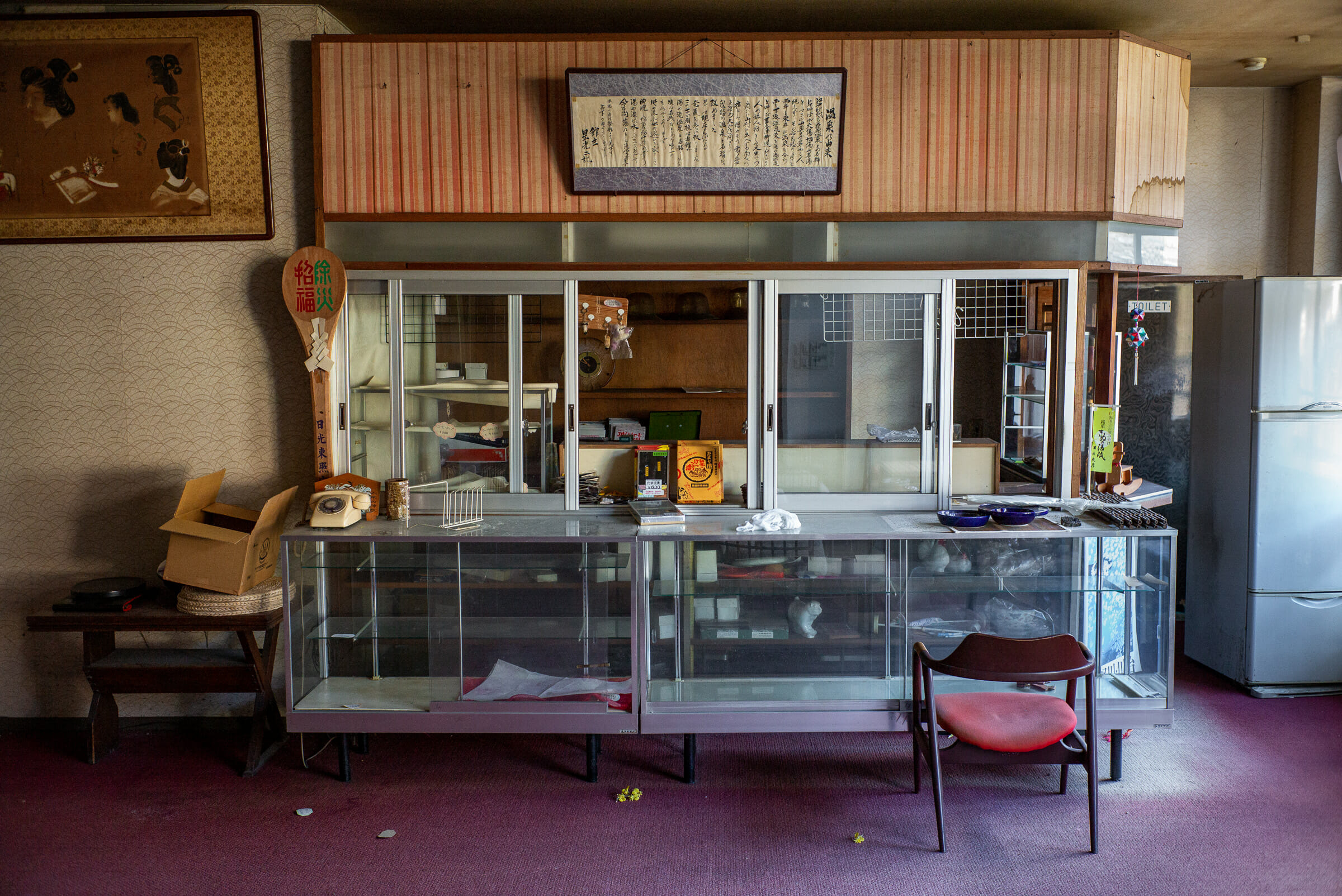
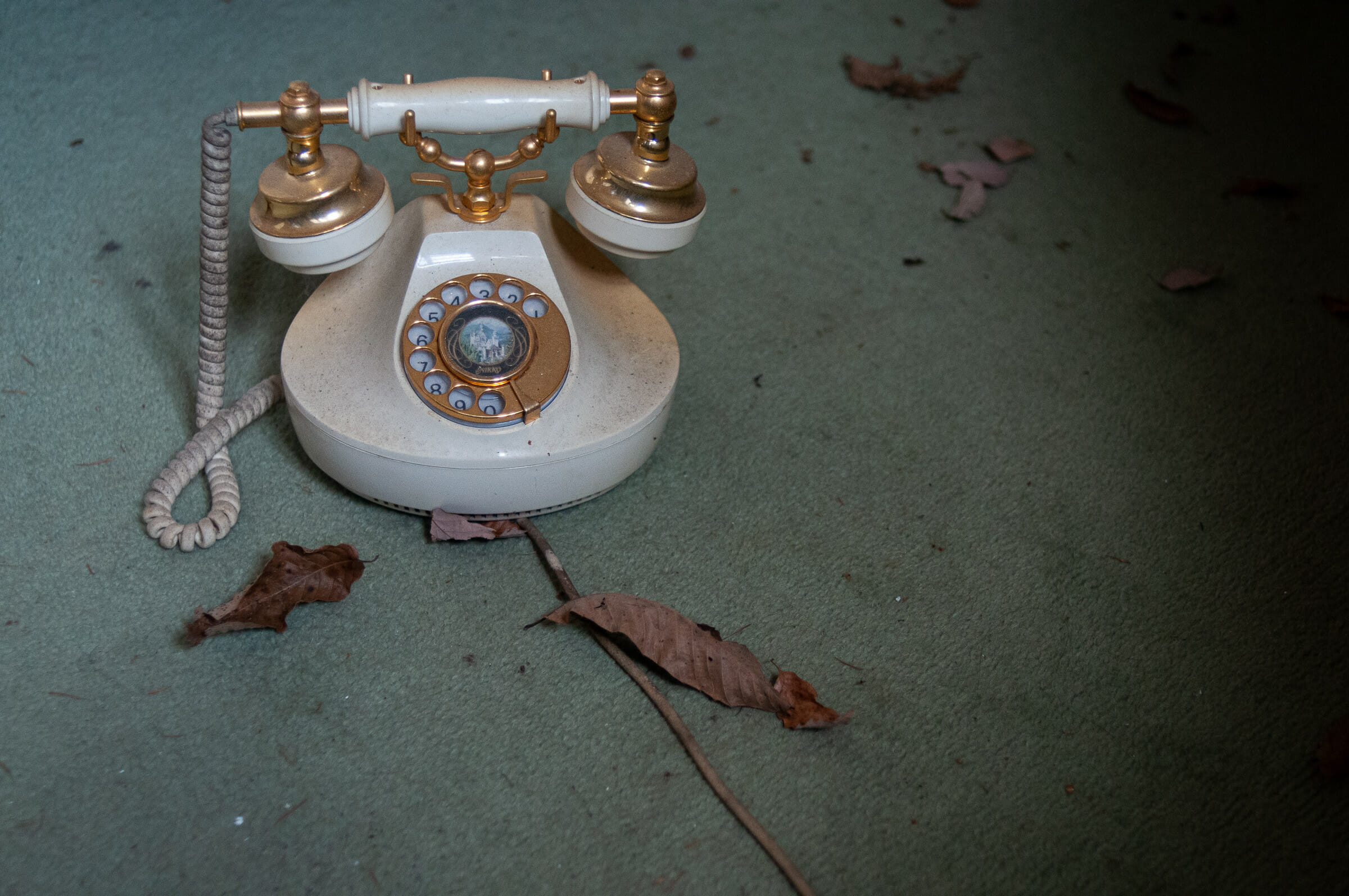
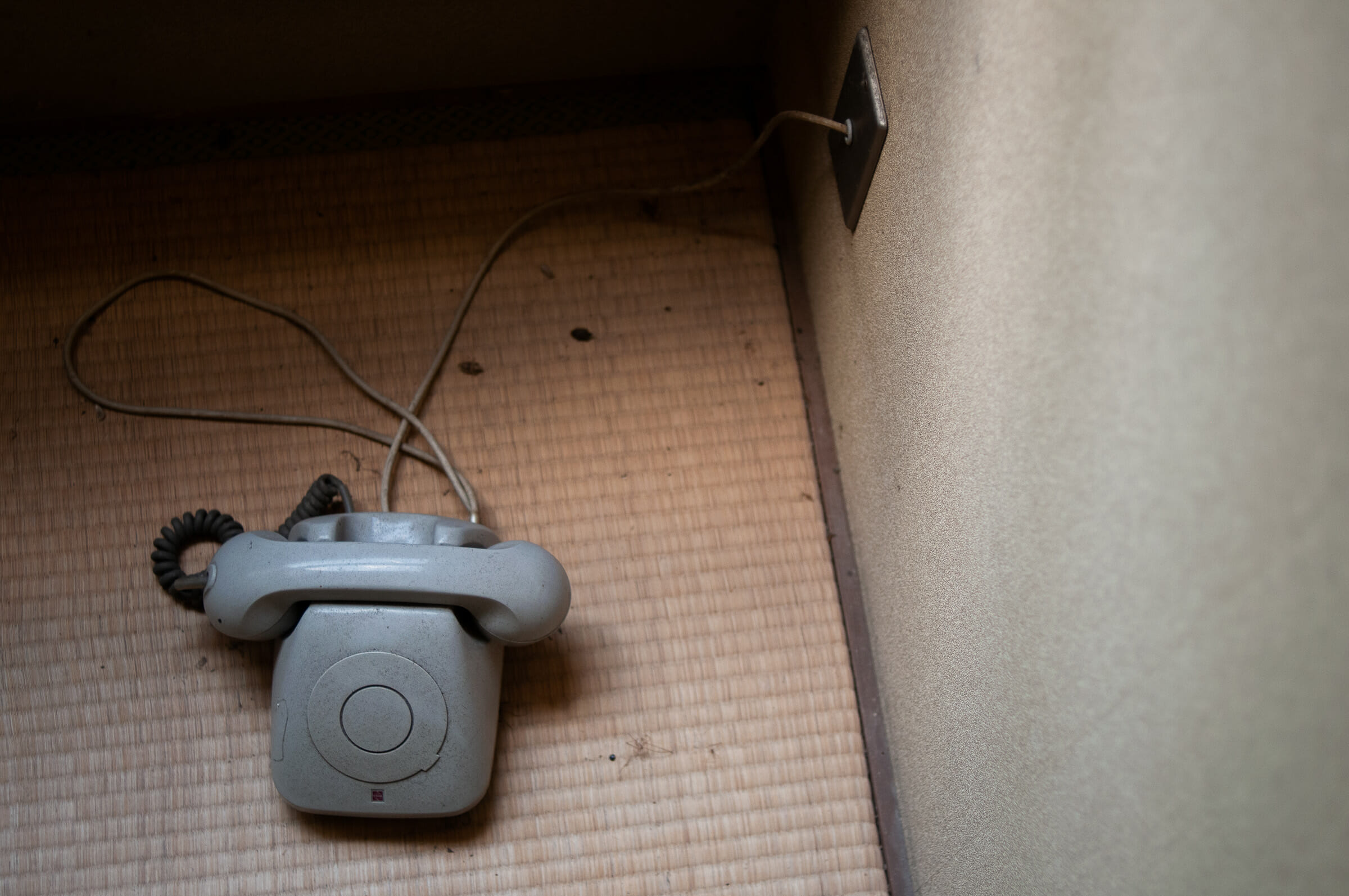
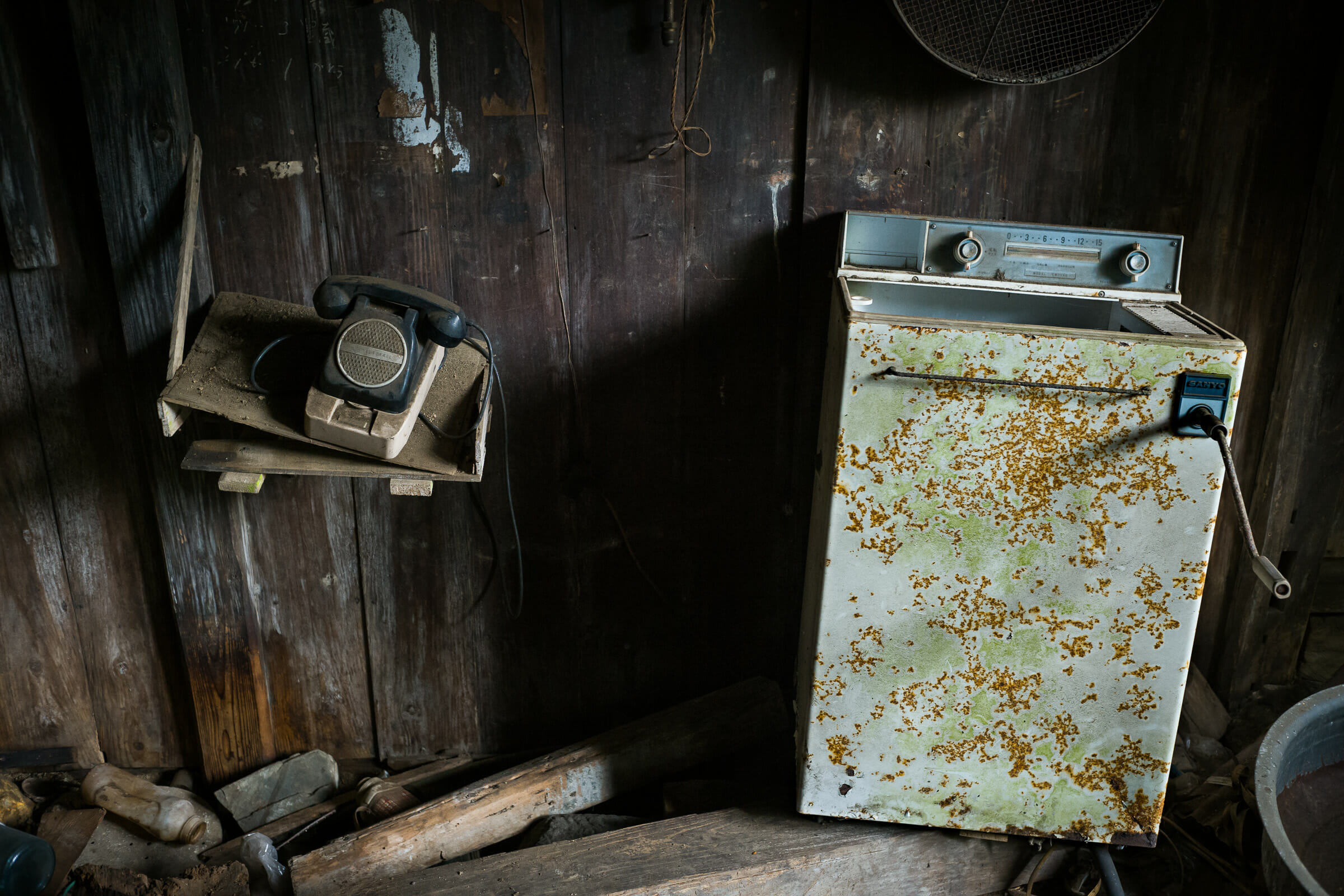
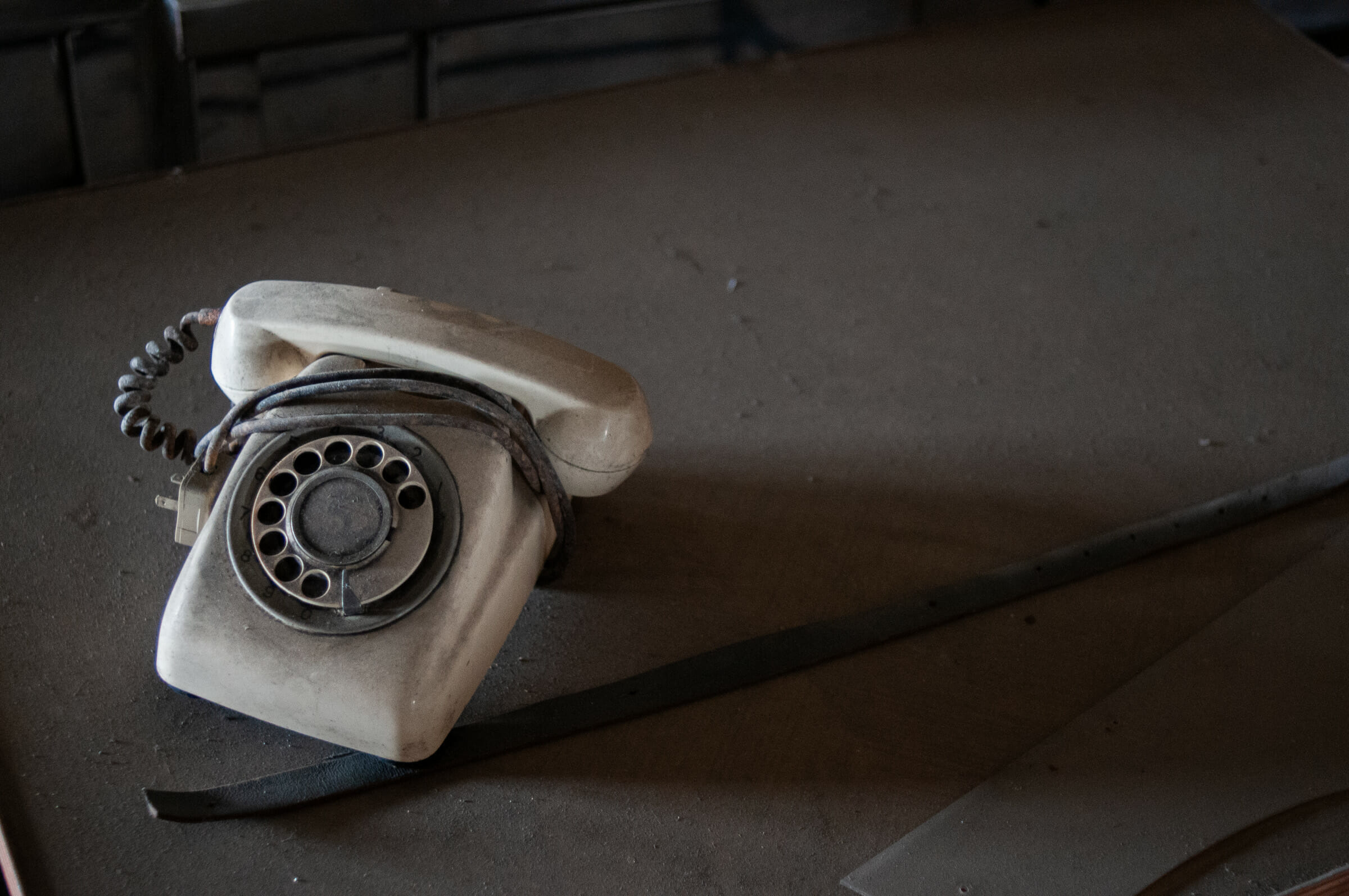
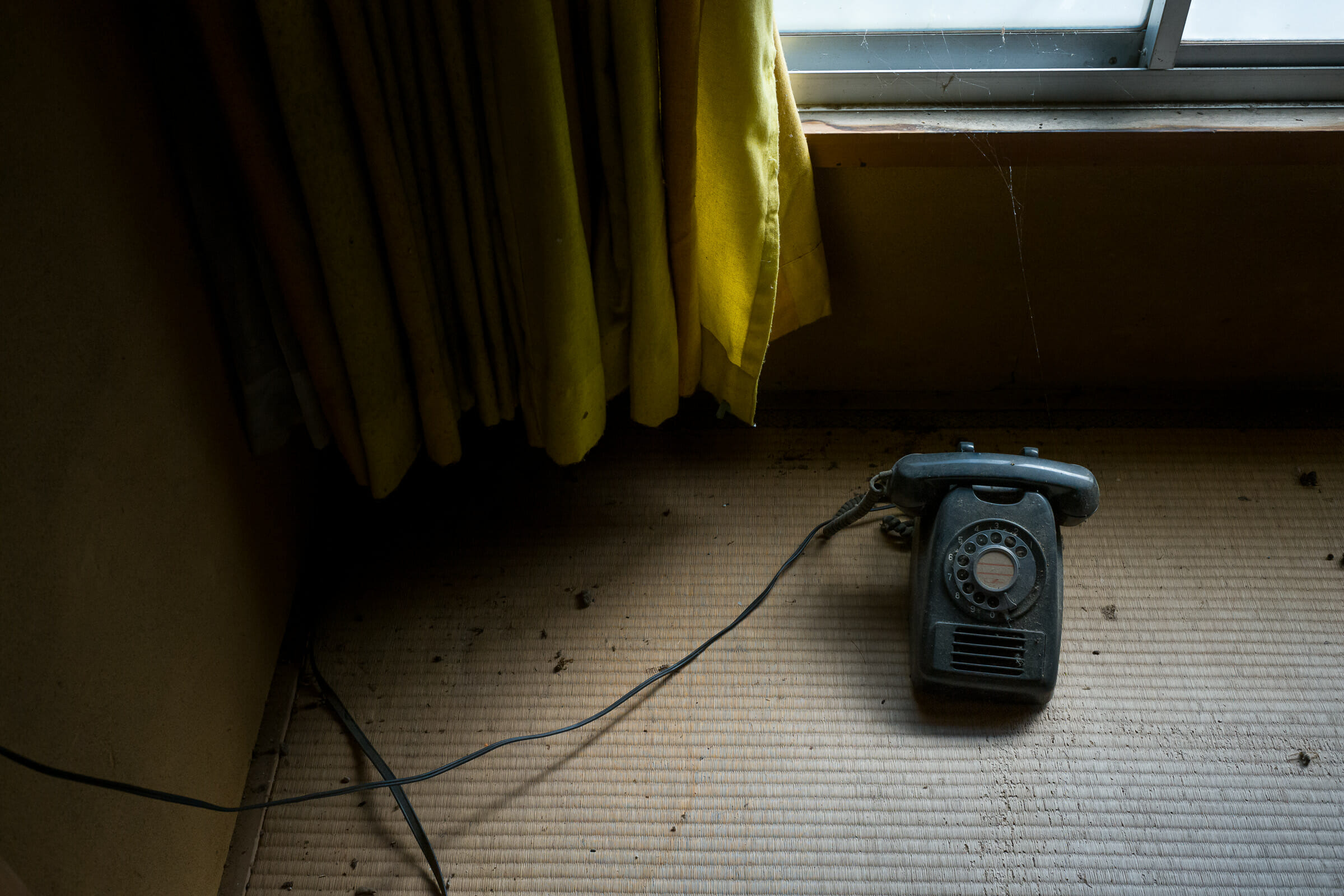
Old and long-abandoned Japanese telephones

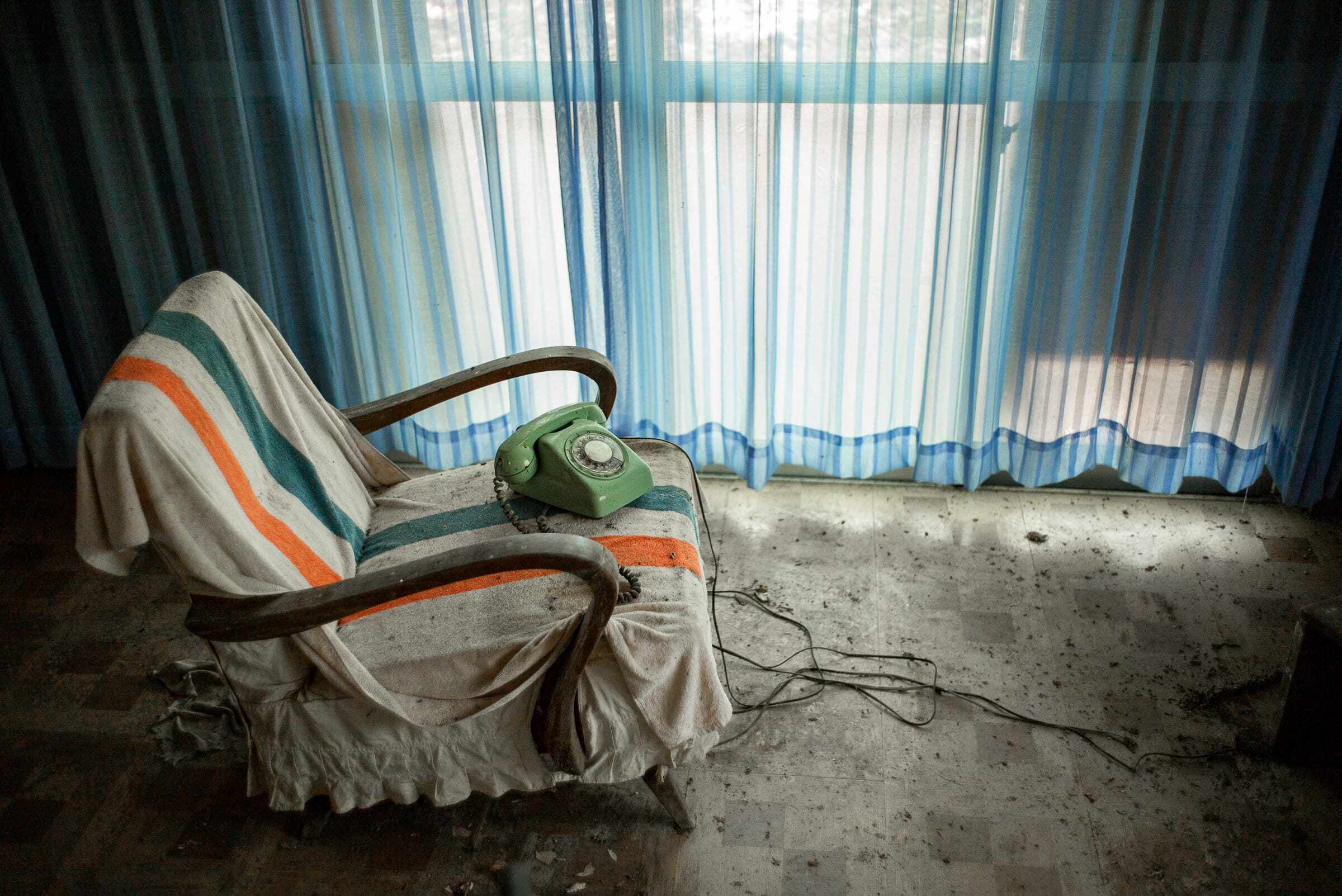
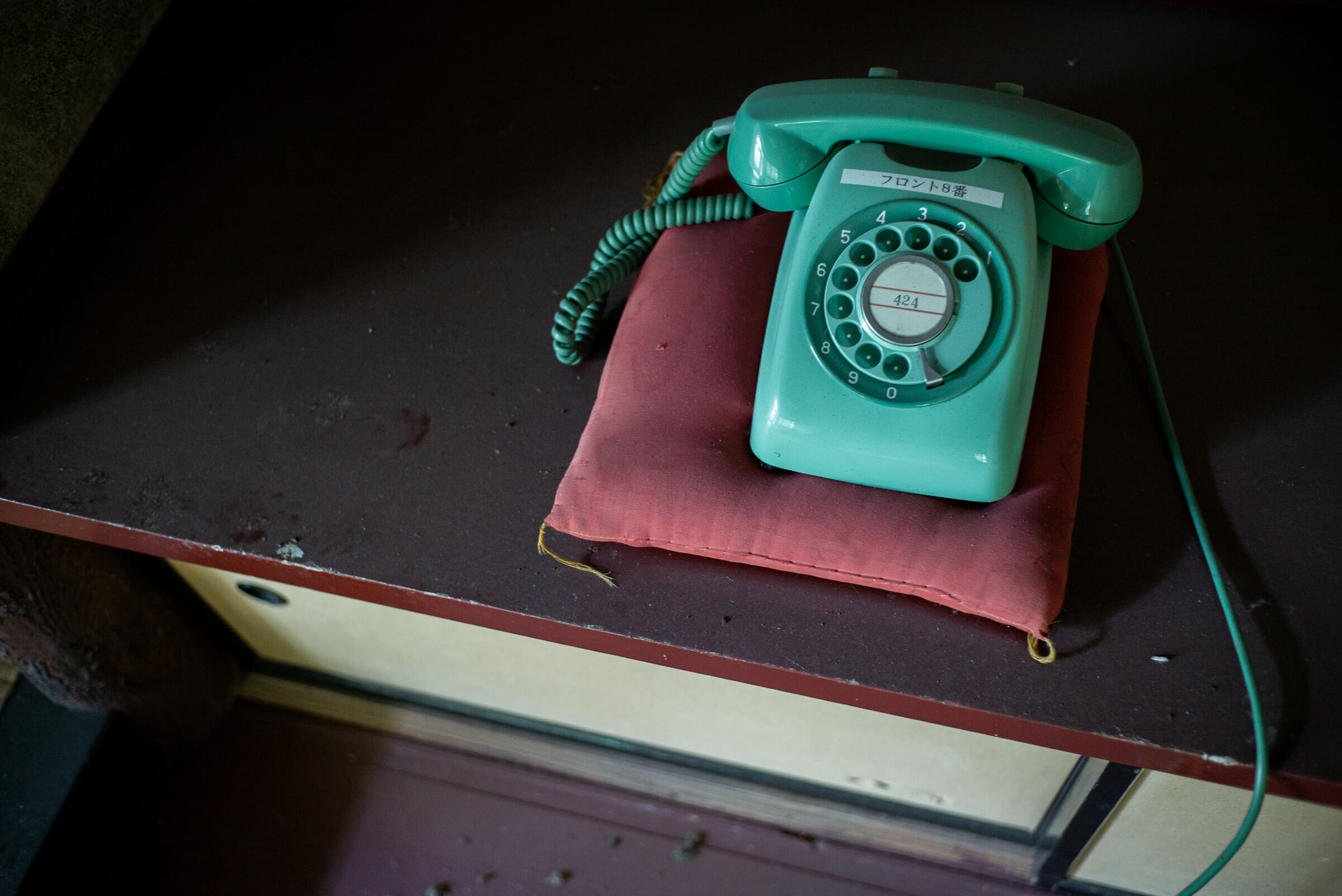
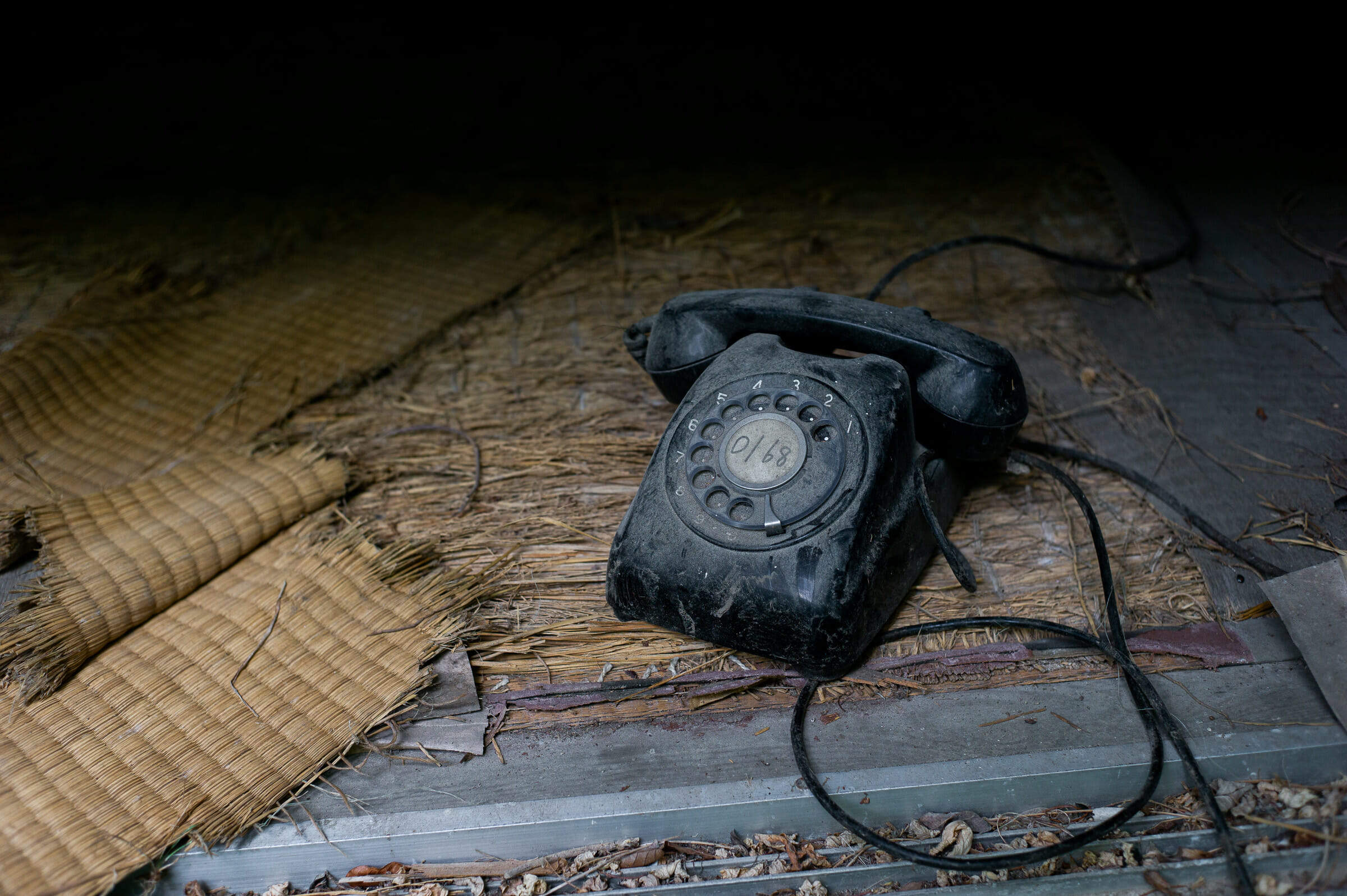
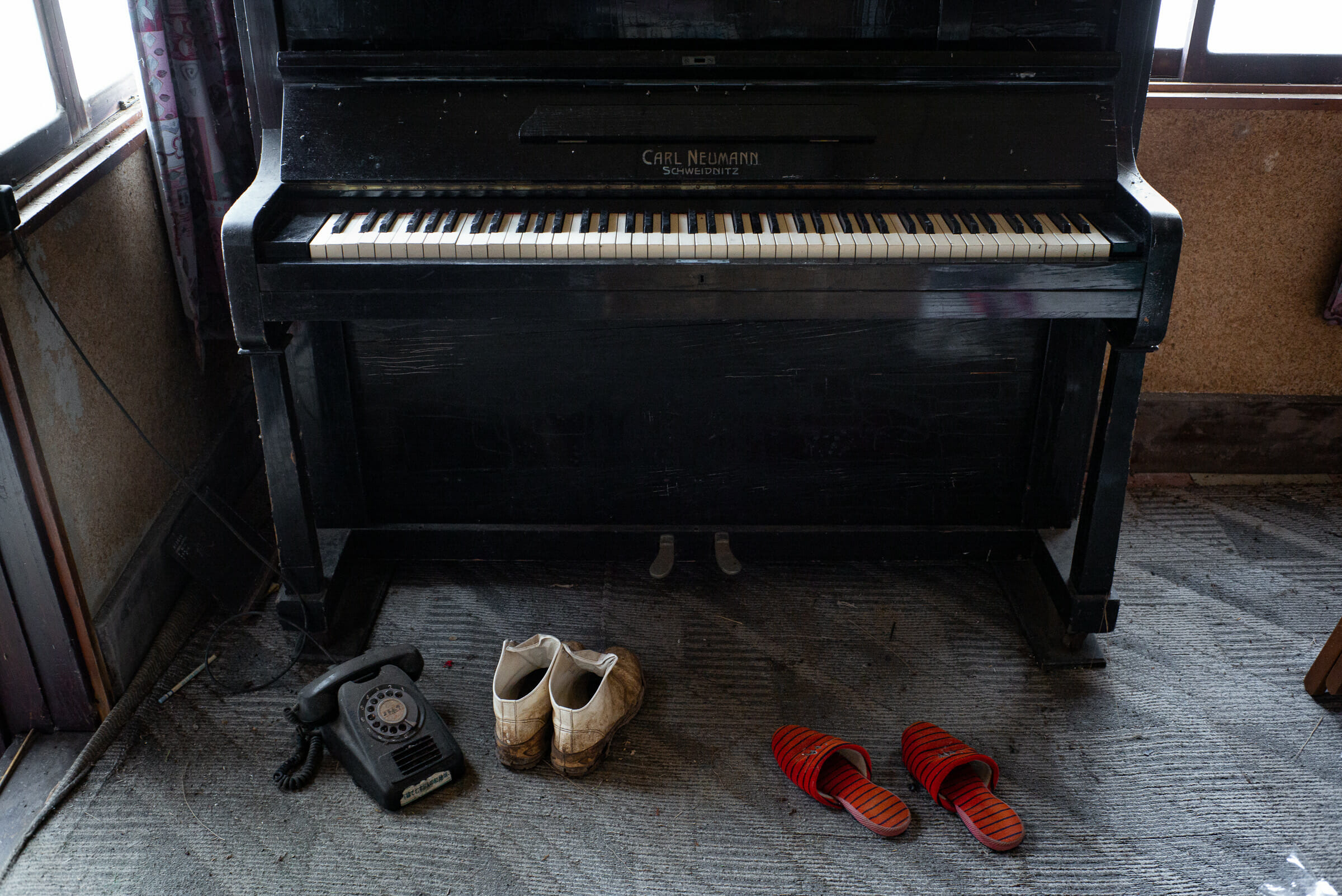
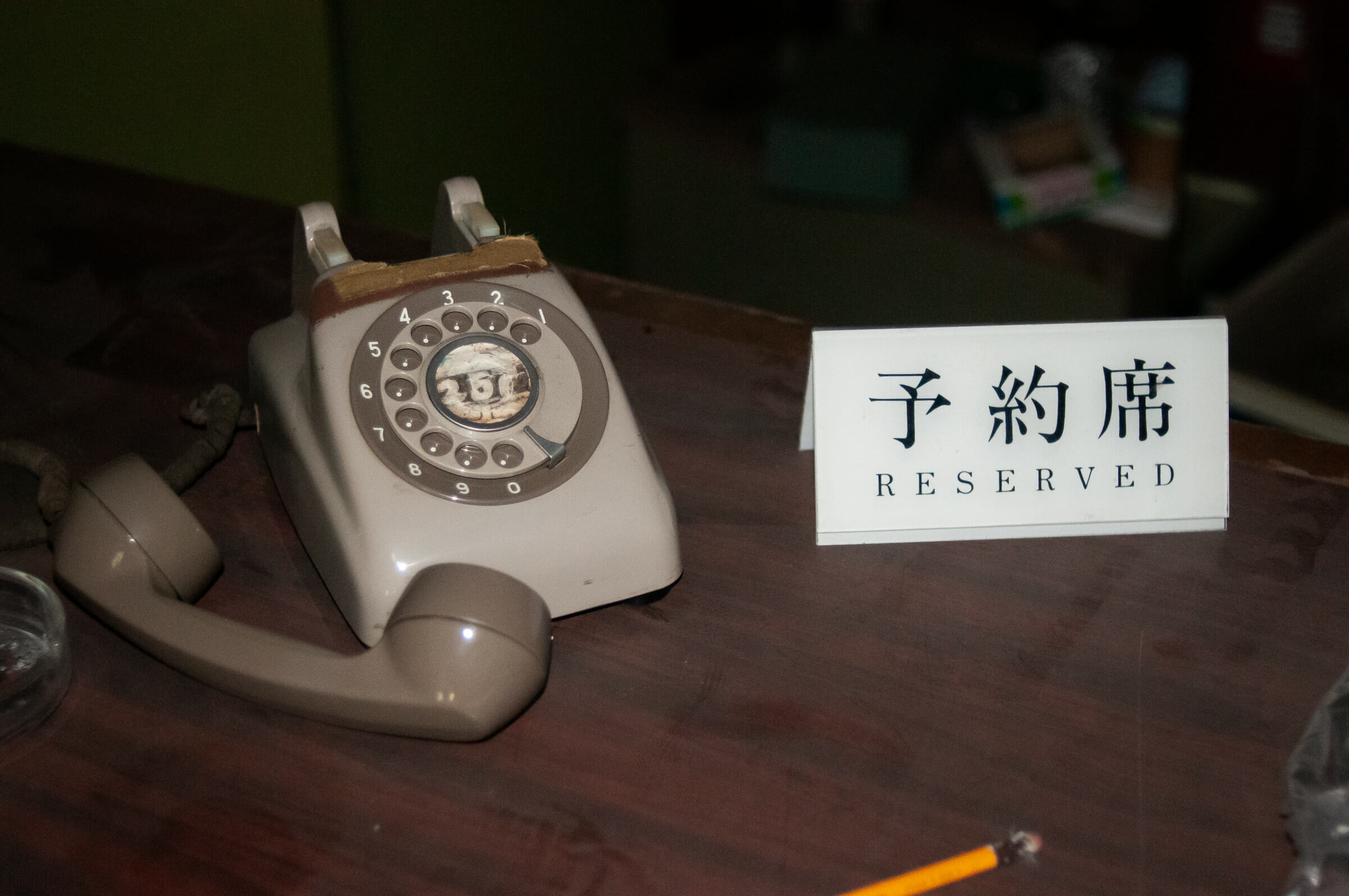
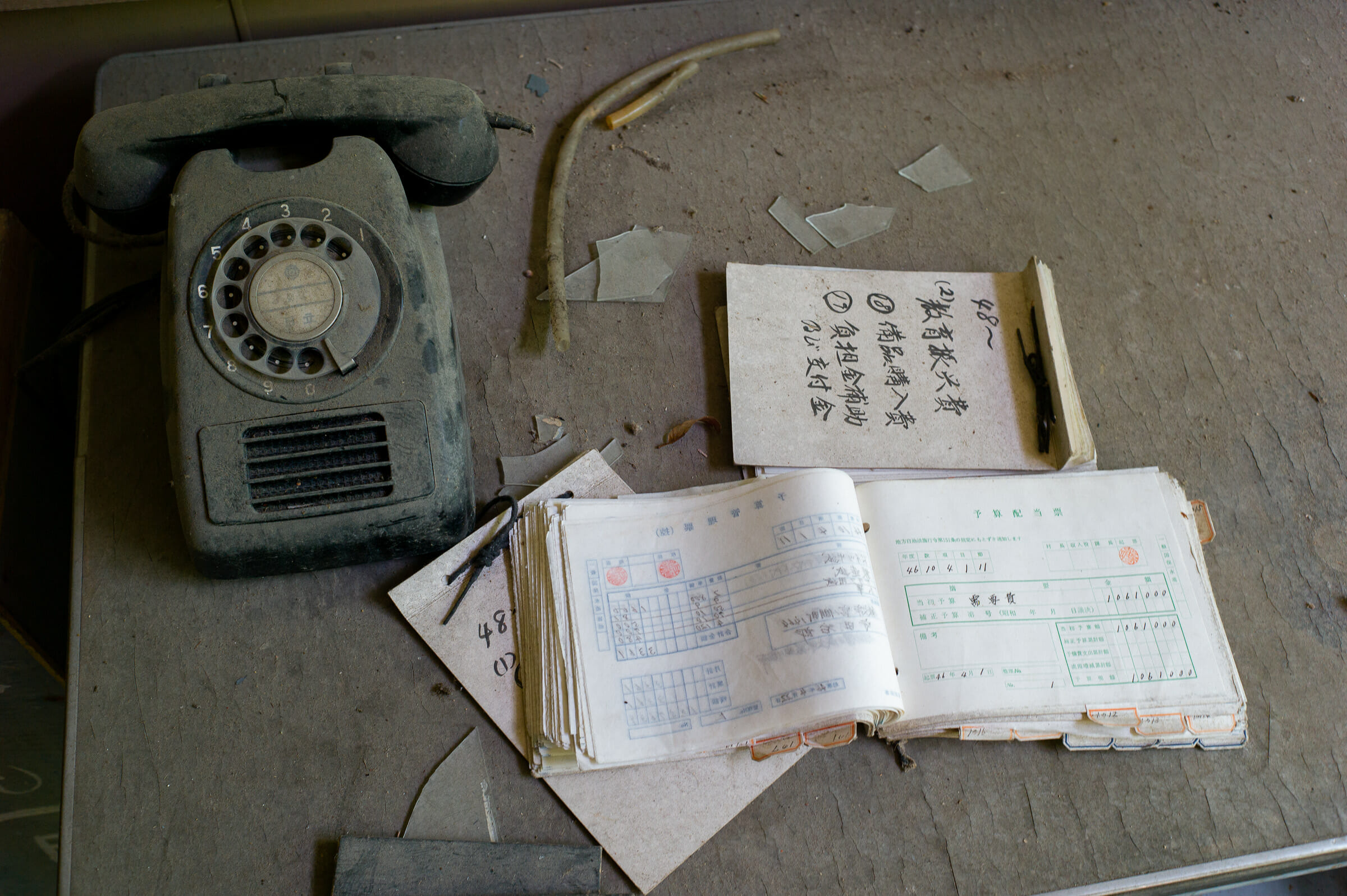
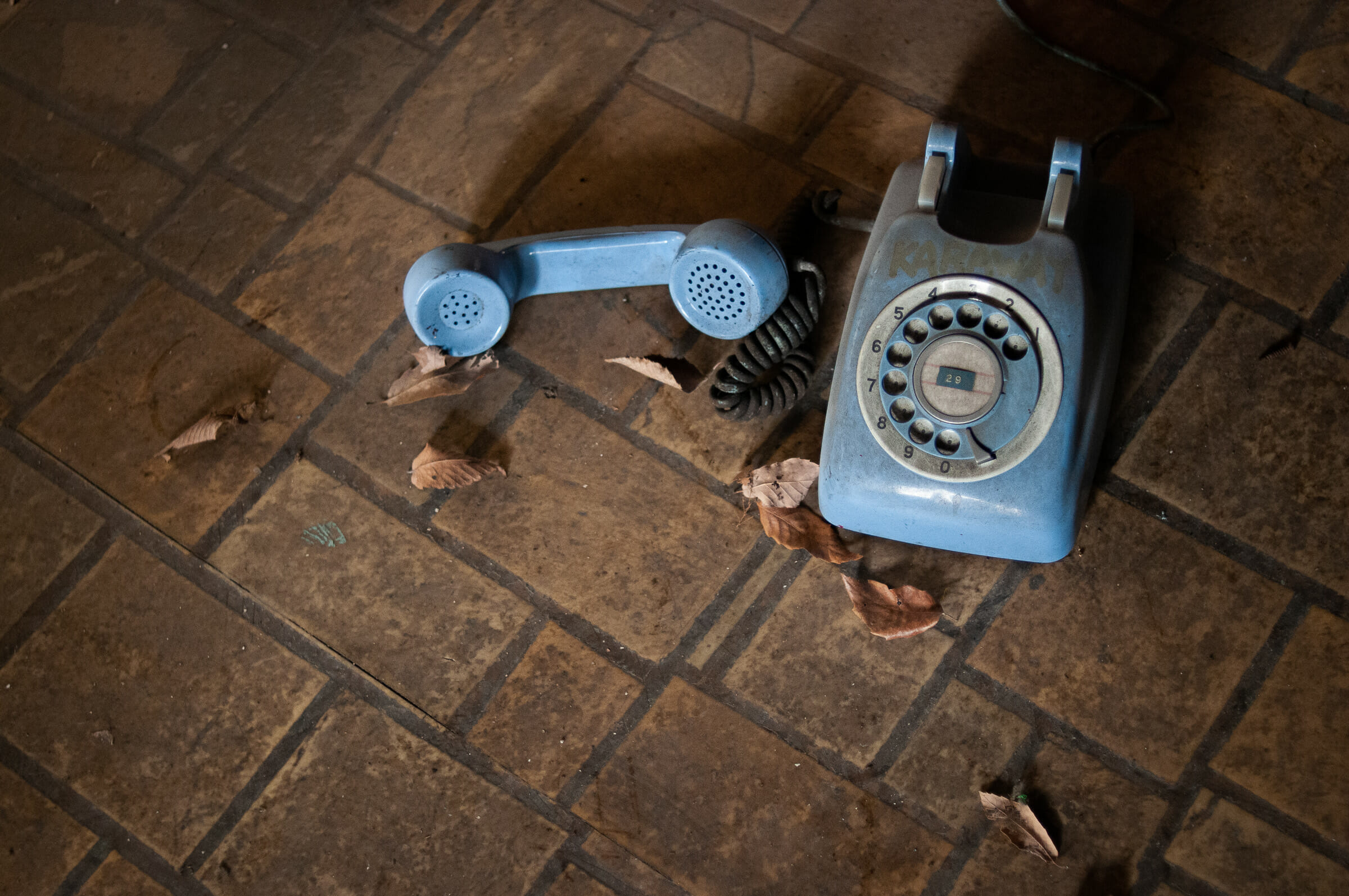
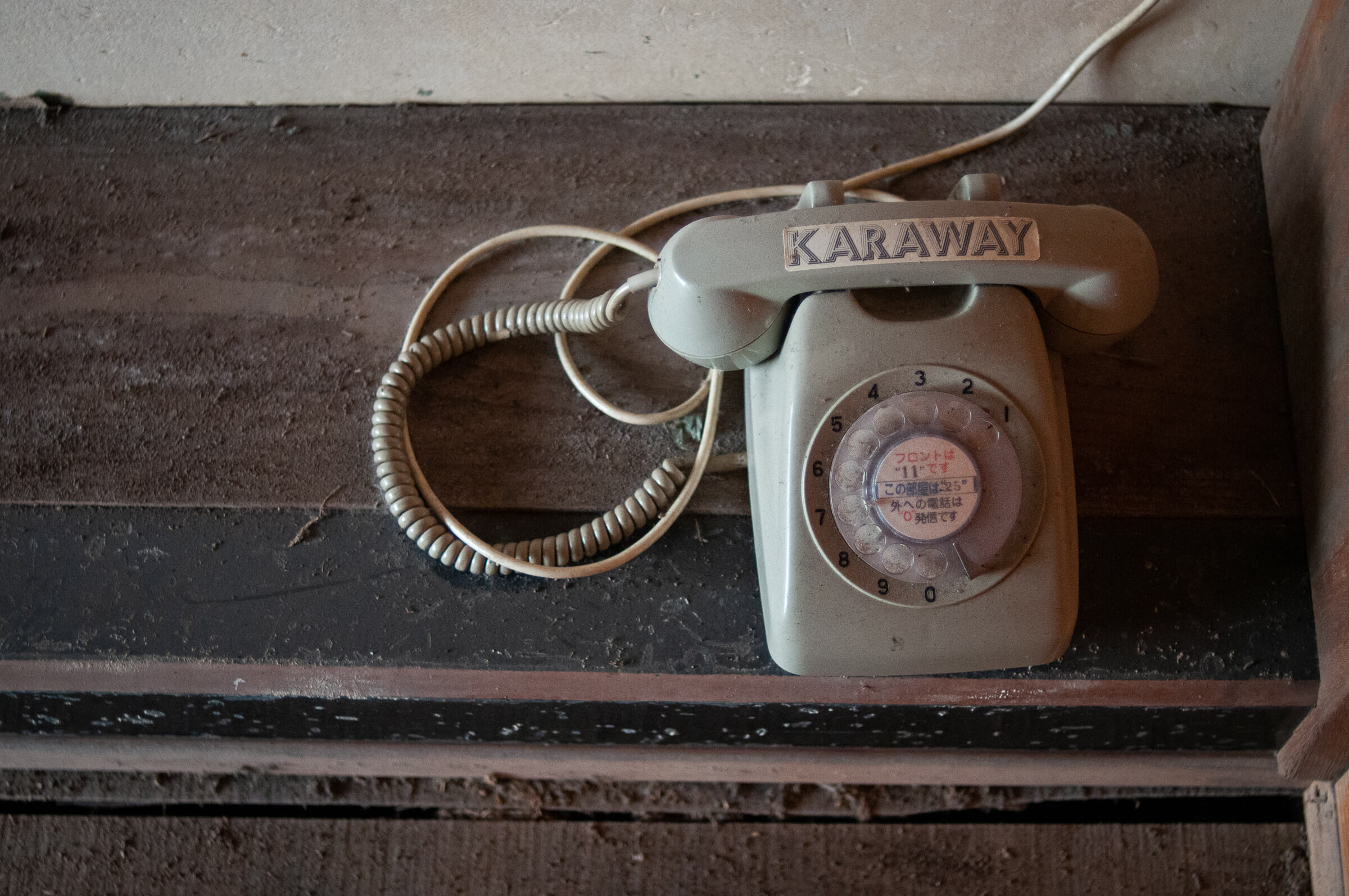
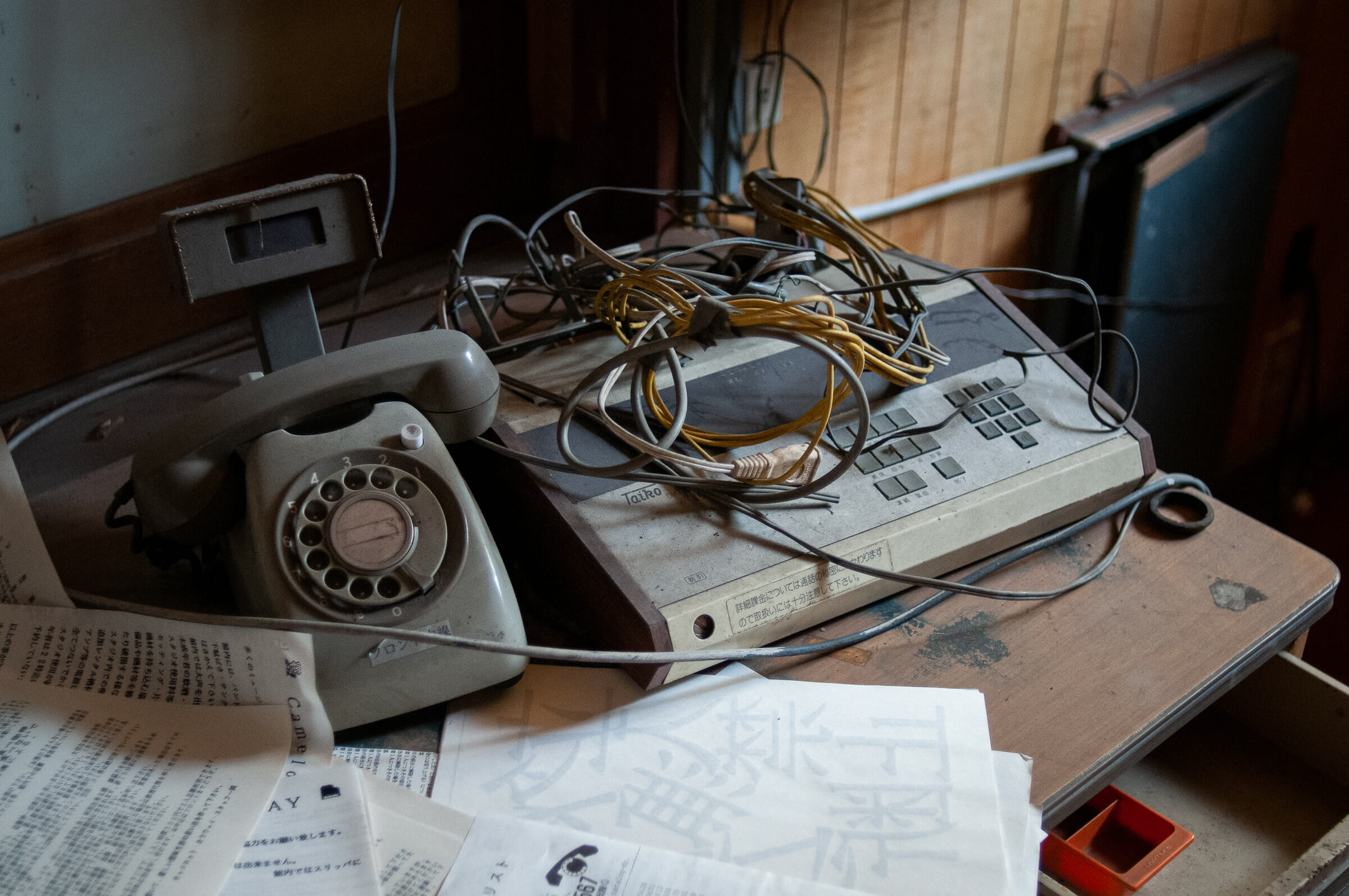
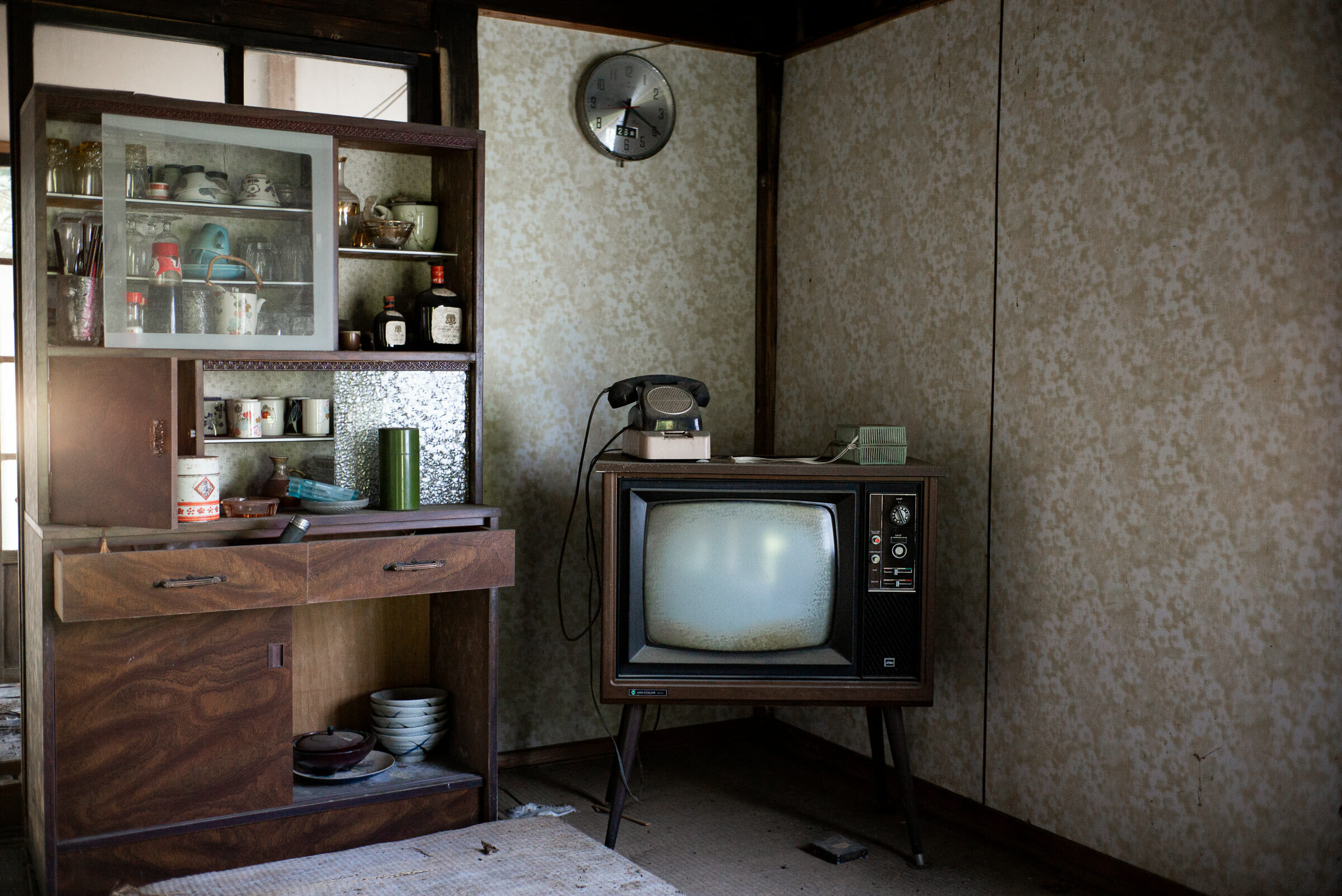
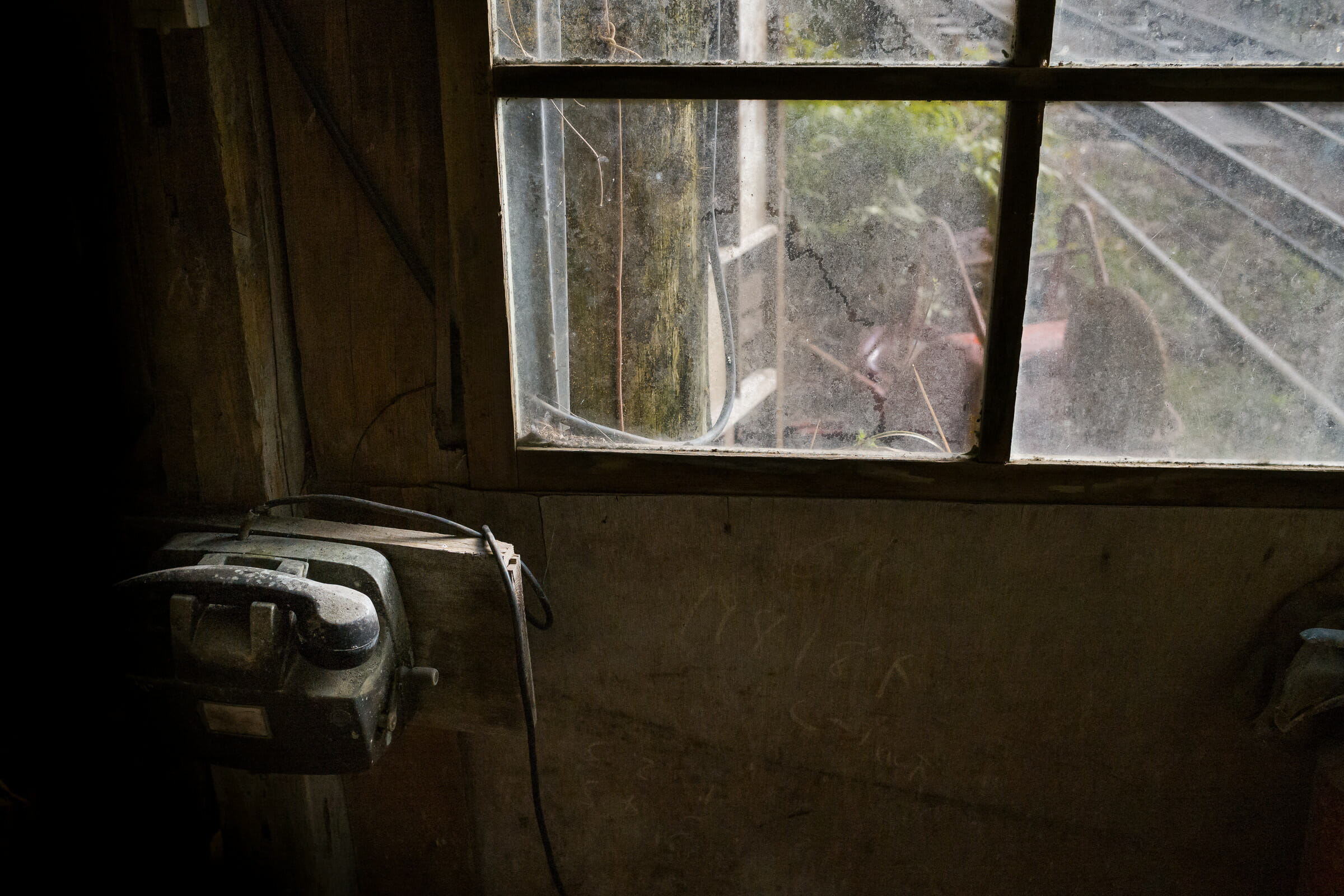
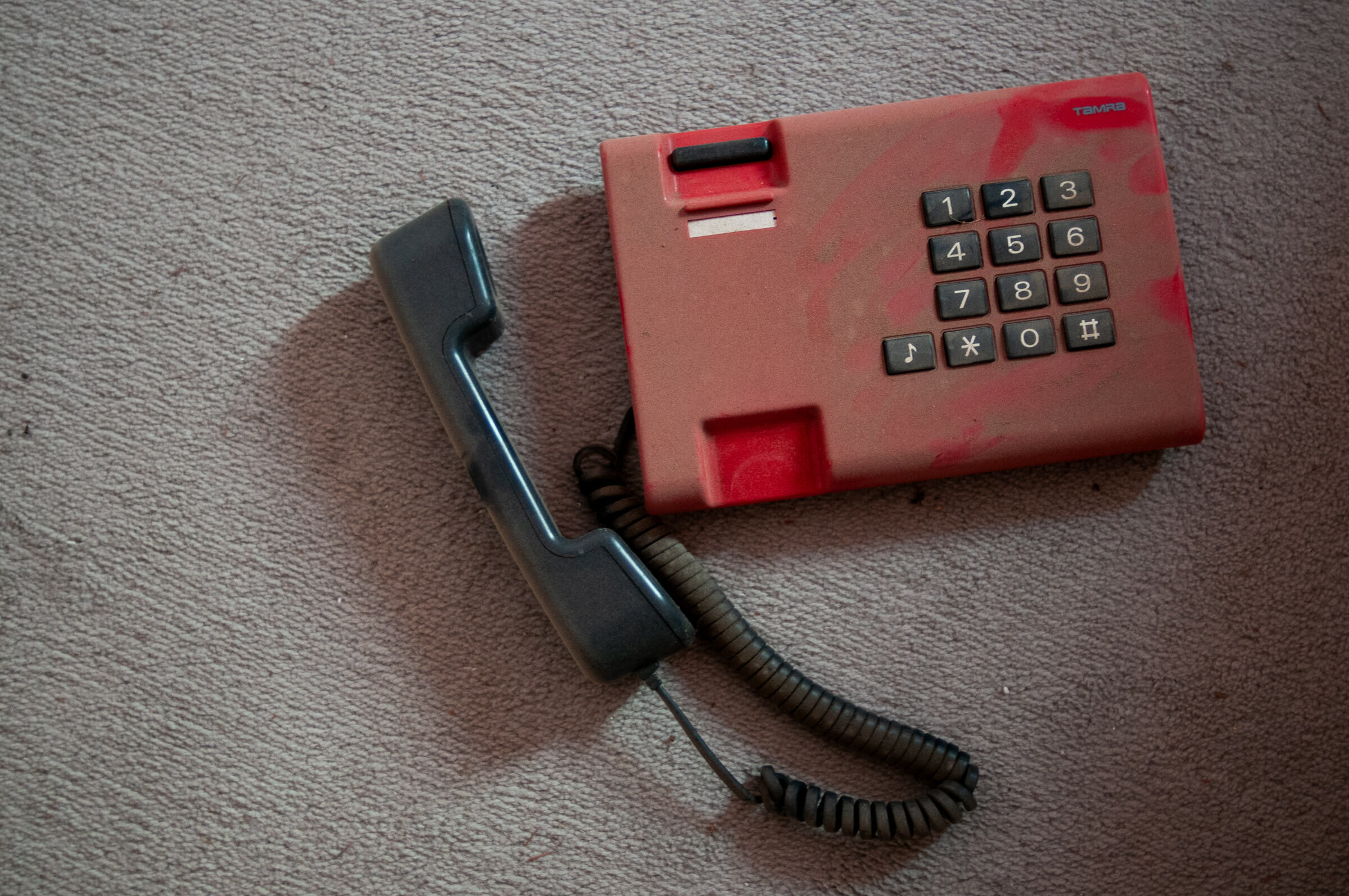
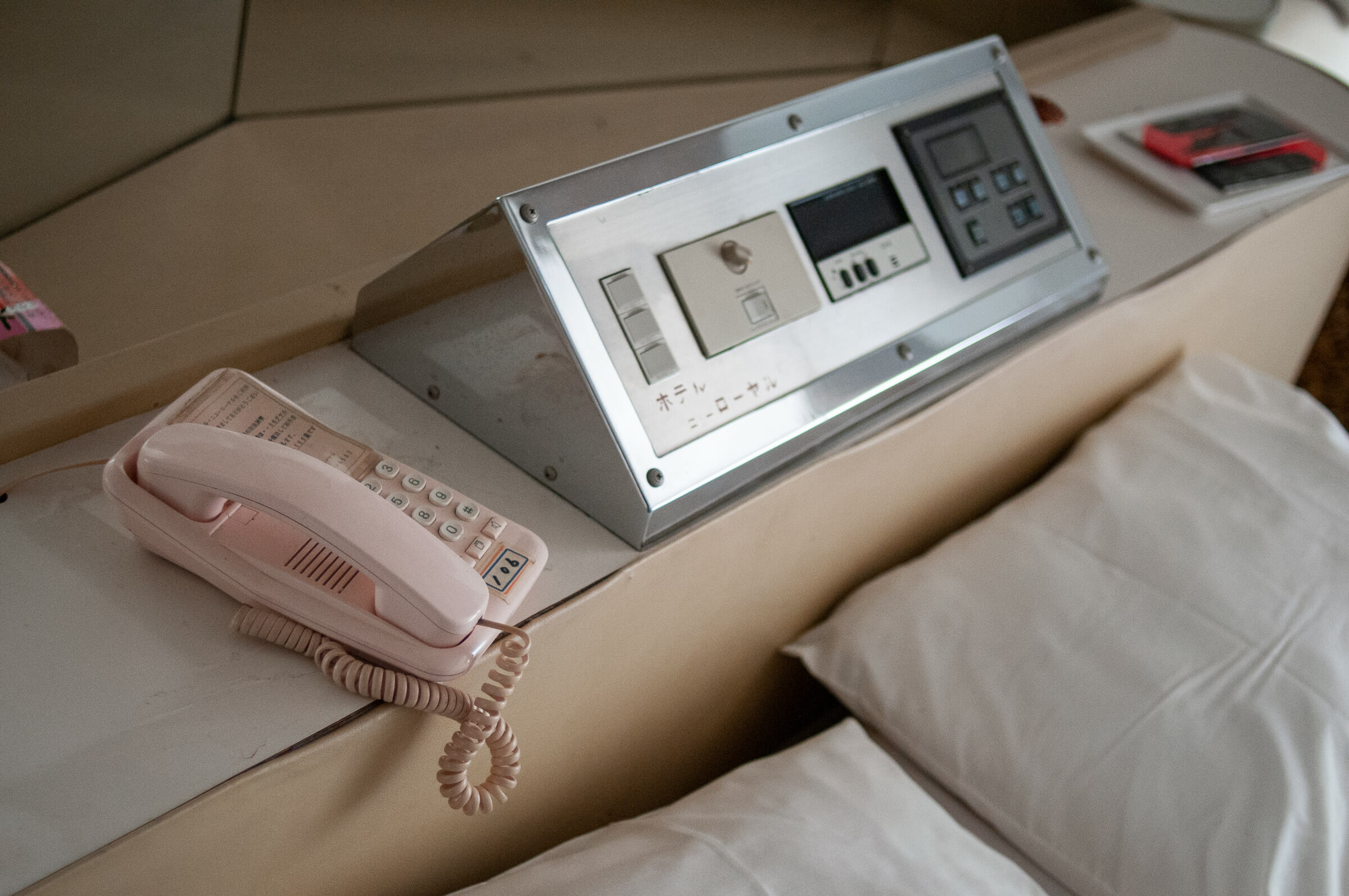
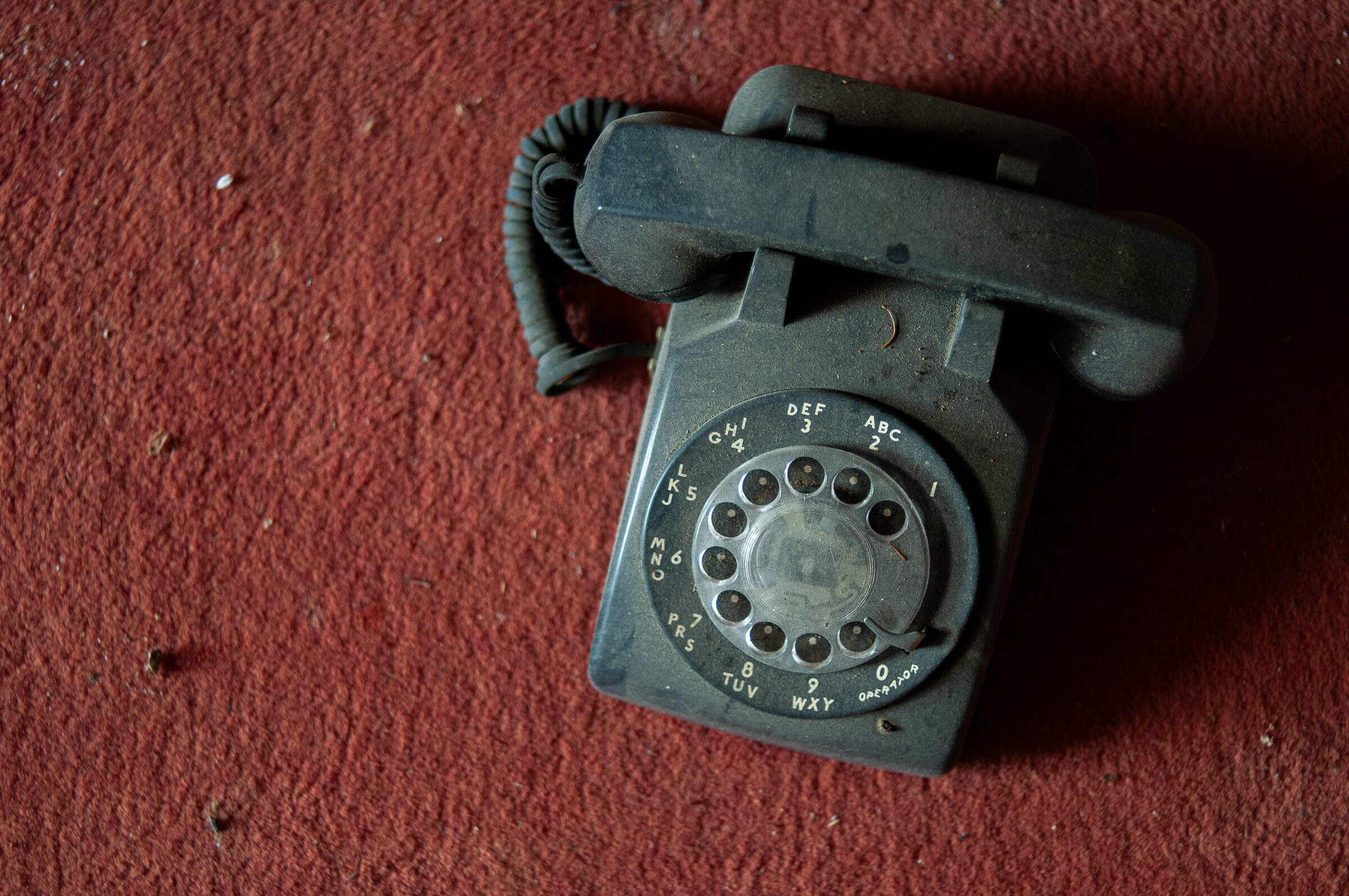
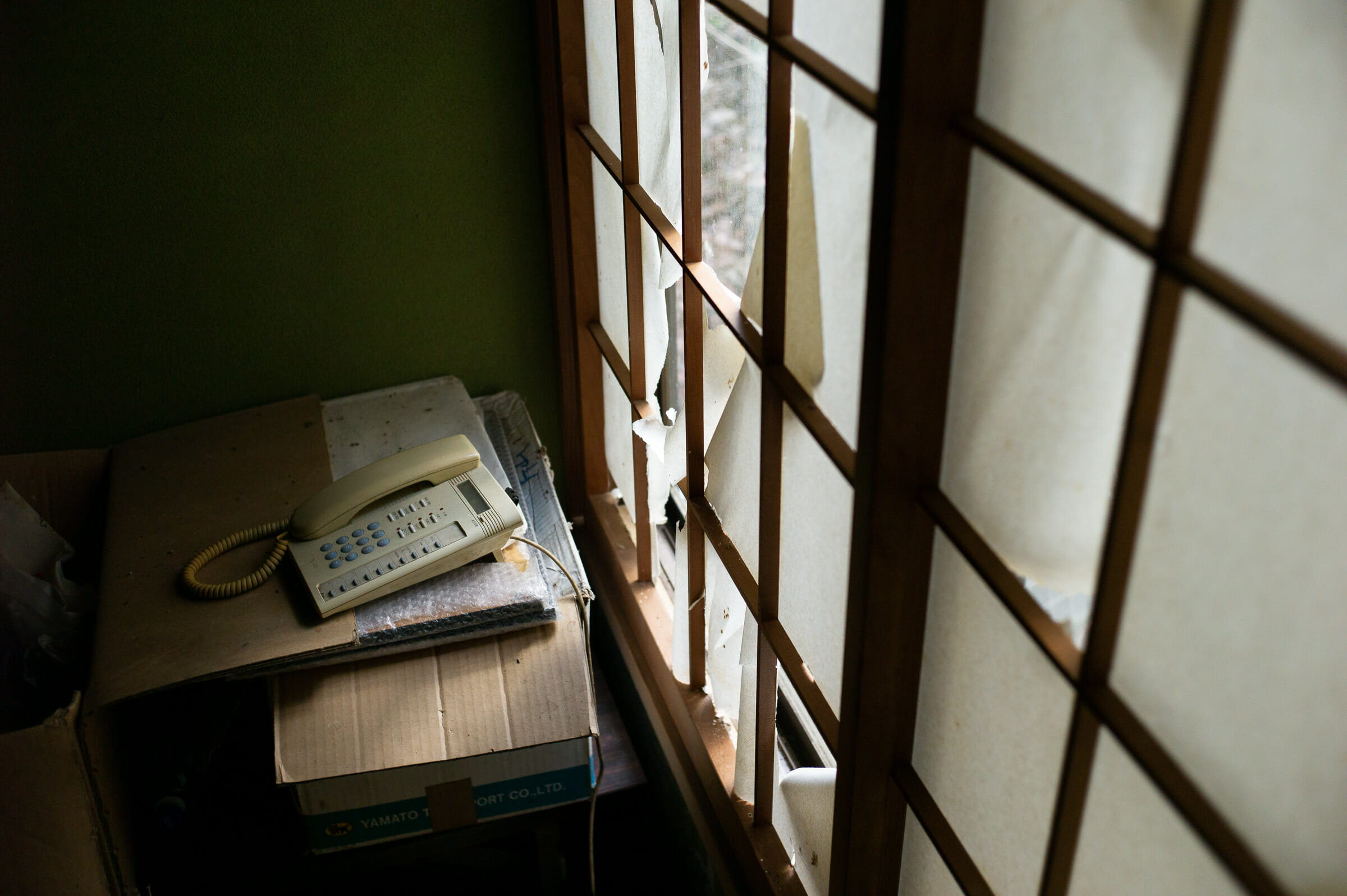
A couple of months ago I put together a photo series of long-abandoned televisions. The dated technology and retro designs of such sets are always interesting, but for me at least, it’s the quietness they seem to emanate that really makes them special. Screens that families once sat around and socialised in front of now left unused and utterly silent, creating a weird sense of loss of sorts. A feeling I also get with old telephones, so it made sense to put together a similar collection.

At some point in the past we’ve all waited desperately for a phone to ring, or indeed dreaded that once common sound, but these old-school models, photographed over a period of 10 years or so, will never take a call again. All those long-ago conversations they were once privy to now lost in time — connections, both literal and otherwise, having disappeared forever into the void. Yet in many ways that doesn’t matter in the slightest, as looking at them now, almost entirely without context, it’s arguably just as interesting to speculate on who might have used them, and what they may have talked about.

long-abandoned Japanese telephones

long-abandoned Japanese telephones

long-abandoned Japanese telephones

long-abandoned Japanese telephones

long-abandoned Japanese telephones

long-abandoned Japanese telephones

long-abandoned Japanese telephones

long-abandoned Japanese telephones

long-abandoned Japanese telephones

long-abandoned Japanese telephones

long-abandoned Japanese telephones

long-abandoned Japanese telephones

long-abandoned Japanese telephones

long-abandoned Japanese telephones

long-abandoned Japanese telephones

long-abandoned Japanese telephones

long-abandoned Japanese telephones

long-abandoned Japanese telephones

long-abandoned Japanese telephones

long-abandoned Japanese telephones

long-abandoned Japanese telephones

long-abandoned Japanese telephones

long-abandoned Japanese telephones

Categorized: Haikyo

Jul 20 2021 64 Comments

Cancer and a life cut horribly short

Back in April, I mentioned the very sad news about my wife’s terminal cancer and the limited amount of time she had left. Heartbreakingly, that time has now been and gone. Tough beyond belief, and stoic right until the very end, Akiko died last week — her life cut horribly short at the age of just 43. The world keeps turning of course, but it’s without a doubt a darker place without the light of kindness and fun Akiko brought to it. A shadow that obviously looms very large in my life, as I lost both my wife and best friend, meaning the life that now remains is a very different one indeed.

During these last few months, there were times when the situation was hard to say the least. Due to the truly dreadful nature of the disease, it was also a period that involved an awful lot of suffering, and yet despite it all, Akiko demonstrated a level of thoughtfulness that I struggle to match even on my better days. Additionally, there was a journey element of sorts, albeit one confined to our living room. Along with Akiko’s family, it was a chance to simply hang out, reminisce about this and that, plus most importantly of all, express things that all too often get left unsaid. In the end though, it was a journey that had to end in a parting of the ways. Not one at the door saying, ‘see you later’. Not at the airport on our many trips to and from the UK either. But a parting that ended with a final, utterly gut-wrenching farewell.
a quiet tokyo journey

So, as I now sit in that same living room writing this, Akiko isn’t here anymore. Nor will she ever be. That means there are no more shared dinners and jokes to enjoy, no more shared experiences and support, and no more endearingly rolled eyes at my general incompetence at most things that demand even a modicum of common sense. And yet that said, Akiko is still here. She remains forever in my heart and always on my mind — a place where she’ll continue to be a positive and encouraging force until it’s my turn to head in the same direction.

akiko and lee

As a postscript of sorts, I should add that photography, as ever, has been a huge help throughout all of this, and with that in mind, I know for sure that it’ll provide the kind of distraction and drive I’m desperately going to need. Like a reason to go back out into the world again, and a reason to try and think about things other than what’s just happened. Giving up and downing tools is also something Akiko made me promise I would not do, so as soon as I’m up to it, I’ll be out shooting again, or at the very least sifting through older photos. In fact, in regards the latter, I already have some previously put together drafts ready and waiting, so my plan is to start posting again on July 27th, with subsequent new posts every Tuesday and Friday. But until then, take care, and always take similarly good care of the ones you love.

* I’d just like to say thank you very much for all the lovely and supportive comments. With so much to take care of at the moment, replying to them all individually simply isn’t possible. Emotionally it would be a real struggle too. But reading them has been an incredibly positive experience in a time when such gestures and thoughts are more precious than ever. Thank you.

Categorized: Photography

Jul 09 2021 13 Comments

Tokyo’s past, present and retro future?

Tokyo’s past, present and retro future

Categorized: Photography

« Previous Page
Next Page »

Footer

Copyright © 2026 · Tokyo Times