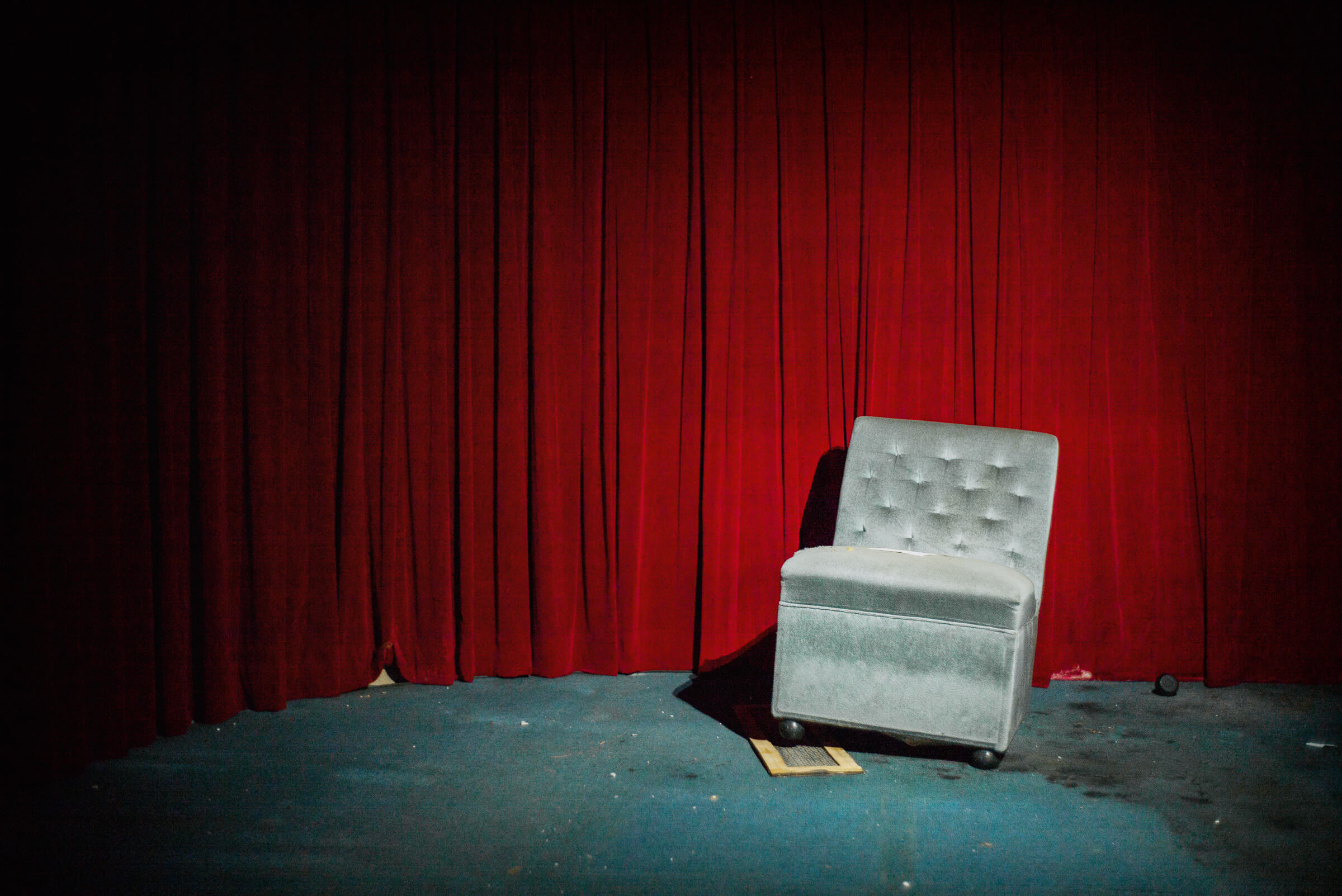
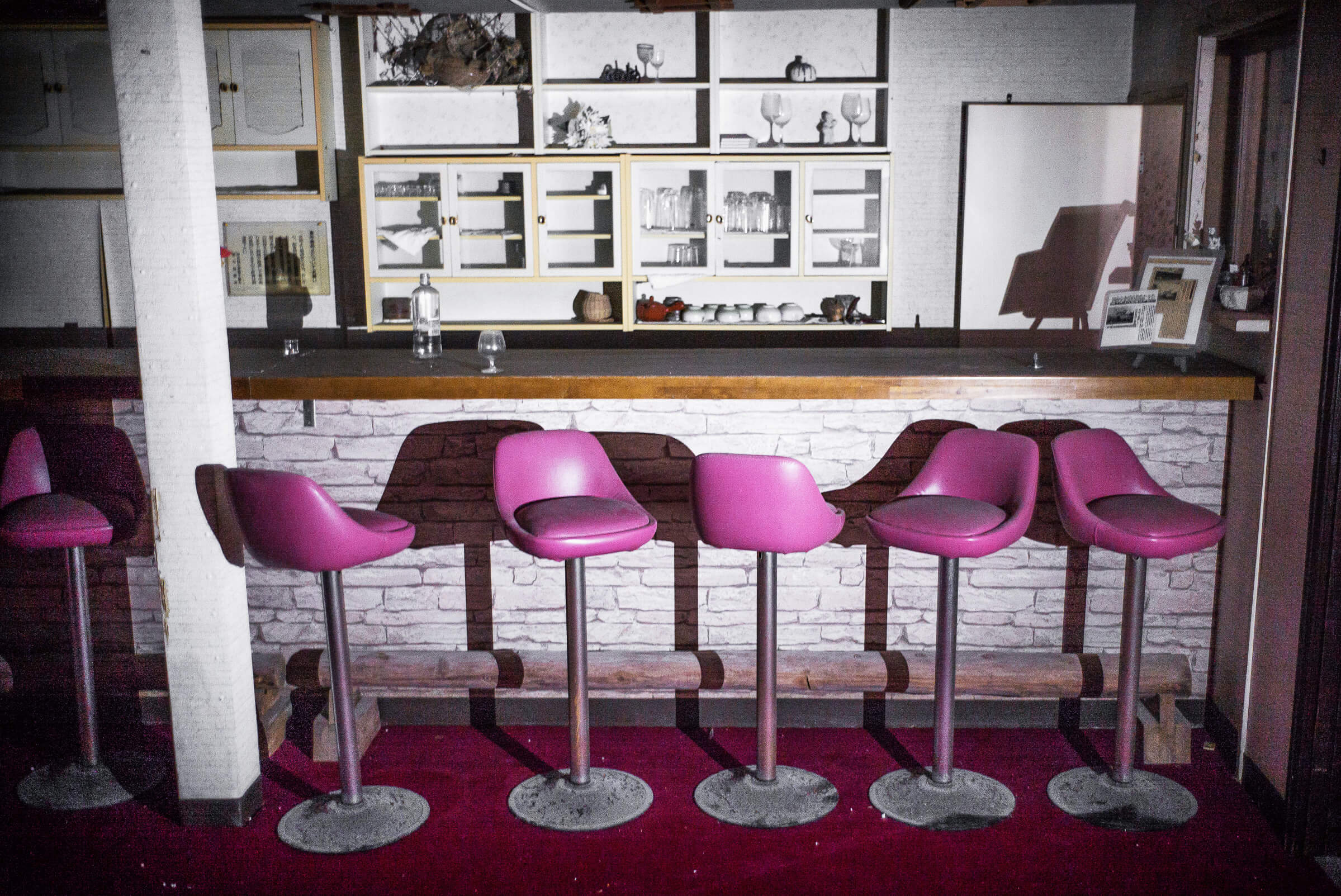
The hotel in general wasn’t all that photogenic. Too much vandalism, and too many identical rooms. But this fantastically Lynchian scene in the once plush bar made the whole endeavour well worth the effort.
Photographs from a small group of islands
The hotel in general wasn’t all that photogenic. Too much vandalism, and too many identical rooms. But this fantastically Lynchian scene in the once plush bar made the whole endeavour well worth the effort.
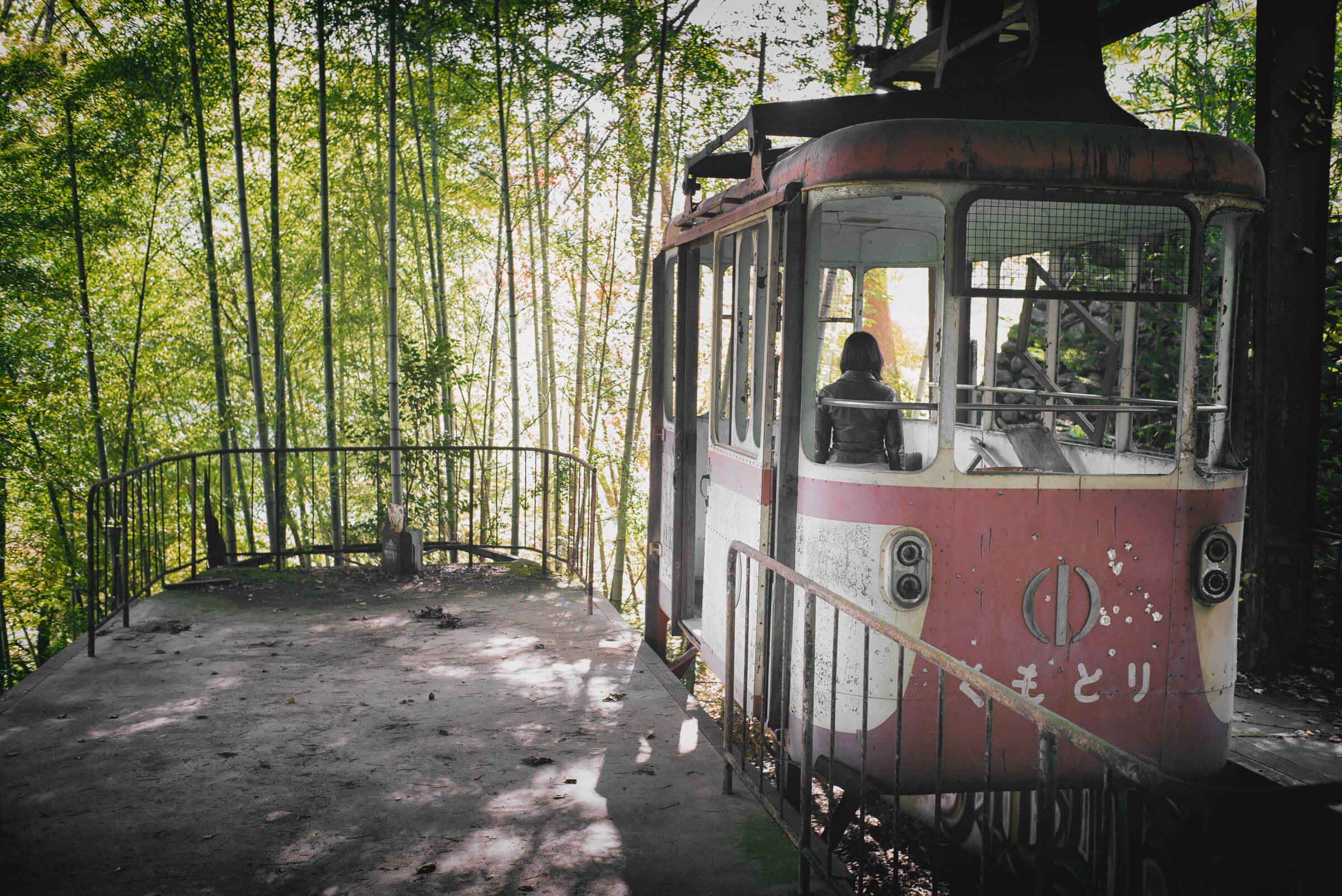
For over 50 years now, this cable car in west Tokyo has sat totally unused, but unlike so many abandoned structures, it’s still surprisingly intact. And together with having once chatted to a lovely old bar owner who rode in the cabin during the brief period it was in use, it’s not in the least bit difficult to imagine some of the memories still attached to the location.
Built in 1929, the Ikaho Kanko Hotel must have been quite a place to stay in its day. Situated in a popular hot spring resort, the cultural heritage listed structure was originally designed to cater for the region’s foreign visitors. A surprising concept, especially so in those days, and one that took a rather ironic twist, as the hotel became an official recreation facility for the US occupation forces after World War Two. Fast forward to 2017, however, and all those factors seem more akin to another reality, rather than merely another era.
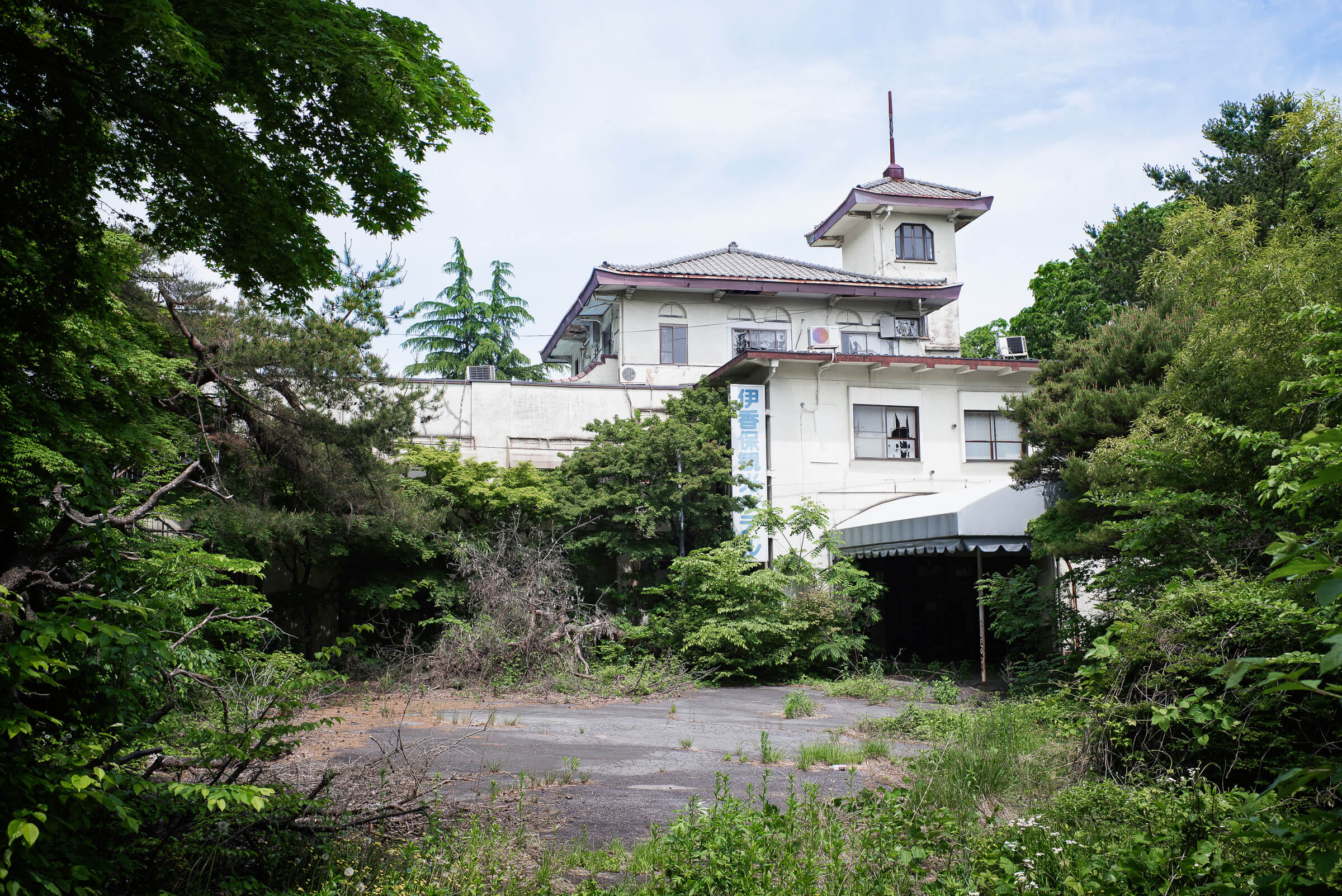
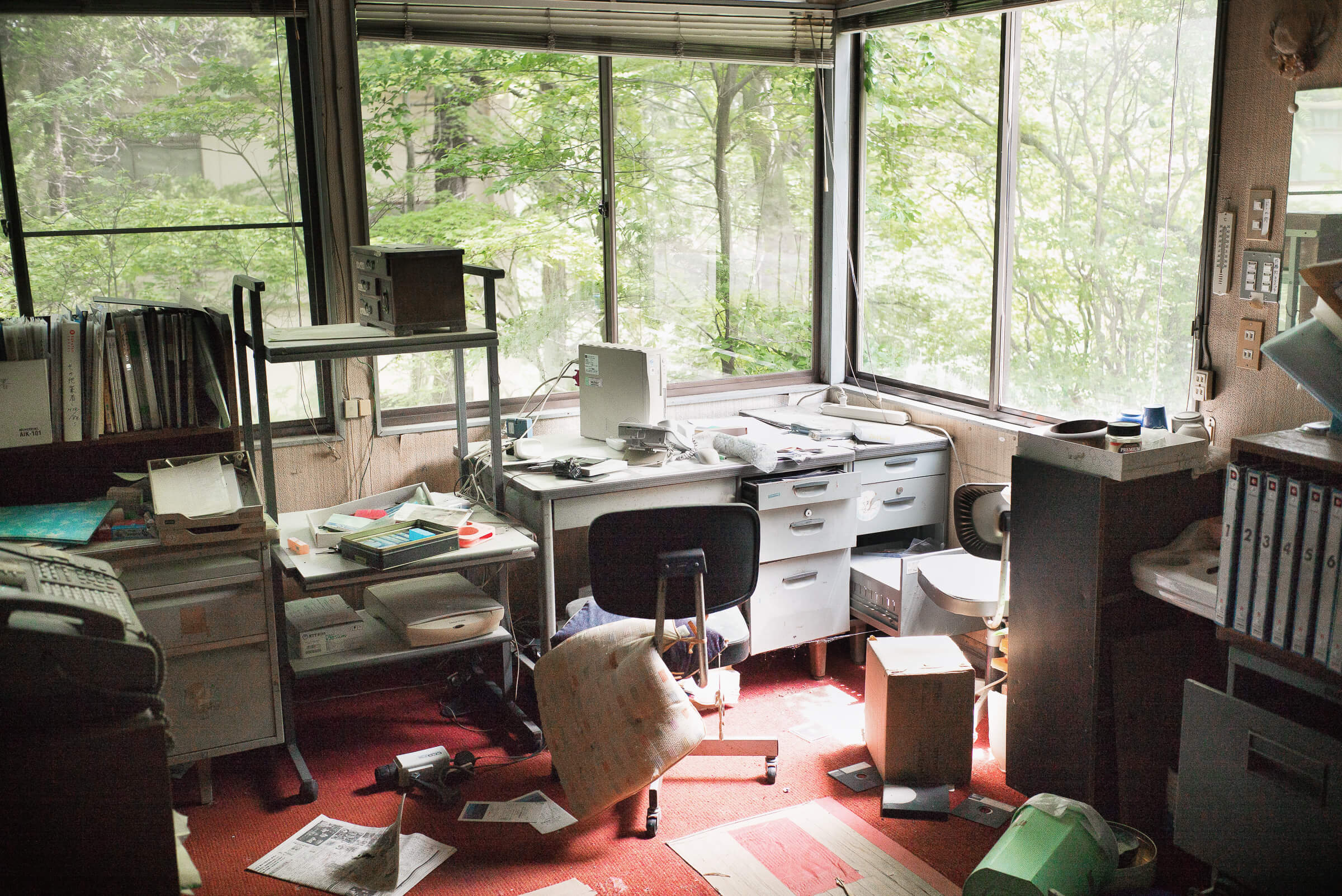
Like other hot spring areas that have seen better days, Ikaho is dotted with abandoned structures, and in an all too familiar story, the hotel simply couldn’t attract the number of paying customers it needed. So, at the end of May, 2007, it closed — exactly ten years ago to the day when these photos were taken. A decade that has exacted a very heavy toll on the building, with the climate already making some serious inroads.

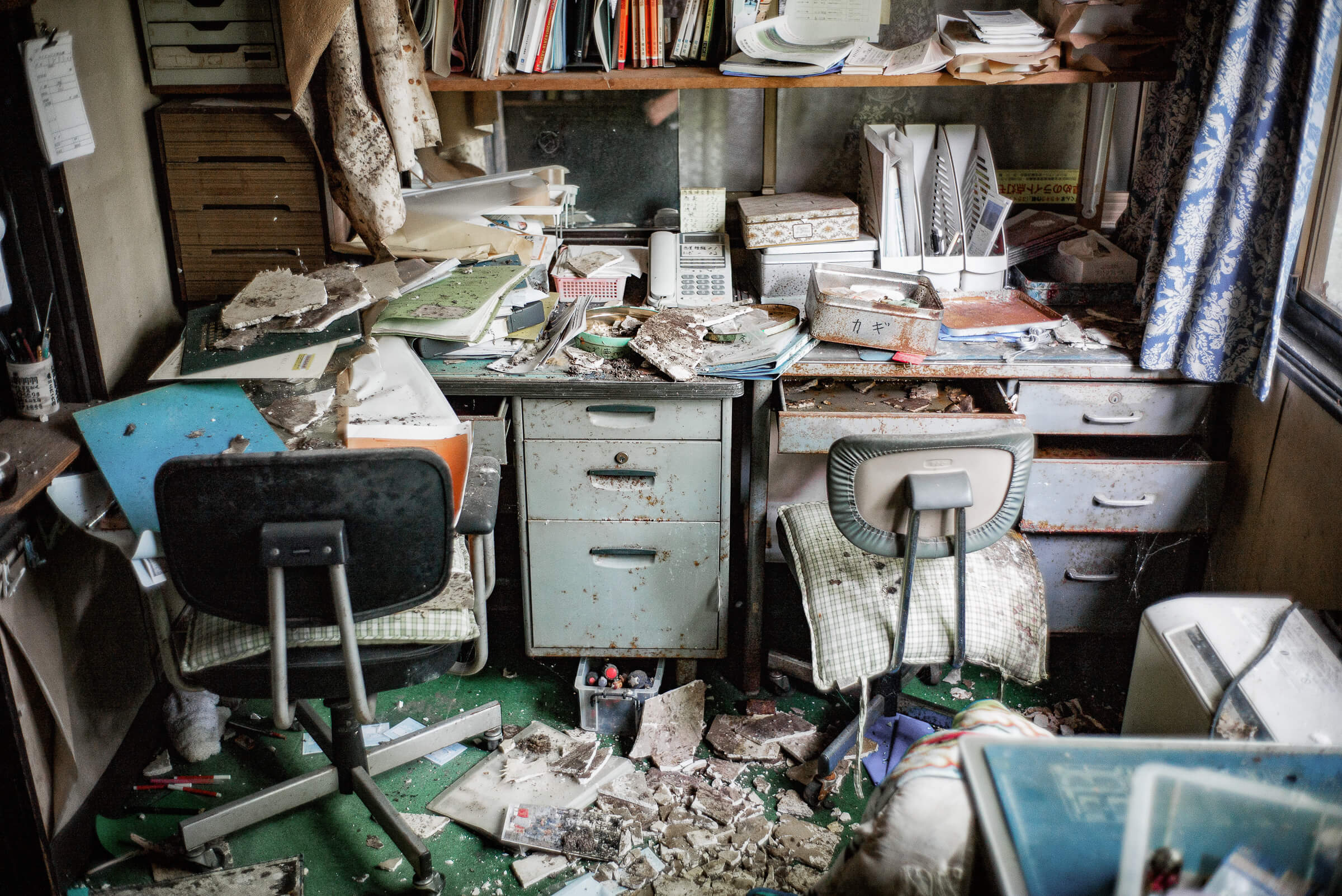
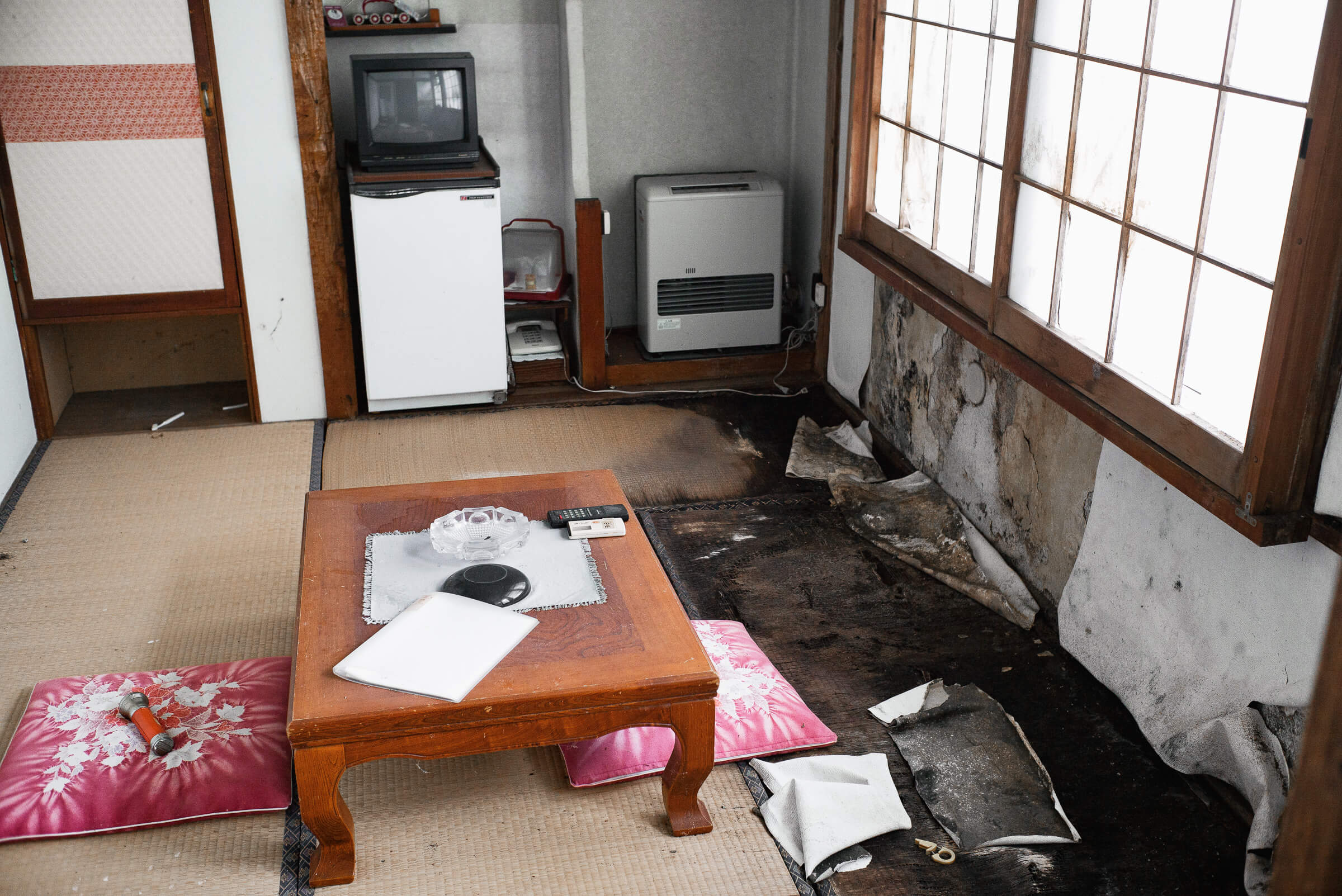

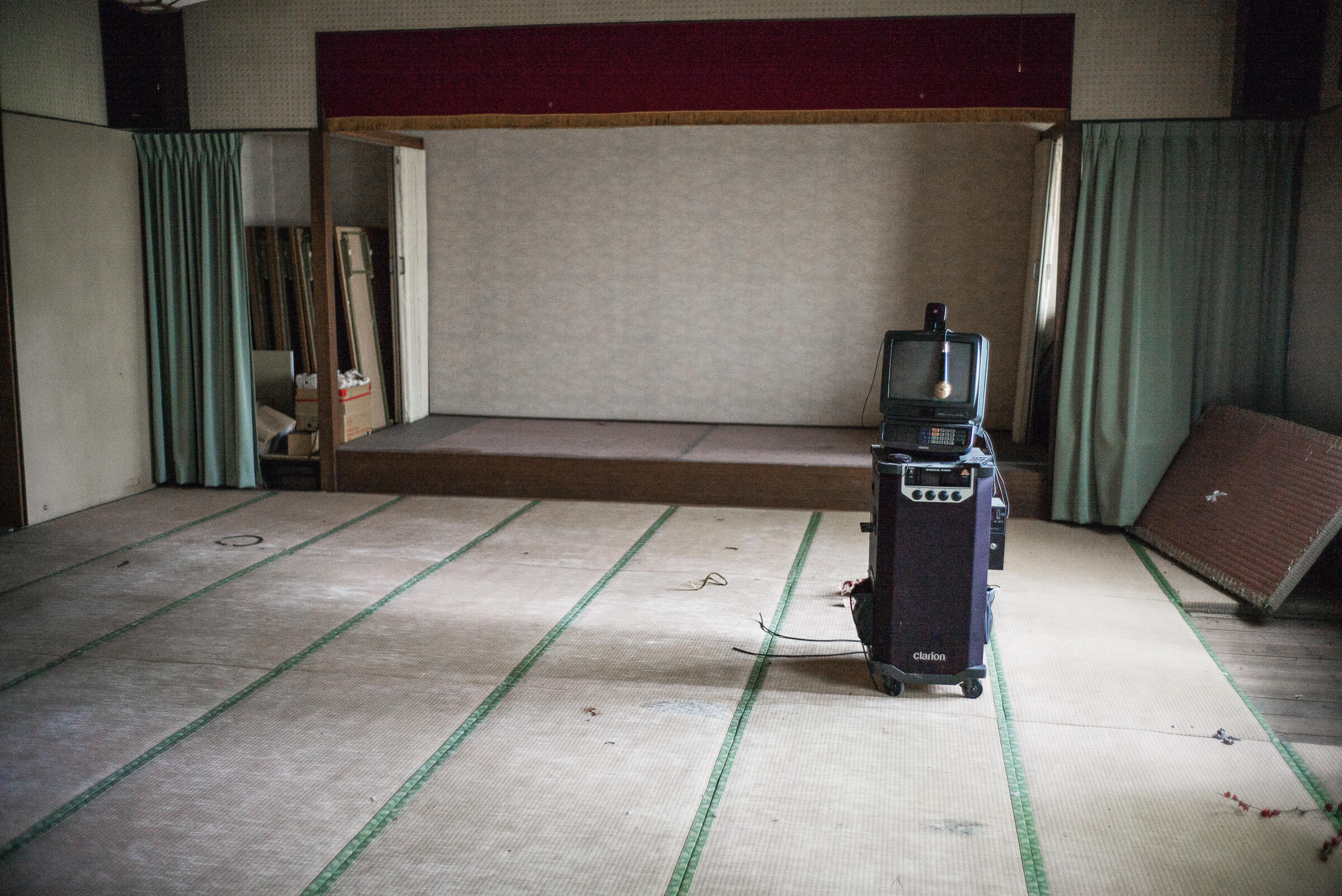
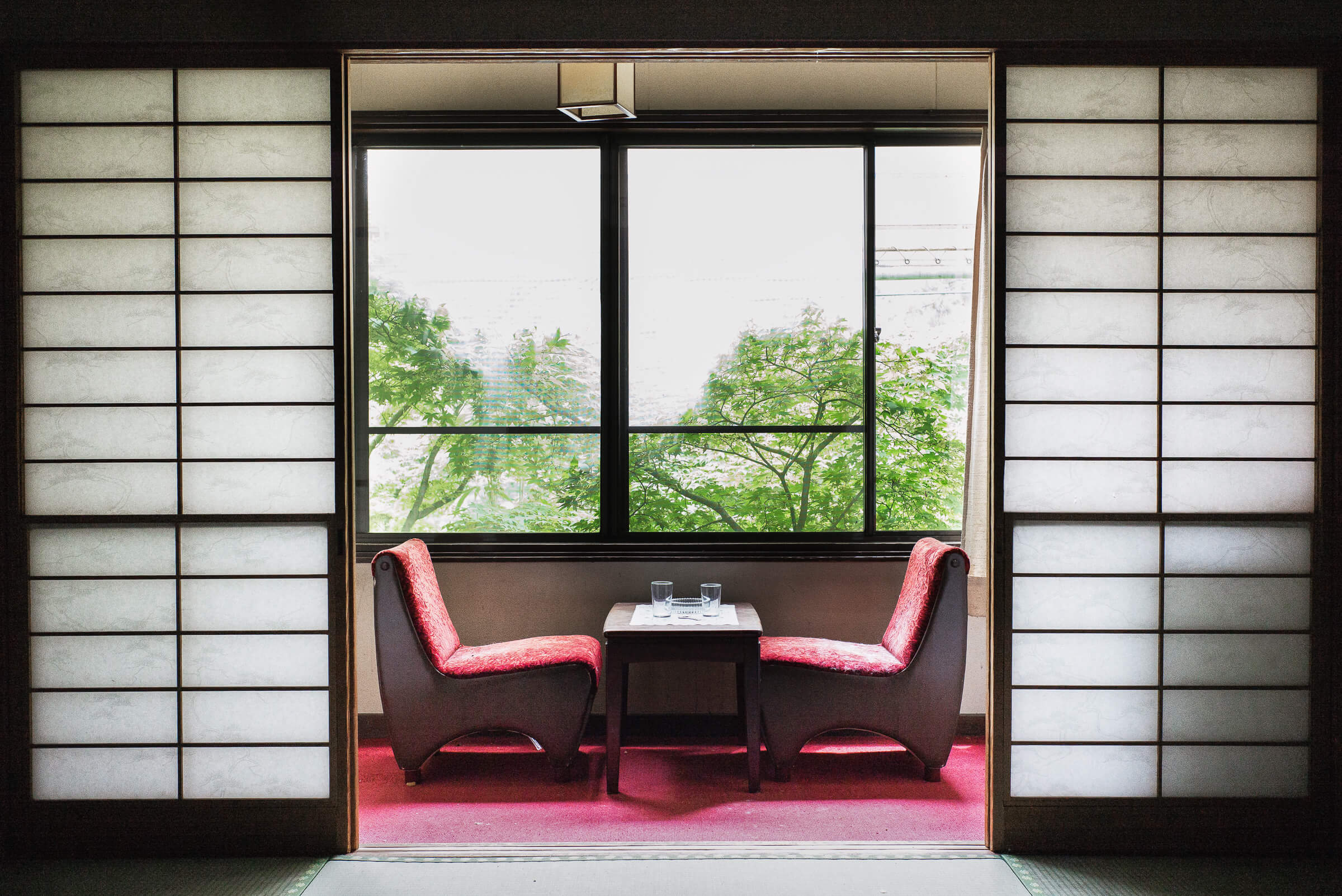
But like so many abandoned places, whether they be villages, clinics, or even post offices, it’s the lack of sound that is often the most striking. Where once there were people and all manner of noises, there is now only silence. A key element that the remaining photographs hopefully convey.


Outside the big cities, Japan’s ageing population can make some areas feel like a very different country. They are visibly older in every way. Far less hectic too. And combined with urban migration, the number of residents is noticeably dwindling. With that in mind then, it’s not surprising that abandoned structures already dot the landscape. A trend that is only going to continue, meaning buildings like the clinic below will in many ways become commonplace.
Founded in 1918, and eventually closing in the early 70s, Japanese society saw more than a little upheaval during the years it was open. Inside, however, all that feels like a very long time ago, as it’s arguably more akin to a very badly kept museum than a mere abandoned building.
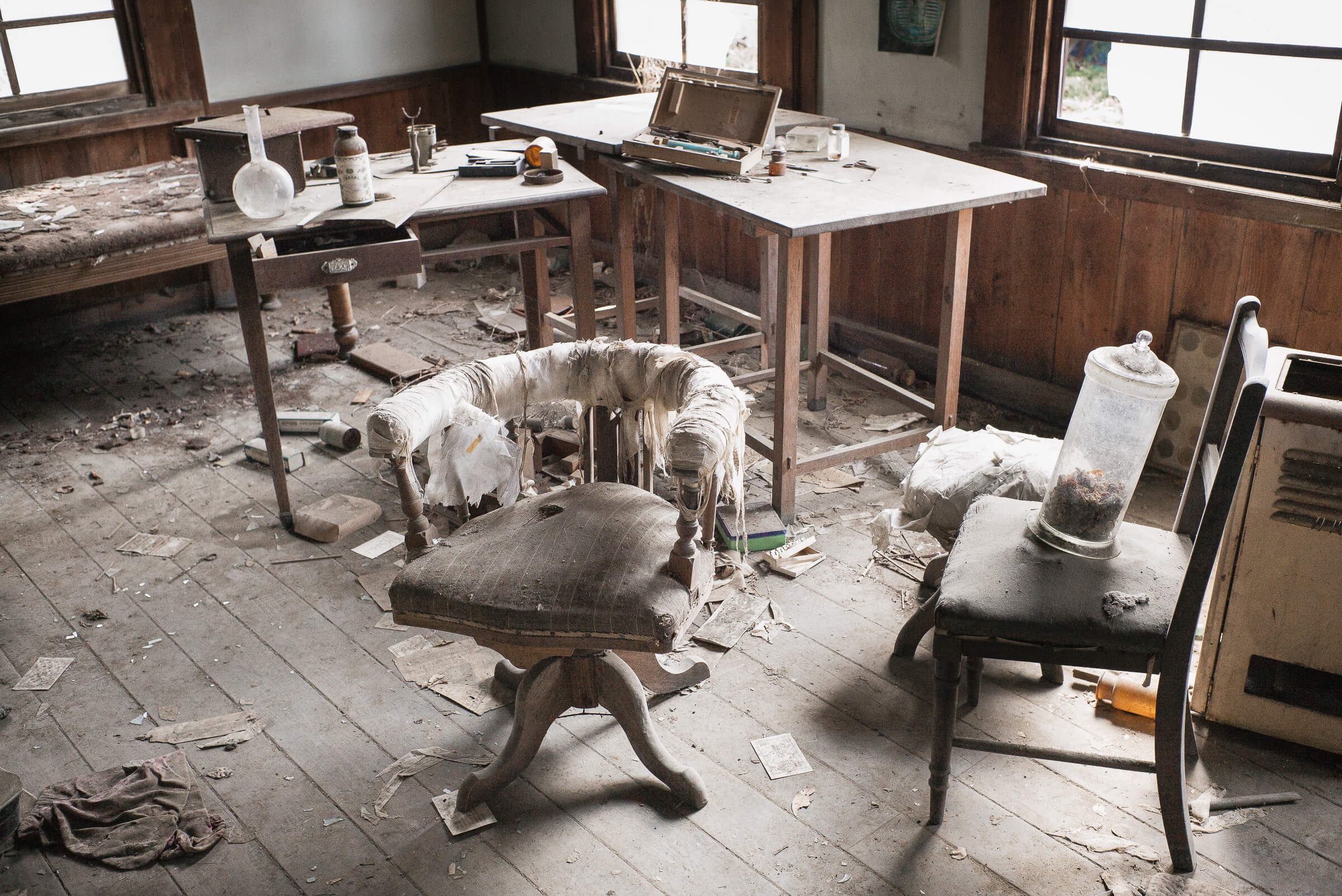
Unfortunately, those forty-odd years of neglect have really started to take their toll. Certain parts of the building have collapsed, and the flooring in general is more than a little suspect to say the least. That said, despite the damage and the general disarray, there’s still a genuine sense of what went on there — not to mention when.
Implements and the like are scattered all over the doctor’s room.
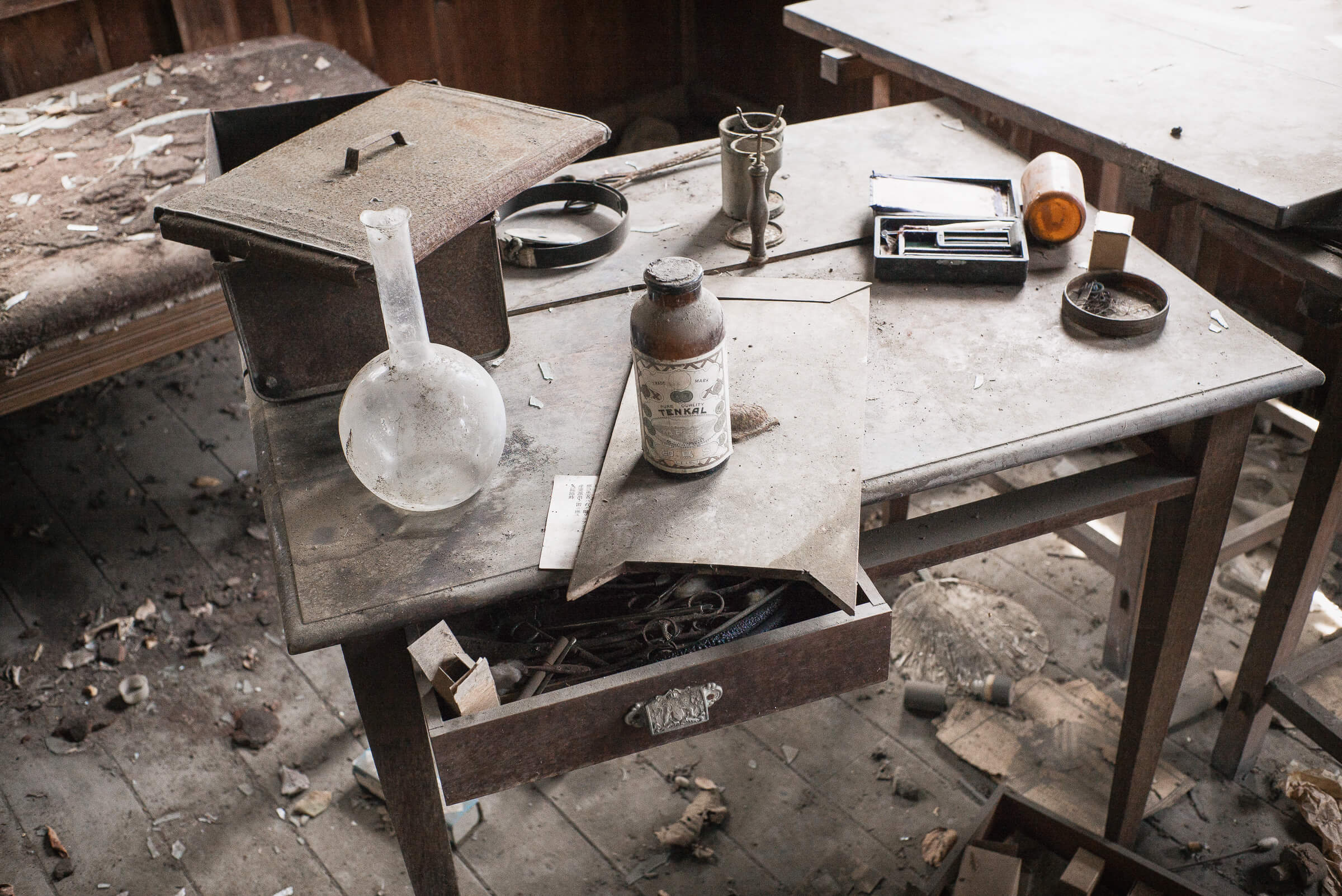
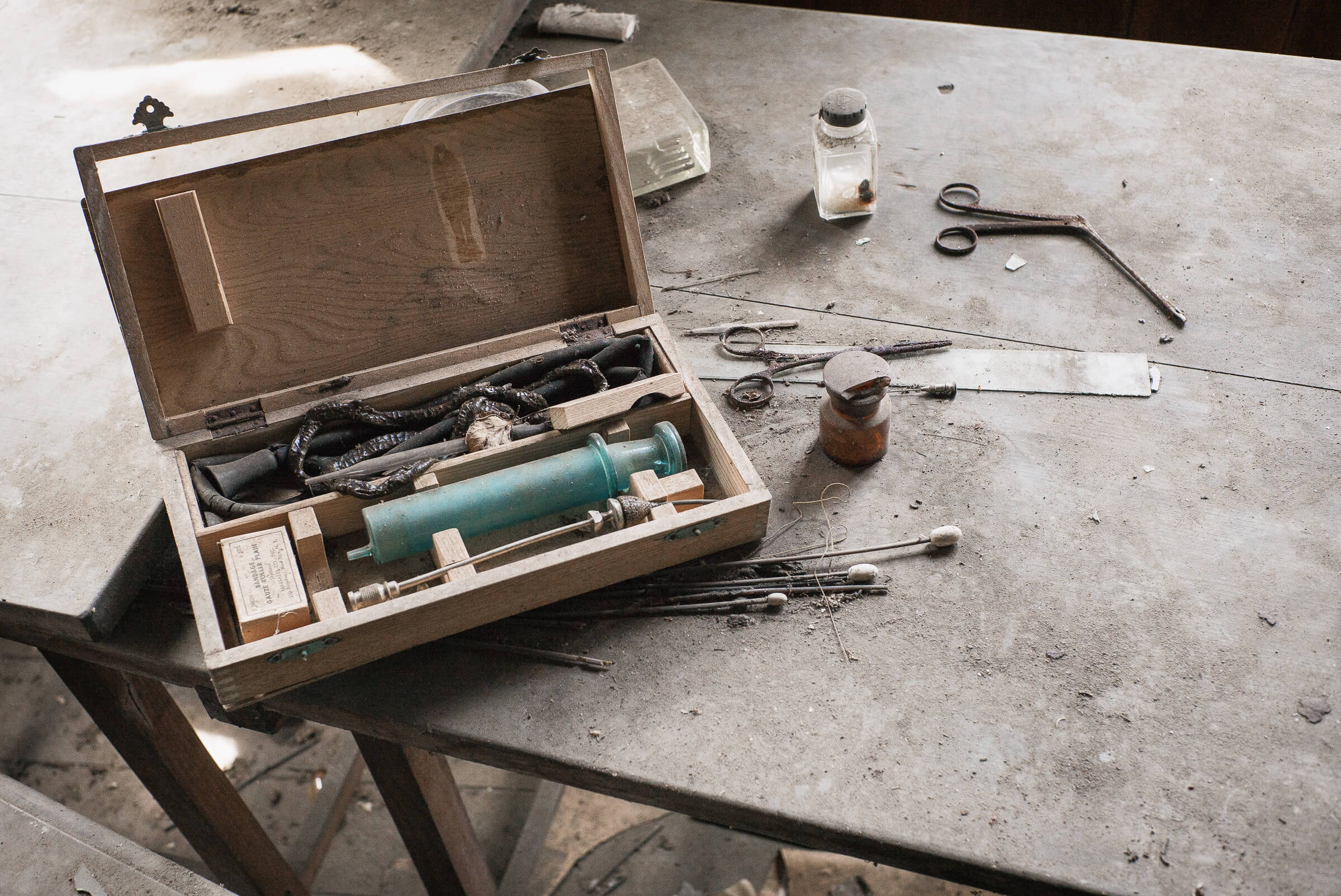
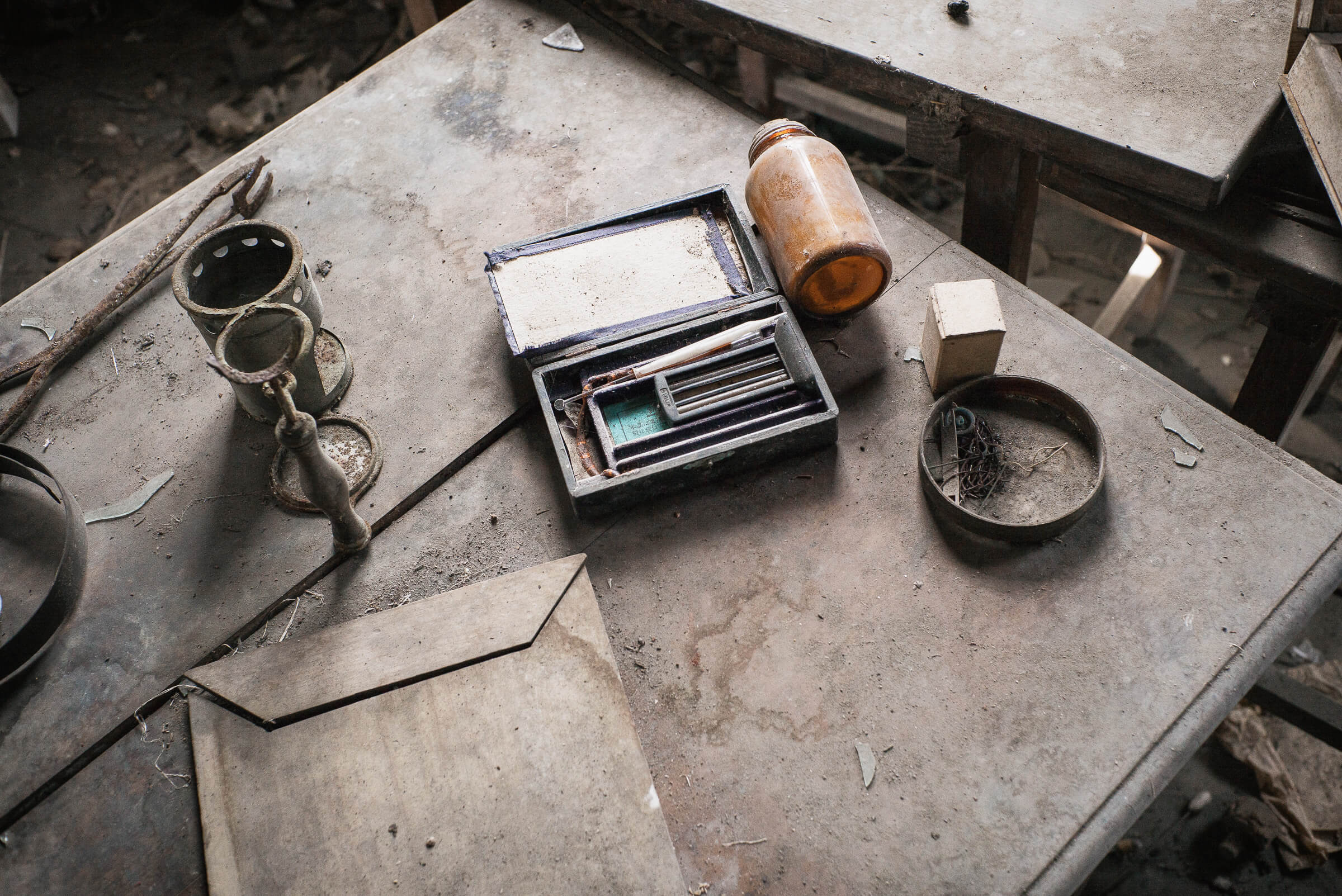
And the connected pharmacy still has some stock on the shelves.

Plus there’s a real feel of Japan in the 1960s.
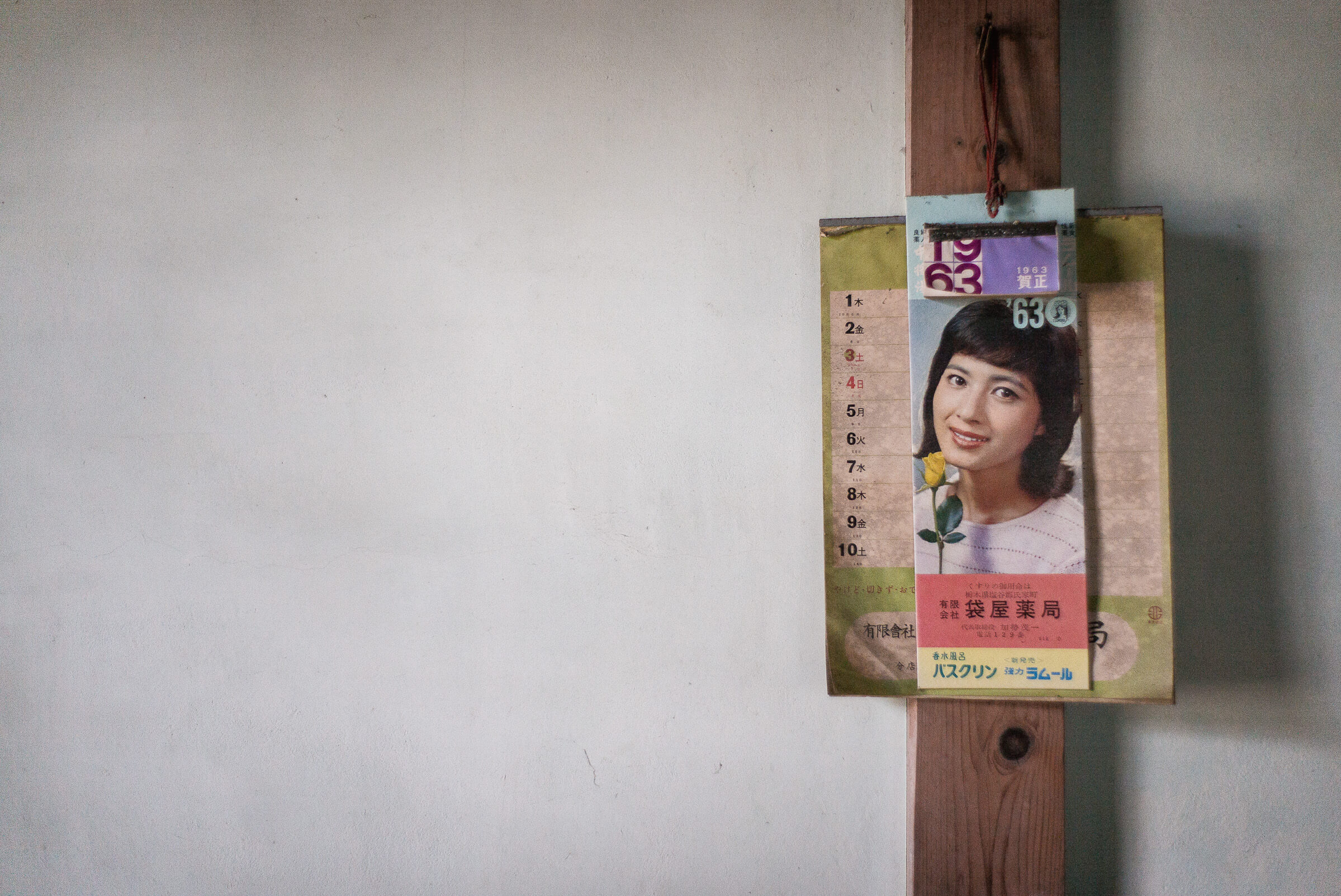
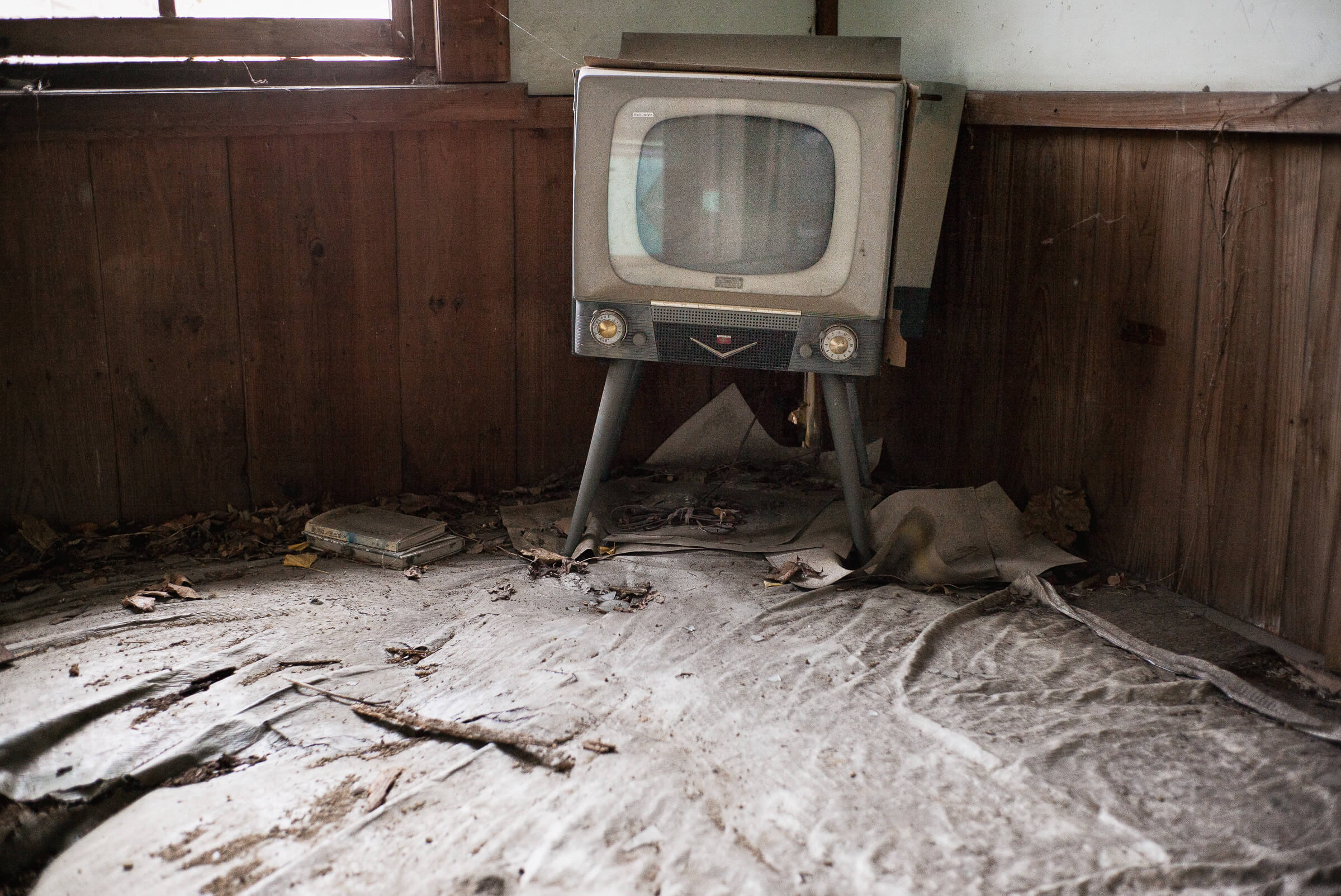
But the chairs in the waiting room hint at something much darker than colourful calendars and a wonderfully retro TV.

Namely an operating room that due to all the dirt and damage, is like something out of a horror film.
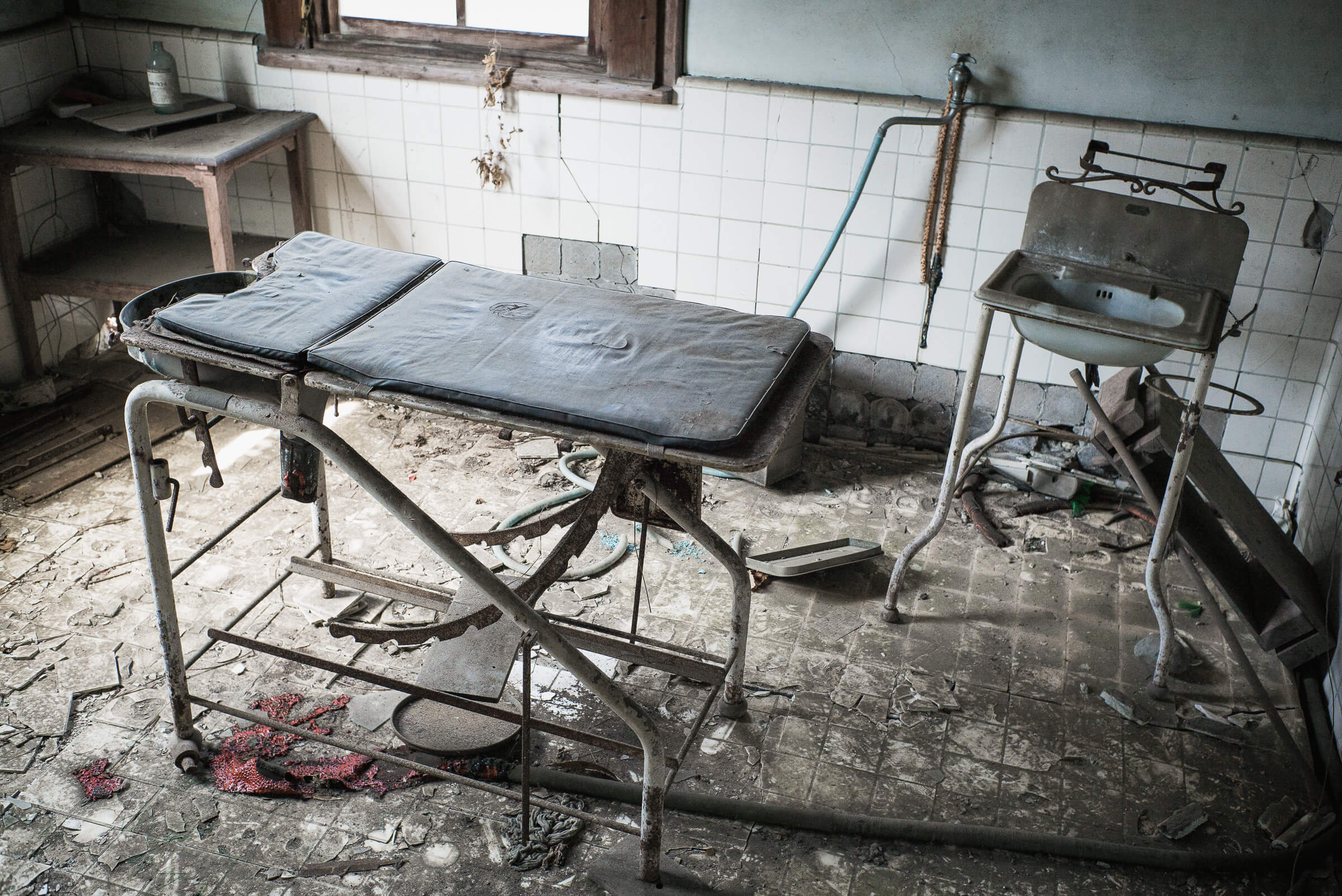
A room that is now only connected with decay, rather than any kind of recovery.

Abandoned buildings have the ability to conjure up a whole host of sensations. Some are terribly sad. Others can be genuinely nice places to spend some time in. But one thing they all have in common is their silence. A lack of sound that can actually be a little unsettling at times, especially so after escaping the incessant noise of Tokyo.
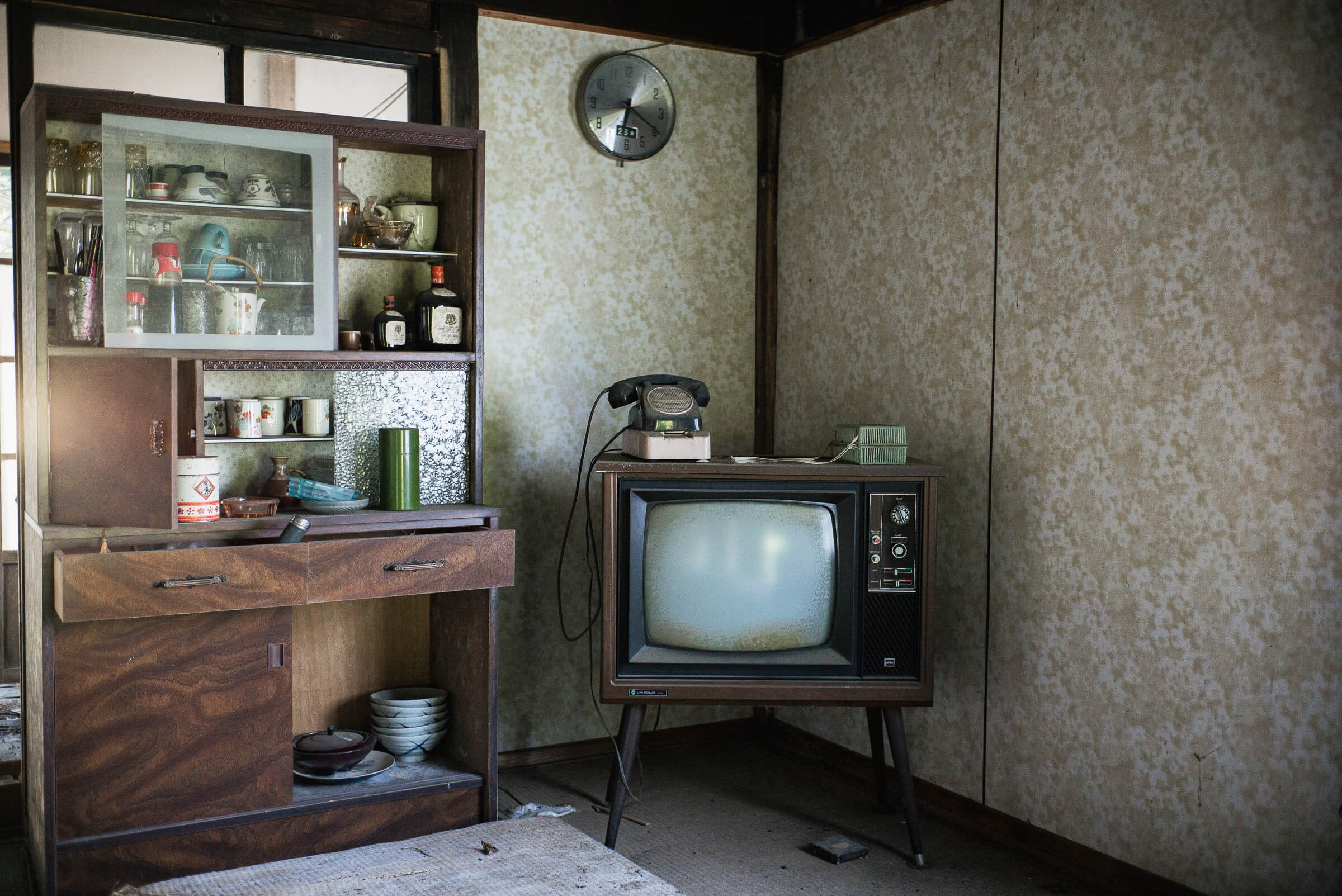
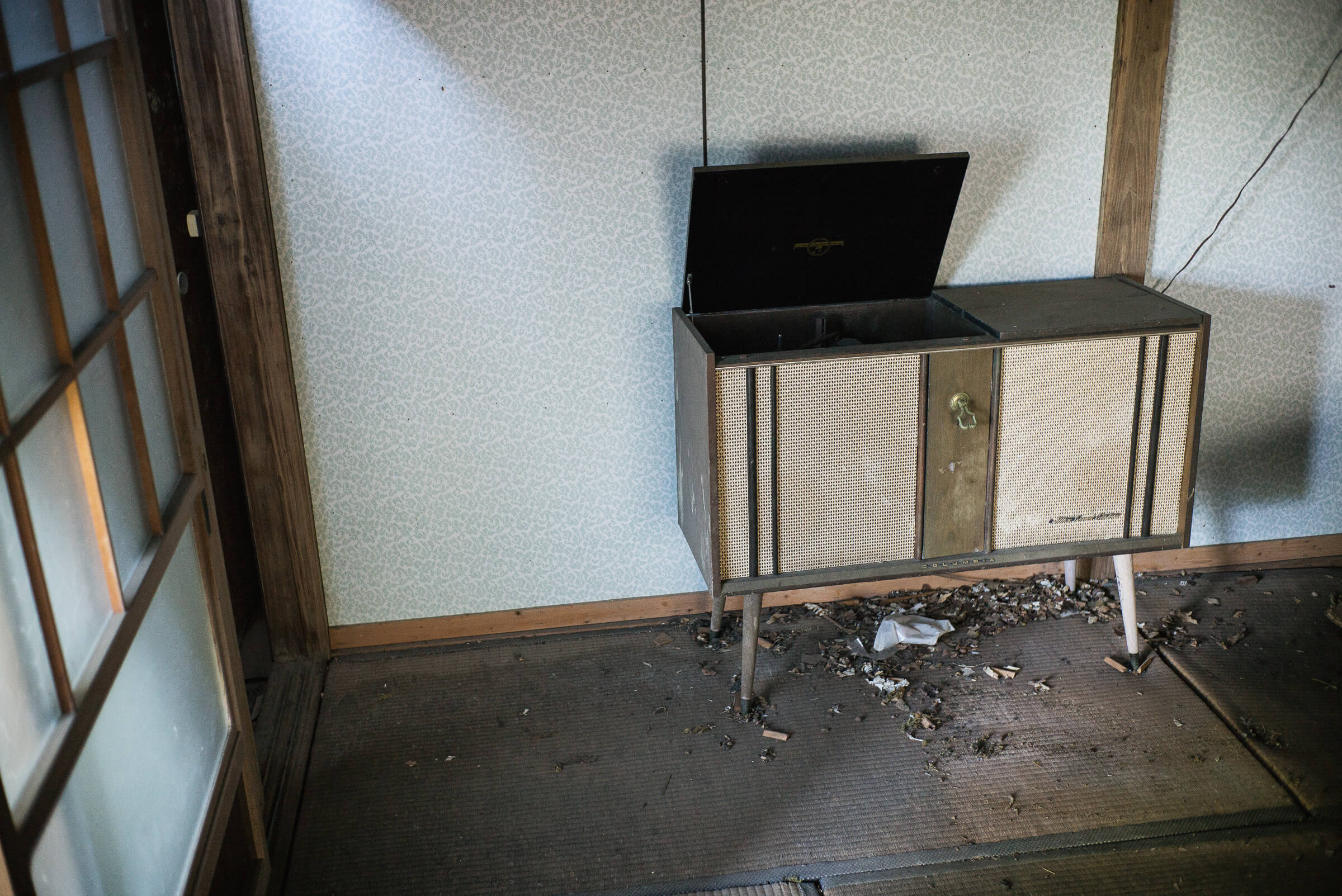
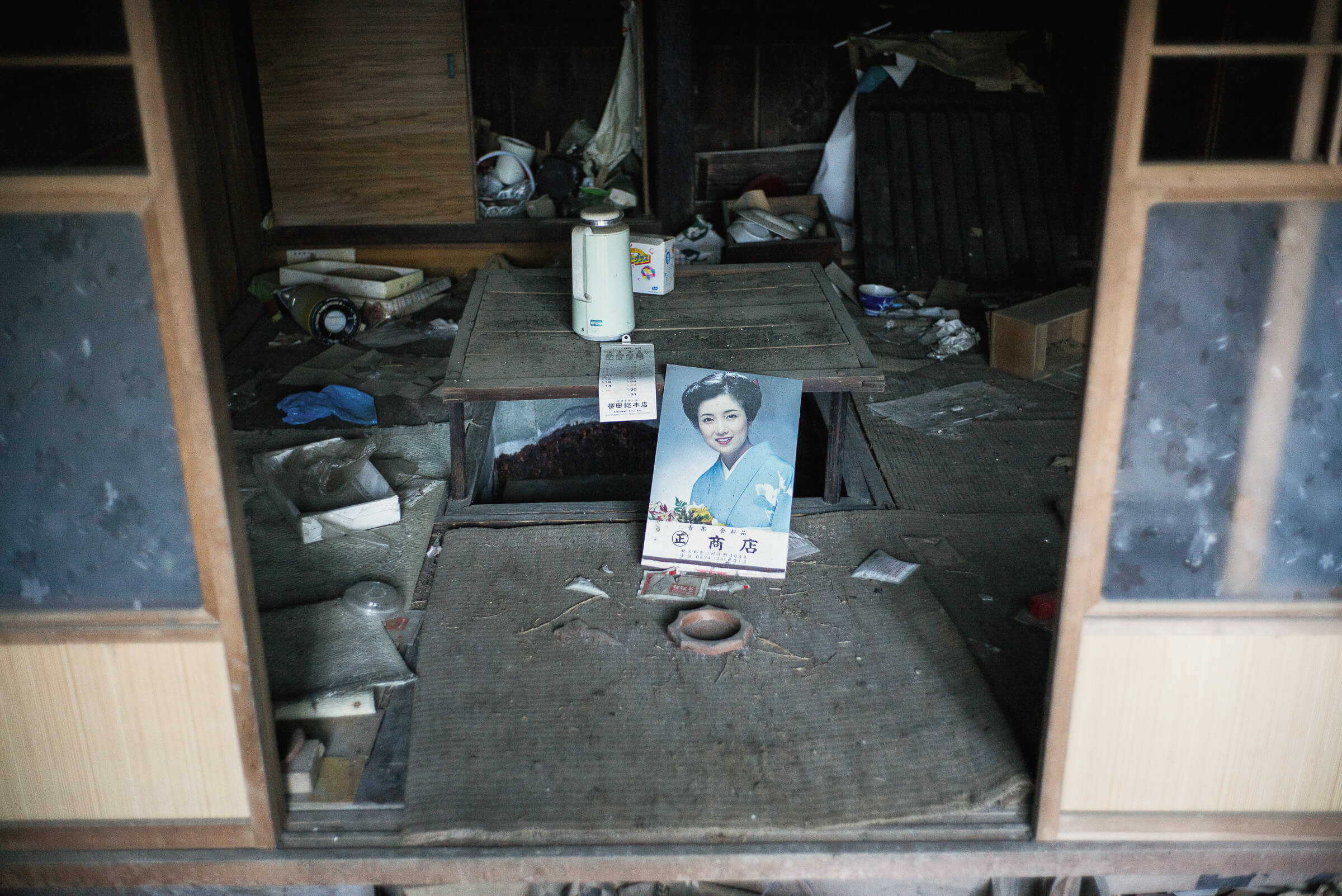
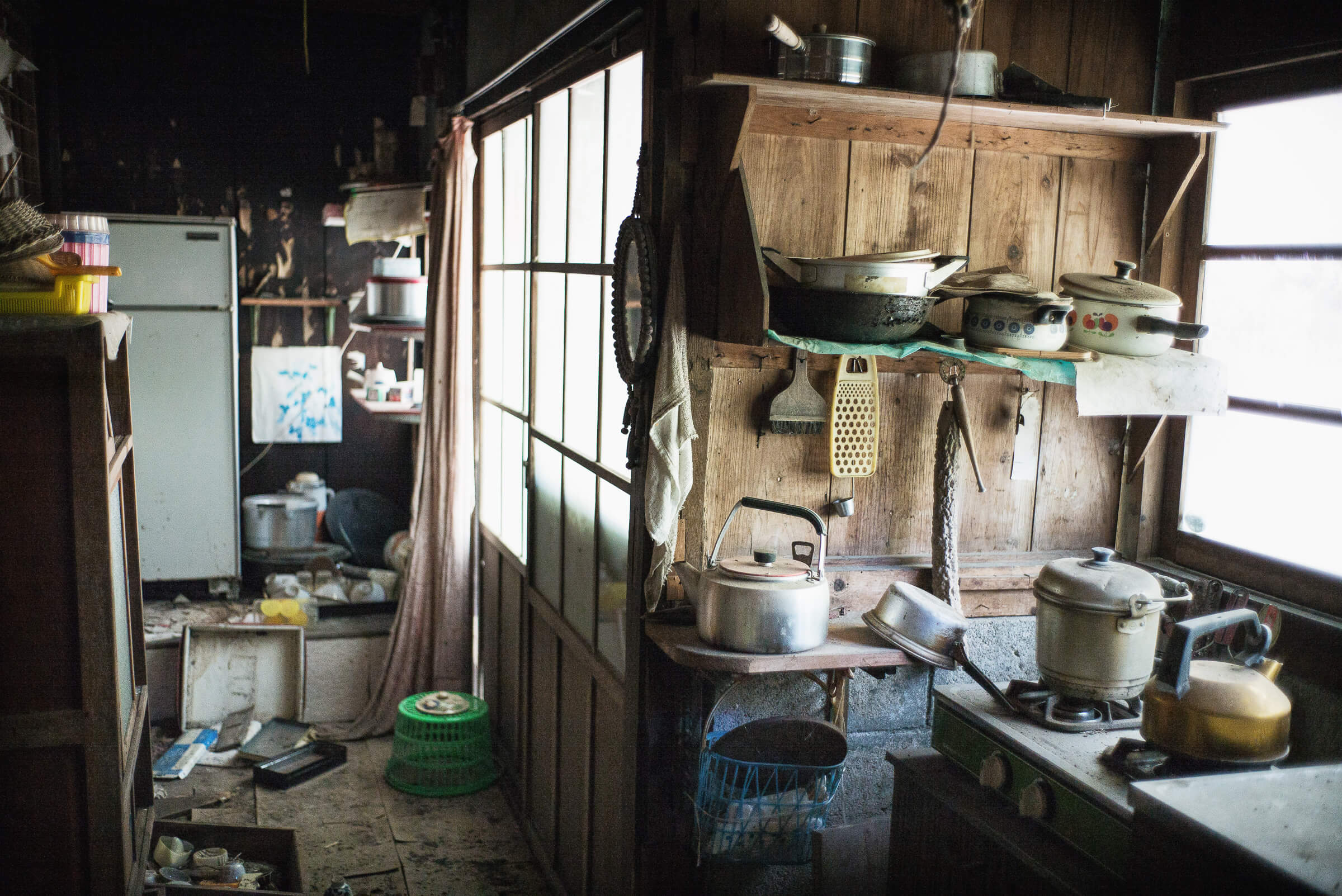
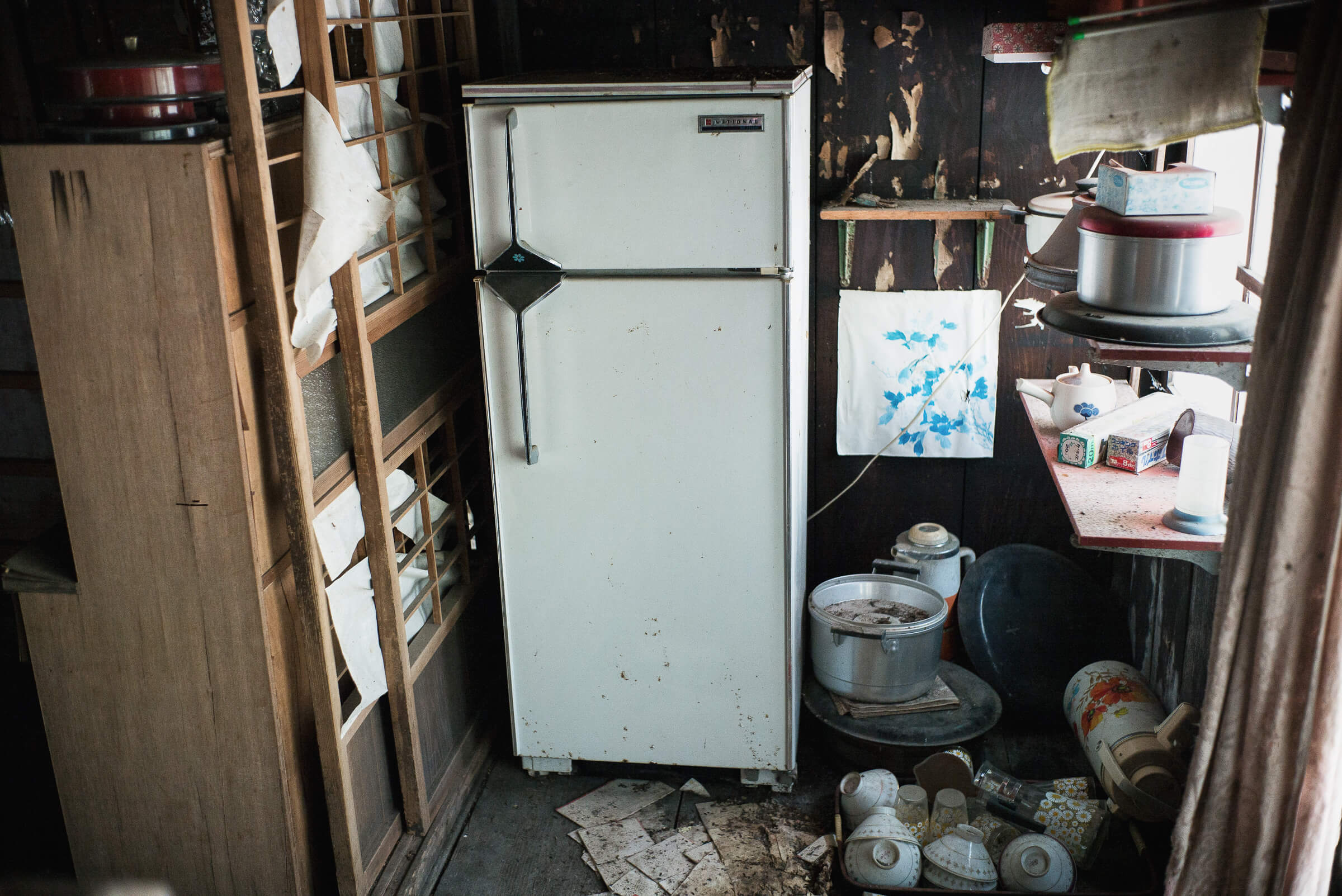
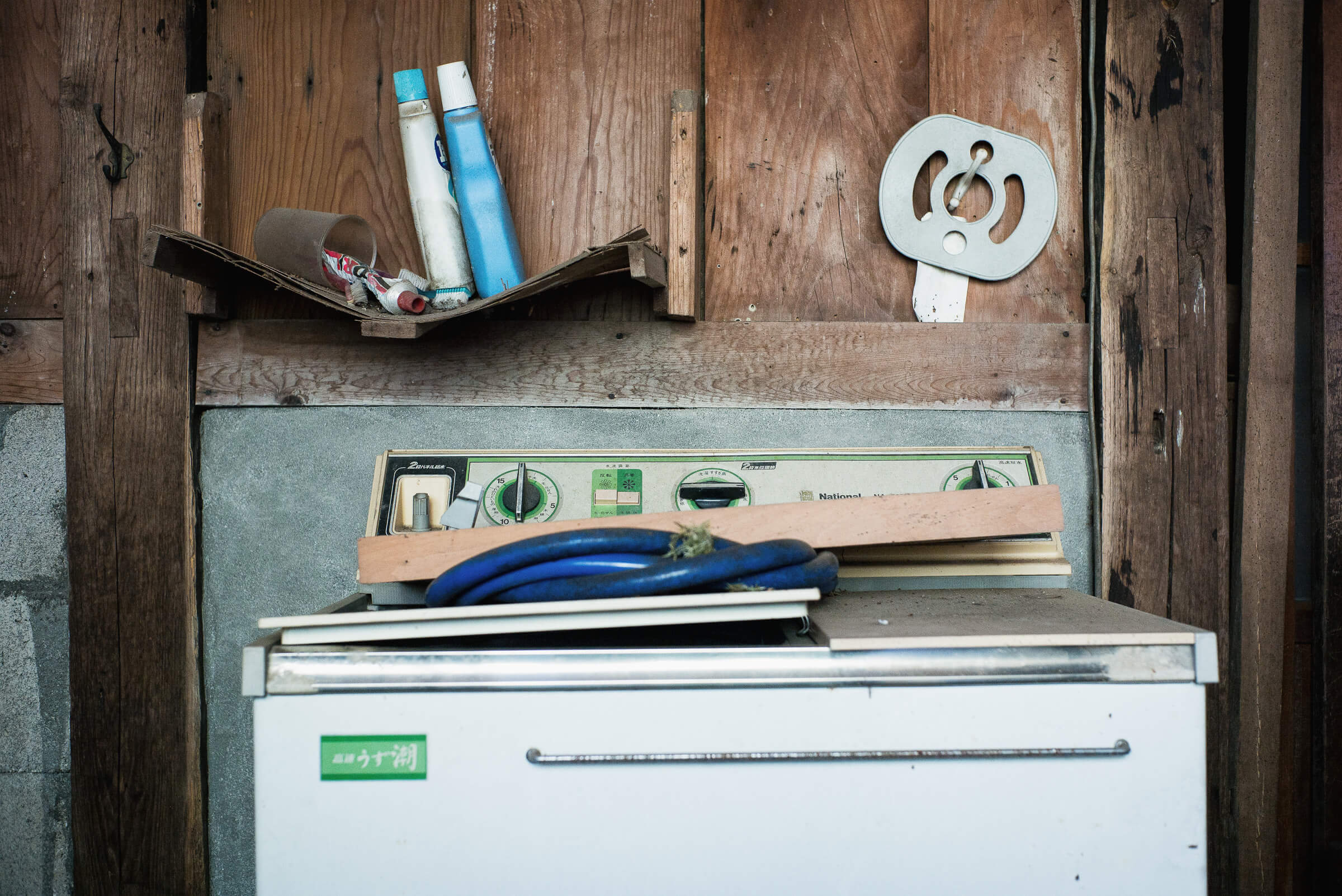
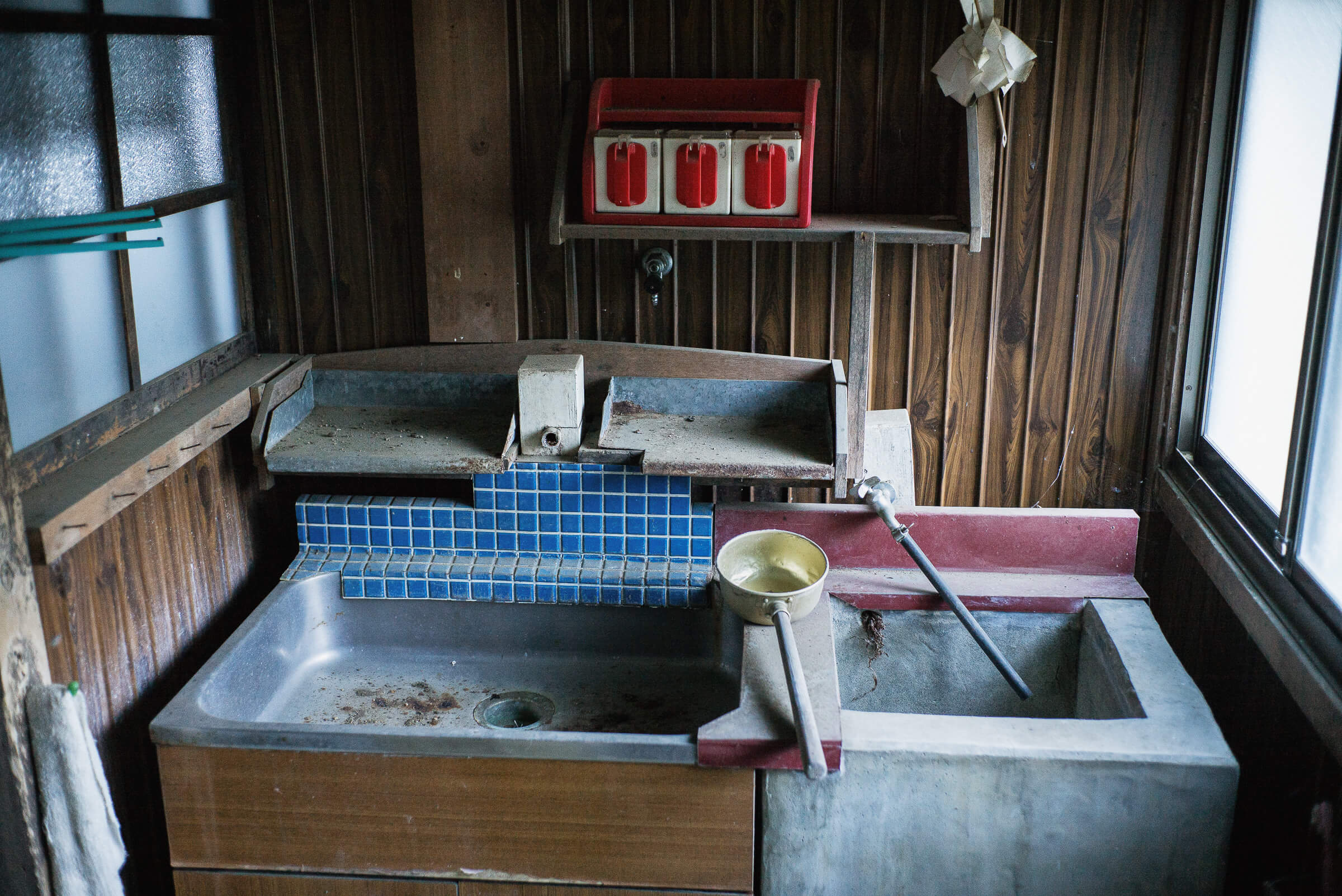
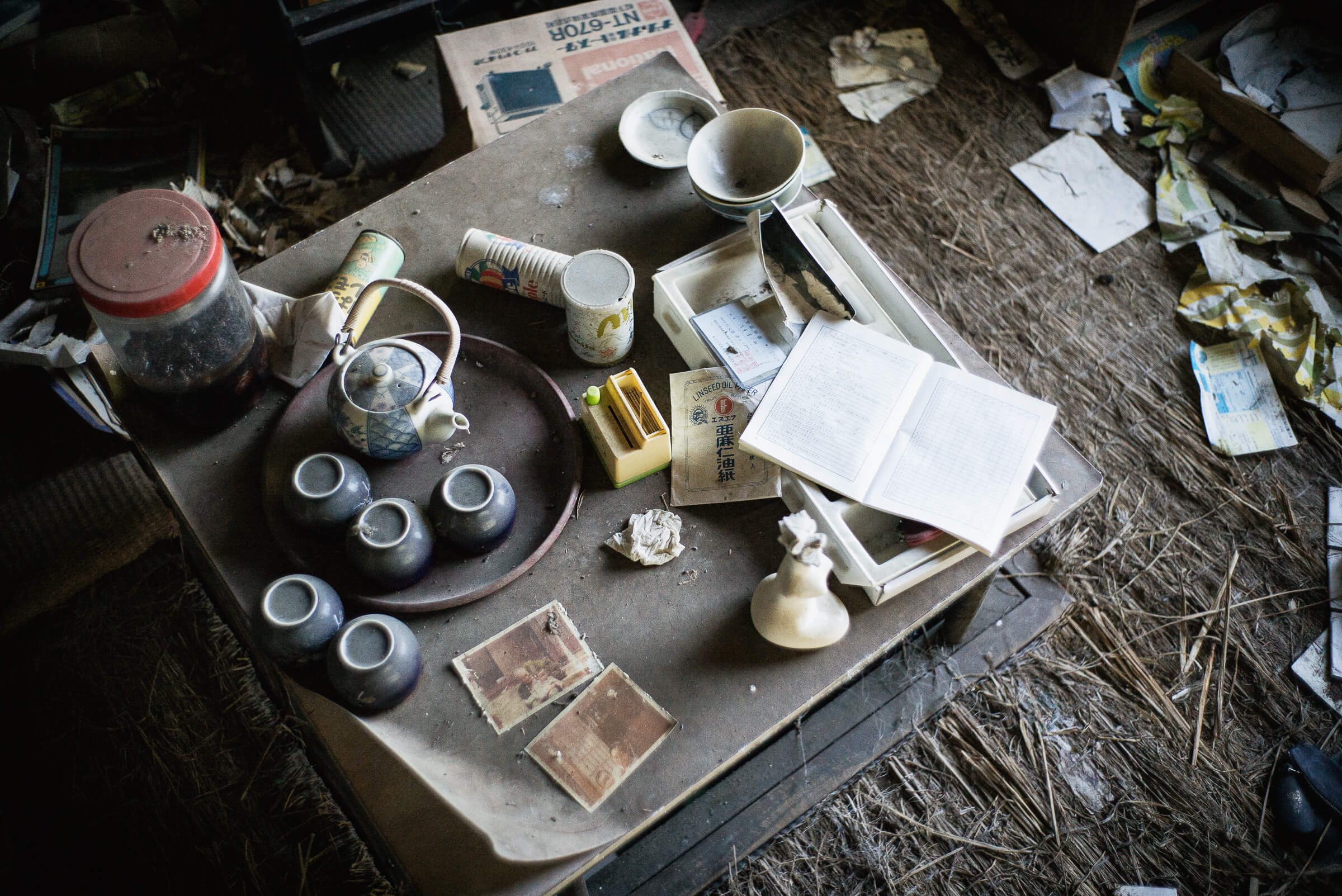
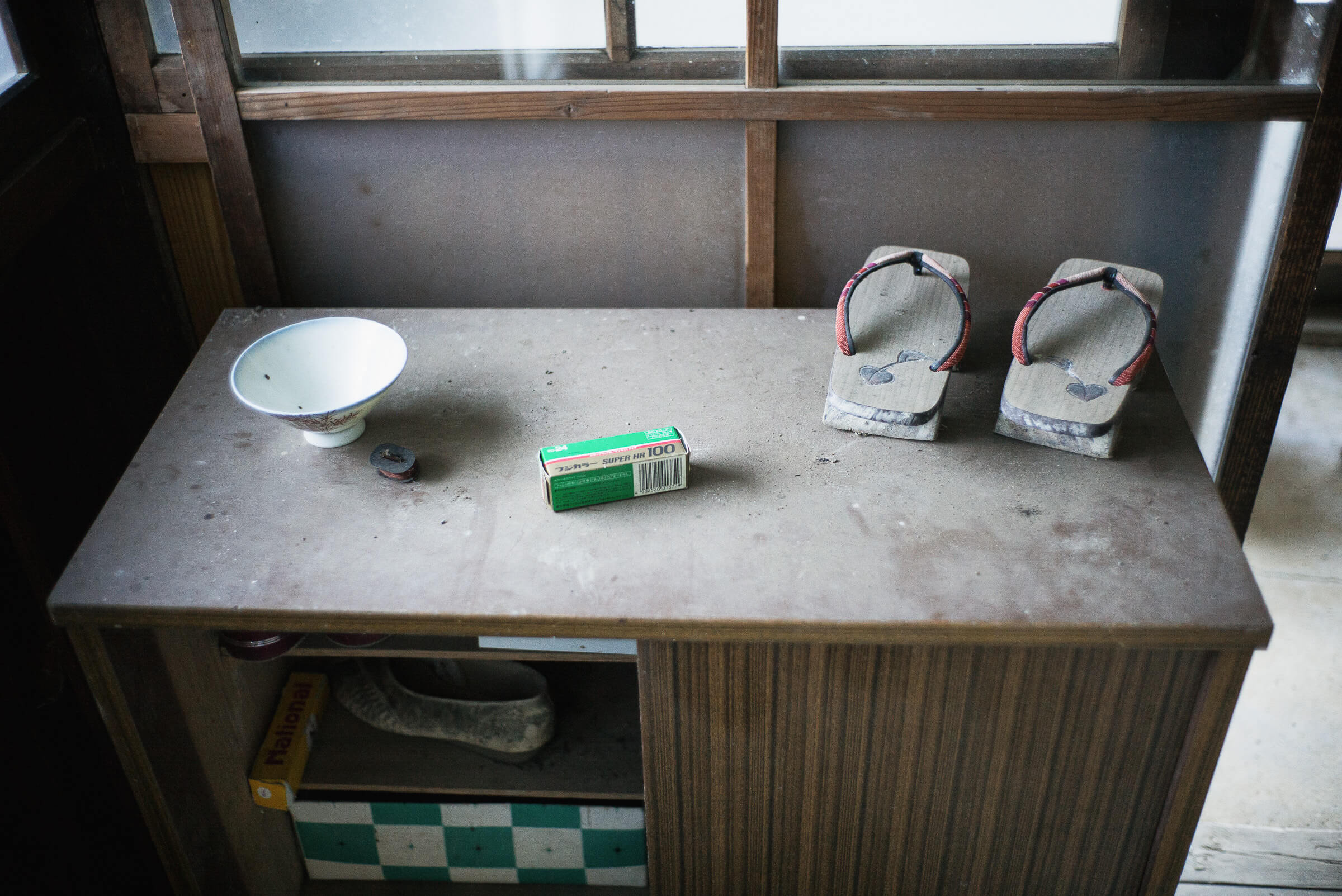
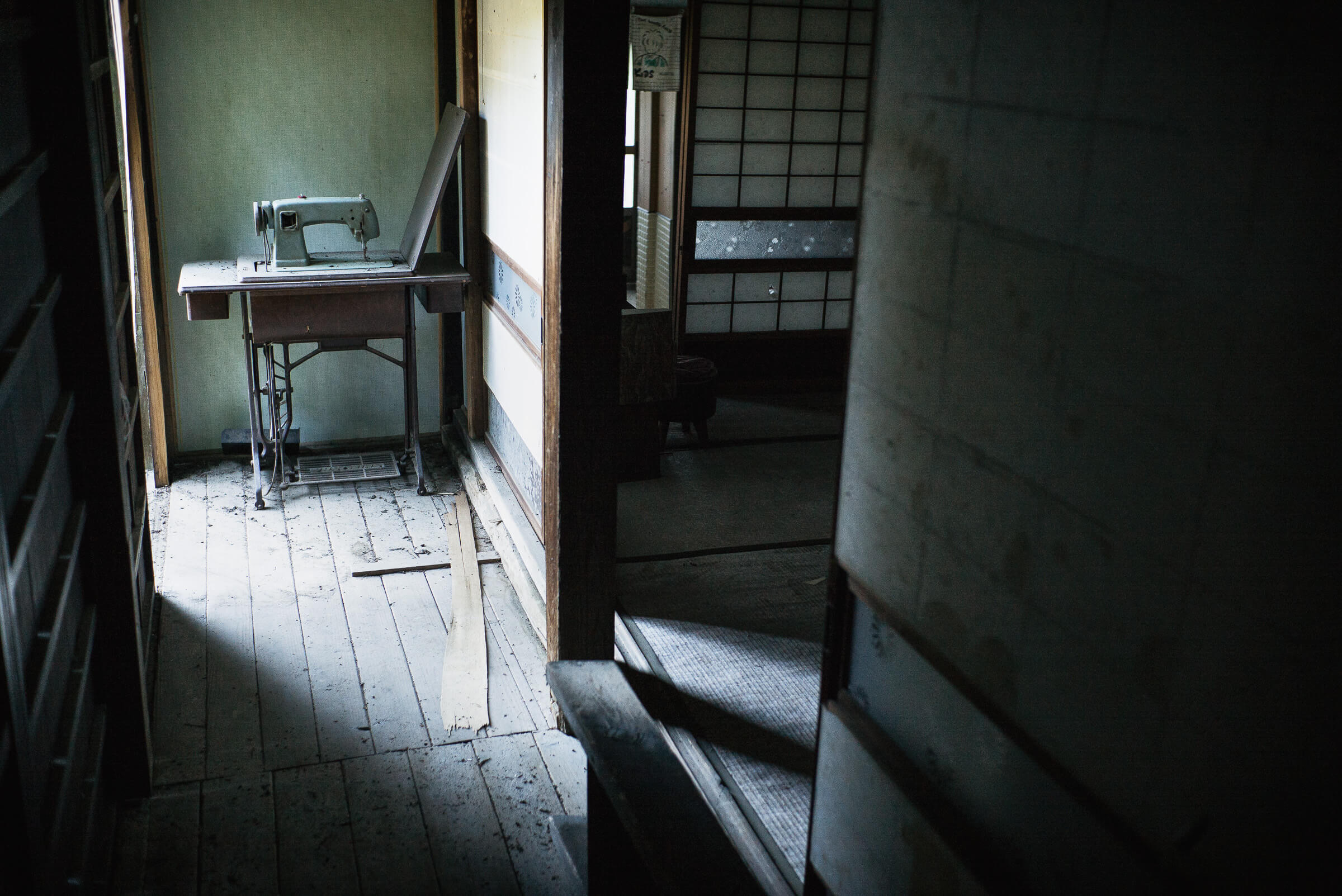
In the case of this particular little cluster of houses, however, it was simply nice and peaceful. A quietness that was accentuated by the things left behind. Objects with a sense of stillness they generally don’t posses; devoid, as they now are, of the people who once had a purpose for them.
So in a rather ambitious attempt to try and replicate that atmosphere, along with what it’s like to actually find such things in the first place, here’s a small set of photos without any text or further interruptions.