• Skip to main content
  • Skip to footer

Tokyo Times

Photographs from a small group of islands

  • Photowalks
  • Portfolio
  • Book and Prints
  • Newsletter
  • About/Contact
  • Follow
    • Facebook
    • Instagram
    • Twitter
    • RSS

Photography

Apr 30 2021 16 Comments

Akihabara in the relatively recent past

Tokyo’s Akihabara district got its Electric Town moniker in the post-war period when handmade radios and their components were sold, often illicitly, on the street. A surprisingly humble start for a place that became the capital’s go-to spot for all things electrical.

Over the following decades the area stayed true to its name, but in the 1980s it began shifting more towards gaming, anime and otaku culture in general. A scene that Akihabara went on to fully, and very successfully embrace, making it forever synonymous with subcultures that have now gone mainstream.

It’s a change that is obvious the moment you leave the station, but at the same time there are still plenty of electronics shops in the area, and even the old-style component side of things hasn’t completely disappeared, meaning it’s still possible to get your hands on whatever obscure, or fiddly little part you could ever wish to find. An element these two previously posted photos — taken in 2018 and 2019 respectively — amply prove. Almost comically small businesses that in so many ways hark back to those very early days of radios, market stalls and a distinctly DIY approach.
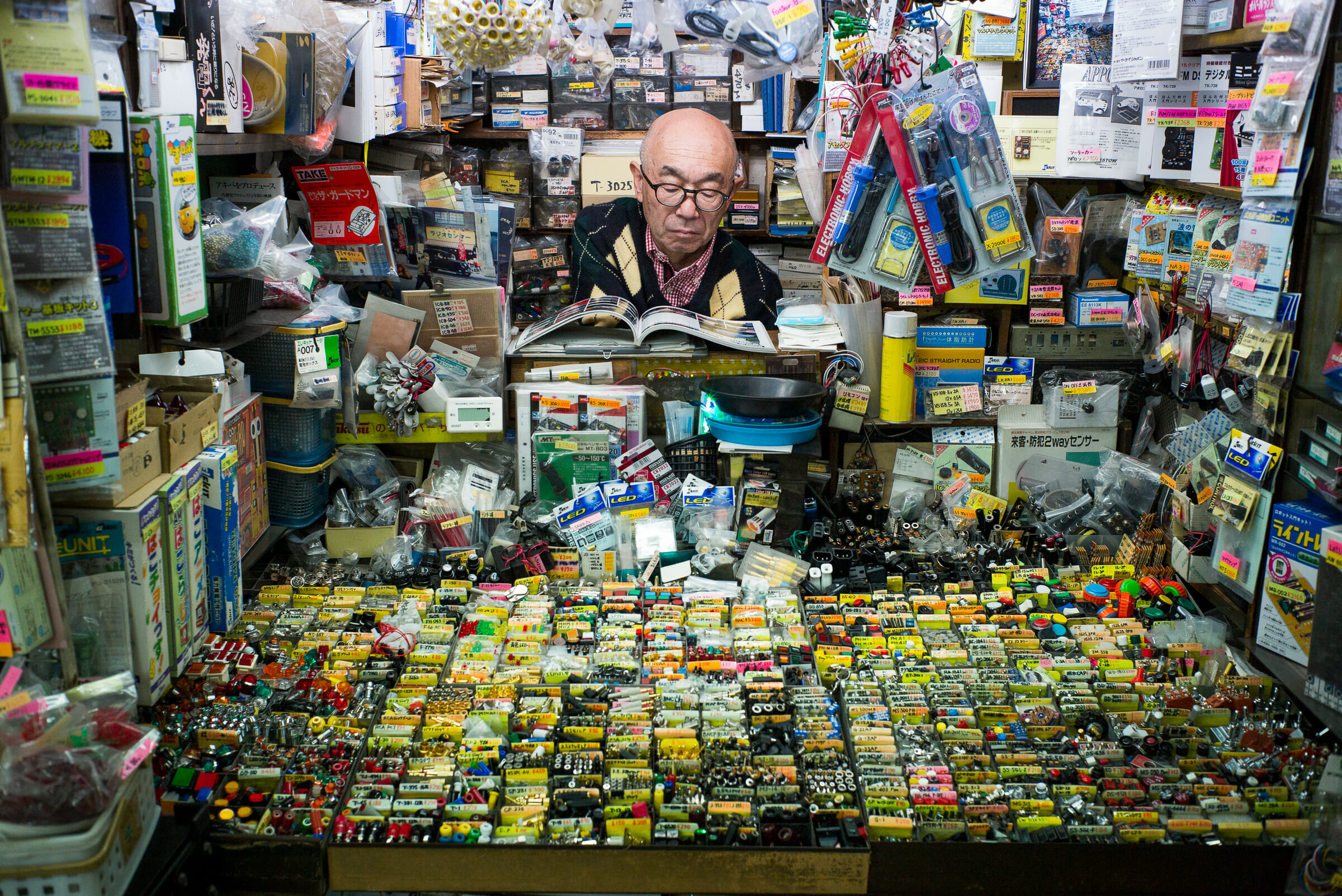
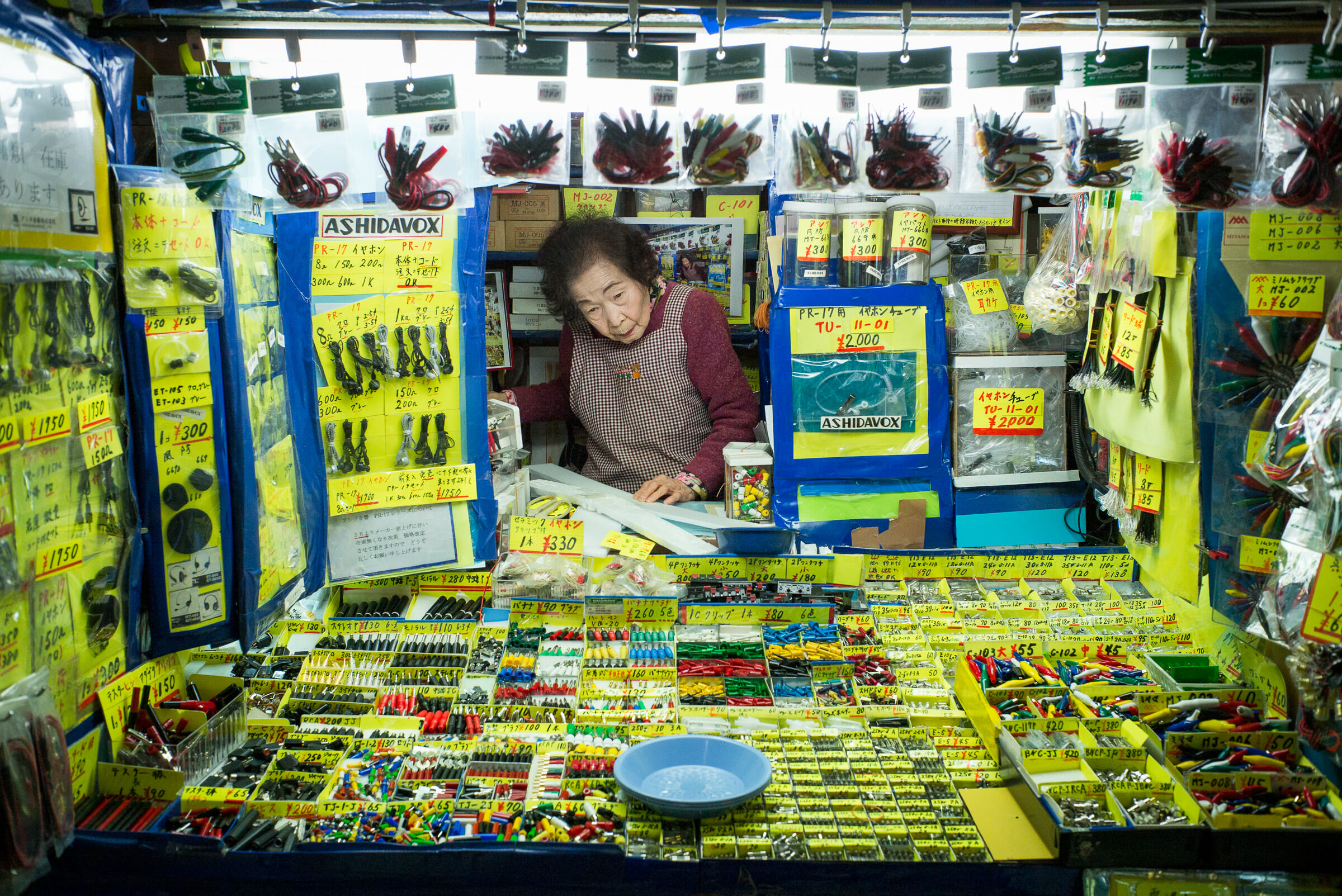
tiny Akihabara electronics shop

tiny Akihabara electronics shop

Taken before either of those photos, however, is the shot below, which predates the earlier one by 4 years. Long forgotten, it’s an image I found recently when searching for something else, but seeing it again, it somehow seems a lot older. A moment — to my eyes at least — that almost manages to straddle Akihabara’s early days, and the world famous maid cafe anime mecca it has become.
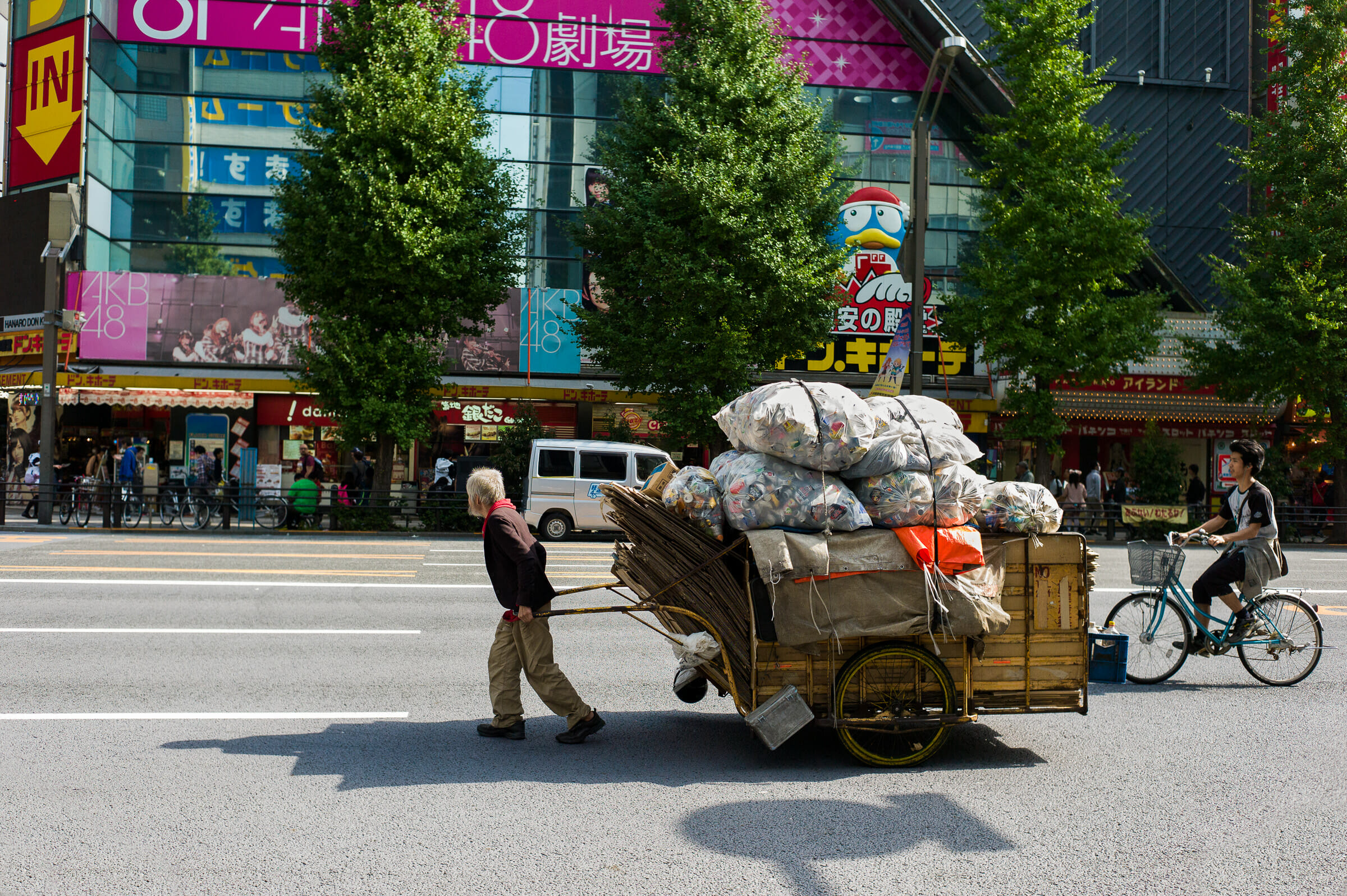
old Akihabara

Categorized: Photography

Apr 27 2021 8 Comments

Kimono reflections in a crumbling section of Tokyo’s subway system

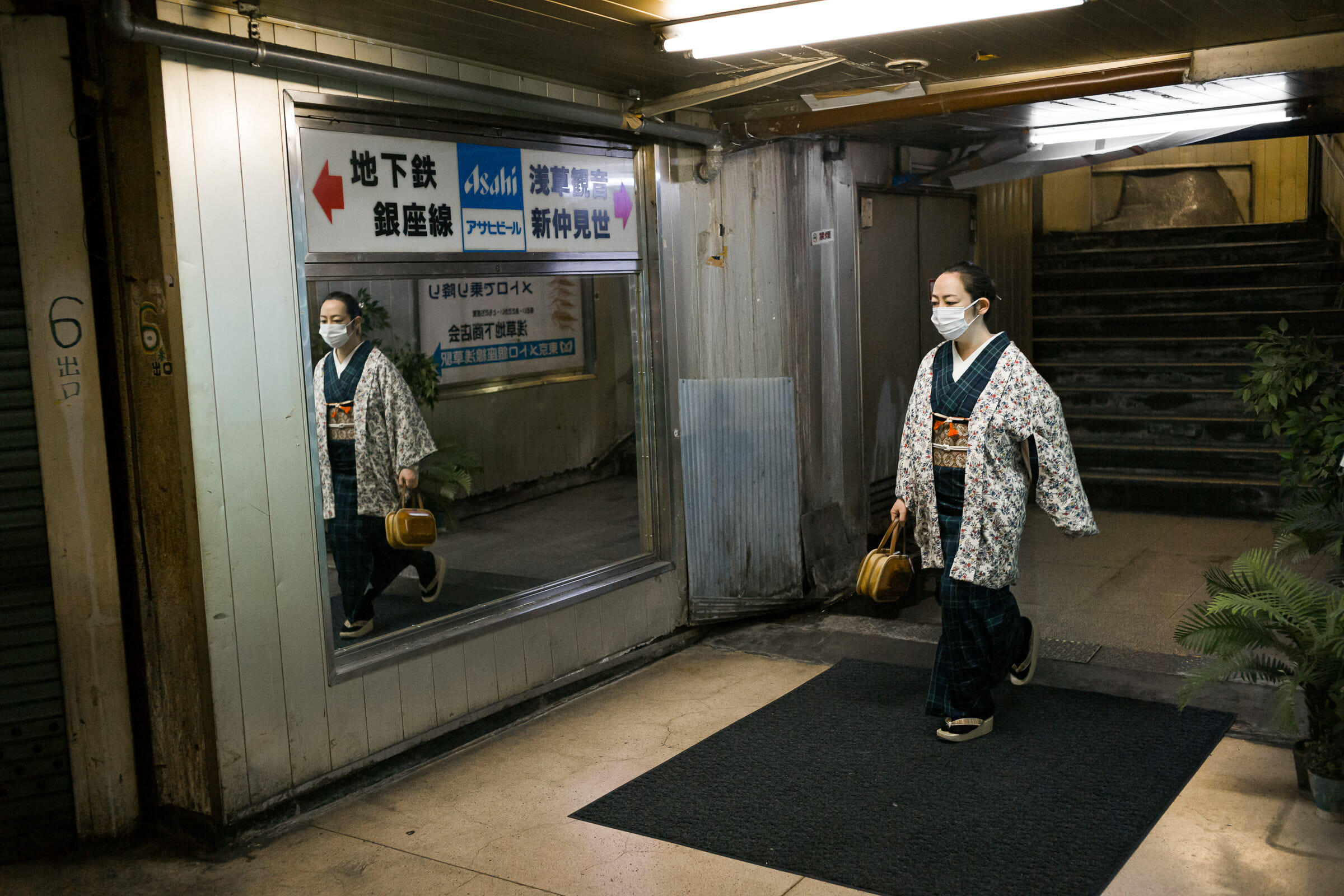
This fantastically old and crumbling section of Tokyo’s subway system is a firm favourite of mine. It’s patched up beyond belief, there’s piping all over the place, and even if you don’t see them, you can hear rats running around behind the wall panels. Oh, and there’s that bit of protruding rock in the background too. A wonderfully unintended feature that was a key part of another kimono photo I took back in 2018. It’s here if you’d like to see it.

Opting to try and incorporate the mirror rather than an immovable object this time, I was lucky enough to witness a kimono wearer once again. A scene that, were it not for the mask, could arguably have been taken decades, rather than just days ago.

tokyo kimono reflections

Categorized: Culture, Photography

Apr 23 2021 8 Comments

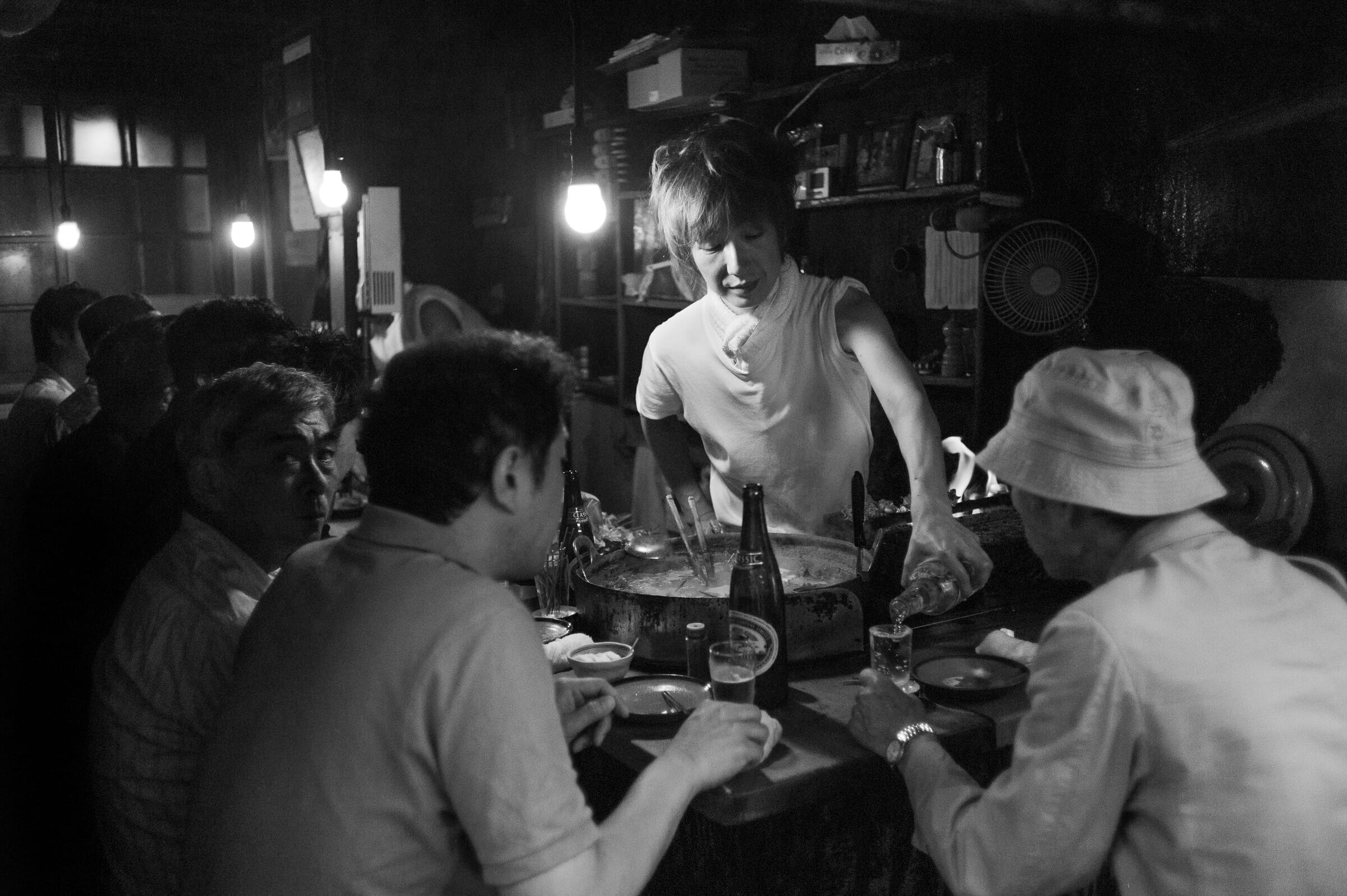
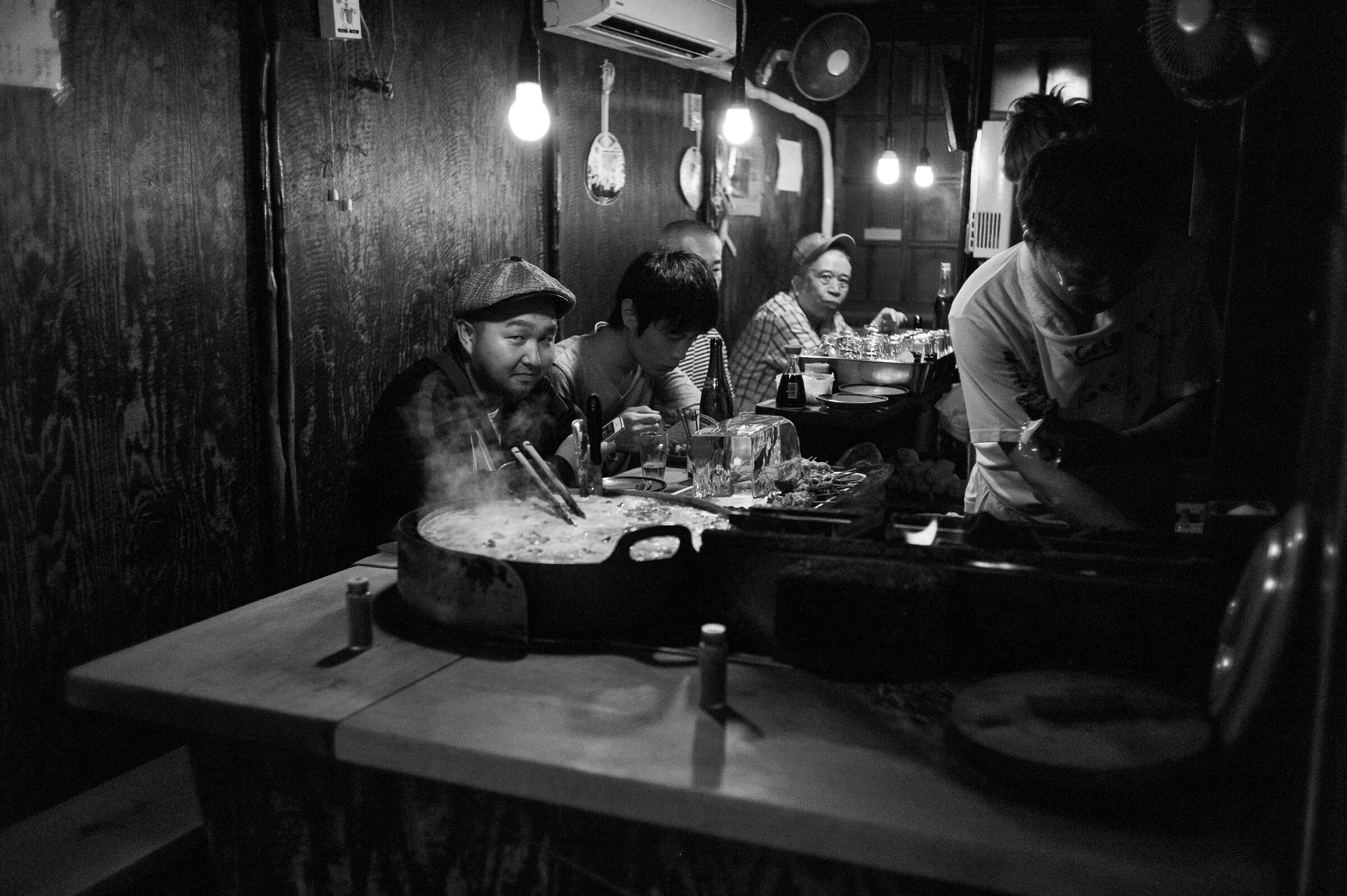
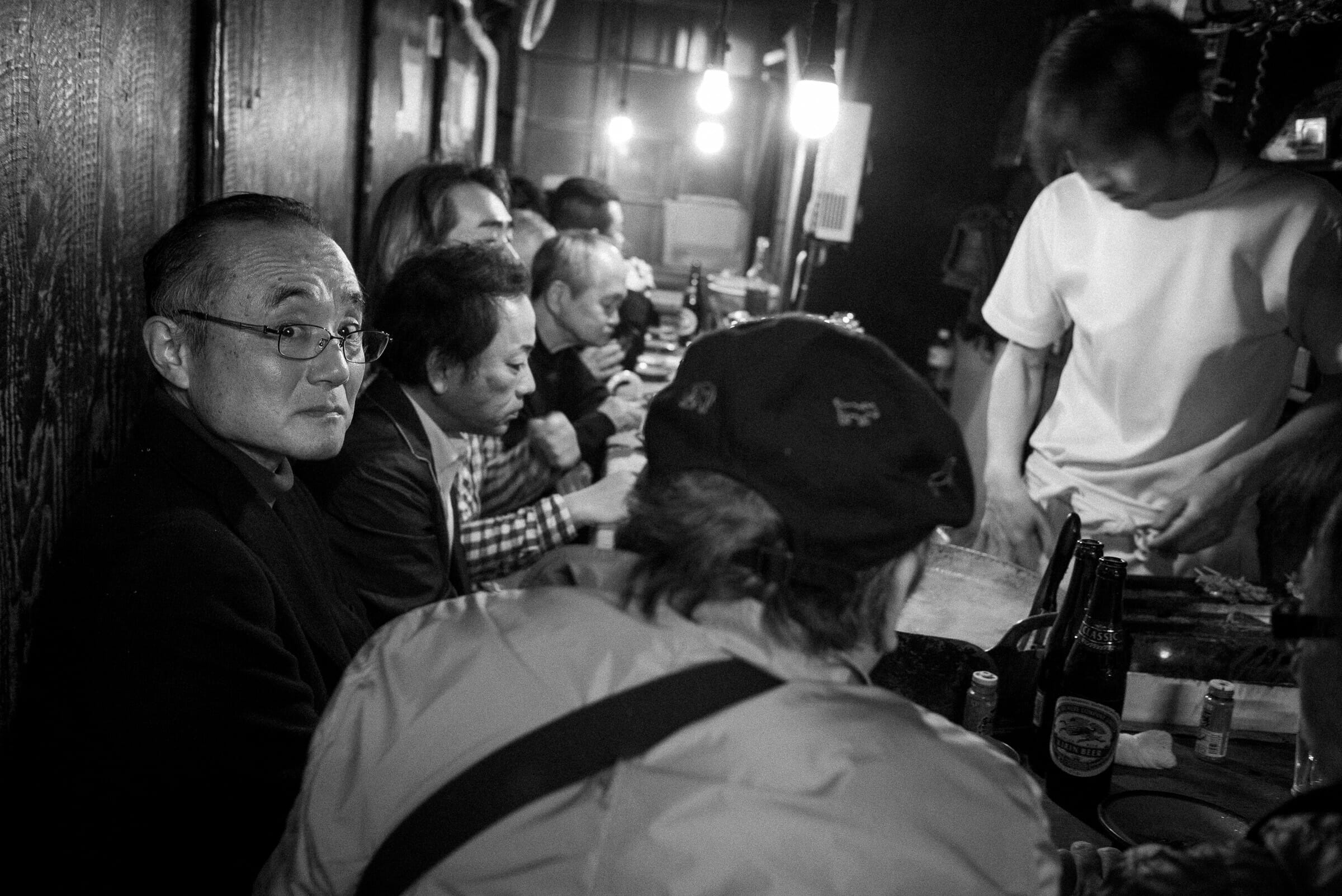
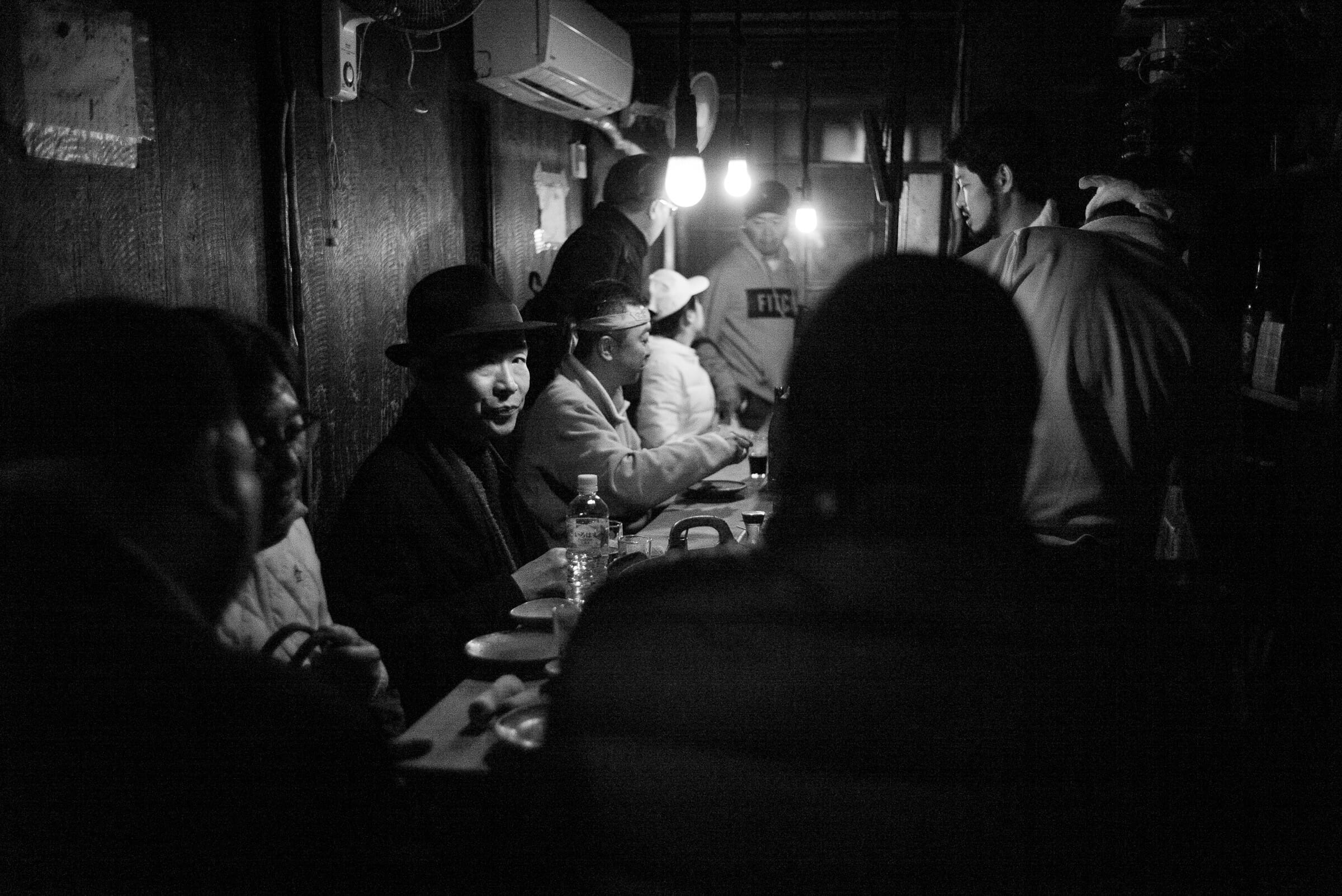
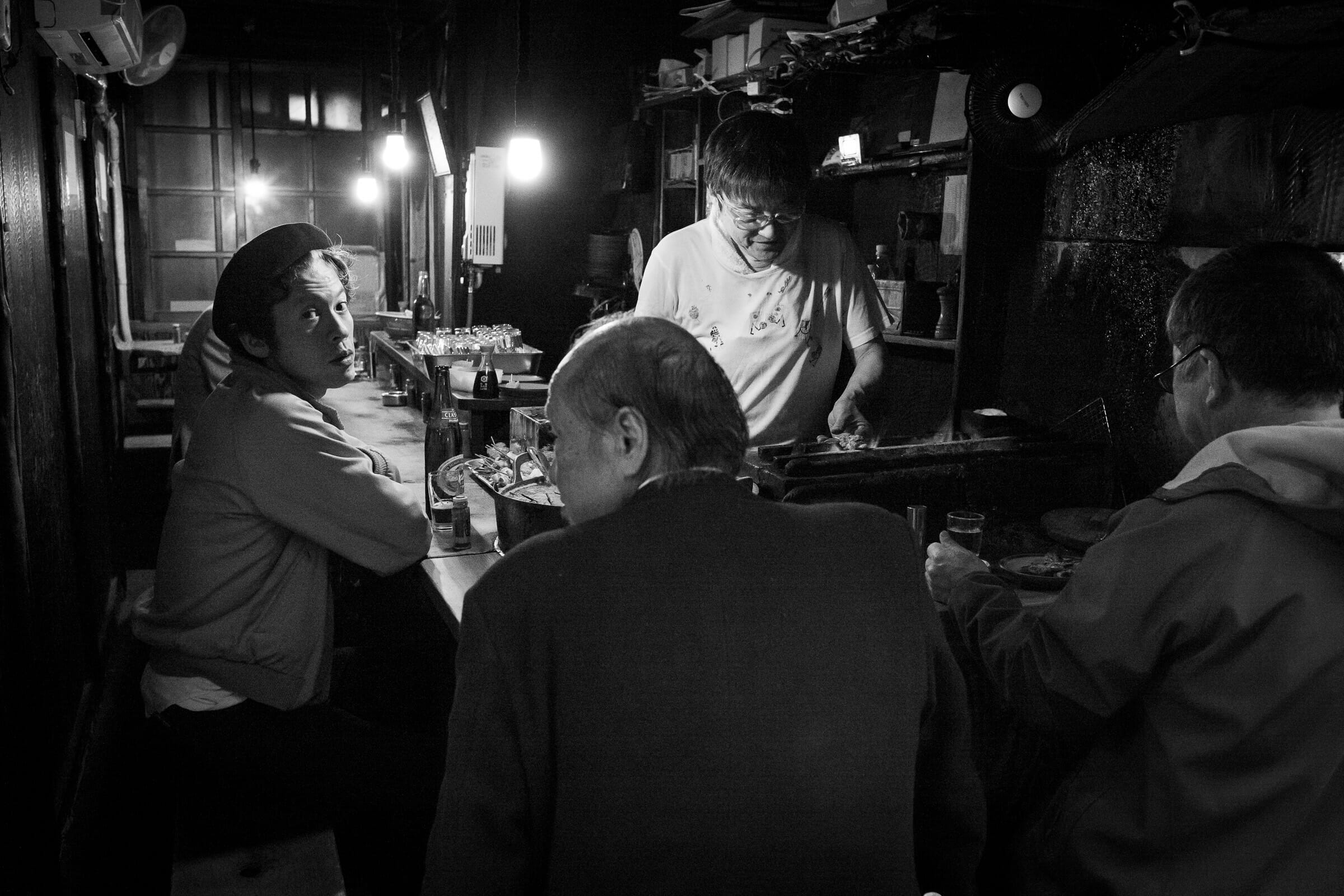
The look and looks of a little Tokyo bar over six years

These photographs were taken between 2014 and 2020. A period of time that has seen Tokyo undergo huge changes, and yet this bar at least looks exactly the same, with even the looks emanating from it remaining surprisingly consistent.

looks from a traditional little Tokyo bar

looks from a traditional little Tokyo bar

looks from a traditional little Tokyo bar

looks from a traditional little Tokyo bar

looks from a traditional little Tokyo bar

Categorized: Food and Drink, Photography

Apr 20 2021 14 Comments

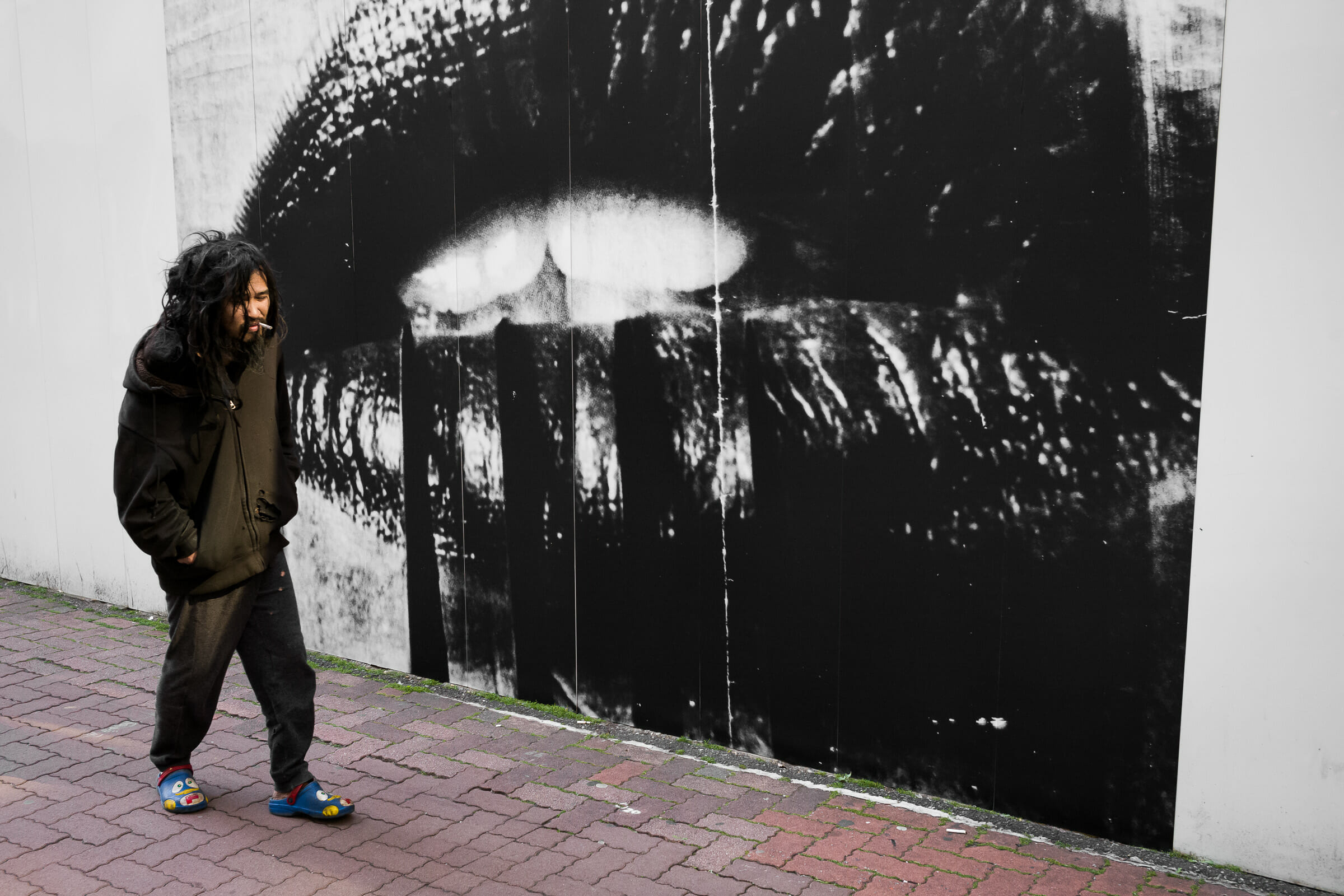
Tokyo showing its teeth

Tokyo showing its teeth

Categorized: Photography

Apr 16 2021 18 Comments

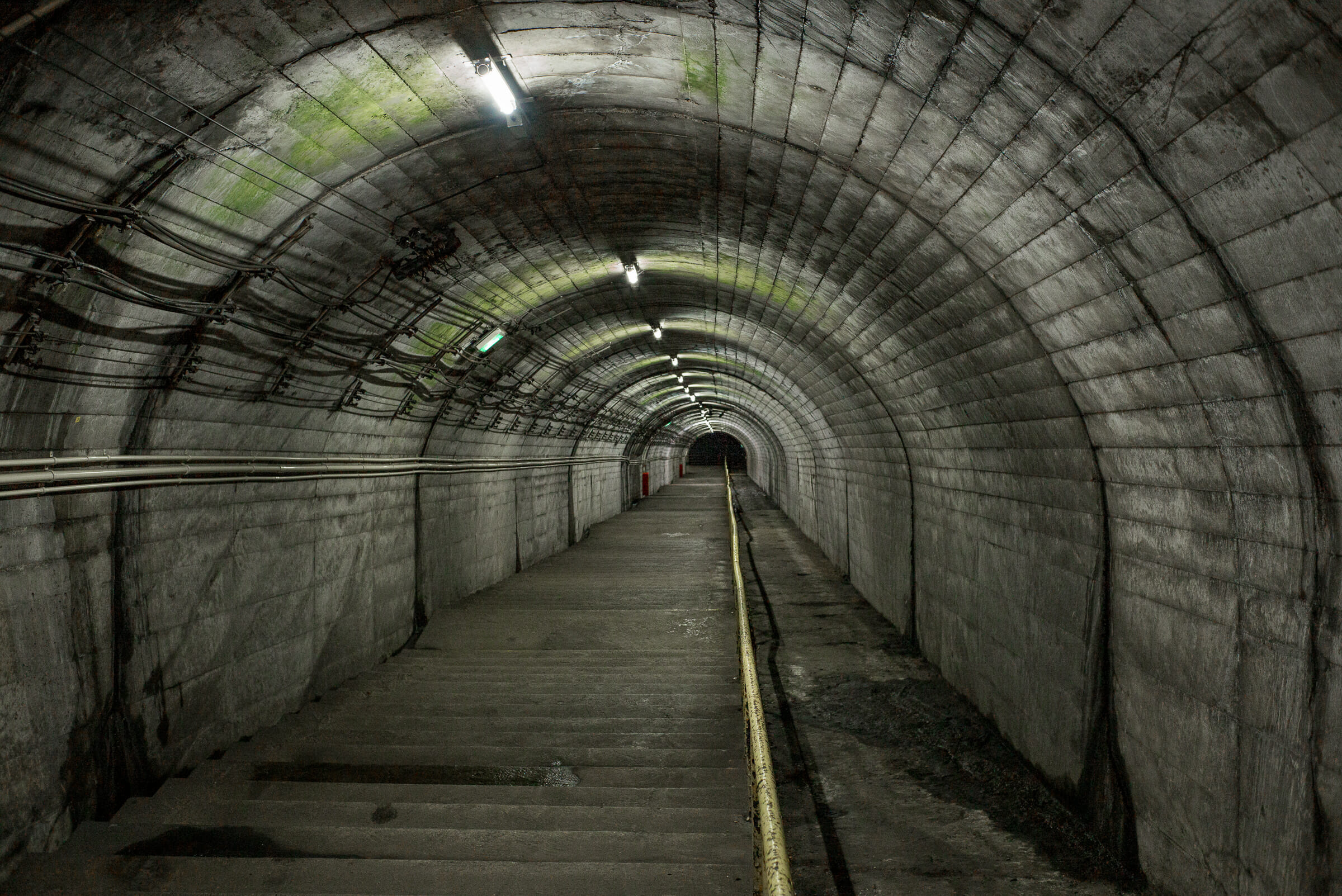
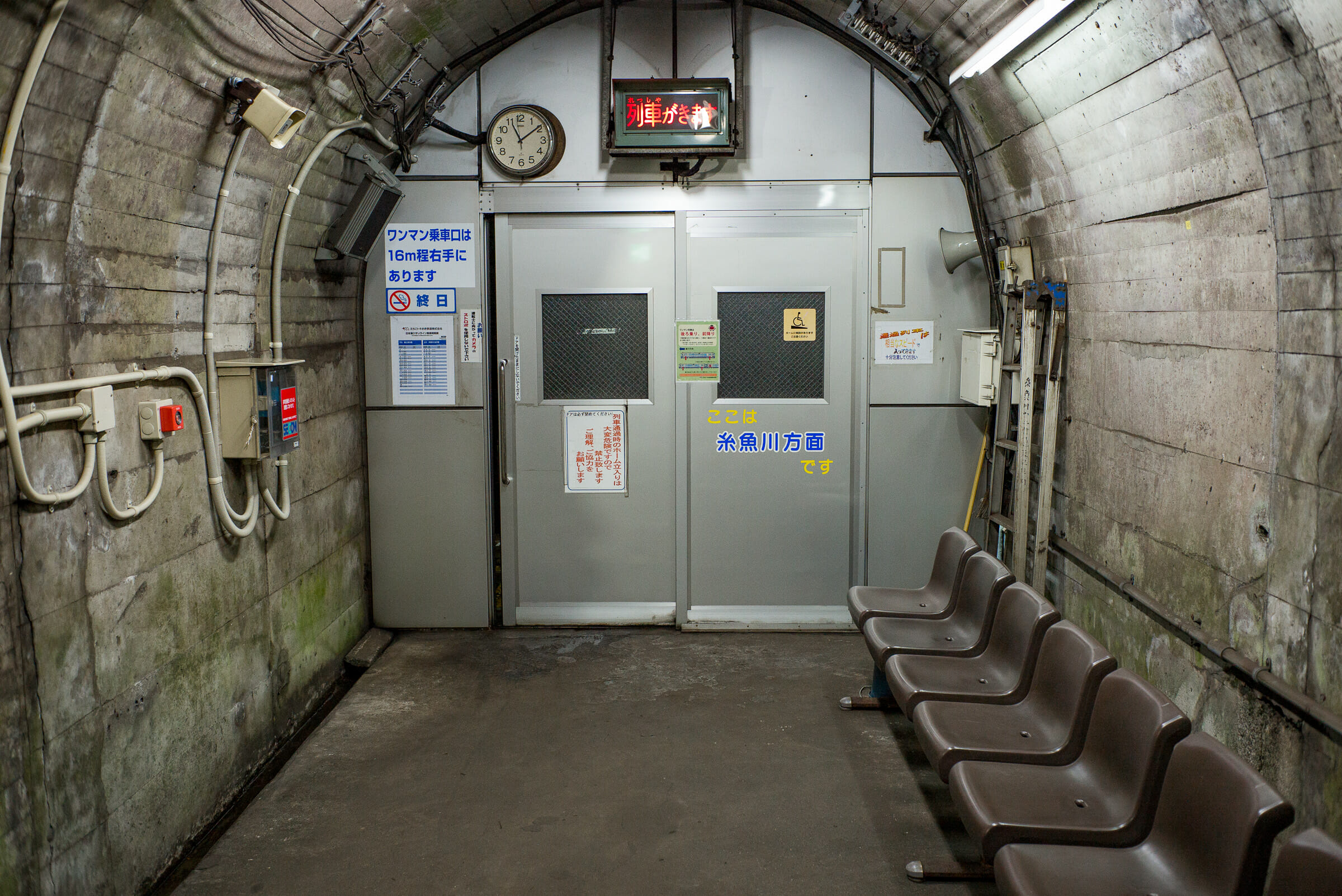
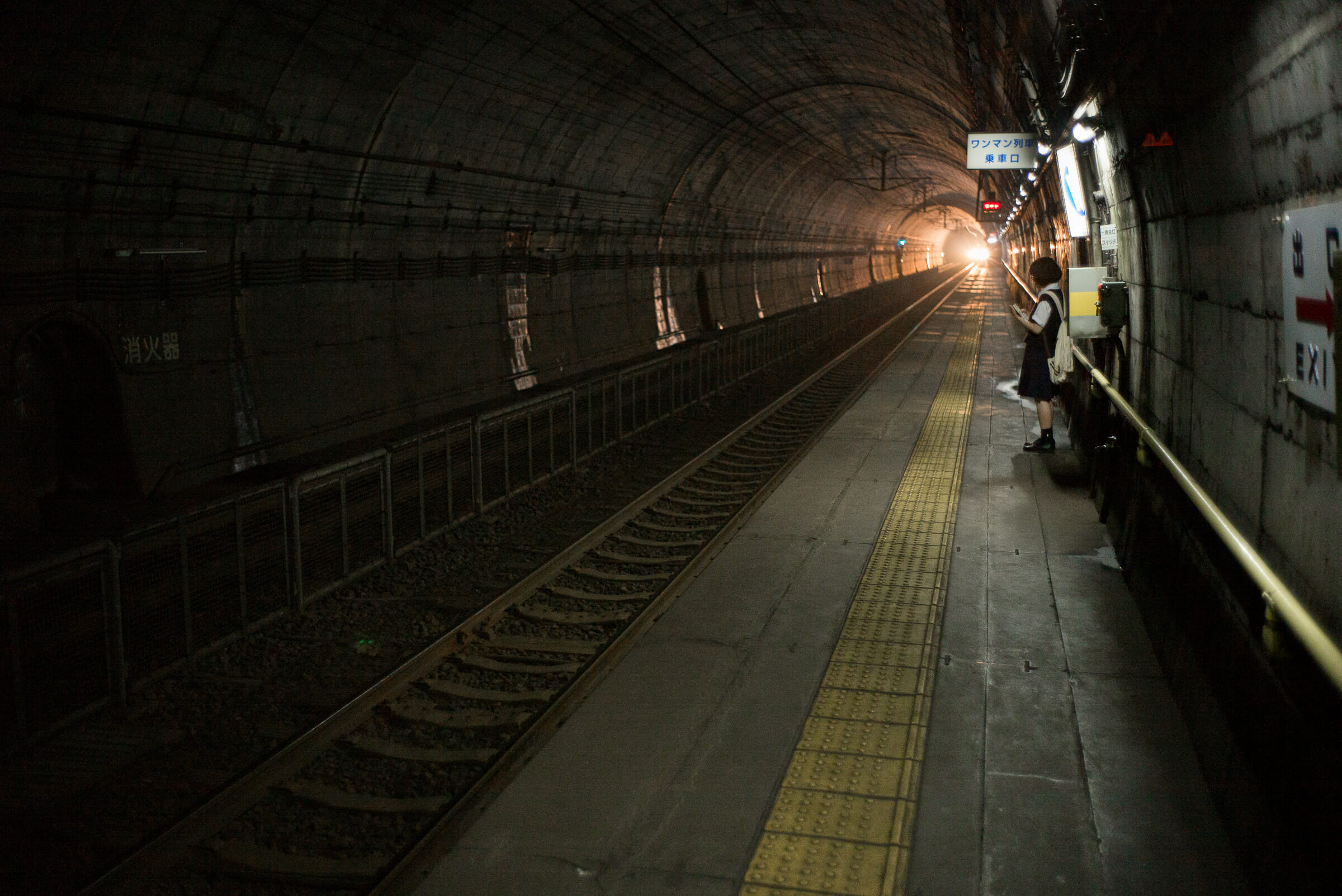
Sights and sounds from Japan’s most dystopian train station

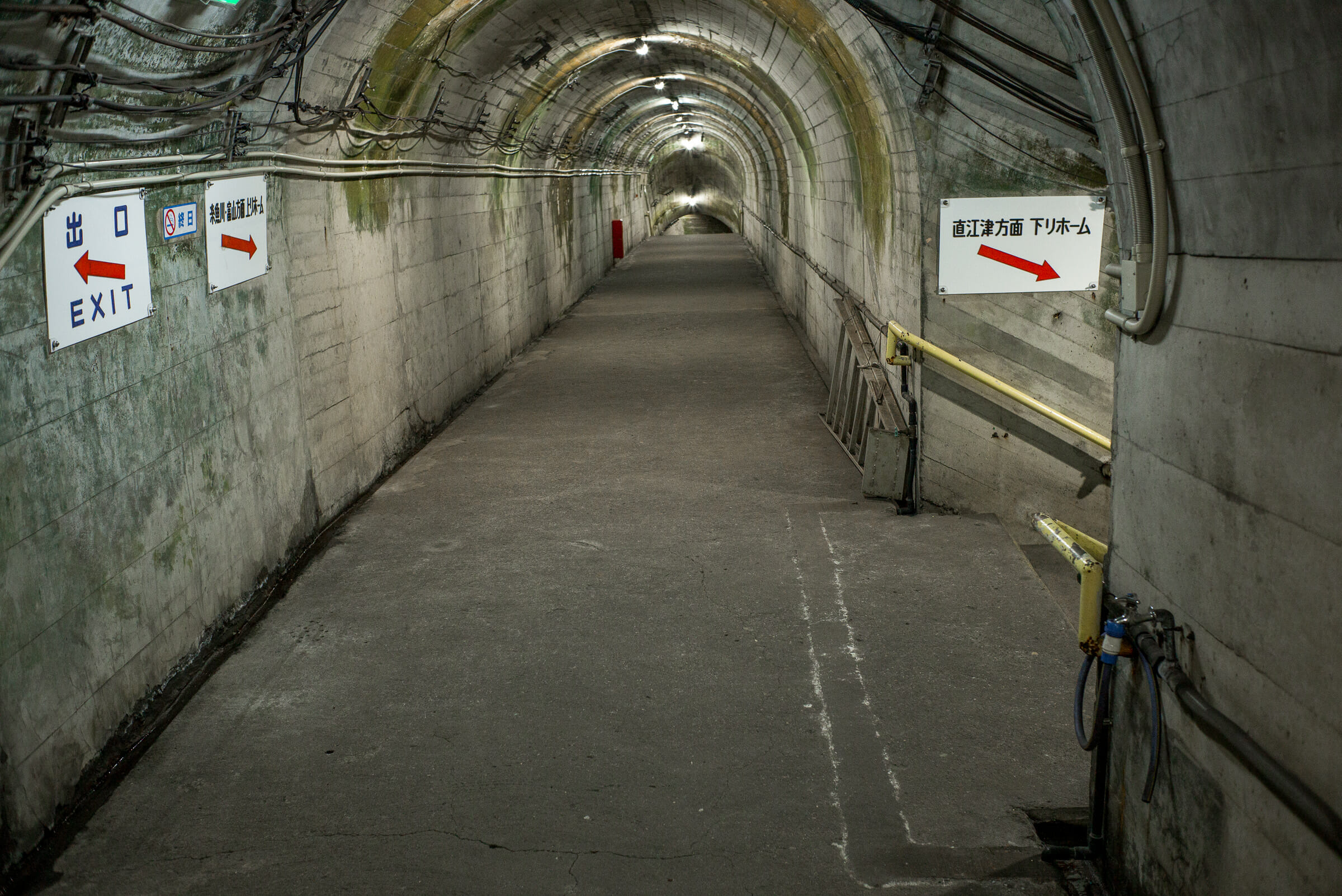
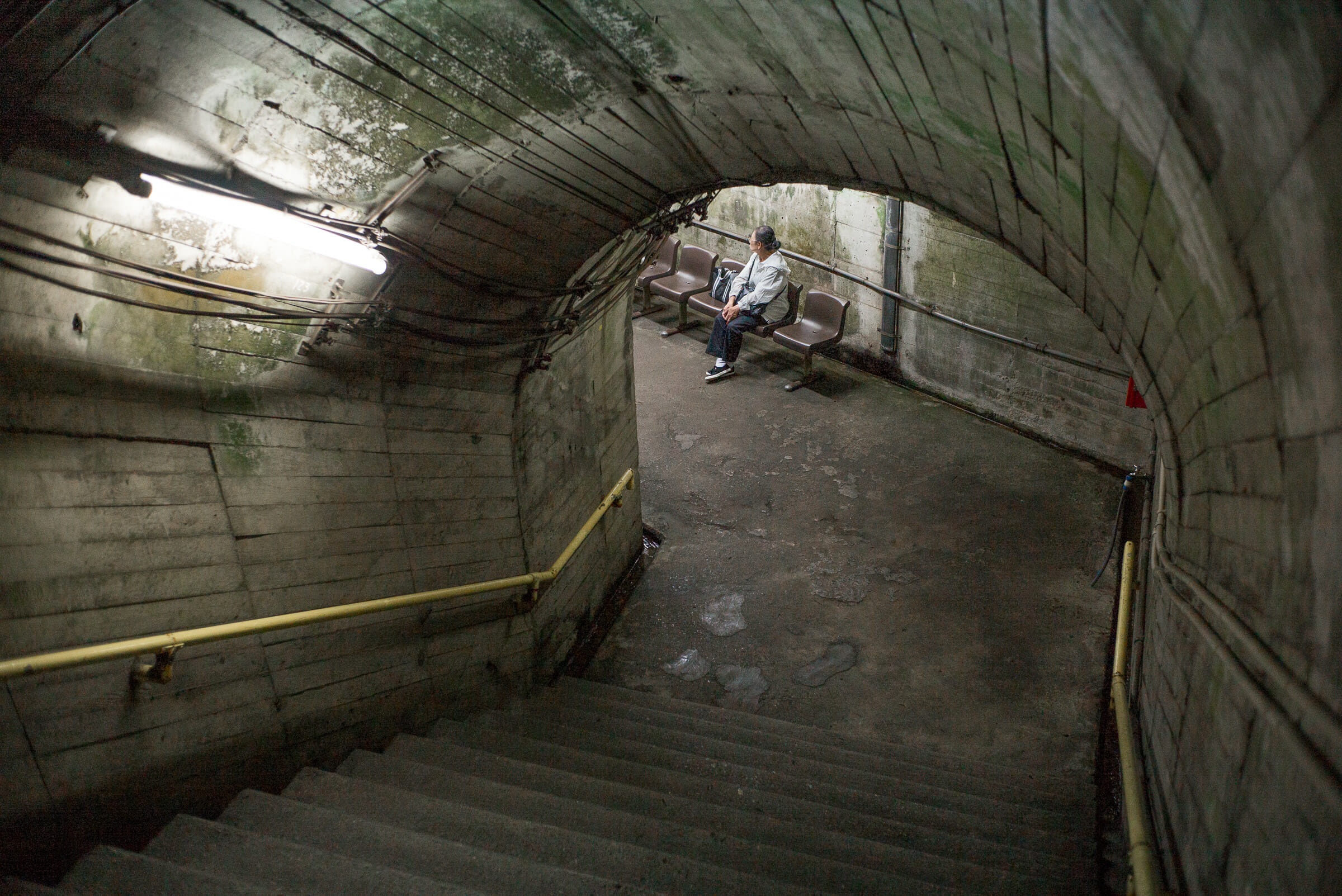
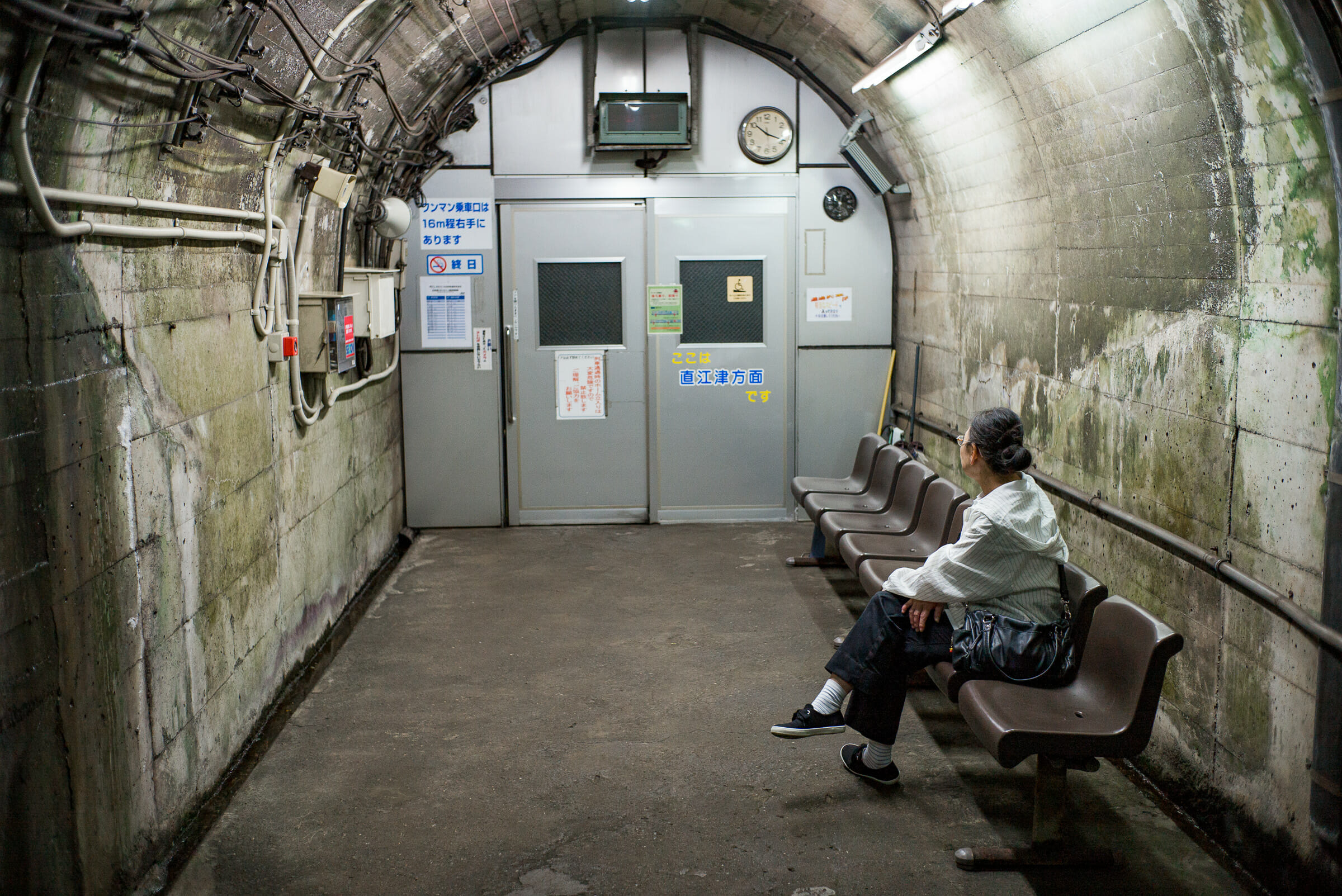
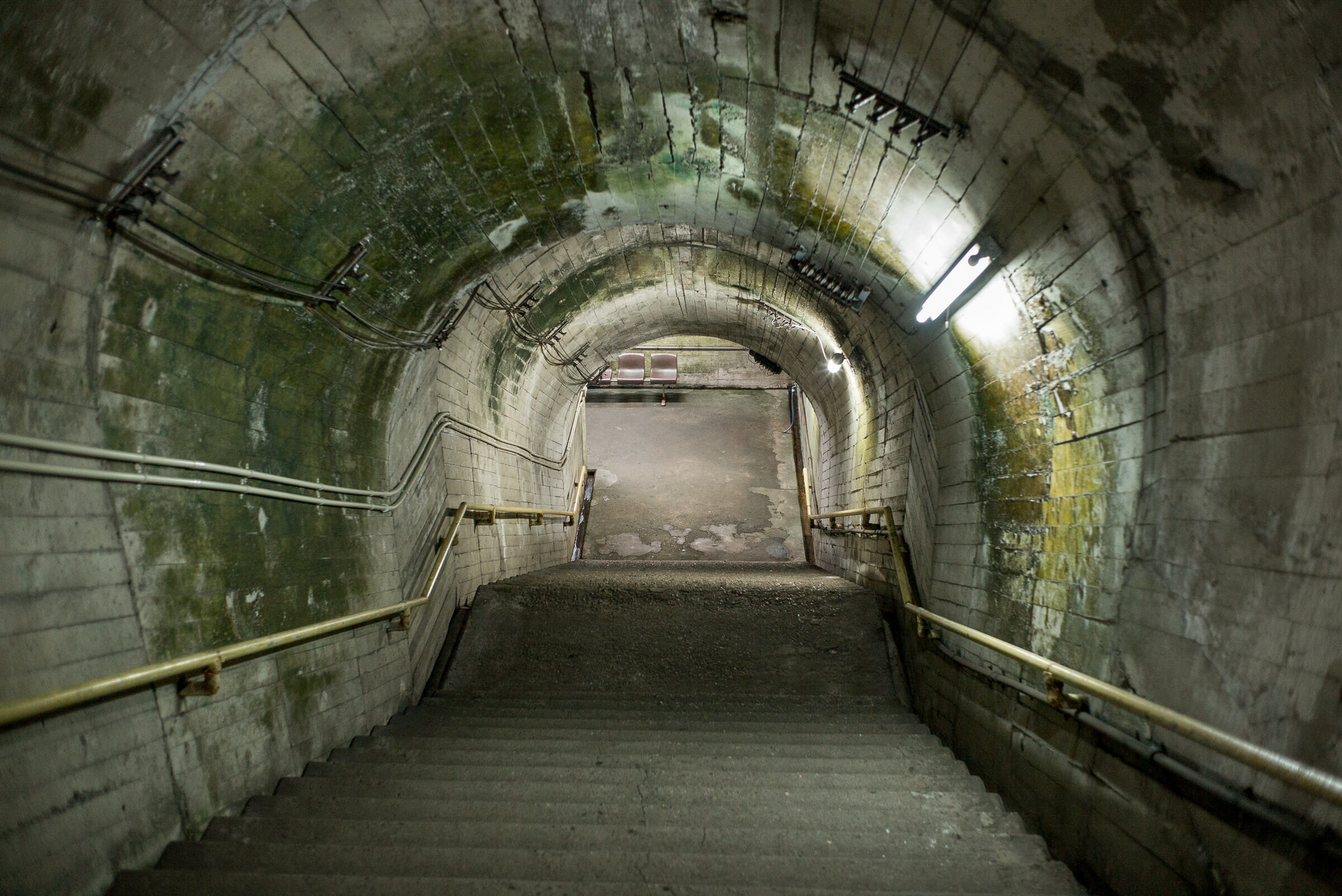
Earlier this year I added an audio track to some photos of a wonderfully atmospheric old drinking alleyway. It was an experiment that definitely gave the images something extra, so having made a few recordings in Niigata’s unique Tsutsuishi station several years ago, I decided to re-edit the photos I’d taken, narrow down the selection and post them below with sounds that are arguably as distinctive as the station itself.

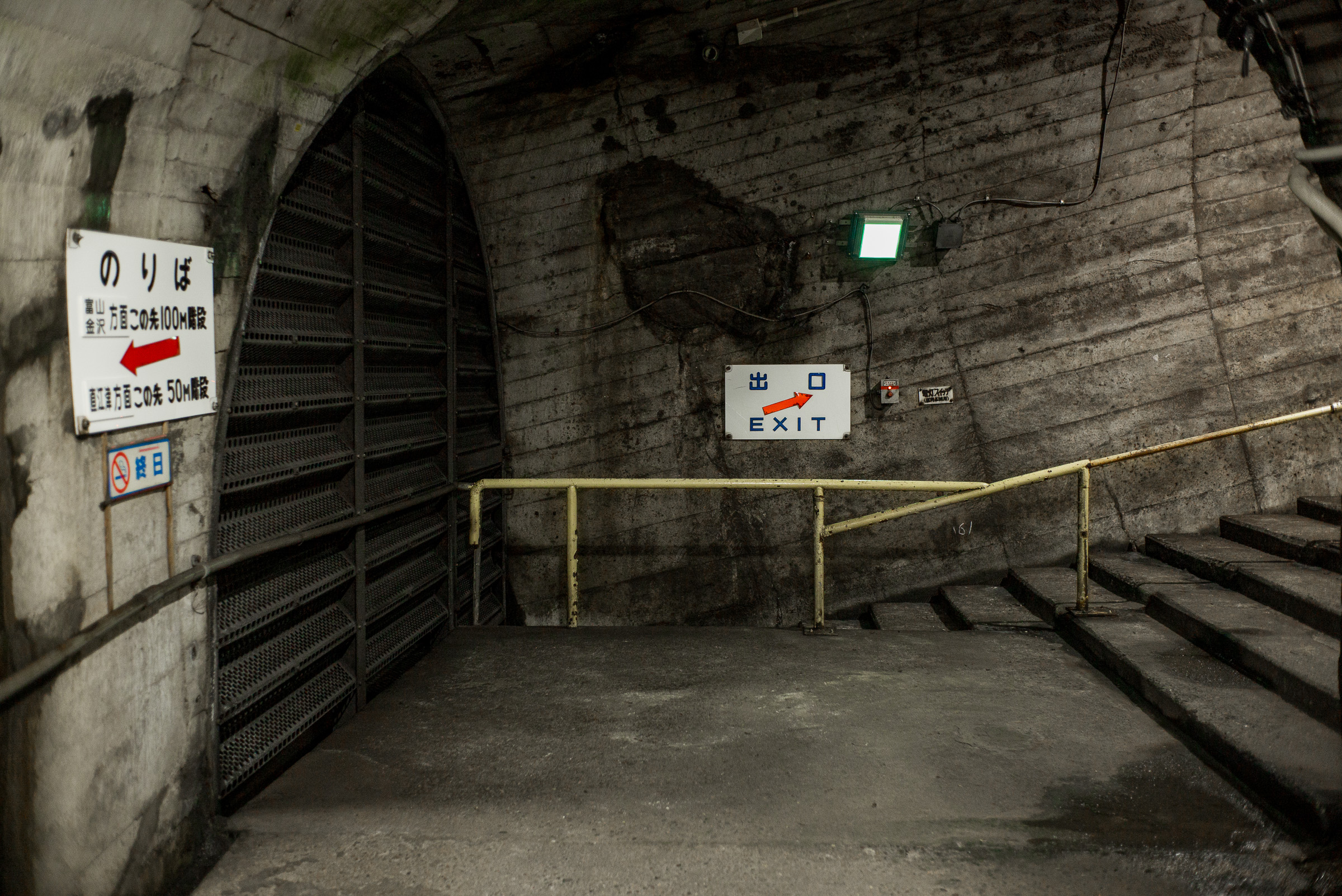
First built in 1912, it was originally above ground, but that all changed when the station underwent substantial changes in 1969. Now it’s 40 metres below the surface, and the only way to access the 2 platforms is by navigating several damp tunnels and 290 steps. A trek that users of Tsutsuishi have to make without any aid whatsoever, as there are no lifts or escalators. That said, it’s not exactly what you’d call a busy transit hub. Even back in 2004 the average number of daily commuters was only 68, but by 2019 it was down to just 15 hardy souls.

Also, despite it being a hot day when we visited, the tunnels and stark waiting areas were decidedly chilly, so what the temperatures must be like during the region’s long, bitterly cold winters really doesn’t bear thinking about. And if that wasn’t enough, the air pressure created by passing trains can cause hurricane-like winds — hence the austere looking metal doors.

Finally, in regards the audio, the first track is a reminder to help other passengers should there be any problems — something that’s especially important with the station being unmanned. The second clip indicates that a train is leaving, and the last, rather unnerving sounds, are to alert passengers when a train is arriving.

tsutsuishi Japan’s most dystopian train station

https://www.tokyotimes.org/wp-content/uploads/station-help-info.m4a

tsutsuishi Japan’s most dystopian train station

Tsutsuishi Japan’s most dystopian train station

Tsutsuishi Japan’s most dystopian train station

Tsutsuishi Japan’s most dystopian train station

https://www.tokyotimes.org/wp-content/uploads/train-leaving.m4a

Tsutsuishi Japan’s most dystopian train station

tsutsuishi Japan’s most dystopian train station

https://www.tokyotimes.org/wp-content/uploads/train-arriving.m4a

Tsutsuishi Japan’s most dystopian train station

Tsutsuishi Japan’s most dystopian train station

Categorized: Photography

« Previous Page
Next Page »

Footer

Copyright © 2026 · Tokyo Times