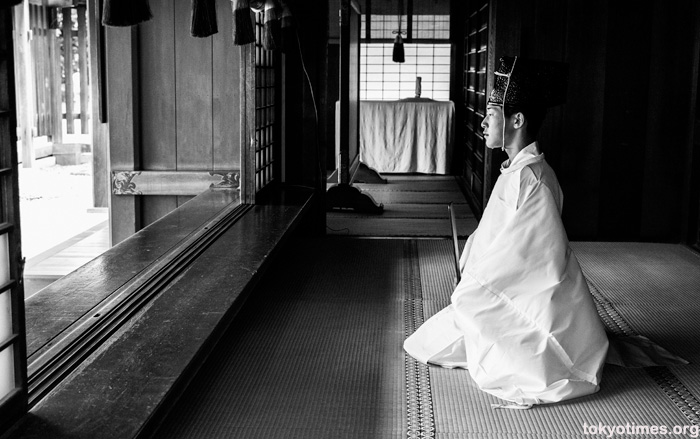
Amidst the noise and confusion that often dominate Tokyo, this Shinto priest seemed to be in another world — even from another world. A man so calm and composed that merely watching him was therapeutic.
Photographs from a small group of islands
Amidst the noise and confusion that often dominate Tokyo, this Shinto priest seemed to be in another world — even from another world. A man so calm and composed that merely watching him was therapeutic.
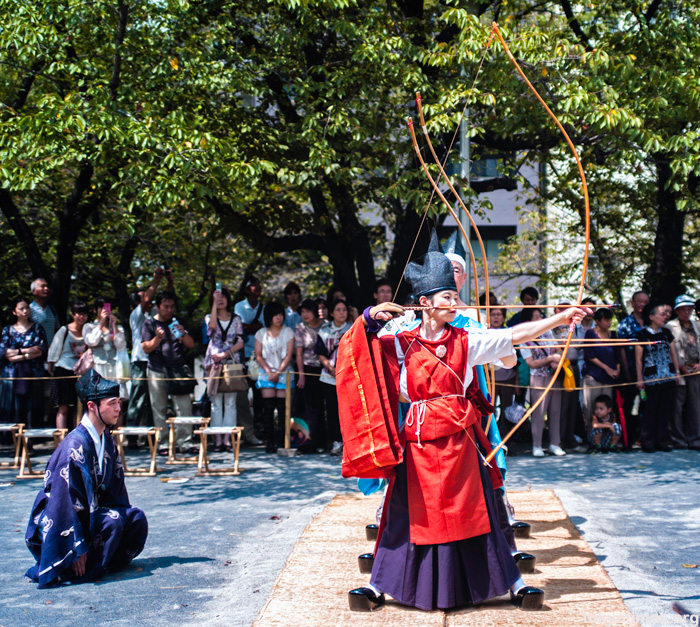
With its formal attire and long-practiced traditions, even modern Japanese archery (kyudo) feels like a step back in time. A fascinating sight that these previously posted photographs hopefully capture.
But seeing the same martial art performed in Shinto-related and wonderfully ancient outfits, is arguably even more of a spectacle.
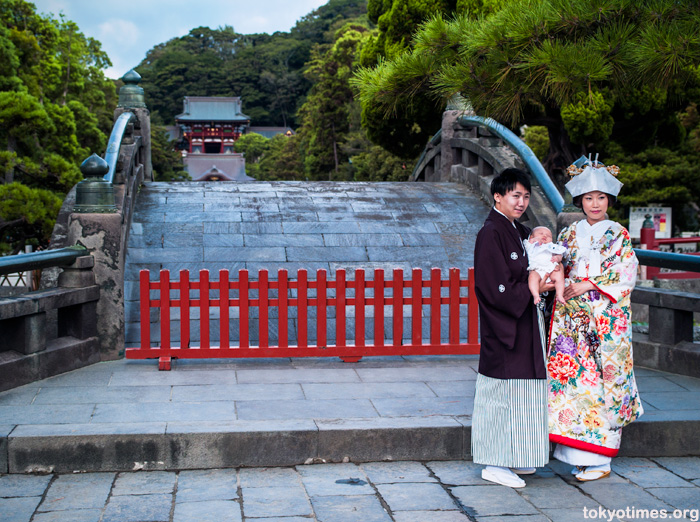
The baby, of course, is something of a break from custom. A modern take, on a not so modern marriage ceremony. But the rest of it: The shrine. The clothes. The cultured setting of Kamakura, Japan’s ancient capital. All combine to make it a wonderfully traditional, and fabulously photogenic, wedding.
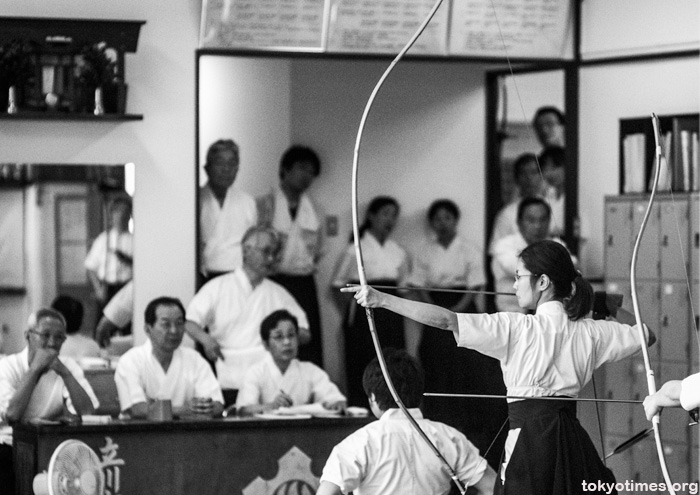
Many traditional Japanese pastimes are extremely regimented, leaving little room for spontaneity, and Kyudo, Japanese archery, is no different. With the emphasis very much on ritual and technique, archers must always complete the hassetsu (eight stages of shooting) — a set of steps so painstakingly followed that the eventual release of the arrow appears merely a part of the process, rather than the main purpose. An idea that the martial art’s association with zen Buddhism, and an emphasis on meditation and self-improvement, would seem to support.
In competitions, however, it is actually hitting the target that ultimately counts, although along with the aforementioned hassetsu, archers must also perform an intricate series of actions as they enter the dojo. Plus on top of that they are also required to kneel after each shot before slowly rising again when it’s their turn.
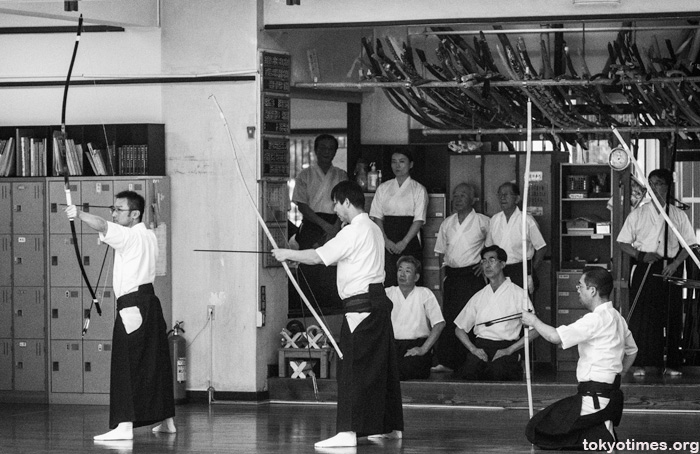
An effort that, along with the deadly seriousness of everybody involved, and the complete and utter silence, looked more like an exercise in discomfort, than development.
Yet despite this, the very obvious dedication on display, and the almost reverential atmosphere in and around the dojo, made it absolutely fascinating to watch.
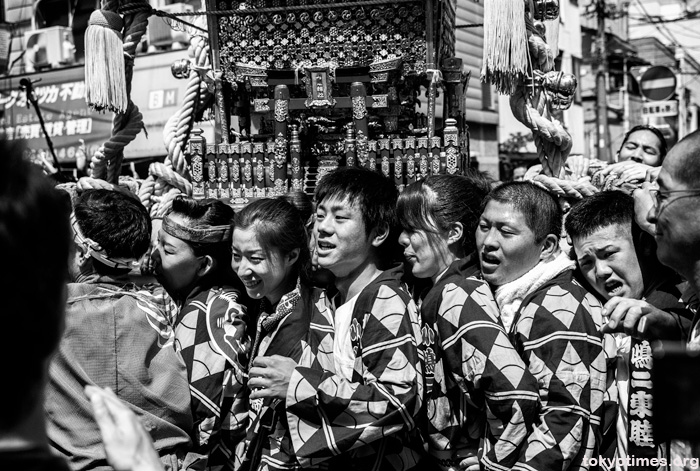
There are several drawbacks to summer in Tokyo. There’s the heat and awful humidity. Not to mention the millions of mosquitos. But, there are at least a few pluses — first and foremost of which are festivals. Boisterous, full-blooded affairs, that as well as being a lot of fun, also allow people to fully express their emotions.