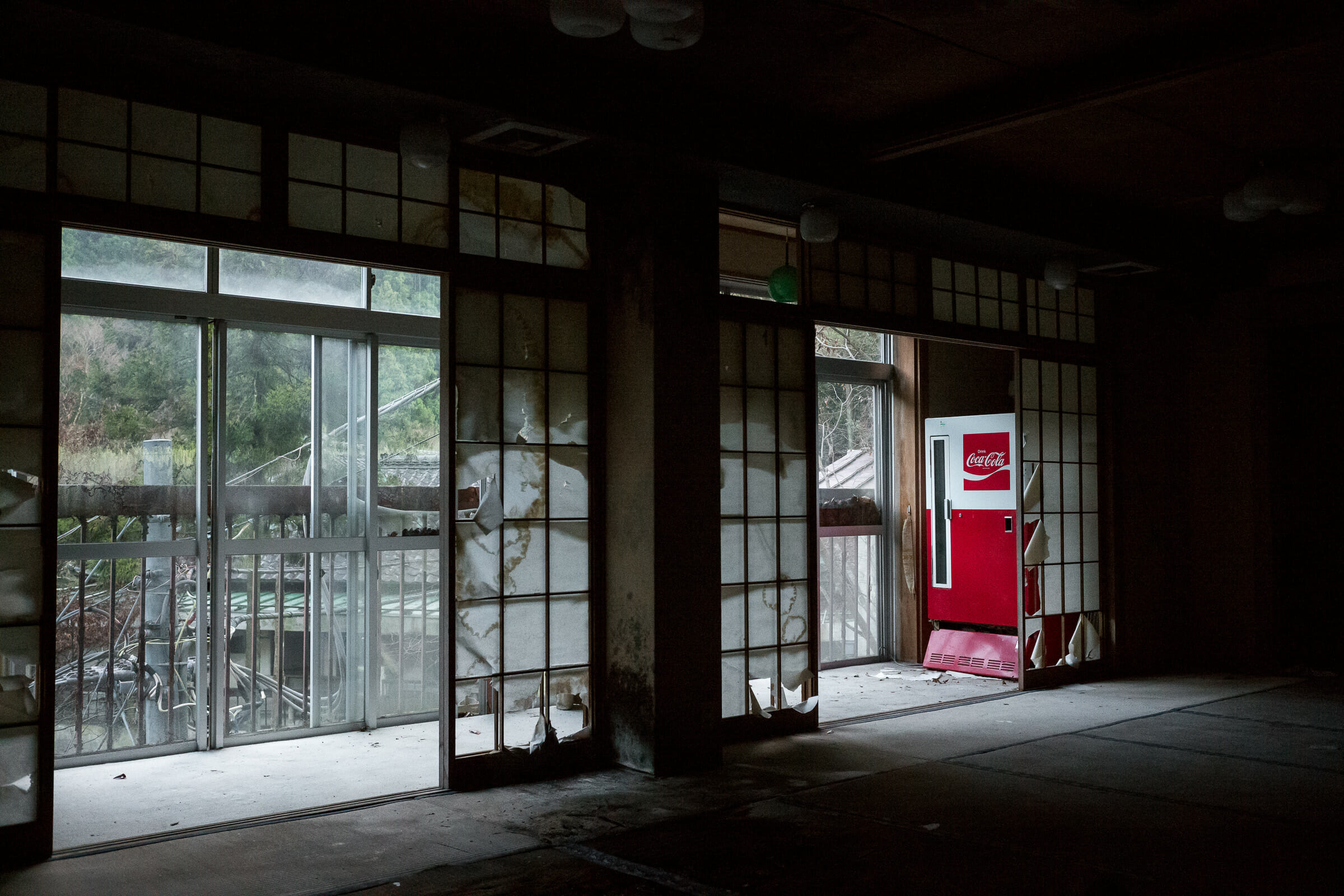
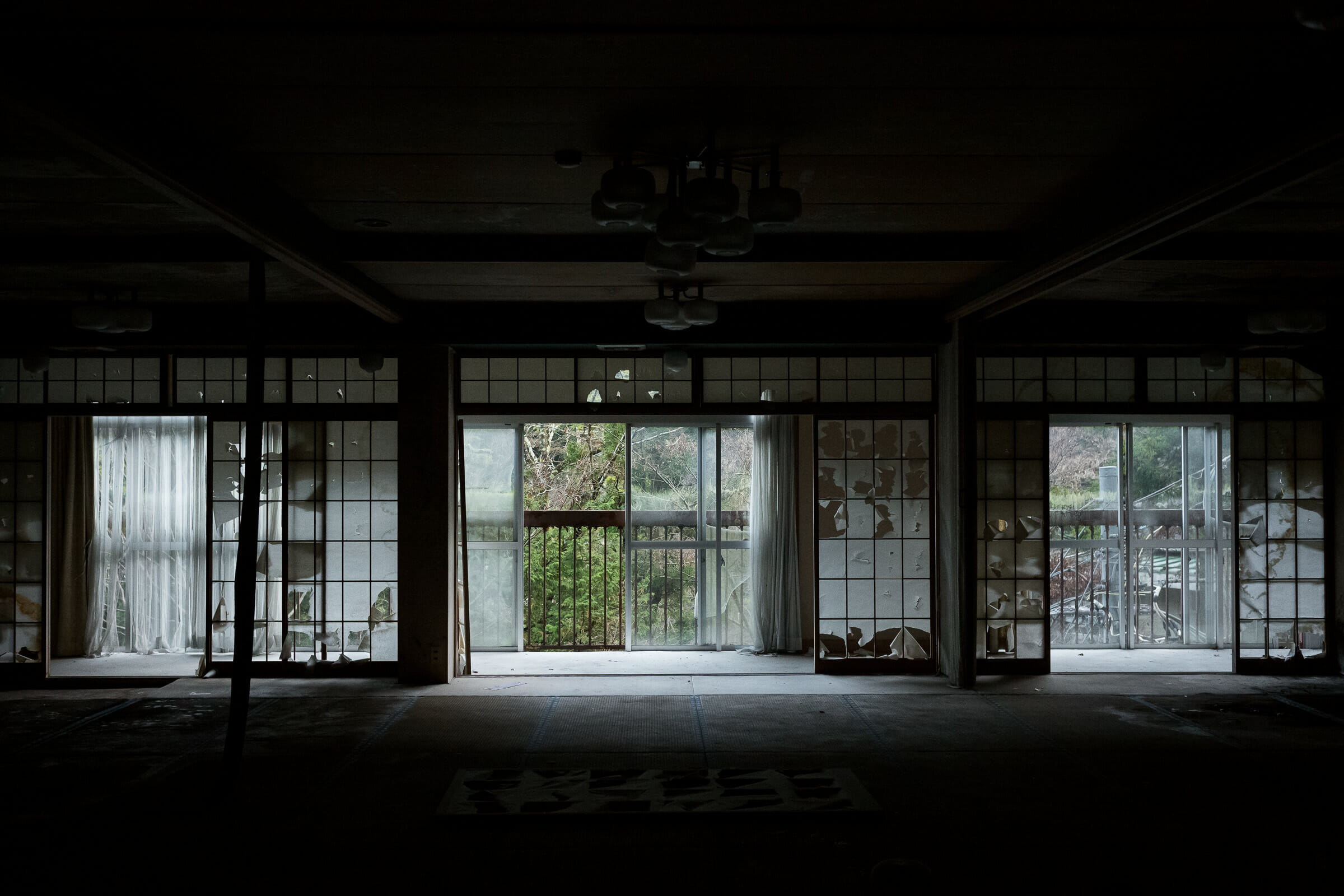
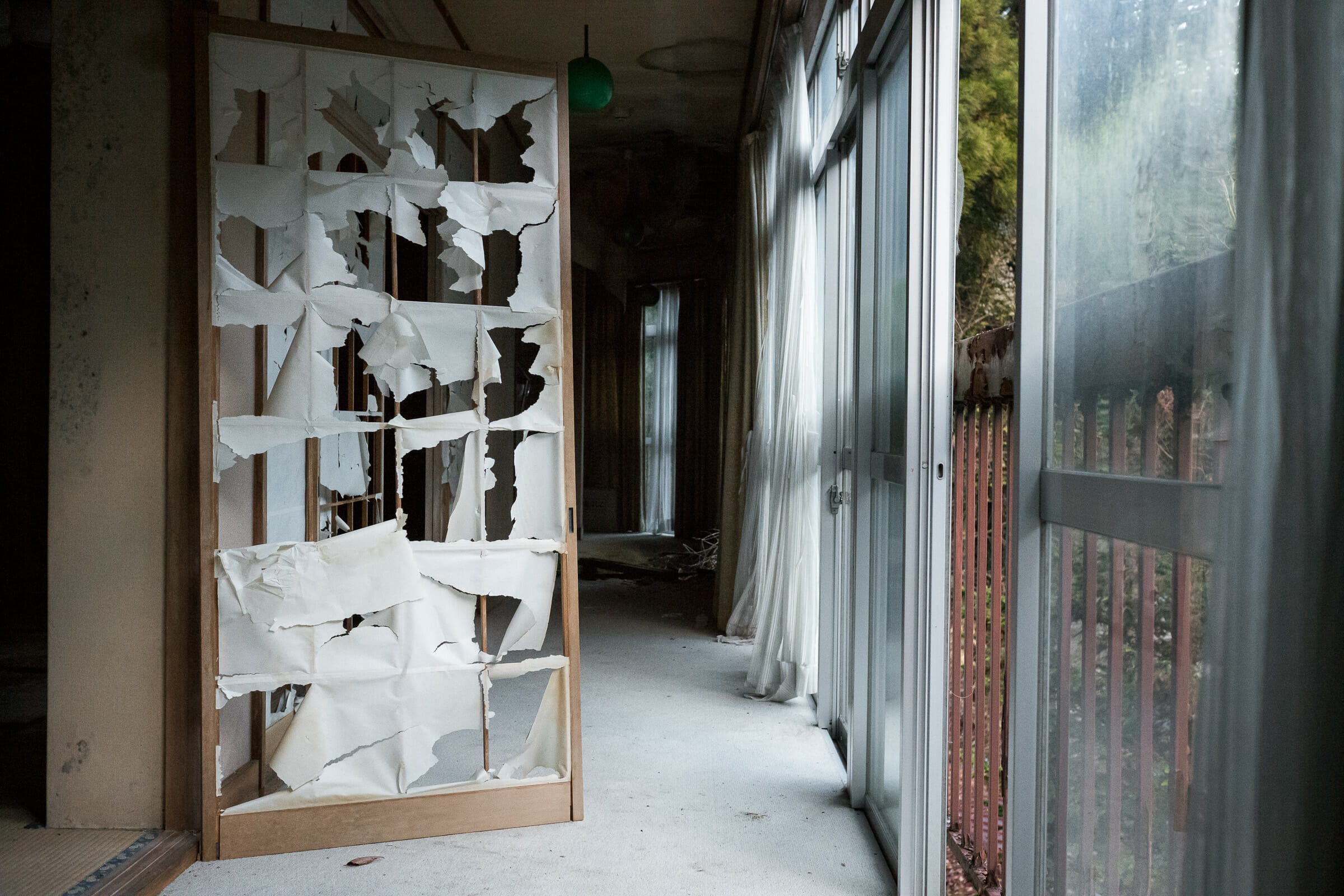
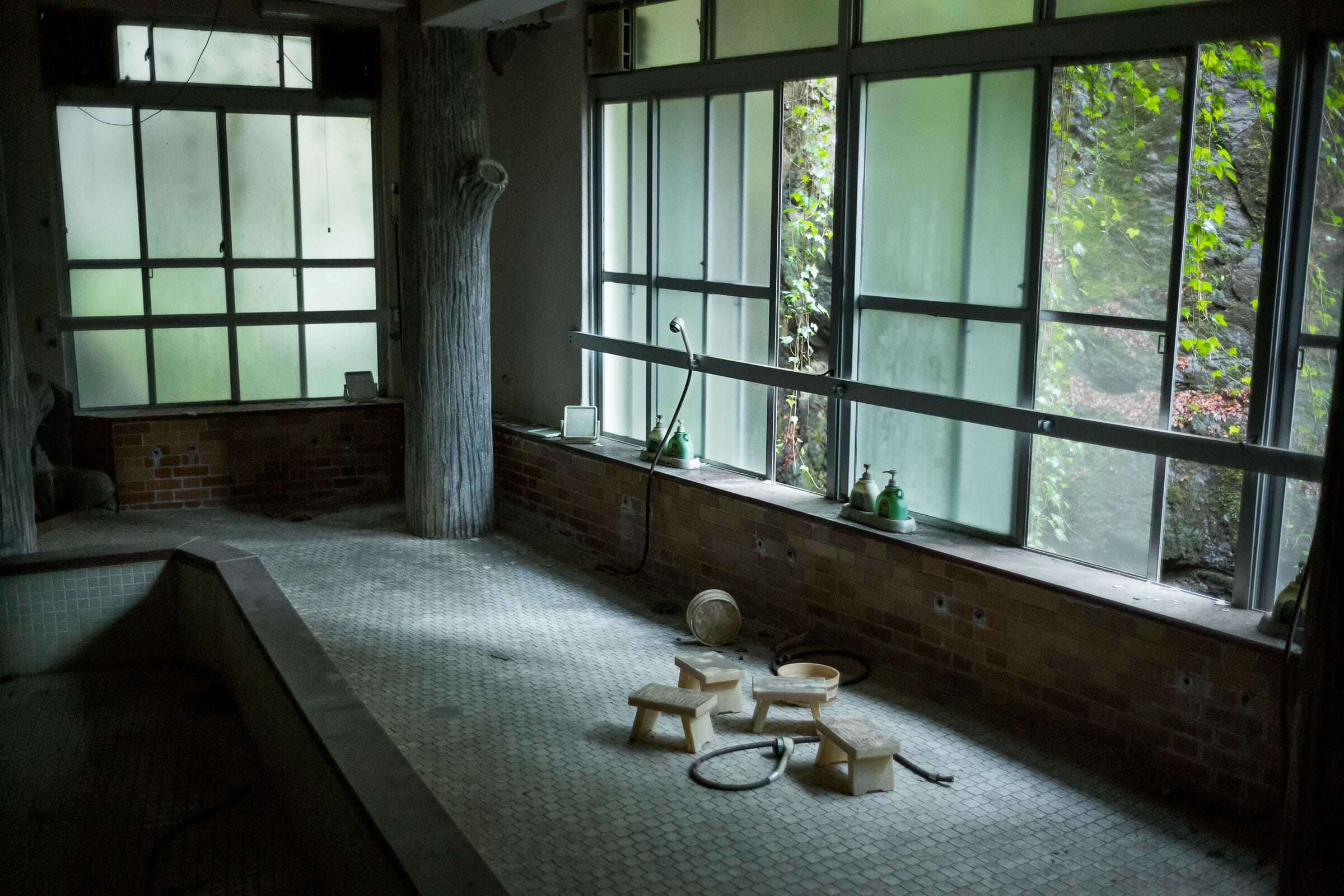
The light was fading and the building is slowly falling apart, but almost a quarter of a century after closing its doors, this hotel has a silence and atmosphere all its own.


Photographs from a small group of islands
The light was fading and the building is slowly falling apart, but almost a quarter of a century after closing its doors, this hotel has a silence and atmosphere all its own.
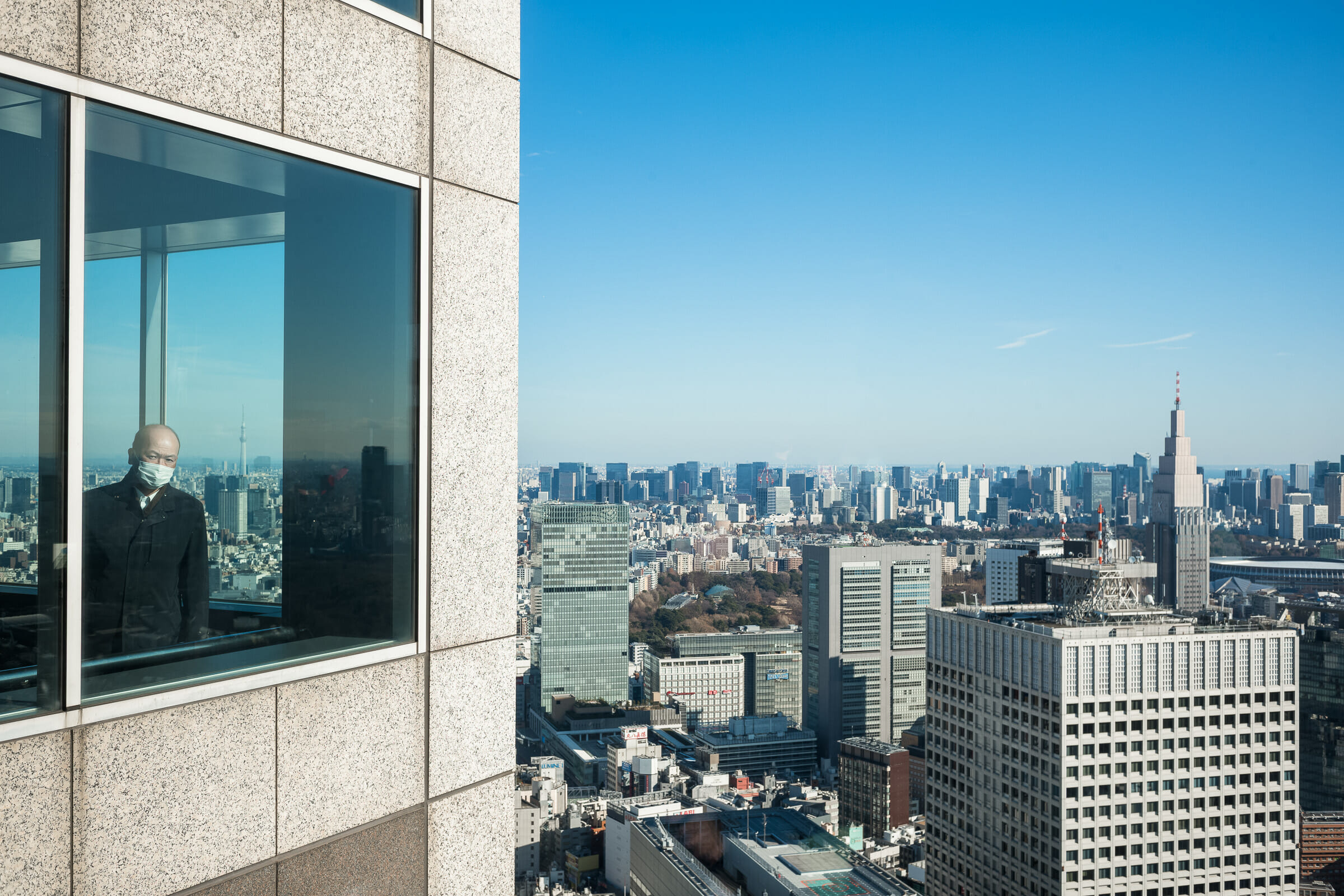
Suitably sinister stares at the top of Tokyo’s massive government building?
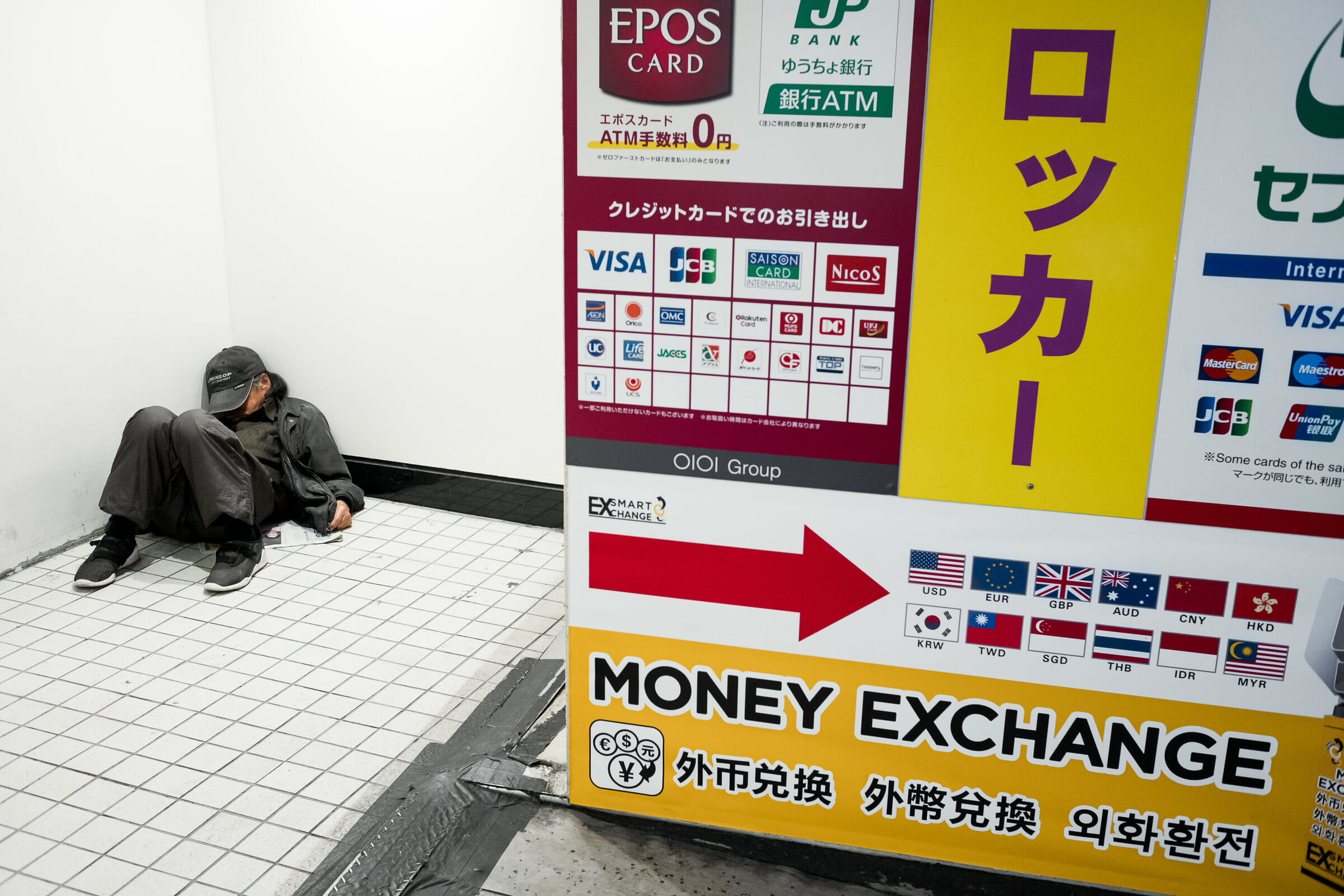
Nothing, exchanged with nothing, was, is, and always will be, nothing.
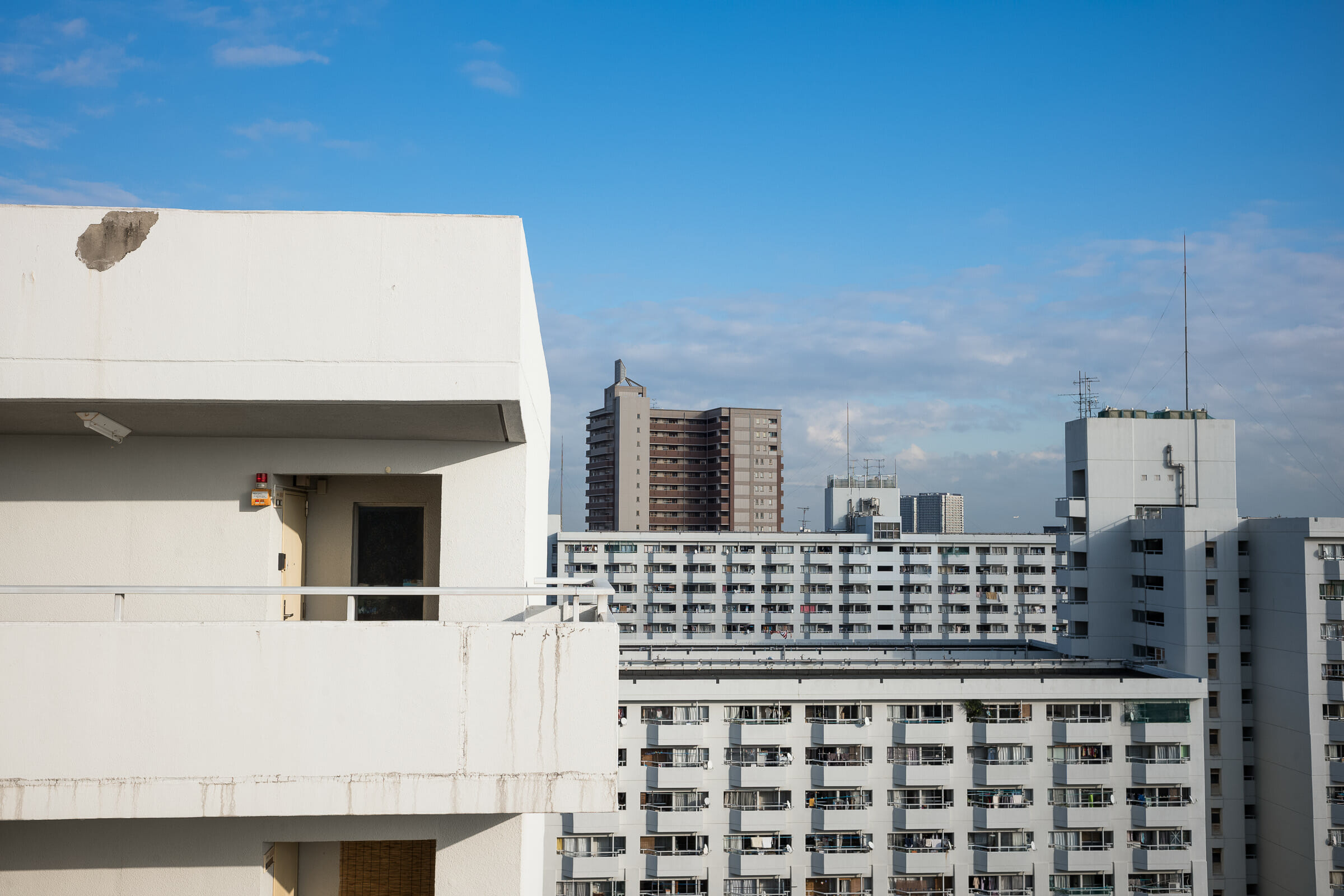
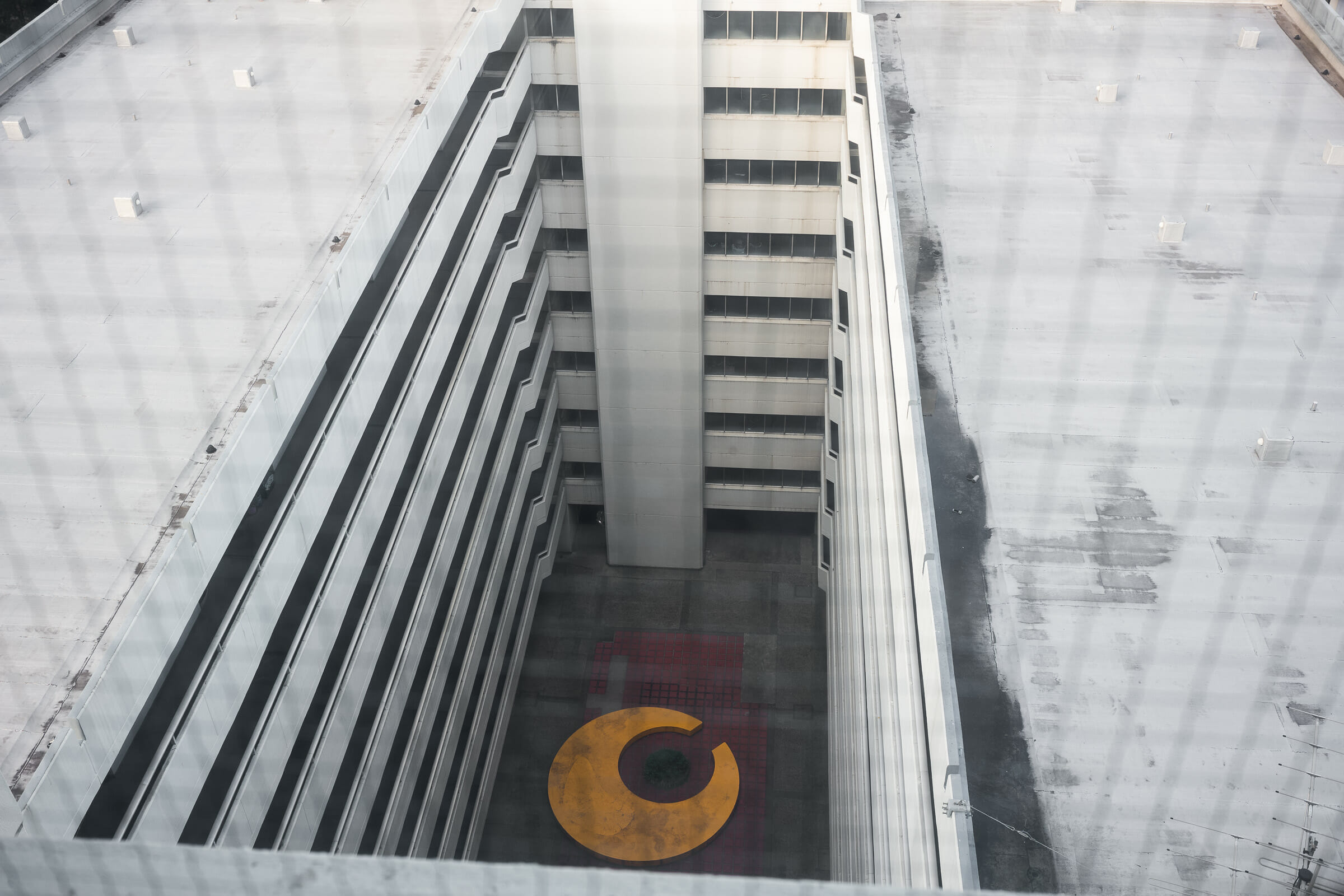
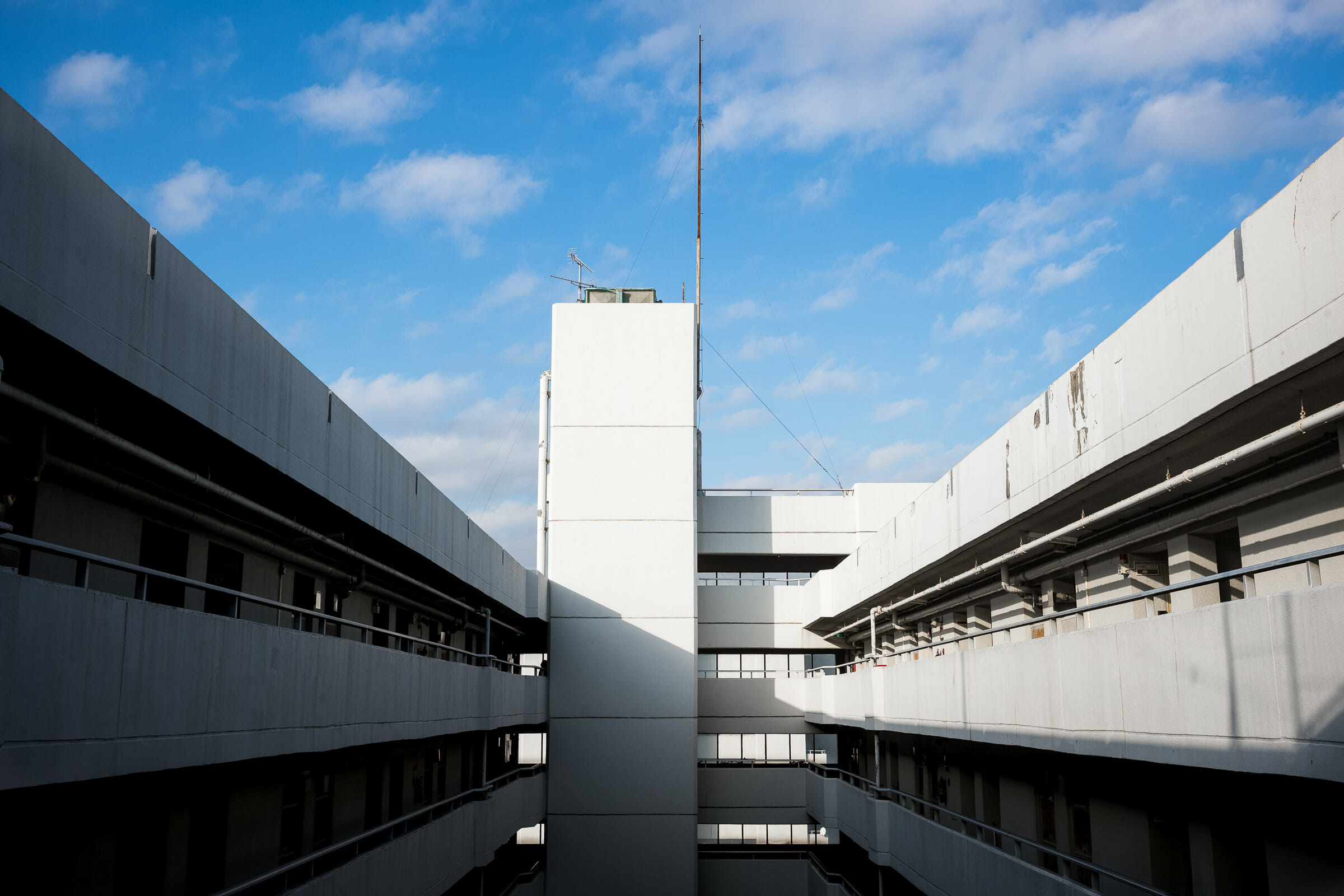
In postwar Japan, the desperate need for housing resulted in the mass construction of concrete tower blocks of varying heights and sizes — the initial design and efficiency of which were at least partly influenced by Soviet planned Khrushchyovka. Known as danchi, these government projects primarily offered affordable, but at the same time well-equipped apartments for the growing number of young, urban middle class families moving into the suburbs.
In the mid-1950s, when these new danchi began to appear, they were seen as the accommodation of the future. Along with modern fittings, they had the benefit of separate rooms for parents and children, although at the same time not enough space for different generations of the same family — an element that was a key factor in Japan’s gradual break with the long-held tradition of extended family members living under one roof.
The rush to build, and the similar rush of people wanting to move into these futuristic, concrete estates, eventually peaked in the early 1970s, when the authorities officially determined that the housing crisis was over. A decision that, planned or otherwise, resulted in the slow, perhaps inevitable decline of the once fabled danchi, both in regards reputation, and actual real estate.
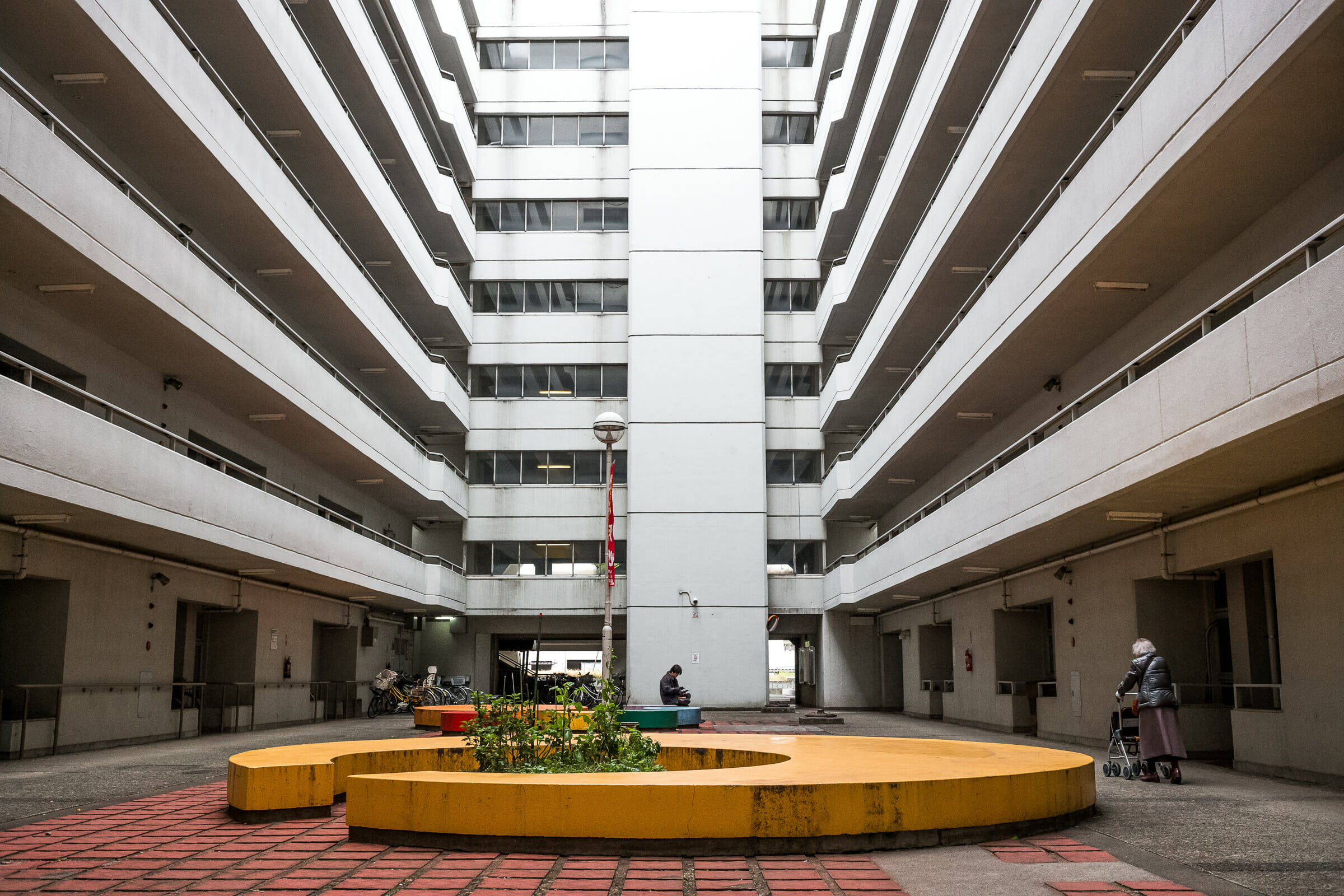
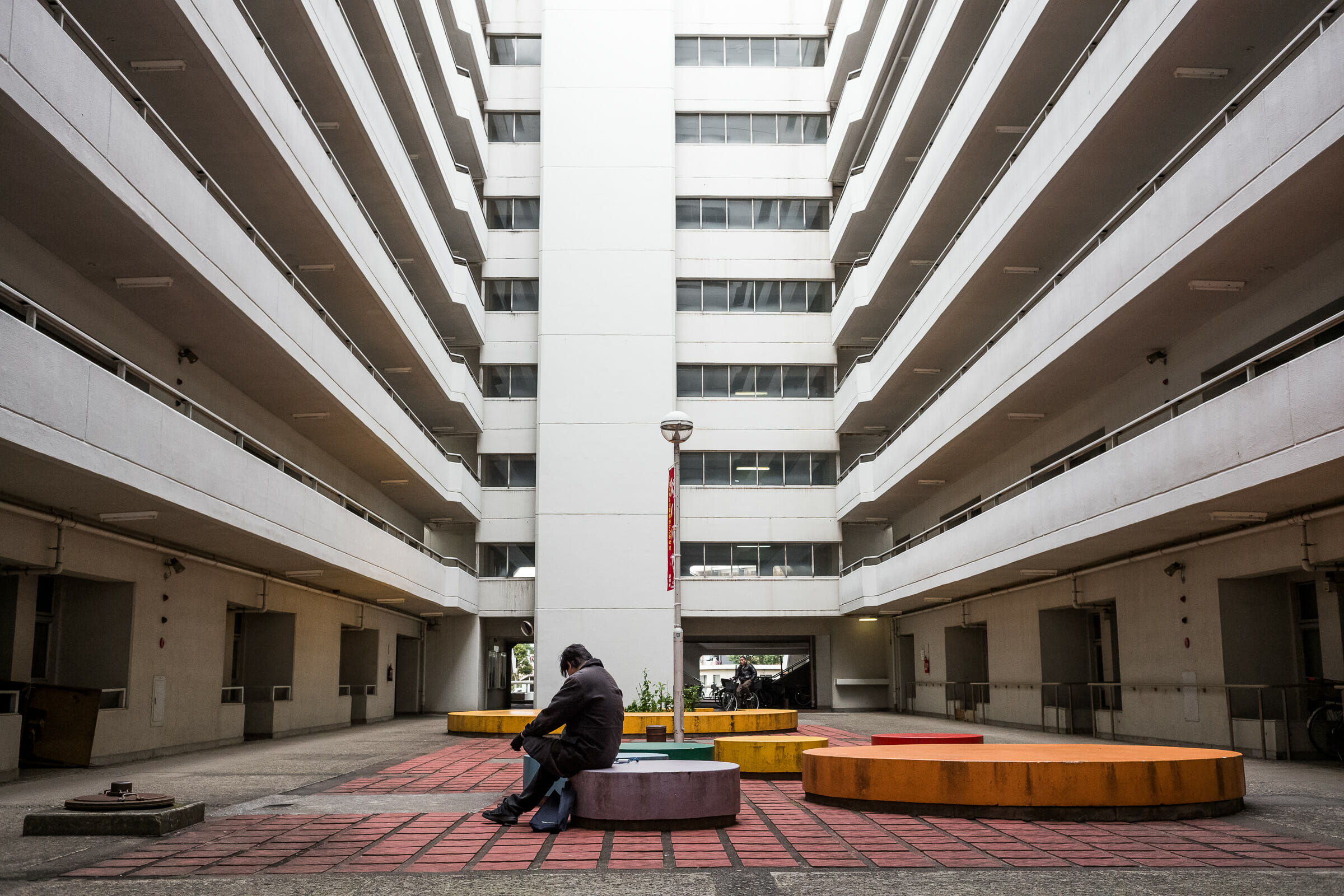
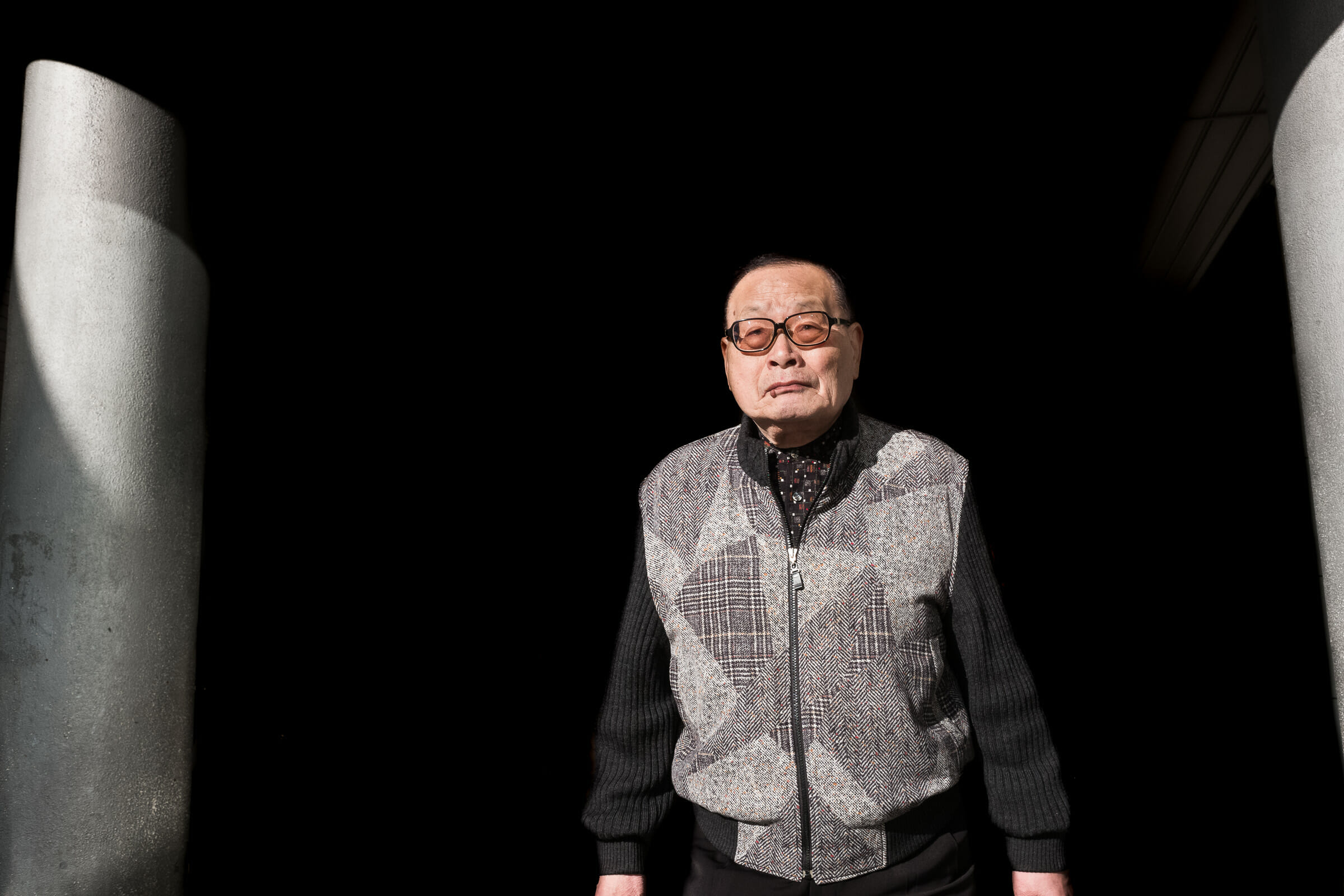
Yet to this day a huge number of buildings still remain, and having initially moved in with their young, or soon to be young families, a considerable number of those early residents decided to stay. Nowadays though they are old, often alone, and their surroundings are far from ideal when it comes to the needs of the elderly. Isolation due to limited mobility and a dwindling network is an obvious problem, and along with other hardships, it has given rise to the terribly sad phenomena of kodokushi, or lonely, unnoticed deaths.
However, despite such issues, and to a certain extent stigma, some danchi are once again at the forefront of change by providing accommodation to Japan’s growing number of foreigners. For starters, such apartments are relatively cheap, especially as they don’t demand the often large, up-front payments that private property does. And arguably even more important is that for a section of society that suffers considerable prejudice when it comes to finding somewhere to live, public housing is on the whole far more open-minded. An element that in many ways takes these ageing complexes back to their original, and indisputably idealistic beginnings.
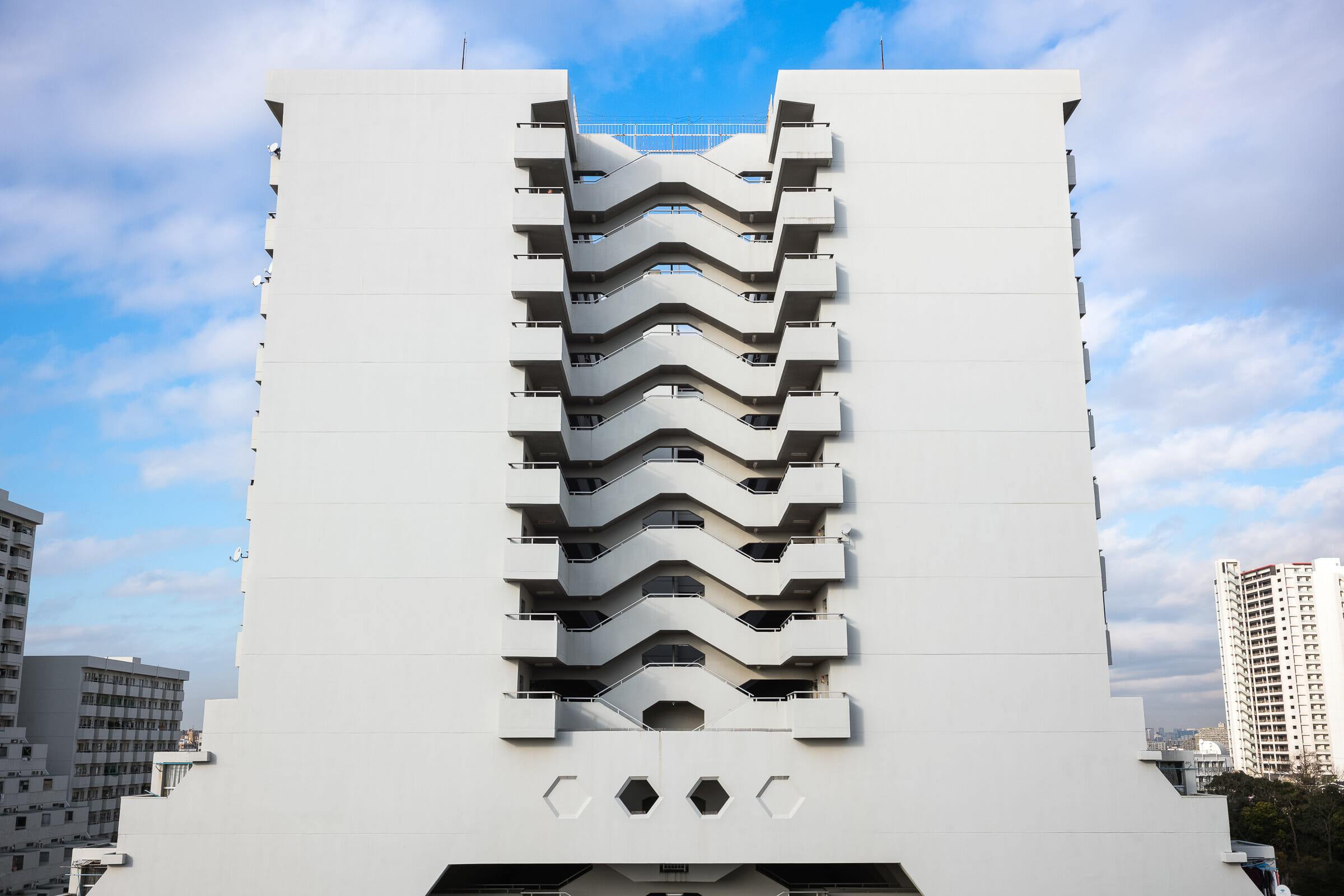
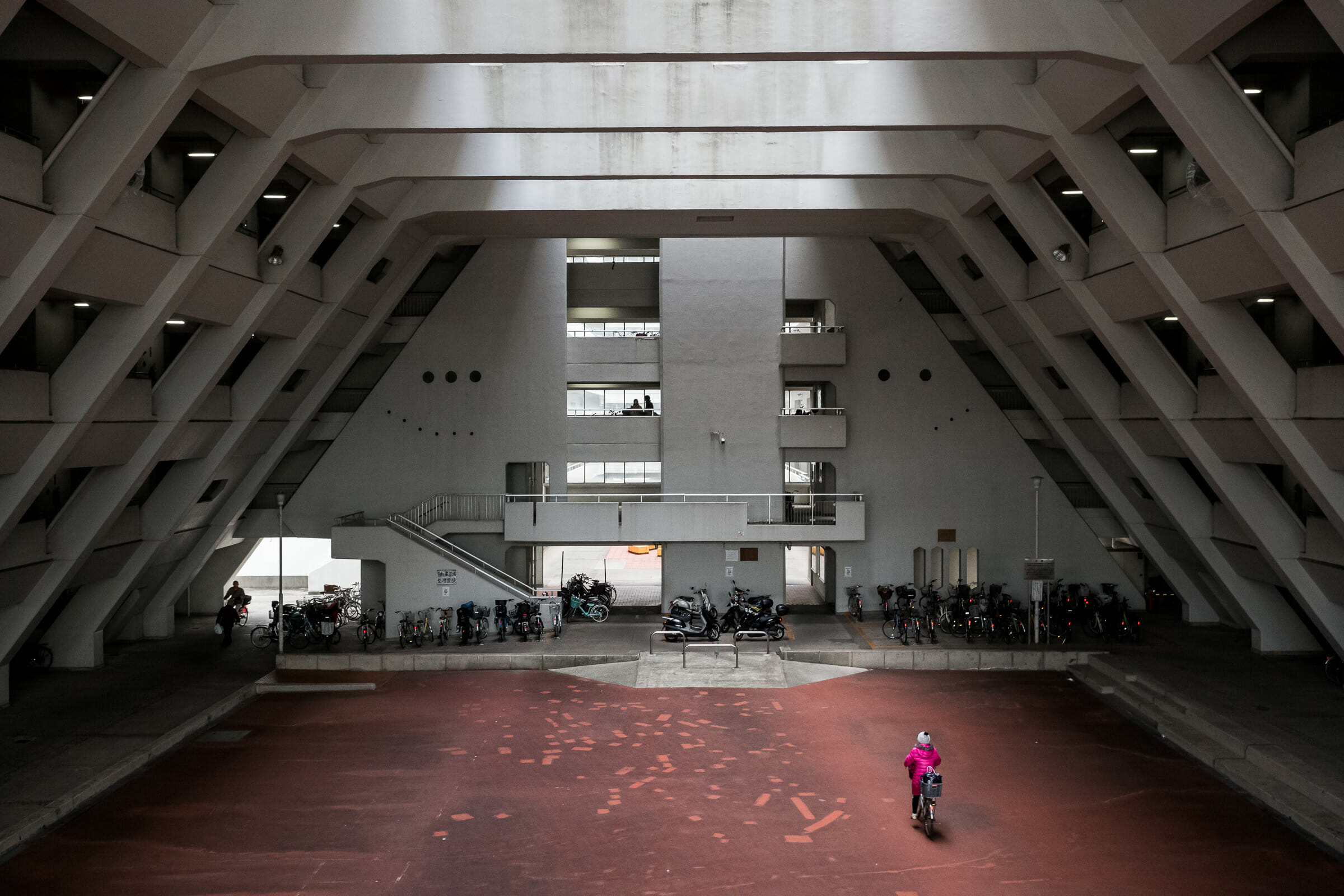
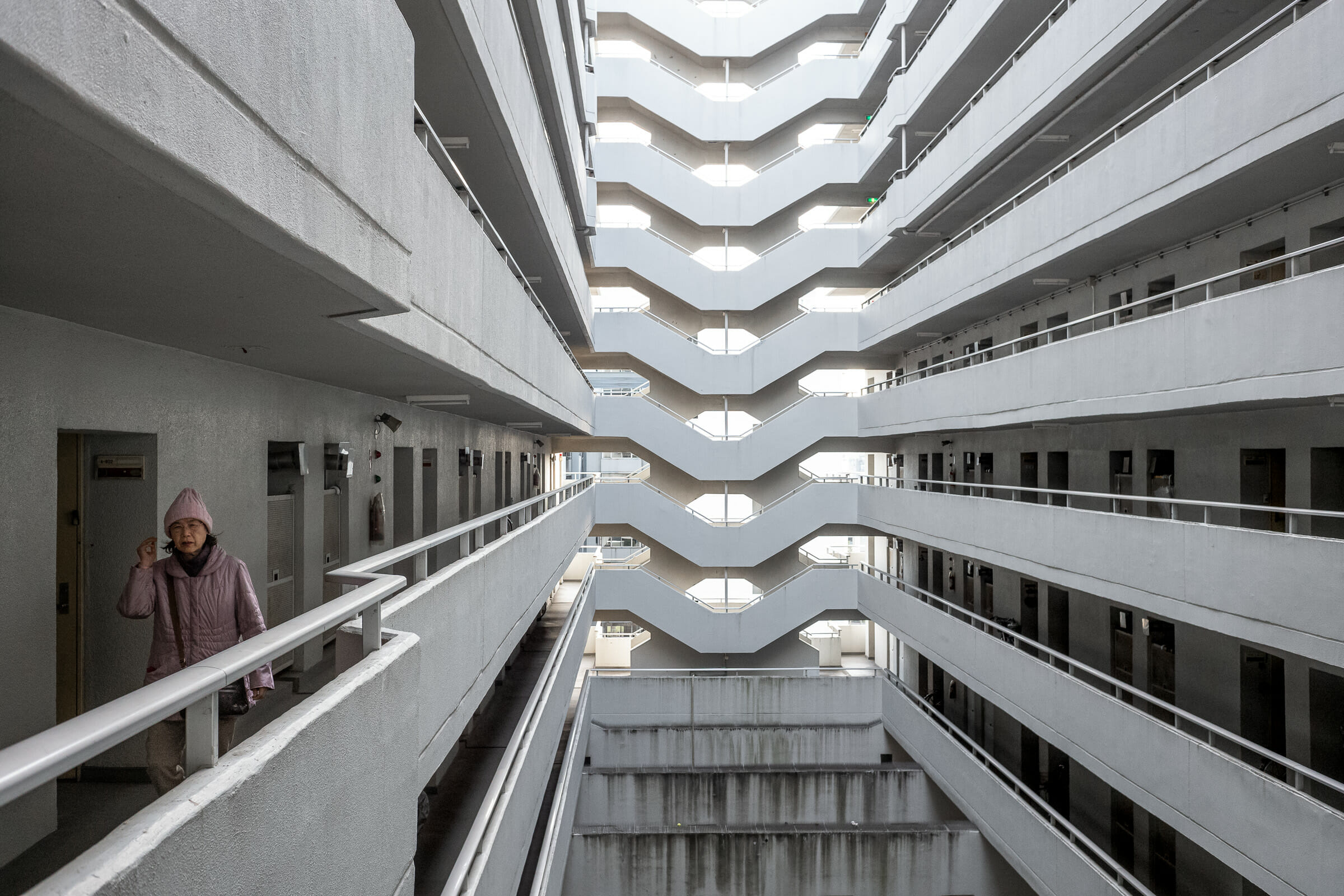
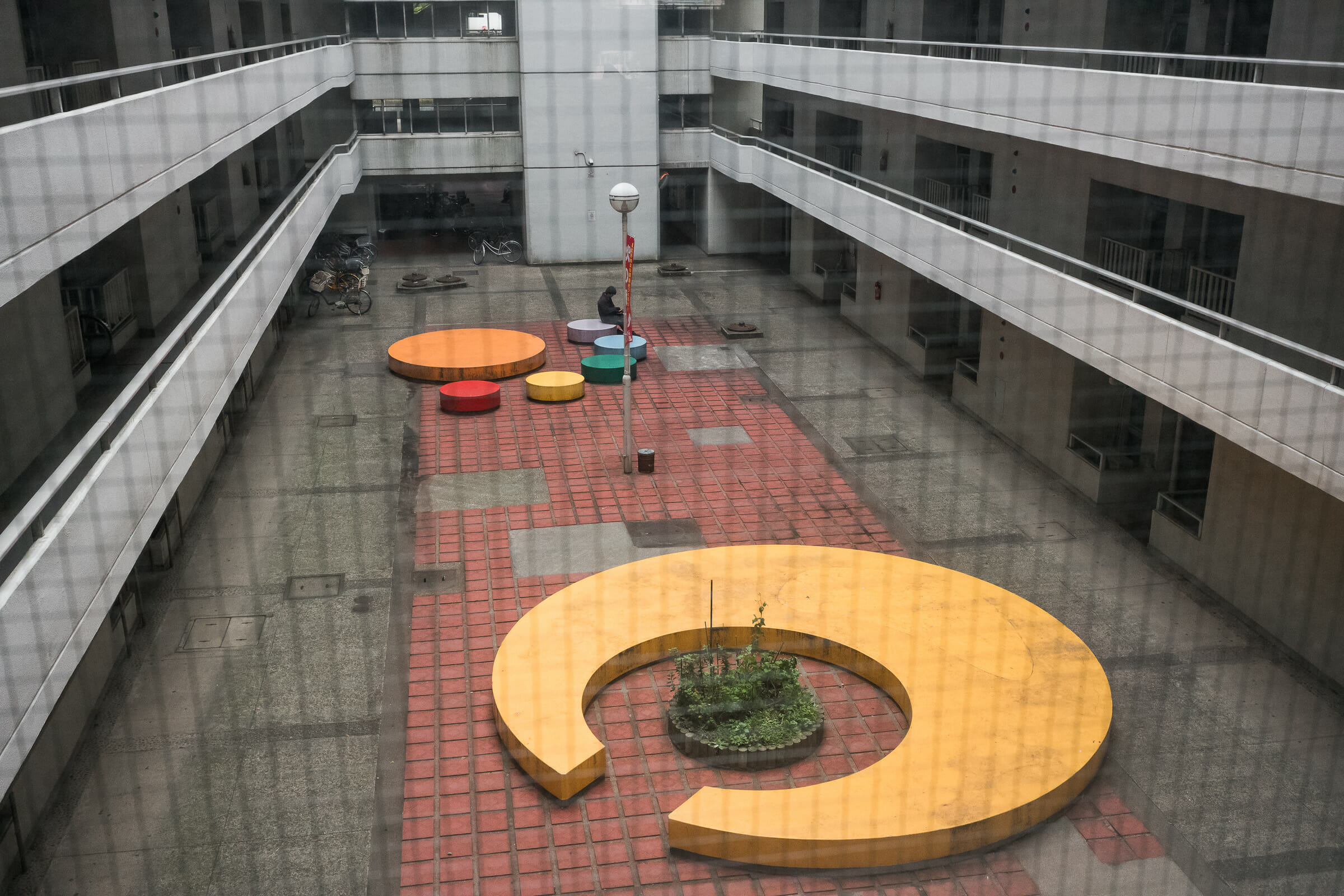
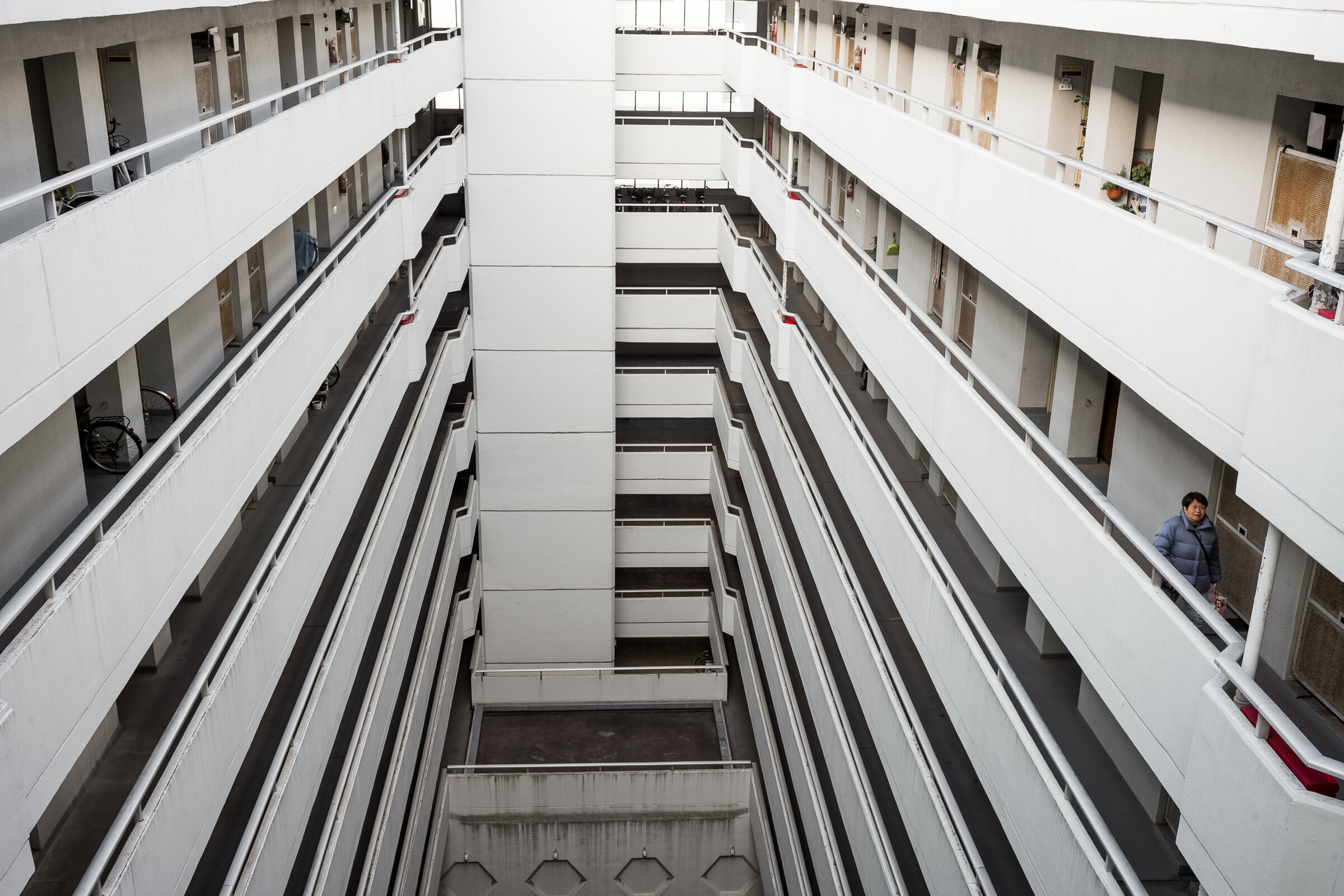
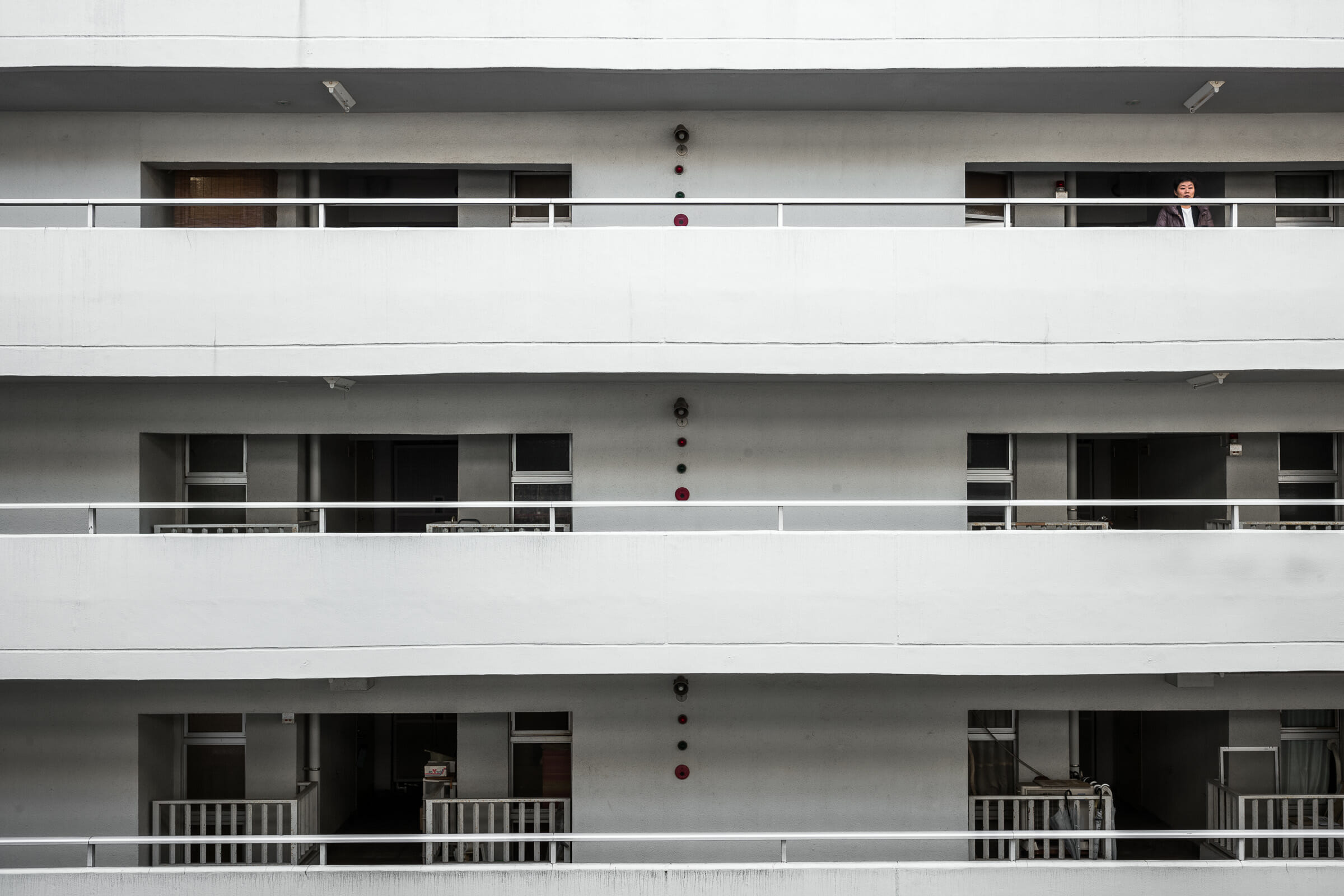
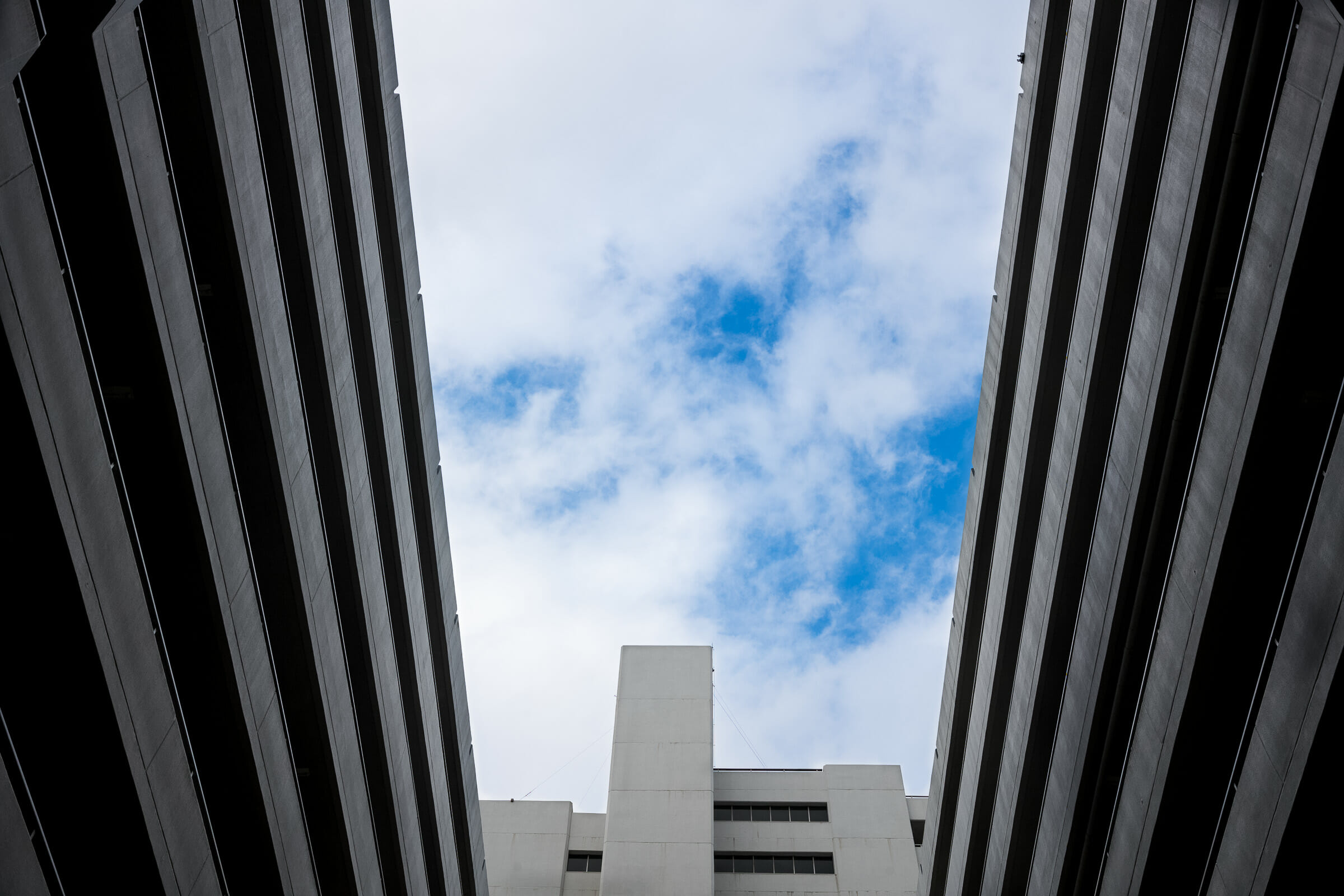
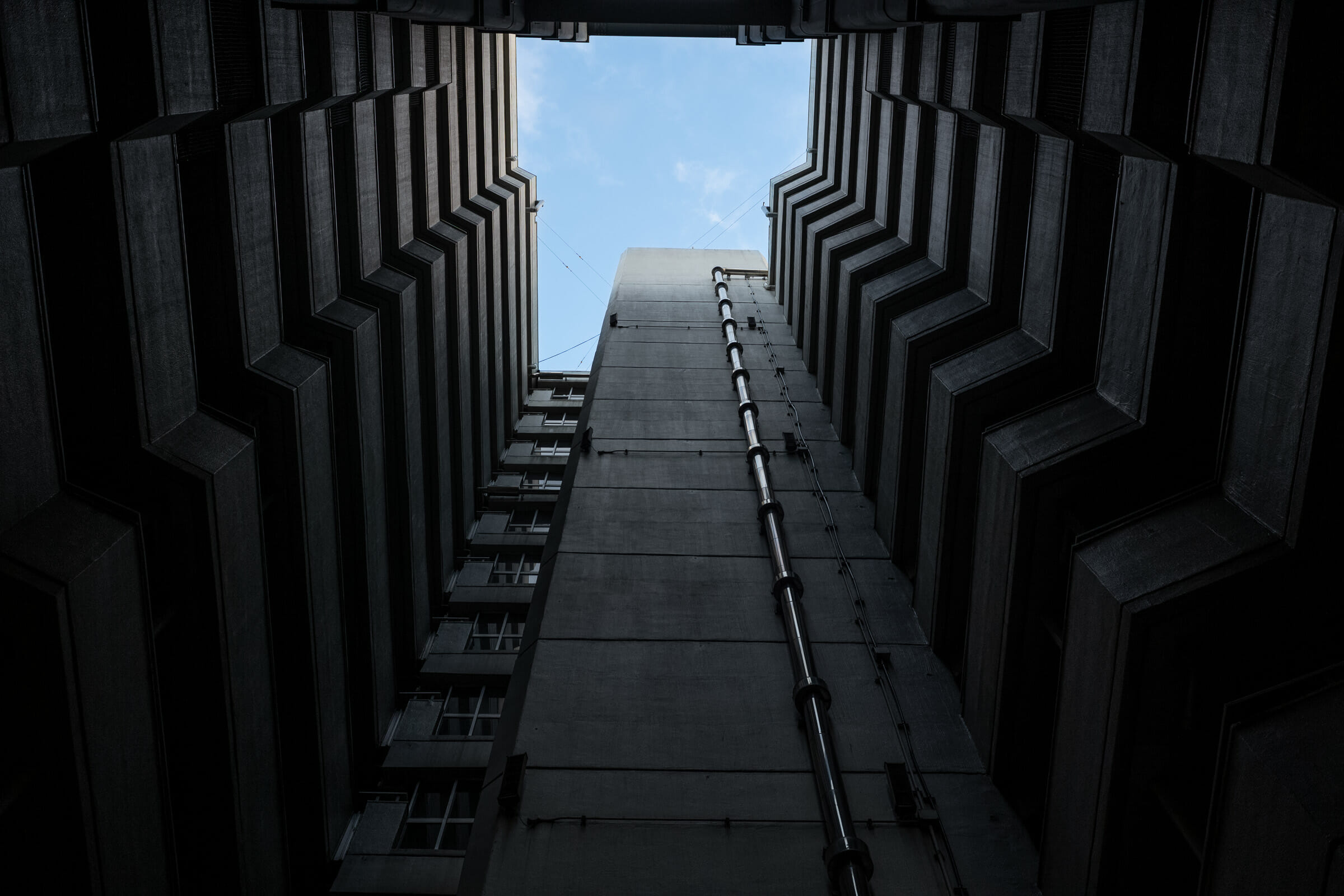
Plus separately, and on a decidedly more superficial level, some of these structures can still make one stop and stare. Like this bold, striking, and once optimistic monument to modernisation completed in 1972. A danchi that seen in the present feels genuinely poignant, as the future it once pointed towards is now irrefutably in the past.