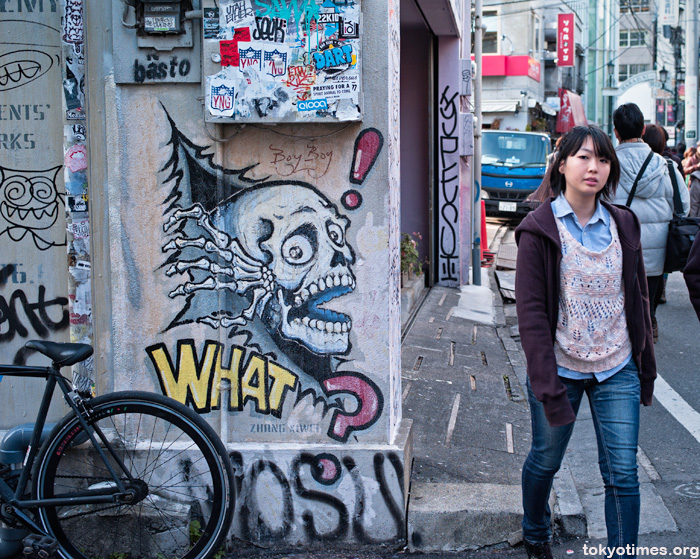
What?
Photographs from a small group of islands
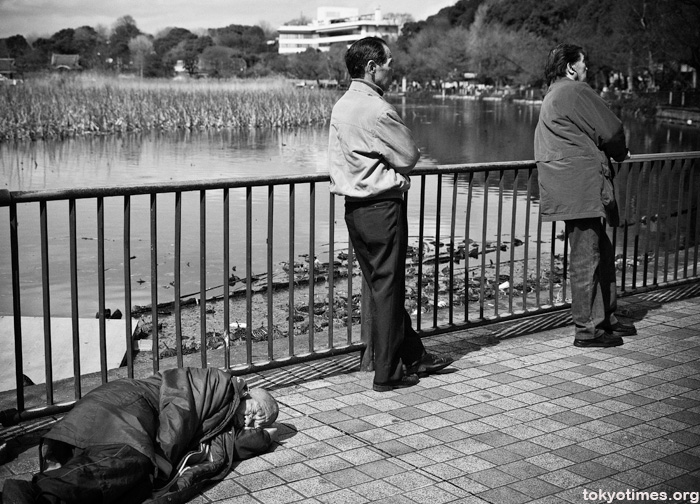
How many homeless there are in Tokyo is impossible to say, but there are a lot. Not as many as some cities, of course, but probably more than many people would imagine. Quite a few more in fact.
Those in the know also say the numbers are rising, although such suggestions are unnecessary, as even a cursory glance around many of the capital’s parks and open spaces confirm this to be the case. Where there was once solitary, makeshift accommodation, has now turned into what would best be described as encampments, and the sight of those on the streets appears to have become more damaged — not to mention desperate.
But just like many things in Tokyo, instead of being dealt with or even debated, it’s almost deftly ignored.
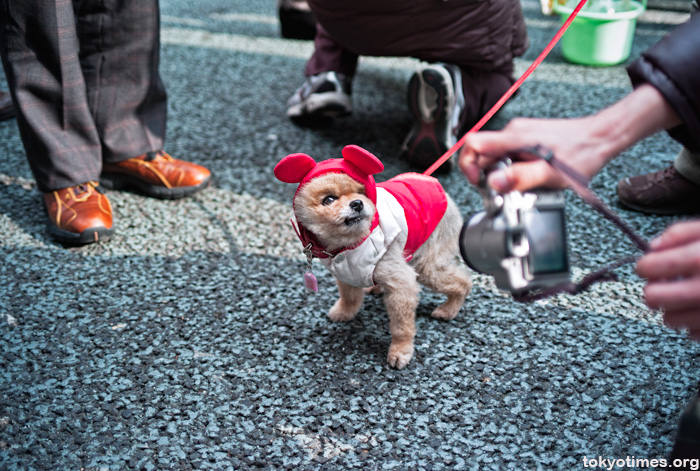
The sight of dogs wearing clothes is a common one in Tokyo, and said pets are invariably of a rather diminutive nature, with the likes of miniature dachshunds and especially chihuahuas incredibly popular.
But this ridiculously dressed little fella is quite possibly the smallest dog I’ve ever seen — its tiny size inevitably garnering almost cacophonous cries of, Kawaii! Excited squeals that sadly only got louder when the poor beast rather pathetically tried to show its displeasure.
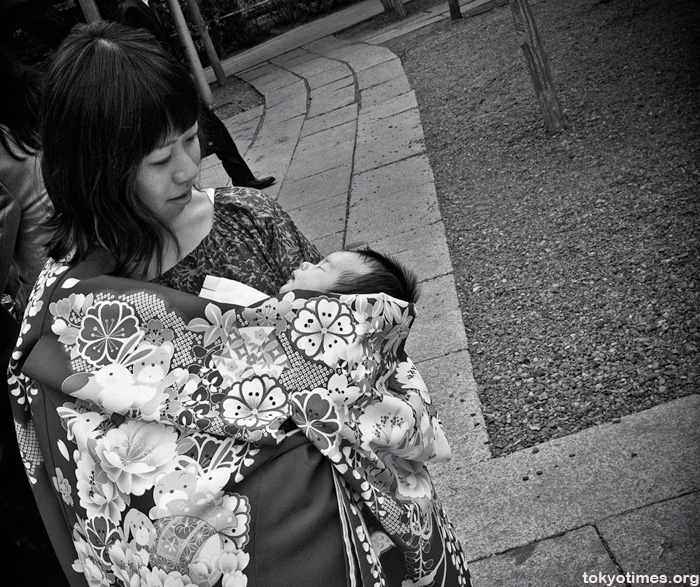
For a multitude of reasons, these may well be uncertain times that we live in. But, at a traditional Omiyamairi ceremony, such concerns can fortunately be cast aside, with the little ‘un’s future health and happiness the only focus.
It is hard to believe that a year has already passed since the earth moved, the sea turned into a monster and a large corporation’s negligence all combined to quite literally shake Japan to its foundations.
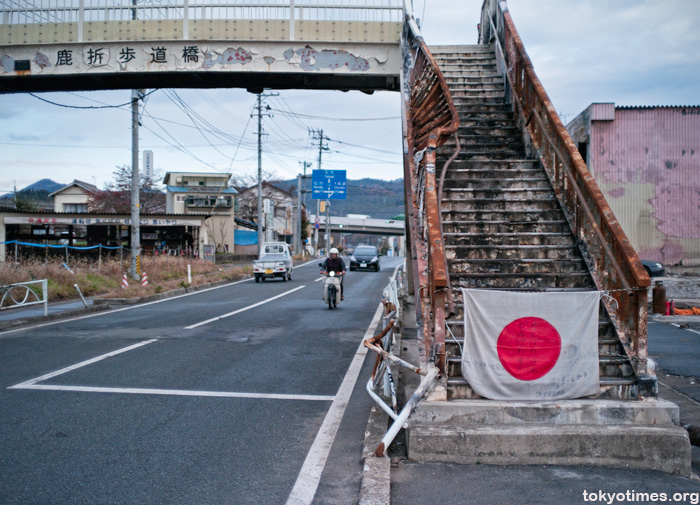
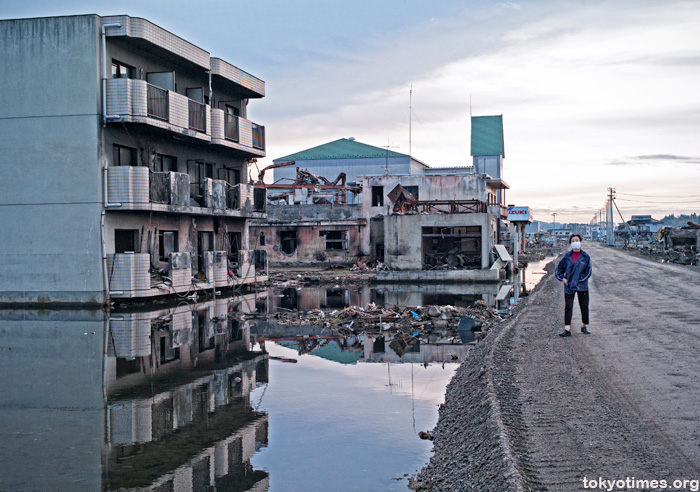
But a year is a long time, and a visit to the devastated region several months ago, along with recent coverage of the affected areas, prove that the clean-up is well underway, with an enormous amount of debris now cleared.
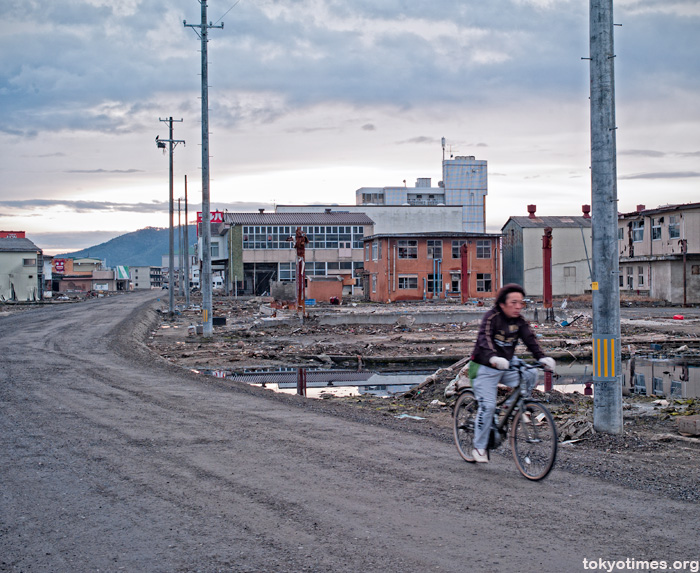
The process of rebuilding, however, is a very different matter indeed, and there’s genuine doubt as to whether some towns will ever return to life again — even more so those in the exclusion zone. A large area that will sadly not see human habitation again during the lives of many of its former residents.
Yet for someone living in Tokyo, simply trying to imagine getting over the horrors of the earthquake and tsunami is difficult, but coupled with the ongoing uncertainties of radiation, it’s a life that is utterly impossible to grasp. The effects of which, both physical and psychological, many thousands of people will have to somehow deal with for decades to come.
A disaster that, unlike the forces the earth unleashed, could clearly have been averted. Cutting corners when building a convenience store or reforming a property is often all well and good, but the arrogance/greed/incompetence (delete where applicable) of doing the same thing with an ageing nuclear power plant is beyond reprehensible. The shadowy truth of which, along with everything that actually happened, will hopefully one day rise to the murky surface.
But just like in these few, awkward paragraphs, the ongoing saga of Fukushima Daiichi now often dominates the story of March 11, and in doing so is in danger of ignoring the continued suffering of those directly caught up in the events of that fateful day 12 months ago. A massive number of people who, from personal experience and TV footage, deserve far more respect — both for what they’ve been through, and how they have dealt with it. As one way or another, with or without assistance, life has to go on.