Although the sizzling summer sun is slowly beginning to lose at least some of its intensity, there’s thankfully still a little time left for the odd fearless foray into summer fashion before the arrival of autumn.
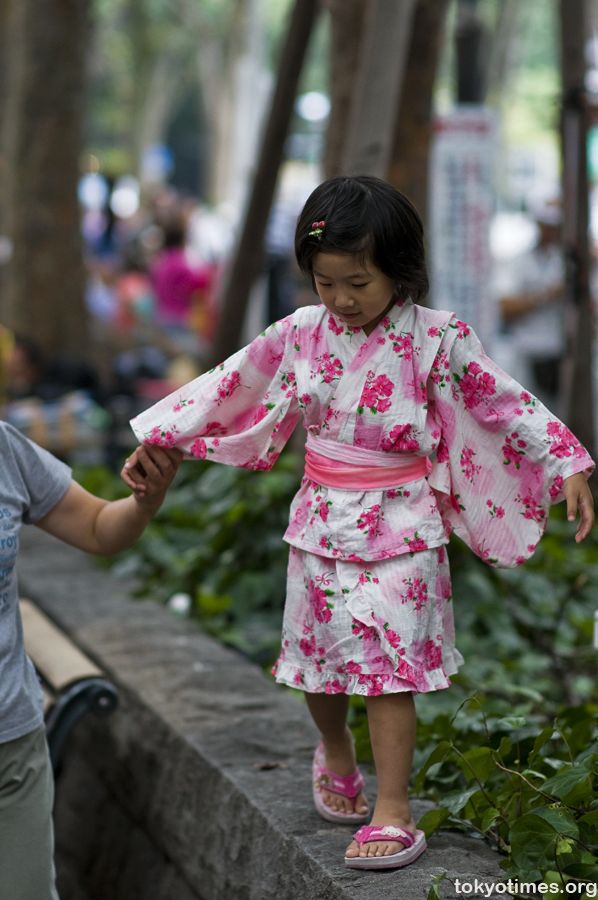
Or fall even.
Photographs from a small group of islands
Although the sizzling summer sun is slowly beginning to lose at least some of its intensity, there’s thankfully still a little time left for the odd fearless foray into summer fashion before the arrival of autumn.
Or fall even.
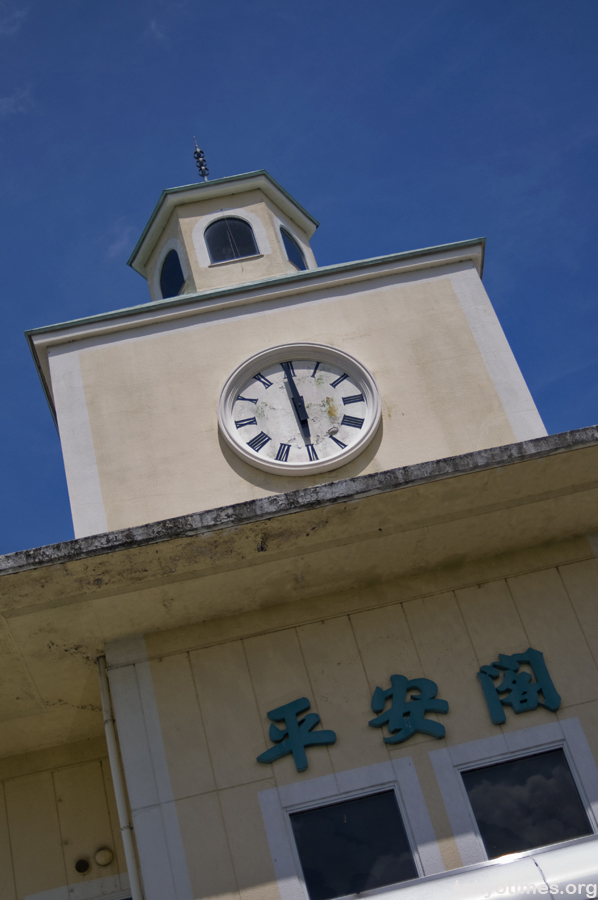
Even though it’s now forever 6 o’clock and there’s not a ceremony in sight, the Heiankaku wedding hall still looks surprisingly bright and breezy from the outside. Or at least it does considering that documents left dotted about suggest that it could have been abandoned as long as ten years ago.
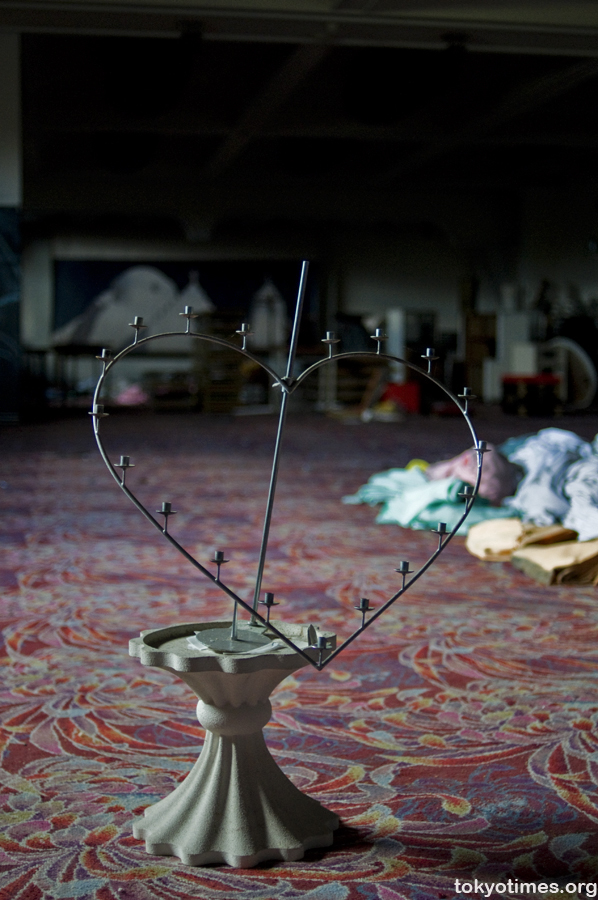
Inside, however, it’s a very different story, with a sense of sadness pervading the property’s still partially furnished function rooms and faded fittings. A place where love, above all else, was once lauded, but even that has long since left the building.
As have the happy pairs in possession of it, who, on their big day, posed patiently next to preposterously sized plastic wedding cakes.
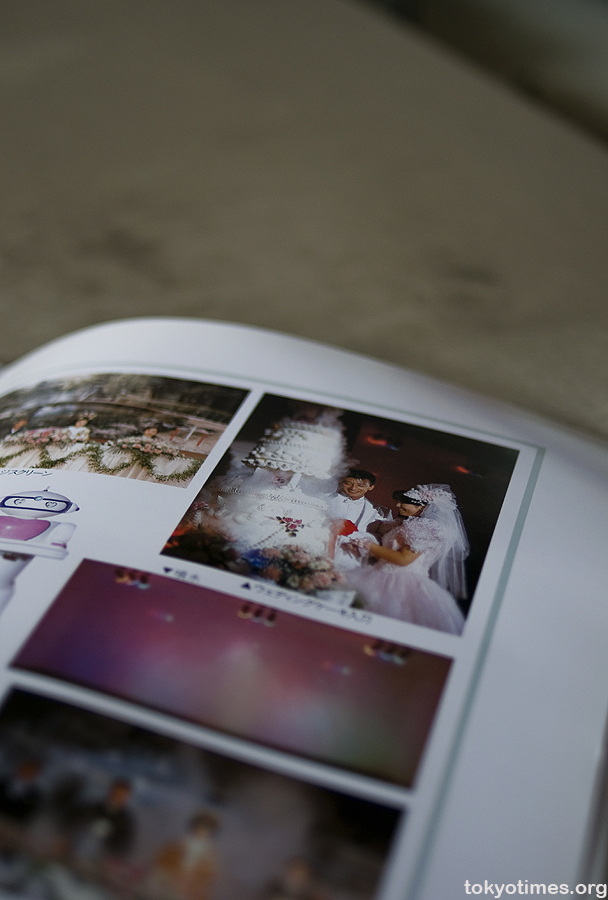
Props that now look far less preposterous,

but at the same time appear far more pathetic.
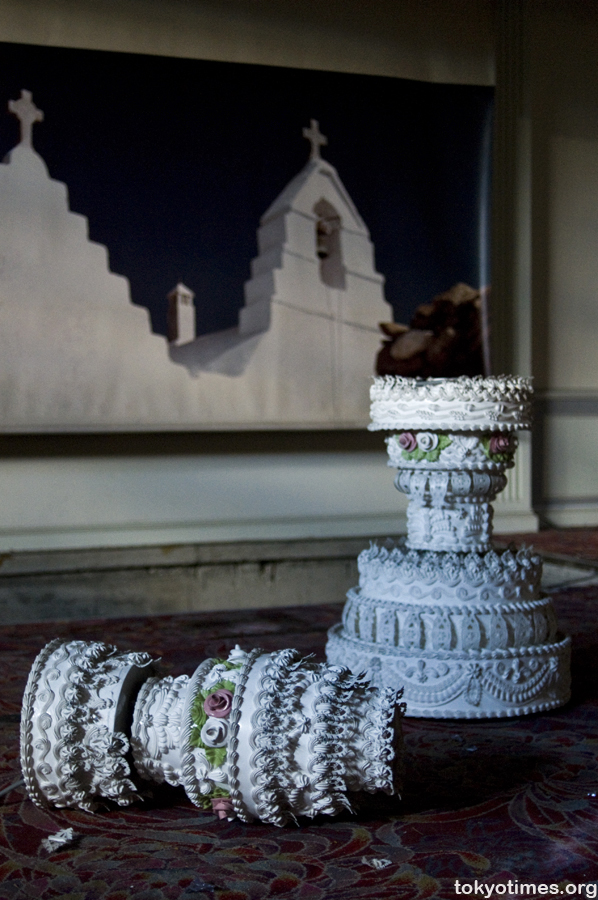
A lot like the rest of the complex really. As where four weddings could feasibly have been dealt with on the same day, quite possibly at the same time, there is now nothing but decay. Meaning no more laughter filled (or simply long) speeches.
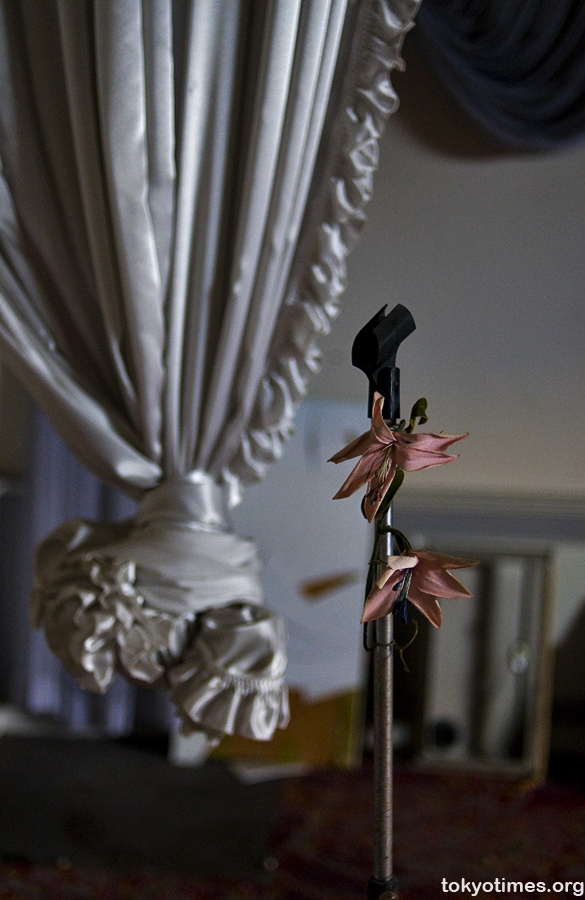
No grand entrances through equally grand entrances either.

And definitely no more lavish banquets fit for a lord and all his legions.

Just ragged reminders of such reveries.
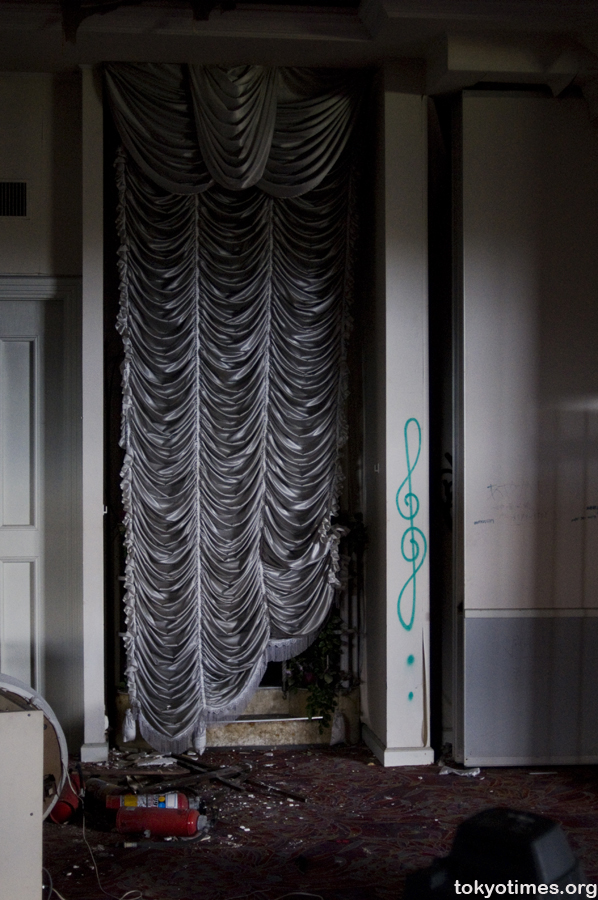
Next week, in part 2, I’ll look at where the brides went to be made even more beautiful, along with the tell-tale signs of nature beginning to take back the building.
In the meantime, however, there’s an abandoned mining town, mountain retreat, water park complex, or even love hotel to have a look at if you’d like to.
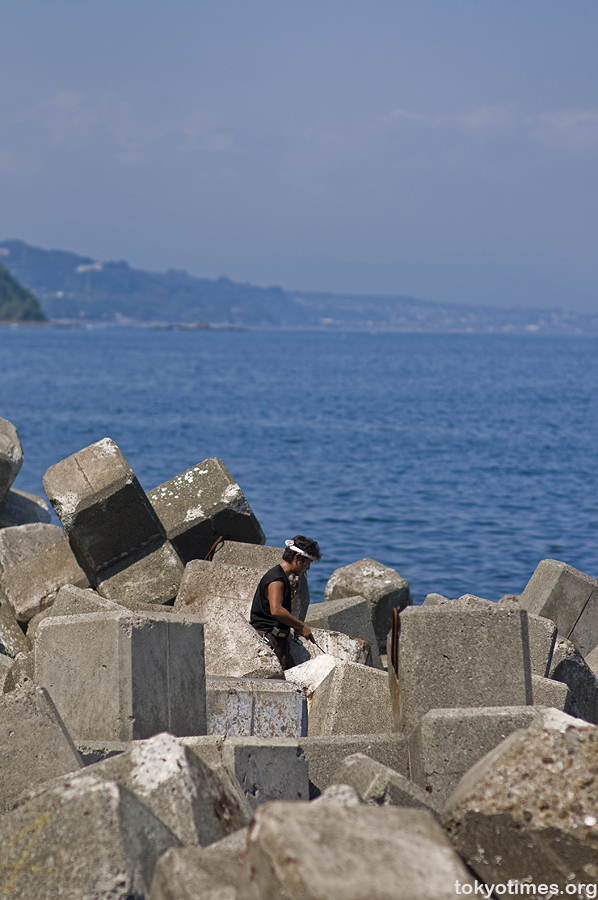
With somewhere in the region of sixty percent of Japan’s coastline already covered in concrete, it seems fair to say that its brave battle against the grey stuff has catastrophically come to an end as, just like the nation’s almost completely coated rivers, a counterattack is now inconceivable — both practically and politically.
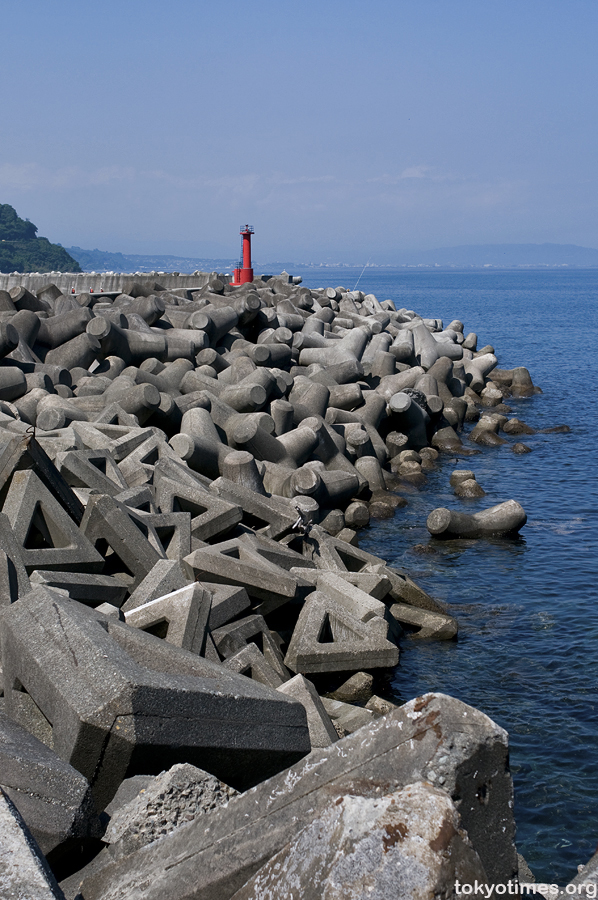
Yet as unsightly as the shoreline may now seem, it does, it would appear, at least offer plenty of convenient crannies for finding fish.
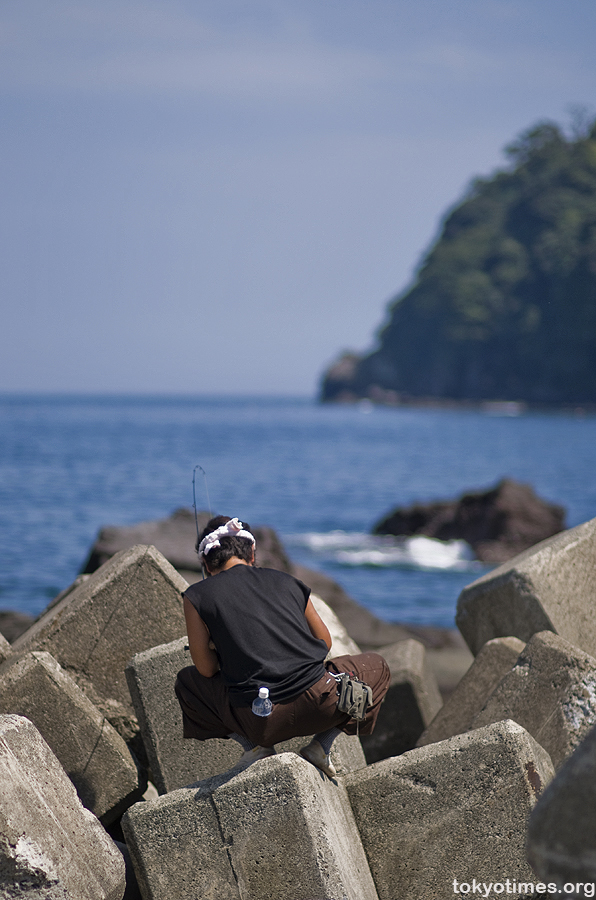
Or even concrete-loving crustaceans.
When peddling into the park for some lunch and a little lie down, it’s far from perfect to find oneself unpleasantly positioned in front of someone else’s lovingly presented lunch,
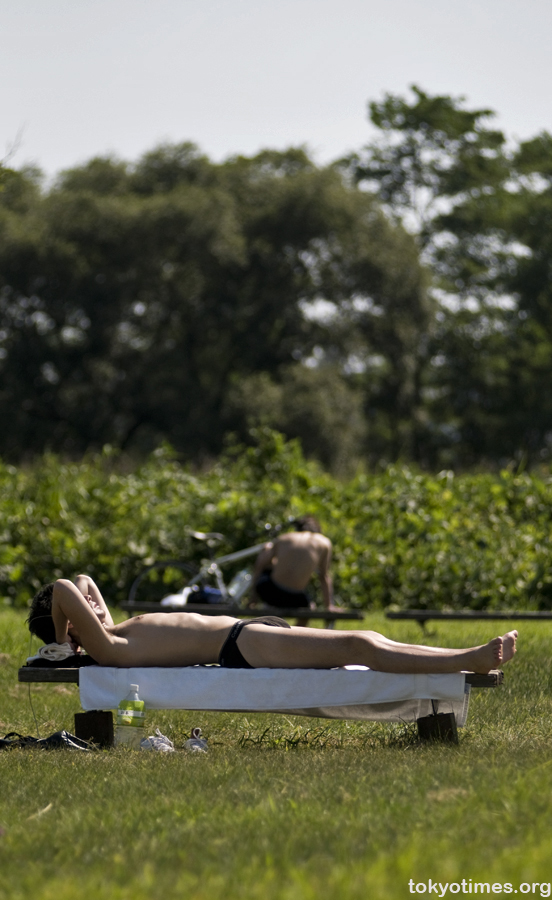
box.
With their bright colours and comedic clobber, some Japanese scarecrows are simply a bit silly. Others, however, aren’t anywhere near as appealing; quite possibly putting off both passersby and the pests they are there to protect against. And whilst admittedly they do sometimes seem serene.

They also appear sad,
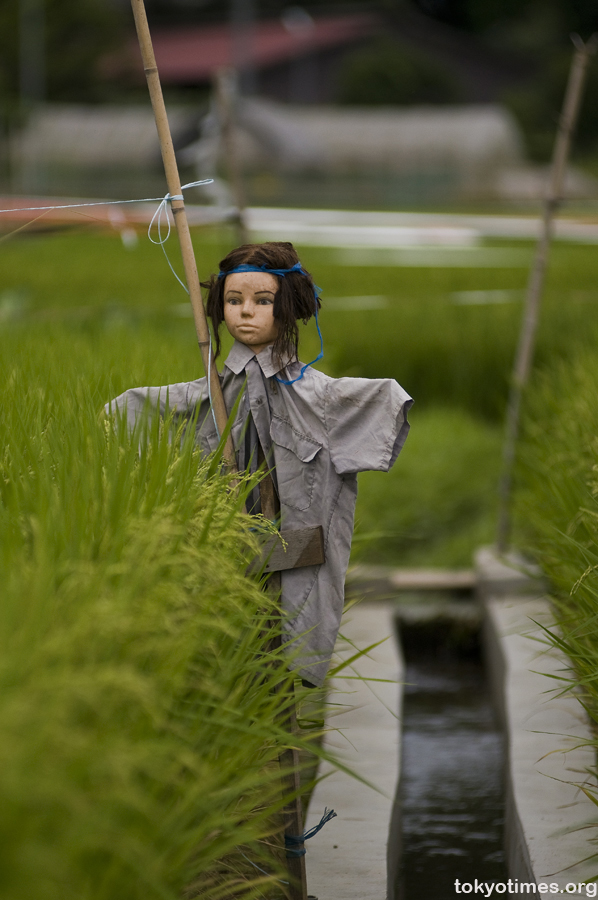
sullen,
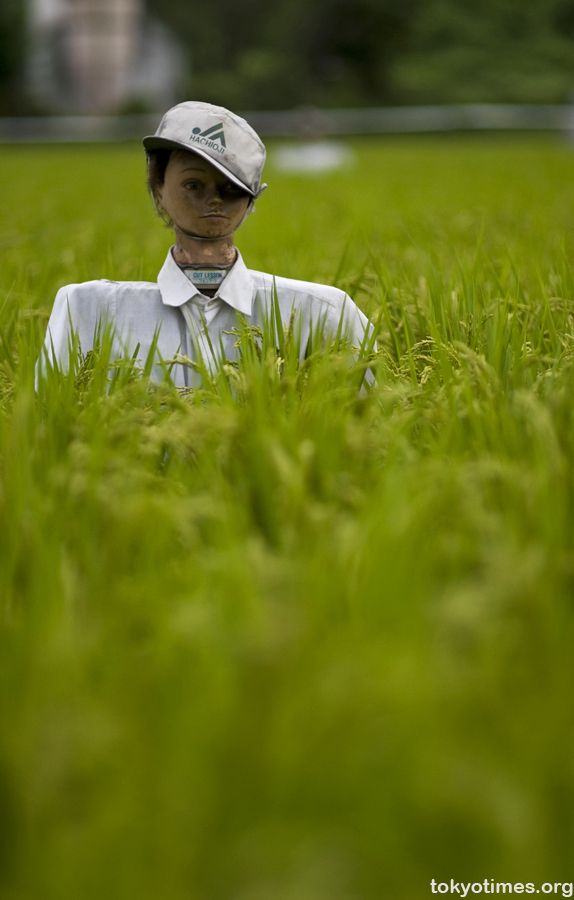
as well as suitably sinister.
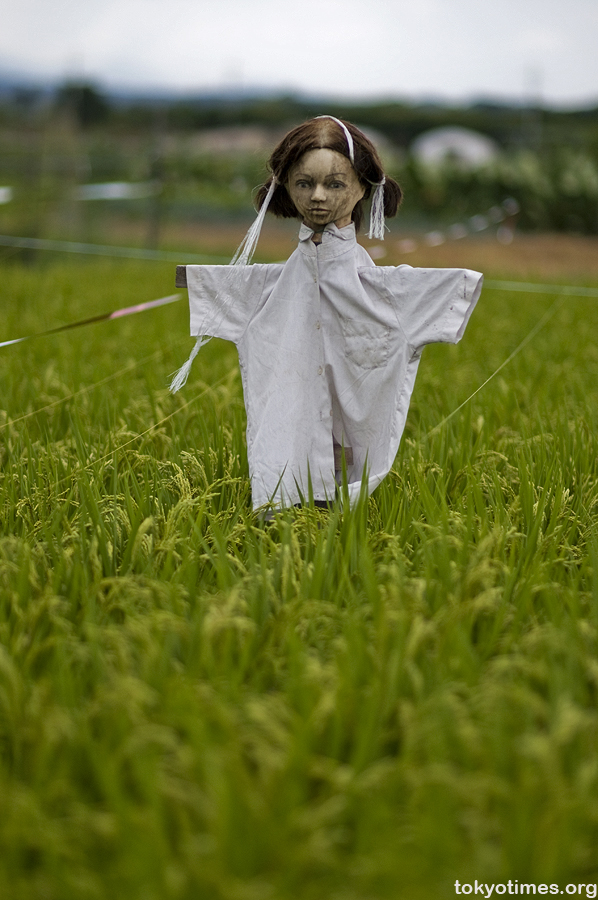
With the odd one even appearing almost semi-sentient.

Sort of.