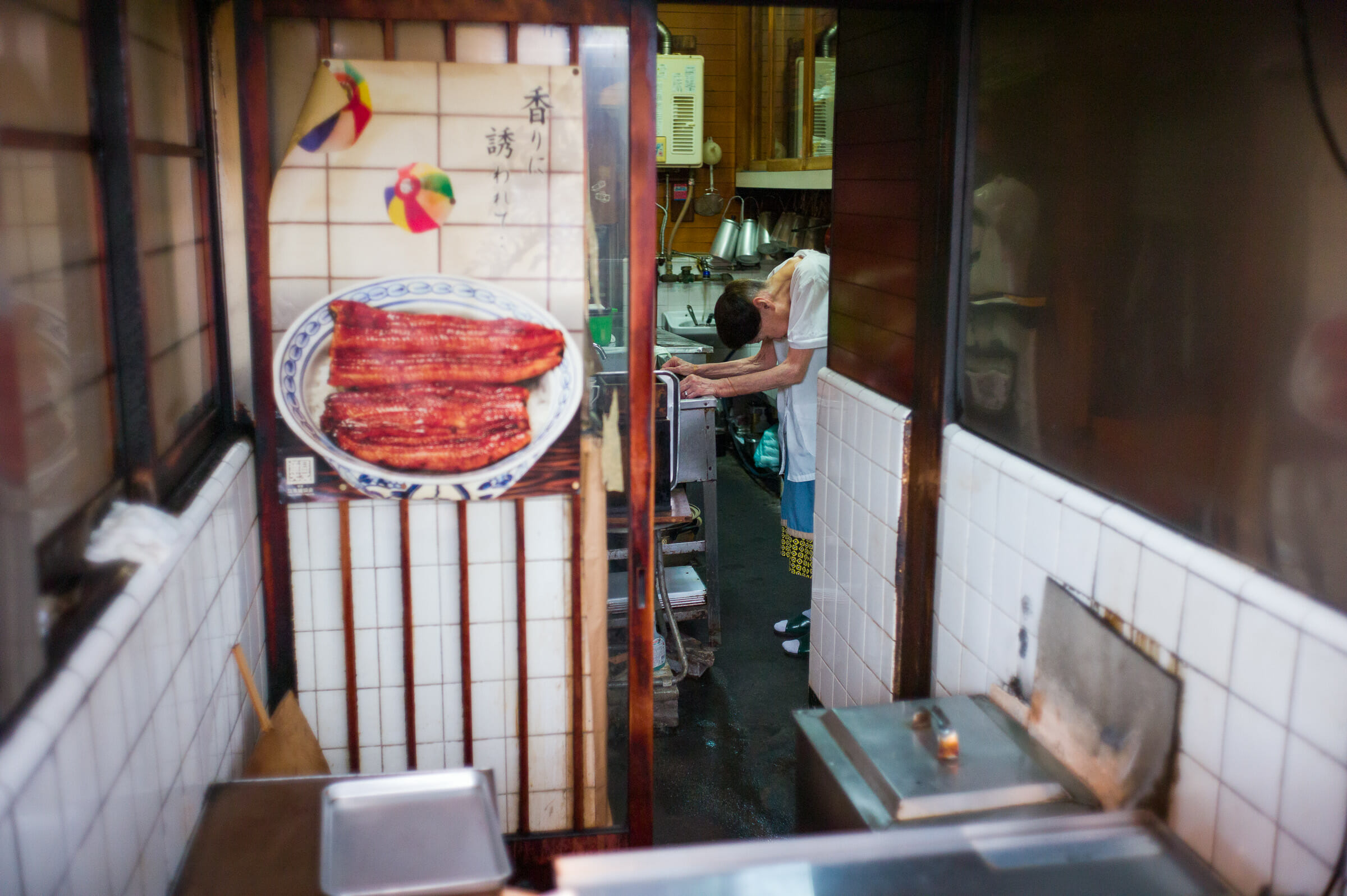
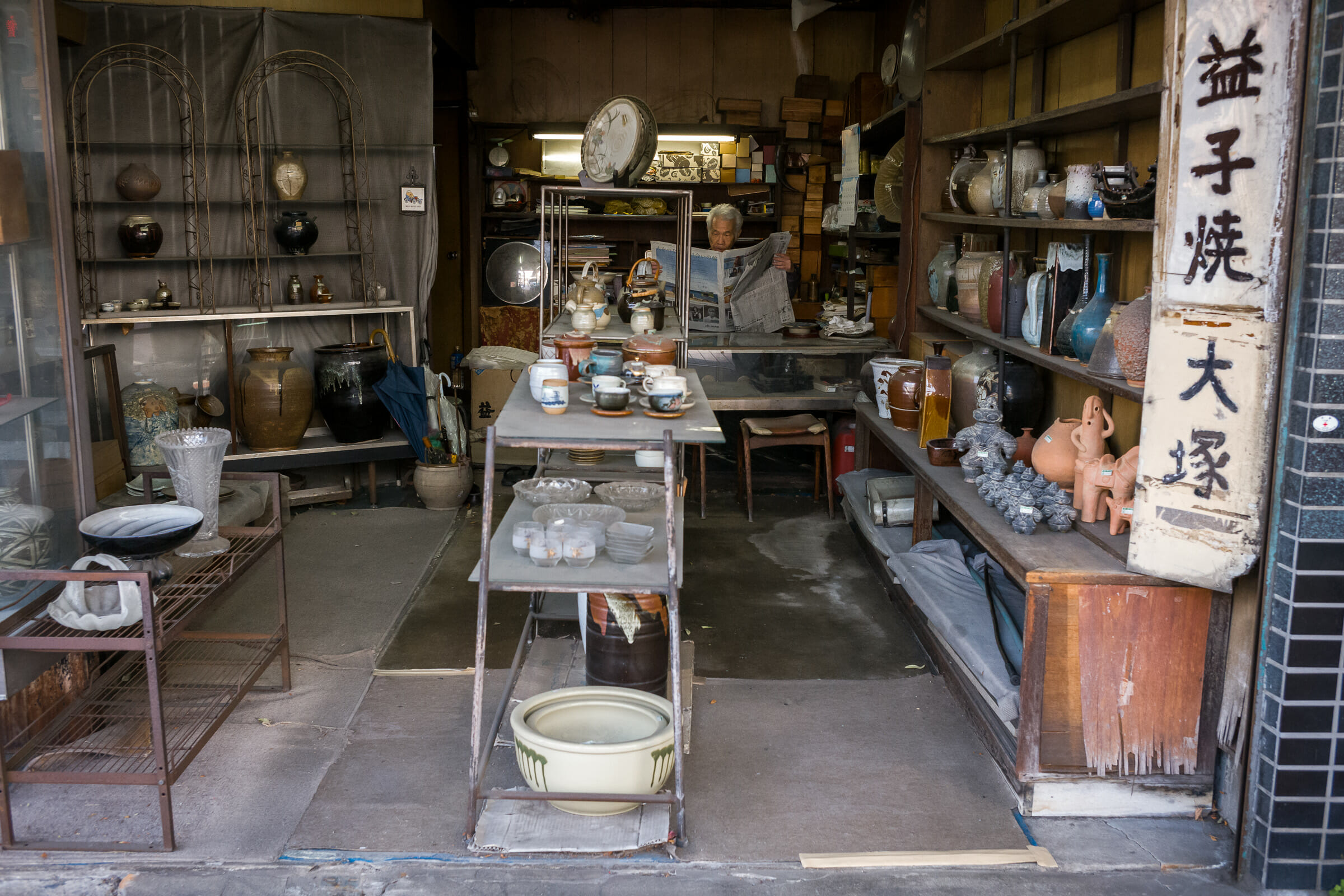
This dusty old Tokyo ceramic business has been in operation for nearly half a century, and it’s fair to say that every single year is there to see in the incredibly faded surroundings. Something the current, and second generation owner doesn’t seem to care about in the slightest, making it one of Tokyo’s many such shops. Places that continue to open on a daily basis simply out of habit rather than any real sense of actual commerce.
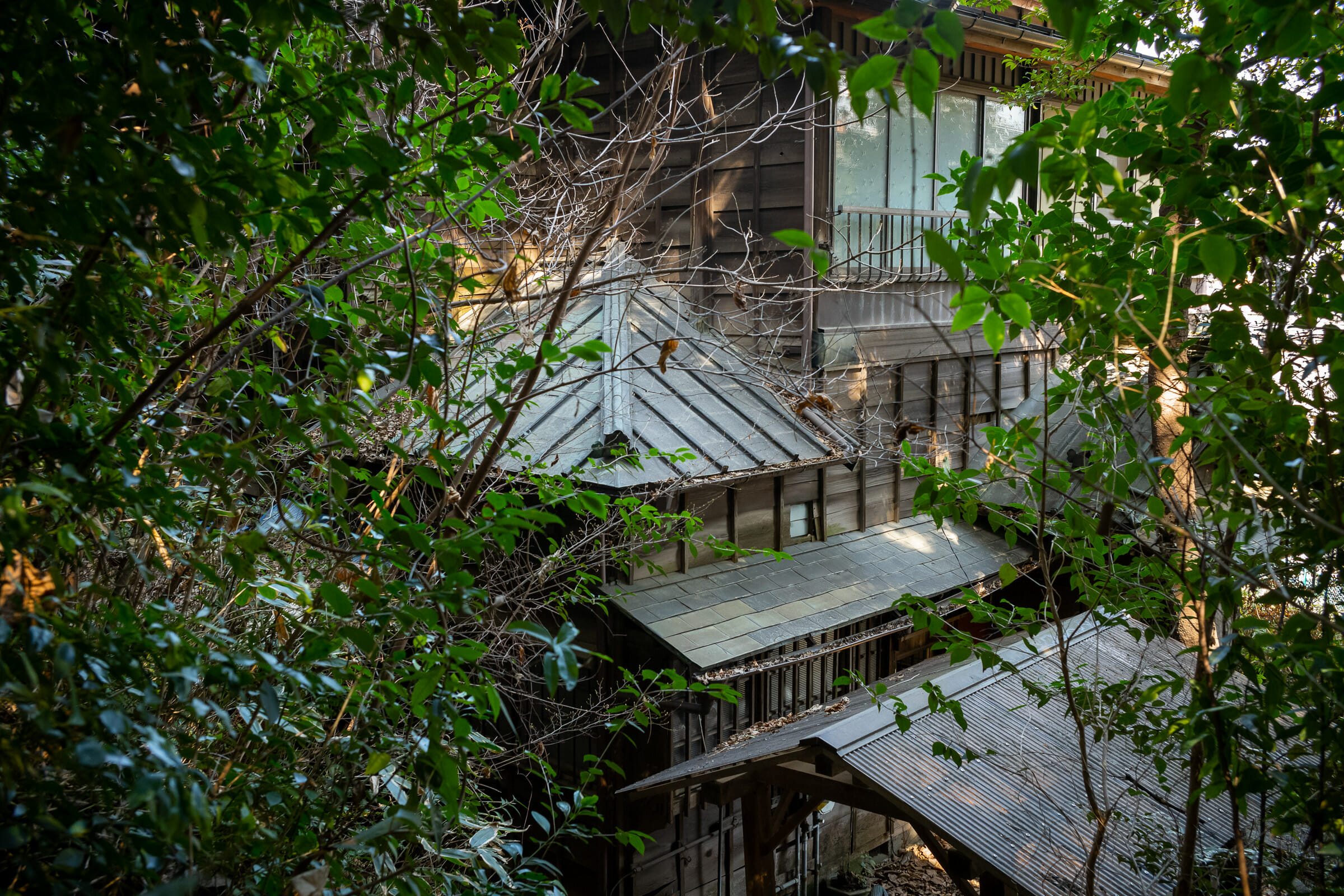
A dark and abandoned old Tokyo house
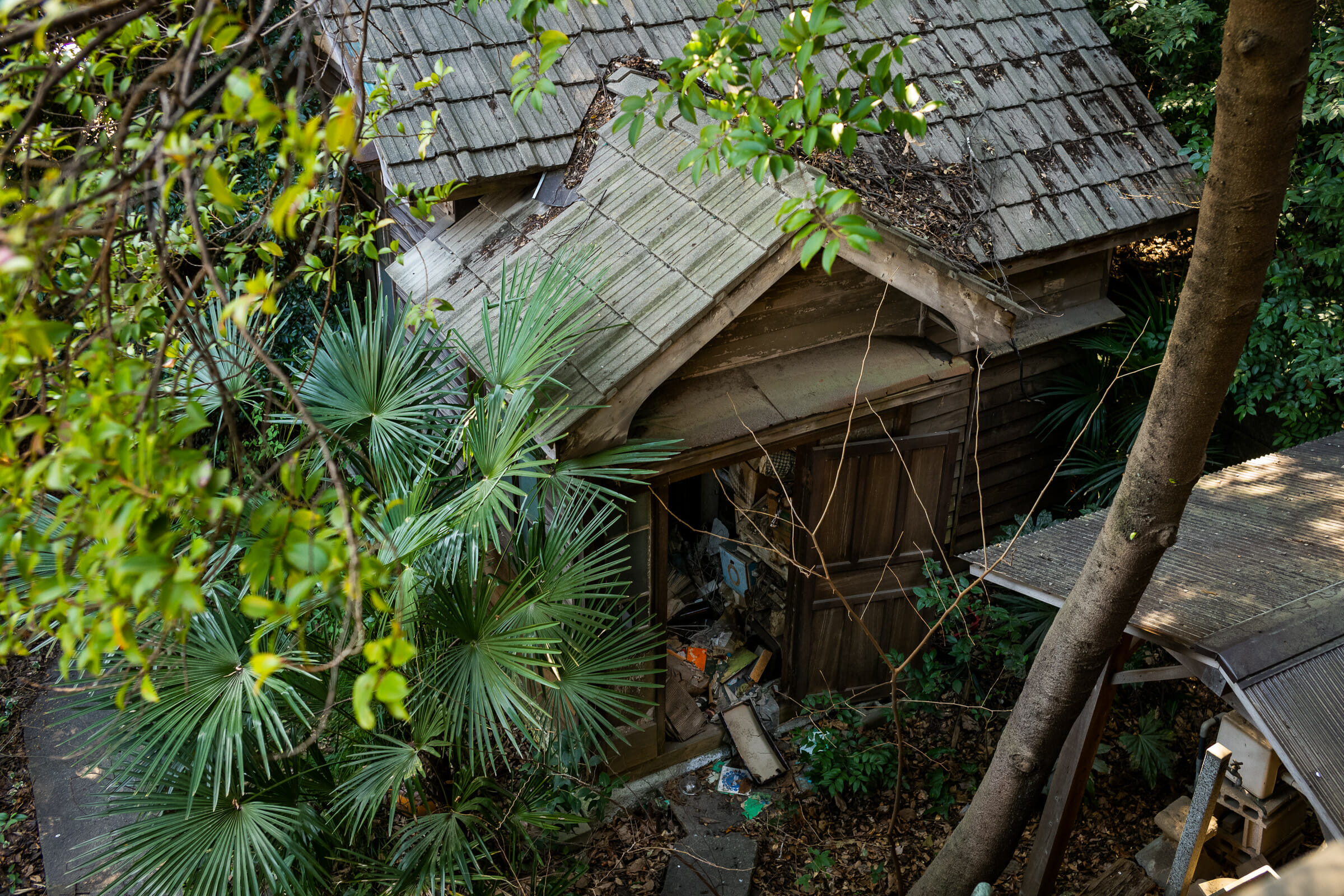
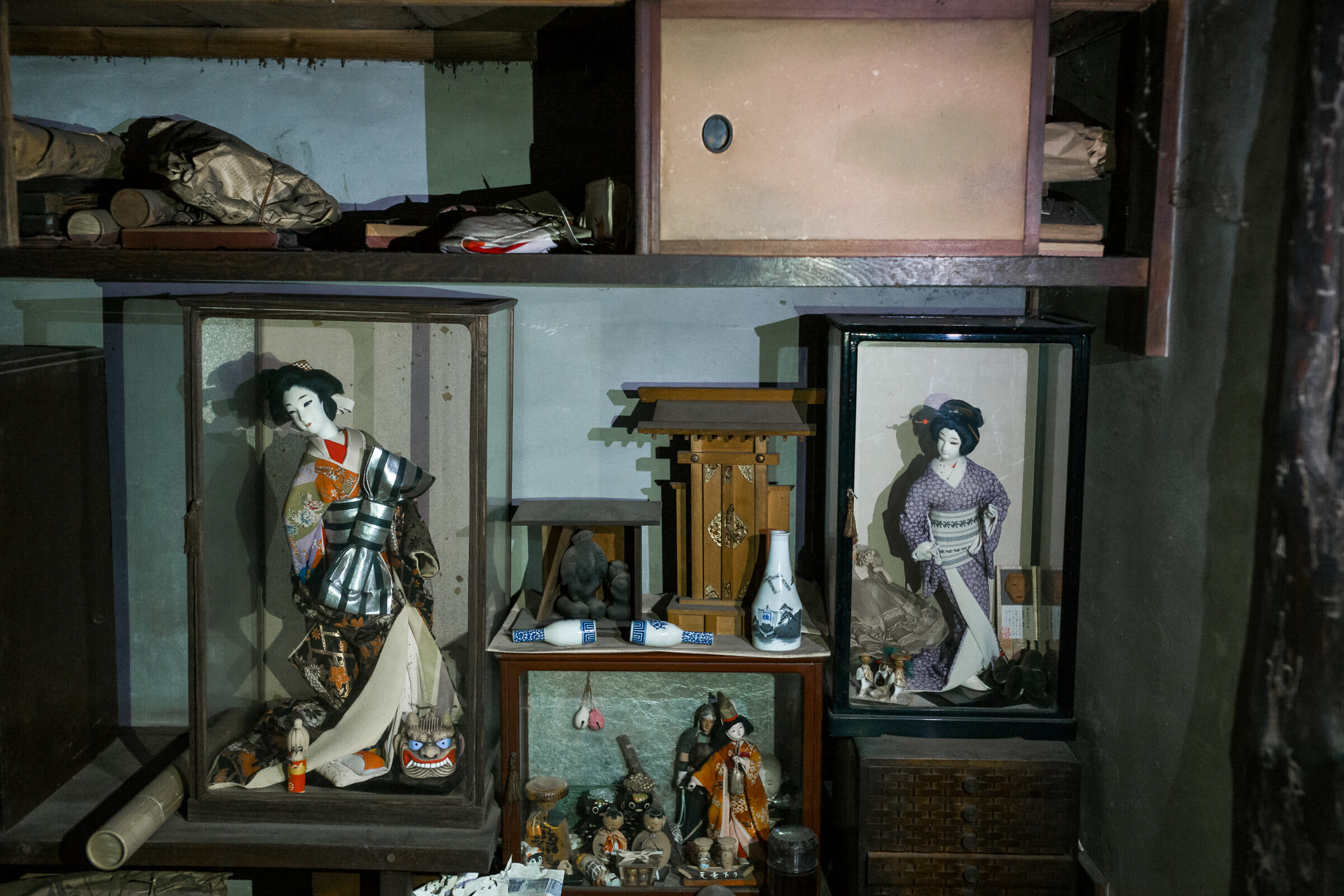
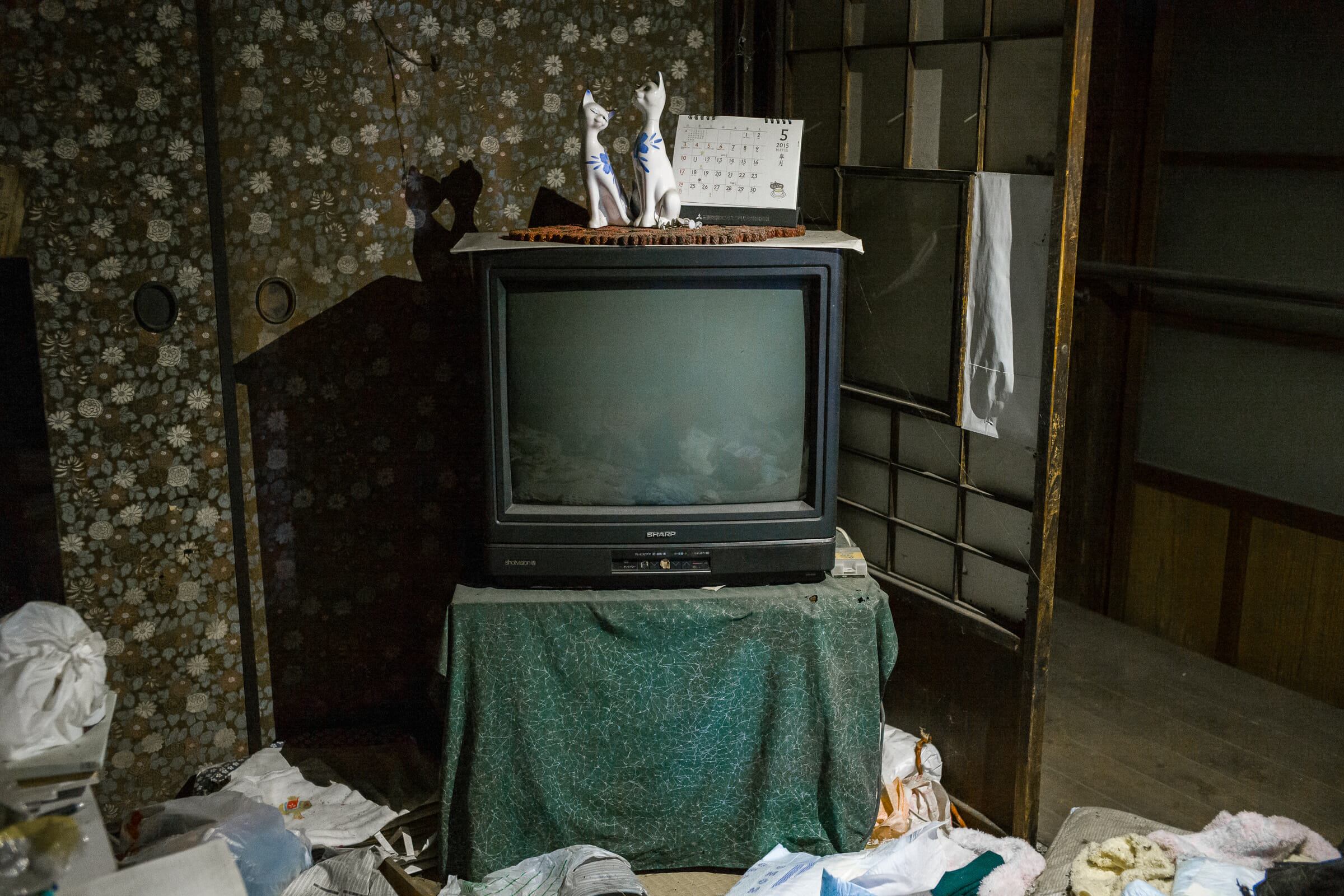
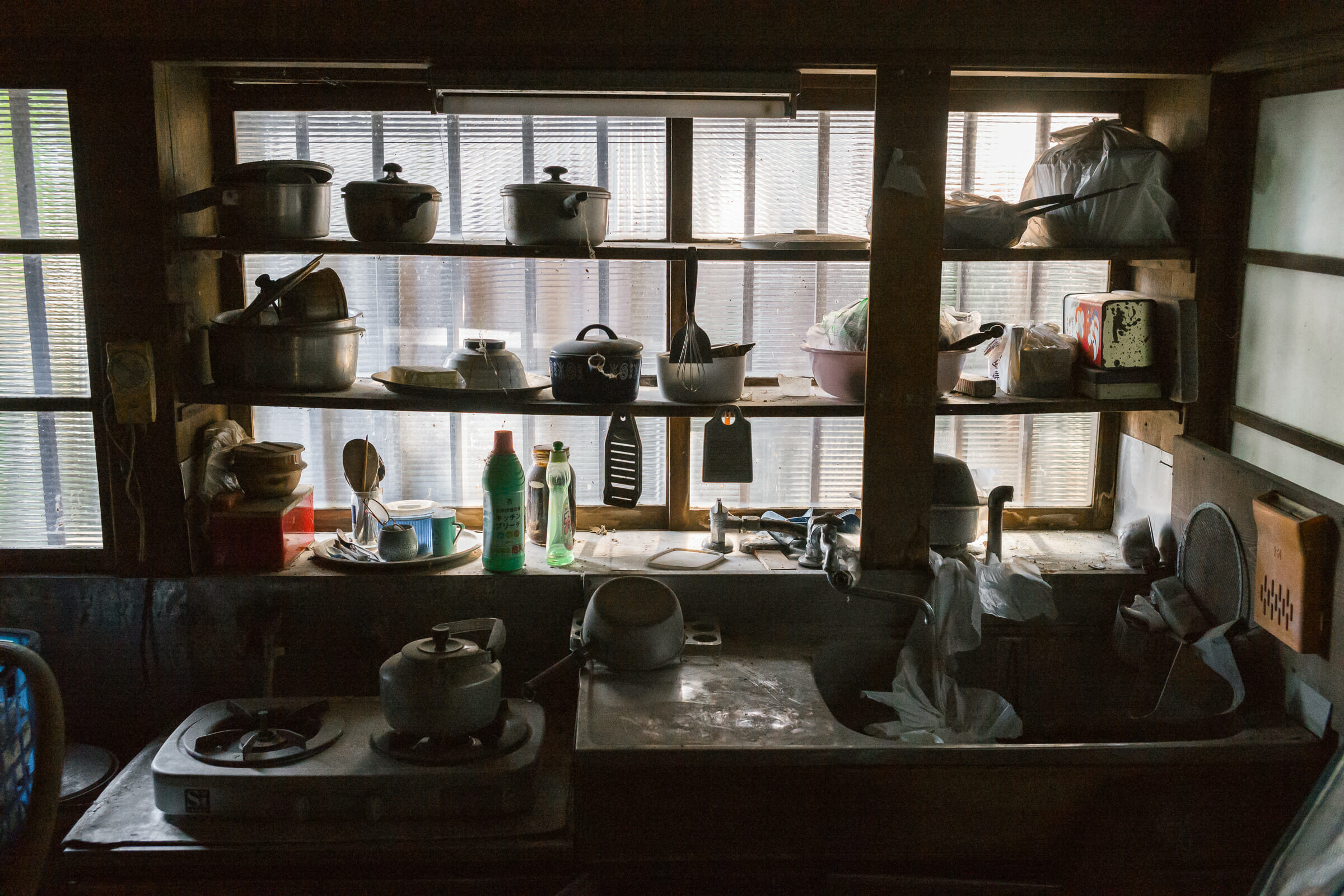
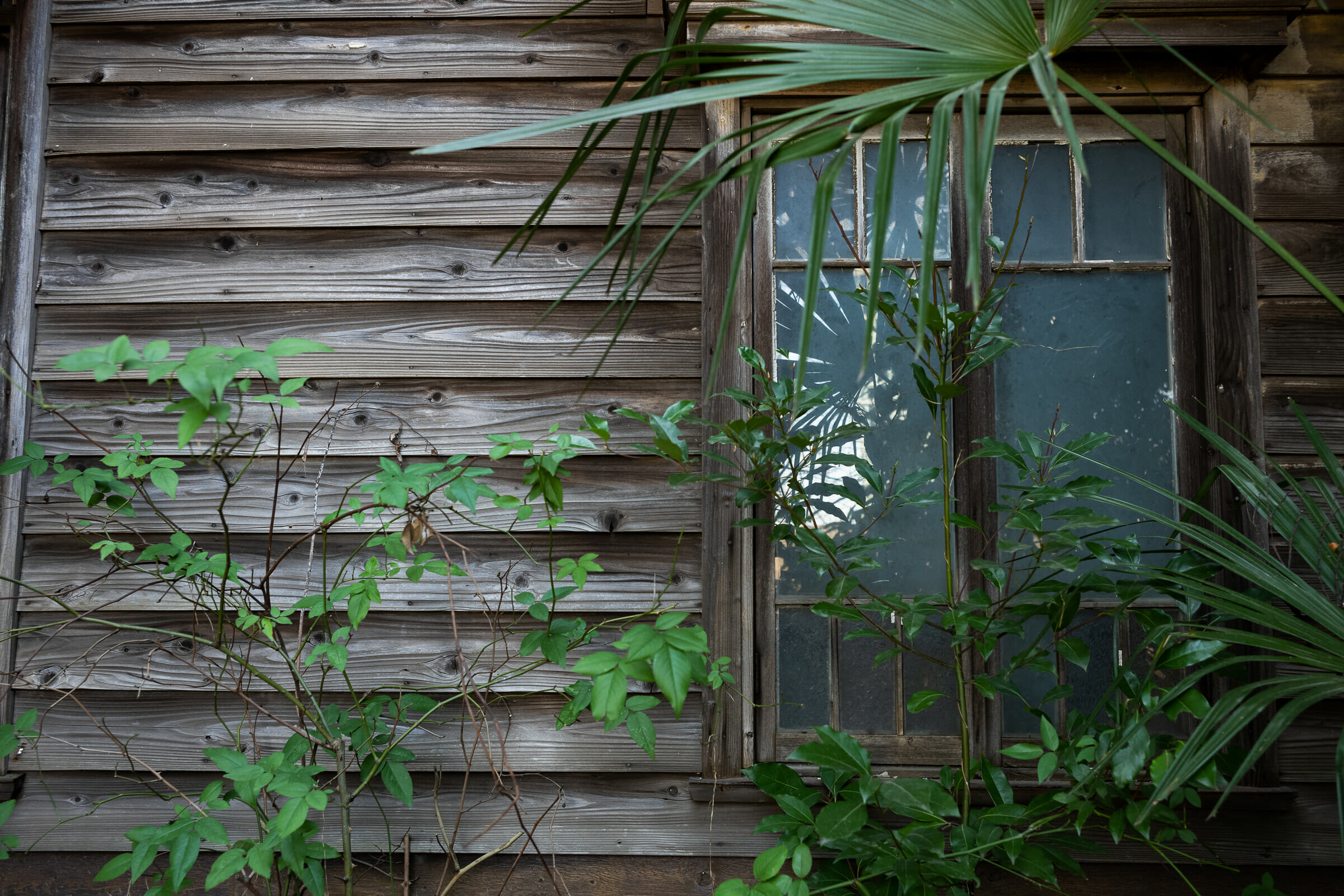
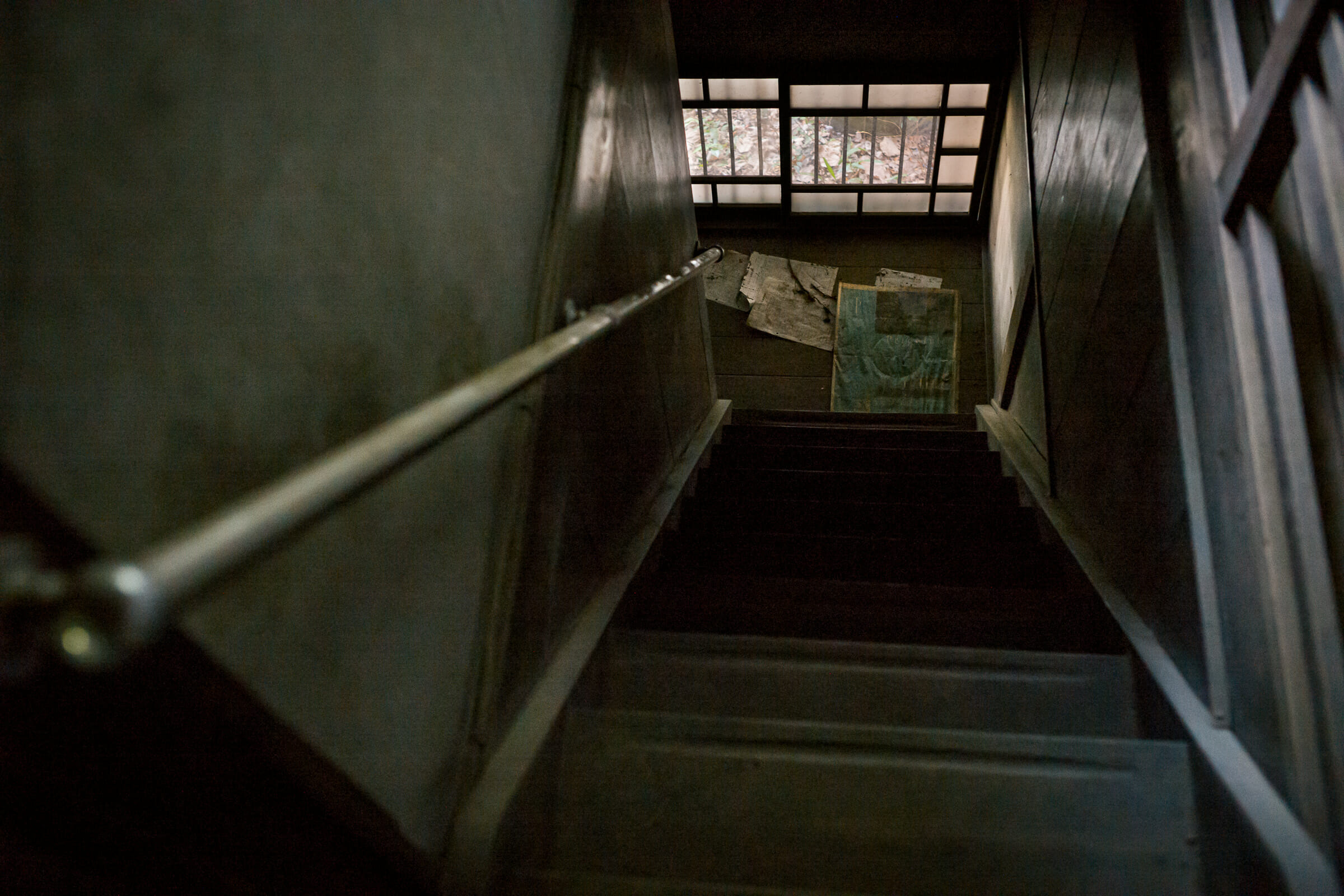
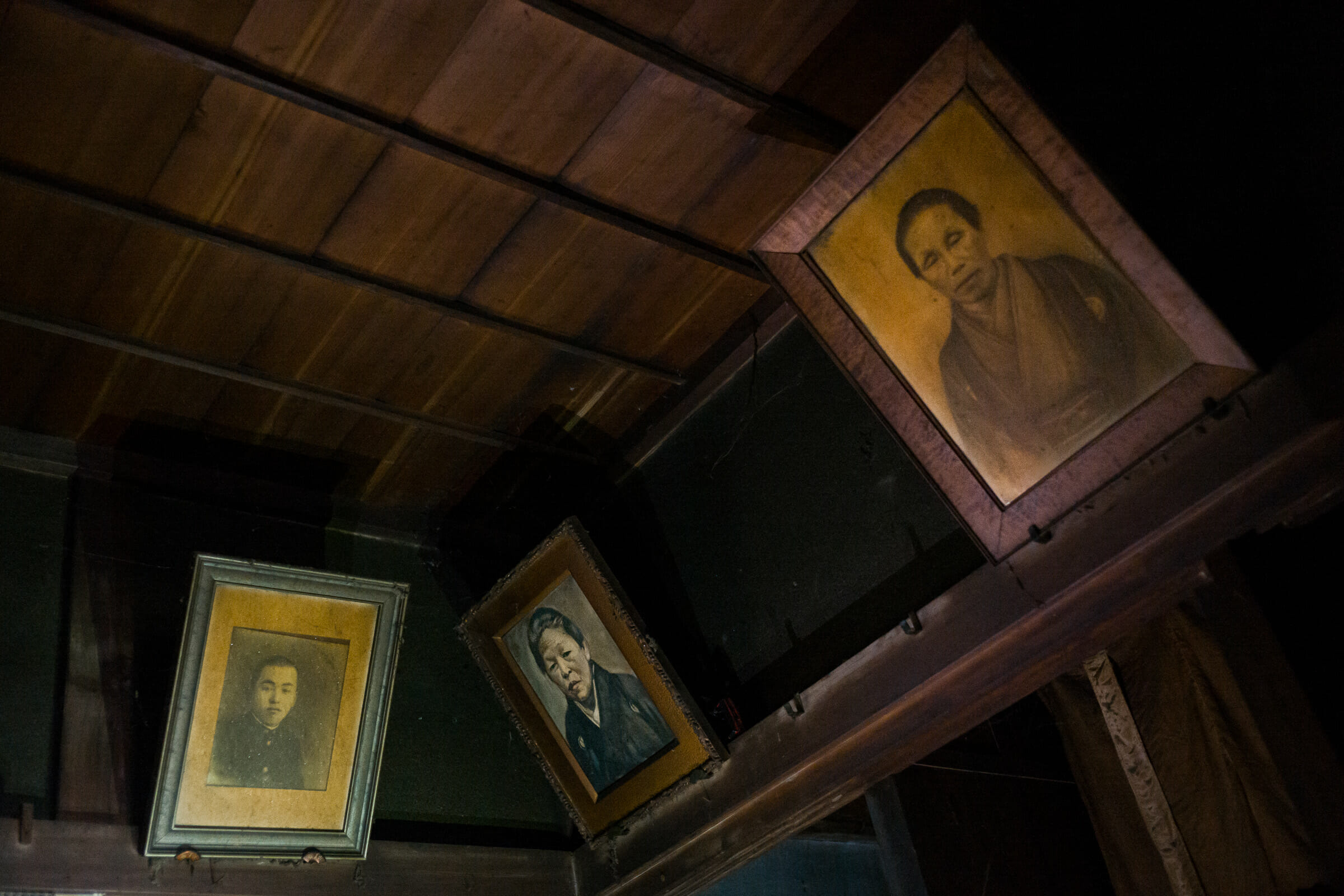
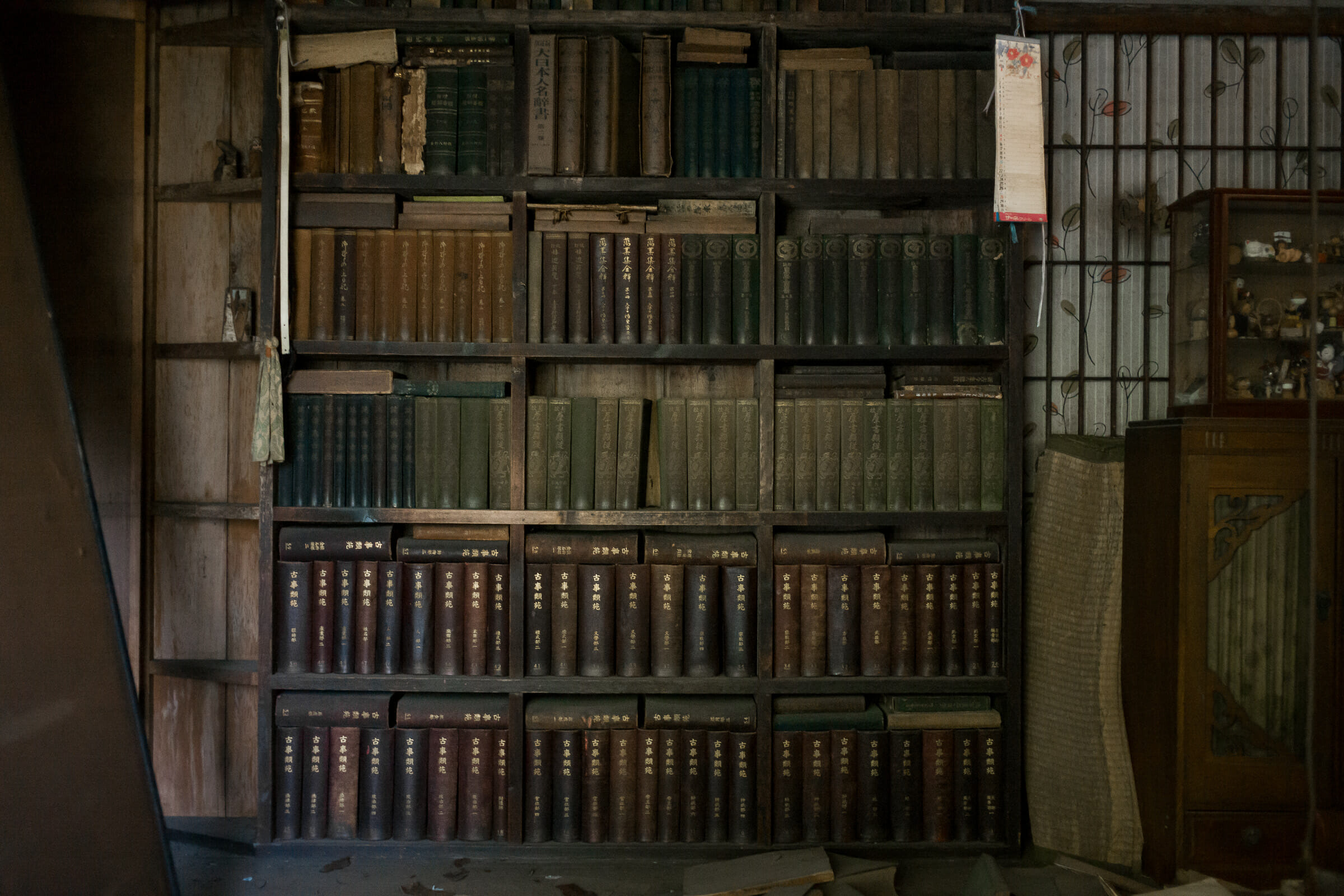
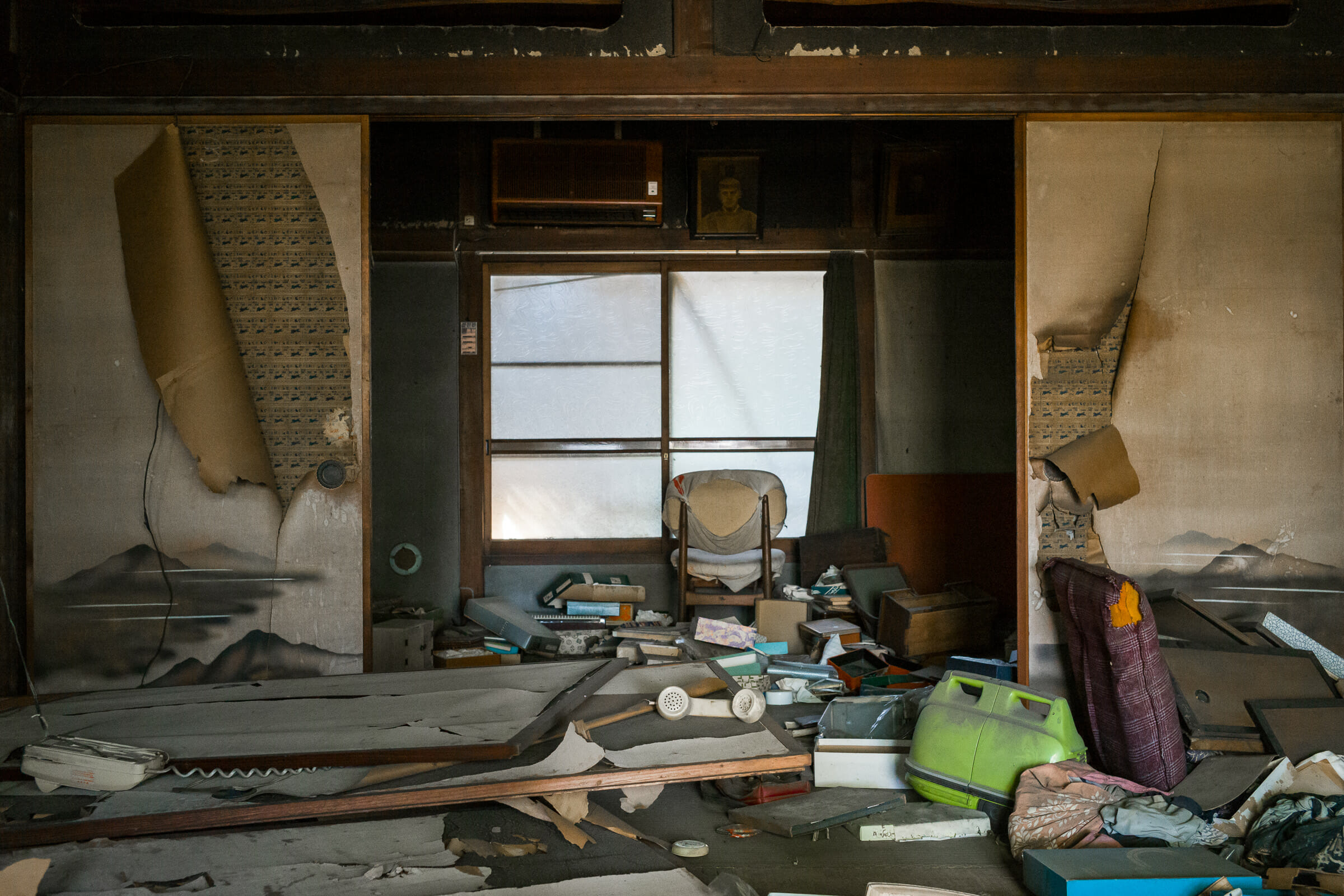
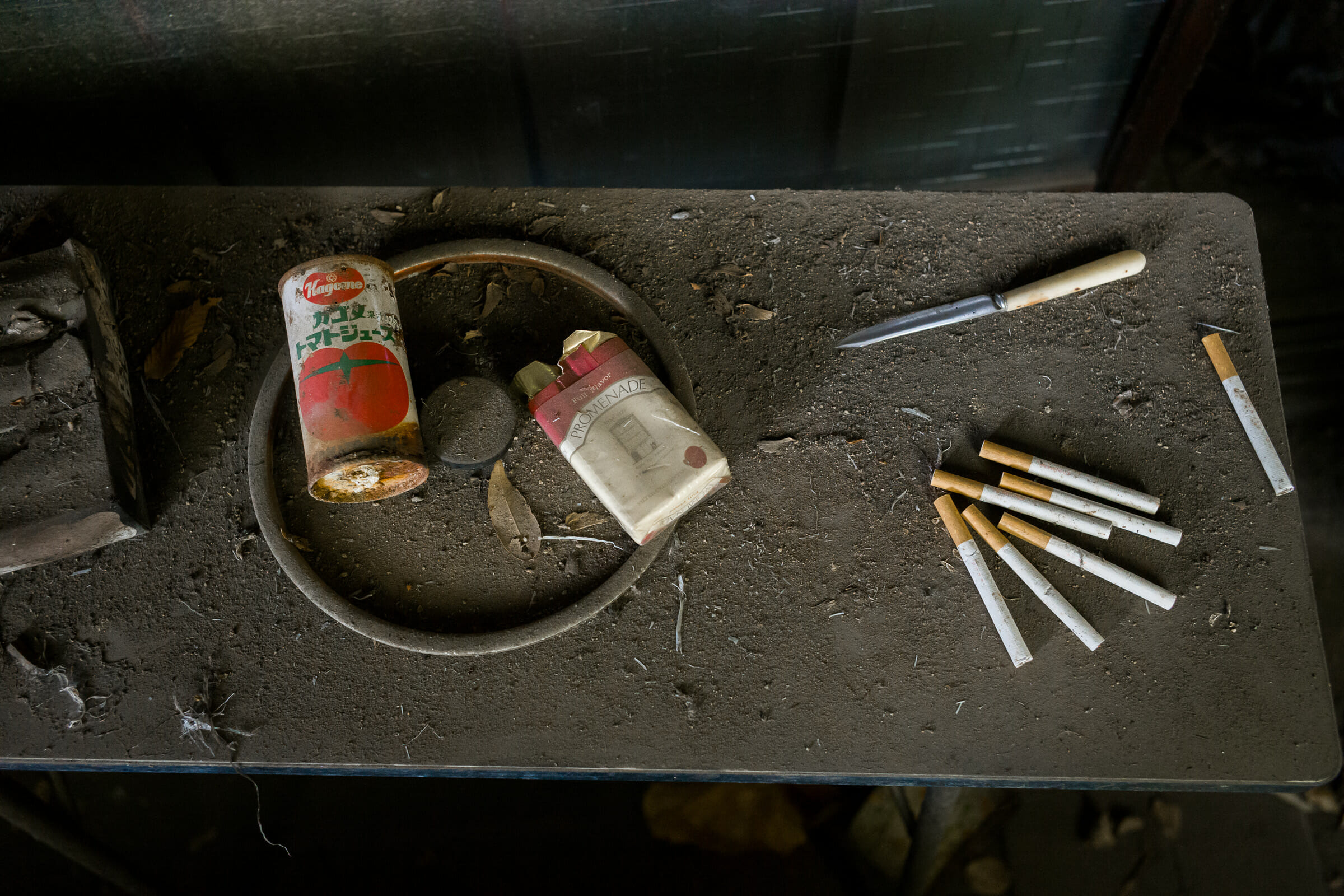
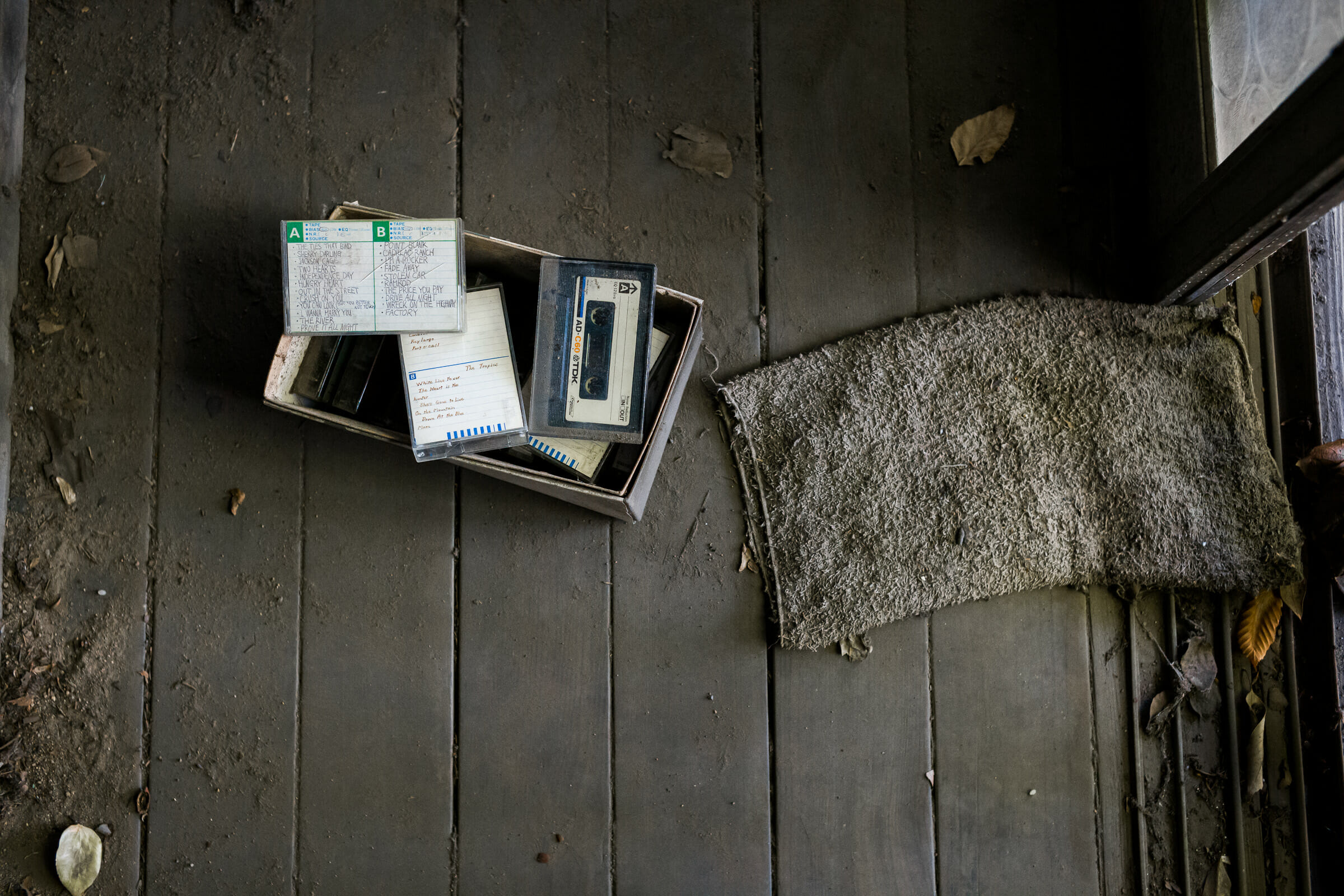
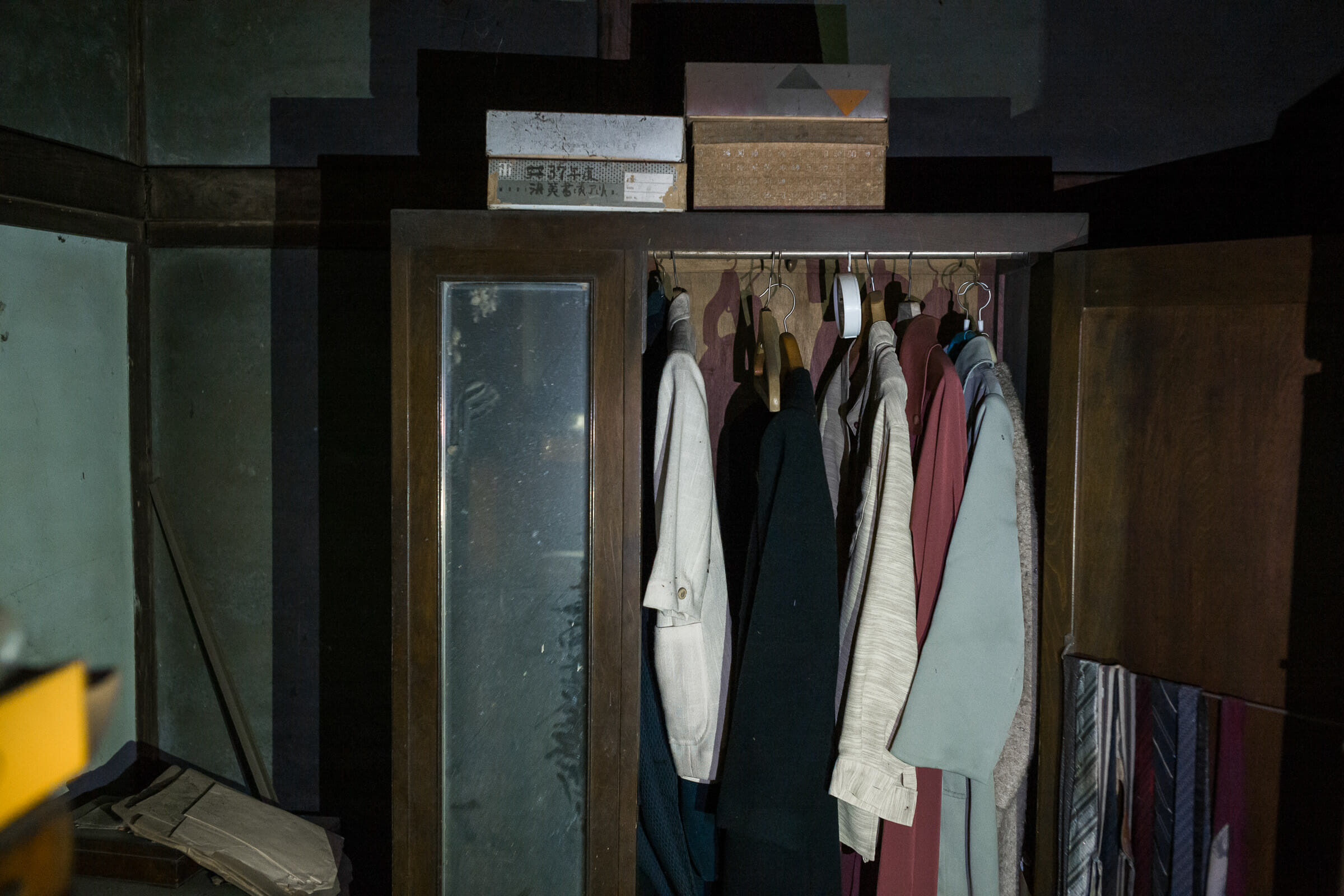
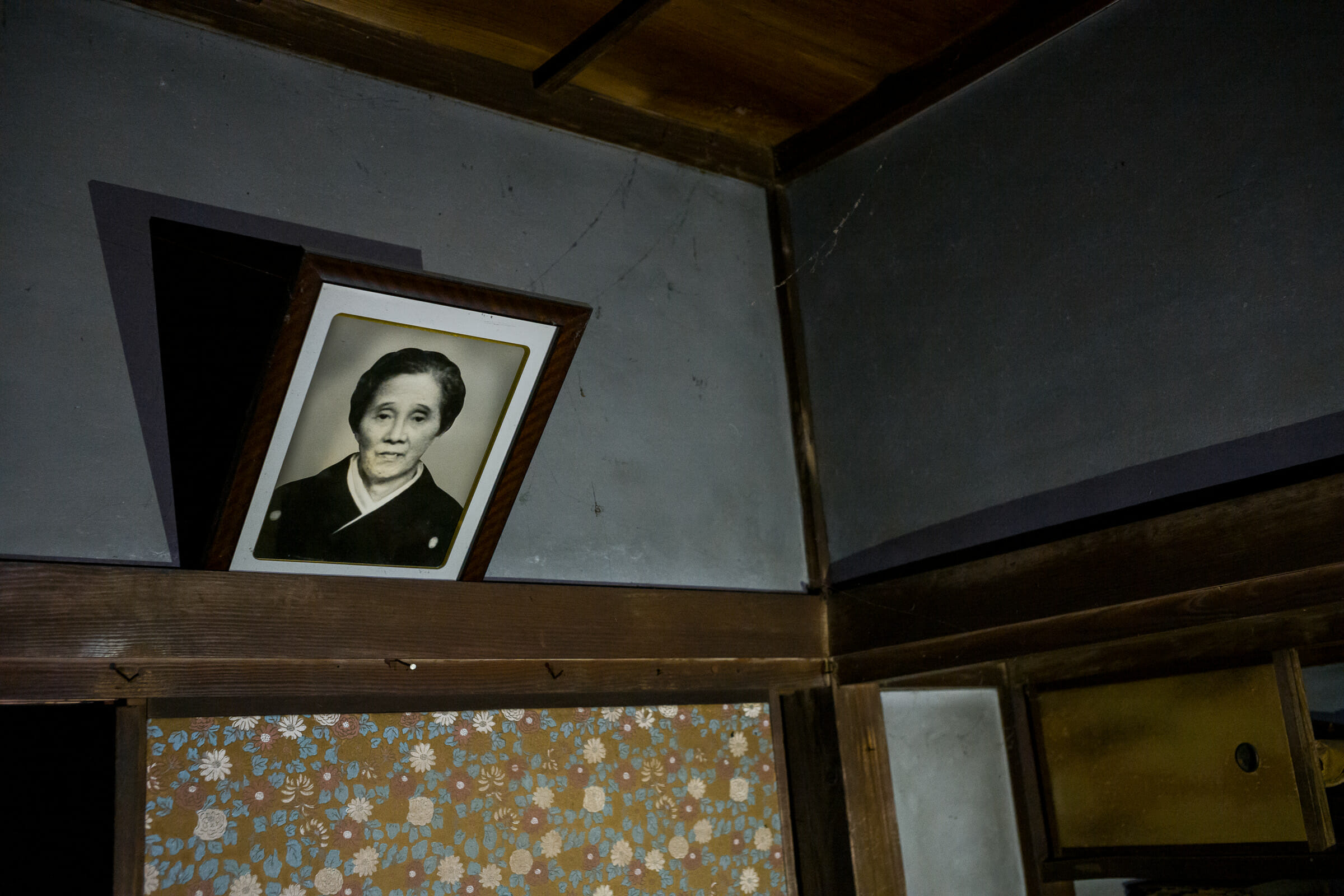
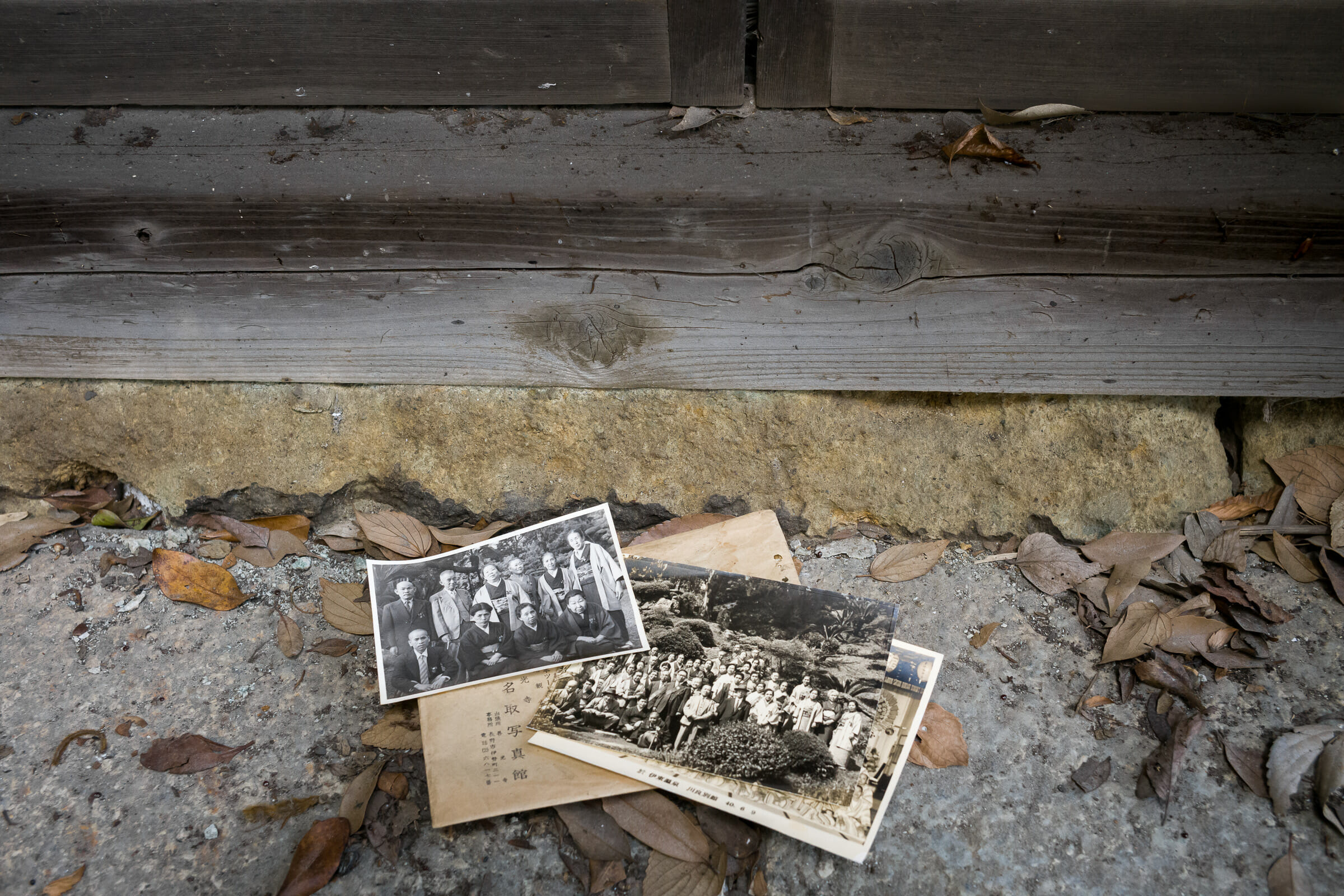
Tucked away in the middle of some trees with many of the window shutters sealed tight, this old house had quite the atmosphere. A certain sense of darkness in more ways than one, particularly with large photos and paintings of long dead family members, and possibly former residents, always looking on.
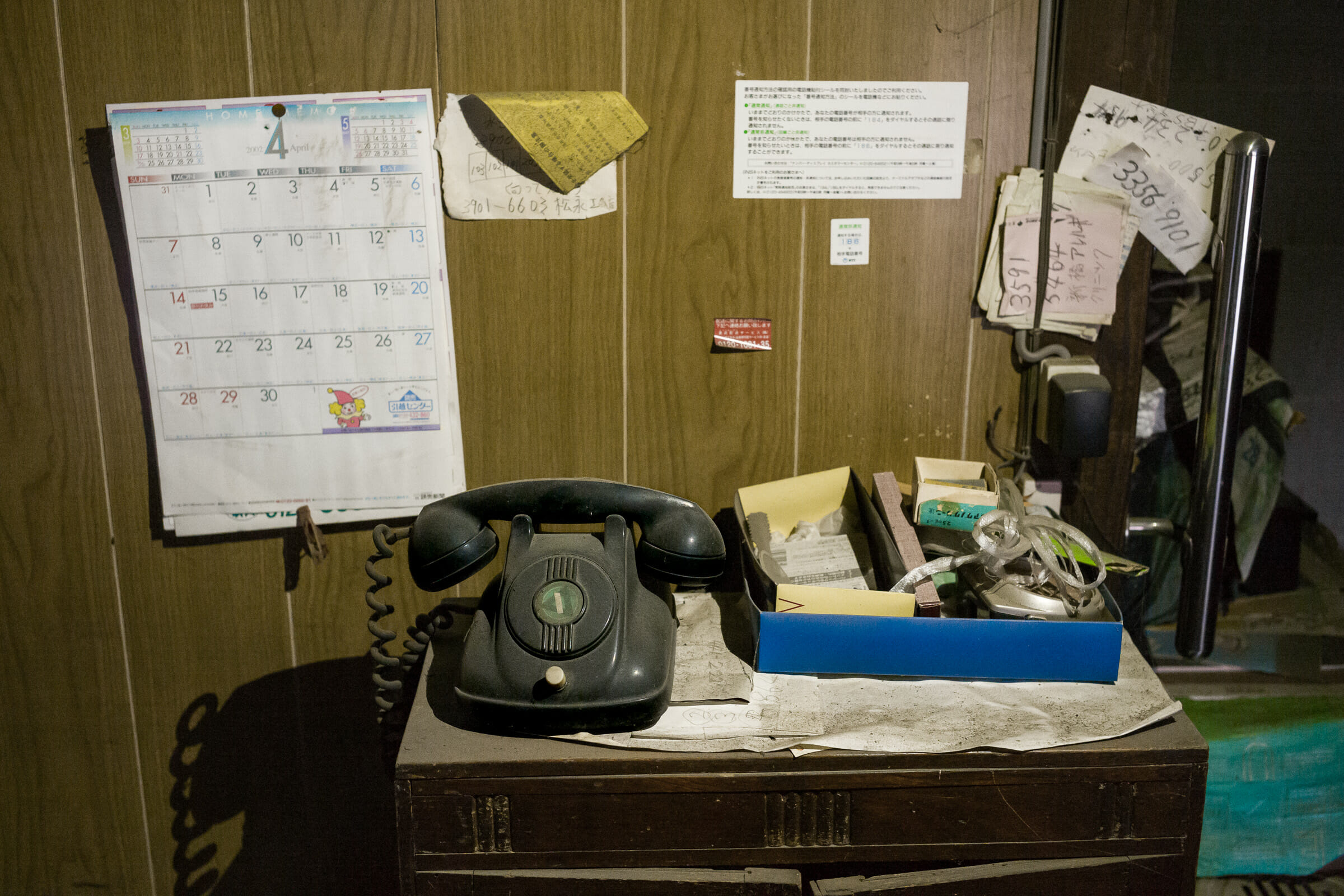
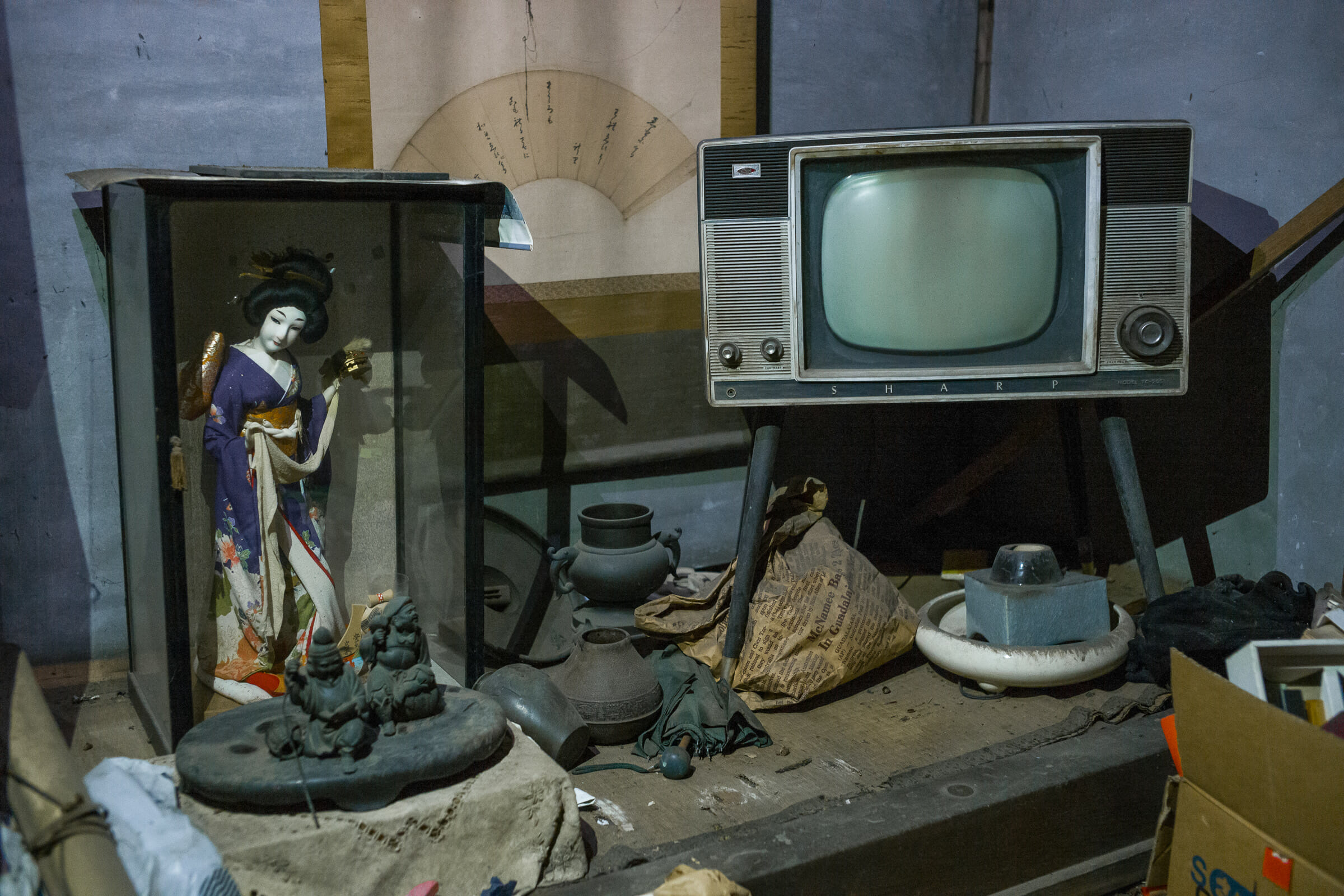
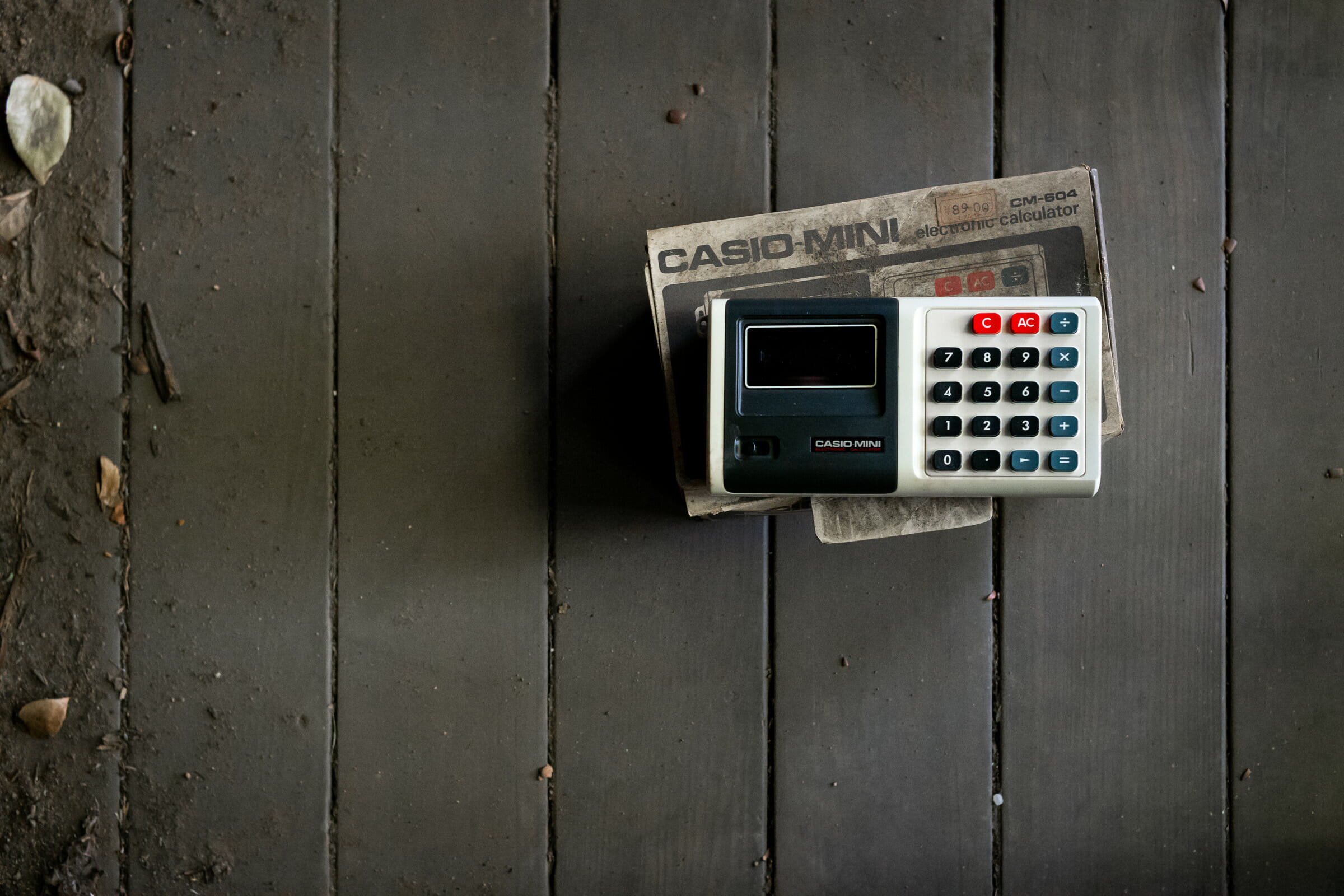
Unusually, the calendars upstairs and downstairs differed considerably, and what was once more than likely a multi-generation household, clearly ended up with just the downstairs rooms being used. Presumably by a lone elderly person. The setup and stuff left behind also suggestive of someone who was quite possibly bedridden, and almost certainly receiving medical care. Factors that could also help explain some of the incredibly dated technology found on the same floor despite the last calendar being from 2015.
All that, however, is speculation and educated guesswork at best. What the true story is, and who those people were, will more than likely remain unknown. The photos below then are mere records of far more important moments now forever lost.
Akihabara photos and fixtures of the past
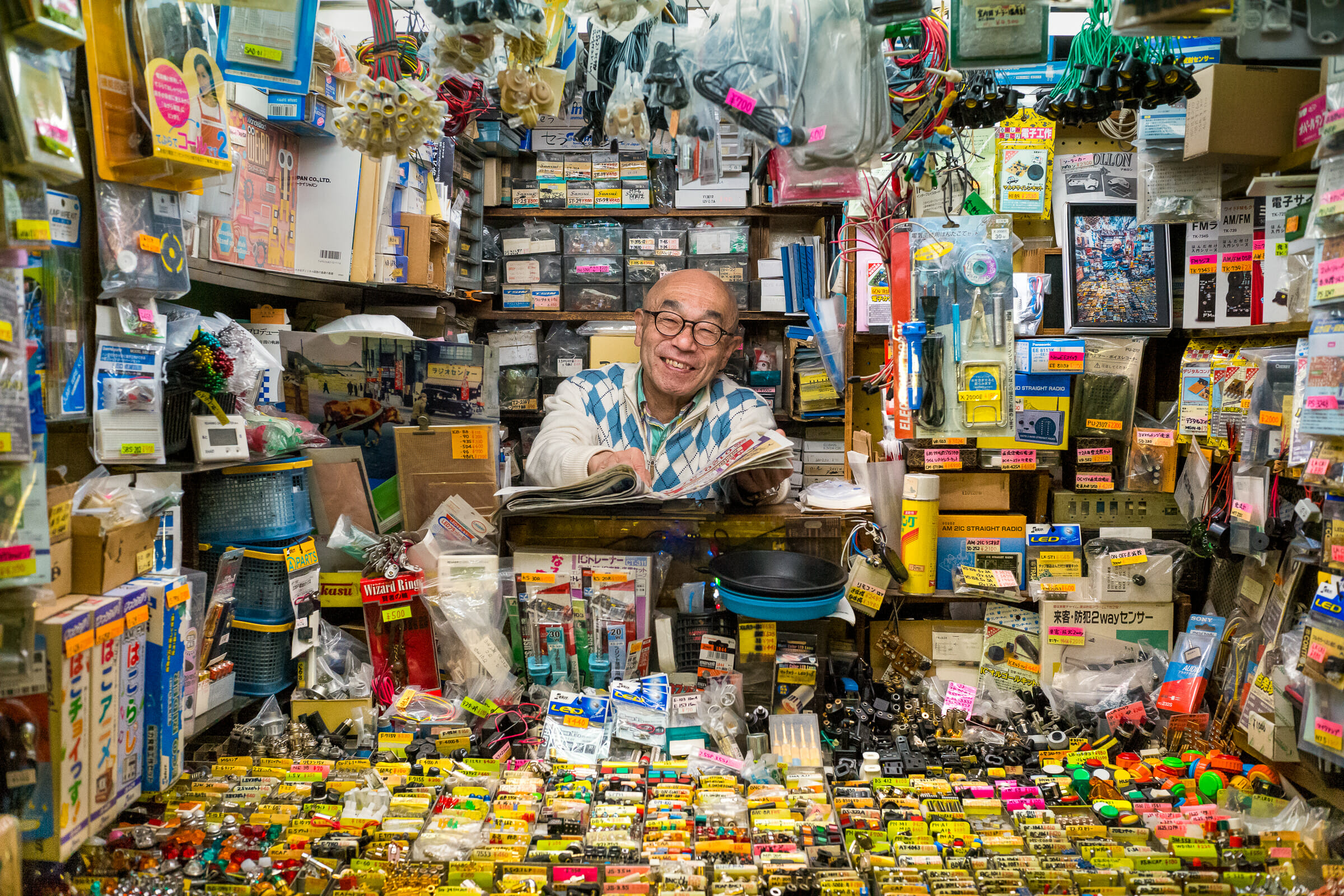
Tokyo’s Akihabara district has come a long way from its days as a place to pick up handmade radios and their components in the post-war period. There are actually still options for such do-it-yourself approaches if you look carefully, but unsurprisingly they are nowhere near as numerous as they once were. In fact the area’s later transition to more general Electric Town, where one could buy all kinds of electronic goods along with their associated products, has in many ways now been usurped by anime, manga and maid cafes.
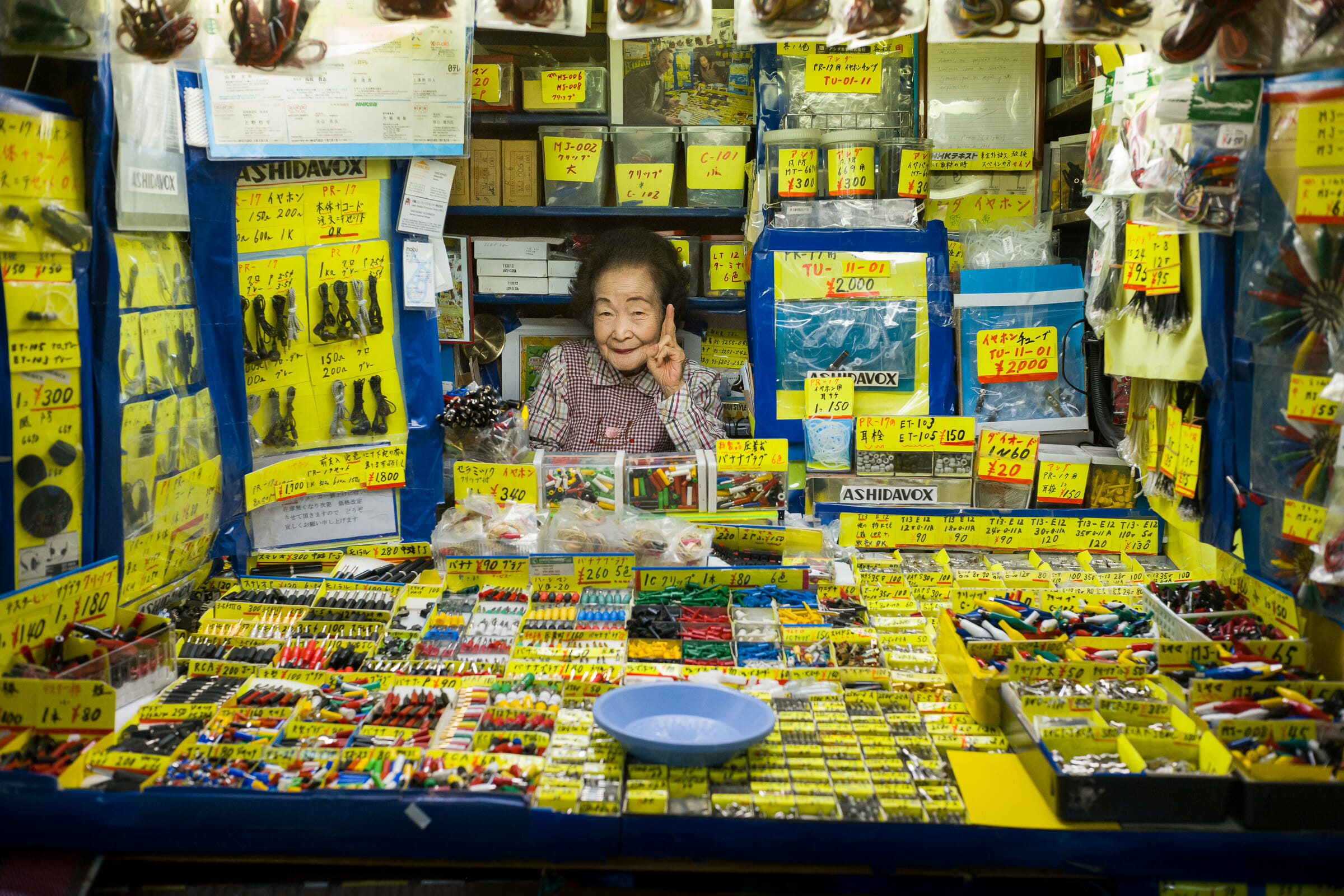
Below then are some remnants of that earlier past, as well as a couple of those few remaining component shops that have closed in the last couple of years.
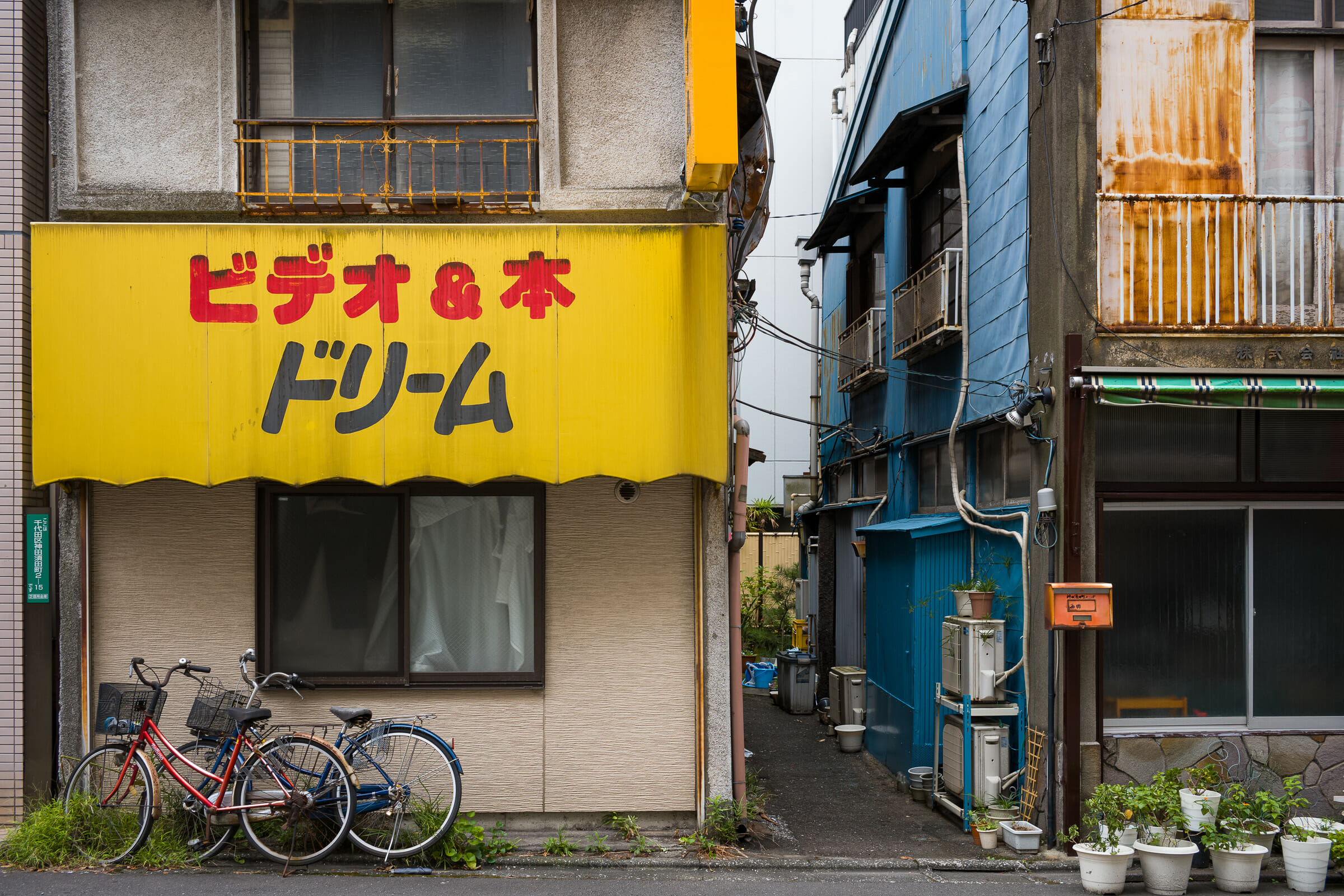
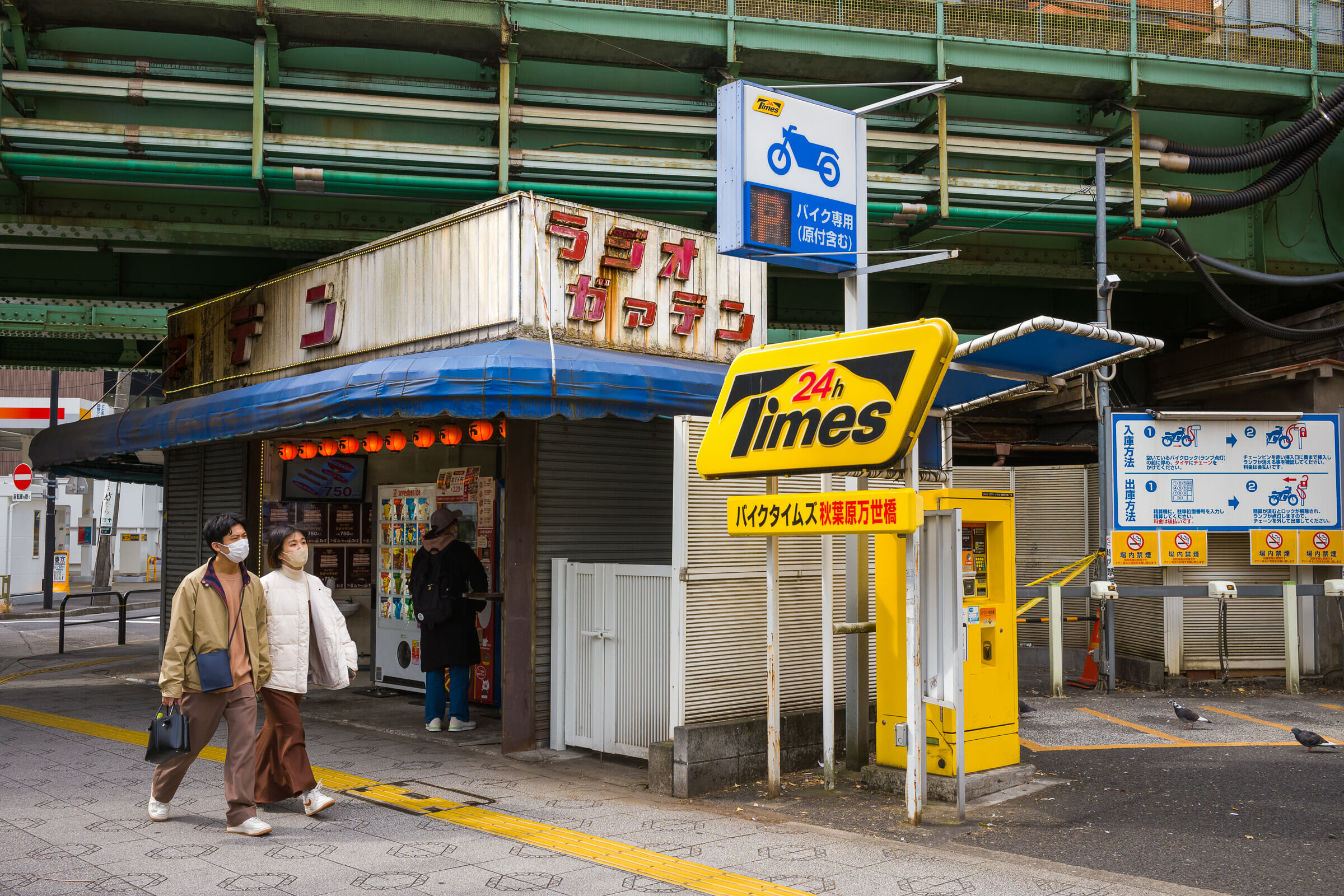
Dream video and book shop in the first photo isn’t so far from the station, and yet despite being closed for what seems like a considerable amount of time, the awning still looks lovely. The two tiny shops I’ve shown on these pages before, but I always feel they are worth looking at again. In fact now more than ever, as neither of them exist anymore. And the last photo — which actually prompted the post — in many ways sums up the changes the area has seen. An old, former electronic parts outlet (there’s a photo of it here in 1952), that has a modern car park on one side and a rather fancy katsu vending machine inside. Although in a nice twist that in some ways brings the whole thing full circle, the food and machine are supplied by Mansei, a company that was founded in Akihabara way back in 1949.
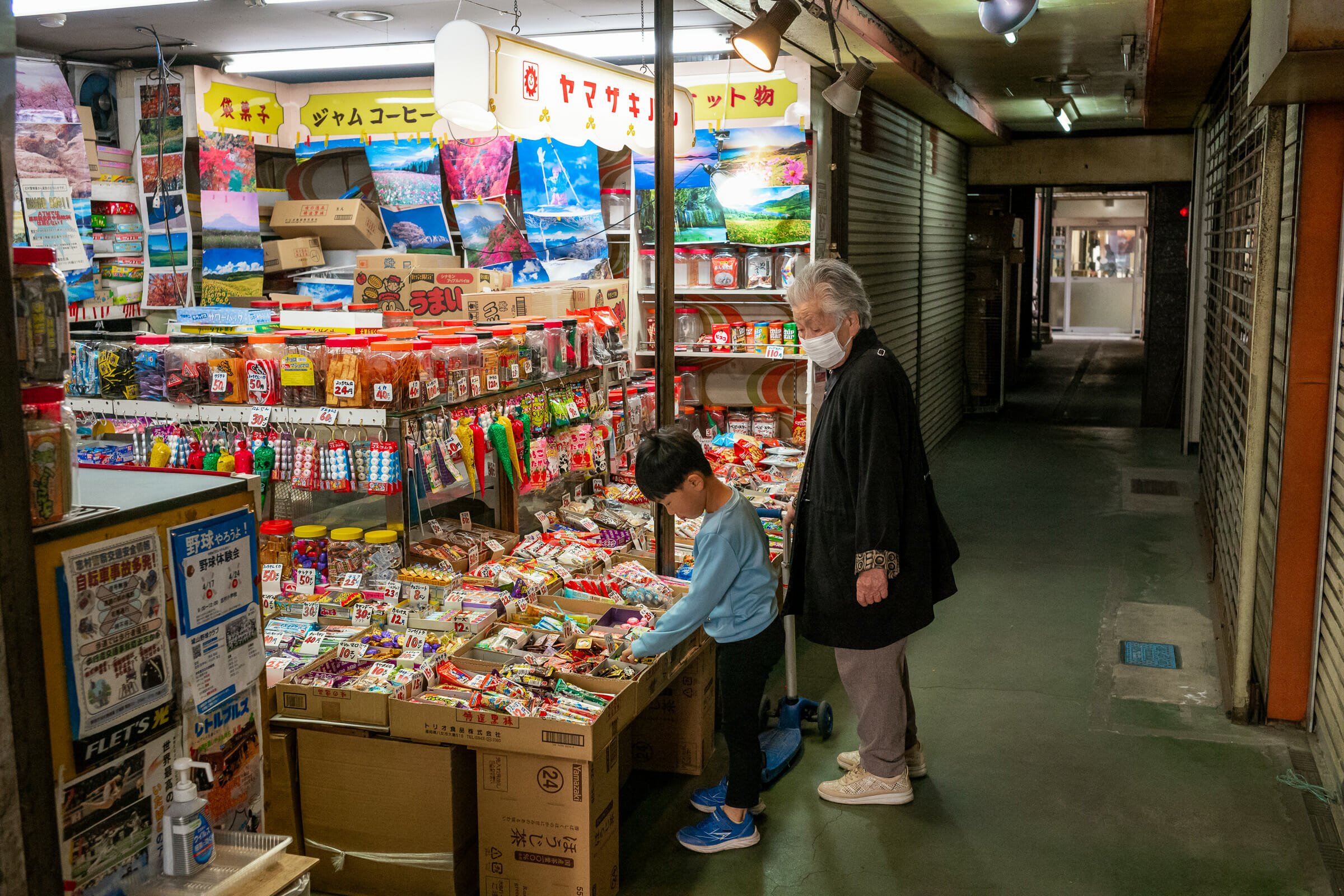
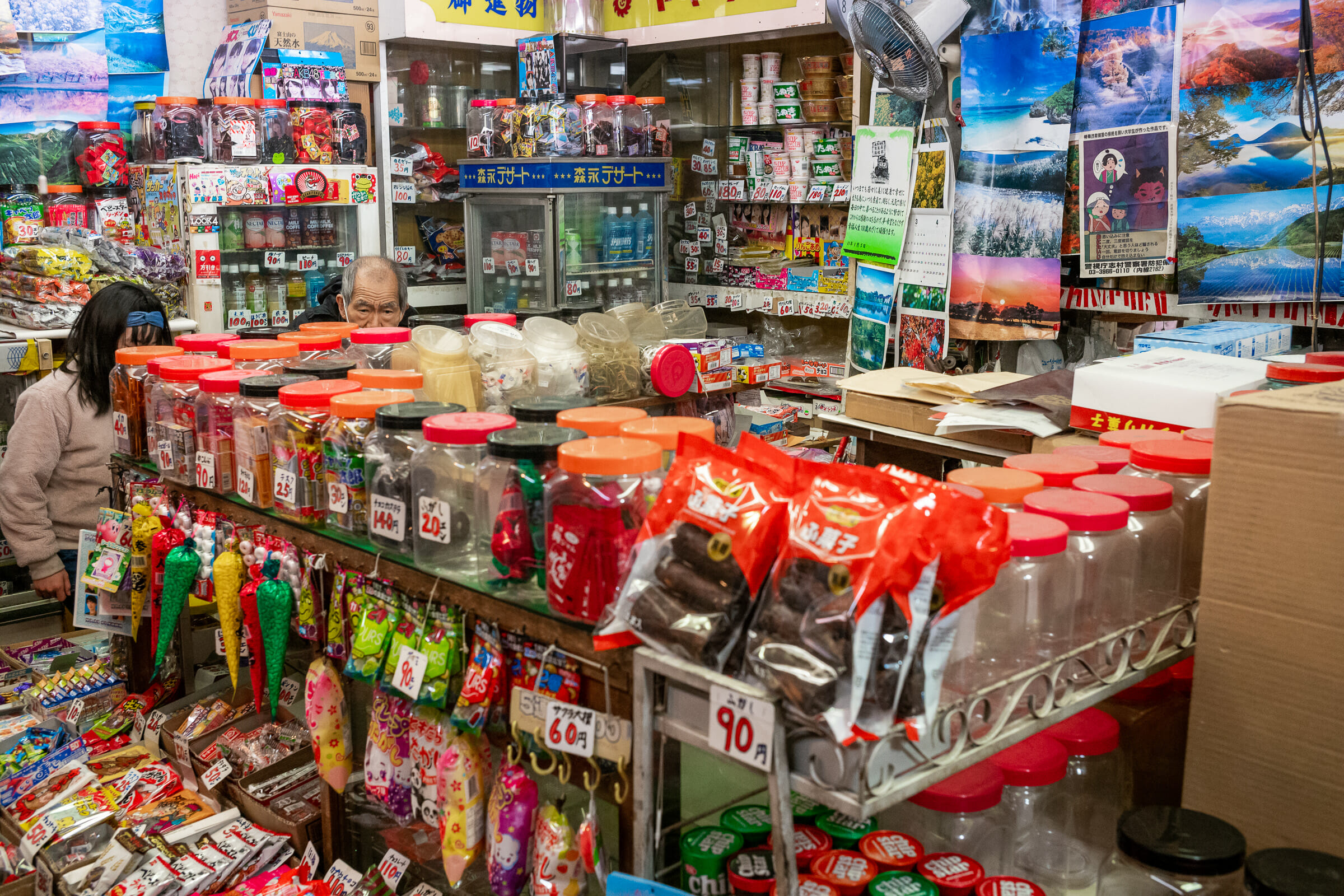
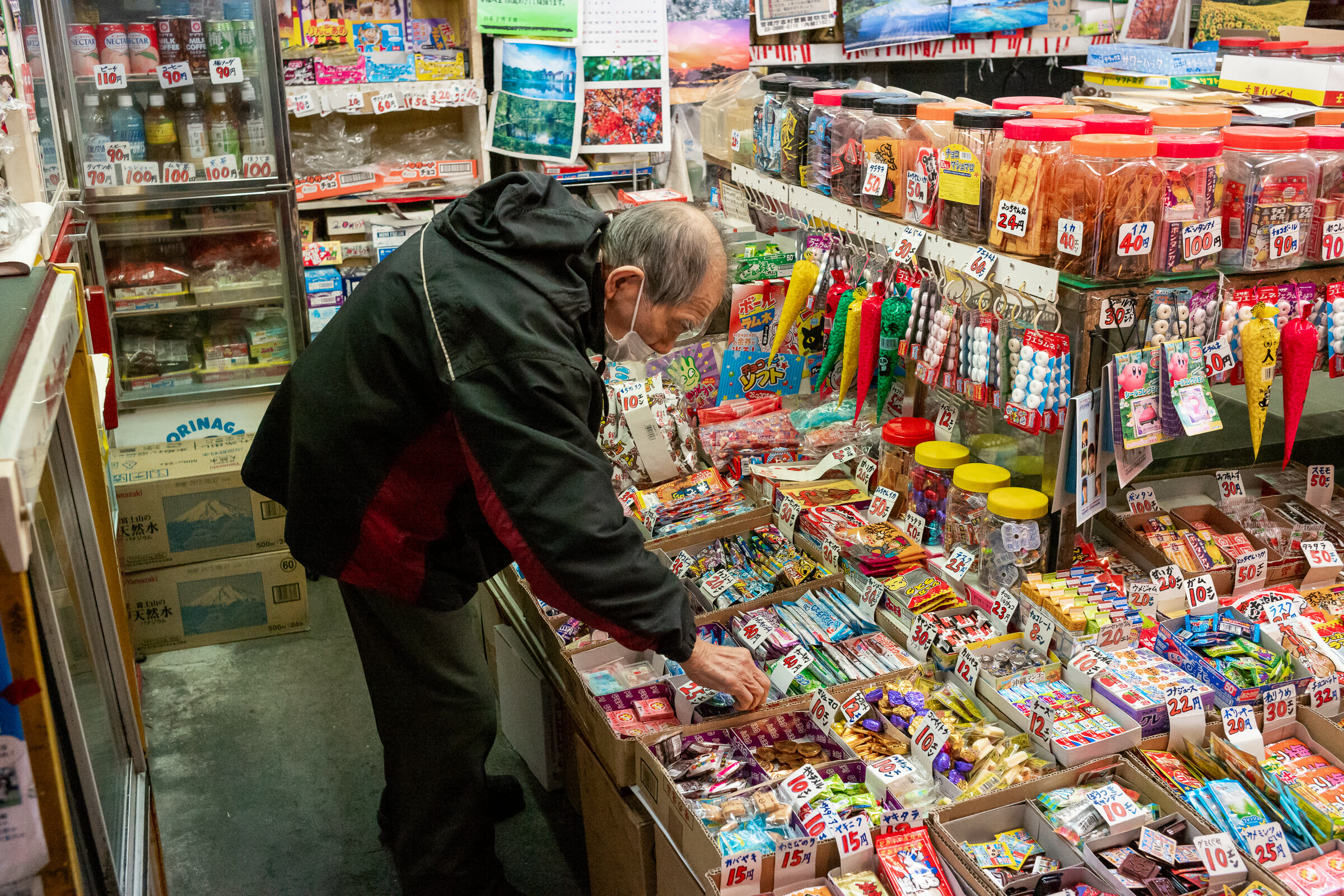
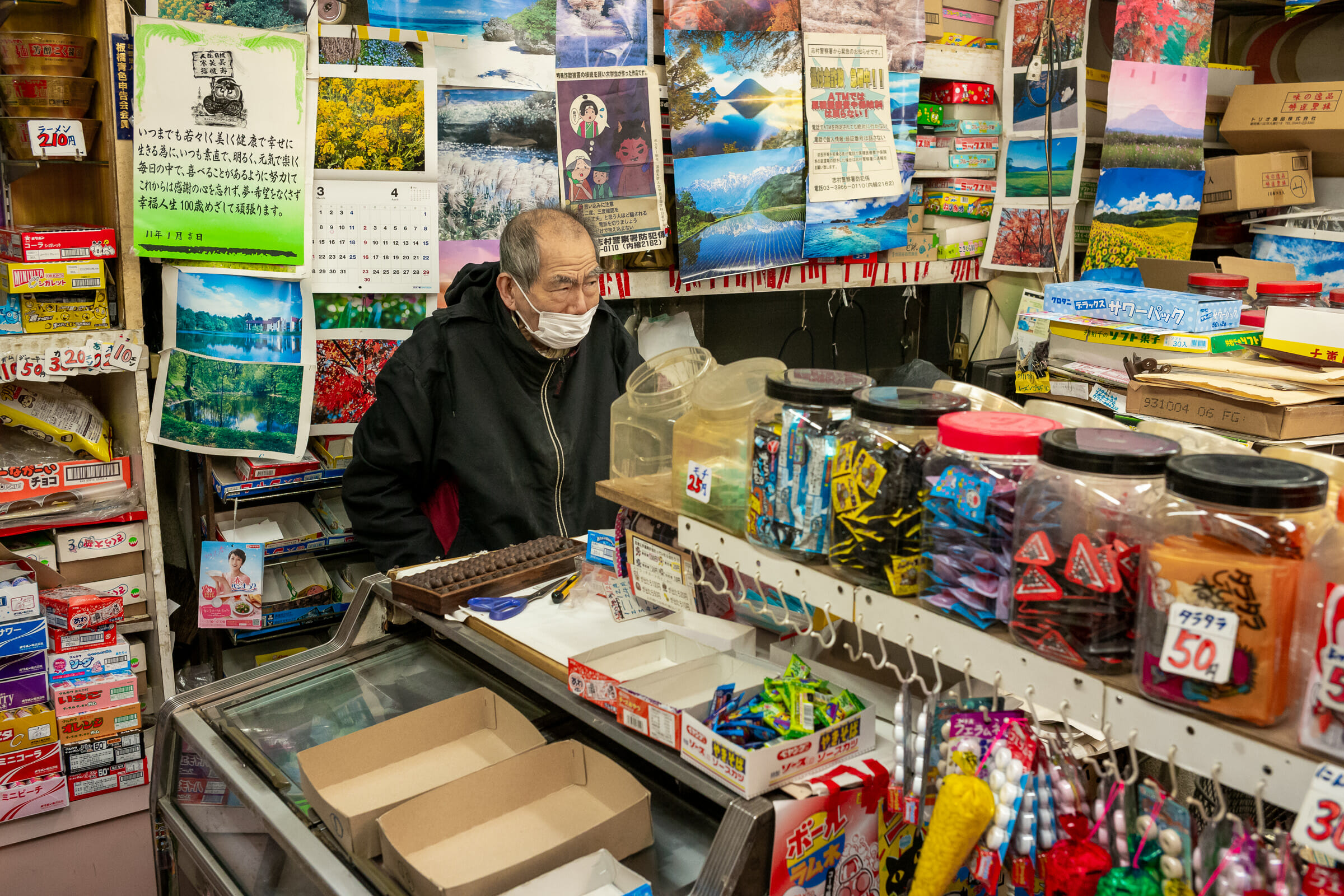
A 94-year-old and his little Tokyo sweet shop
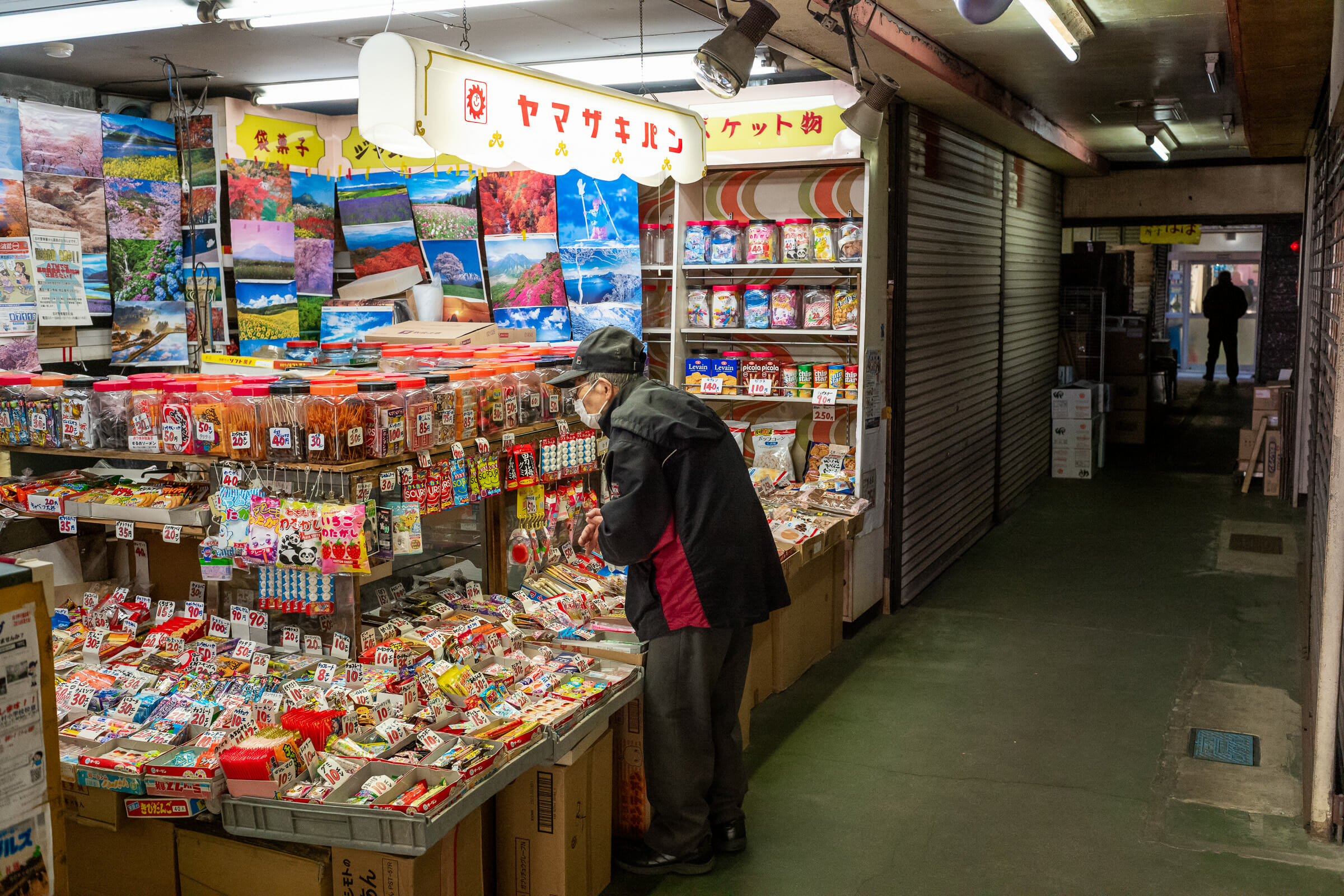
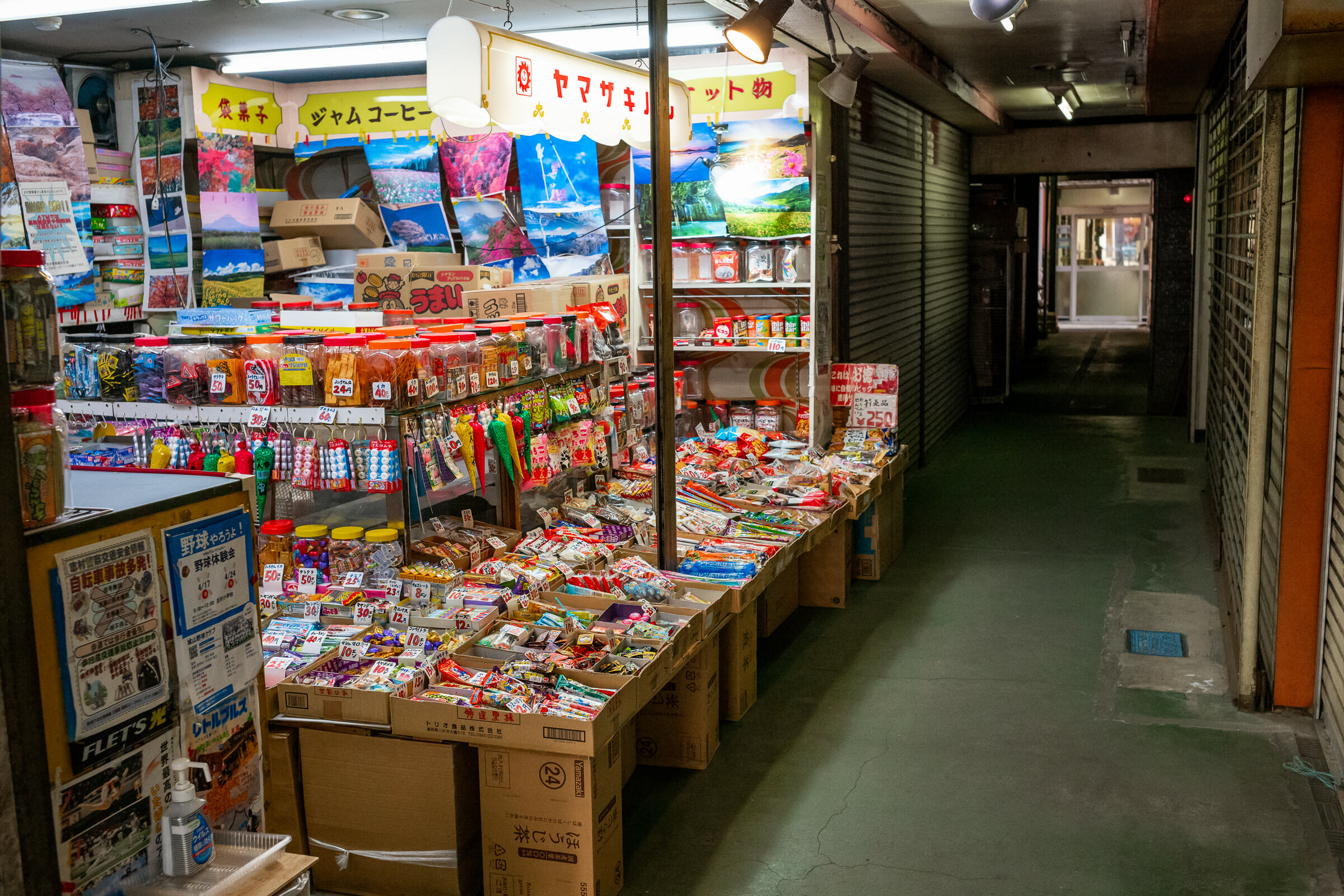
A couple of years or so ago I took the first photograph. The scene really appealed, but as some customers turned up I didn’t get a chance to speak. Only a picture.
Returning last week, I was pleased to see the shop still there. The last of two businesses in a little alleyway that must have once been quite busy. And yet that said, it was both lovely and a little surprising to see a steady stream of youngsters turning up with their parents or grandparents. Many of the latter likely reliving their childhood days, as remarkably the shop has been in operation for 74 years. Even more incredible is that the owner has been there the whole time, and remains there undeterred at 94. A man who despite his age, and dealing with the public everyday, is quiet, and endearingly really quite shy.
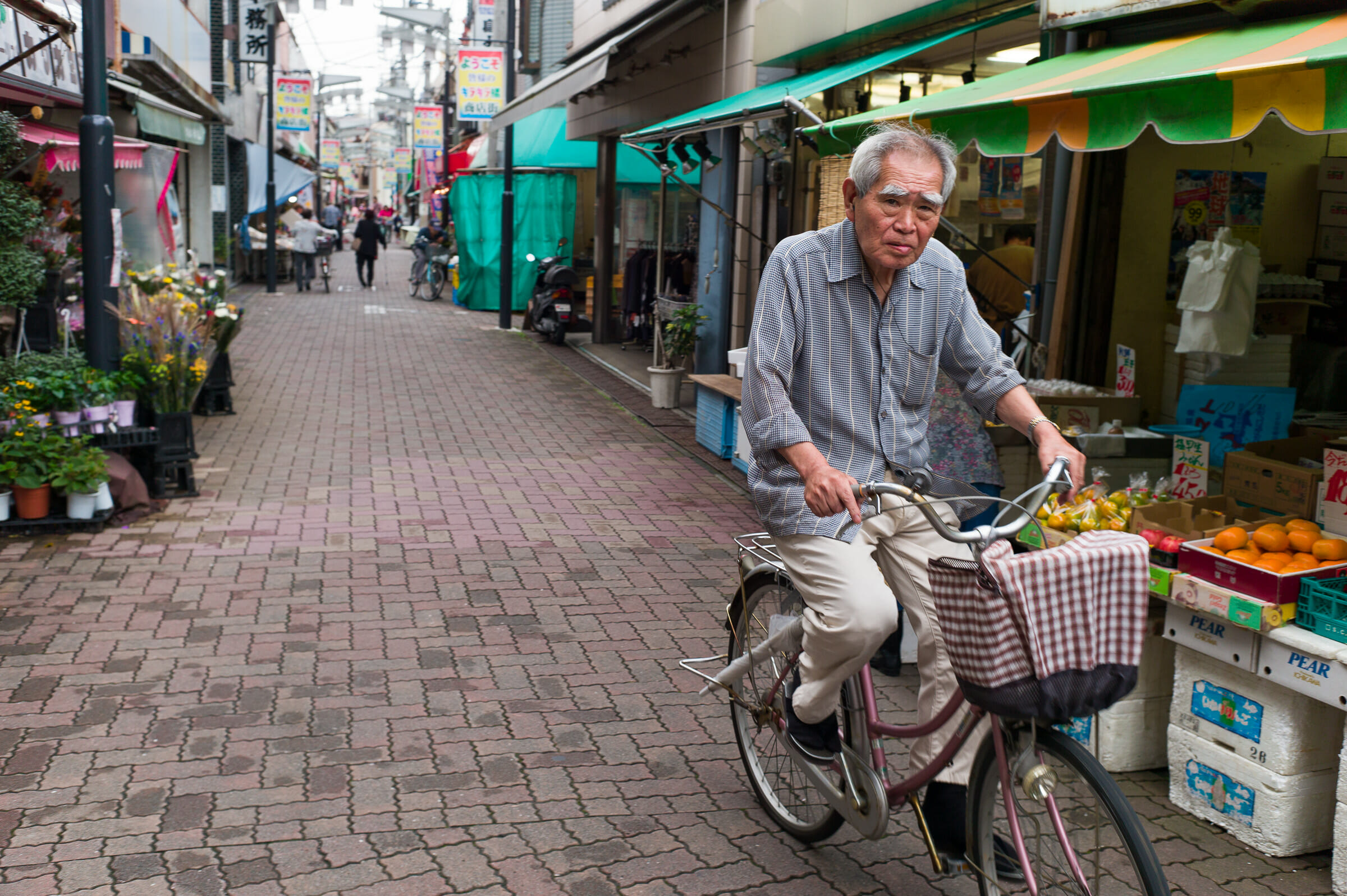
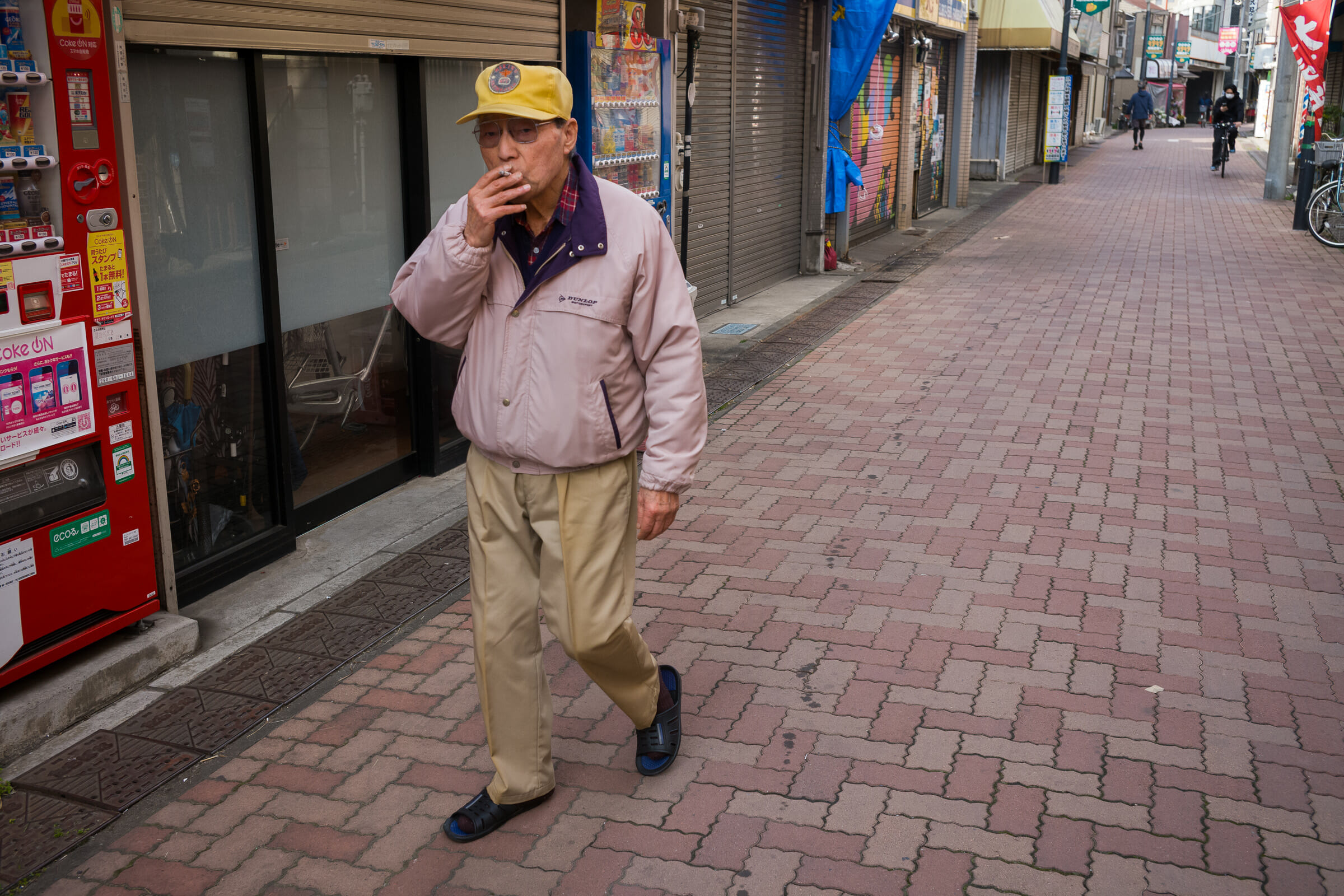
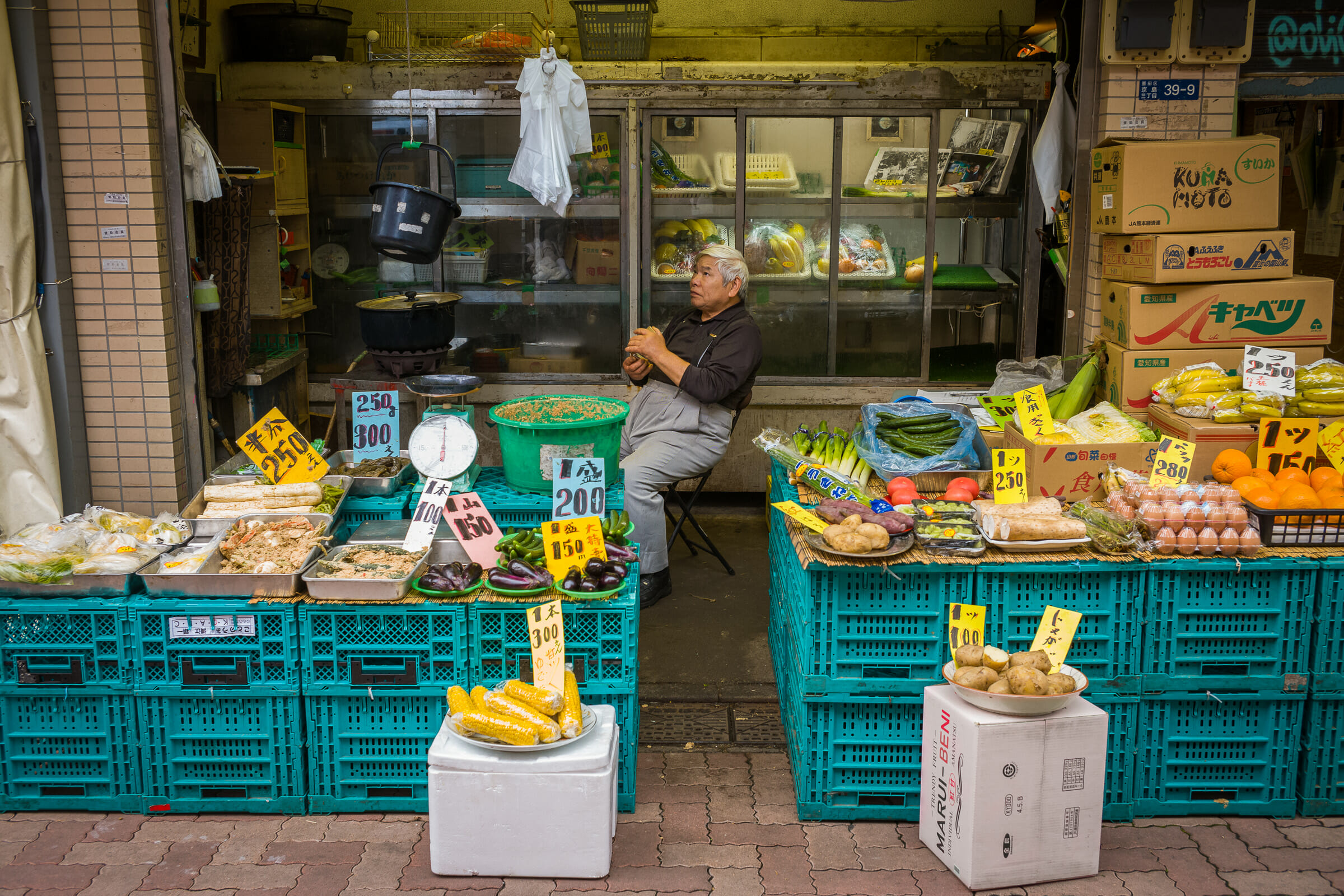
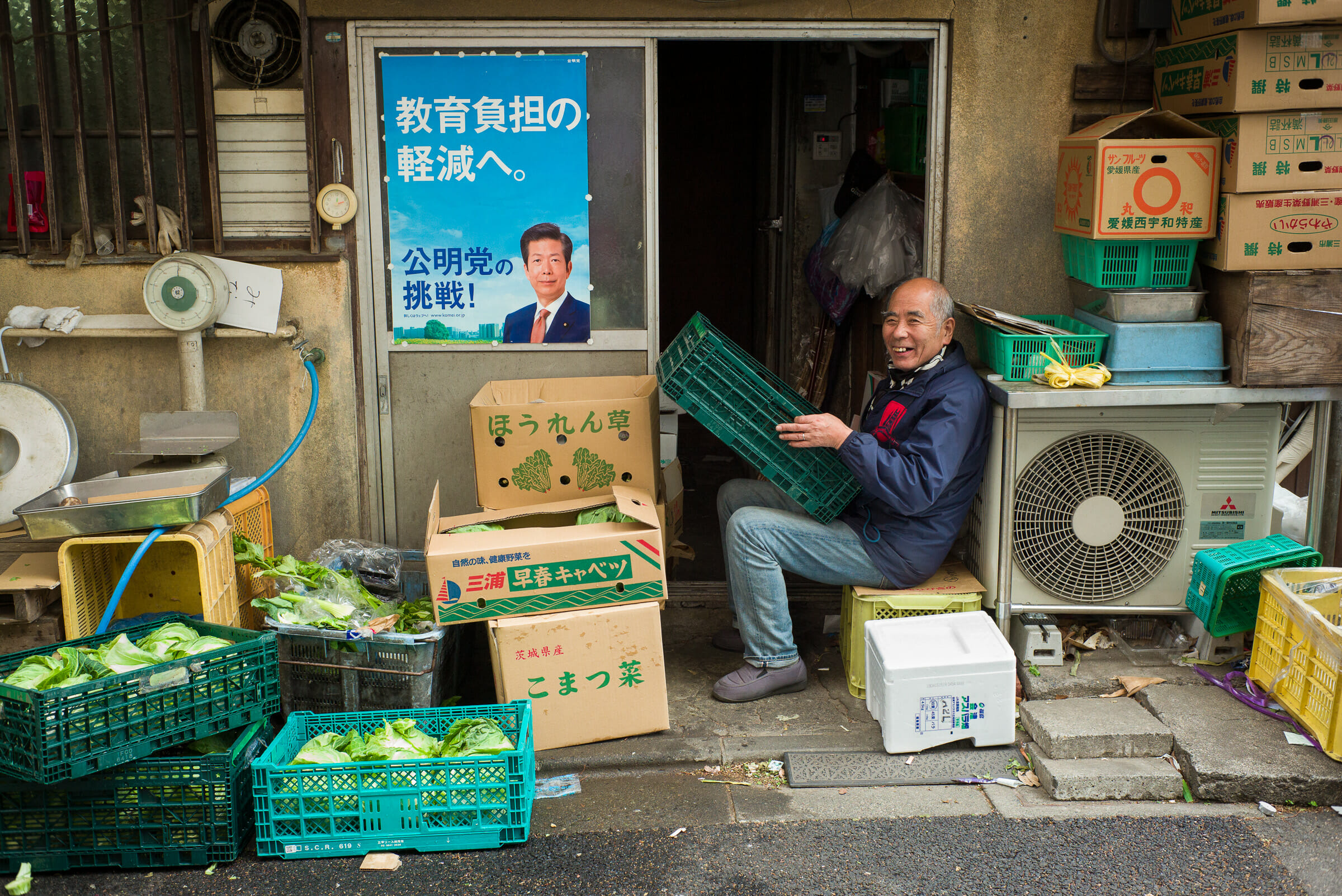
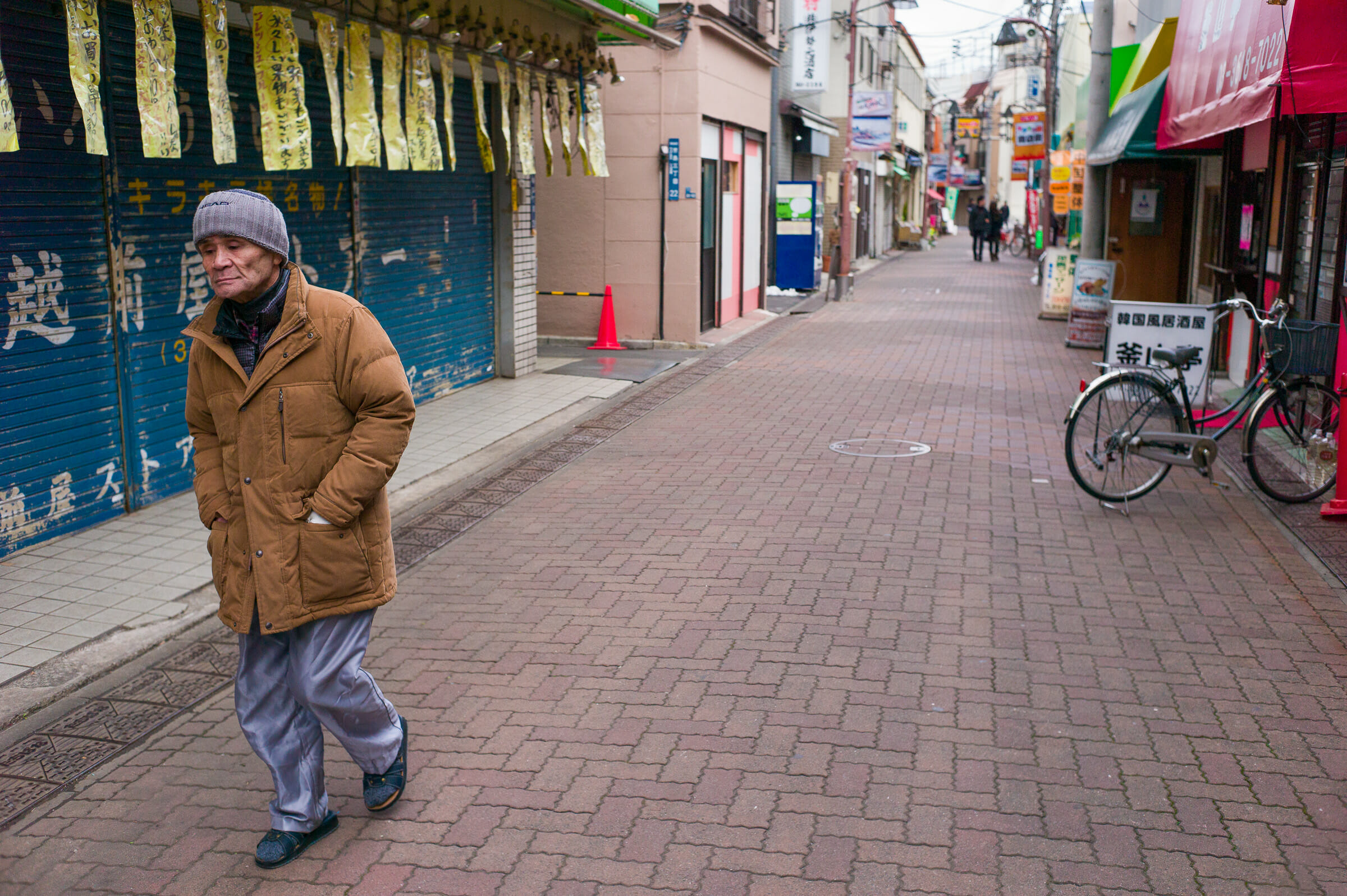
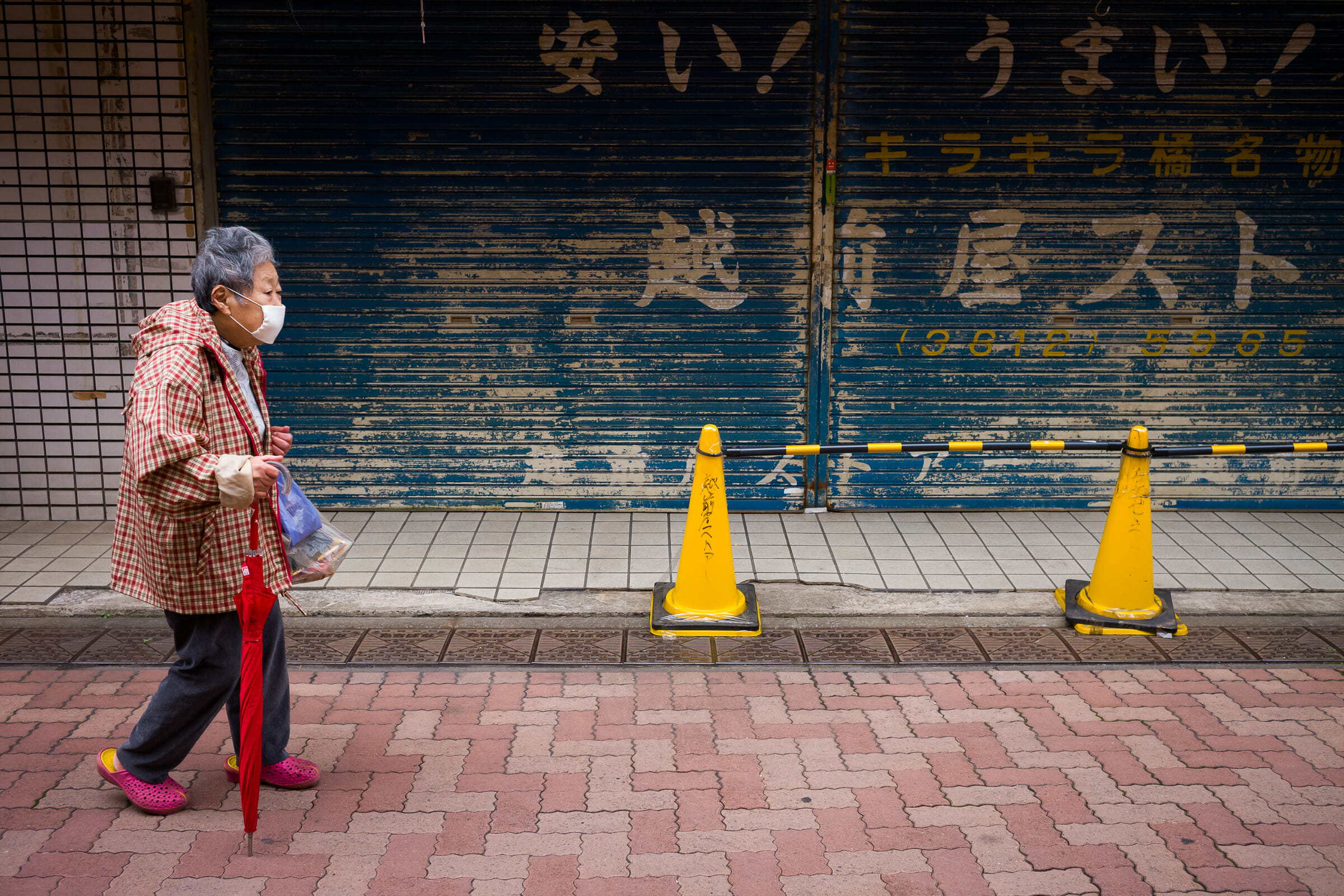
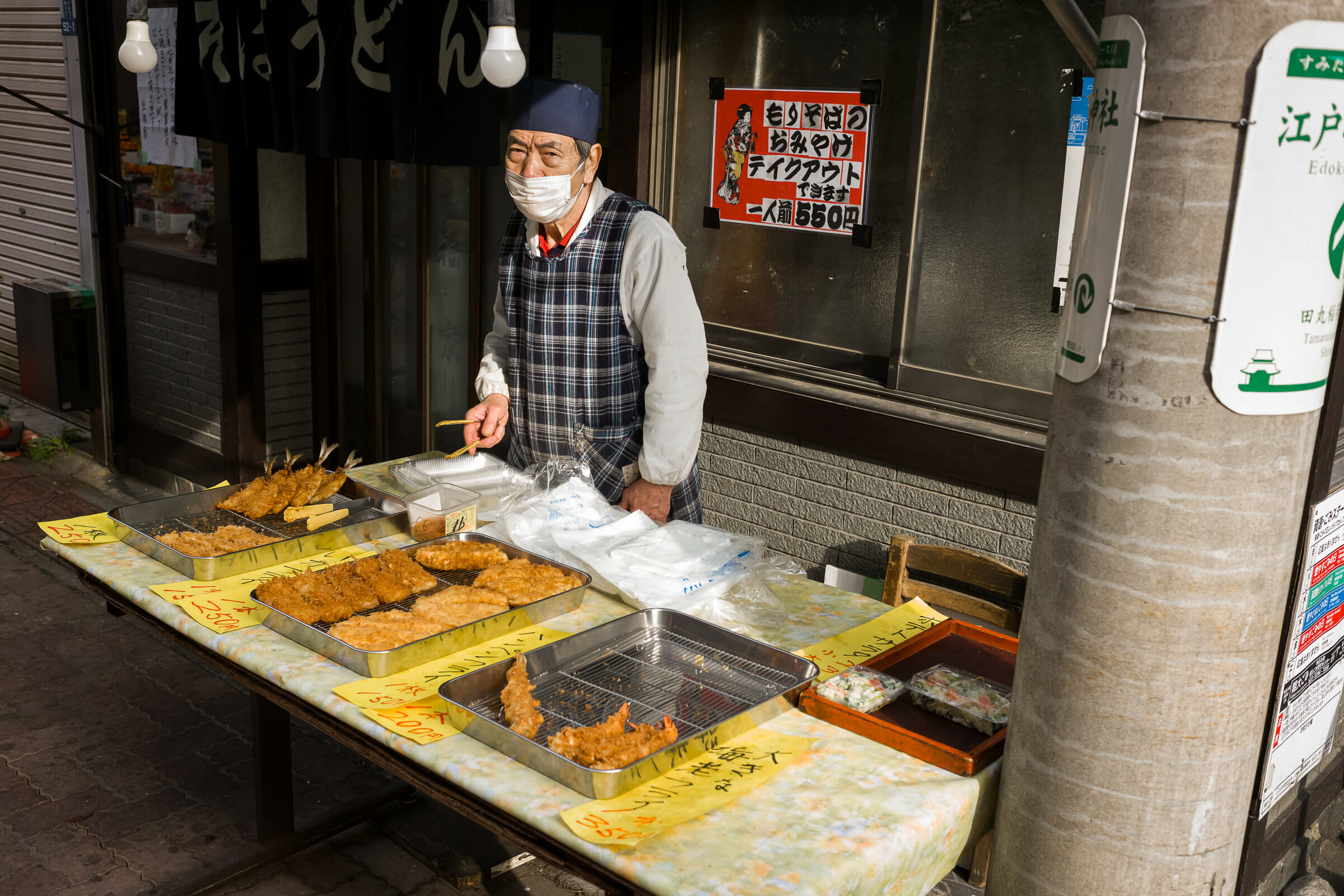
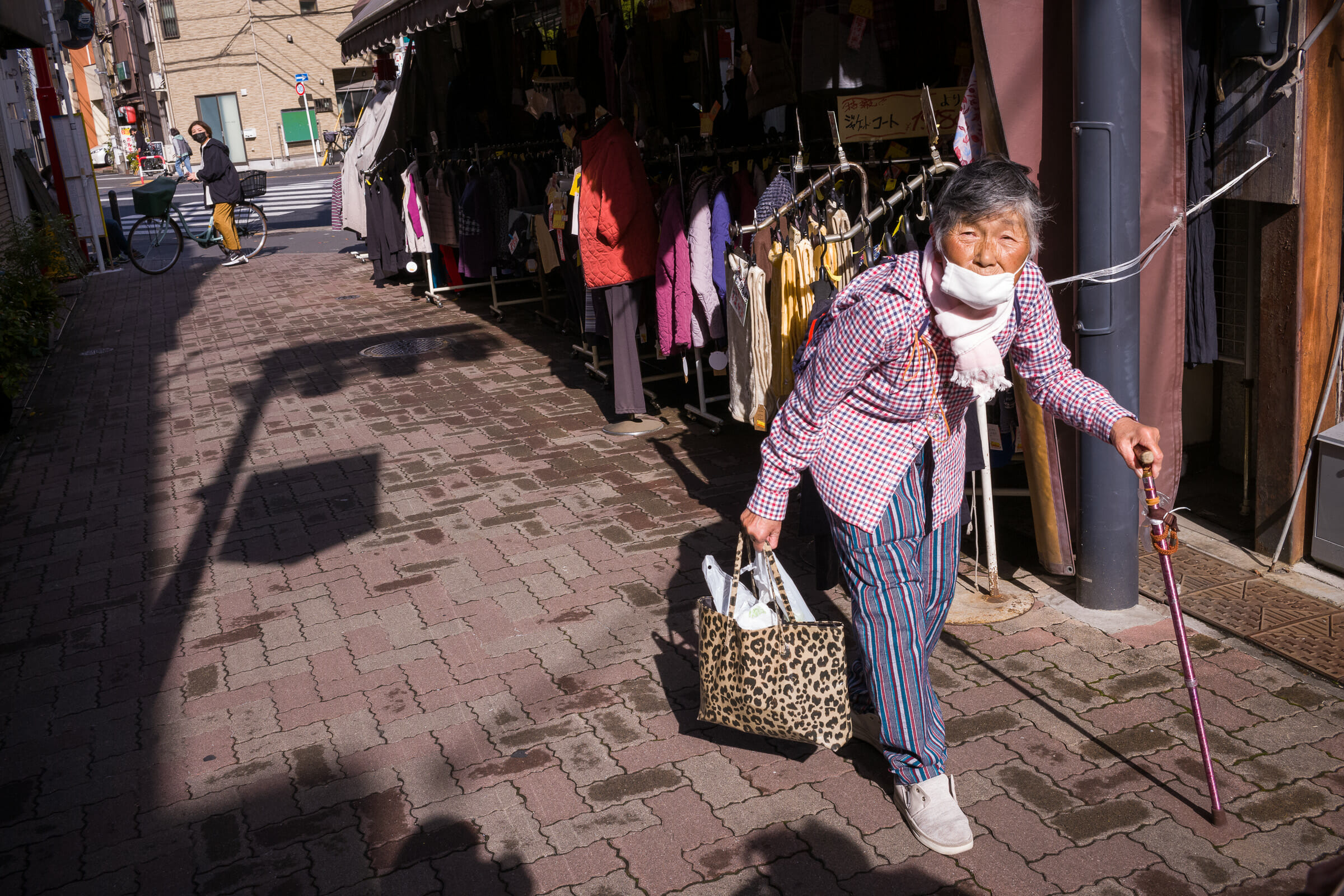
The life and times of an old Tokyo shopping street
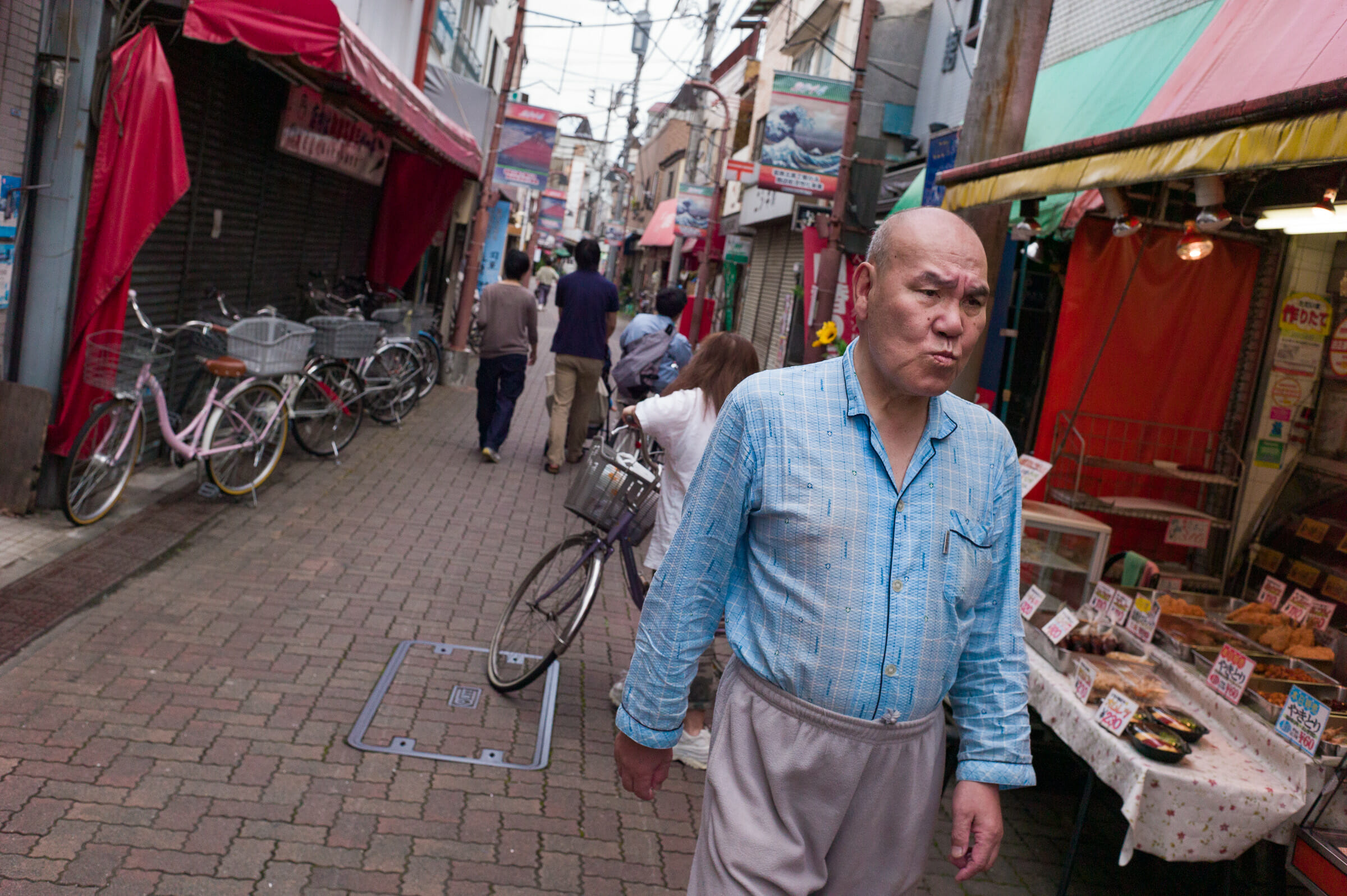
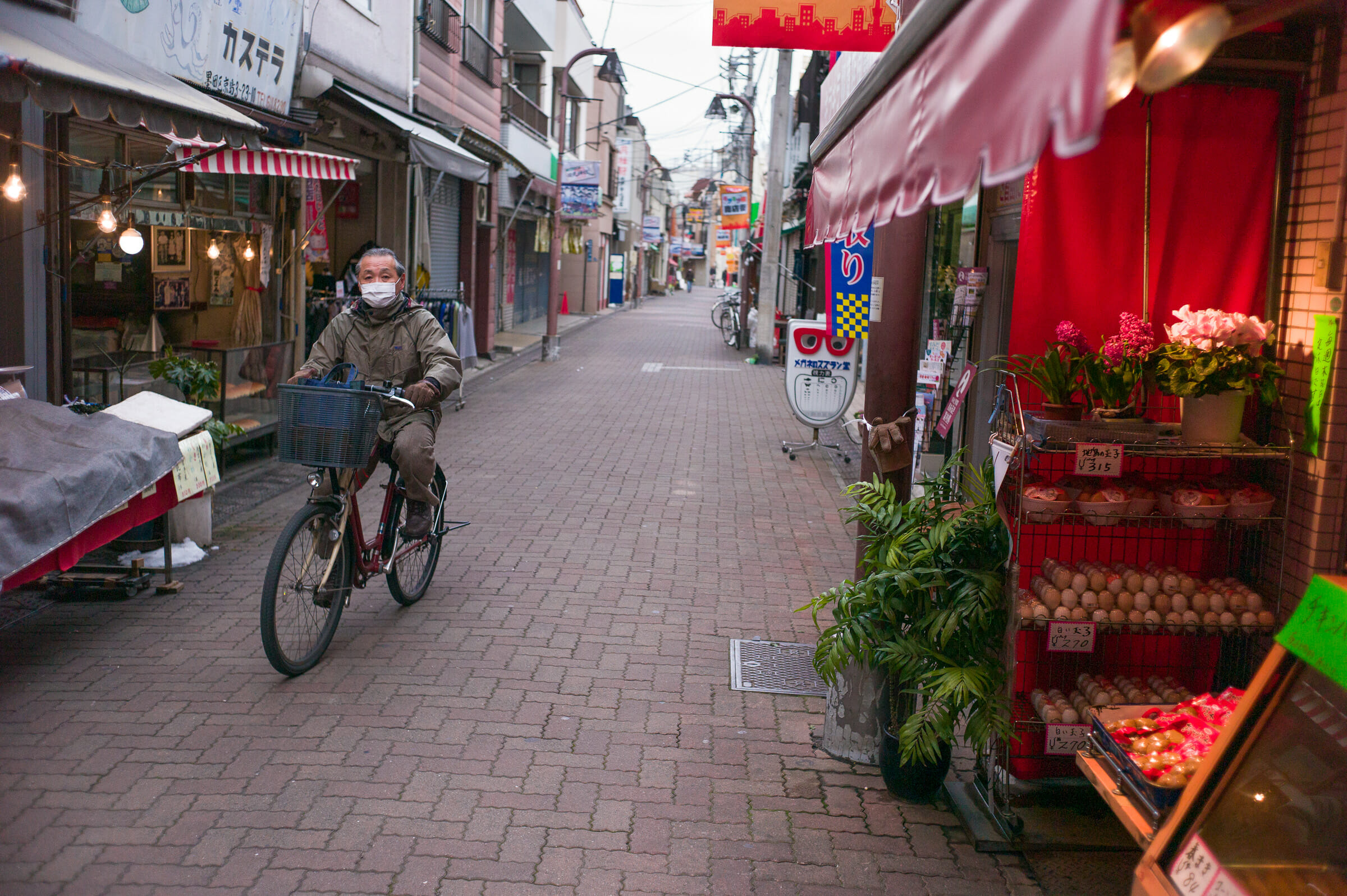
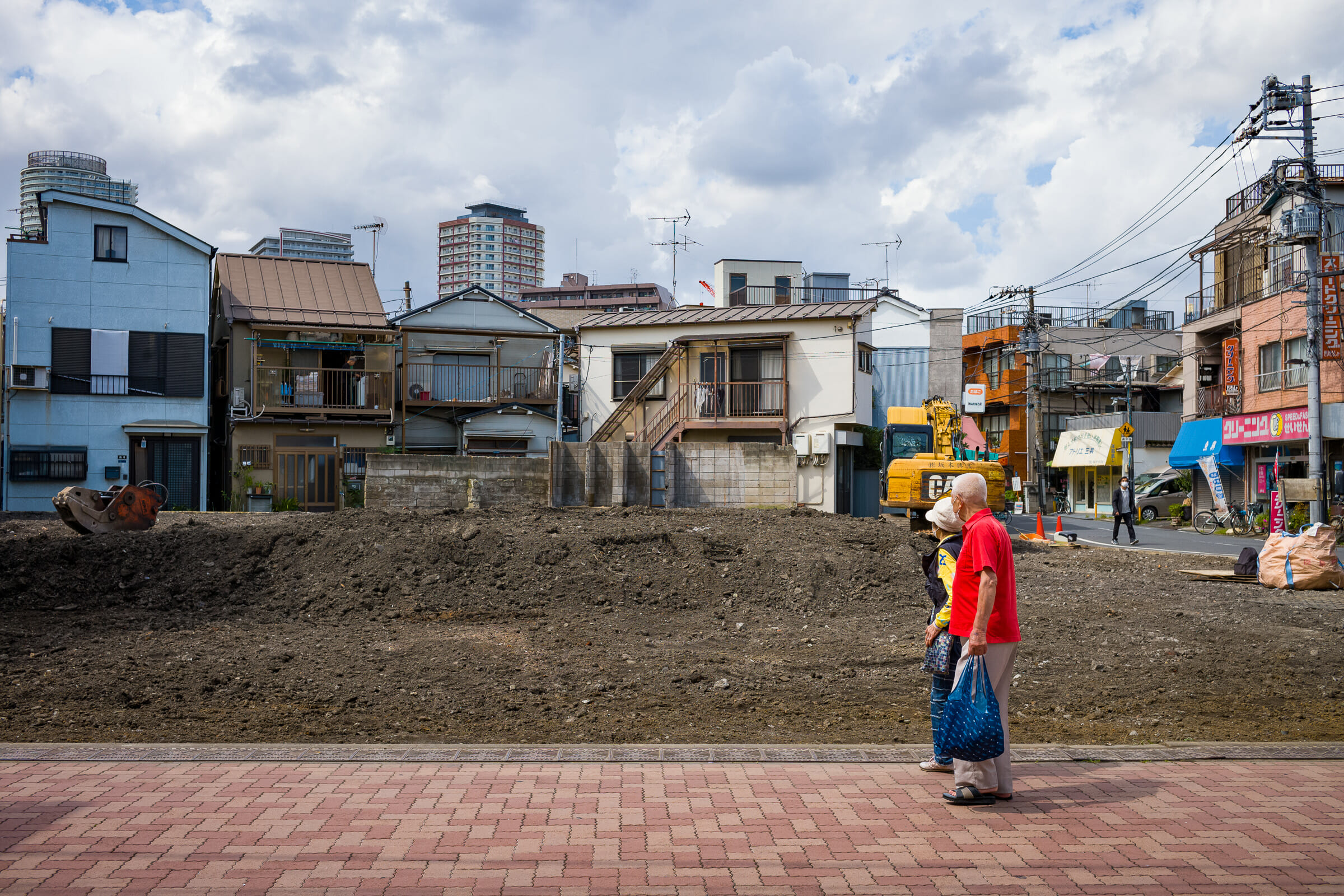
The best days of this old Tokyo shopping street are long gone. Back in the 1950s and 60s it was a bustling thoroughfare at the heart of the community, whereas these days it’s half shuttered up and a shiny new supermarket, which a whole host of buildings were demolished for, will likely cause even more closures.
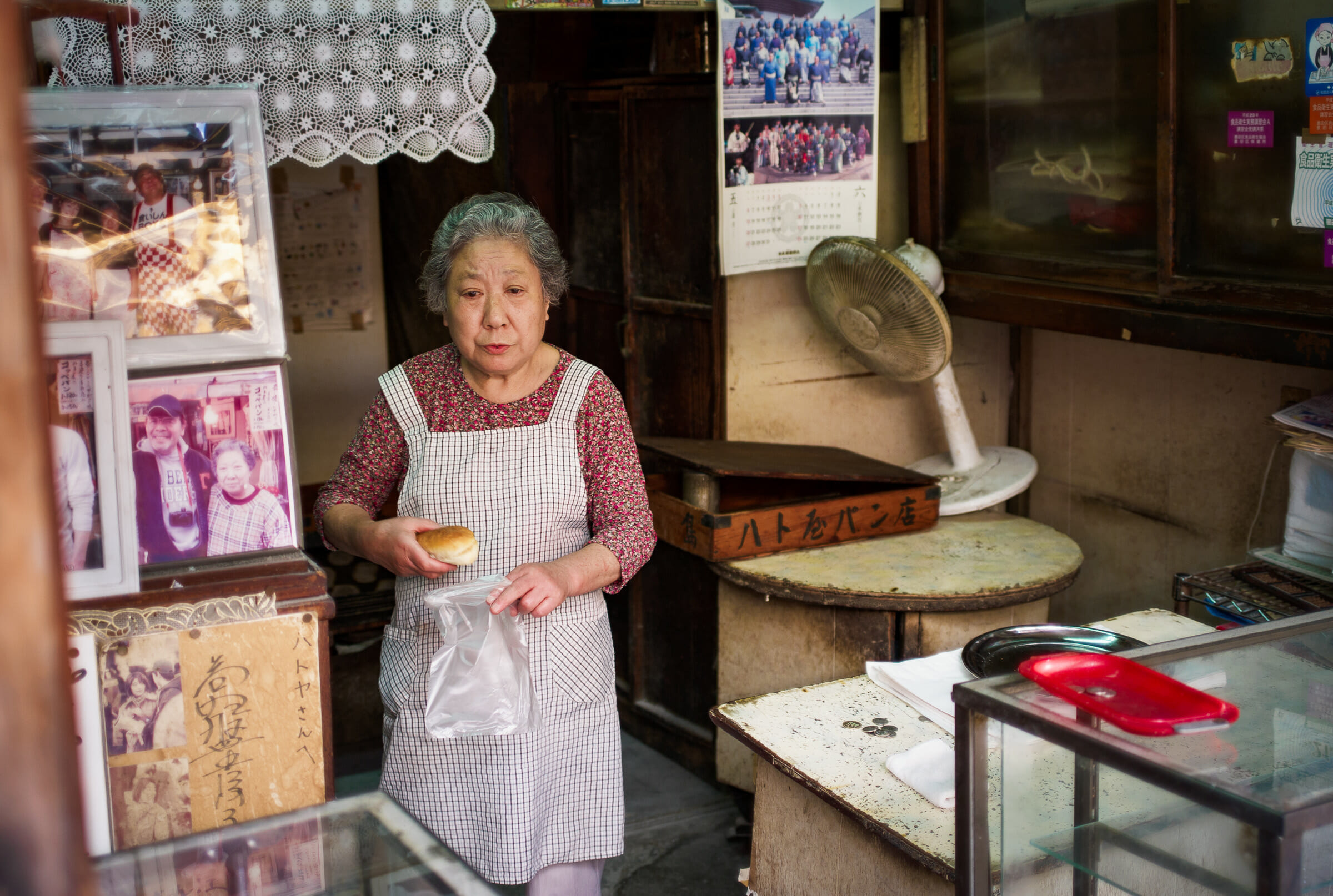
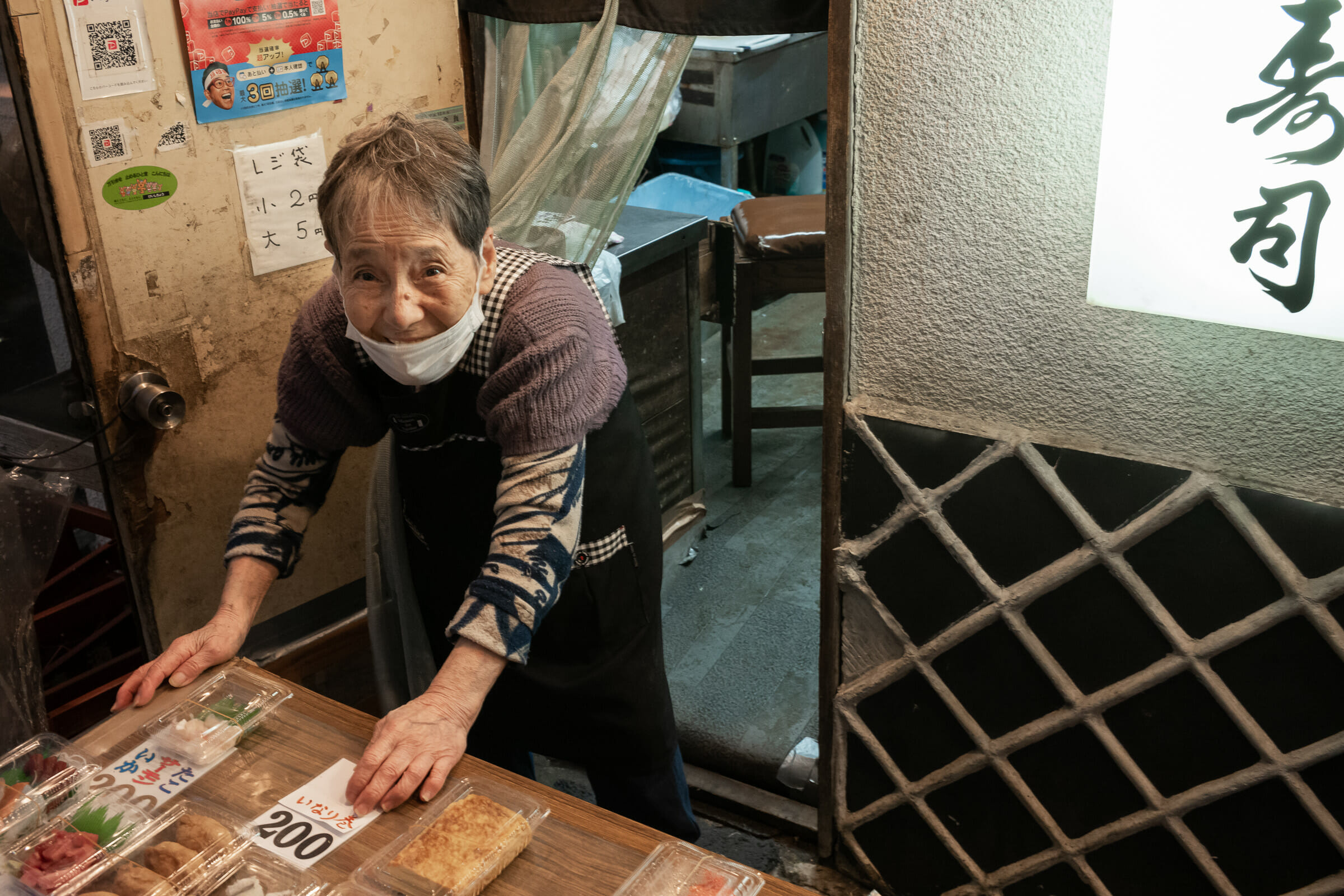
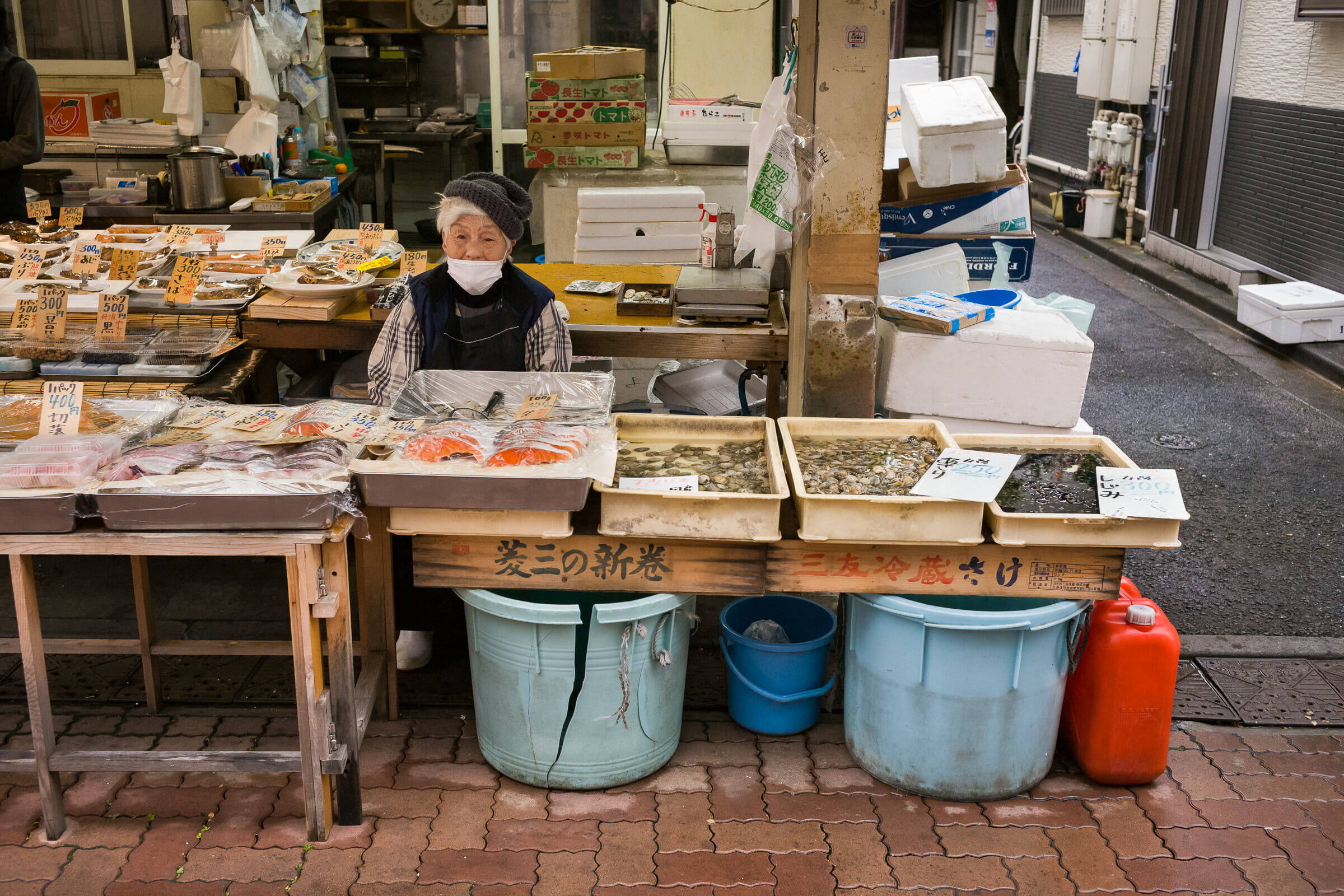
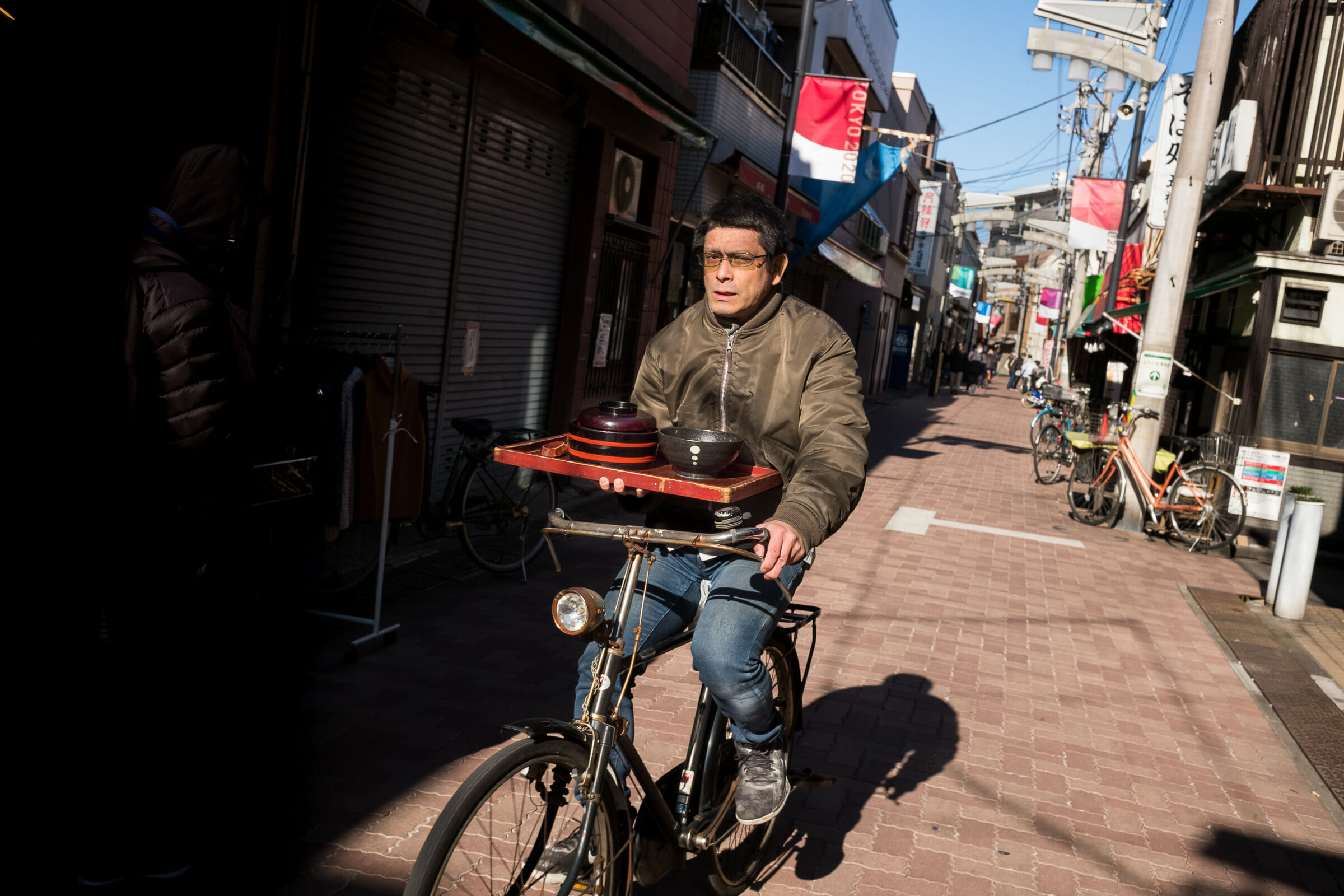
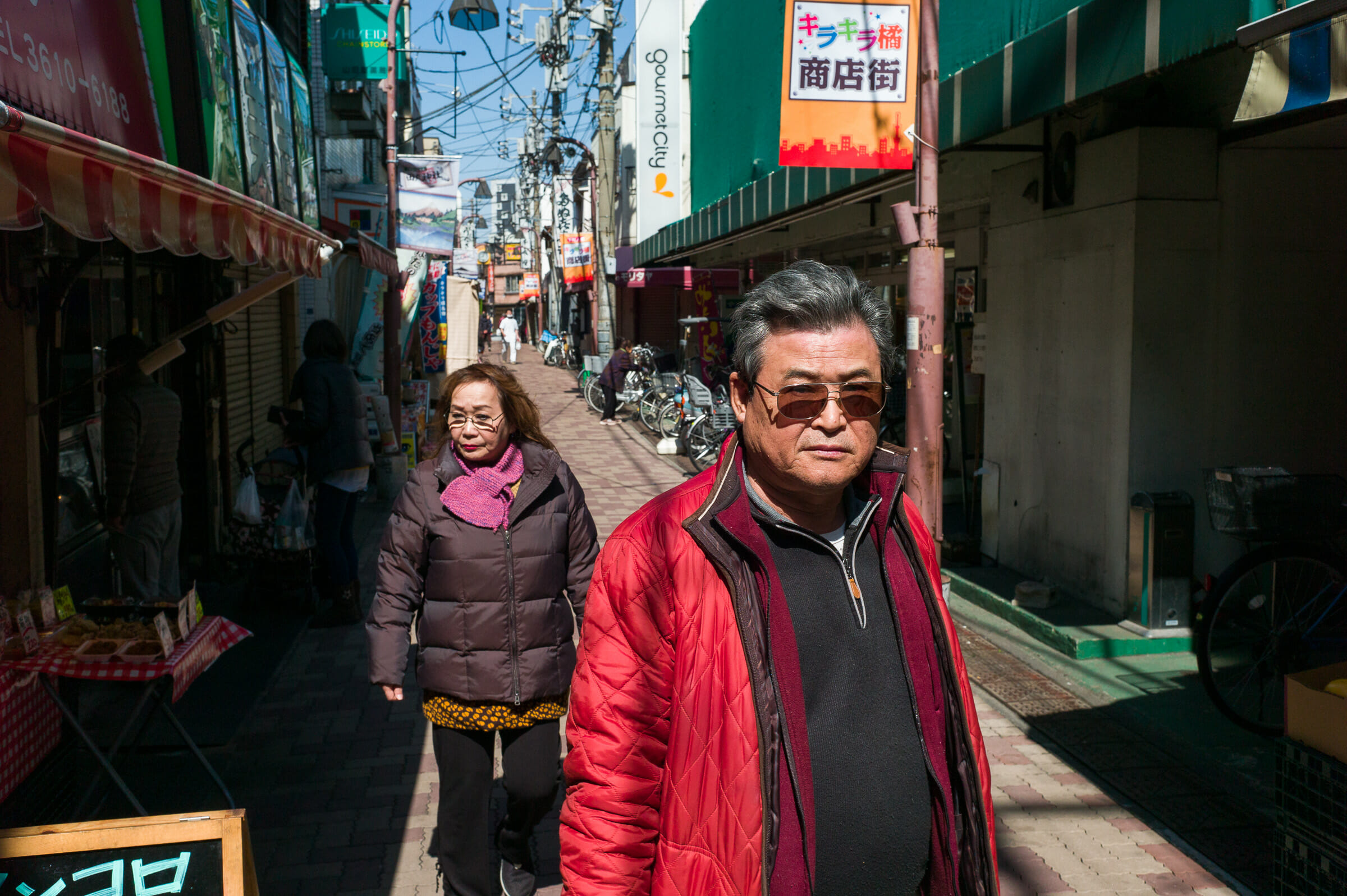
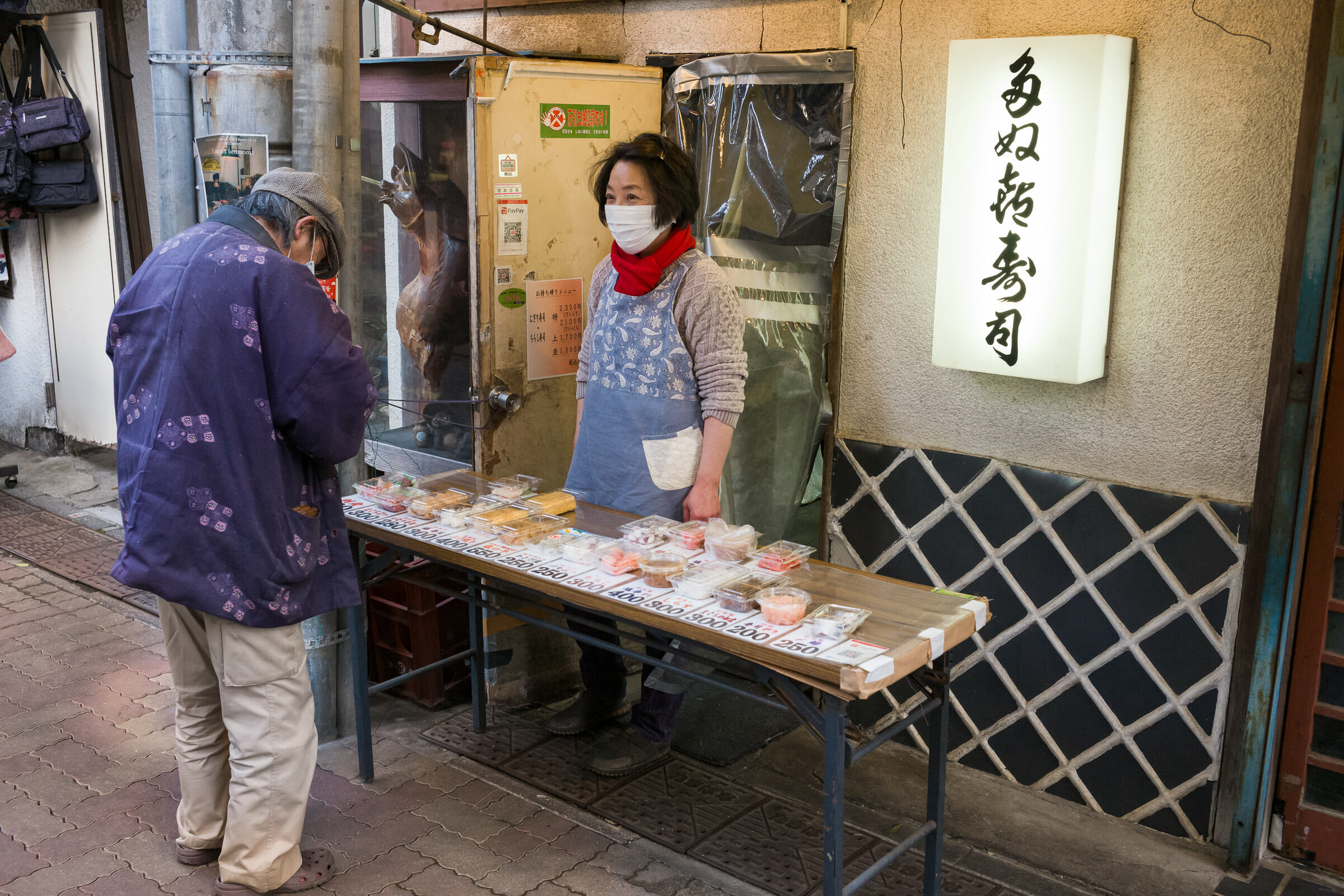
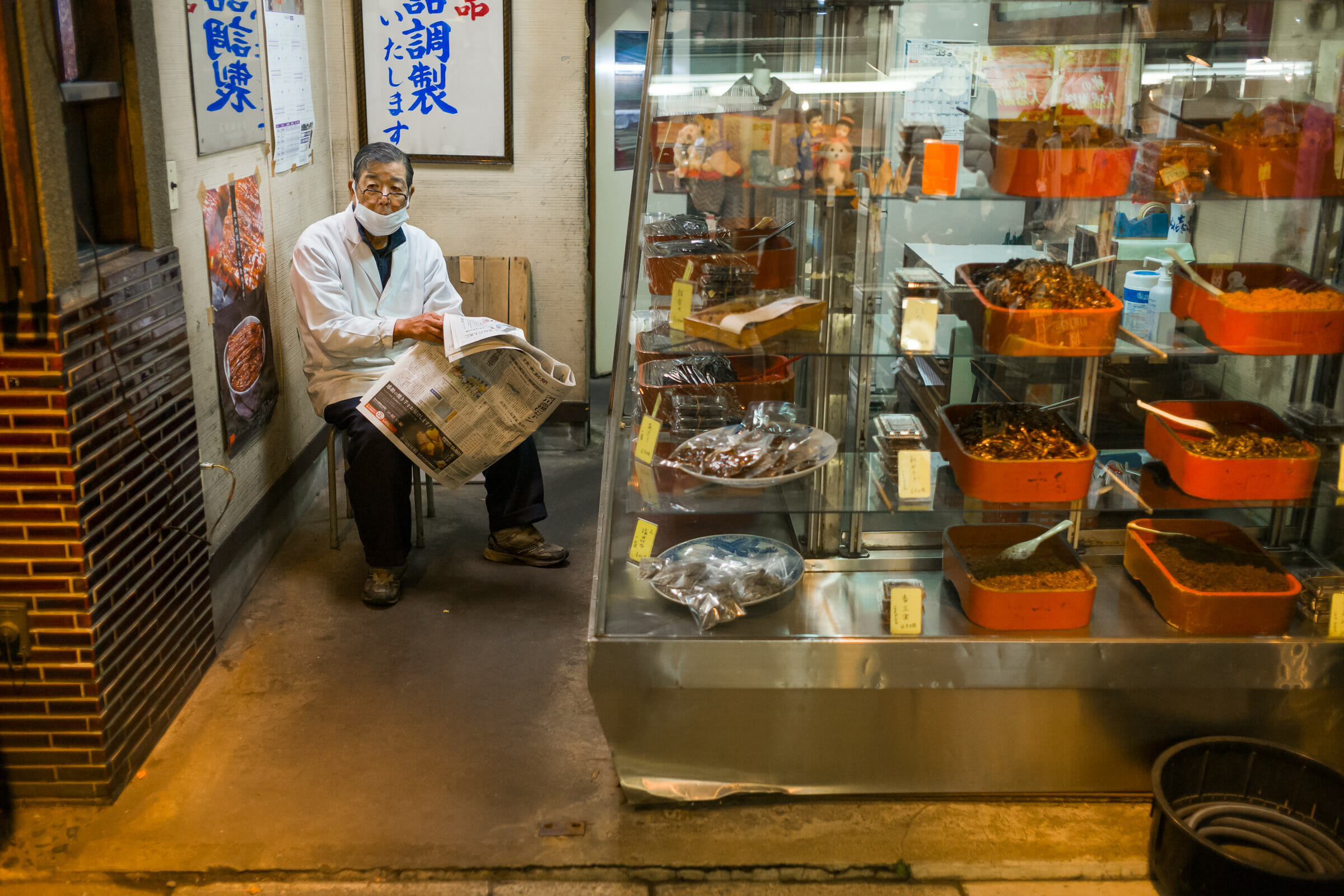
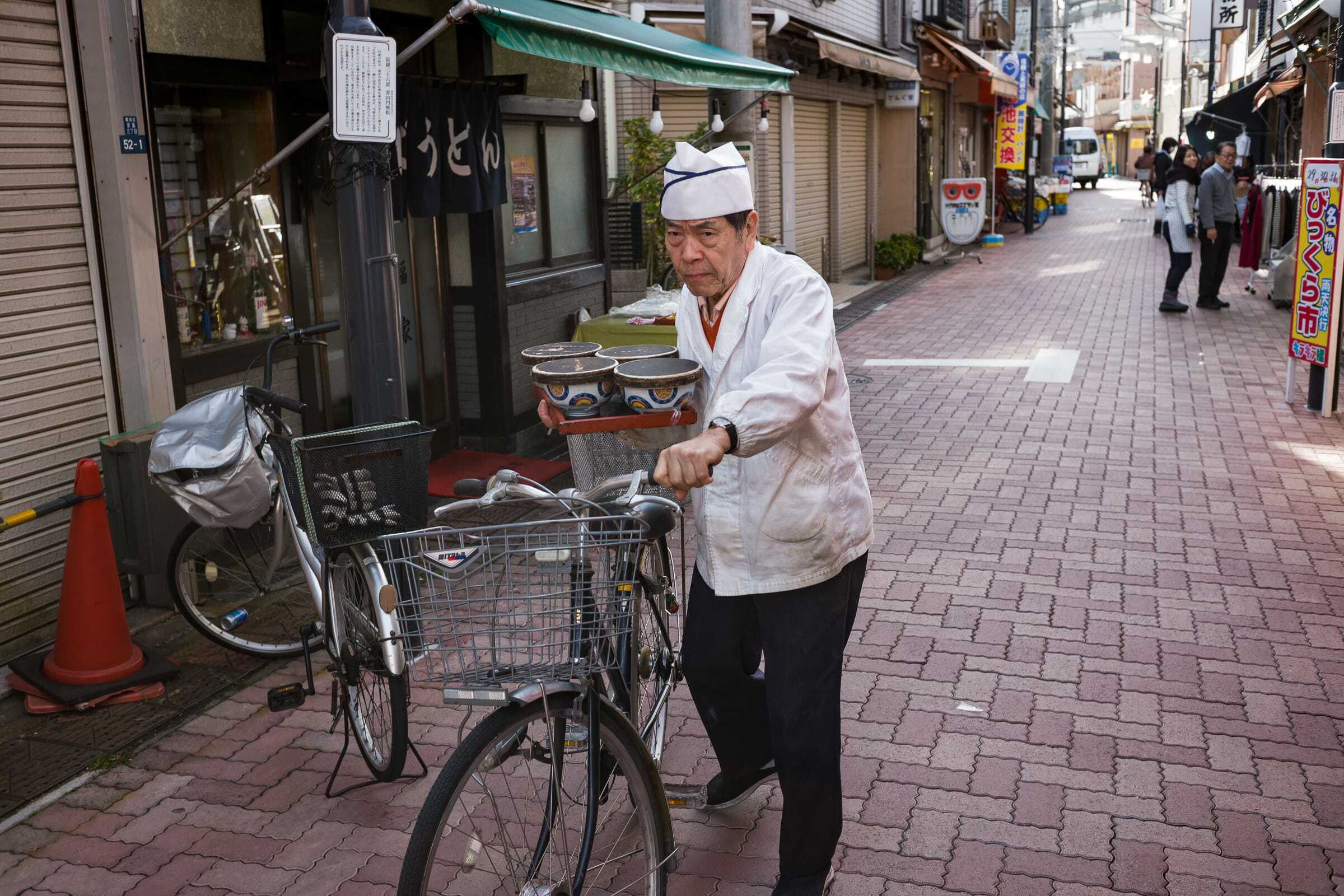
None of which, it has to be said, takes anything away from its unique and faded charm, so below are some of the people I’ve photographed along it. A mixture of business owners and local shoppers — some taken many years ago, with others very recent. Only one is an image that’s arguably strong enough to work by itself, but as a set I feel they do tell something of a story. A little snapshot over time of the life of the street, along with the lives that have made it so special.