• Skip to main content
  • Skip to footer

Tokyo Times

Photographs from a small group of islands

  • Photowalks
  • Portfolio
  • Book and Prints
  • Newsletter
  • About/Contact
  • Follow
    • Facebook
    • Instagram
    • Twitter
    • RSS

Lee

Feb 18 2013 14 Comments

Buddhist prayers under Tokyo train tracks

Buddhist monks praying and accepting donations aren’t uncommon sights on Tokyo’s streets. Men who, along with their commendable dedication, offer an interesting contrast to the fashion and modernity that mostly surrounds them. But by all accounts, not all of them are genuine, with the general consensus being that some are merely masquerading as monks to make some money.

This fella, however, would appear to be the real deal, as he has been praying under the tracks near Tokyo’s Ueno Station for years. A fascinatingly still and silent presence in a city that is anything but.
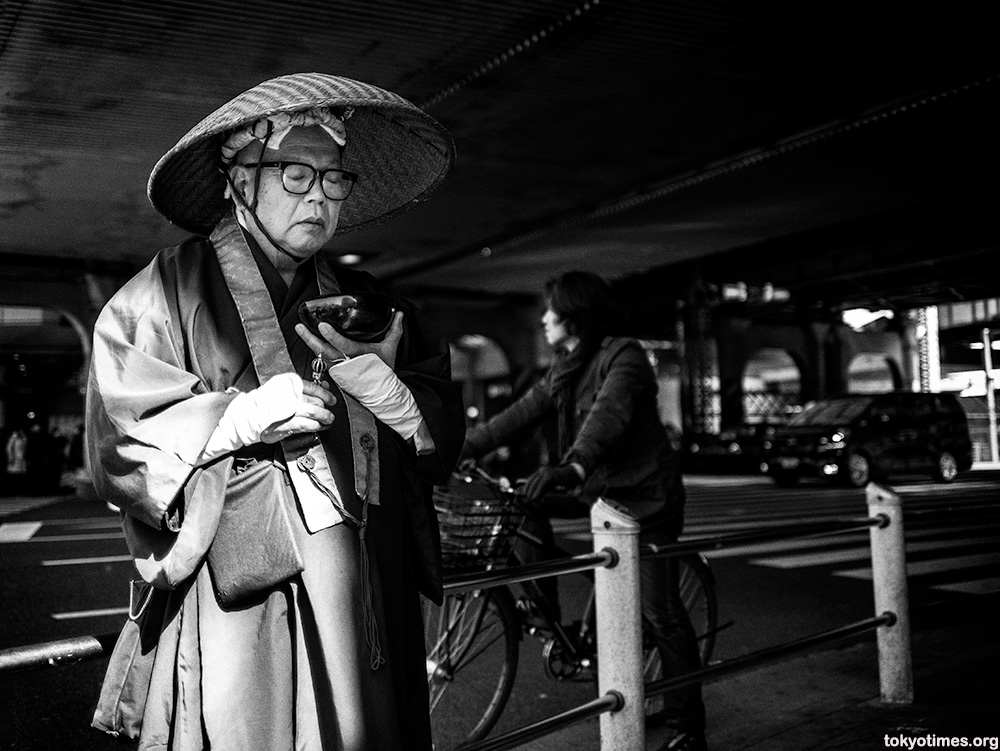
Japanese Buddhist monk in Tokyo

Categorized: Culture, Photography, Religion

Feb 15 2013 20 Comments

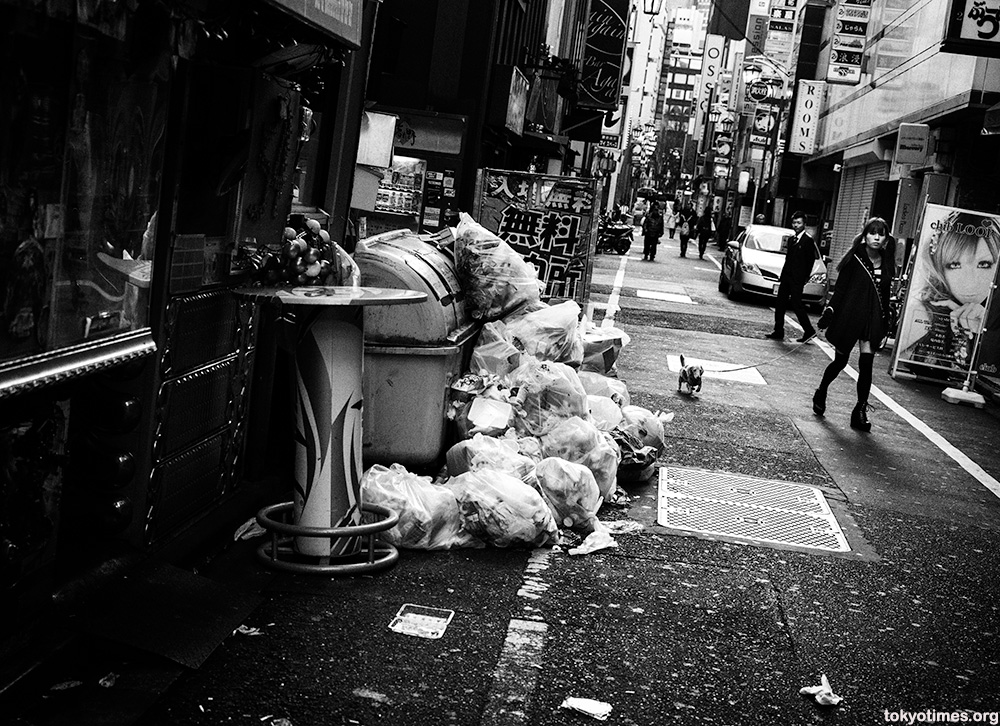
Squalid. Seedy. Simply wonderful, Shinjuku

Particularly during the day, when the distracting neon is dimmed, the dirty and not in the least glamorous underbelly of Shinjuku is there for all to see. The squalor. Sleazy touts. Its truly dizzying array of adult-related shops. And yet without them, Shinjuku would more than likely just be another drearily homogenised district, rather than the truly fascinating city it actually is.

Shinjuku

Categorized: Photography

Feb 14 2013 11 Comments

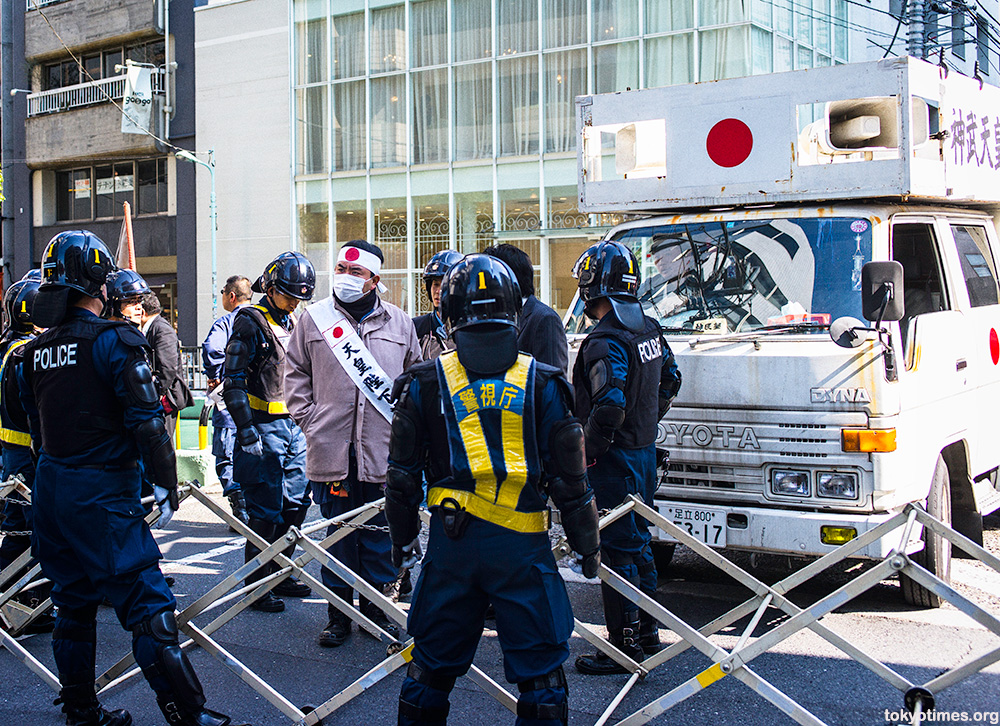
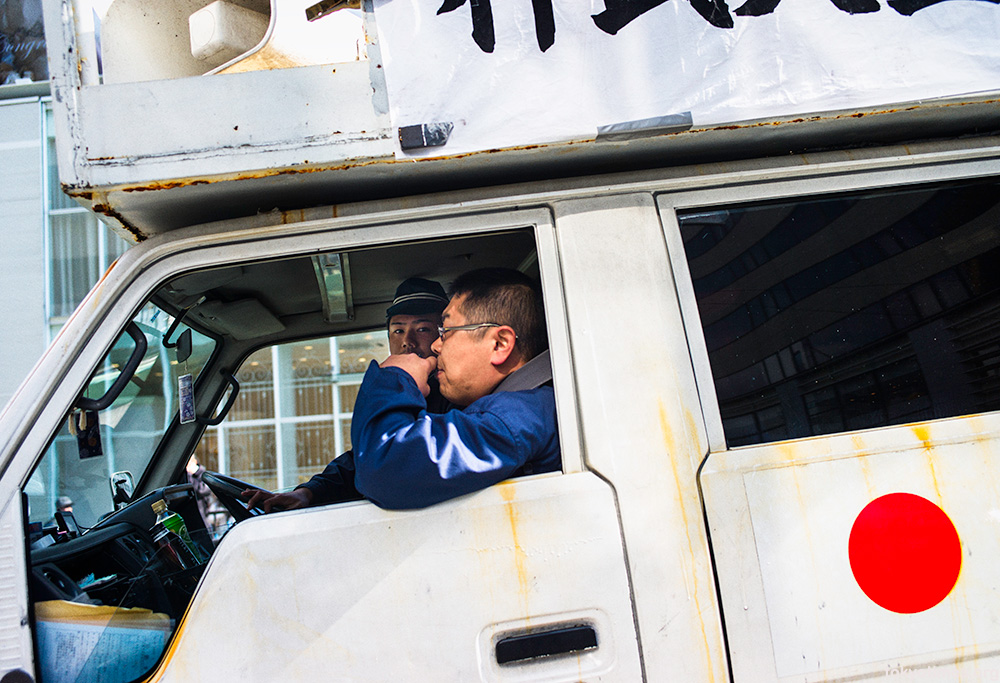
Japanese ultra-nationalists on National Foundation Day

For Japan’s small but extremely vocal number of ultra-nationalists, National Foundation Day (February 11) is like New Year, the brazen denial of war crimes and the birth of a male heir to the imperial throne all rolled into one. A day to angrily drive about, make as much noise as possible and dust off one’s flag emblazoned finery.

Japanese ultra-nationalists

Not to mention of course the very justified celebration of Japan’s wonderfully varied culture and history. Yet it’s a goal apparently best achieved by venomously deriding the wonderfully varied culture and history of many other countries. Or failing that, the simple dislike of anyone who doesn’t happen to be Japanese.

Japanese ultra-nationalists

Categorized: Photography

Feb 12 2013 53 Comments

The abandoned and beautiful home of a wealthy Japanese politician

Certain types of haikyo/abandoned buildings are relatively common in Japan. Schools for example, and especially hotels — the latter in particular sullying the landscape in countless recession hit resorts.

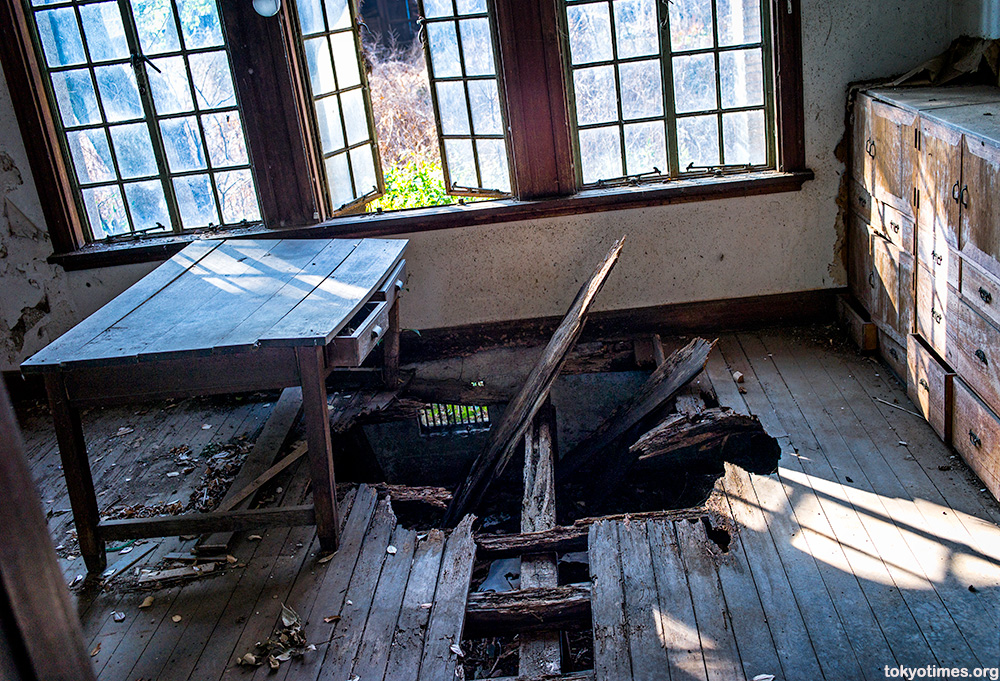
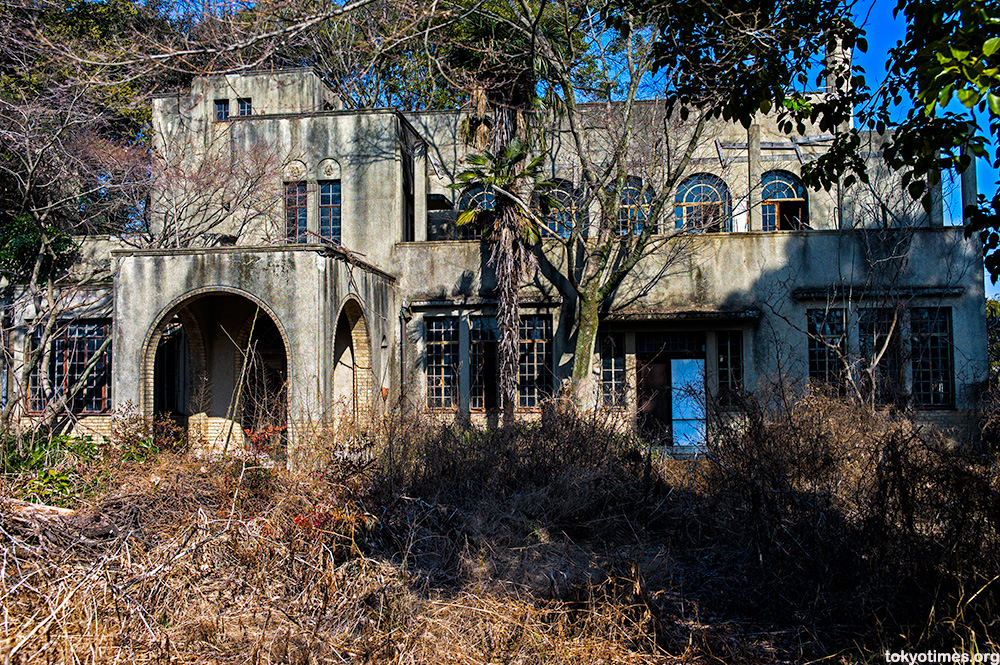
Huge houses that once belonged to wealthy politicians and social activists, however, are quite the opposite. Unheard of really. But tucked away behind a large wall, surrounded by grounds the size very rarely seen, is such a place. And what a place it is.

abandoned Japanese house

Built out of concrete way back in 1928, the house would have almost certainly been something special even if just a modest home, but, due to its sprawling nature and almost overt opulence, it must have been more akin to a modern marvel. Elements that even now, almost a century later and with the building in semi-ruins, are still very striking.

abandoned Japanese house

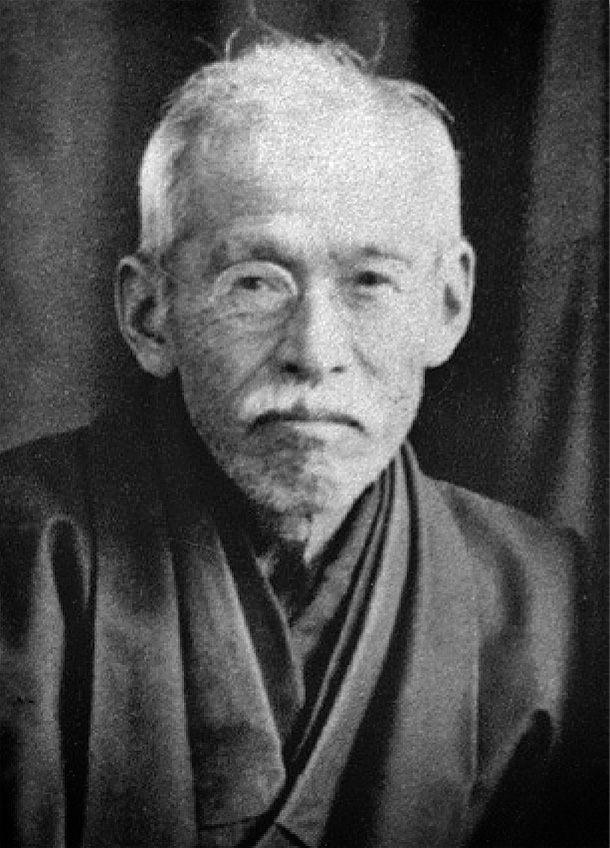
The owner of this incredible home was a certain Mr H. Born in 1861 into a wealthy family, he had a varied education and career. In his youth he studied Chinese literature and foreign languages, before being tutored by Nakae Chomin, a political theorist and early promoter of liberalism in Japan. These latter studies in particular had a huge influence on Mr H’s burgeoning writing career, which saw him published in numerous newspapers; the political nature of these articles securing him a position within the influential Freedom and People’s Rights Movement — a prominent group of the period that is credited with the eventual establishment of Japan’s first constitution in 1889.

abandoned Japanese house

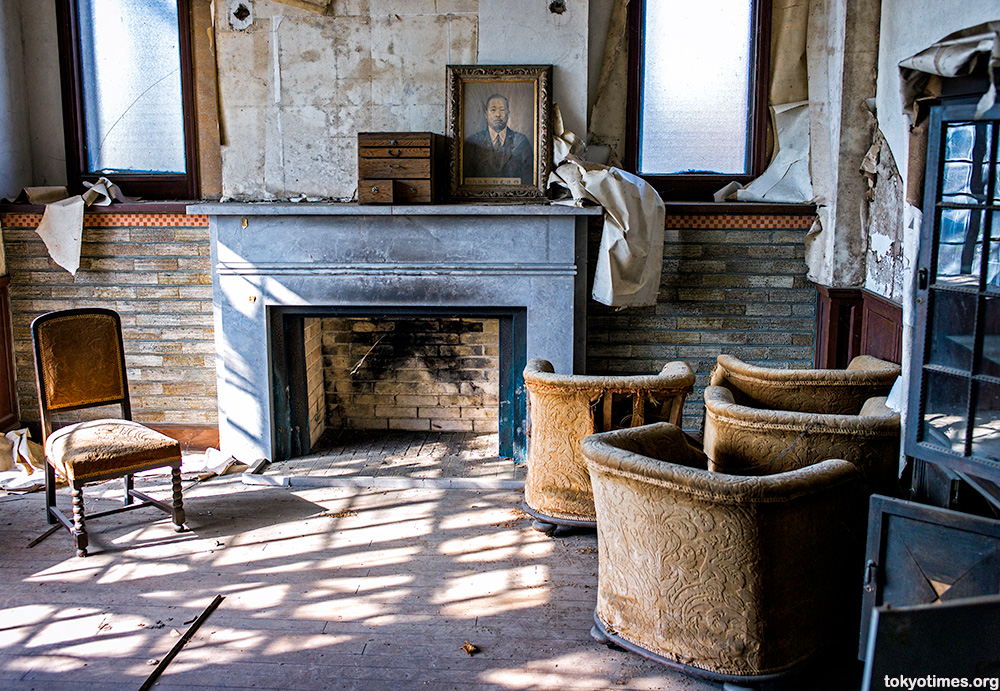
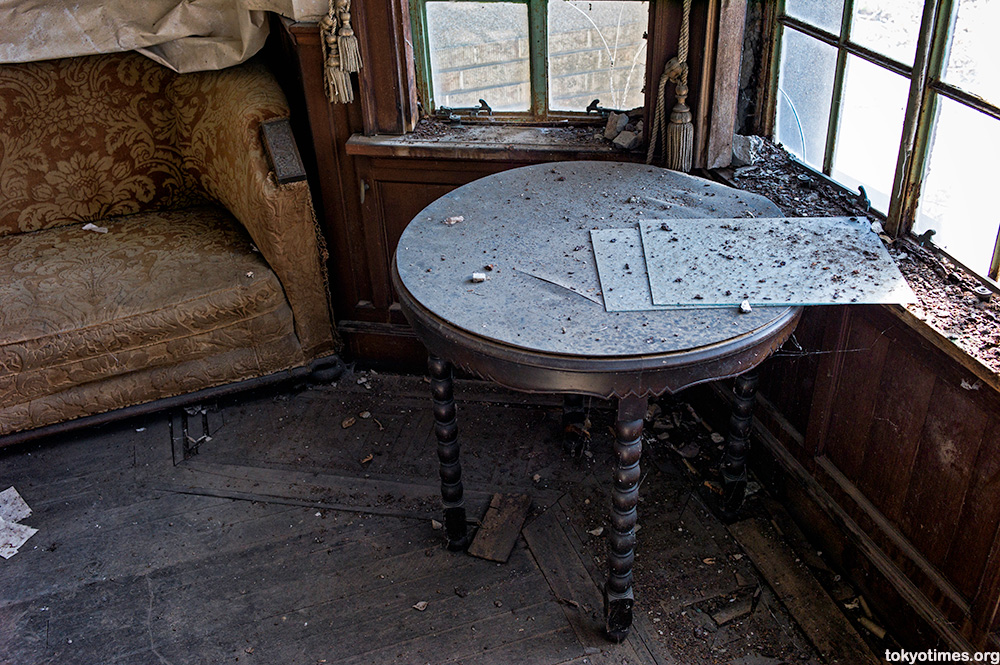
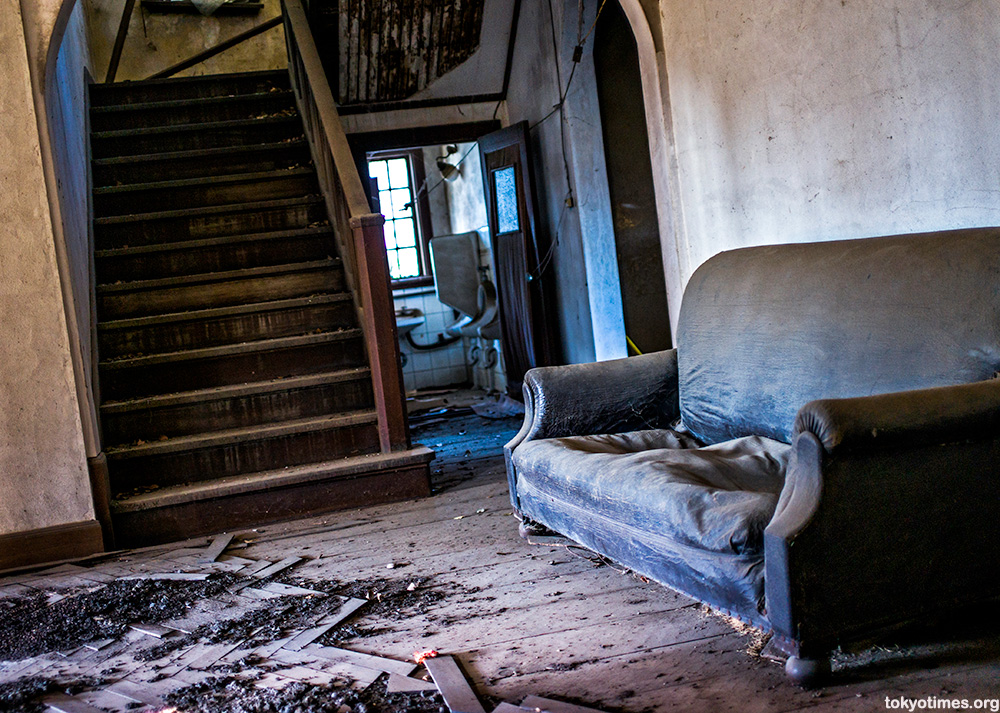
This focus and belief then took a further turn in 1894 when Mr H entered national politics; his successful role in the then recently created Diet continuing until 1915. A job and stature that no doubt saw the house he had built entertain a large and influential number of guests, both in the very impressive living room.

abandoned Japanese house

abandoned Japanese house

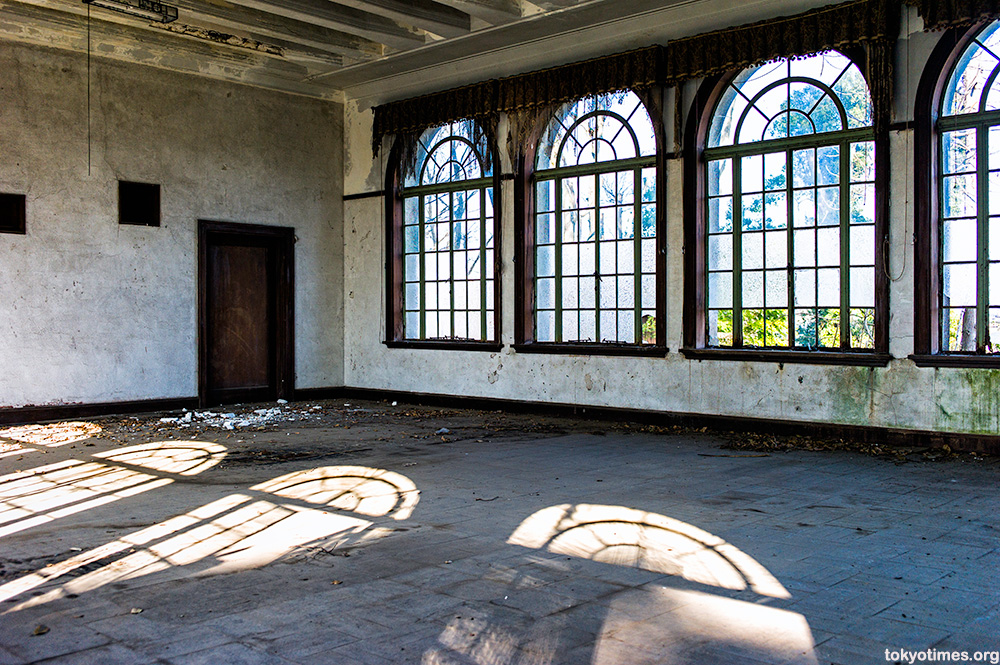
And in the ballroom-like grandeur of the second floor.

abandoned Japanese house

Needless to say, a building on this scale is a rarity of sorts anywhere in the world, but to find one in Japan really is something special — even more so for it to be long abandoned and left to the elements. Yet unlike many crumbling structures, it’s an absolute joy to walk around. Plus despite the decay, there’s none of the bleakness that often pervades such exploration.

abandoned Japanese house

Instead, there’s a strangely welcoming, relaxed vibe about the place.

abandoned Japanese house

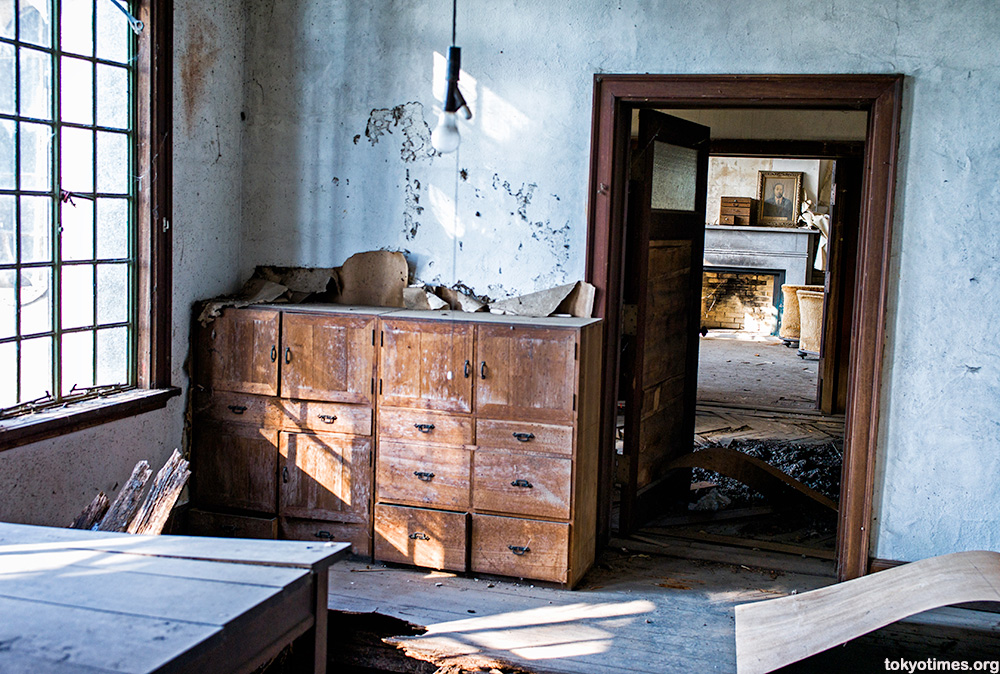
Light, airy rooms offering glimpses of other parts of the house.

abandoned Japanese house

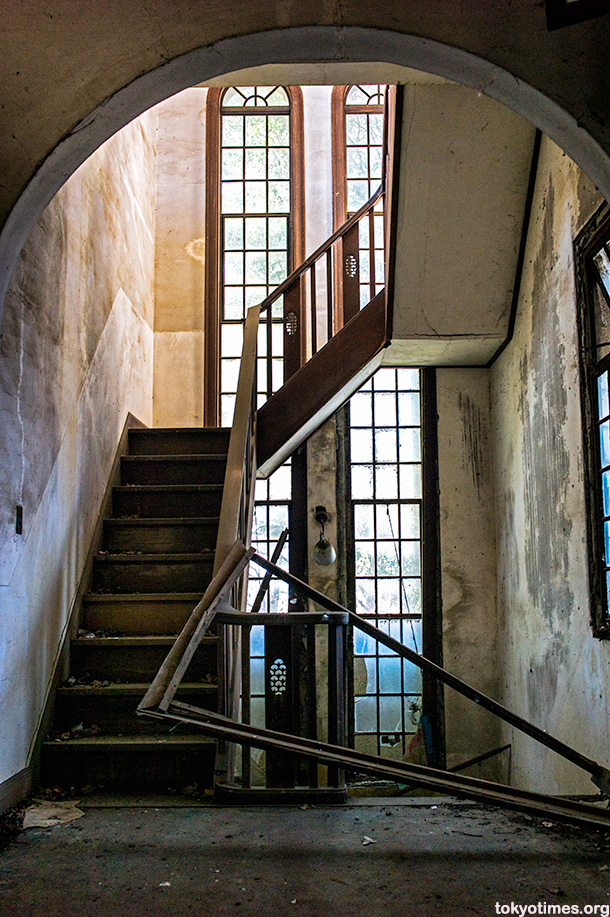
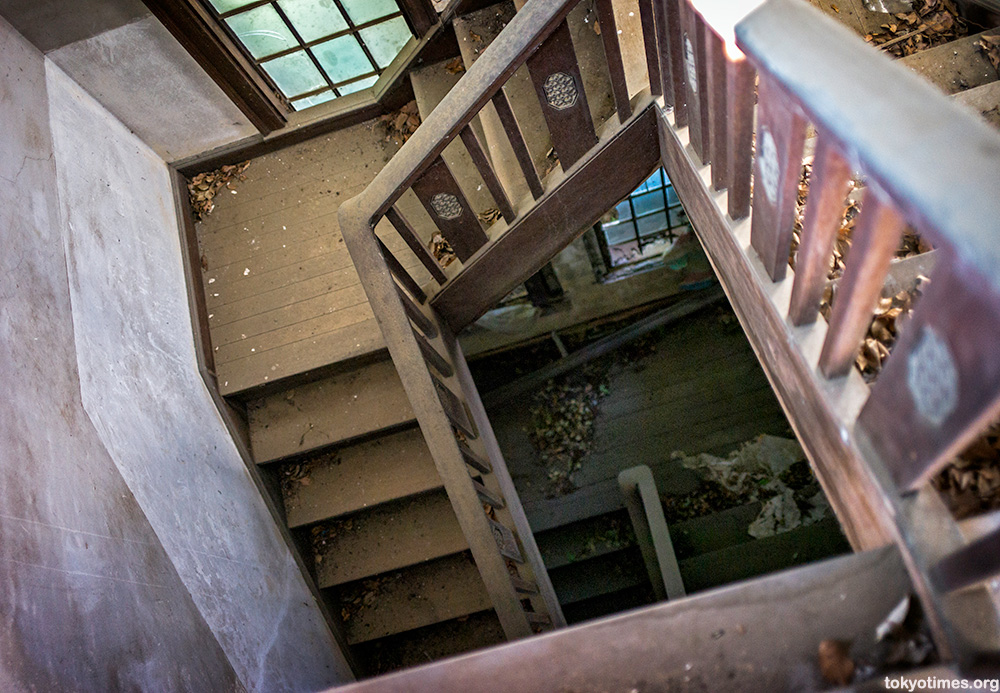
Along with a staircase that wouldn’t look out of place in an English stately home.

abandoned Japanese house

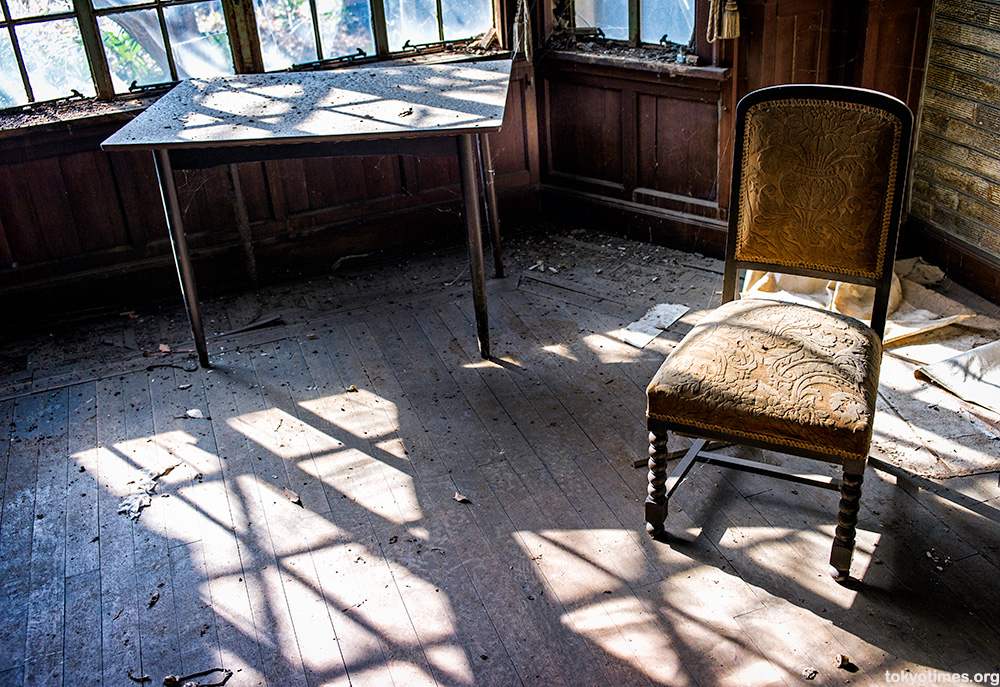
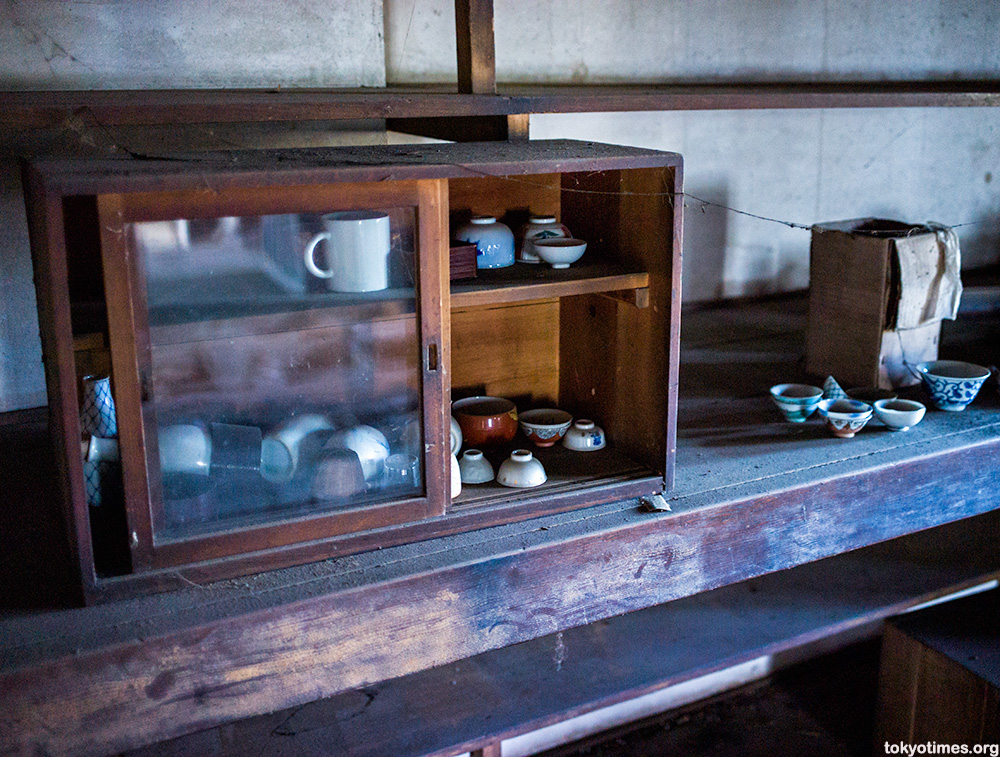
Plus while relatively empty, there are still a few personal items left behind. A good selection of sake cups.

abandoned Japanese house

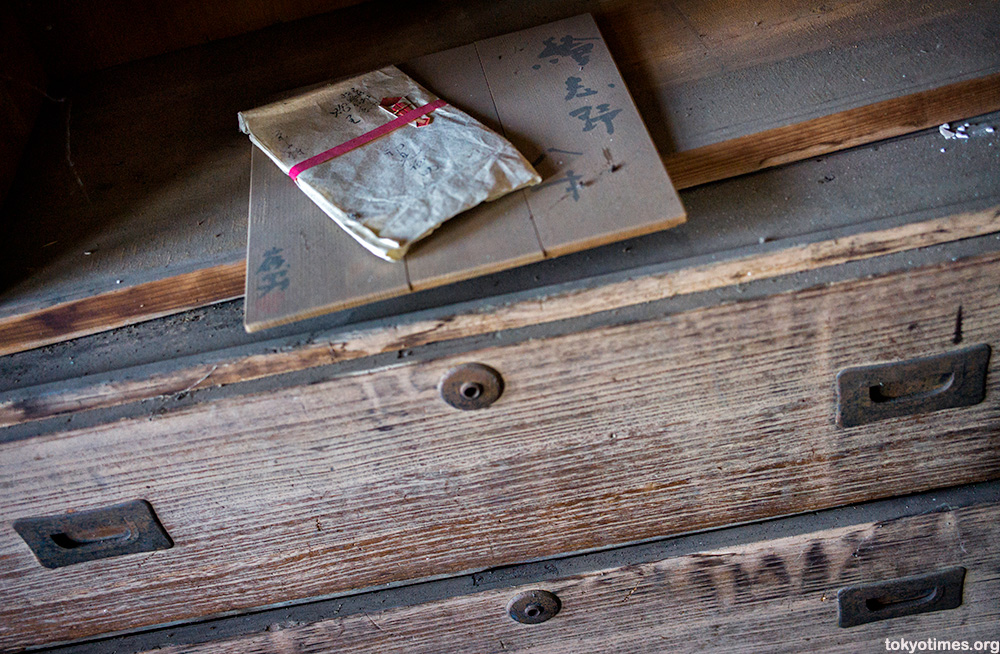
Some rather ornate paperwork.

abandoned Japanese house

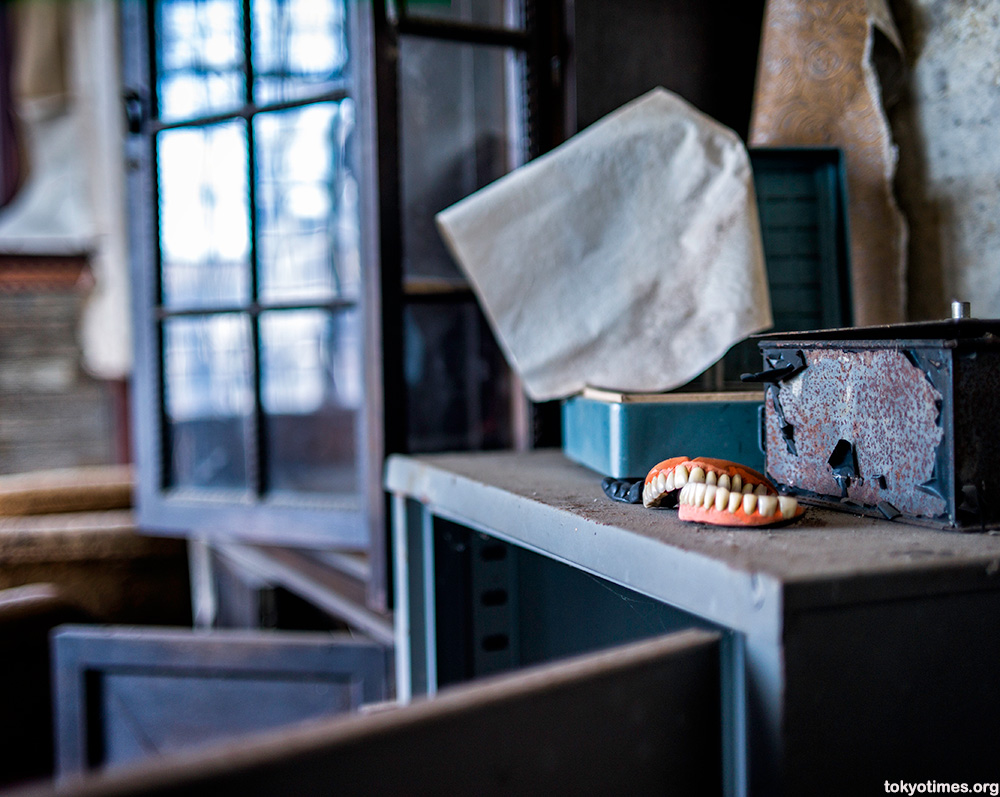
And somewhat startlingly, a pair of false teeth.

abandoned Japanese house

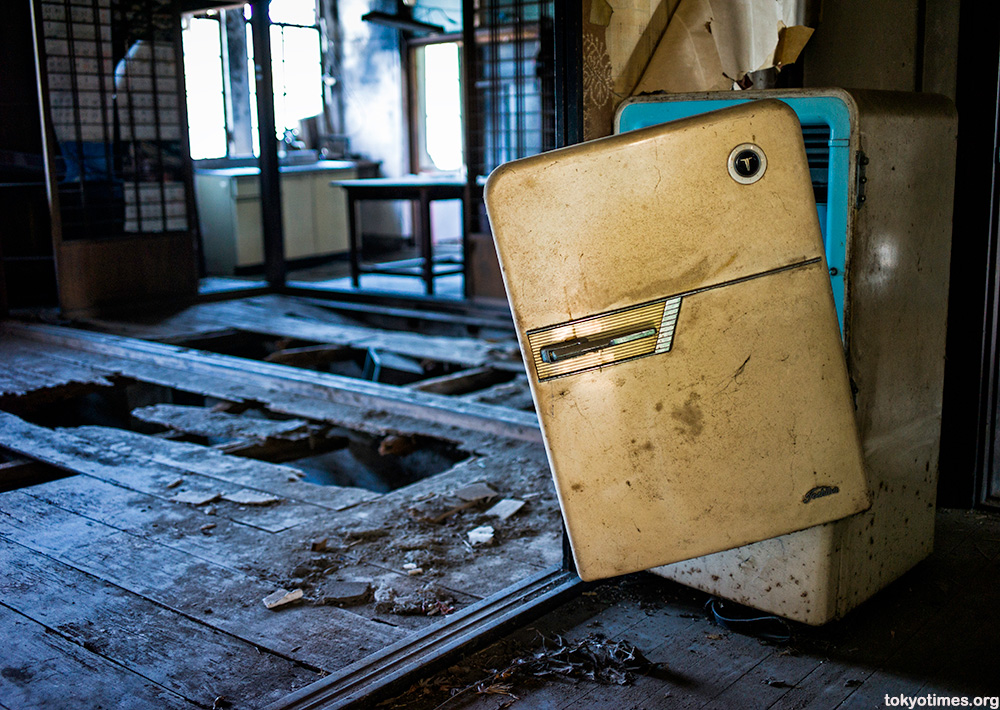
Left behind technology also gives us an indication as to when the house was in use.

abandoned Japanese house

Along with when it was possibly vacated.

abandoned Japanese house

Yet like most haikyo there’s an element of mystery, as despite owning the house, Mr H may never have actually lived there — or at least not for any extended period of time. This is because records show he moved to Kamakura (a considerable distance away) in 1906; living out his days there until he died in 1930, just two years after the house was built.

In many ways this leaves the purpose of the building unclear. Was it a gift of sorts to his former constituency, an area in whose development he played a major role? A base for political events or meetings perhaps? Or simply a grand second home that would double as a legacy for his family?

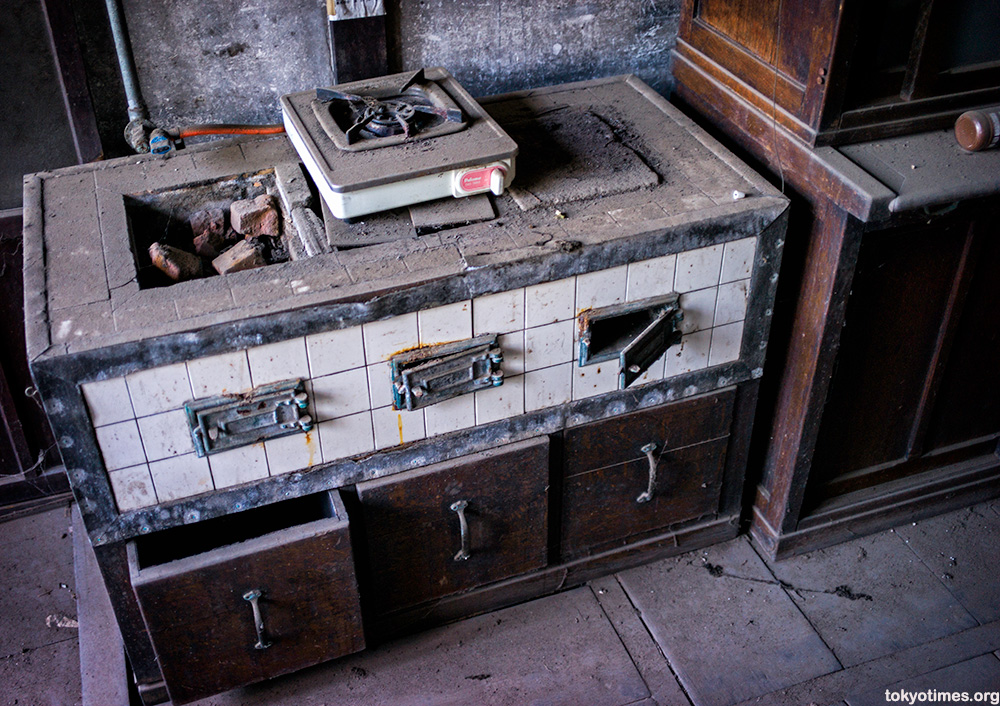
These are questions we may never find the answers to, but in regards to the current, increasingly dilapidated nature of the house, there are a few hints about its untimely demise. Repairs done here and there with nothing more than bits of tape mean that towards the end the money might well have started to dry up. Plus this huge cooker (in what was clearly once the staff area), had been downsized considerably — in both usage and cost. Suggestions that all might not have been well financially in the house of H.

abandoned Japanese house

That, however, is mere speculation, and the house may well have been in a fairly impressive state when it was eventually shuttered up, with the considerable power of time and nature the main cause of its currently forlorn state. We simply don’t know.

But what is for certain is that as far as abandoned buildings go, it is very special indeed. So special in fact that it was almost sad to leave.

abandoned Japanese house

Categorized: Haikyo

Feb 11 2013 16 Comments

Tokyo street food, on a cold day

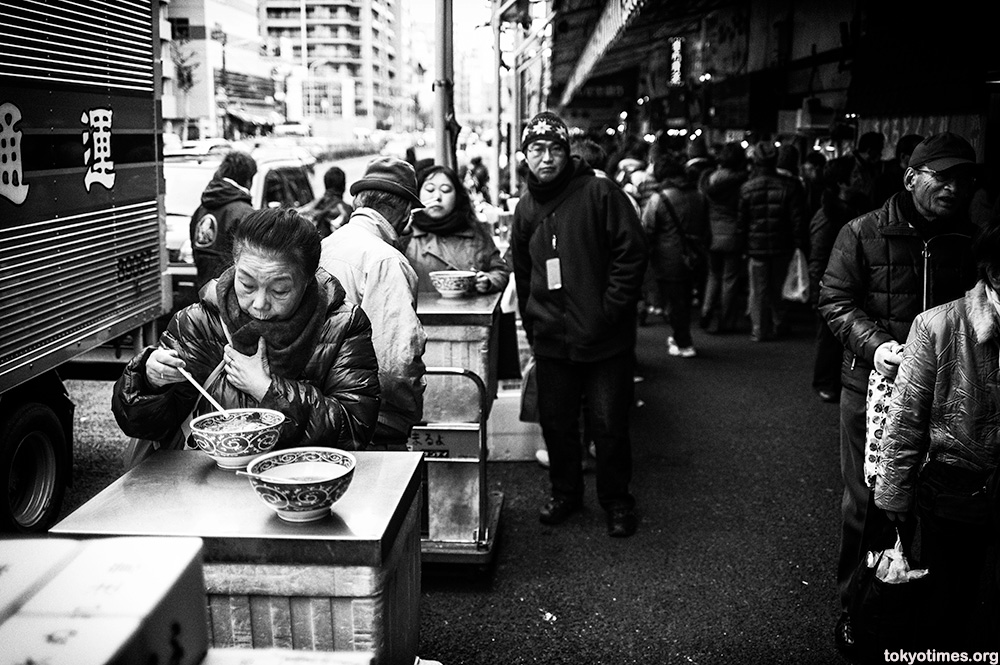
The likes of coffee shops and restaurants offer some relief on cold Tokyo days. But hot noodles. Bought cheaply. And wolfed down often frighteningly quickly. Really take some beating.

Tokyo street food

Categorized: Food and Drink, Photography

« Previous Page
Next Page »

Footer

Copyright © 2026 · Tokyo Times