• Skip to main content
  • Skip to footer

Tokyo Times

Photographs from a small group of islands

  • Photowalks
  • Portfolio
  • Book and Prints
  • Newsletter
  • About/Contact
  • Follow
    • Facebook
    • Instagram
    • Twitter
    • RSS

Haikyo

Nov 05 2013 28 Comments

Abandoned homes in an old Japanese mountain village

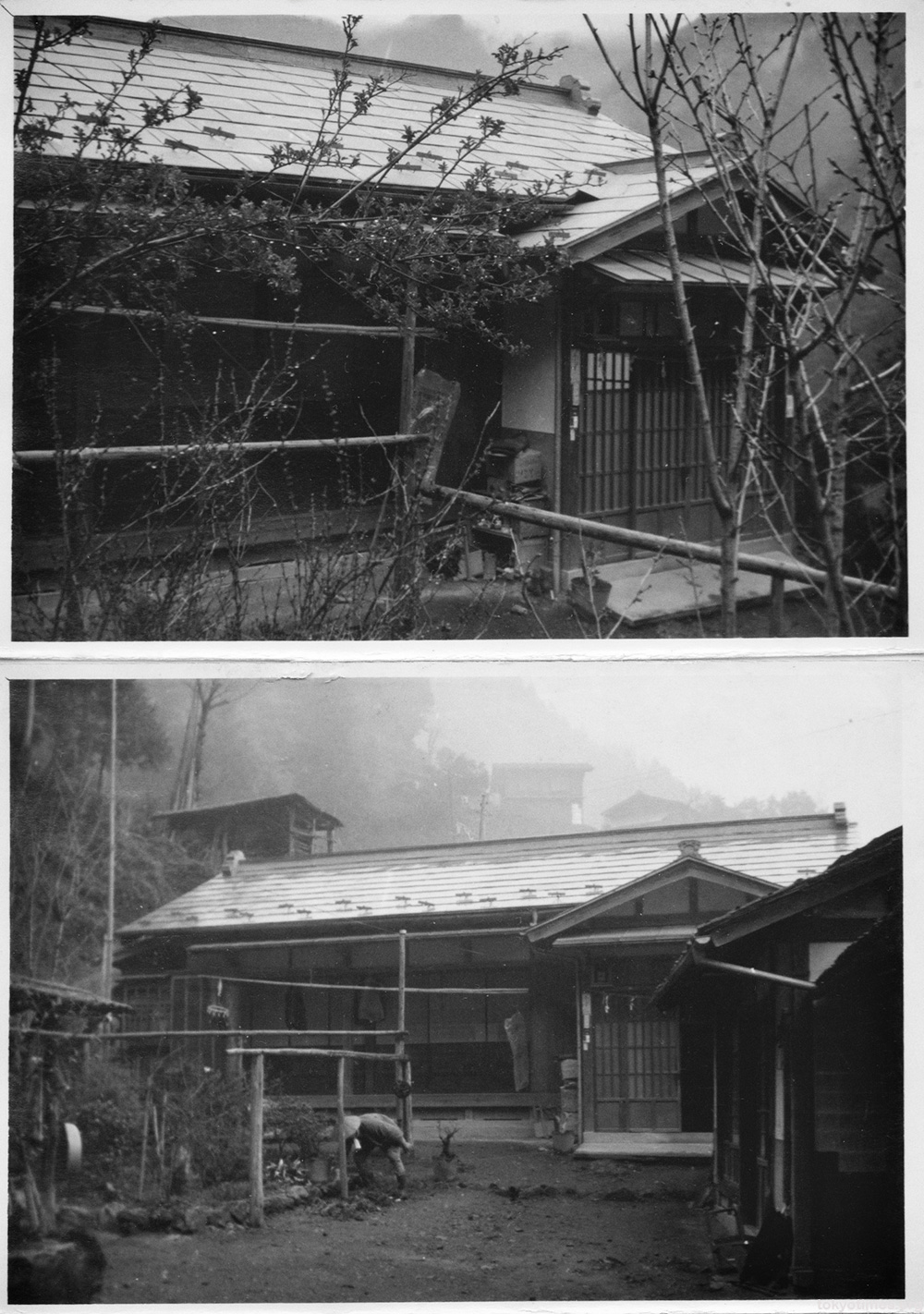
Tokyo’s sprawling, concrete laden expanse often seems to go on forever, but when one does finally escape it, the scenery can change quite dramatically. Like this tiny village a few hours drive from the capital. A small group of houses nestled on the slopes of a tree covered mountain. An environment a whole world away from that of the nearby capital.
abandoned Japanese home

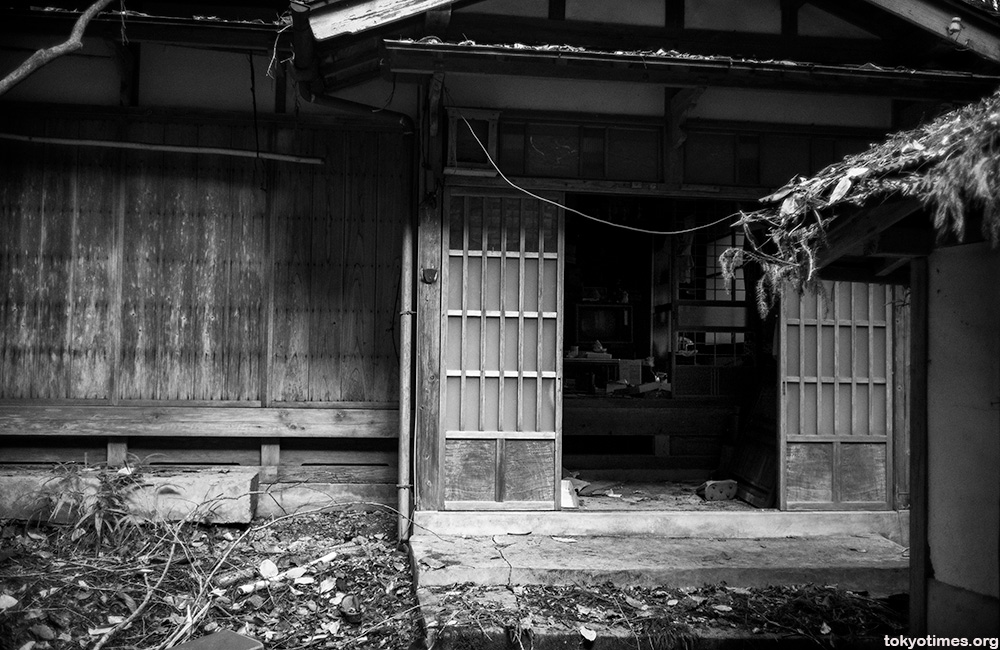
Hired by the forestry department, the residents lived a very different life compared to their city dwelling compatriots. Relatively isolated, food supplies and the like would have required forward planning, popping out for a bite to eat an impossibility and bears, rather than crime, a real concern. But regardless of the hardships, life there went on. Or at least it did until the late 1980’s. Then, presumably due to a lack of work, everyone simply left.
abandoned Japanese home

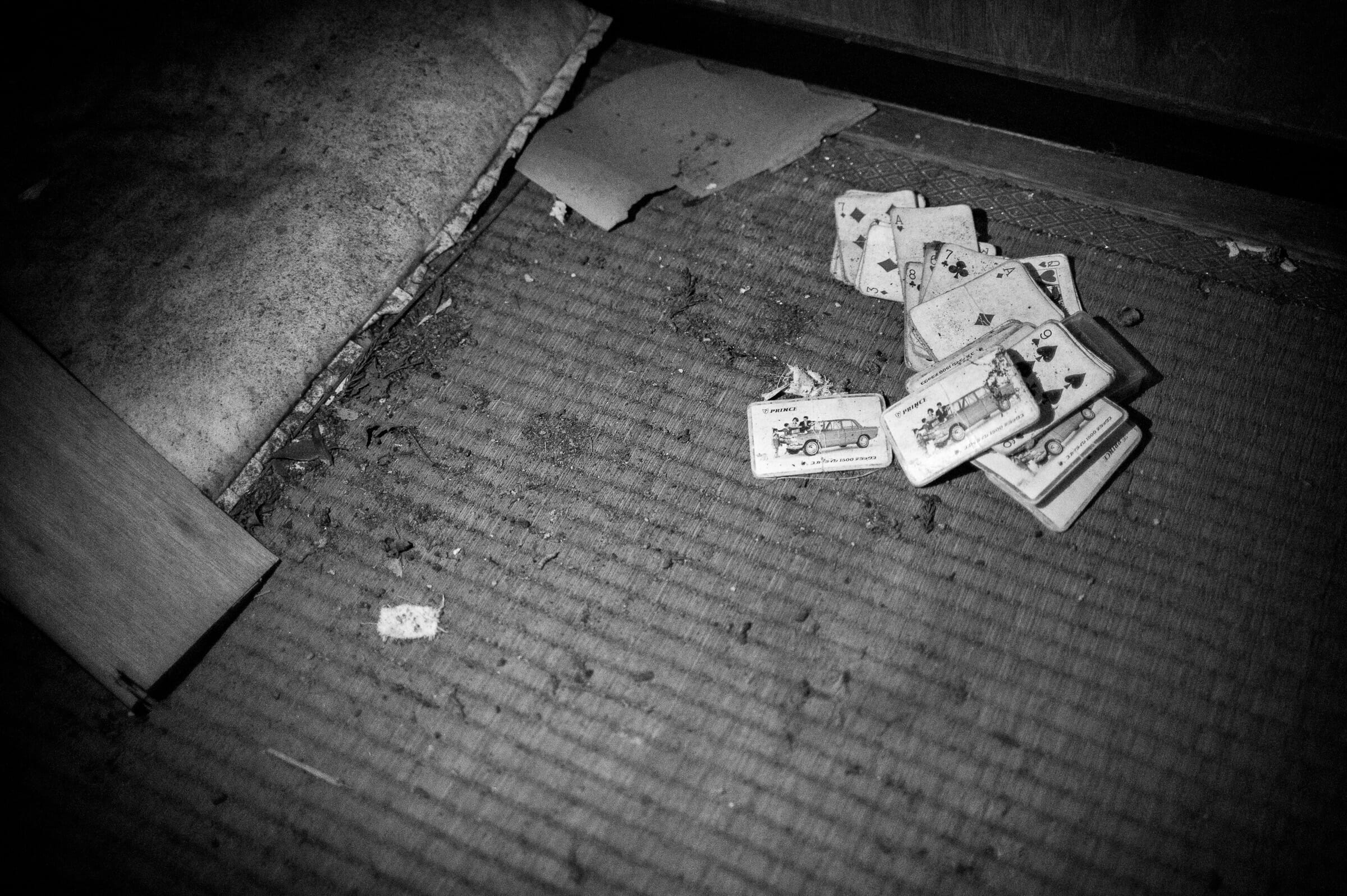
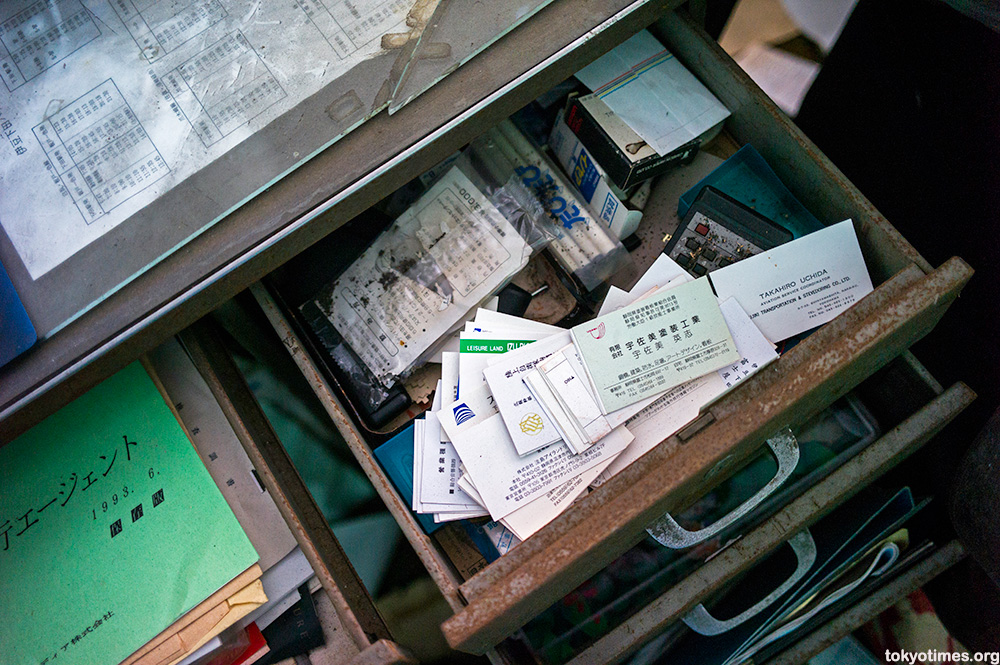
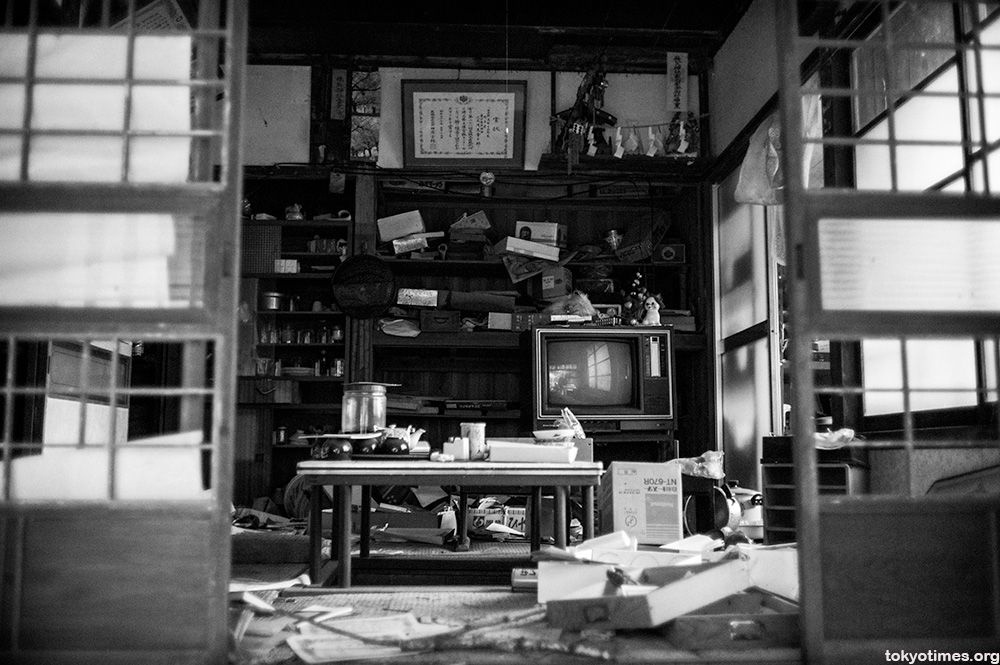
And when they did, they also left a good deal of their lives there, resulting in rooms that are now time capsules of sorts, offering a fascinating look at the tastes of the people who lived there — not to mention the times they lived in.
abandoned Japanese home

A period long before the internet and smart phones.
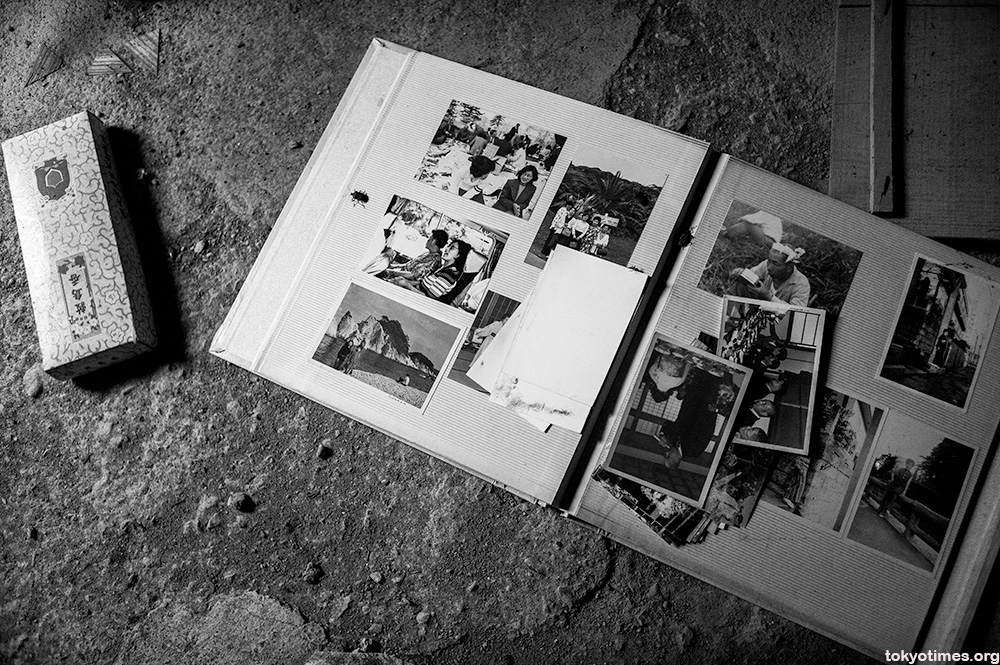
abandoned Japanese home

abandoned Japanese home

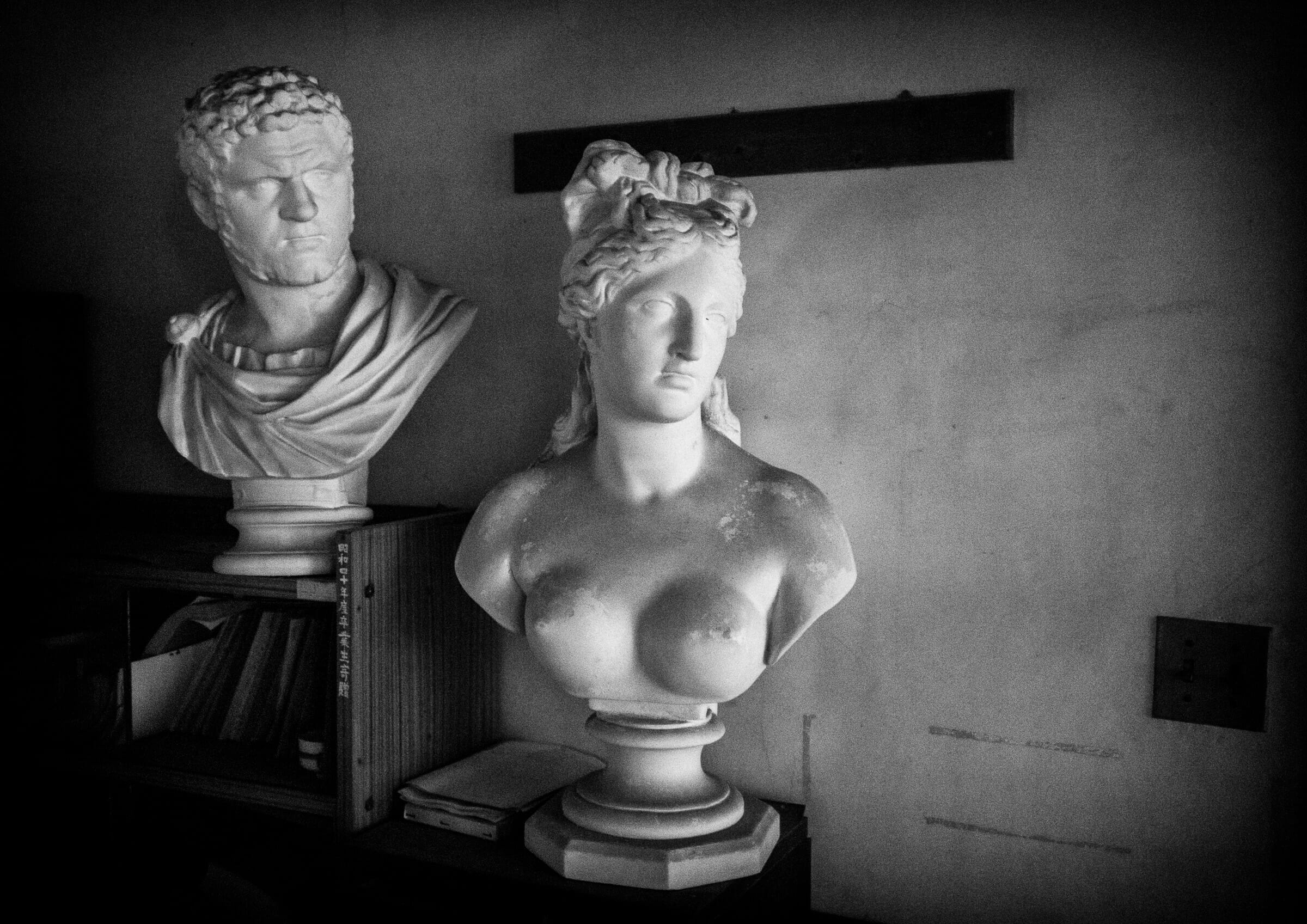
And even before Shintaro Ishihara became the loathsome, openly racist former Tokyo governor he is today. His youthful face masking at least some of the malice contained within.
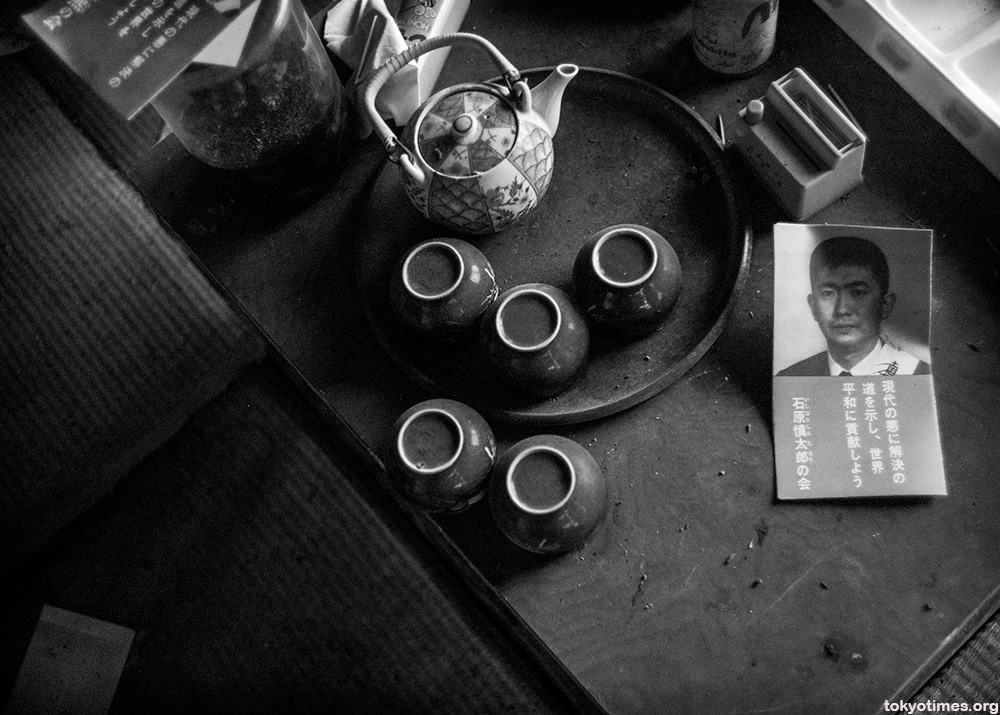
abandoned Japanese home

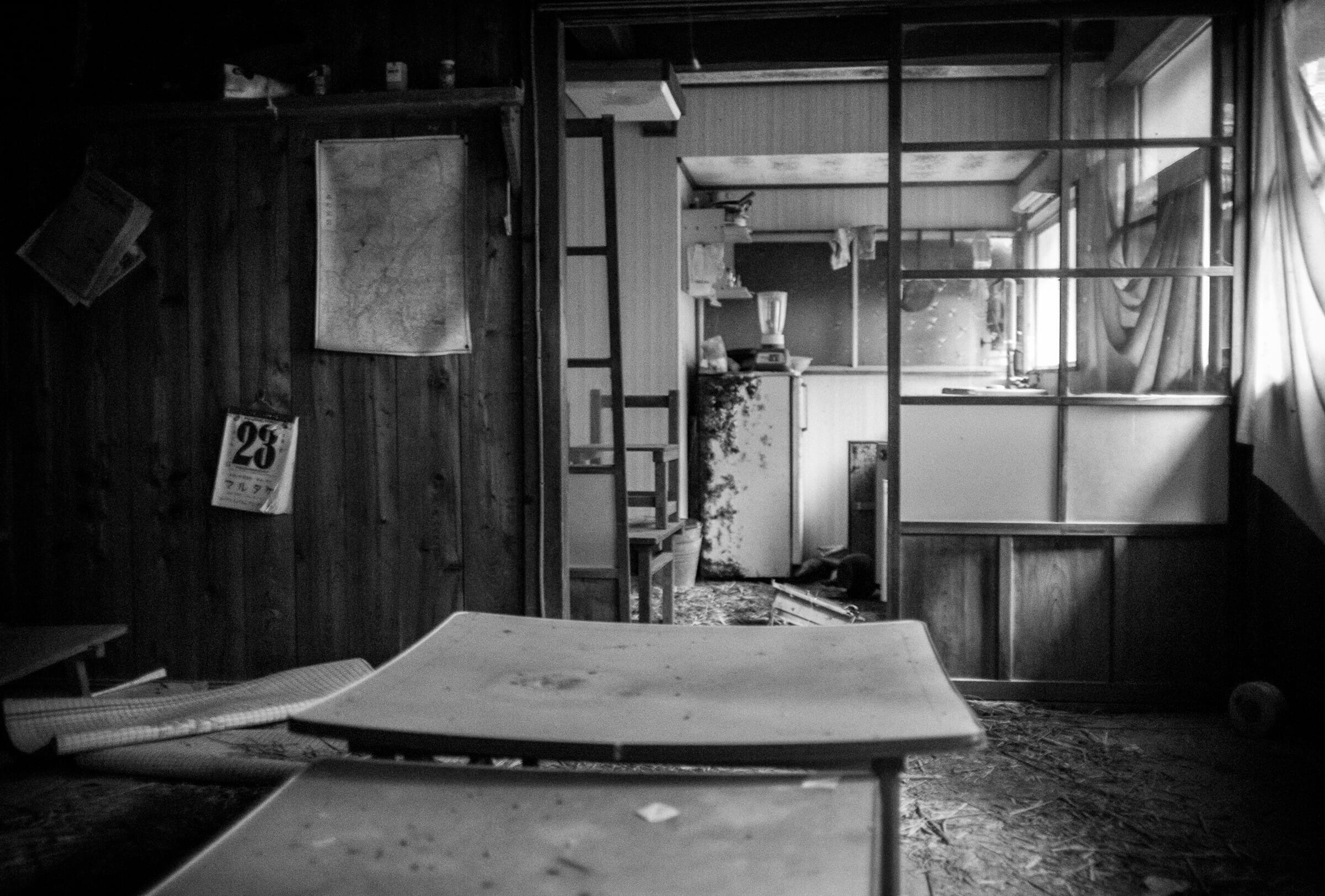
But politics aside, what’s most striking of all is the sheer amount of stuff left behind. The location most likely making travelling light a necessity — both logistically and financially. Meaning at times it’s almost like the people just disappeared. There one minute. Gone the next.
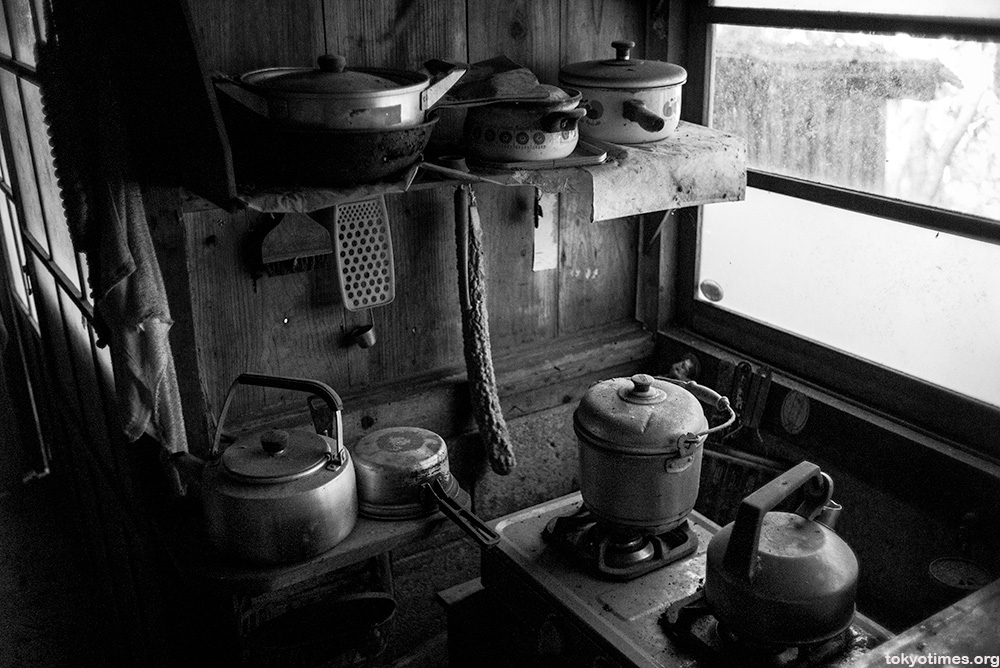
abandoned Japanese home

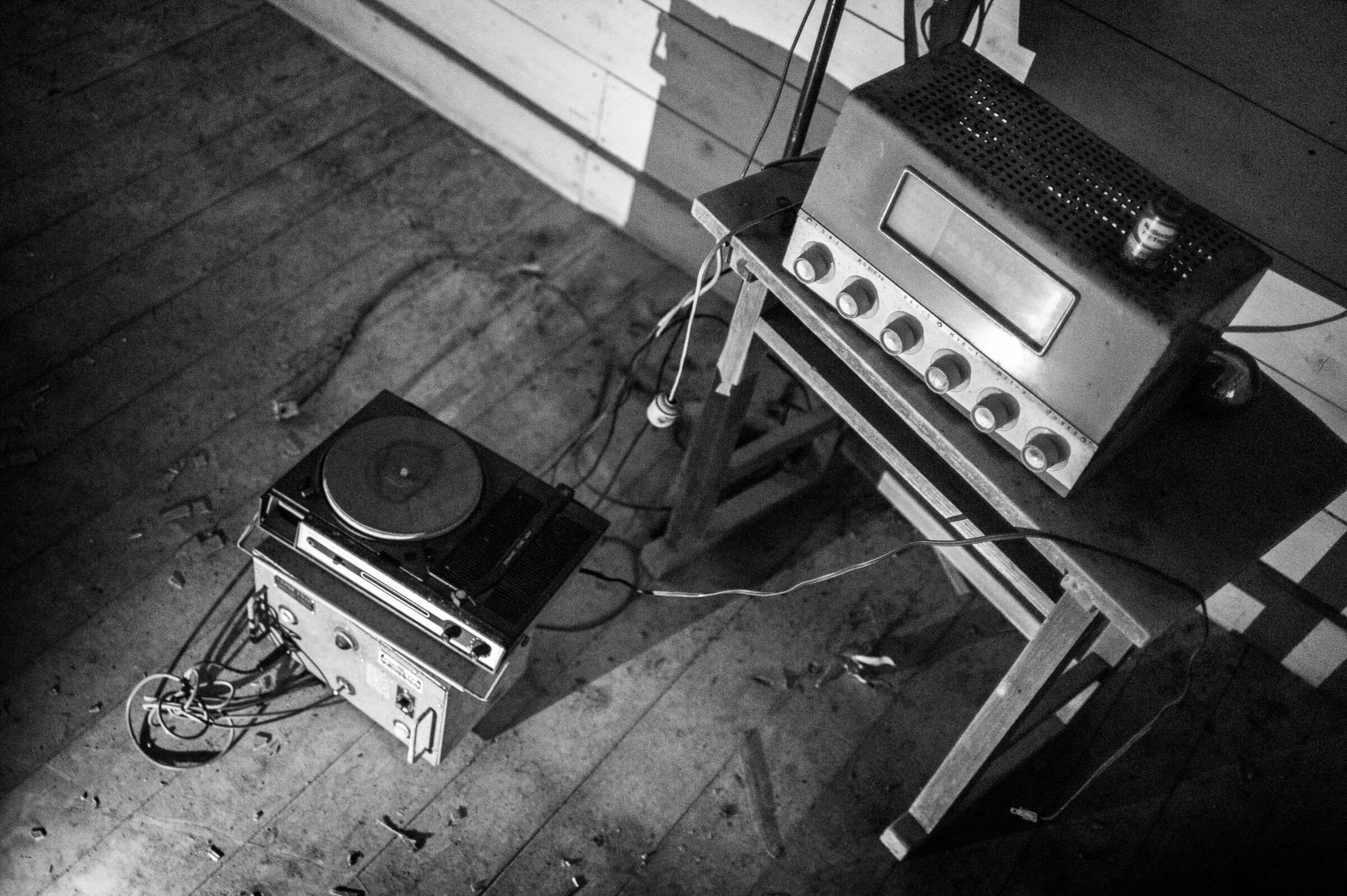
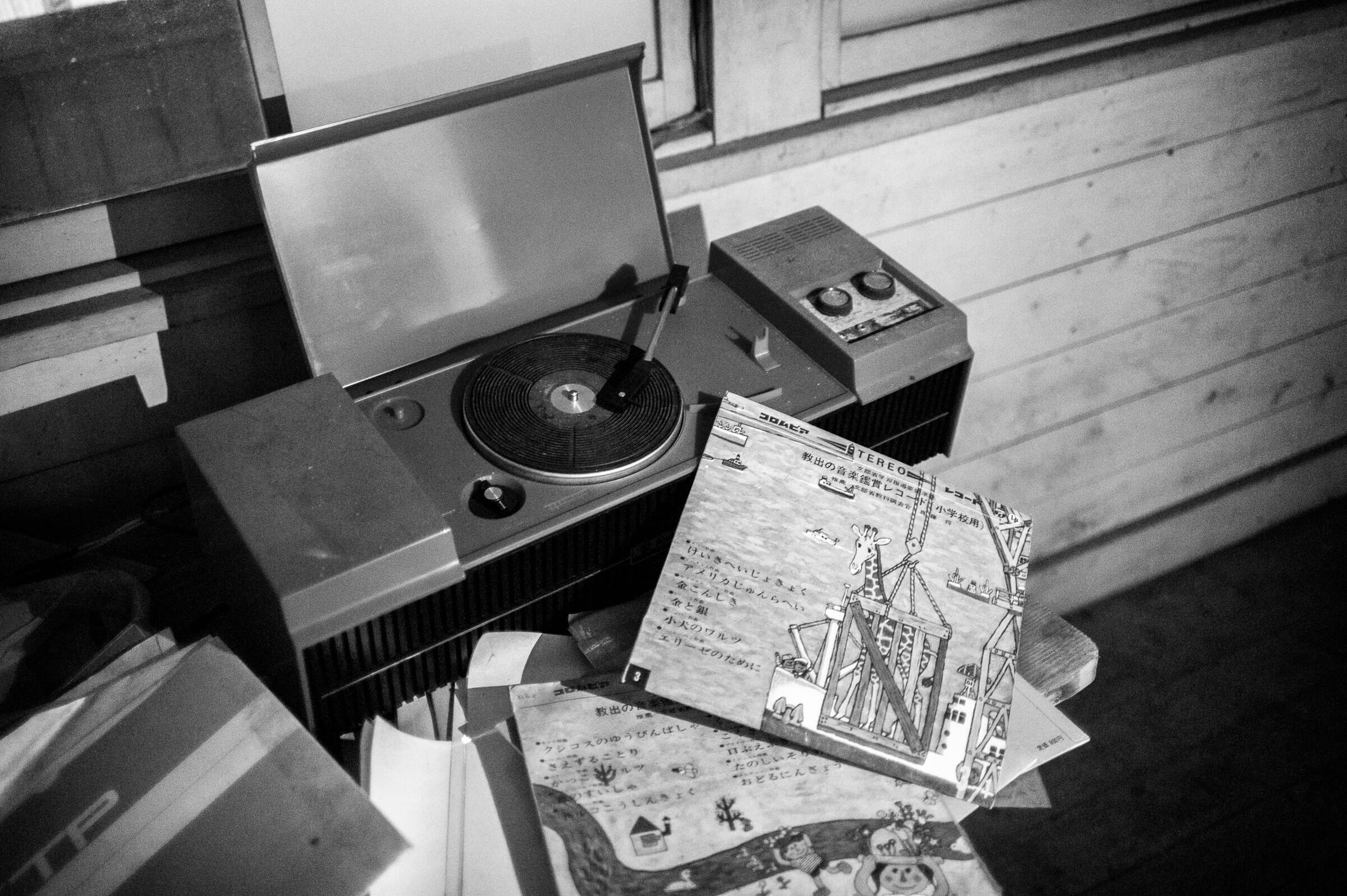
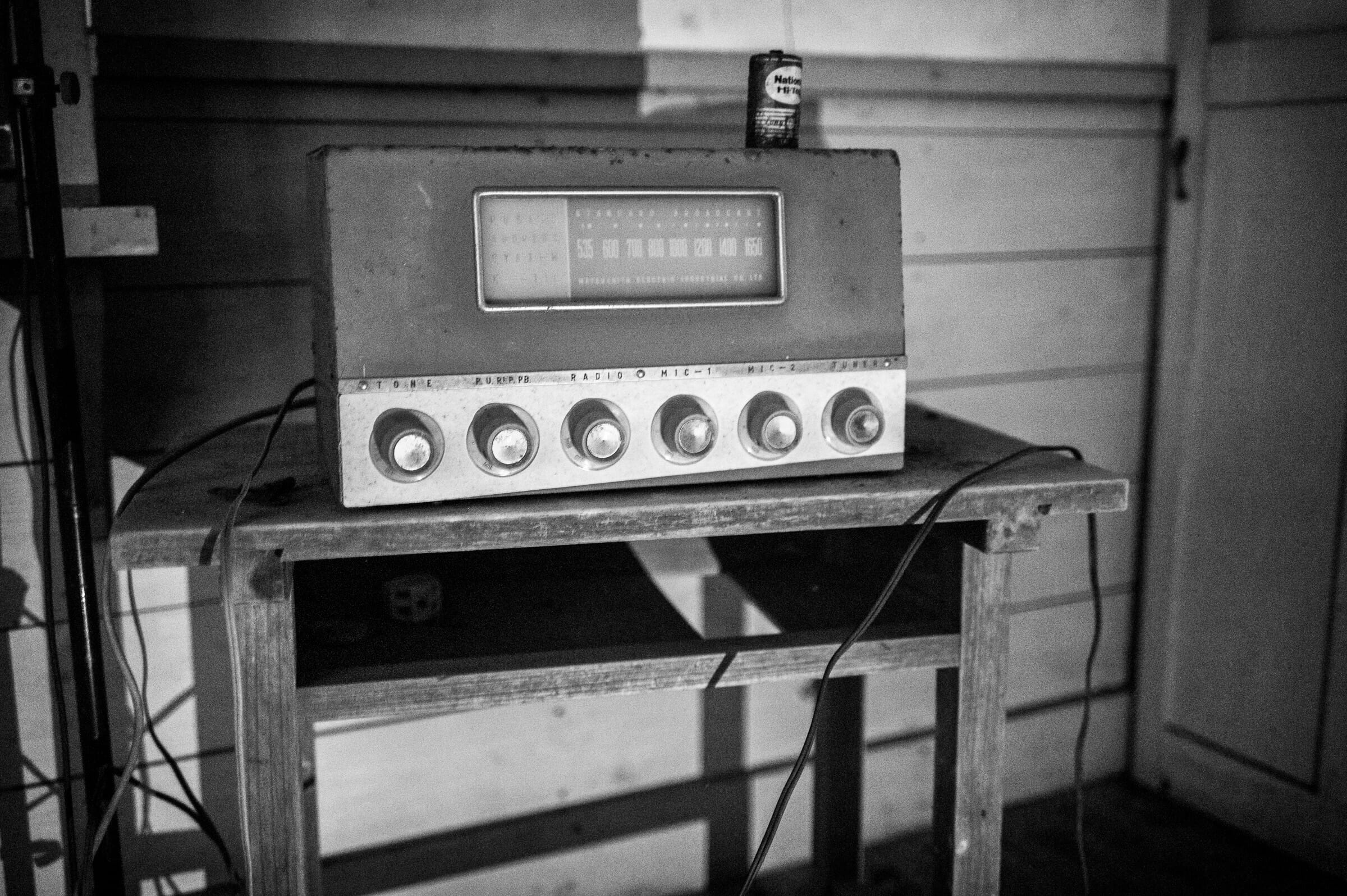
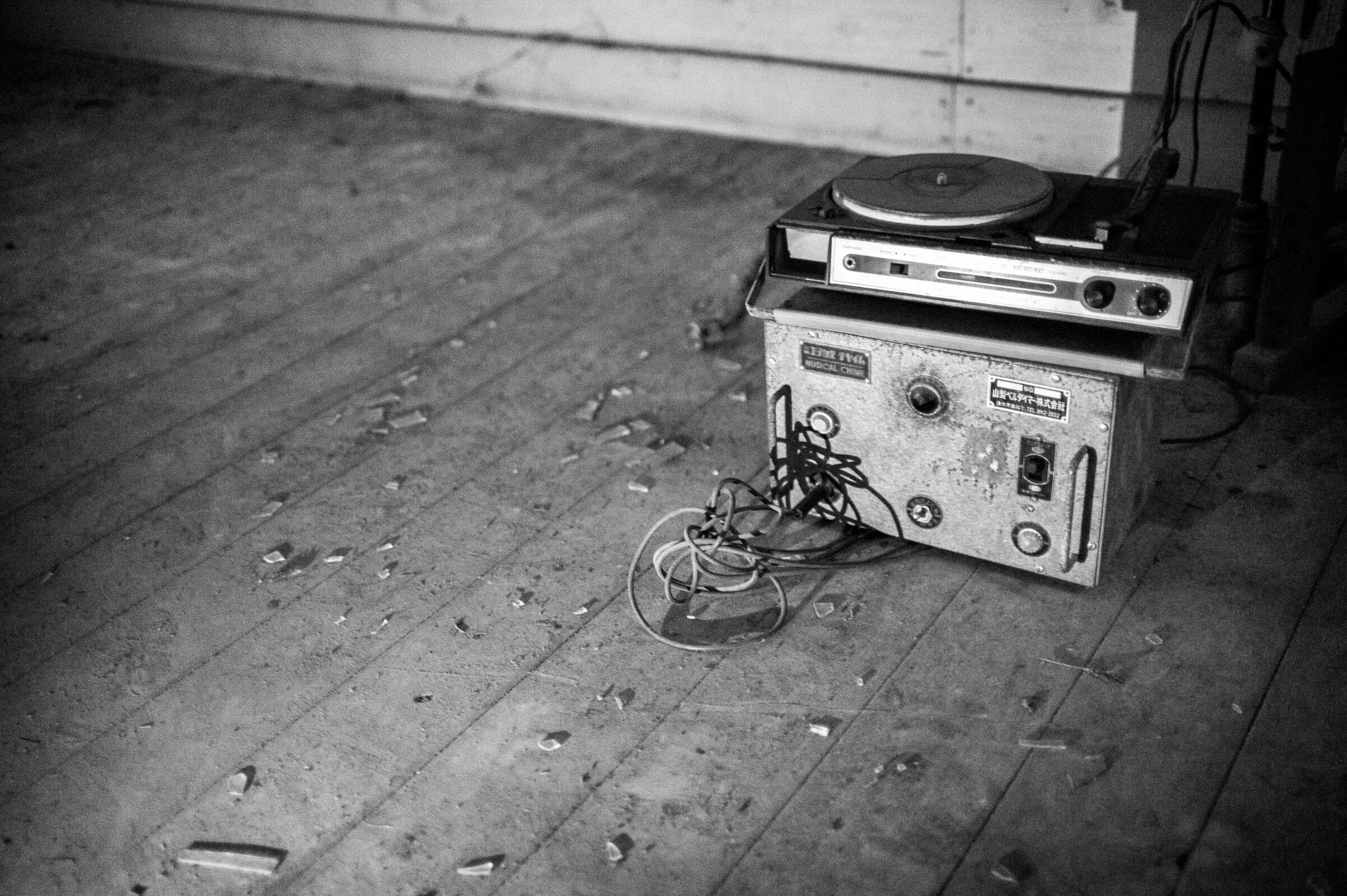
An element that, whether it be an abandoned school, hotel or house of the rich, exaggerates the silence. A quietness even more noticeable in a room once filled with music.
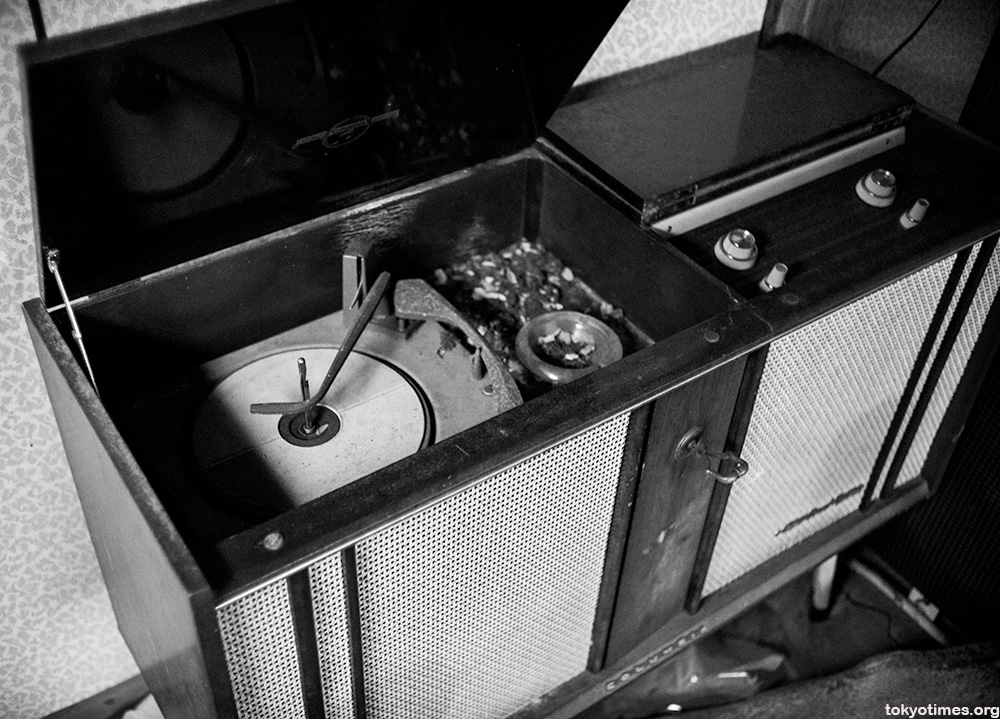
abandoned Japanese home

This track by Shinkawa Jiro being one of the records found with the turntable above.

listen to ‘Song from an abandoned house’ on Audioboo

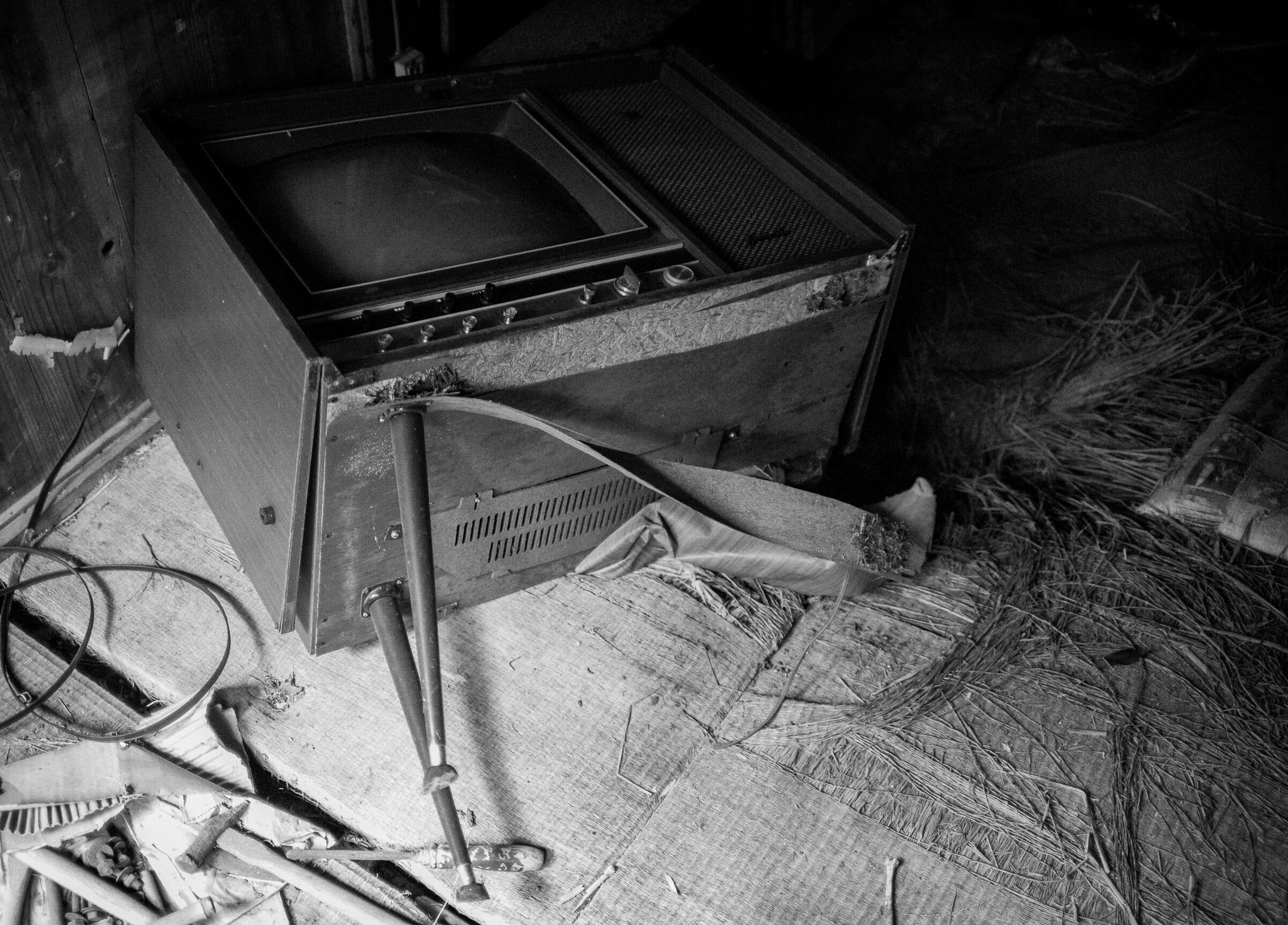
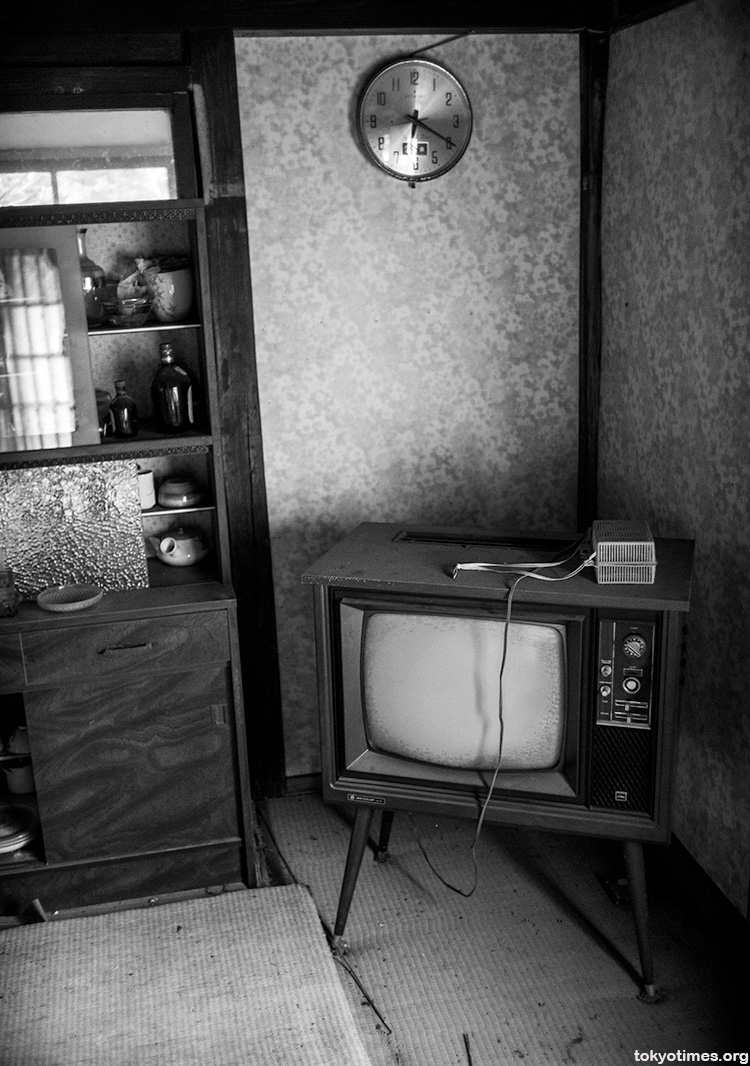
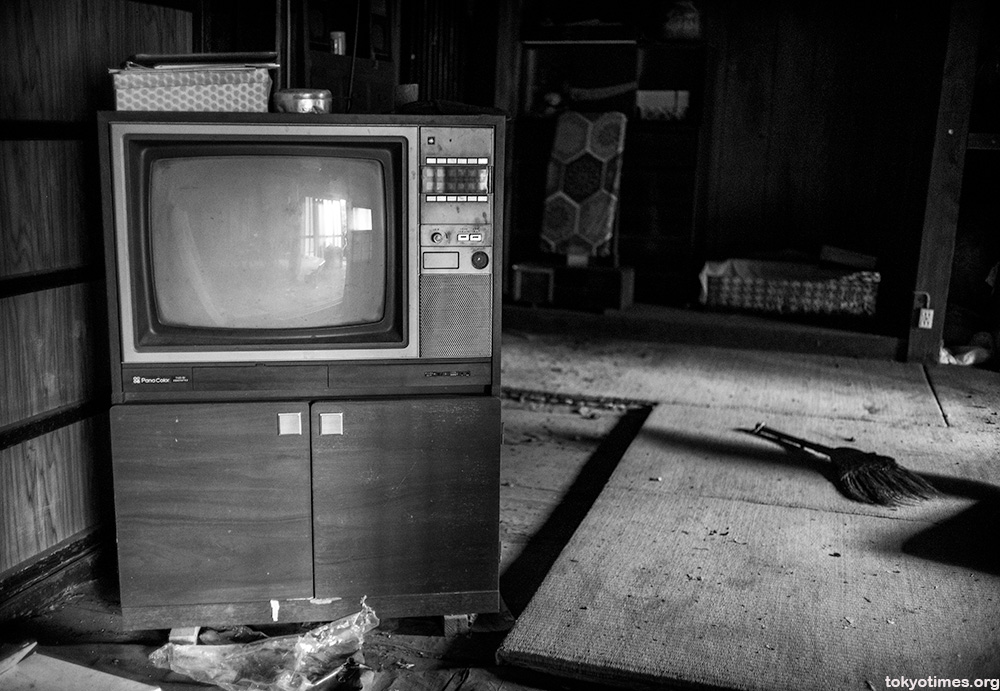
And yet despite such music, the reassuring company of television was even more sought out. The central focus of such technology in each and every living room proving what an important part of life it was. Presumably both as company as well as a connection to the wider world.
abandoned Japanese home

abandoned Japanese home

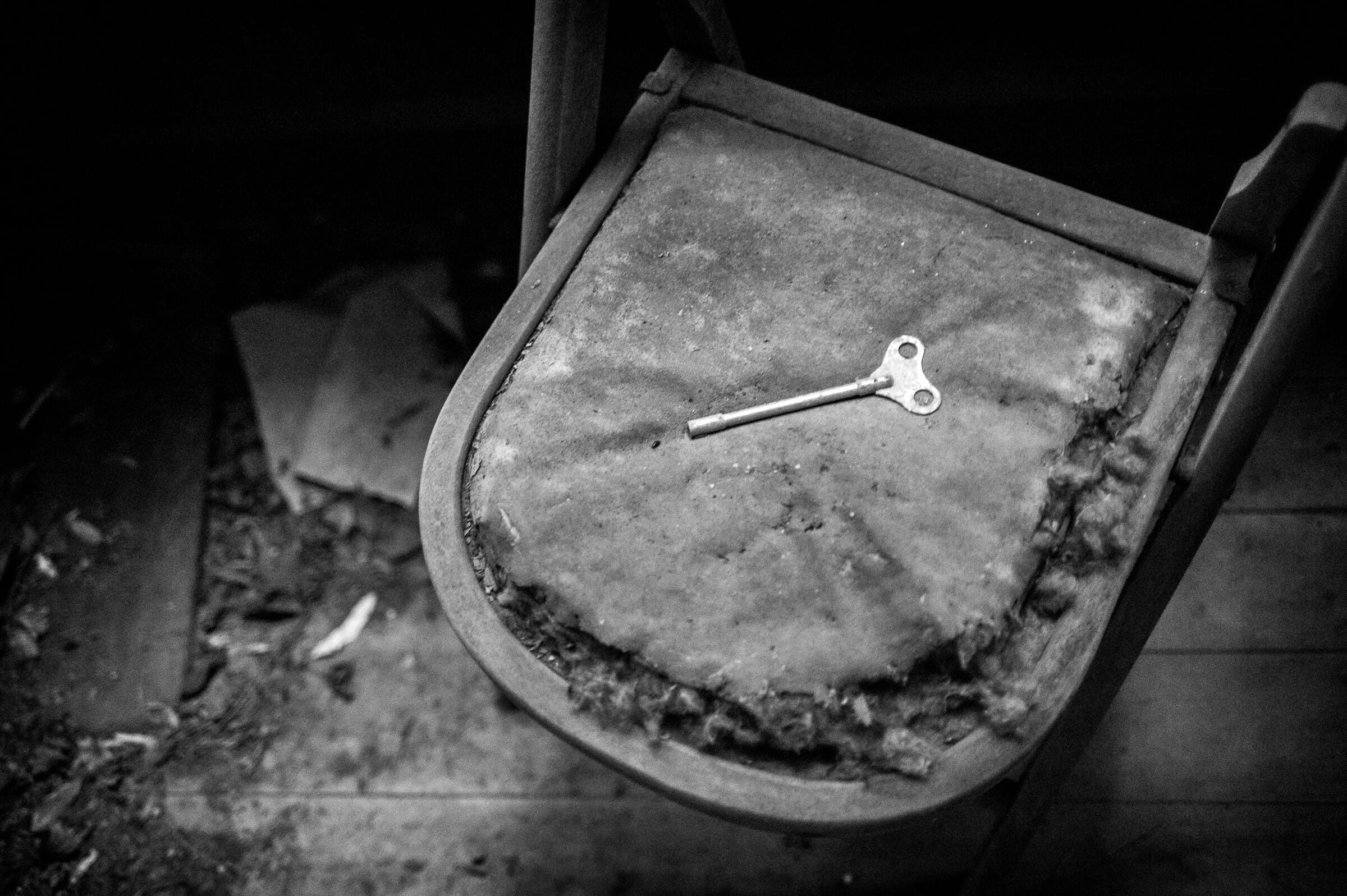
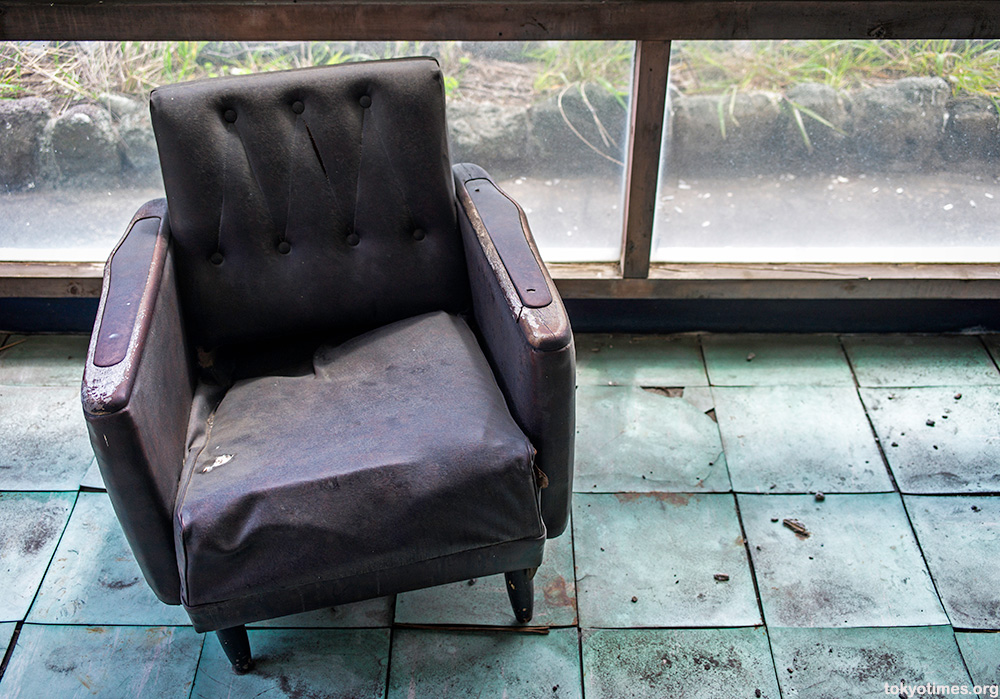
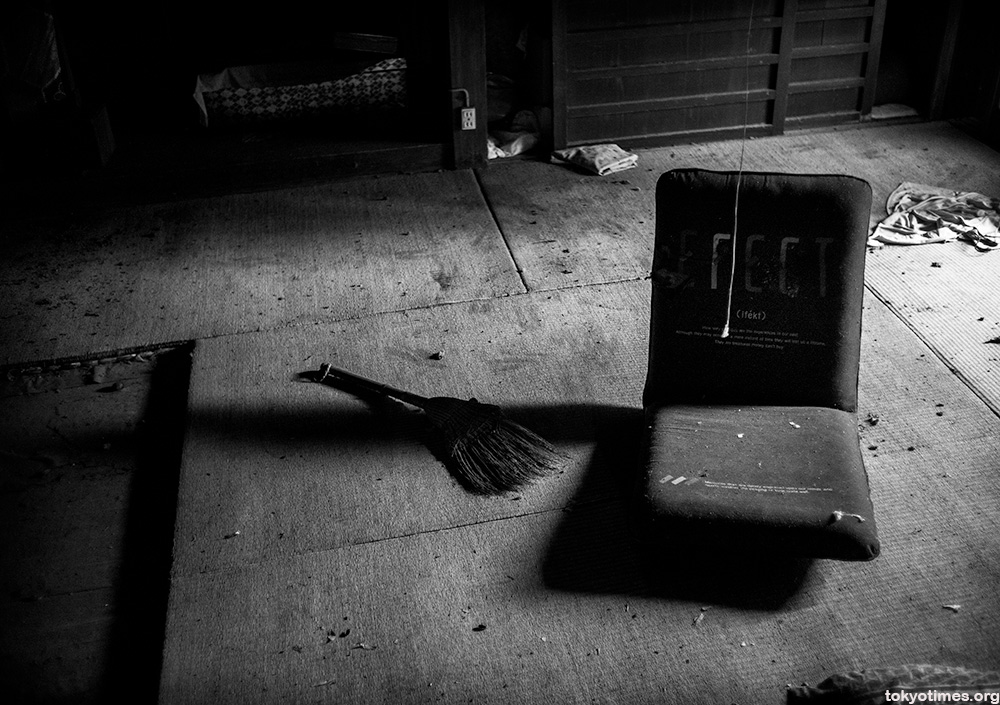
But these TVs haven’t been used in 25 years or so. Just like this rather forlorn looking favourite chair.
abandoned Japanese home

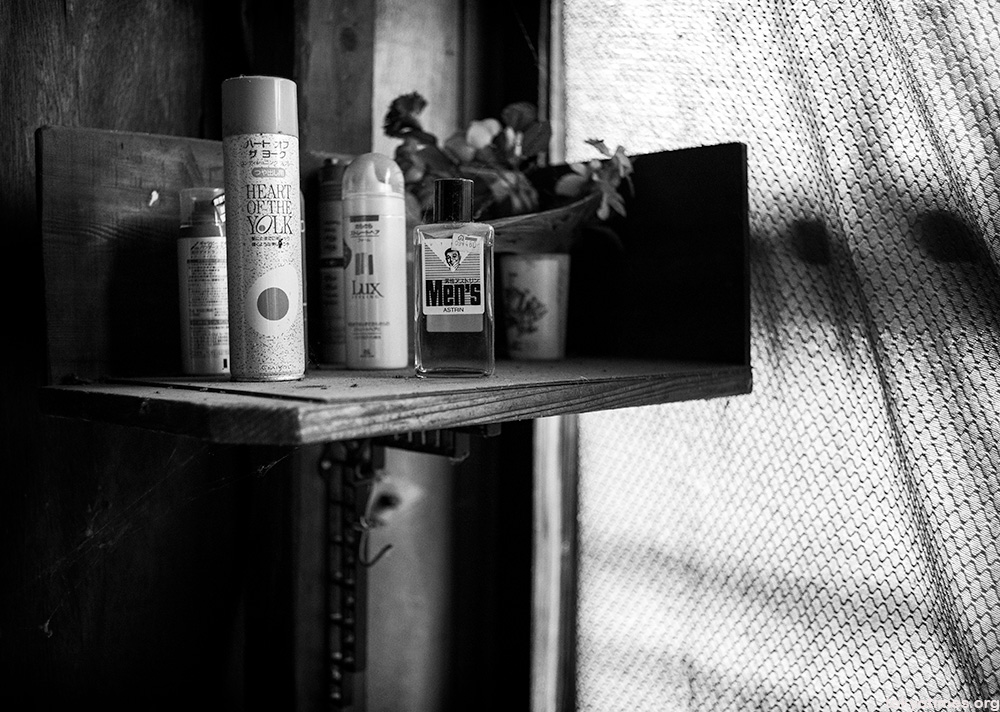
The same goes for these old toiletries.
abandoned Japanese home

And a load of clothes now forever unworn in the wardrobe.
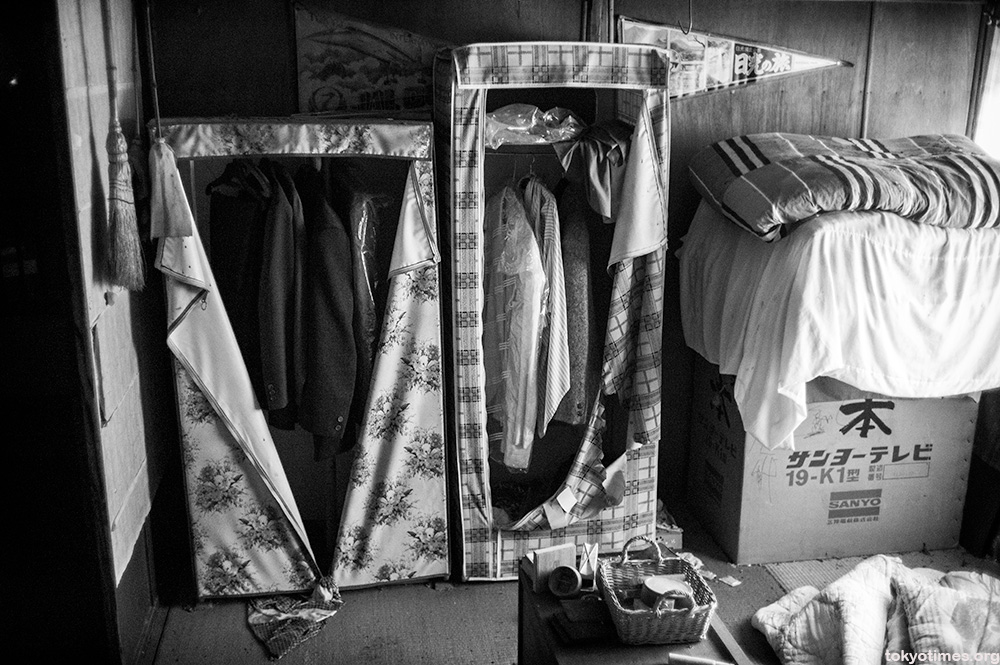
abandoned Japanese home

All of it set to be left for another 25 years. The only possible visitors being people like me and the occasional bear.
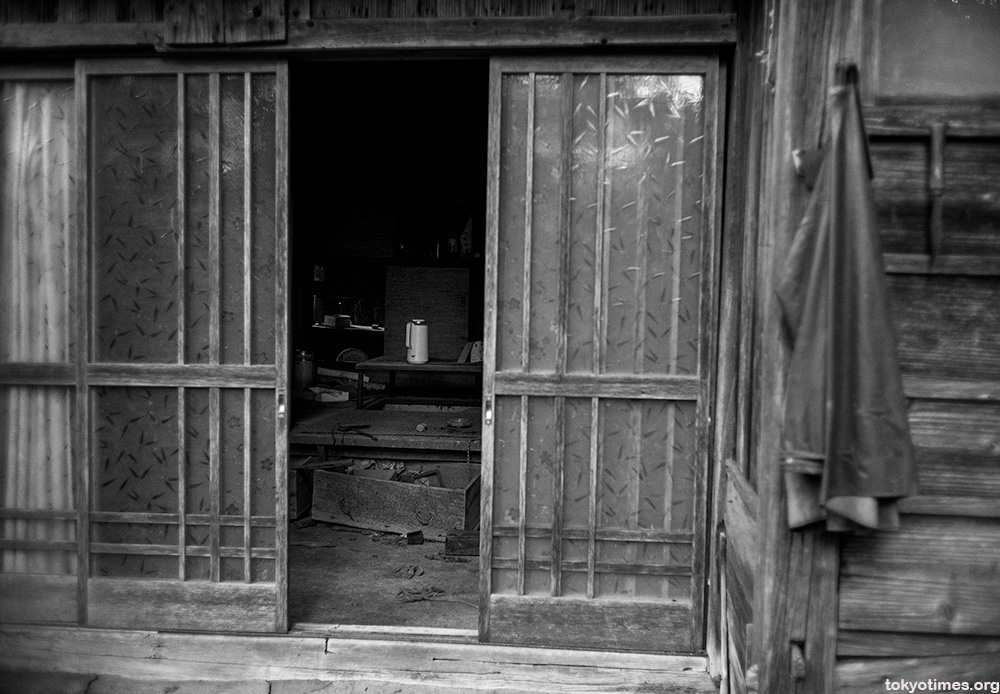
abandoned Japanese home

But there definitely won’t be any more callers.
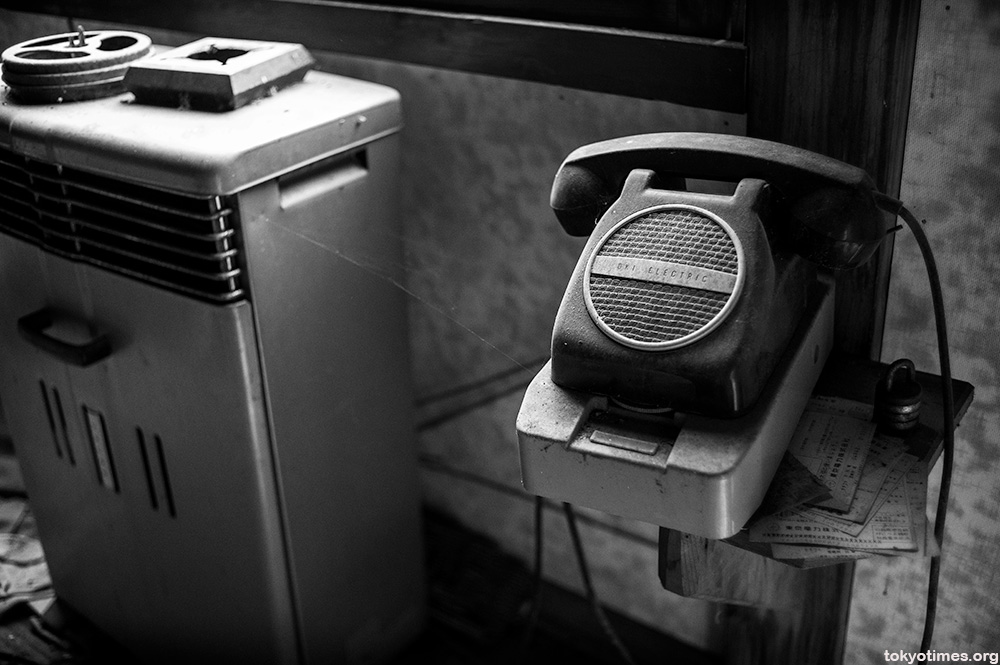
abandoned Japanese home

Categorized: Haikyo

Jul 09 2013 29 Comments

Abandoned and beautiful Tokyo cable cars

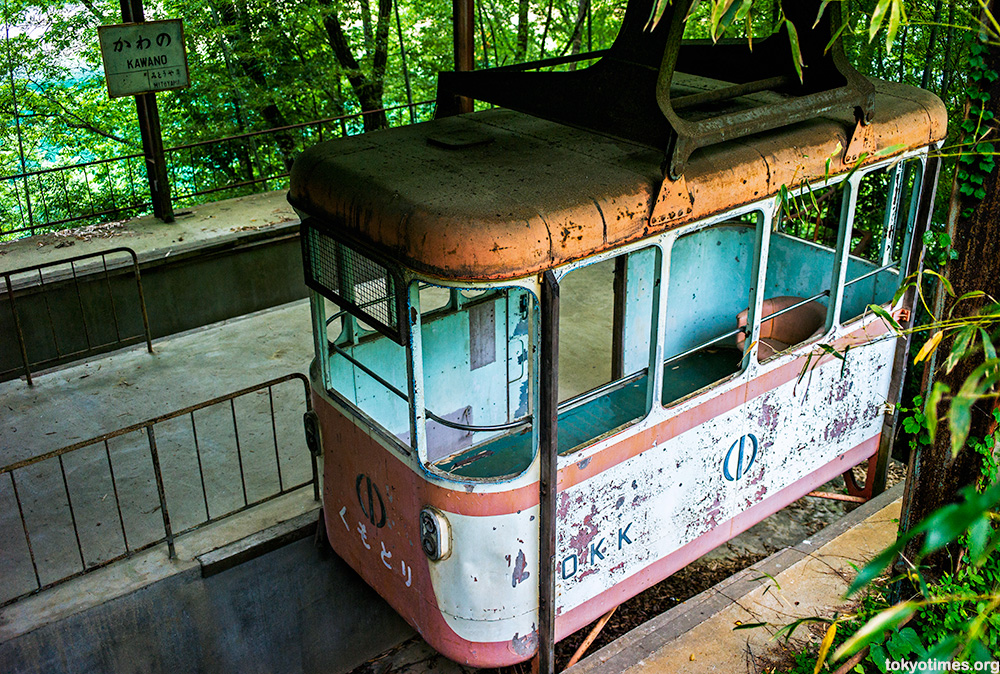
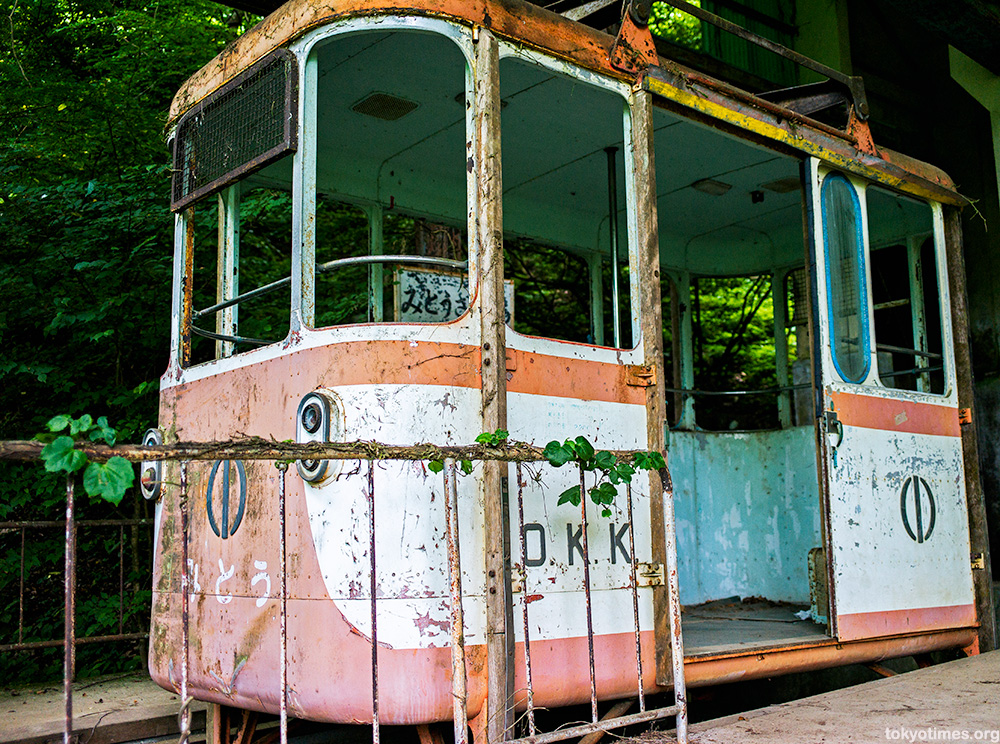
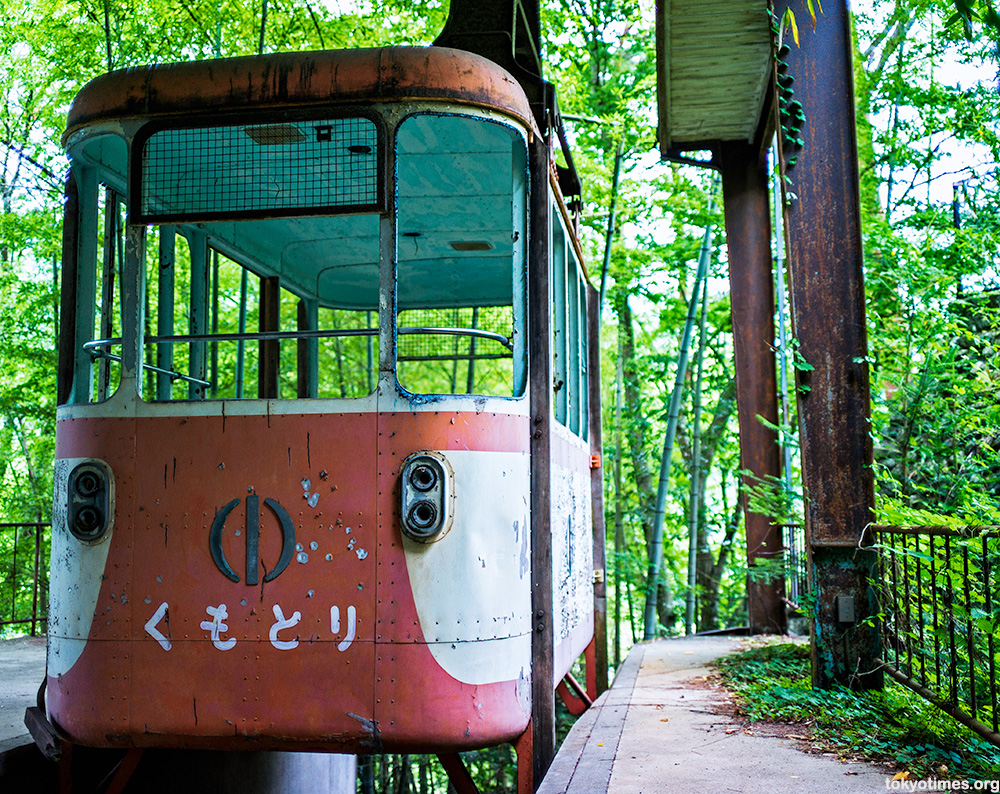
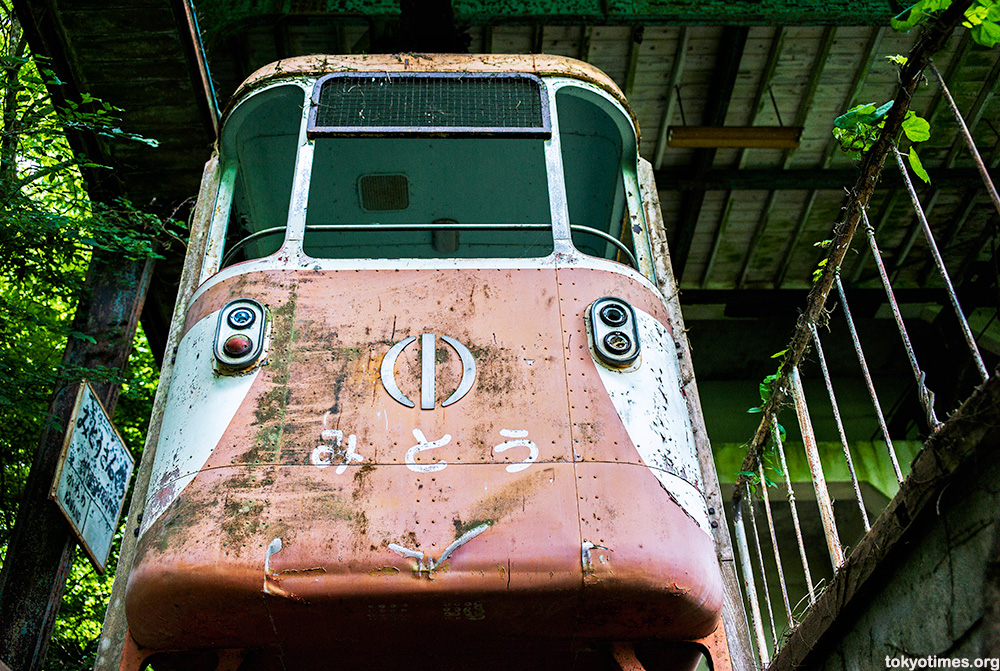
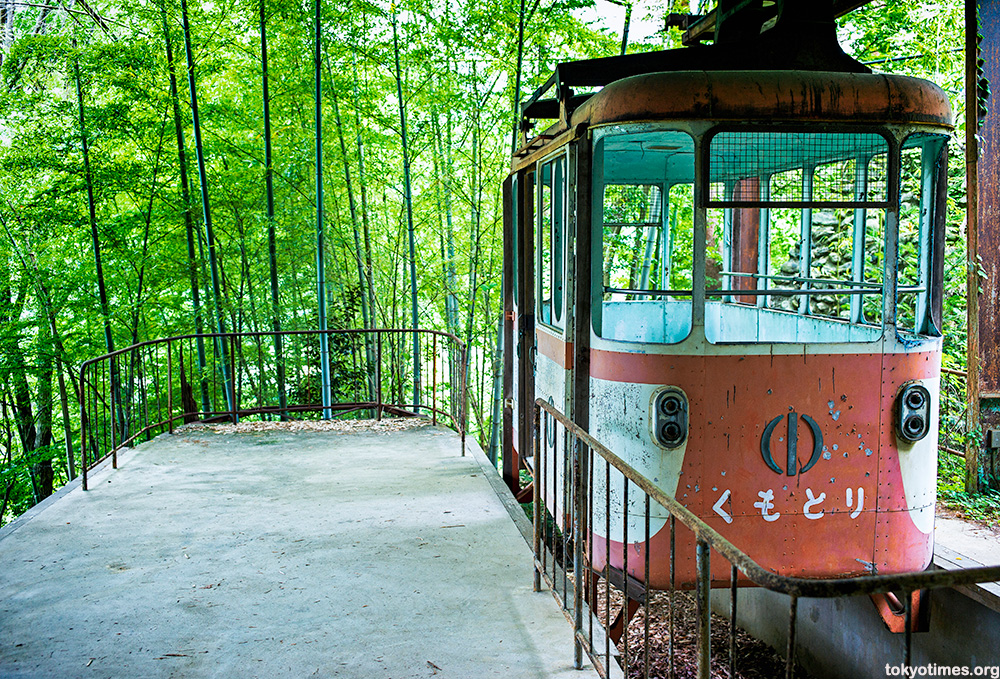
Situated in the western reaches of Tokyo, the Okutama Ropeway has been abandoned for nearly half a century.

abandoned Japanese cable car

Opened in 1962, the plan was presumably to tap into the massive population located a relatively short journey away, but the visitors never materialised. Or certainly not in the required numbers. The ropeway’s short, 600 metre, 6 minute hop from one seemingly random spot on a reservoir to another, clearly not enough to draw the crowds. And so, just 4 years later, it closed, leaving the two cable cars to sit where they were left on that very last day — silent and forever passenger-less.
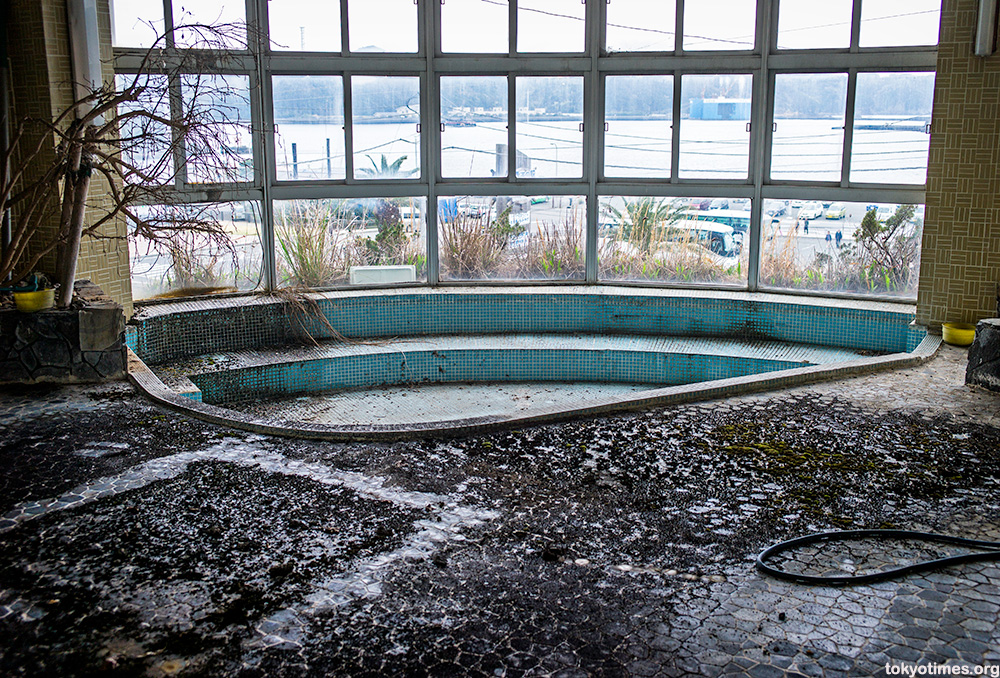
abandoned Japanese cable car

Beautiful.

abandoned Japanese cable car

Strangely peaceful objects.

abandoned Japanese cable car

Objects that in their secluded, now very natural settings, make for lovely sights. And despite the massive financial losses the project must have suffered. Not to mention the disintegration of at least one persons dream. They are, unlike many haikyo/abandoned places, genuinely nice spots to visit.

abandoned Japanese cable car

Categorized: Haikyo

May 21 2013 41 Comments

An abandoned and atmospheric Japanese school in the mountains

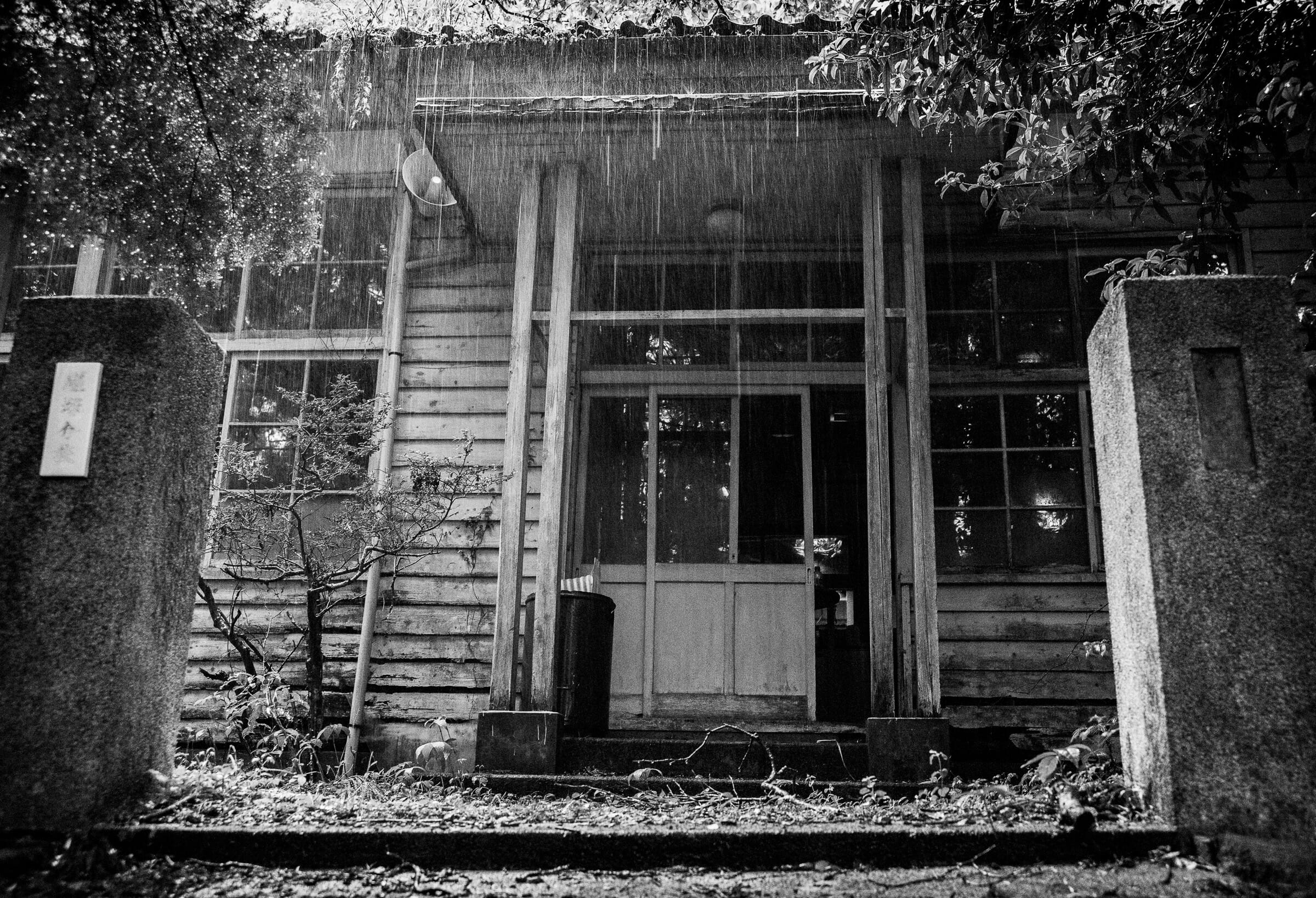
With Japan’s population rapidly ageing, it’s really not surprising that so many abandoned schools exist. Plus combined with the equally rapid migration to the cities, it’s even less surprising to find such places in isolated areas and mountain regions. Locations that are feeling the full force of Japan’s changing demographic, resulting in the end for countless small communities, and also Sazuka Elementary School.

abandoned Japanese school in the mountains

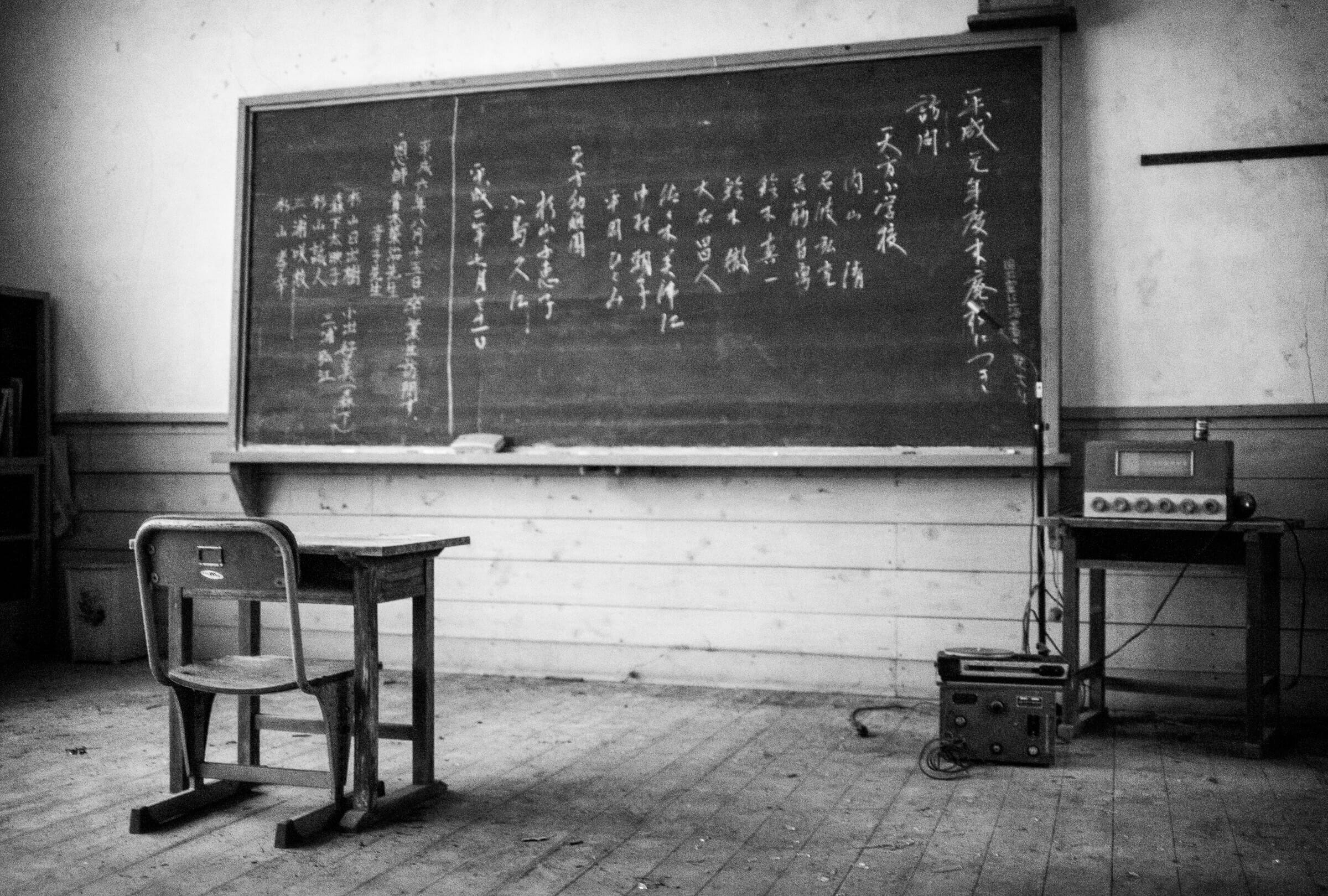
Situated next to a tiny, and now equally uninhabited village, the school closed way back in 1977, but remarkably it wasn’t declared officially shut until March 1990. A decision that, along with its back of beyond location, perhaps explains why so much has been left behind.

abandoned Japanese school in the mountains

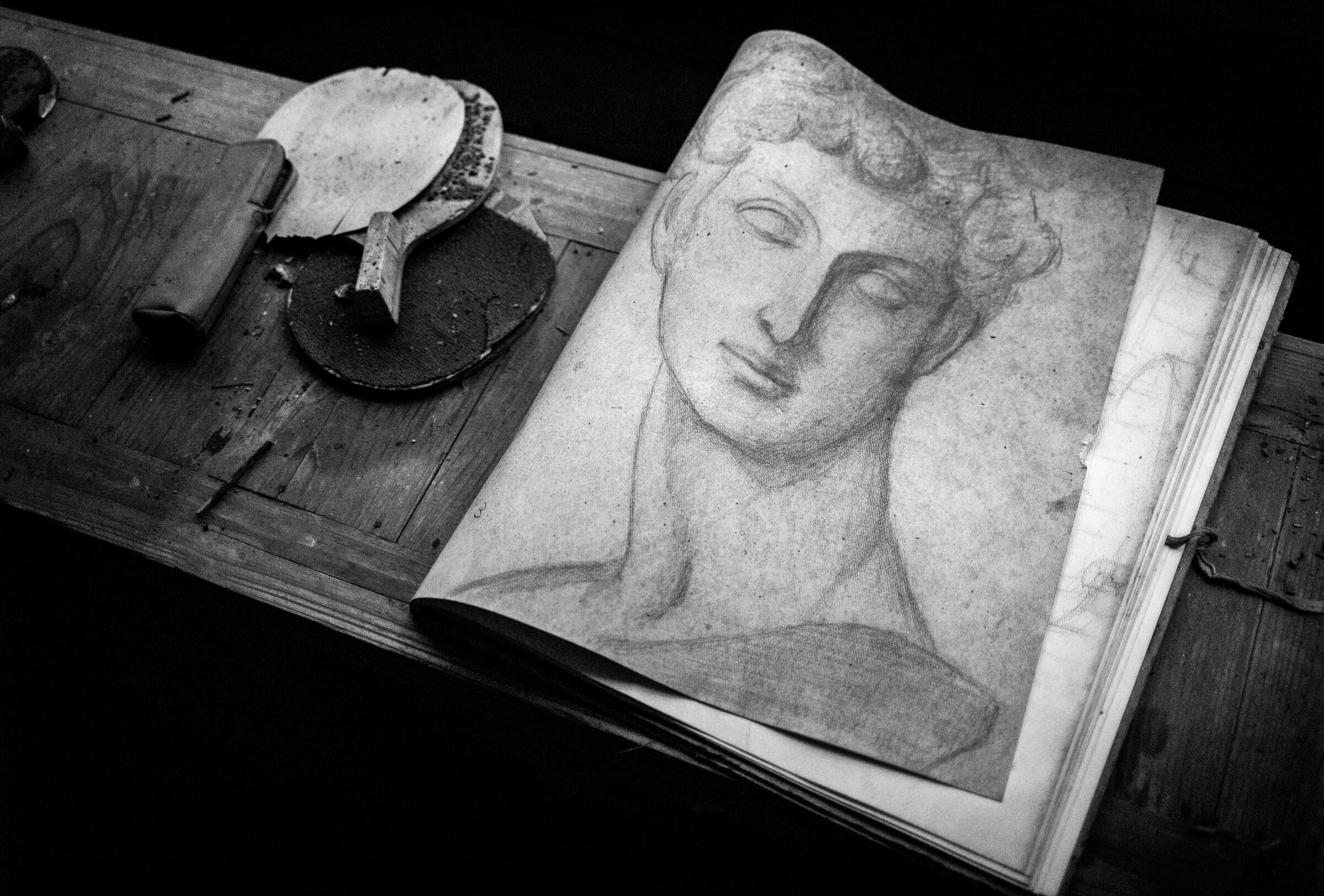
As such, it is still packed with reminders of school life. Things that were studied.

abandoned Japanese school in the mountains

abandoned Japanese school in the mountains

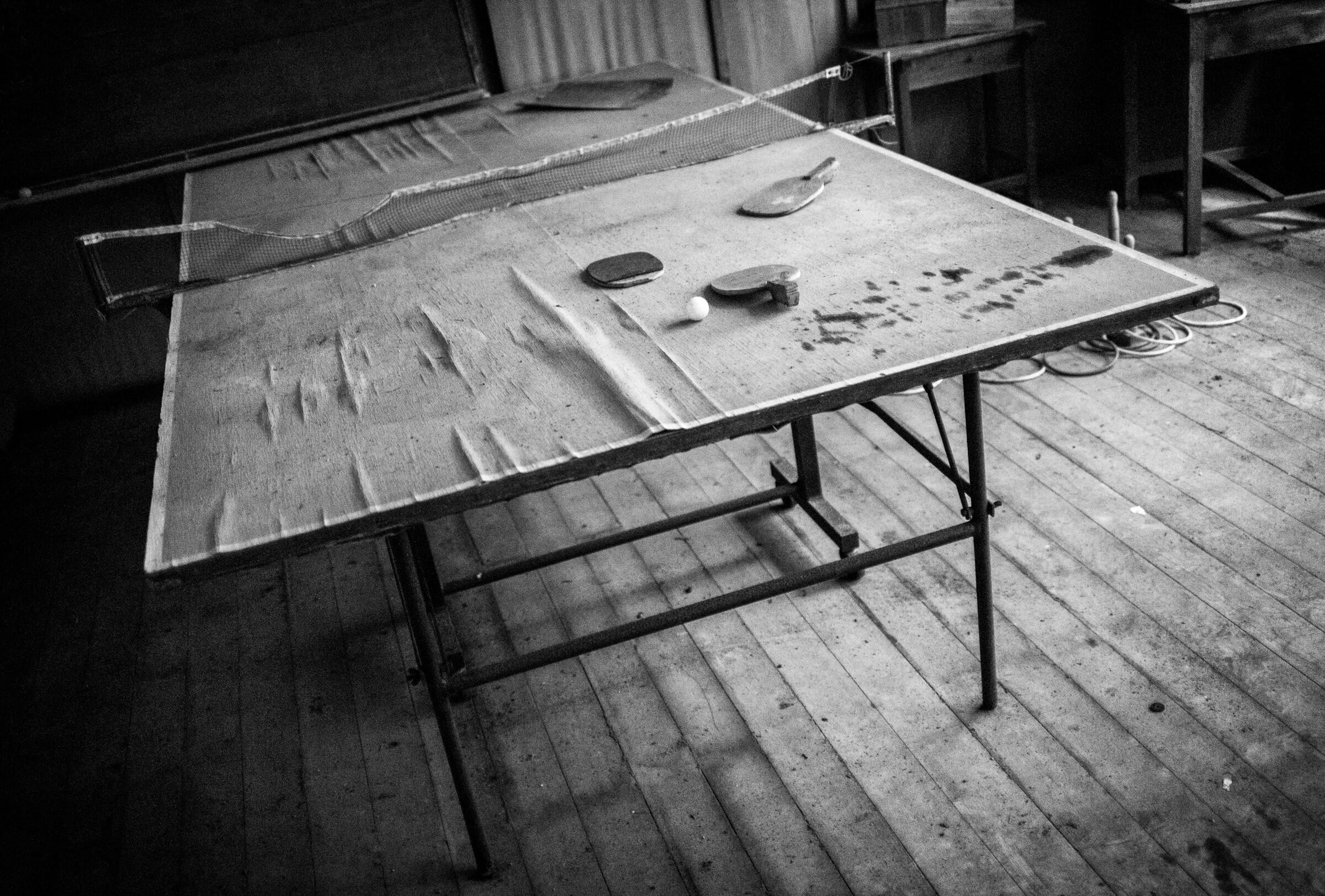
Played.

abandoned Japanese school in the mountains

abandoned Japanese school in the mountains

Used.

abandoned Japanese school in the mountains

And possibly just marvelled at.

abandoned Japanese school in the mountains

Being a good way from anything even remotely resembling civilisation, there’s also a small living area that housed a couple of male teachers. A setup that must have been more than a little cozy to say the least, consisting as it does of just one room and a kitchen.
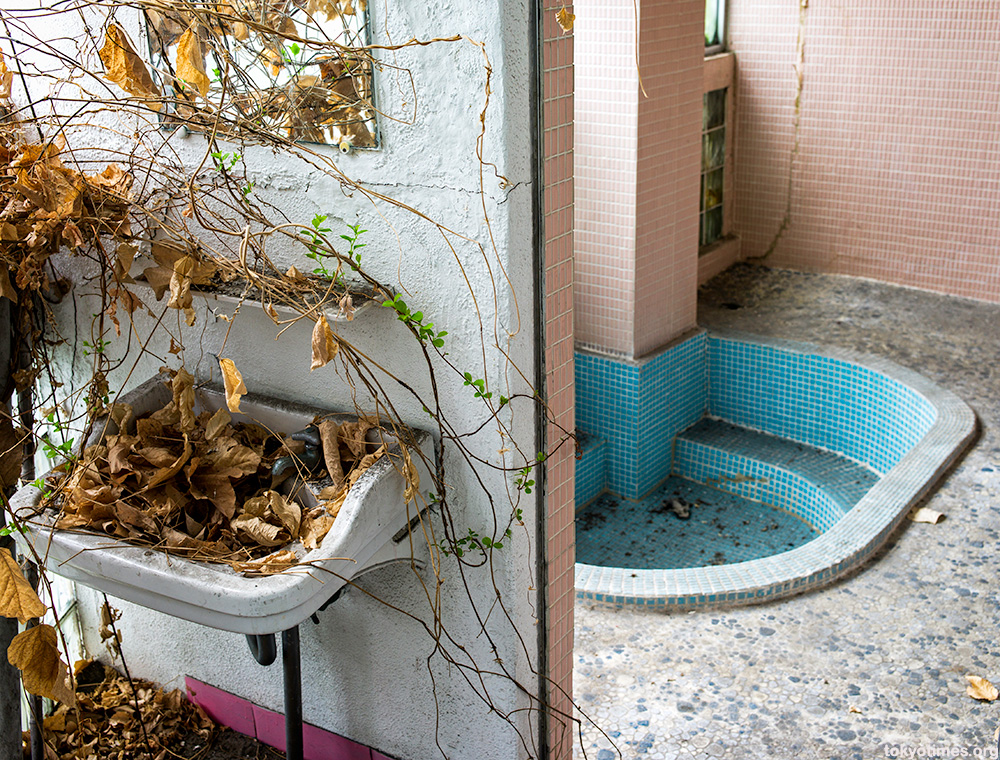
abandoned Japanese school in the mountains

The only obvious form of escape, besides books and magazines, being a now very battered TV.

abandoned Japanese school in the mountains

That’s not to say the school’s female teacher had it any easier, as she often stayed with a student’s family rather than make the long trek back to wherever it was she lived.

But like most abandoned schools, the most striking thing about the building is its silence. Where once there was music.

abandoned Japanese school in the mountains

Of which there was clearly quite a lot.

abandoned Japanese school in the mountains

abandoned Japanese school in the mountains

abandoned Japanese school in the mountains

There is now very noticeably none. Which, while we were there, only magnified the sound of rain from a slow moving storm hammering down around us.
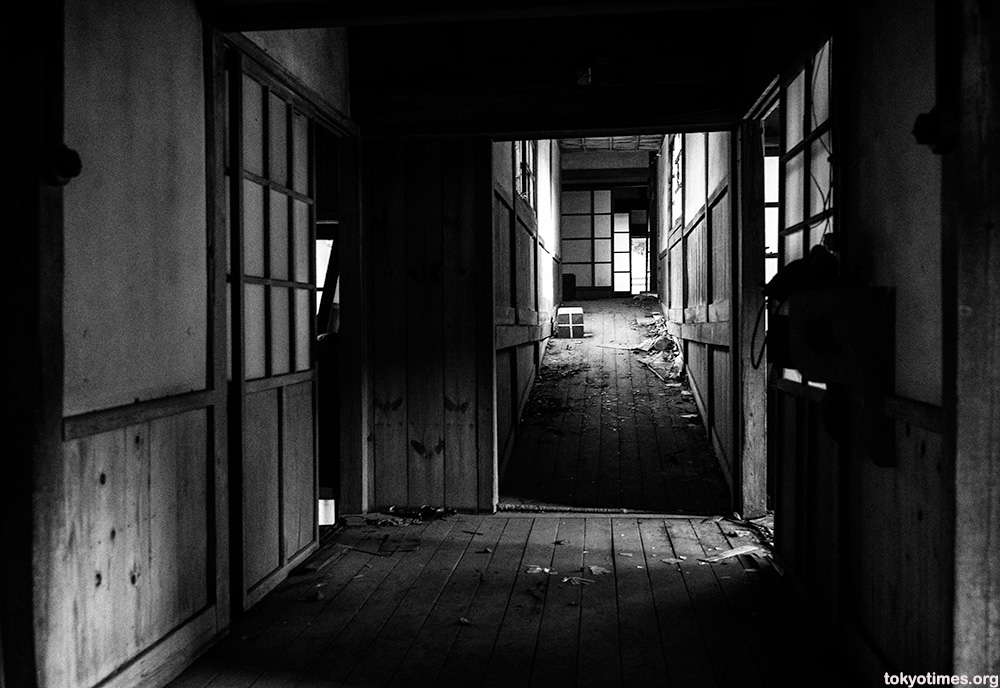
abandoned Japanese school in the mountains

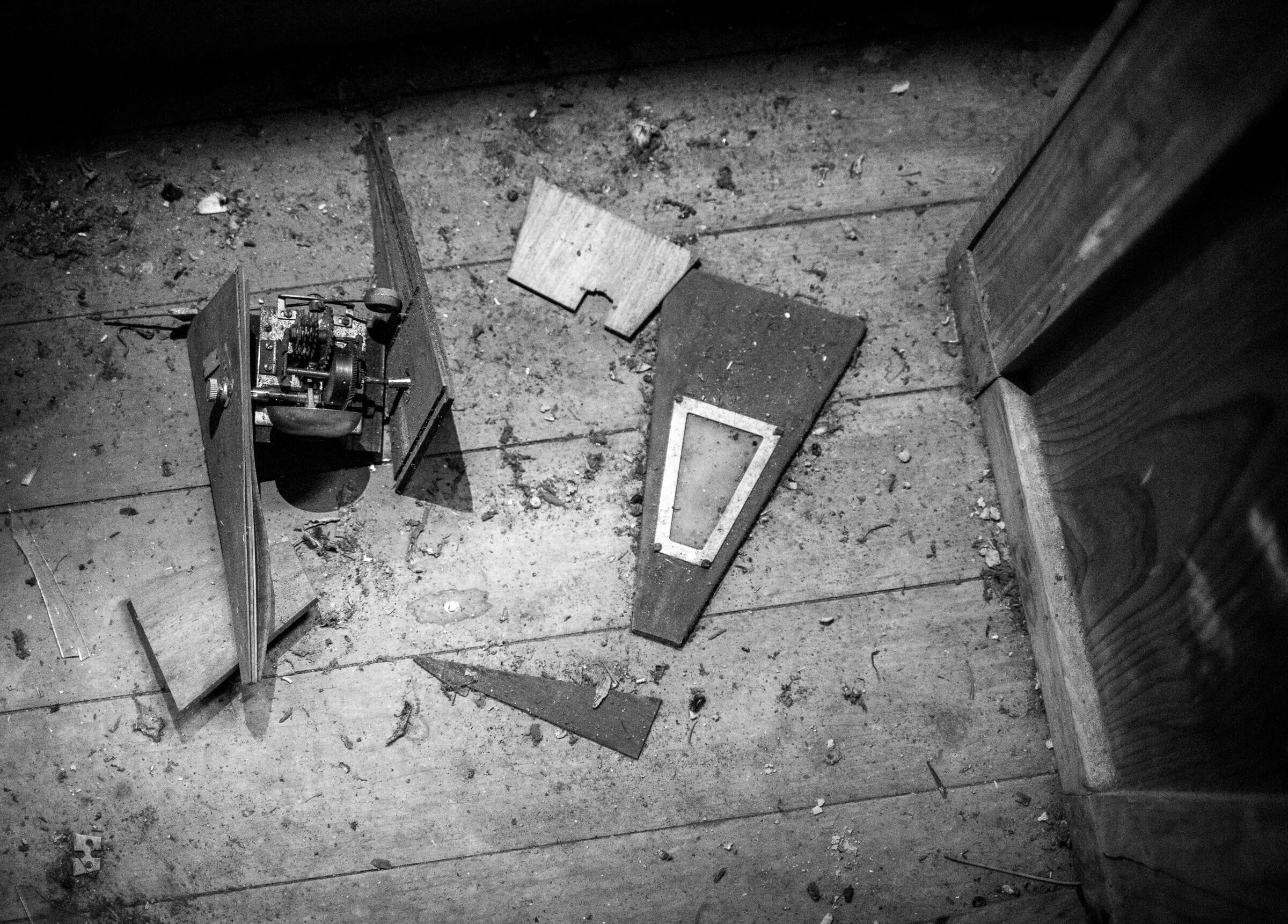
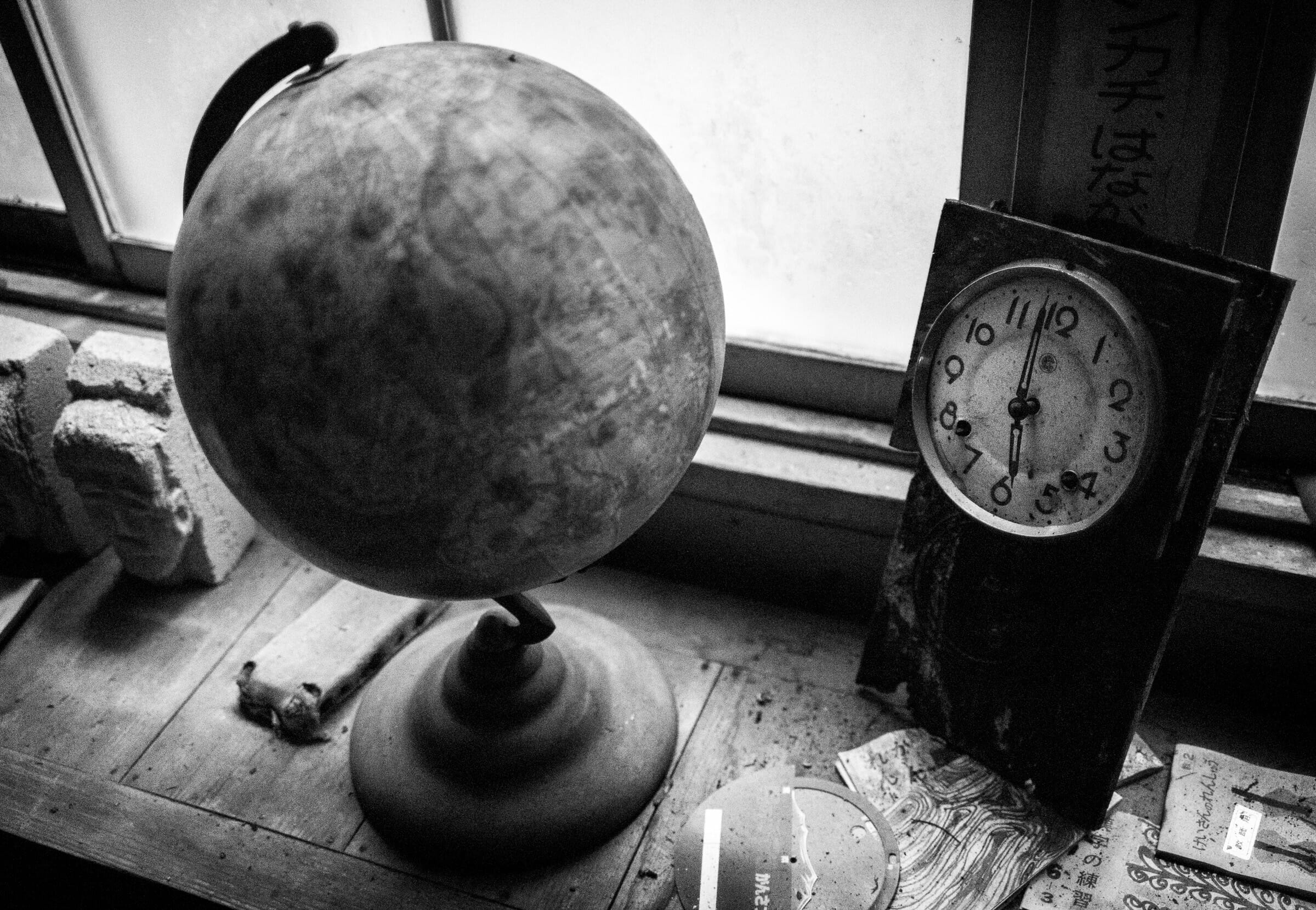
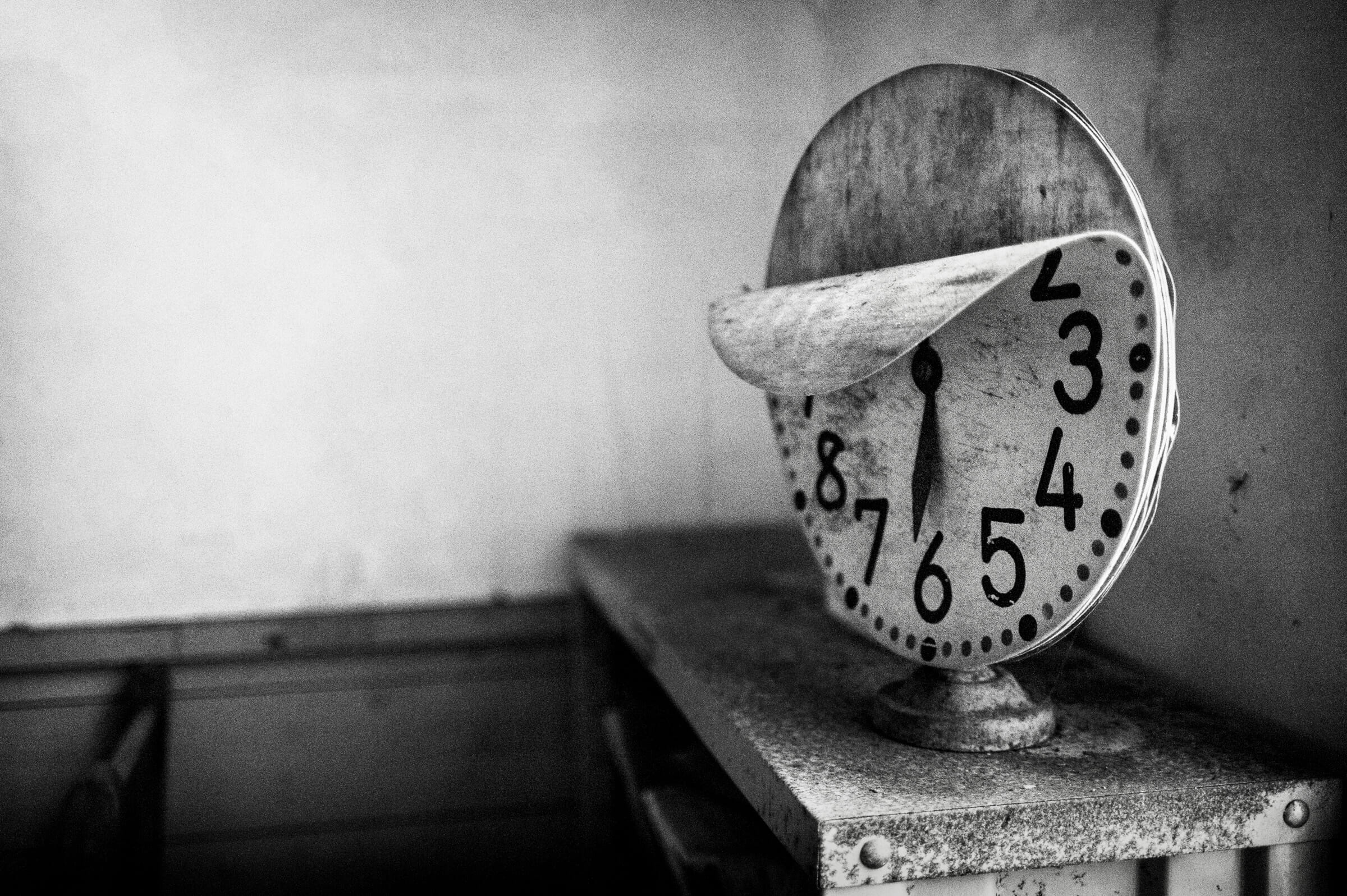
All of which seemed to emphasise the inexorable passage of time, along with the enormous changes that have taken place in the world.
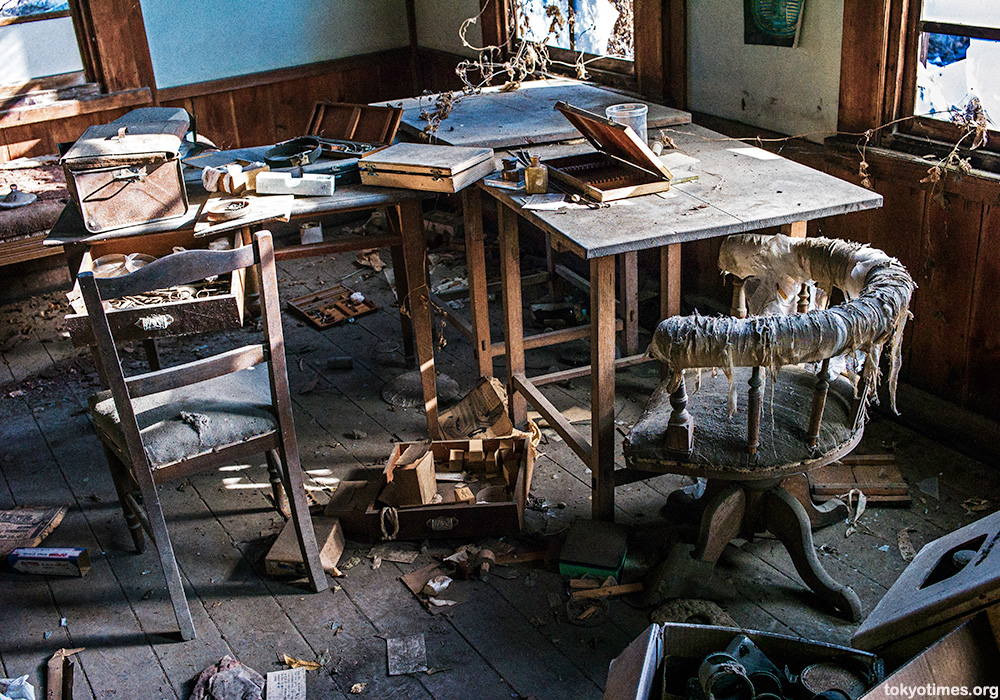
abandoned Japanese school in the mountains

And the complete lack of them at Sazuka Elementary School.

abandoned Japanese school in the mountains

Categorized: Haikyo

Apr 09 2013 34 Comments

An abandoned hotel by the sea

Abandoned hotels are undoubtedly the most common form of haikyo in Japan; structures that starkly expose the folly of the country’s bubble era, or perhaps more commonly the gradual decline of once popular tourist destinations. And the Fujiya Hotel in Shimoda is no different, situated as it is in a city that has undoubtedly seen better days.

abandoned Japanese seaside hotel

Shimoda’s biggest claim to fame is that Commodore Perry and his fleet of ‘black ships’ arrived there in 1854, resulting in the opening of the first American Consulate in Japan. Plus far more significantly, the port (and eventually the whole of Japan) was opened to foreign trade.

But within 5 years this pivotal role had been handed to Yokohama. The consulate was relocated. And the city’s decline arguably began.

To be fair though, it’s not all doom and gloom — far from it in fact. Shimoda has some genuinely lovely beaches. Not to mention a wonderfully craggy coastline. Making it a popular spot in the summer, particularly so with surfers and the like. A situation that is ideal for small guesthouses and rental homes, but not necessarily big hotels. Meaning that despite a myriad of guests during the region’s more clement months.

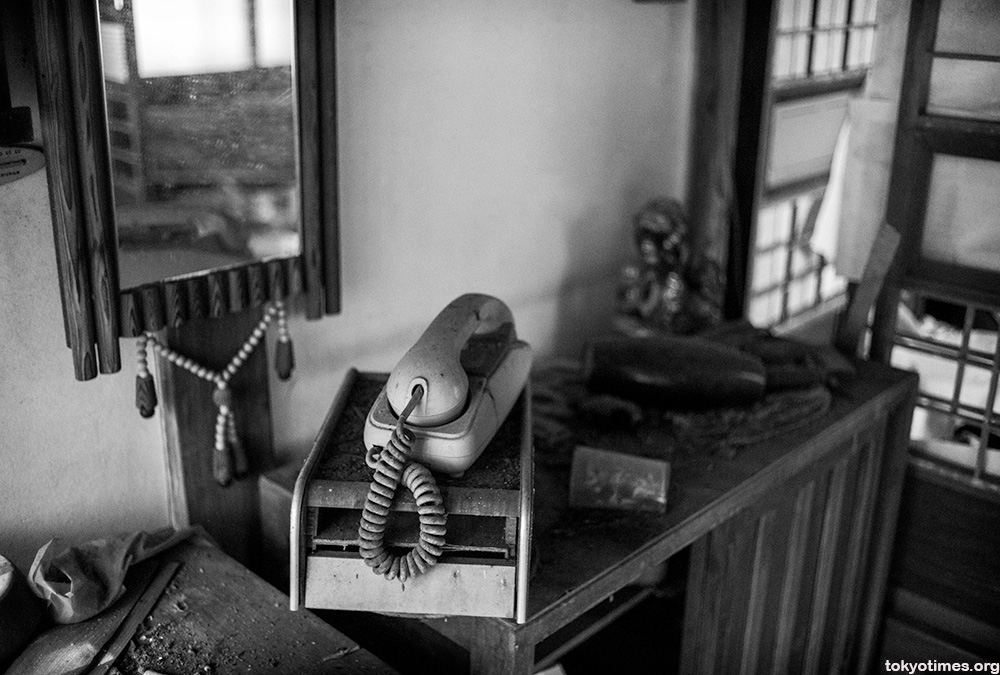
abandoned Japanese seaside hotel

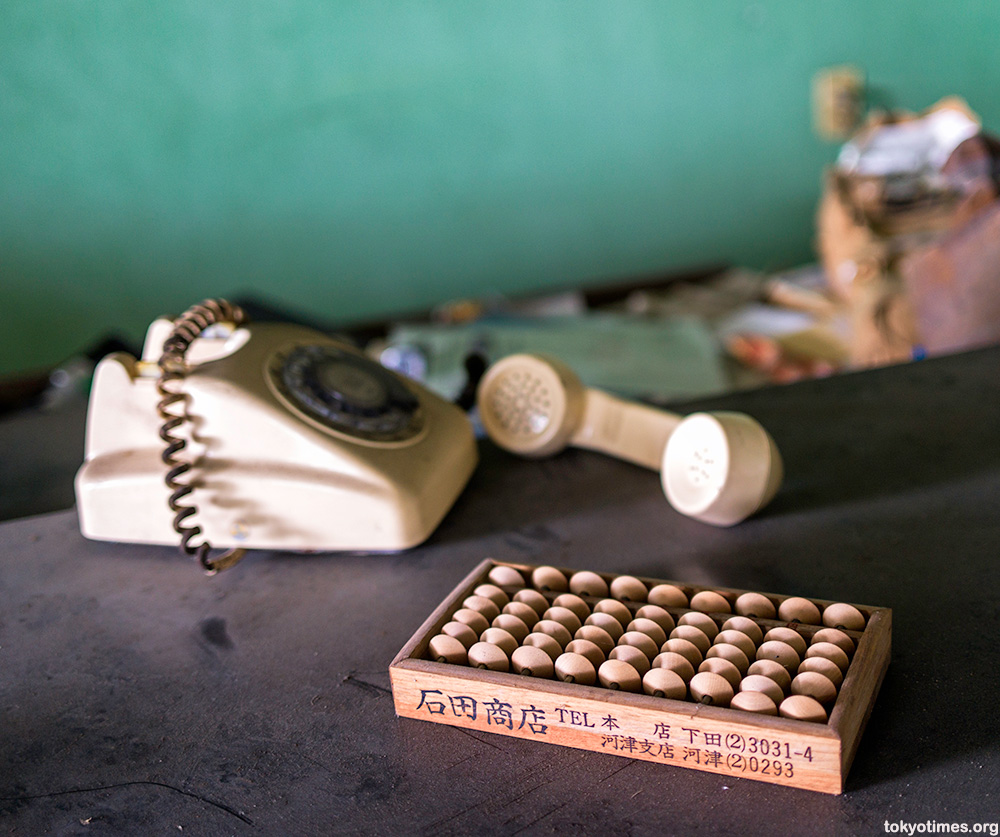
The phone presumably didn’t ring much at all during the far longer off-season.

abandoned Japanese seaside hotel

A sorry state of affairs that, like previously mentioned, has been a common occurrence all over the country. And just like many of the others, the Fujiya contains some interesting things that got left behind.

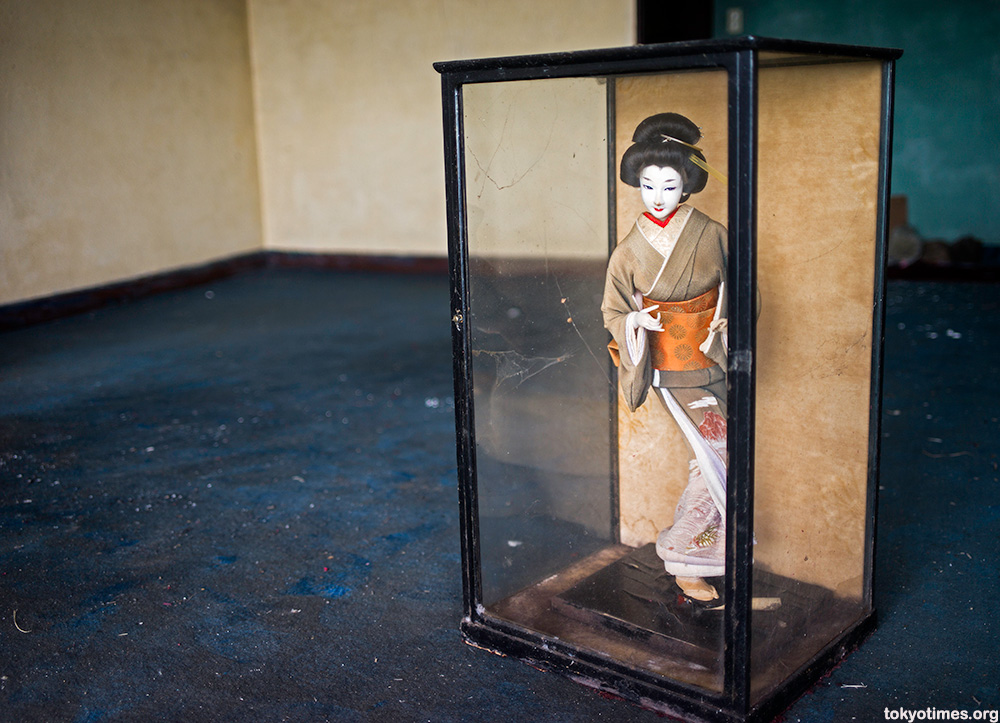
Dolls.

abandoned Japanese seaside hotel

Chairs.

abandoned Japanese seaside hotel

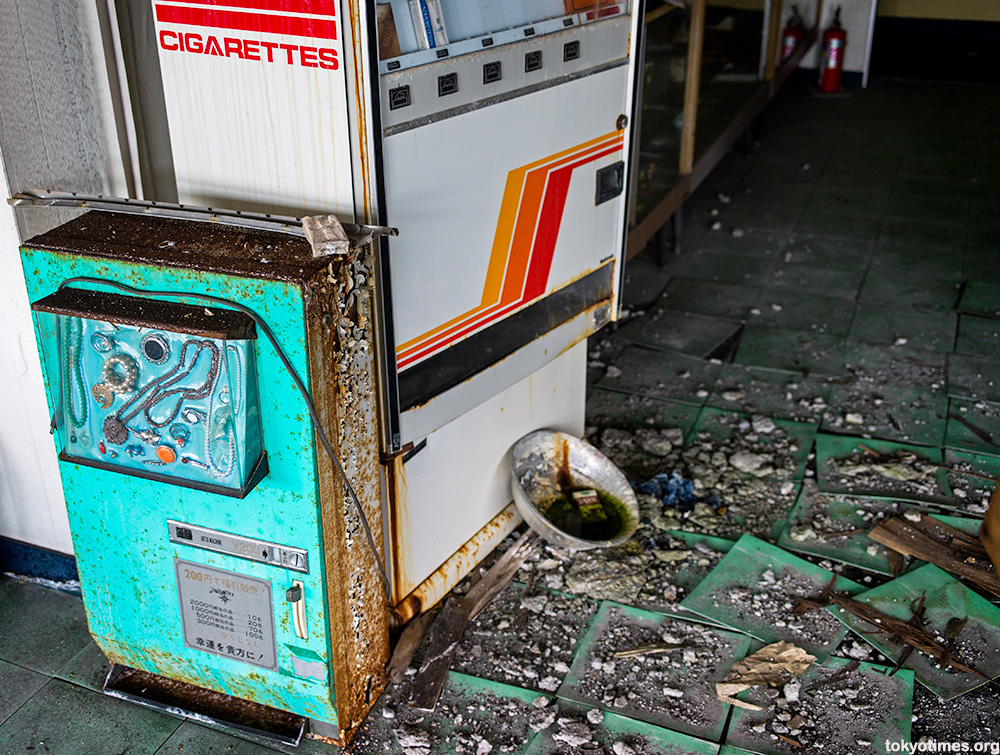
The obligatory vending machines.

abandoned Japanese seaside hotel

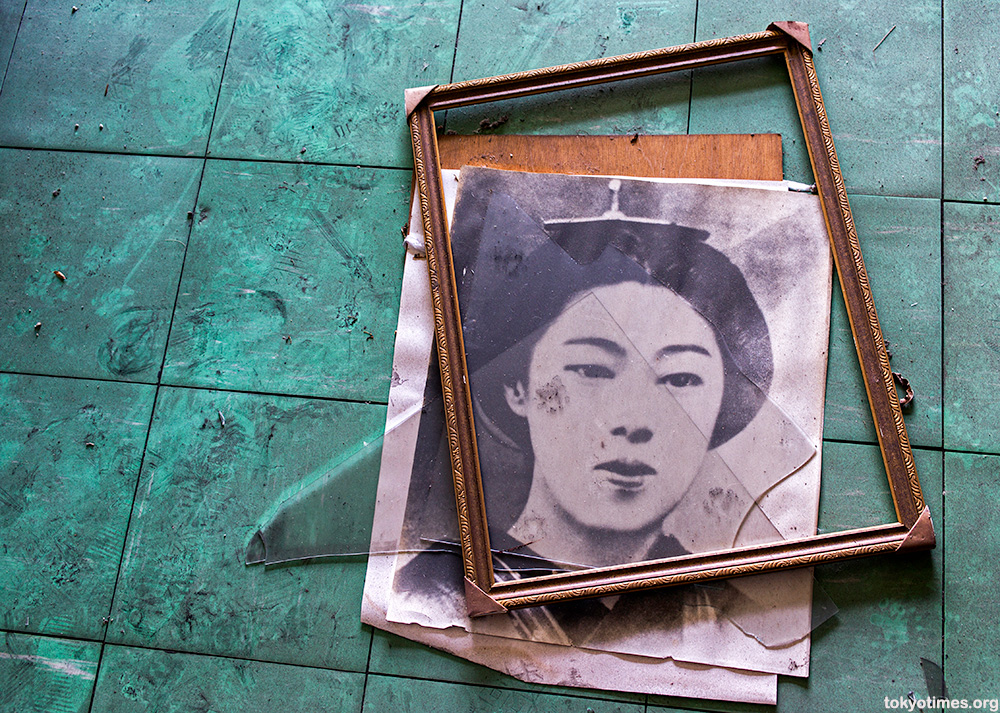
Plus a rather forlorn-looking photo of an unnamed woman, although it could be Okichi, a former geisha from the city whose story is far sadder than the decline of a mere hotel.

abandoned Japanese seaside hotel

And just like other such places, the Fujiya has room after identical room, which can get rather tedious. The hope for something interesting behind the next door almost always dashed by yet another semi-furnished interior just like the last.

This time, however, there were at least a few surprises.

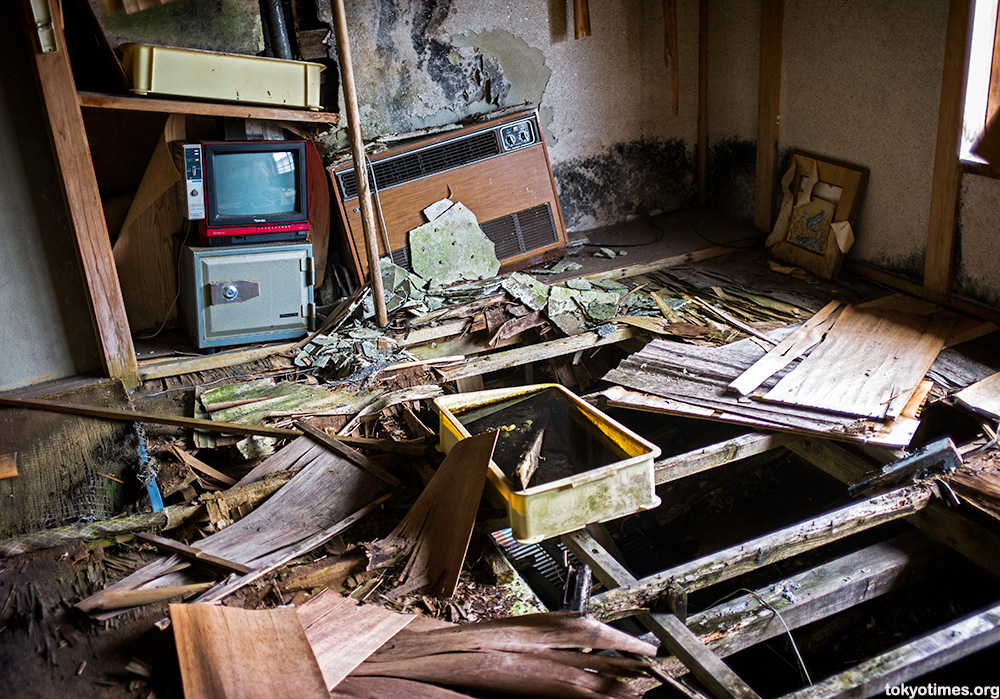
Some rooms are in a truly shocking state.

abandoned Japanese seaside hotel

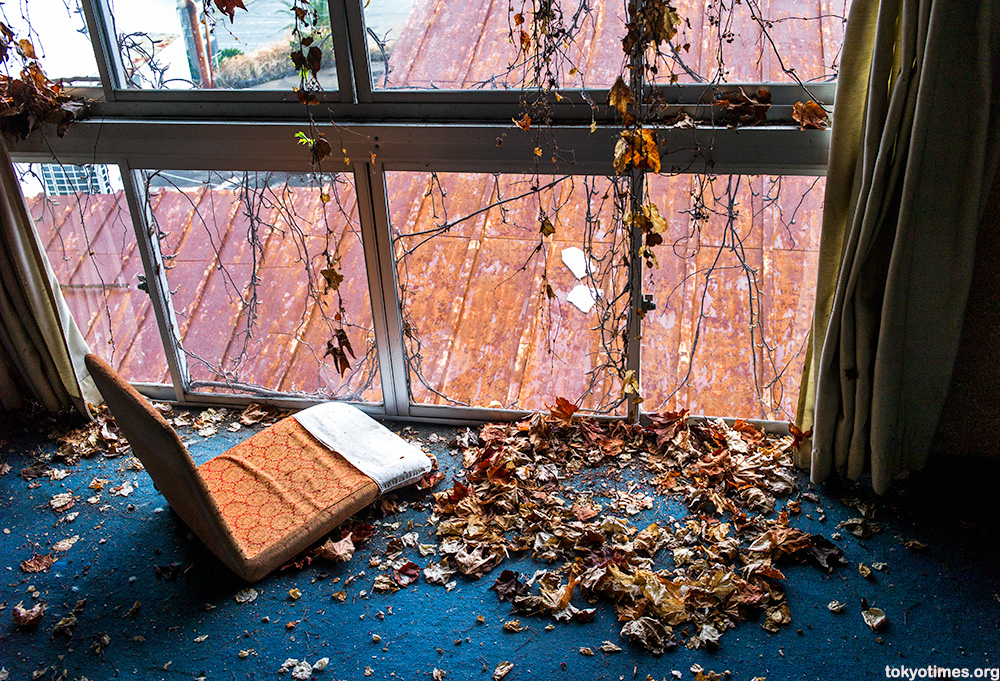
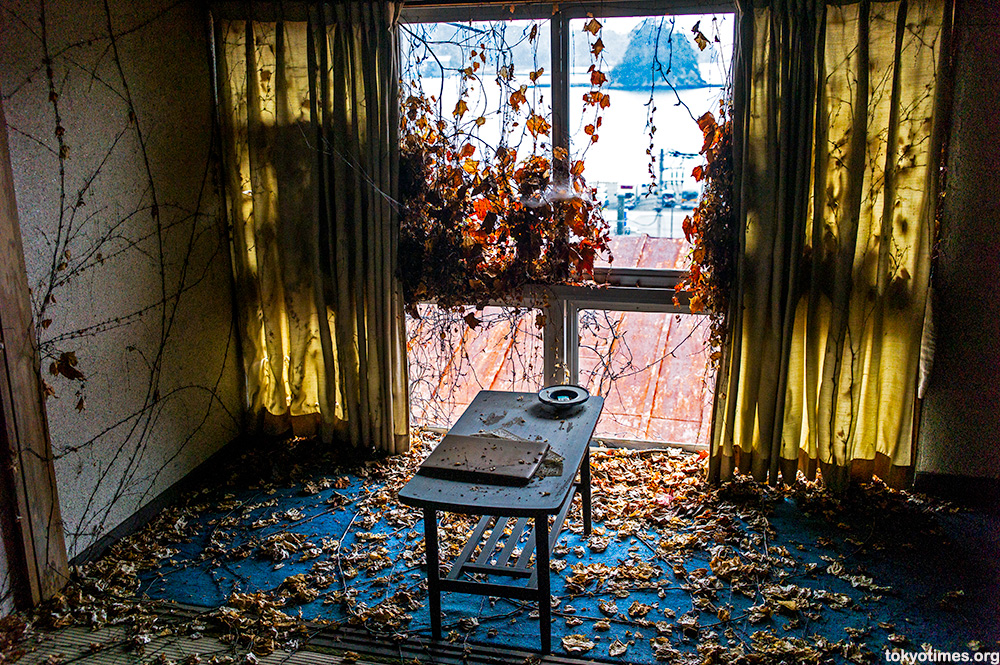
Although far more interesting is that nature has started to take back a few of the others.

abandoned Japanese seaside hotel

Creating wonderfully atmospheric scenes.

abandoned Japanese seaside hotel

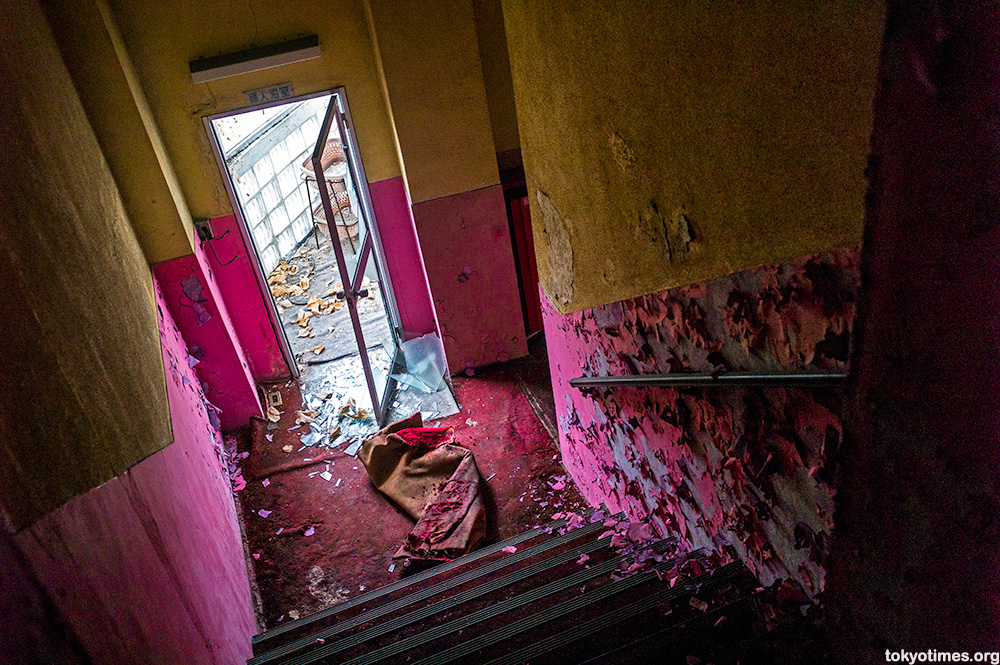
Something that is also repeated in the hotel’s bathing area — a presumably popular feature due to the area’s natural hot springs. As such it’s probably fair to assume that most guests would have gone down these stairs in anticipation of a soothing, restorative soak.

abandoned Japanese seaside hotel

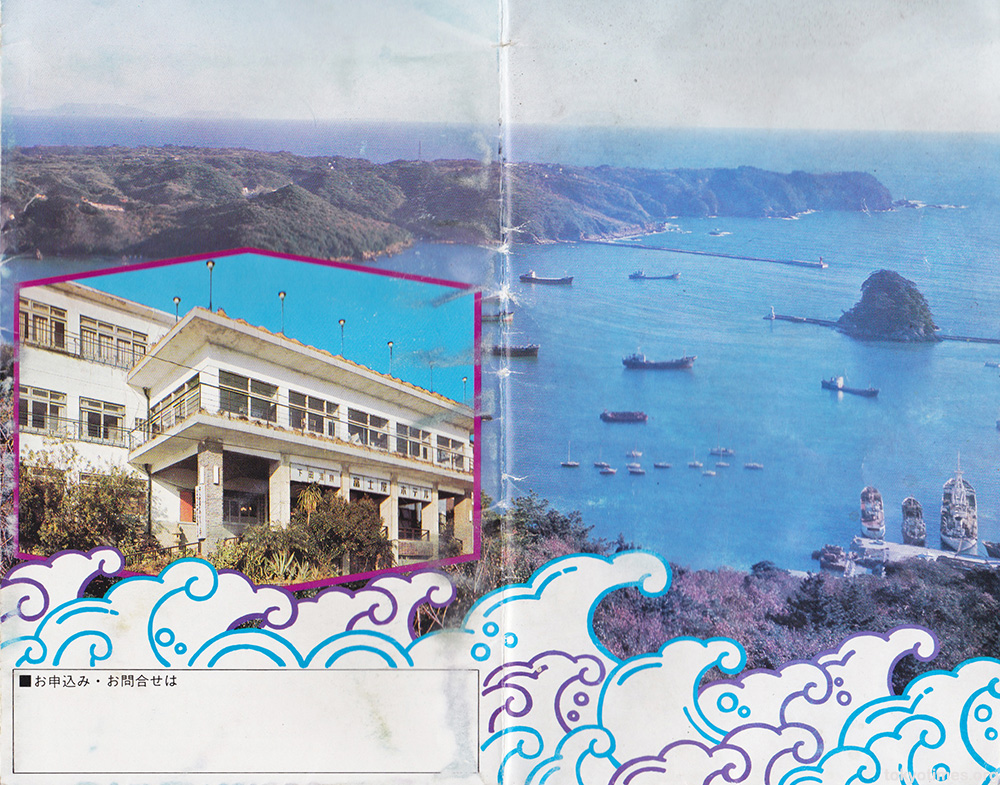
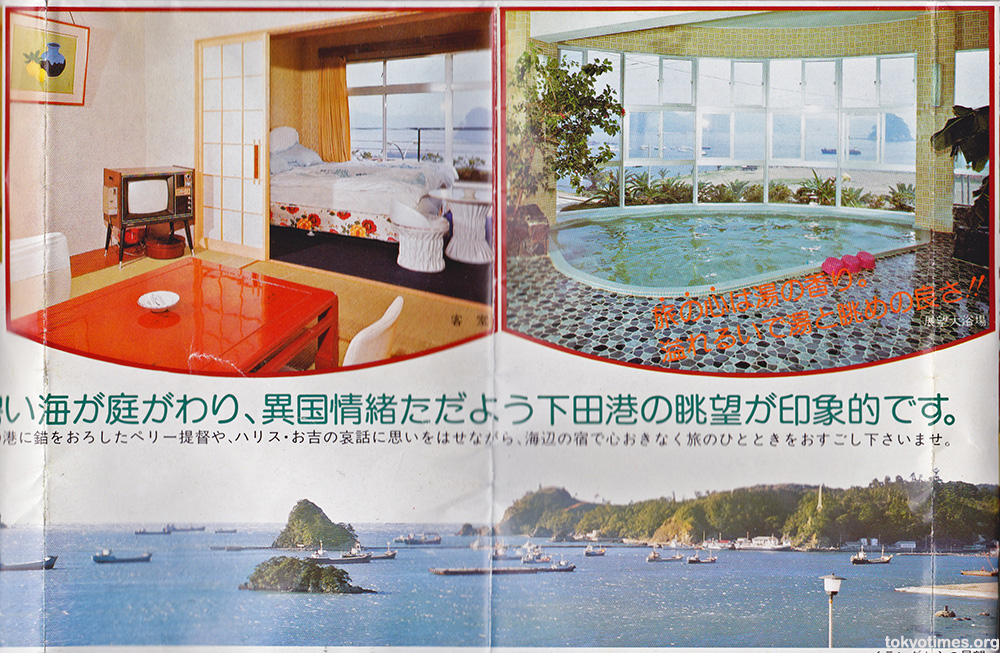
An element that the brochure was understandably keen to emphasise.

abandoned Japanese seaside hotel

But that was then, and this is now. And just like the rooms, nature has begun to make considerable inroads, giving the baths a very different look indeed.

abandoned Japanese seaside hotel

As well as endowing the building with real character. Ironically far more than it probably had when open.

abandoned Japanese seaside hotel

Categorized: Haikyo

Feb 26 2013 27 Comments

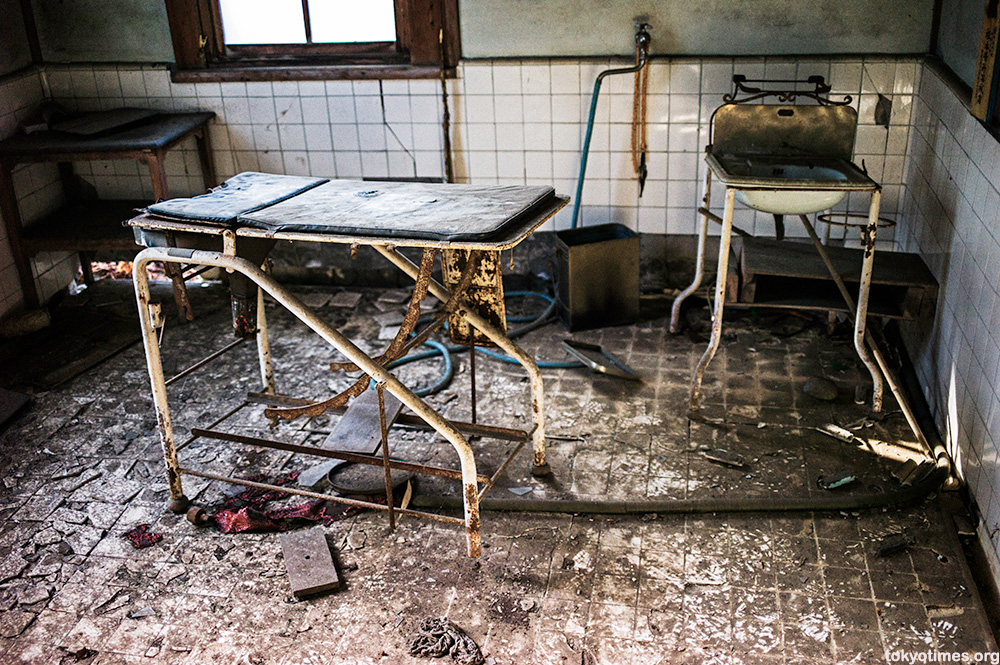
The horror movie-like interior of an abandoned Japanese clinic

Abandoned buildings in Japan come in all shapes and sizes, with each one boasting its own, unique atmosphere. And particularly in regards the latter, the rotting, filthy clinic below, is a world away from the wonderfully welcoming and serene house I’d visited only hours earlier — photos of which can be seen here.

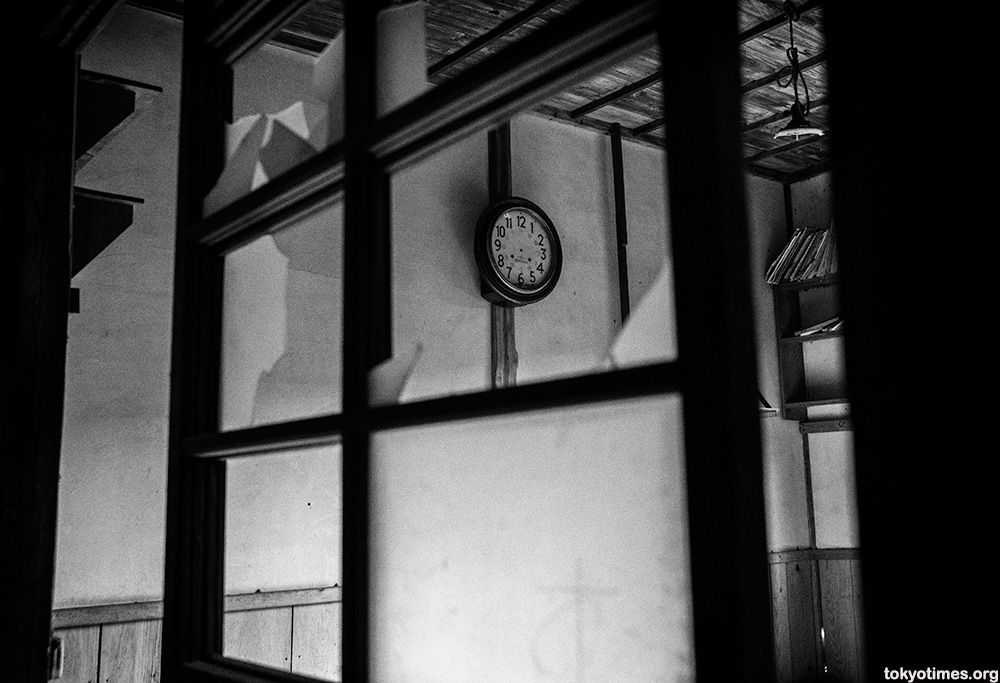
But that’s not to say the clinic doesn’t have character, because it does. Lots of it too. Something its wooden structure really adds to.

abandoned Japanese clinic

But condition-wise it leaves a lot to be desired, with remnants of the building’s former calling scattered everywhere.

abandoned Japanese clinic

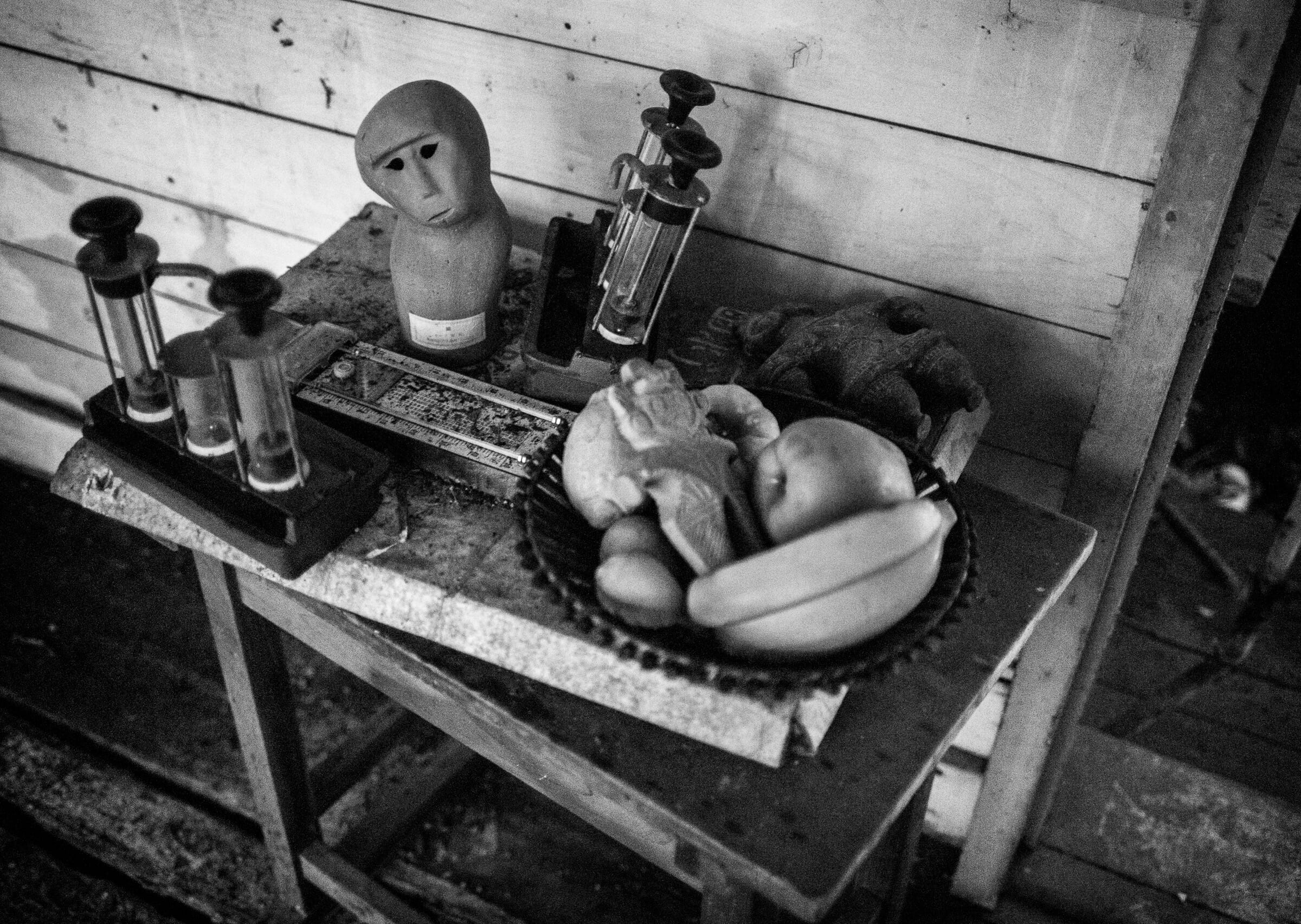
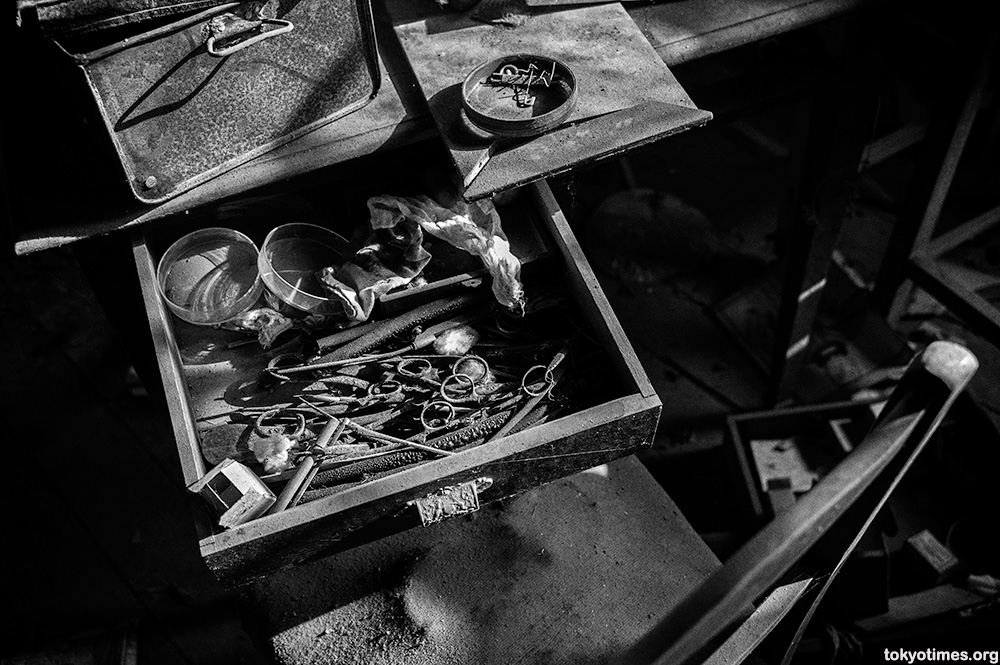
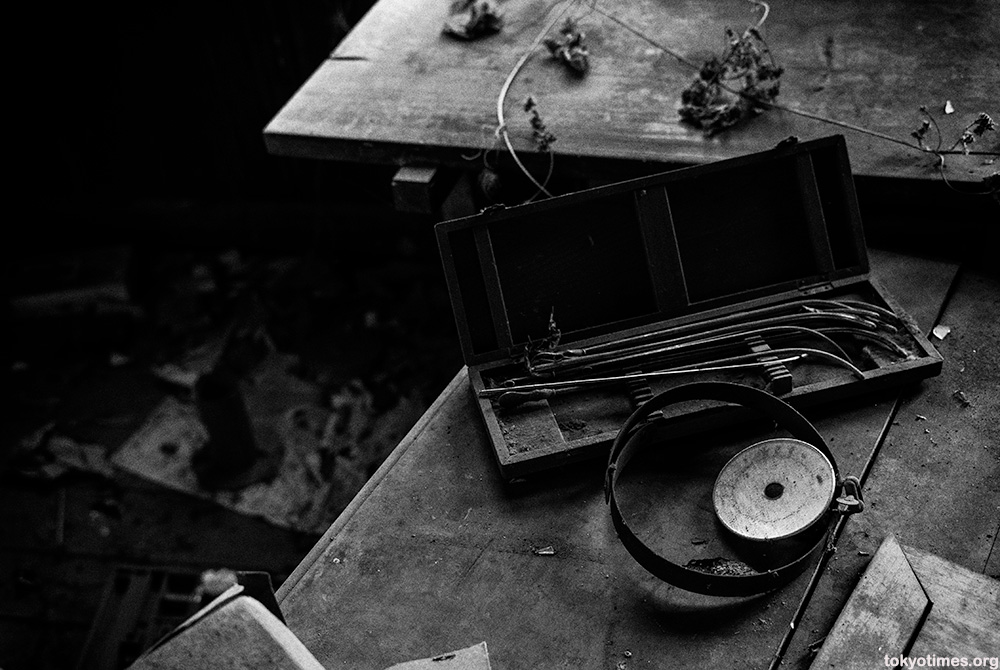
Instruments.

abandoned Japanese clinic

abandoned Japanese clinic

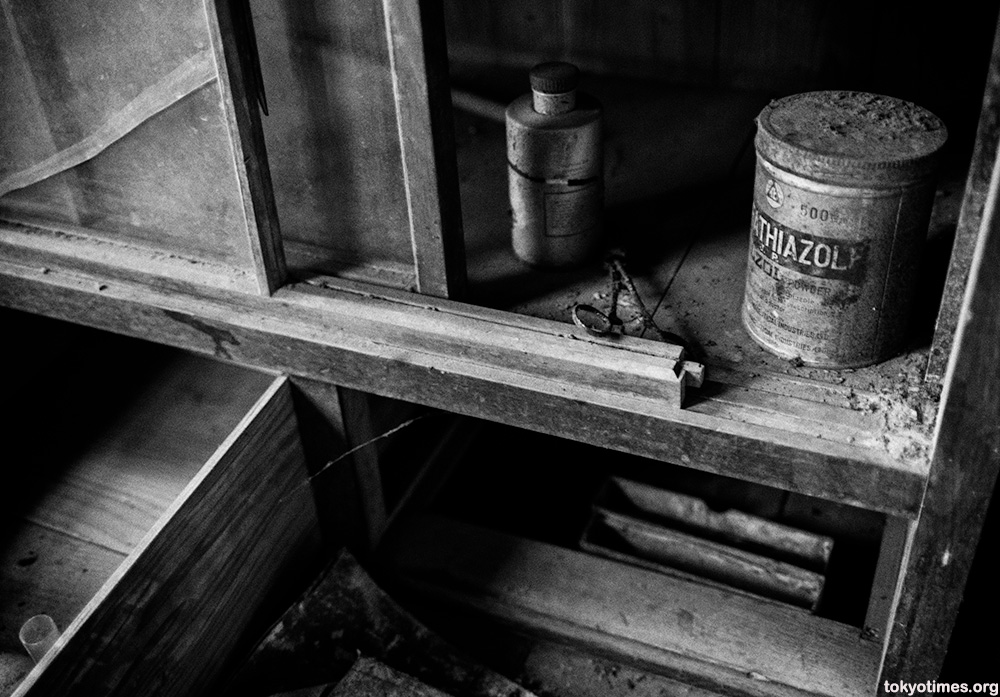
Potions.

abandoned Japanese clinic

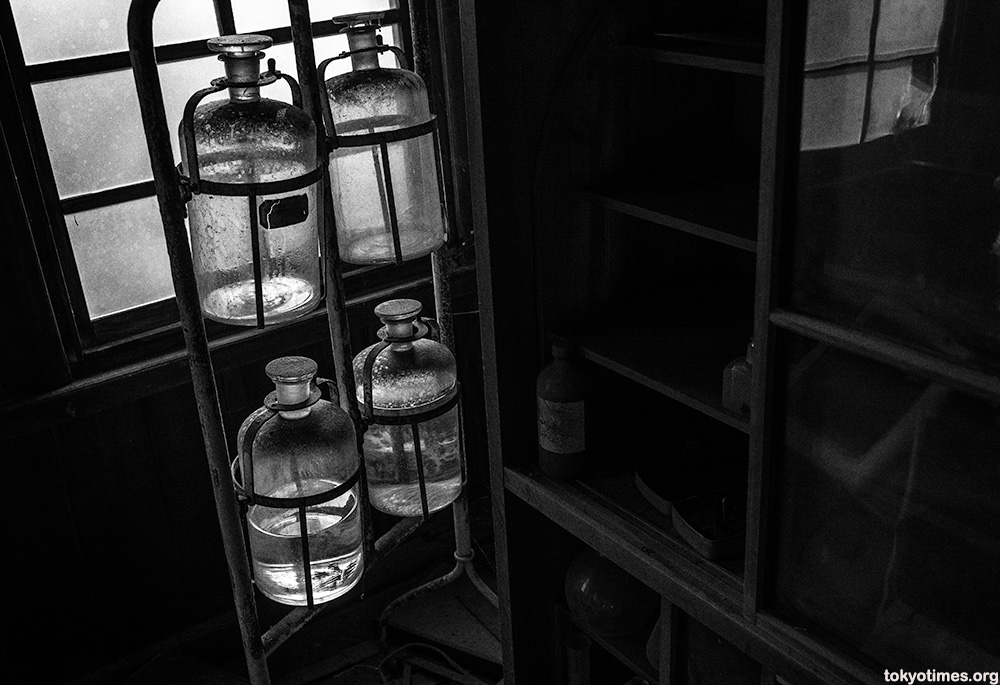
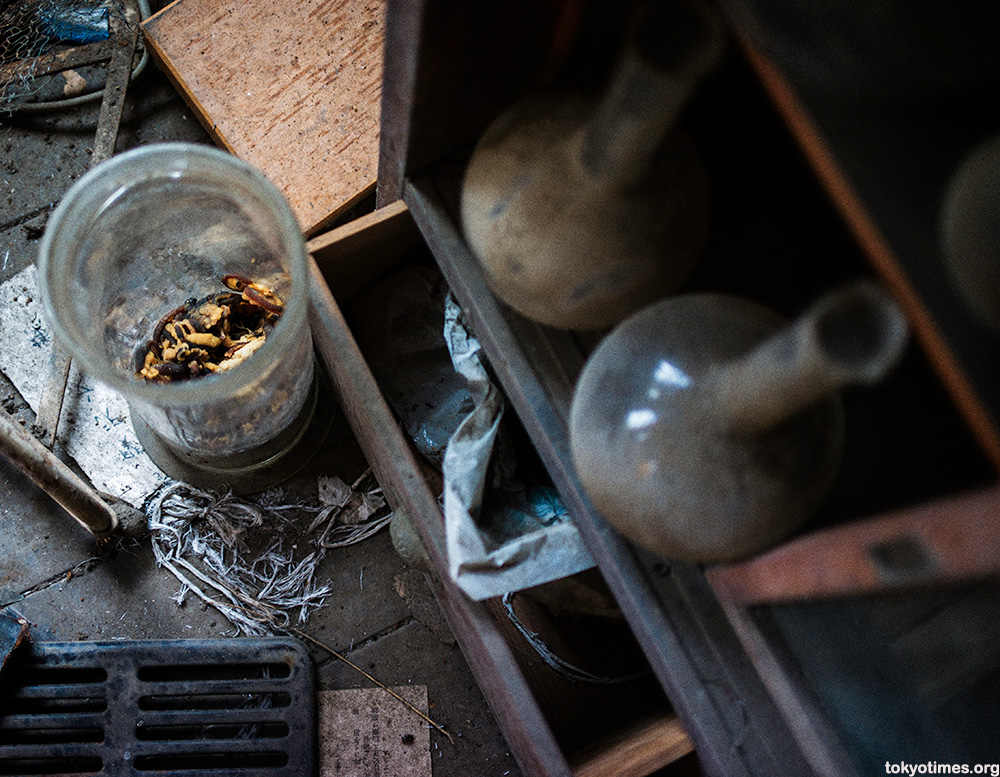
Archaic-looking glass containers.

abandoned Japanese clinic

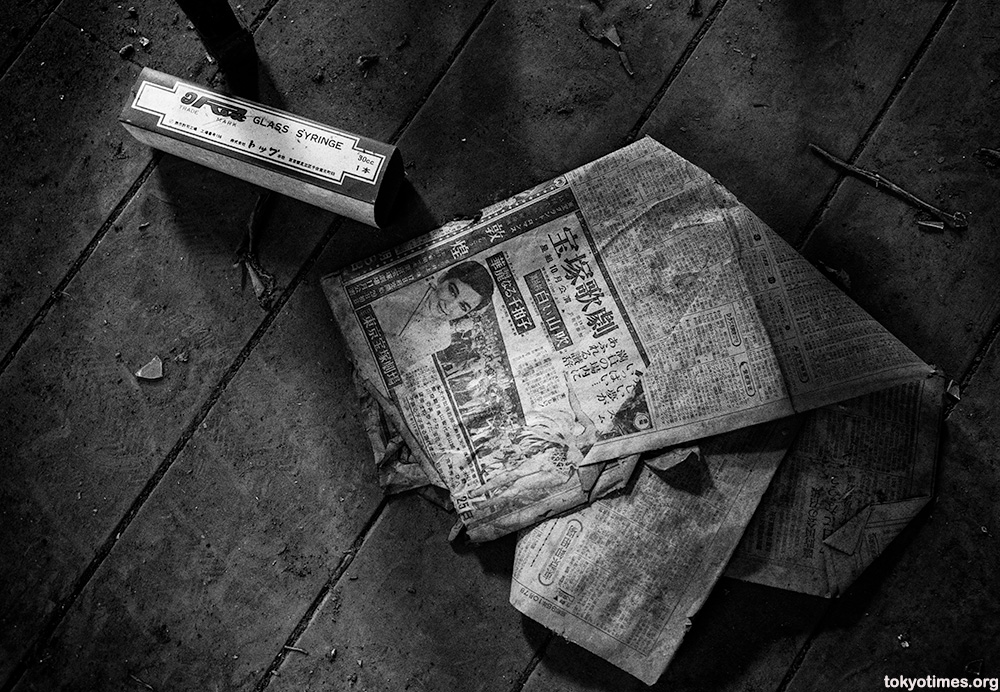
And syringes.

abandoned Japanese clinic

Pretty much everything really. Even jars containing things that the imagination can probably make too much of.

abandoned Japanese clinic

Yet quite why it has been abandoned like this is hard to say. Obviously the elements have taken their toll, but as the owner’s house is on the same plot of land — a factor that makes exploration a little tricky — it seems odd to leave the clinic in such a sorry state.

But whatever the reasons, time has certainly stood still since the last patients left in 1970.

abandoned Japanese clinic

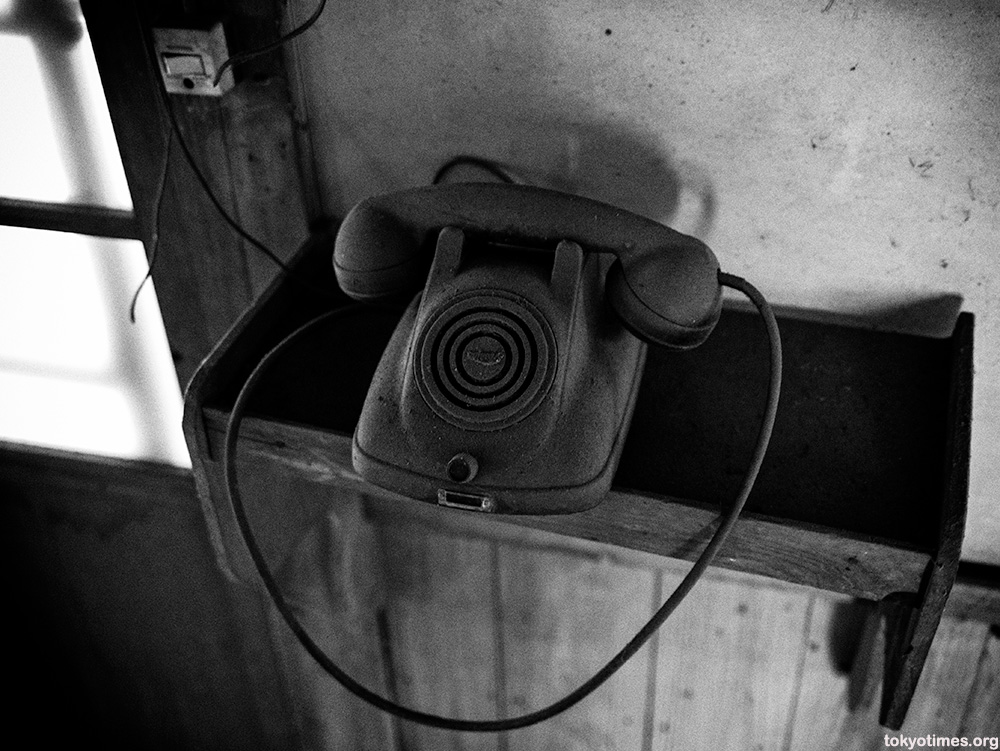
Meaning no more calls.

abandoned Japanese clinic

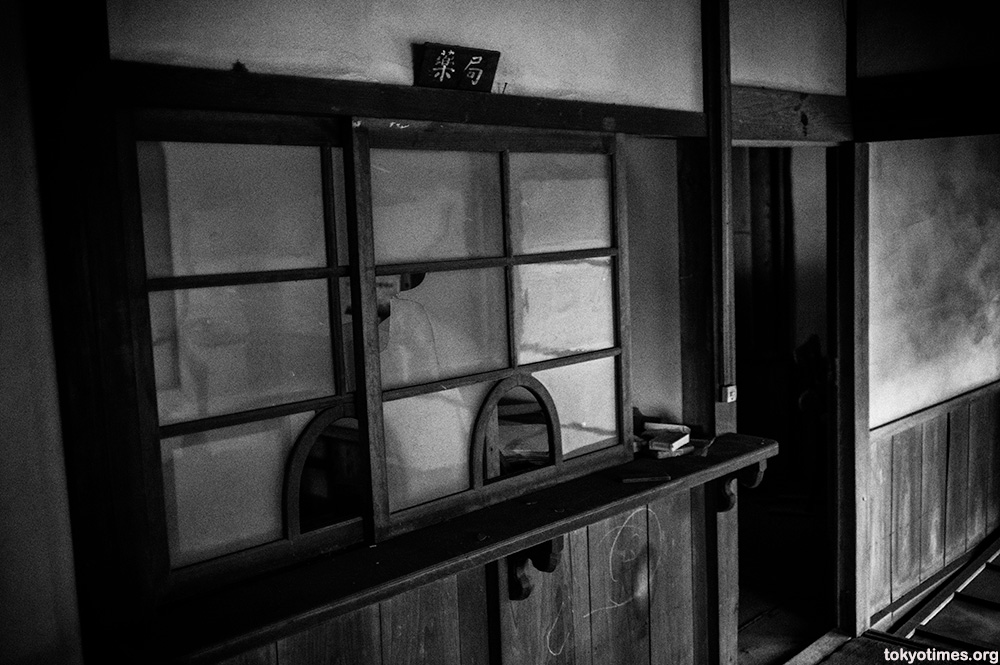
And no conversations with the receptionist.

abandoned Japanese clinic

Which, considering the truly horrific nature of the operating room, is perhaps as well.

abandoned Japanese clinic

Categorized: Haikyo

« Previous Page
Next Page »

Footer

Copyright © 2026 · Tokyo Times