• Skip to main content
  • Skip to footer

Tokyo Times

Photographs from a small group of islands

  • Photowalks
  • Portfolio
  • Book and Prints
  • Newsletter
  • About/Contact
  • Follow
    • Facebook
    • Instagram
    • Twitter
    • RSS

Haikyo

Jul 22 2015 12 Comments

Abandoned Japanese mining town

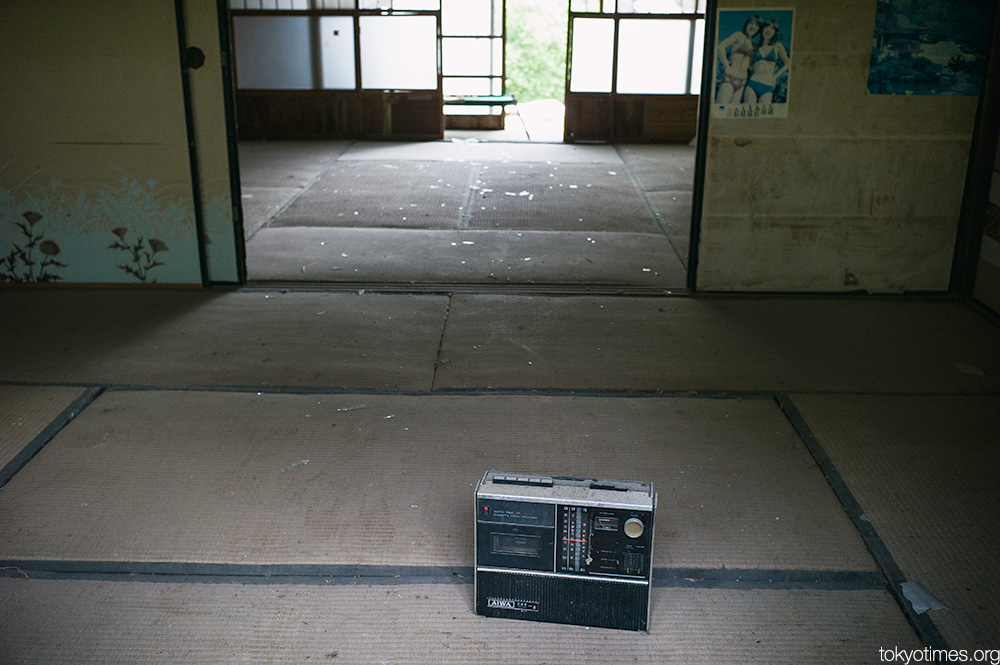
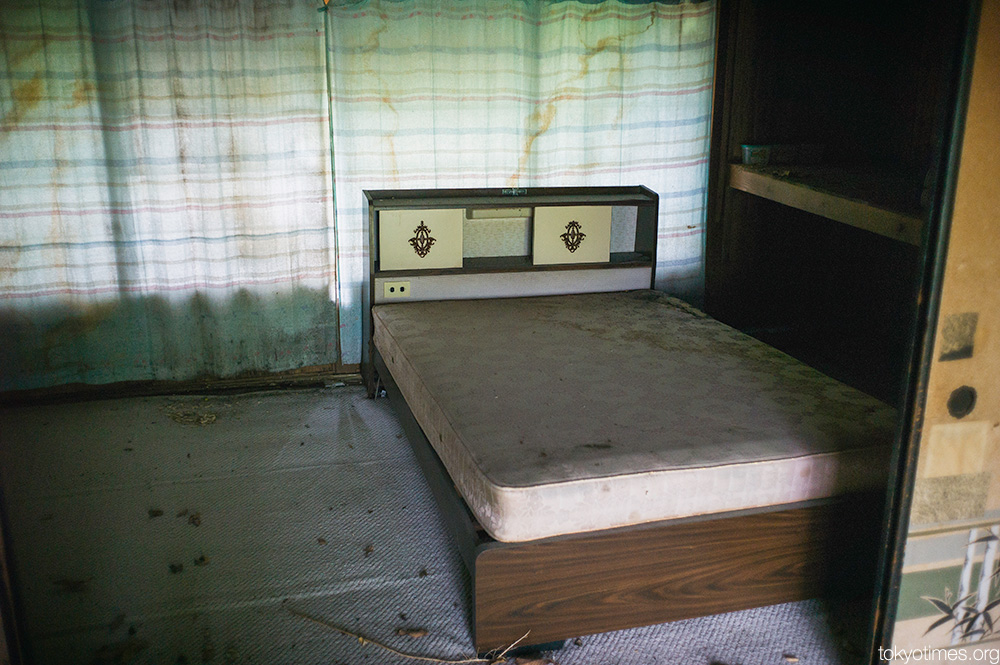
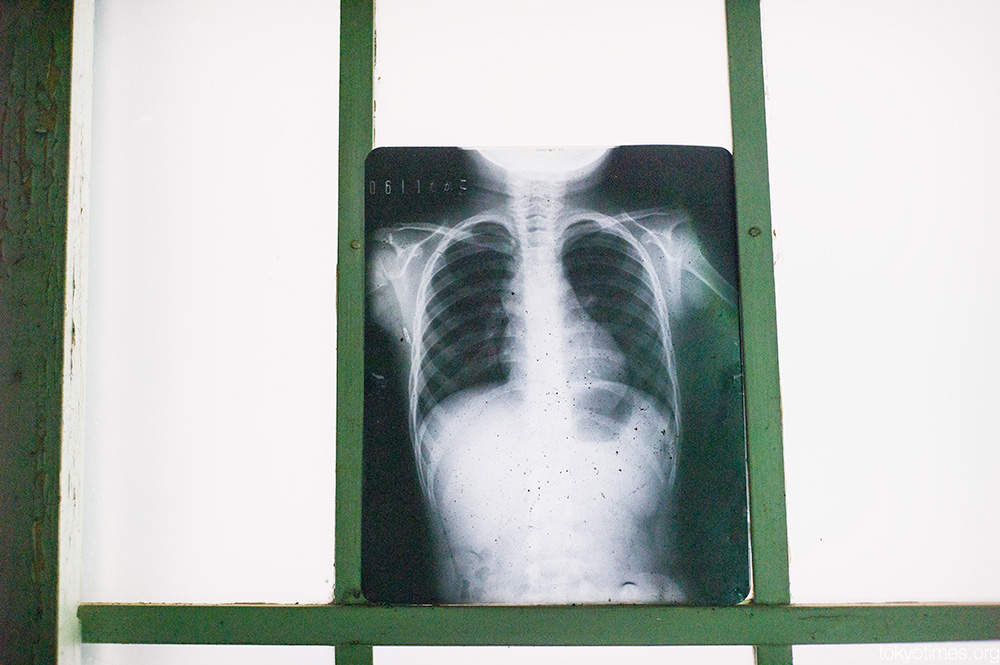
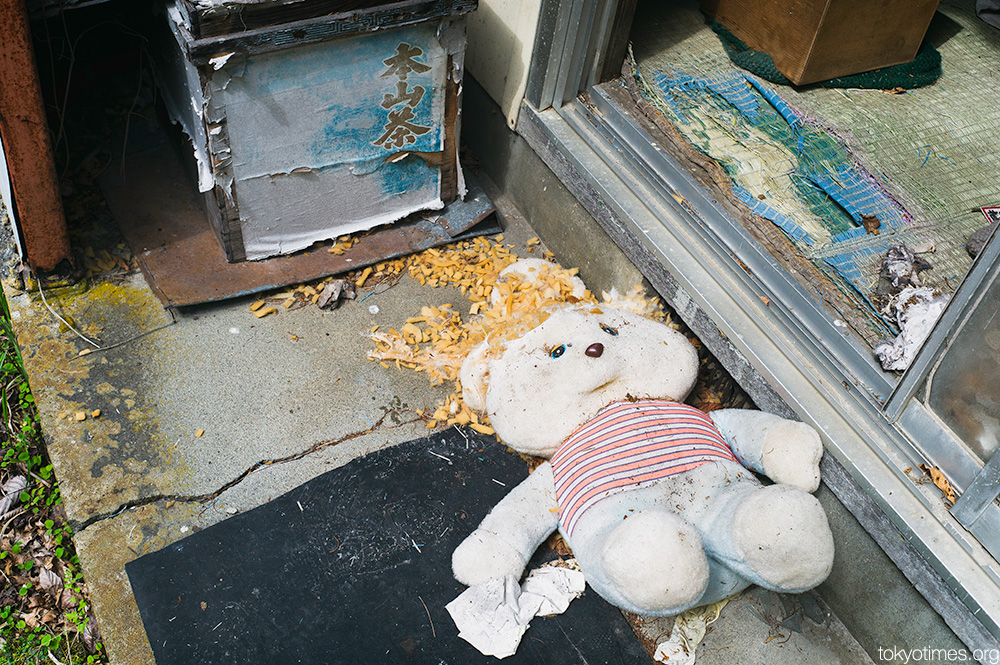
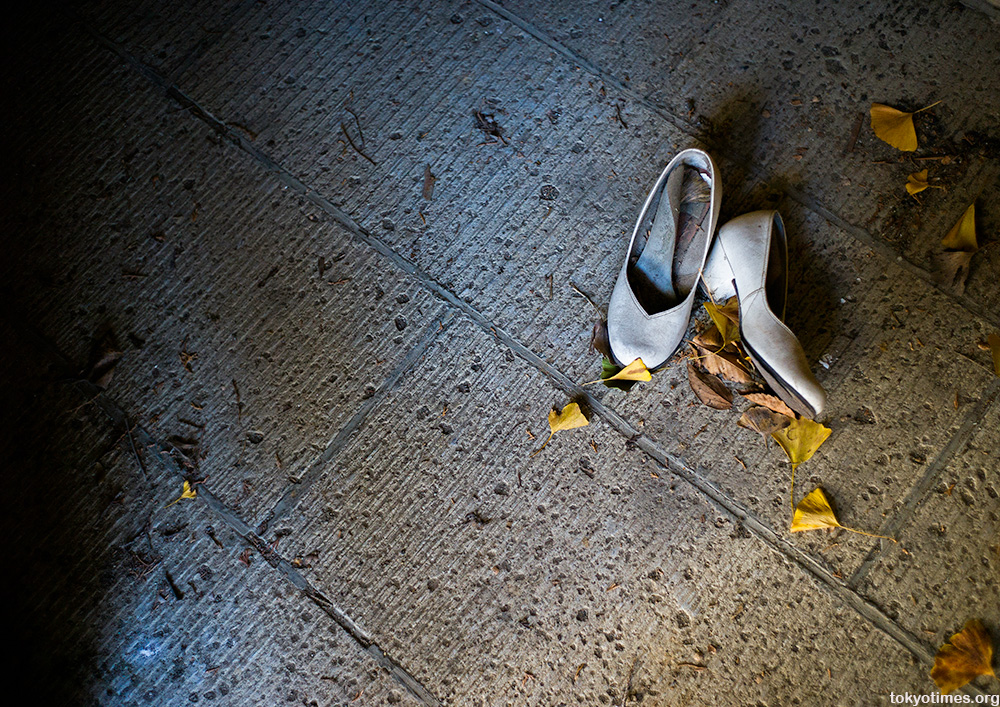
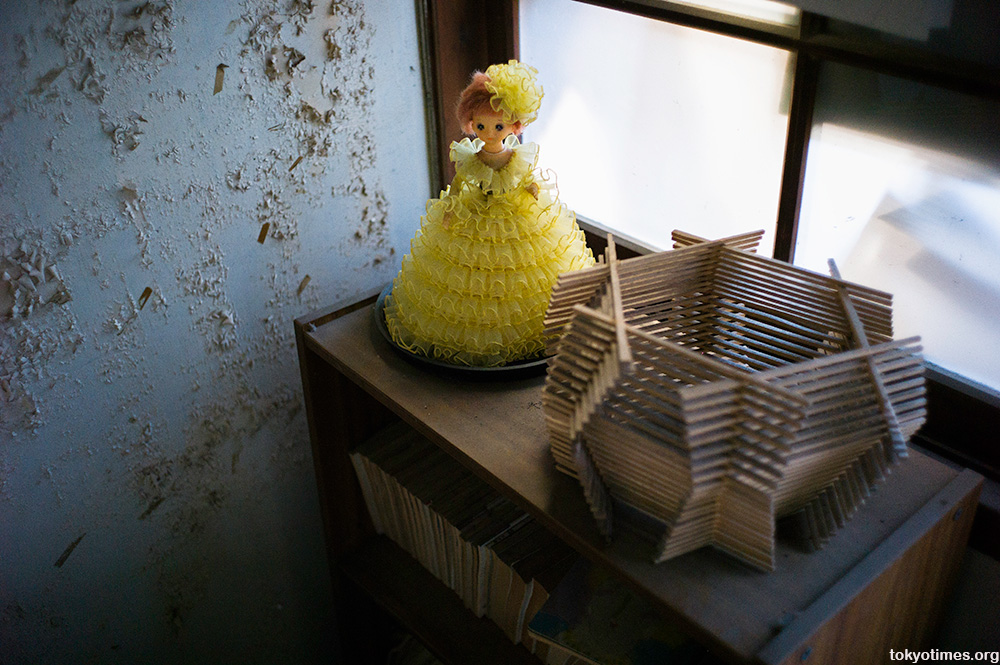
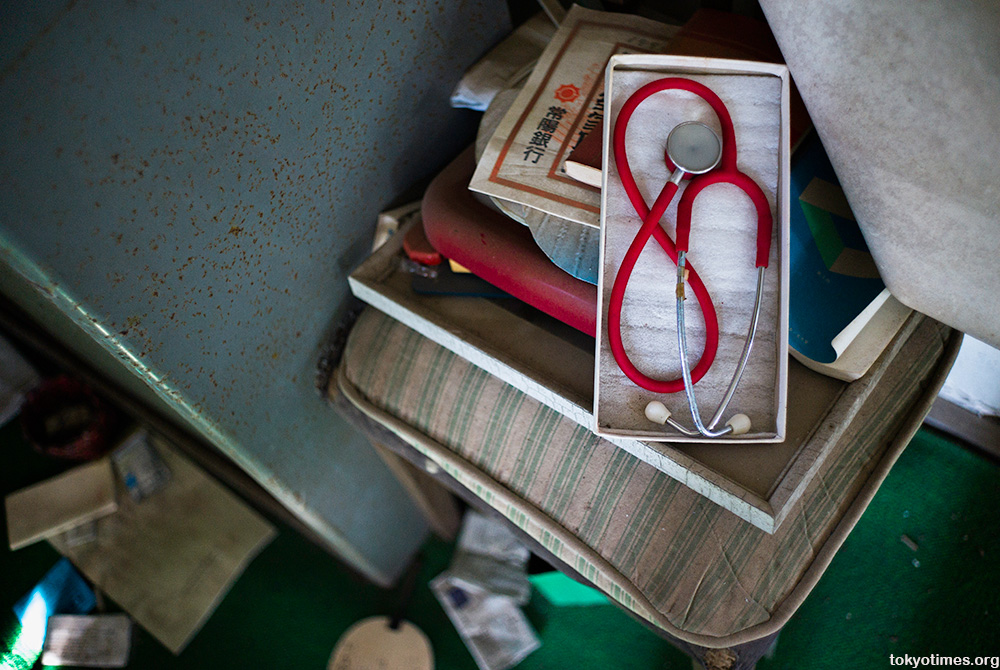
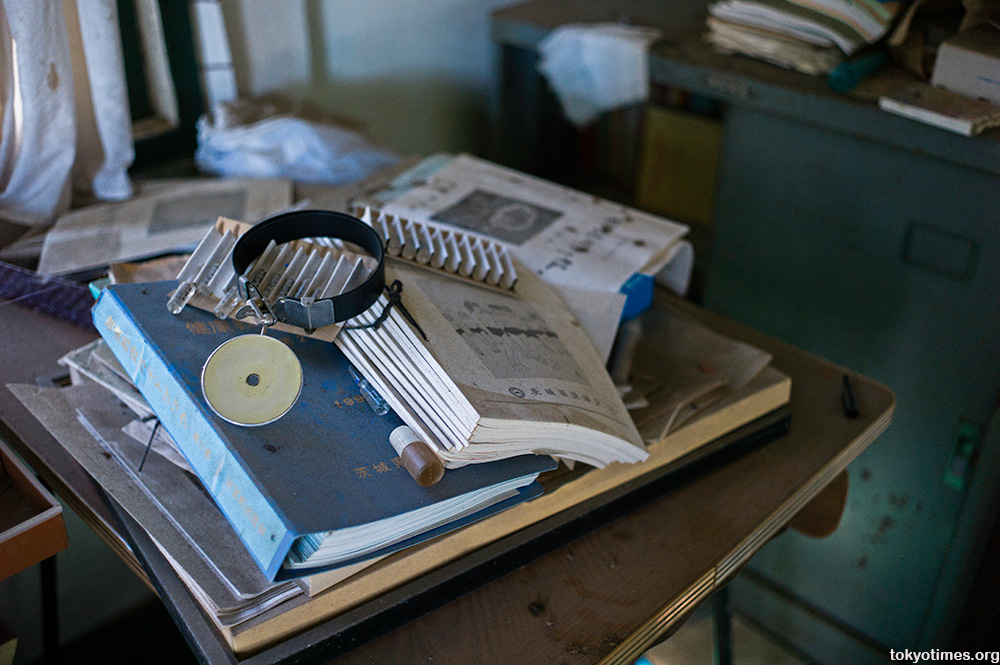
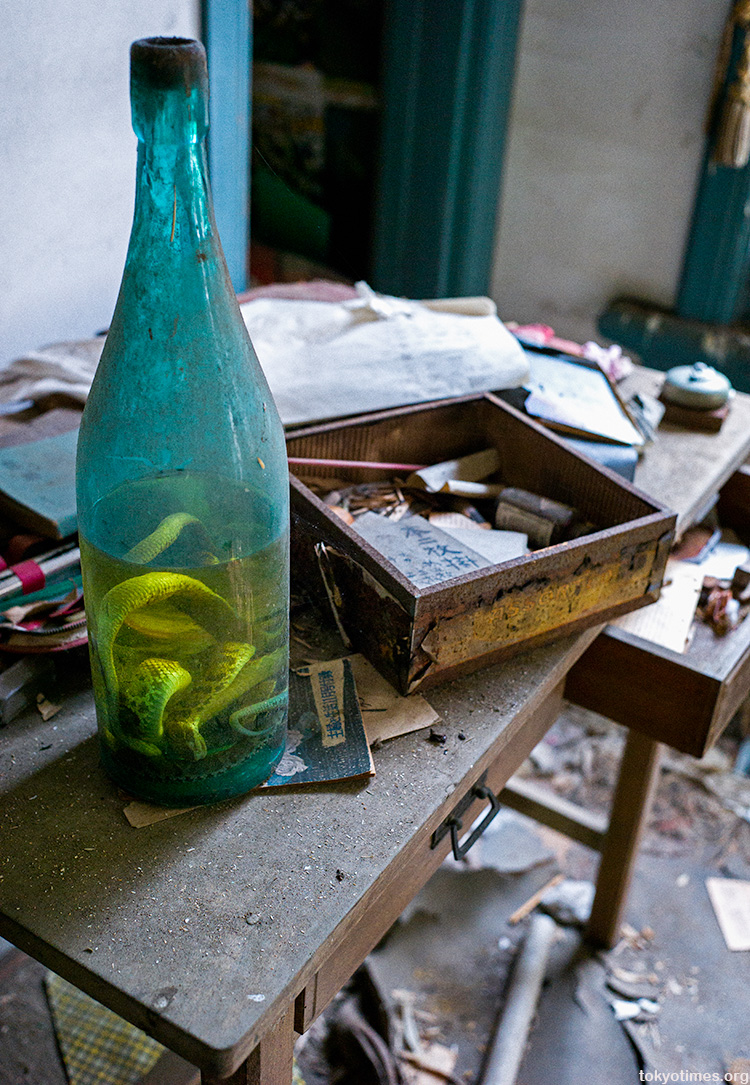
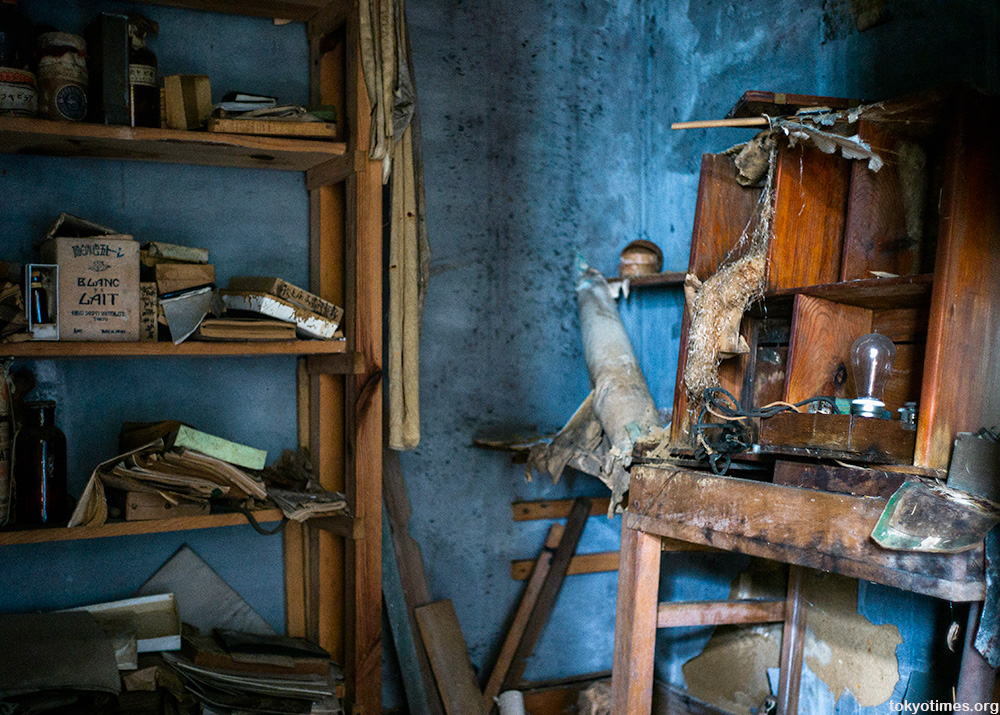
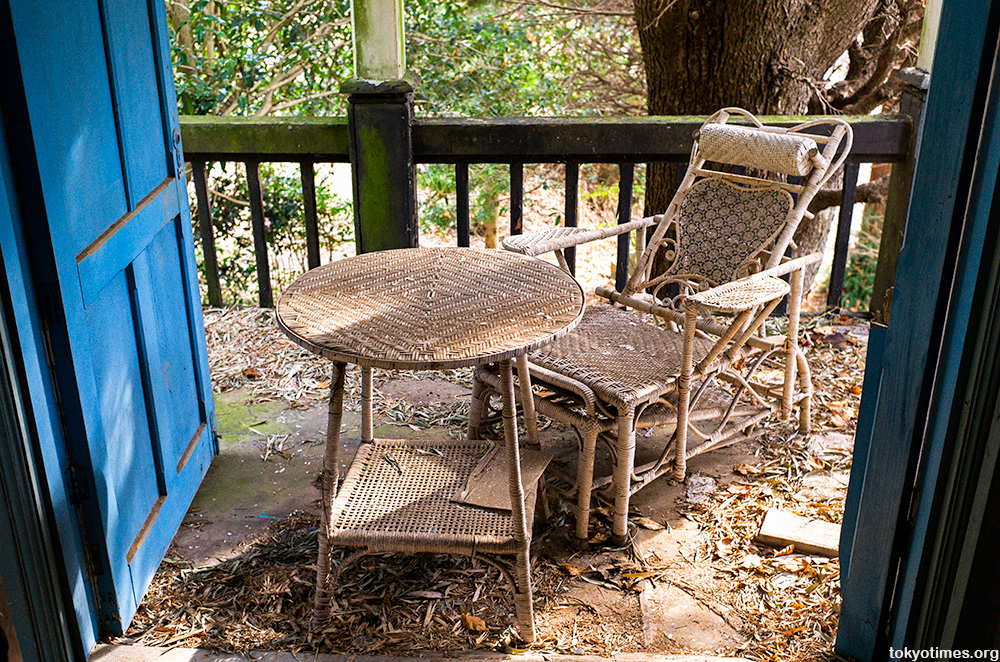
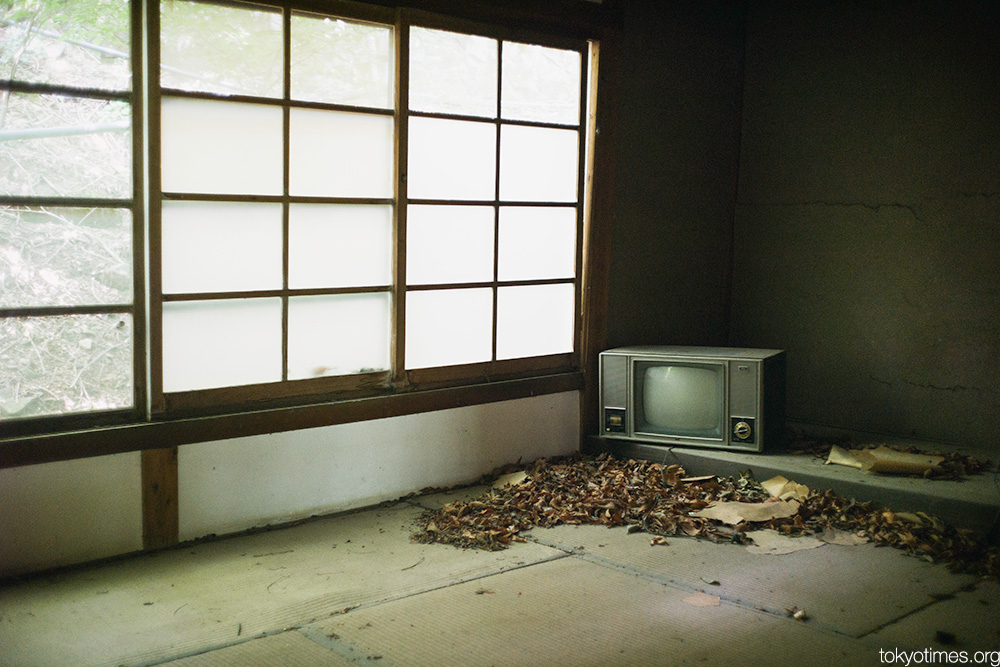
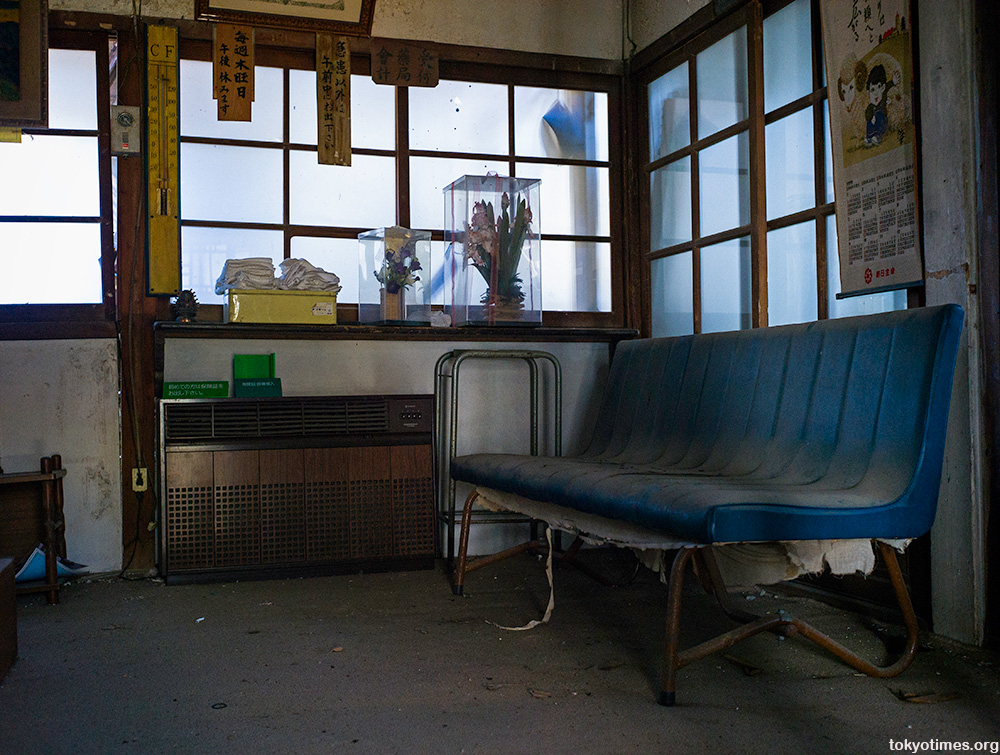
At its peak in the 1960s, Nichitsu mining town was home to about 3,000 people, and boasted a school, supermarket, clinic etc. Basically everything the isolated mountain community needed to survive. But when the work disappeared, so did the inhabitants, leaving behind the buildings, along with glimpses of the lives once lived in them.

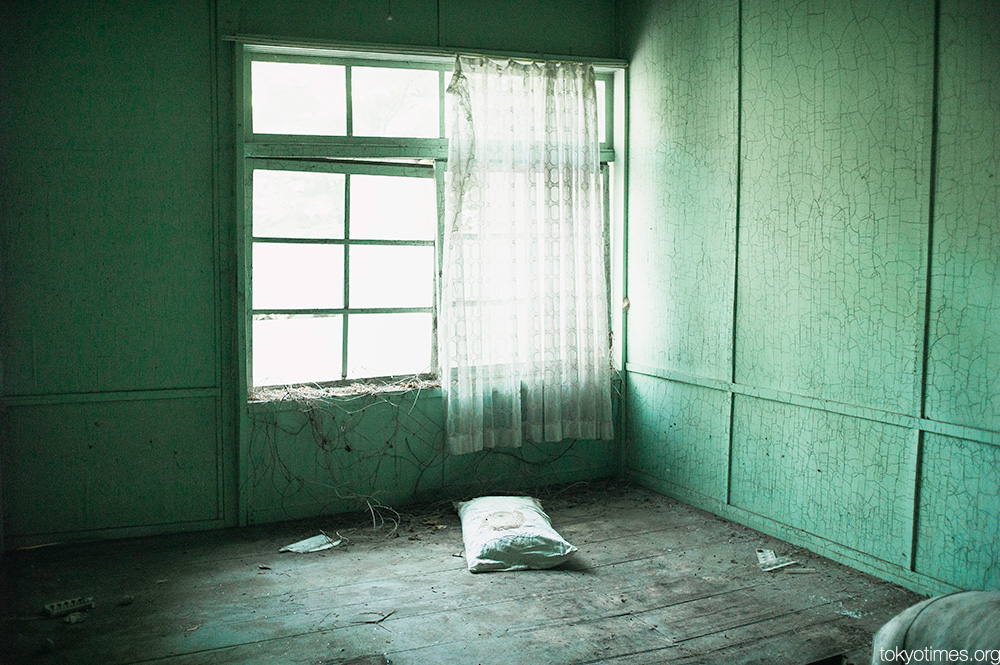
Time and the elements, however, have really taken their toll on what remains. As have countless visitors like myself. But on a hot summer day, it was a wonderfully peaceful place to be. There were deers foraging around the dilapidated structures, and not a single soul to be seen or heard. Just a rare, welcome silence, and now and again occasional moments of melancholy. Elements of which hopefully come through in the photos below.
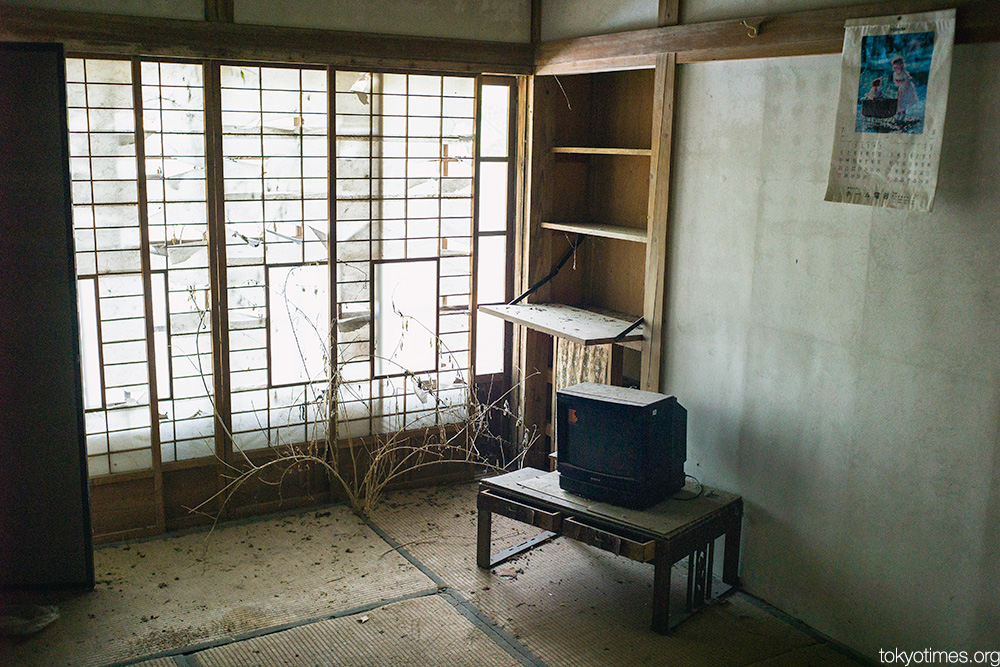
abandoned Japanese mining town

abandoned Japanese mining town

abandoned Japanese mining town

abandoned Japanese mining town

abandoned Japanese mining town

abandoned Japanese mining town

abandoned Japanese mining town

abandoned Japanese mining town

abandoned Japanese mining town

Categorized: Haikyo

Jan 28 2015 13 Comments

An abandoned Japanese school boasting a life-size anatomical figure

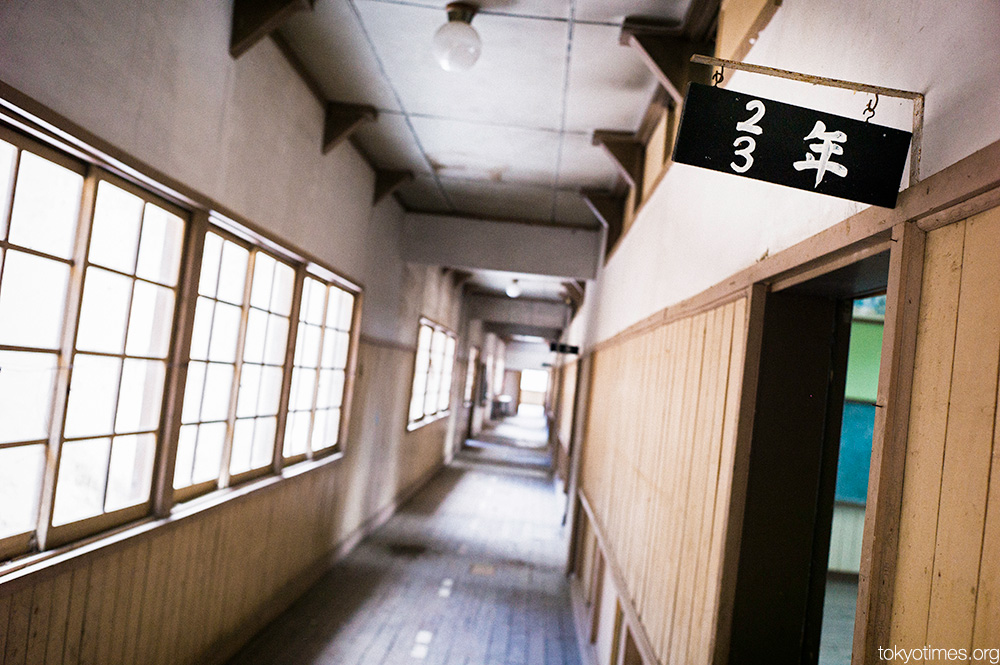
Pretty much all abandoned buildings have a distinct character and atmosphere, but schools — especially the older, wooden ones — have a silence all their own. A surprising serenity that the likes of homes, villages and most certainly clinics, don’t always have.

And E Elementary School, tucked away in a rural community a few hours drive from Tokyo, was no different.

old and abandoned Japanese school

Established in 1872, the school underwent various changes, both in an administrative and structural sense — including a fire in the early years that completely destroyed the fledgeling institution. The final, and now slowly crumbling building was completed in 1957, but 28 years later its last ever students graduated; the merger of 6 elementary schools the cause of its demise.

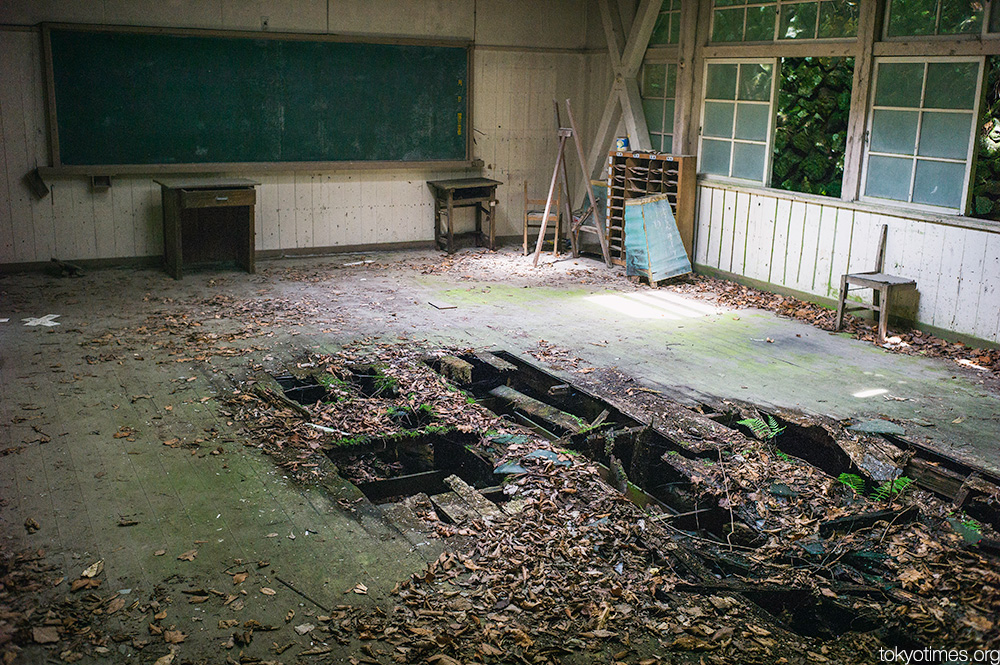
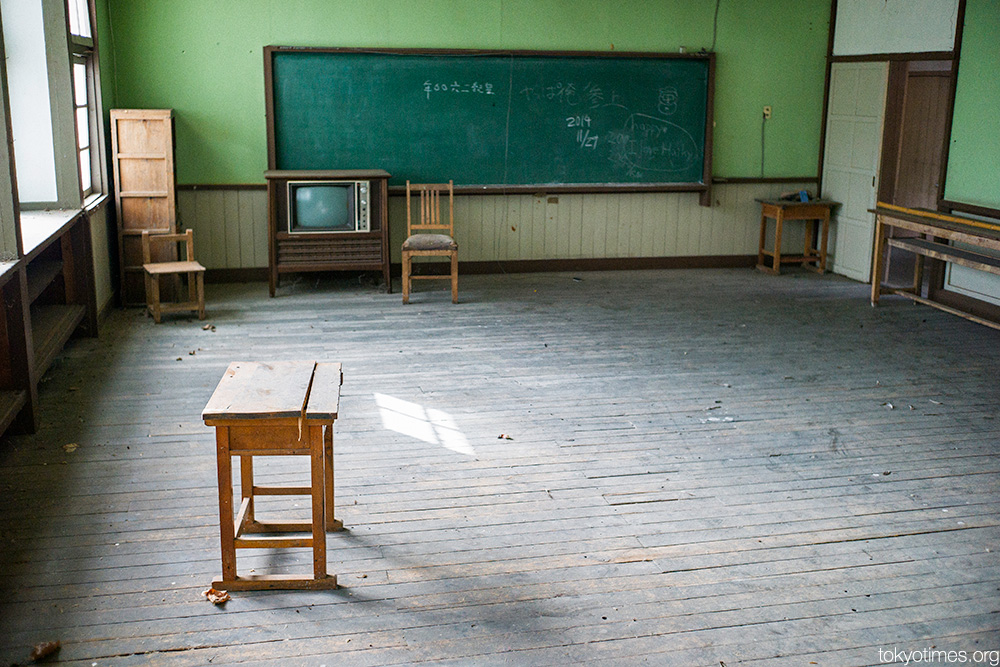
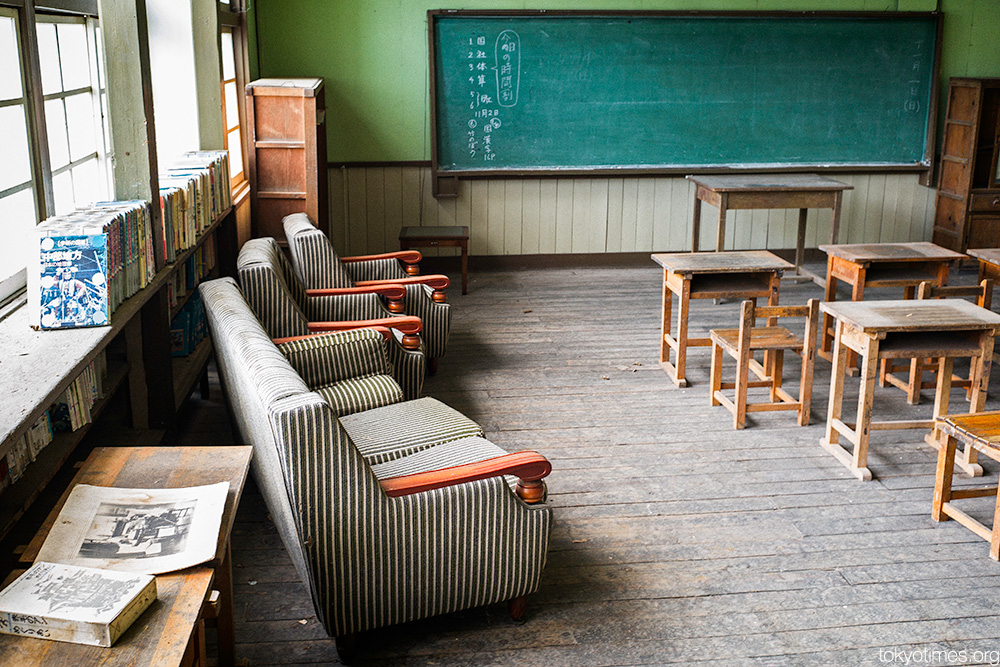
Unfortunately a clearance of sorts occurred then — or at least some time later — as several of the rooms are empty, whereas others are packed full of desks, chairs, books etc. But luckily there are still enough things left in place to provide a sense of what the school was once like. Or at least what it was once like minus the usual succession of classes and activities.

old and abandoned Japanese school

Not to mention a complete lack of children.

old and abandoned Japanese school

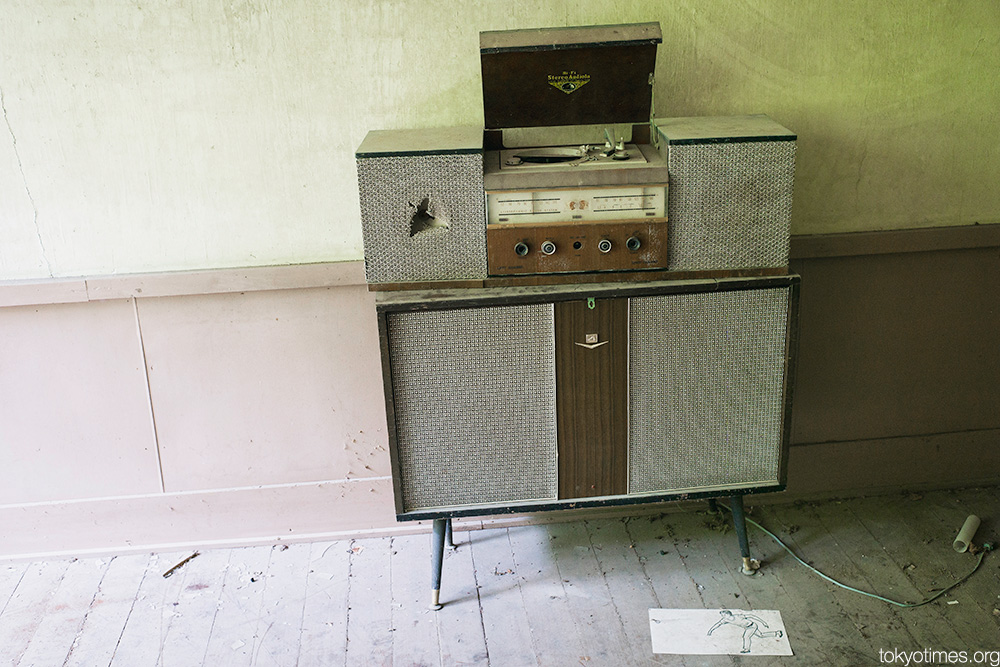
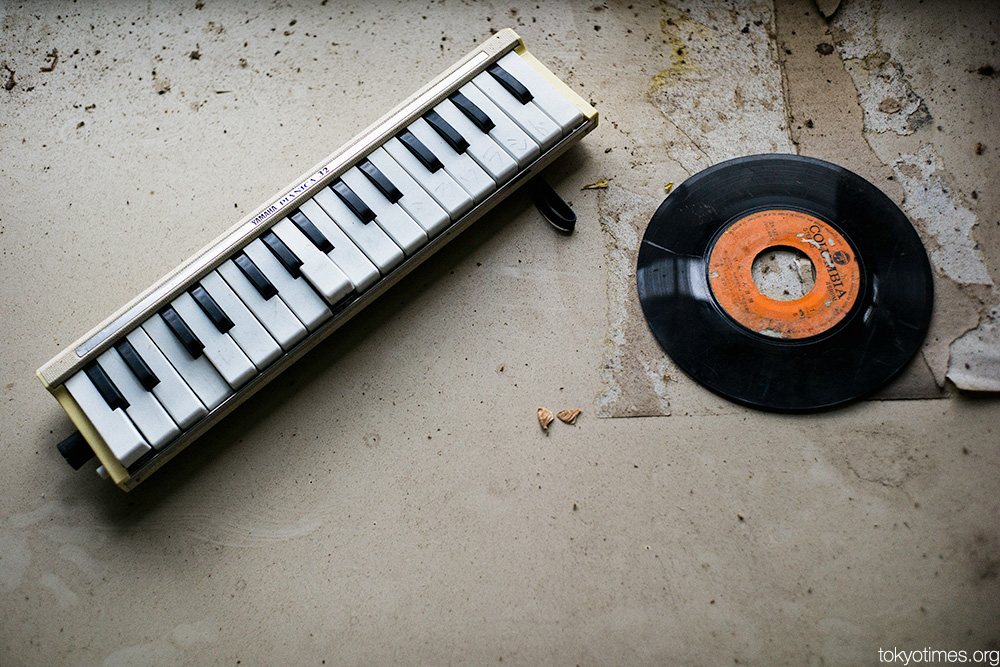
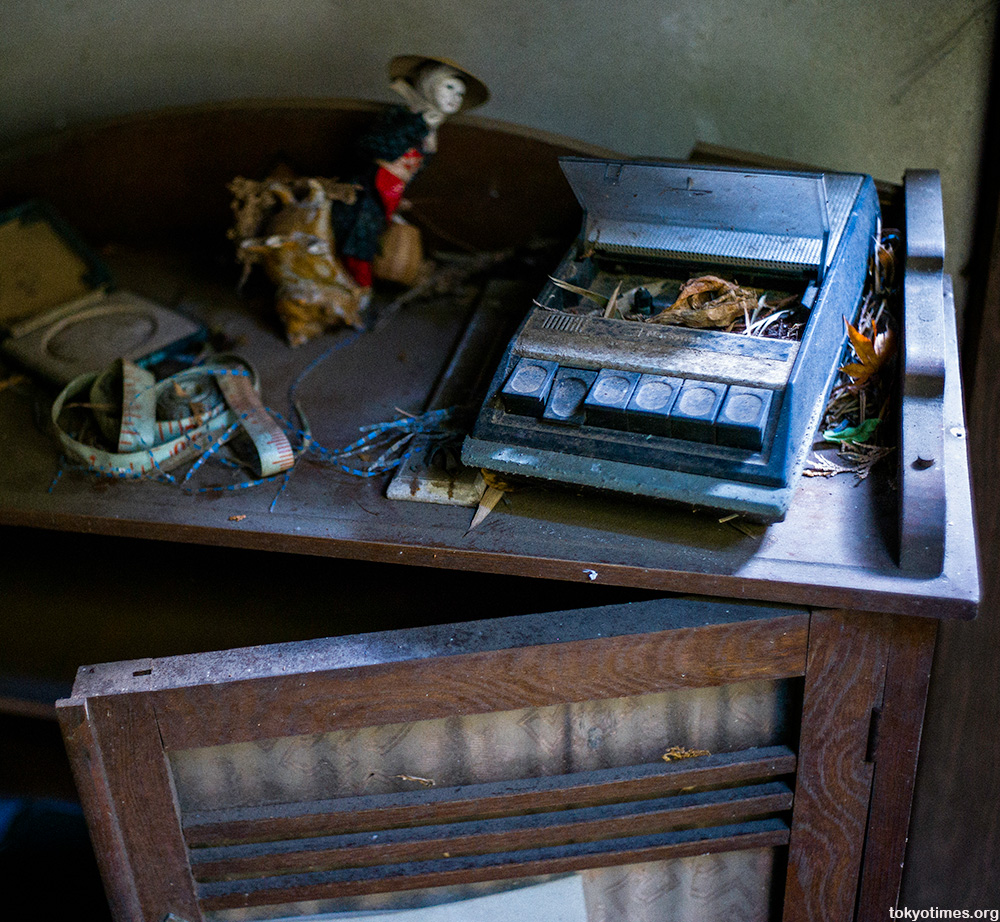
And like most schools of this kind, the aforementioned silence was further exaggerated by remnants of sounds that once echoed round the rooms and corridors — both of the played, and recorded variety.

old and abandoned Japanese school

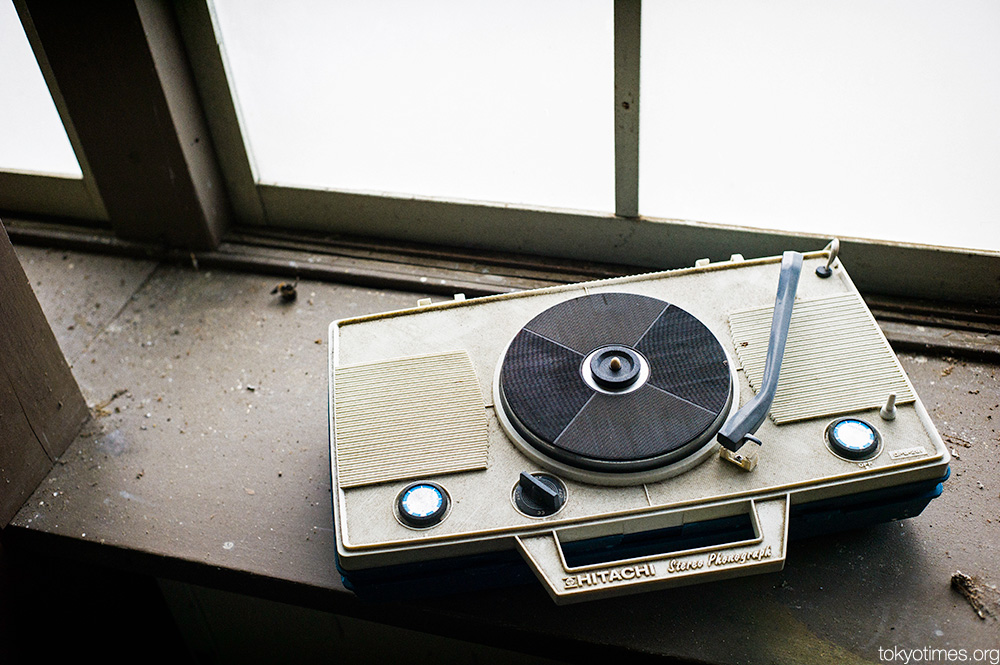
The latter now only playable digitally, rather than on the turntable below.
listen to ‘坊ちゃん音頭’ on audioBoom

old and abandoned Japanese school

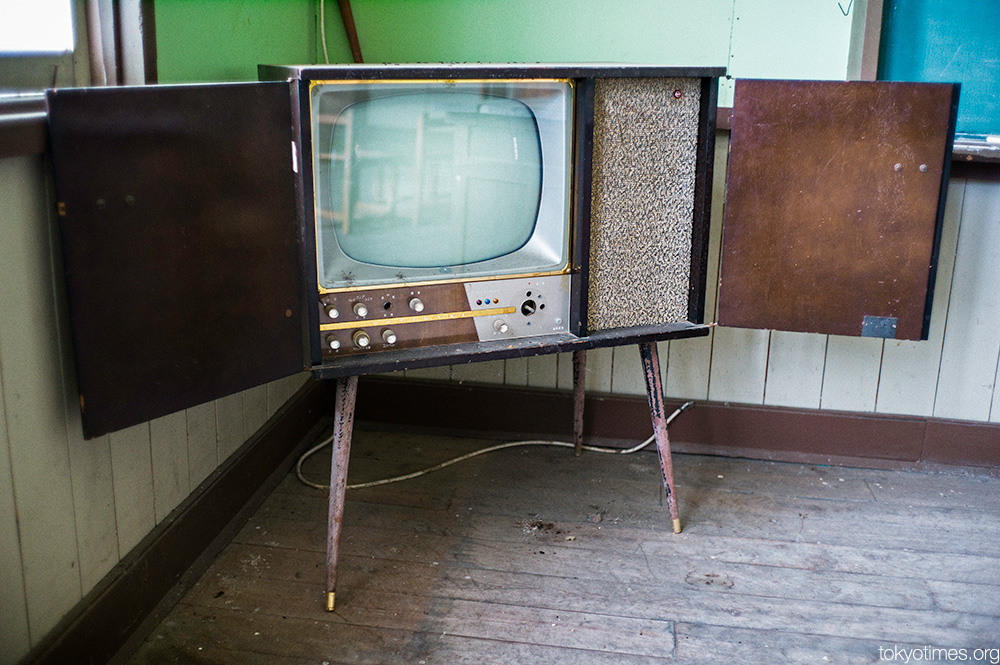
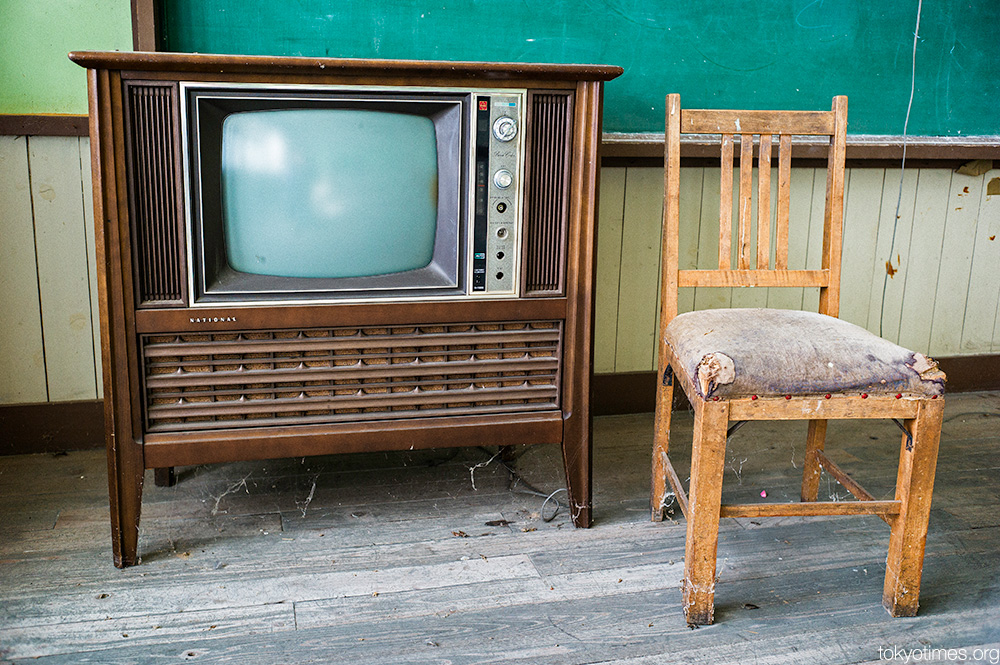
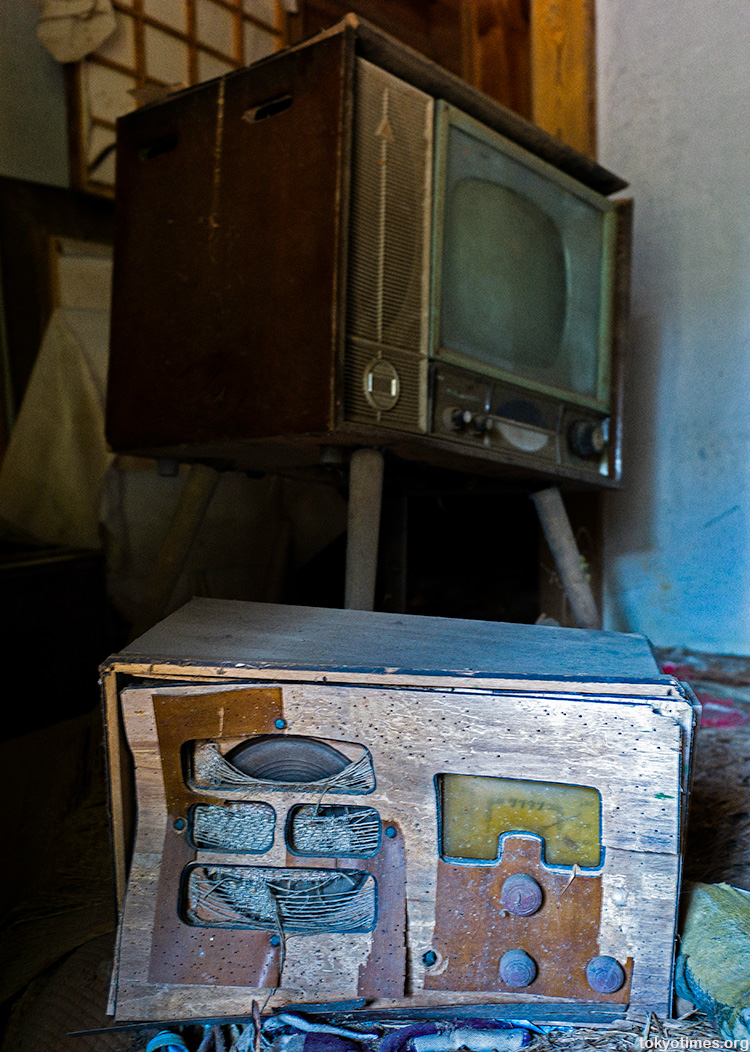
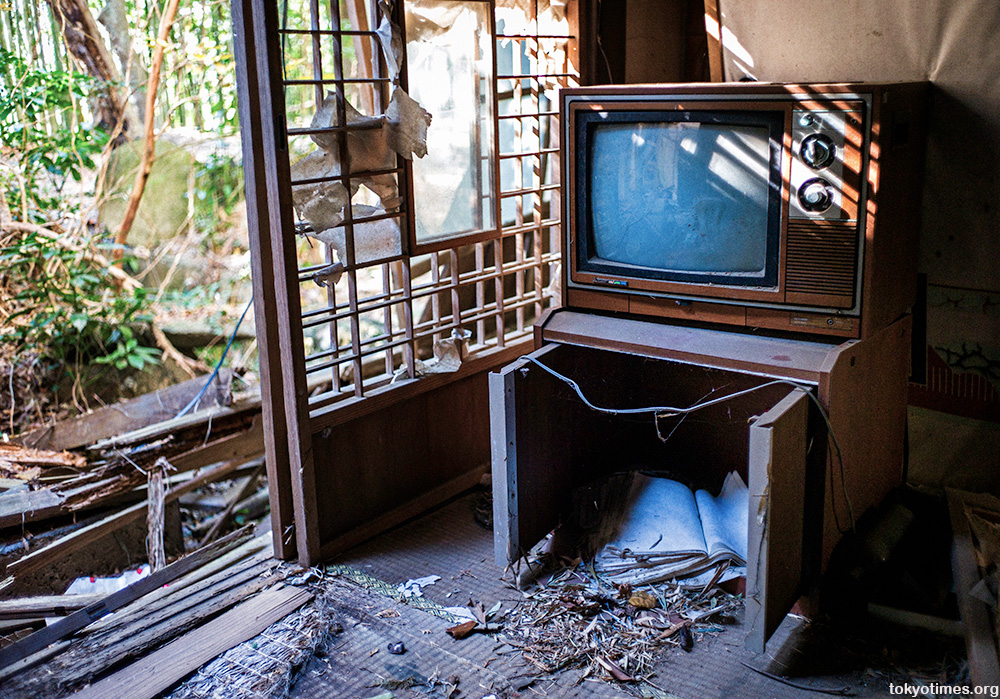
Plus in a similar nod to changing technologies, there was the welcome treat of a couple of wonderfully retro TVs. Reminders of a time when screens weren’t black, flat and ubiquitous.

old and abandoned Japanese school

old and abandoned Japanese school

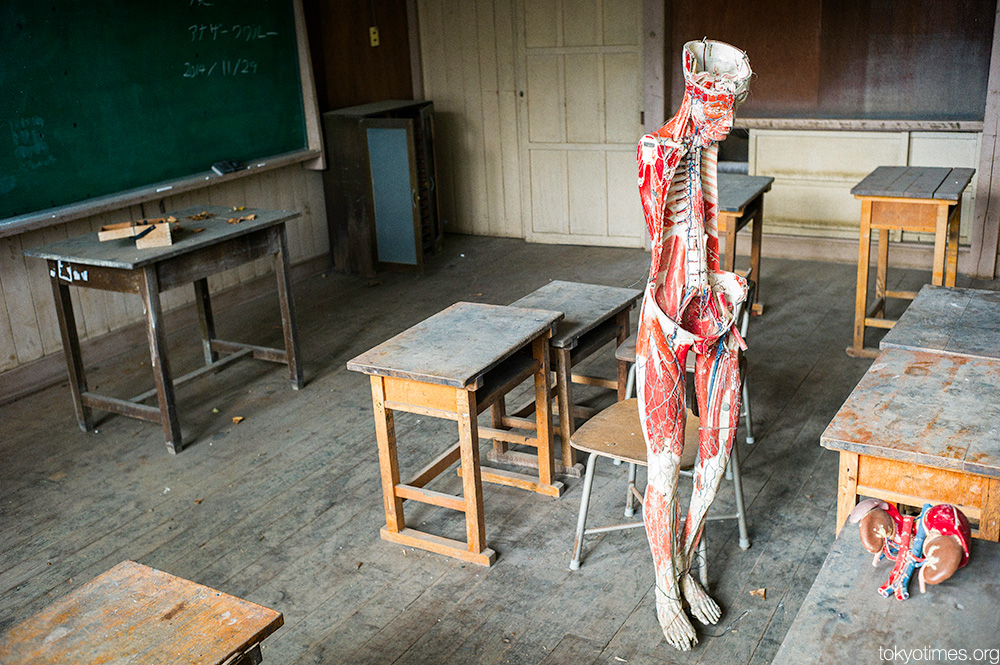
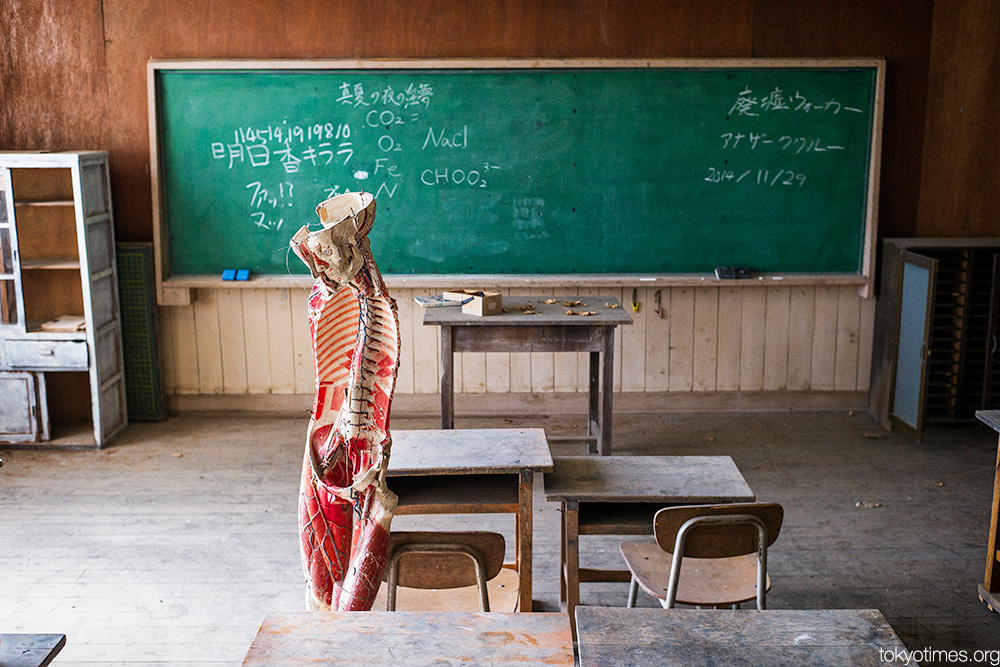
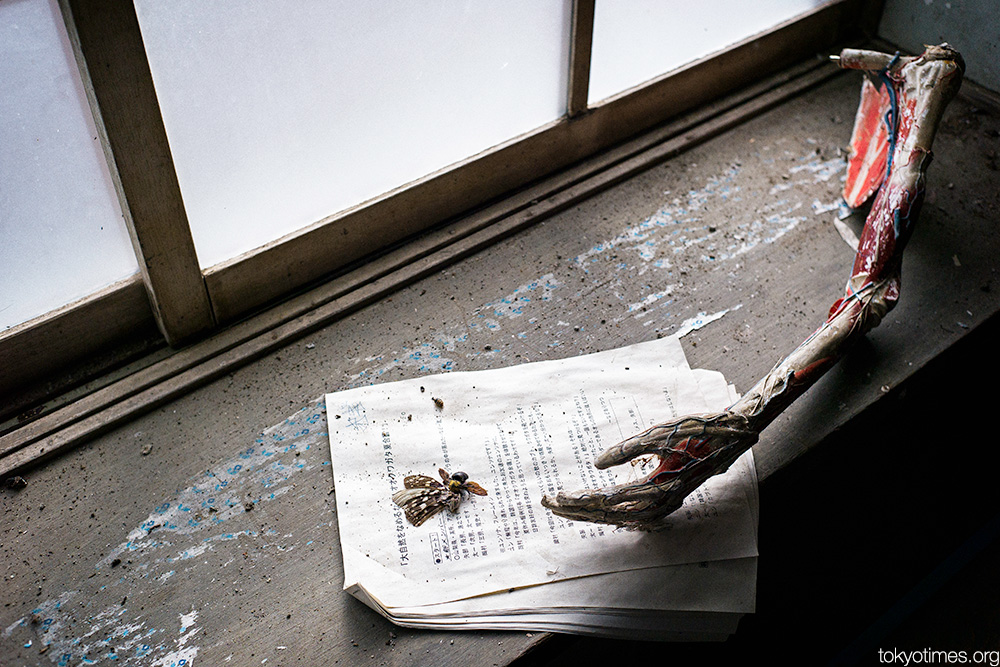
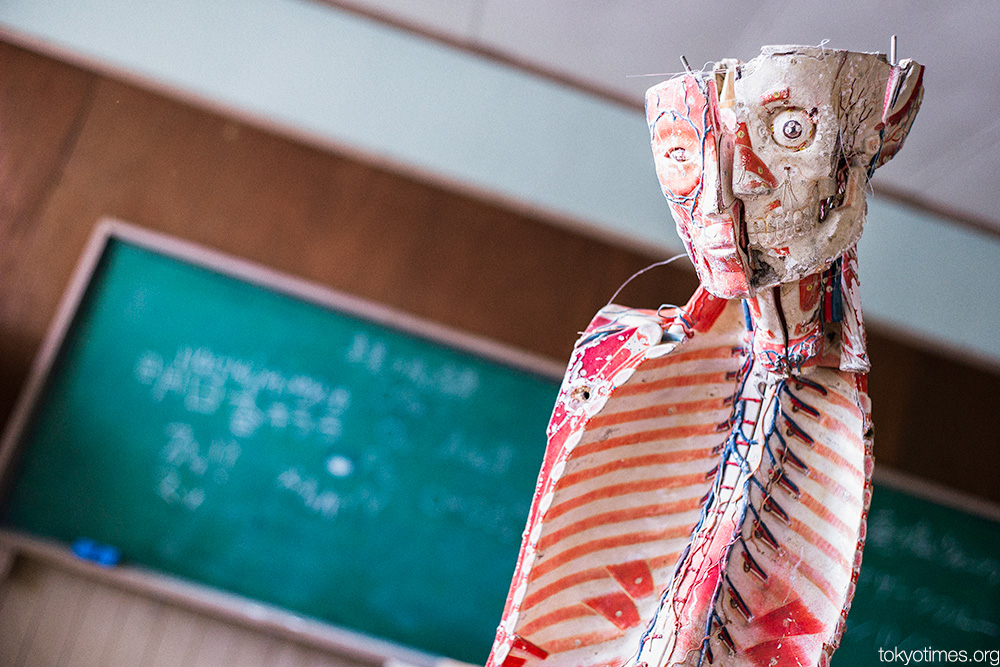
But without a doubt the real treat was the life-size anatomical figure whose body parts and internal organs were liberally scattered about the building’s most interesting room.

old and abandoned Japanese school

A fascinating presence that somehow still felt in keeping with the school’s faded atmosphere:

old and abandoned Japanese school

One that clings firmly to the past.

old and abandoned Japanese school

While at the same time still watches over the present.

old and abandoned Japanese school

Categorized: Haikyo

May 22 2014 27 Comments

A long-abandoned and wonderfully untouched old Japanese clinic

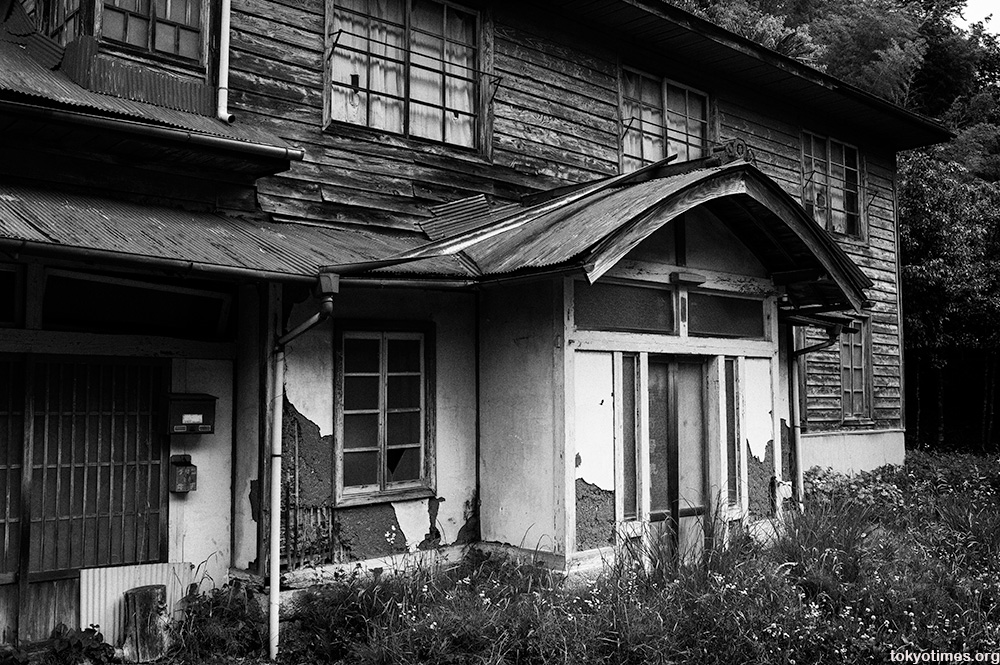
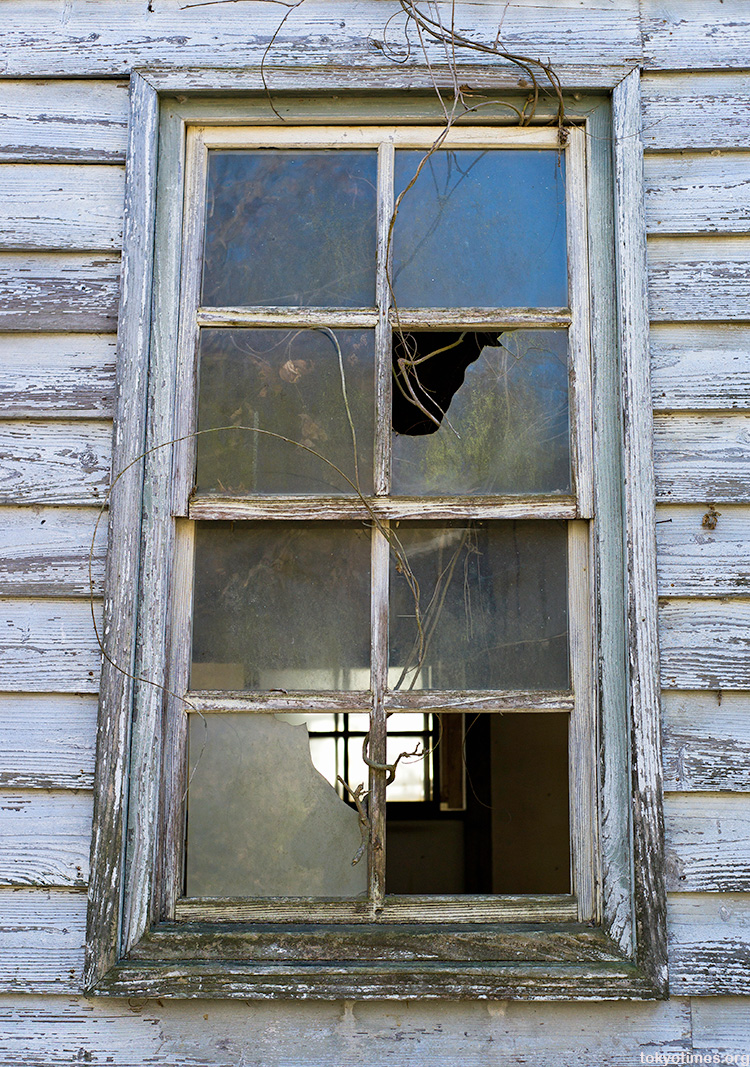
In rural Japan, ramshackle wooden structures are commonplace, but few of them are as interesting as the long-abandoned H-Clinic.

abandoned old Japanese clinic

Details are relatively scarce about when it was built, but the general consensus seems to be somewhere around the end of the Taisho period, or the beginning of Showa — so probably some time in the 1920s. And walking through the building’s decaying wooden rooms really is like stepping back in time. Perhaps not quite as far back as the 20s or 30s, but most certainly the post-war era.

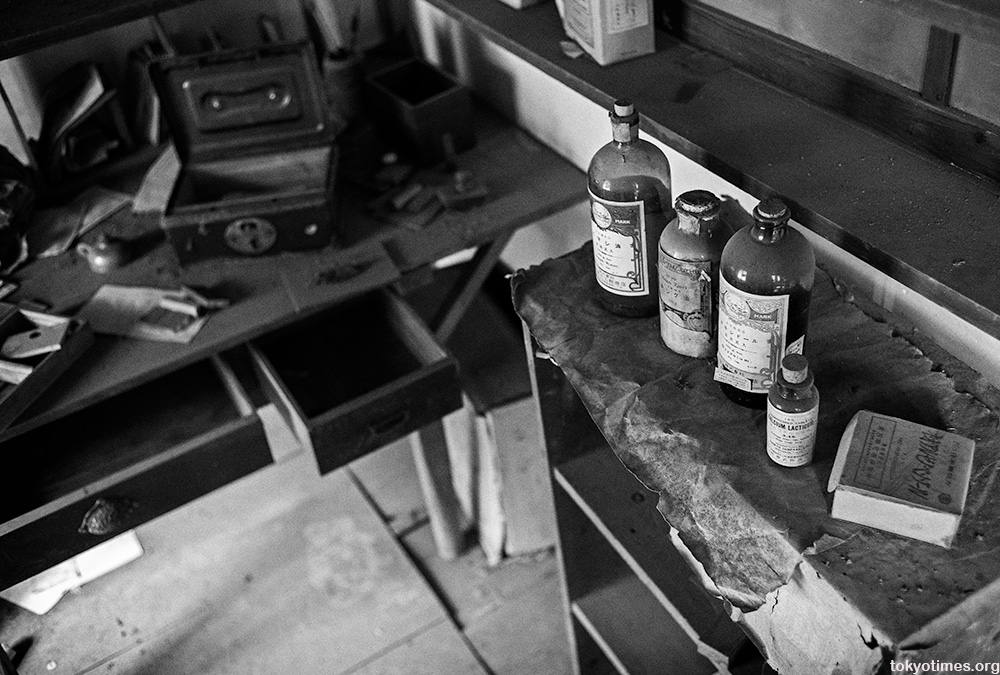
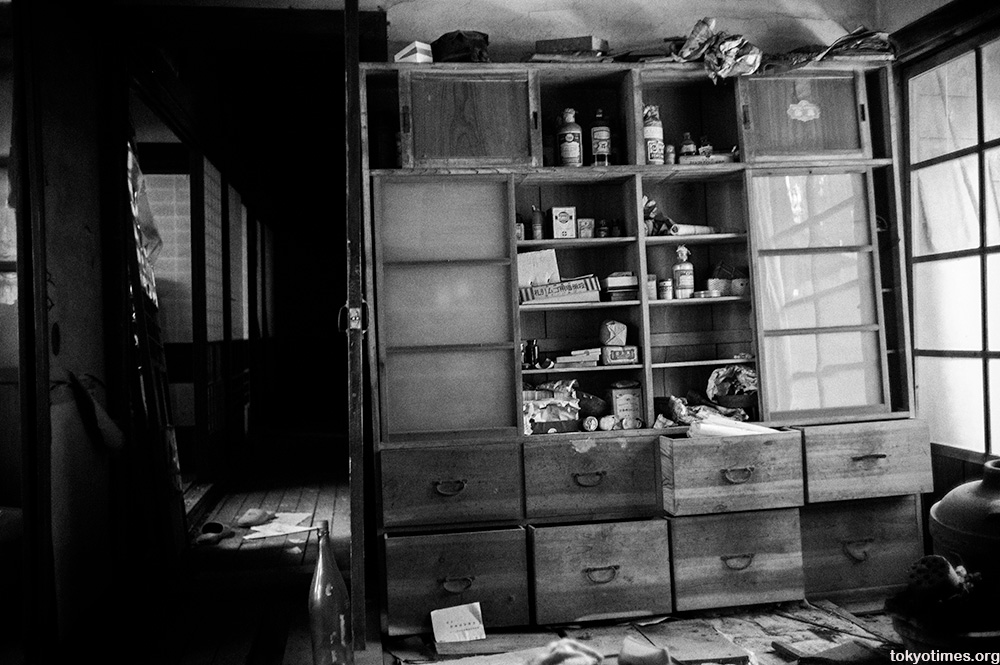
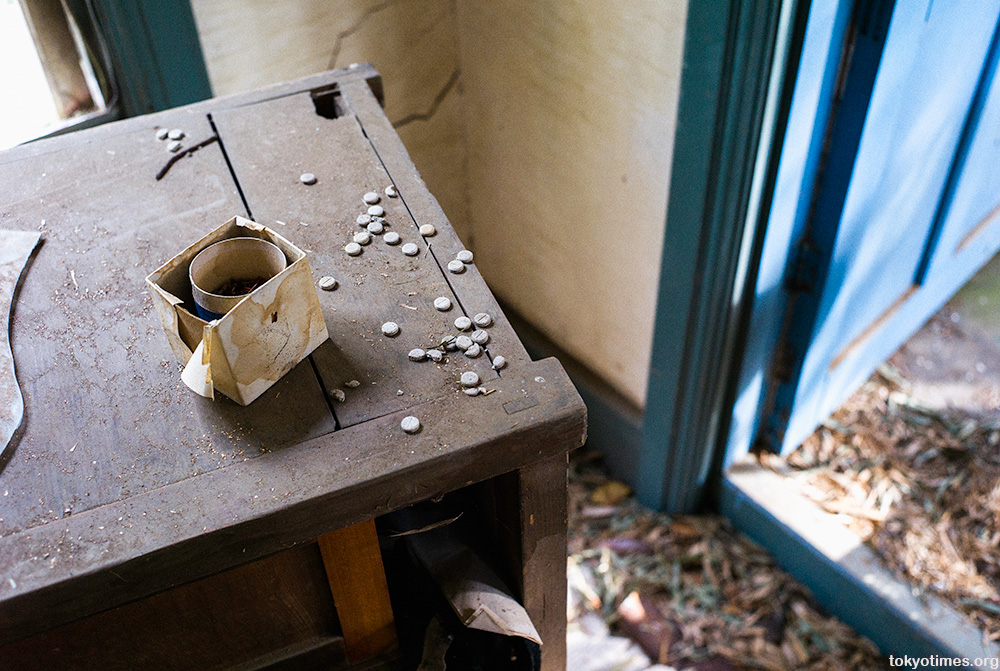
There are the medical concerns.

abandoned old Japanese clinic

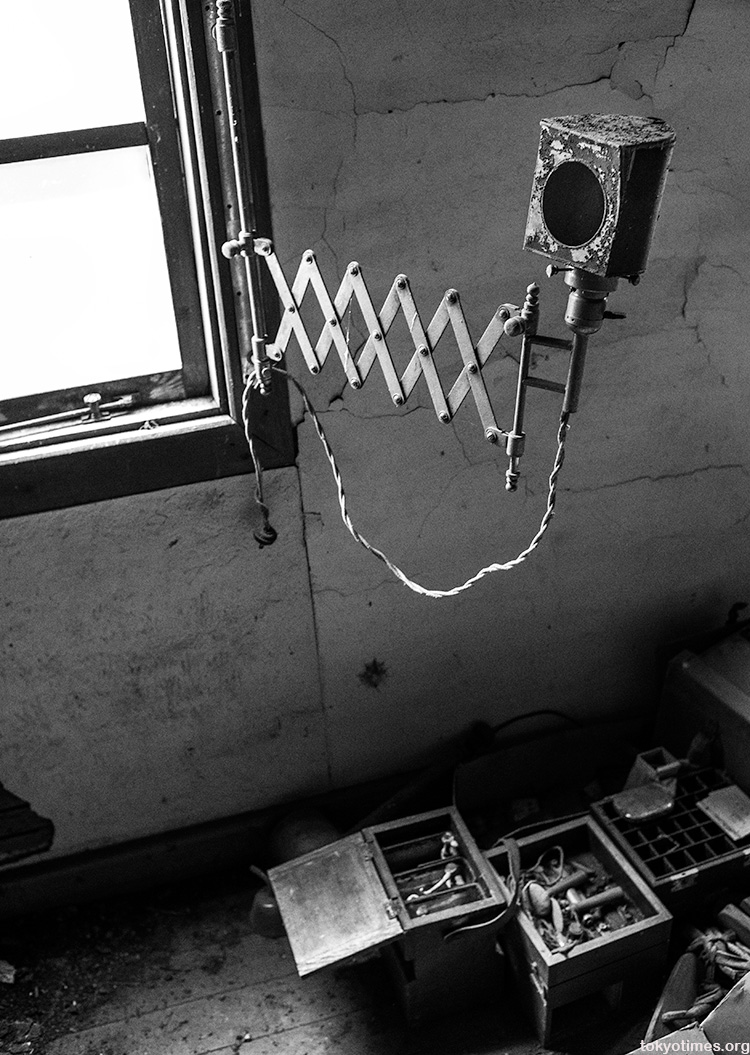
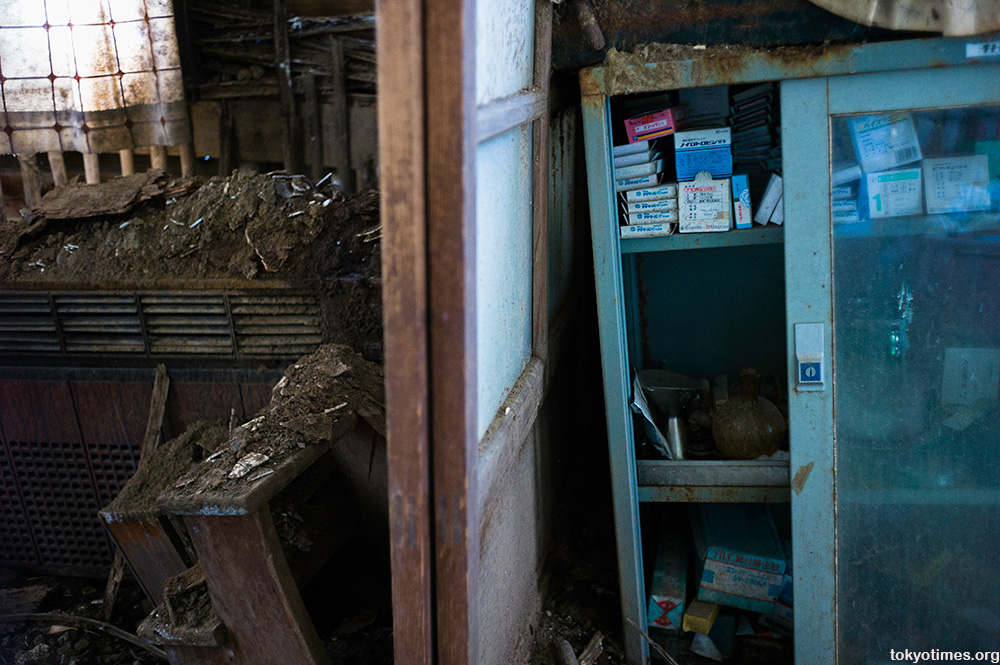
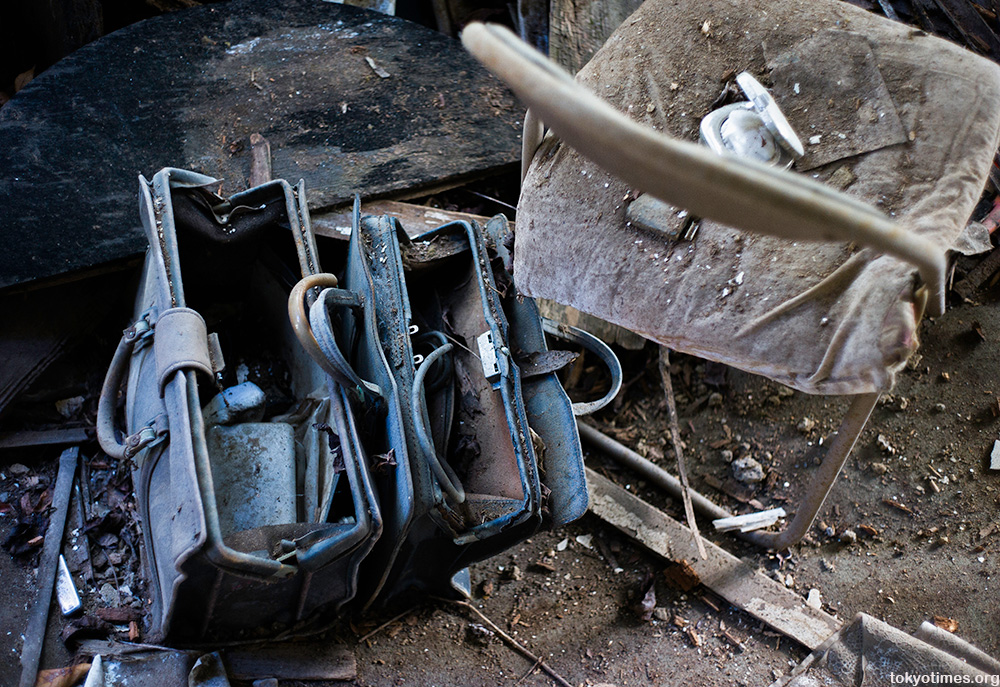
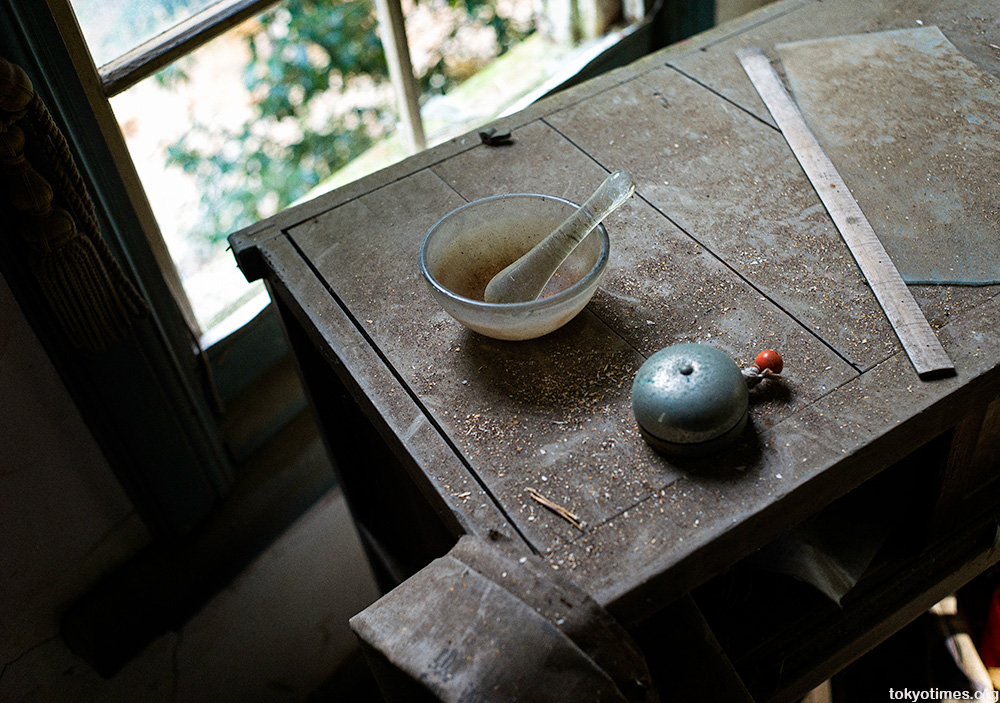
Along with the medicine and apparatus used to treat them. Some of which are fascinatingly archaic.

abandoned old Japanese clinic

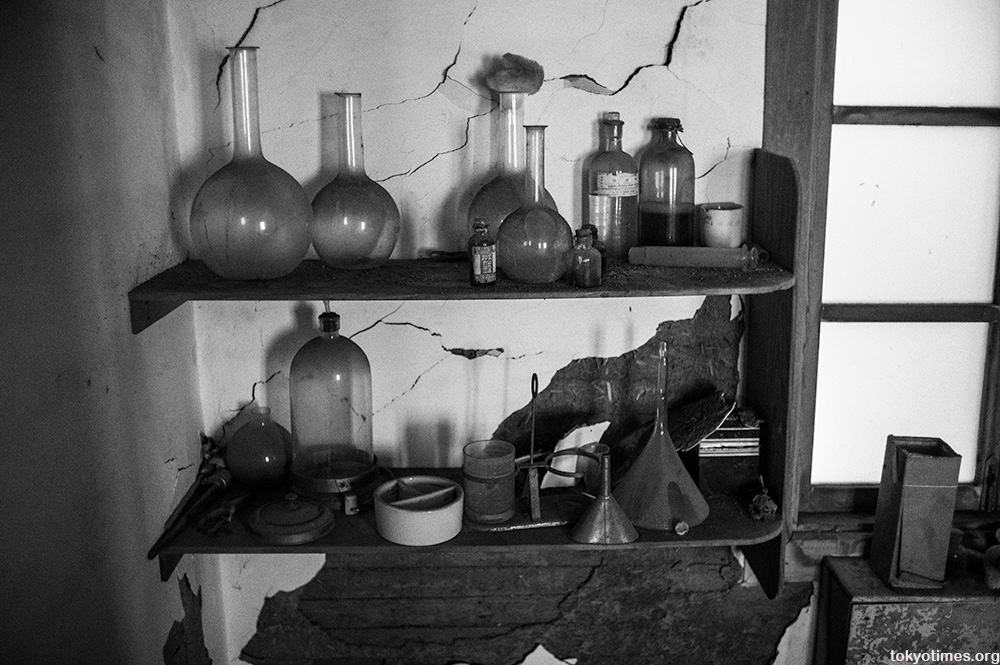
Whereas others seem more akin to a laboratory than a clinic.

abandoned old Japanese clinic

abandoned old Japanese clinic

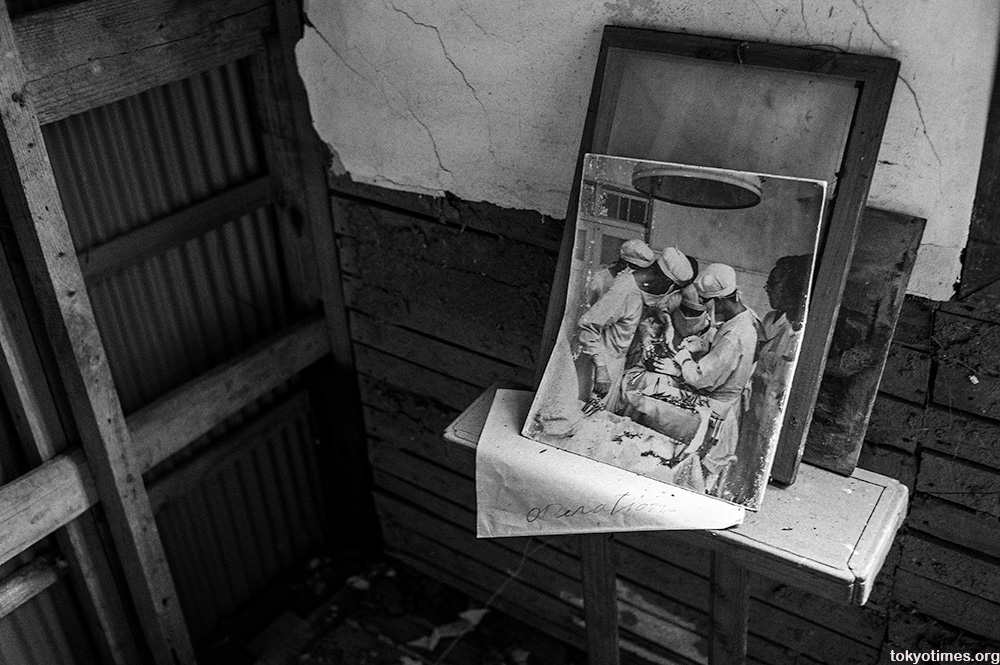
Although this photograph leaves no doubt about the building’s use, and the occupation of its owner.

abandoned old Japanese clinic

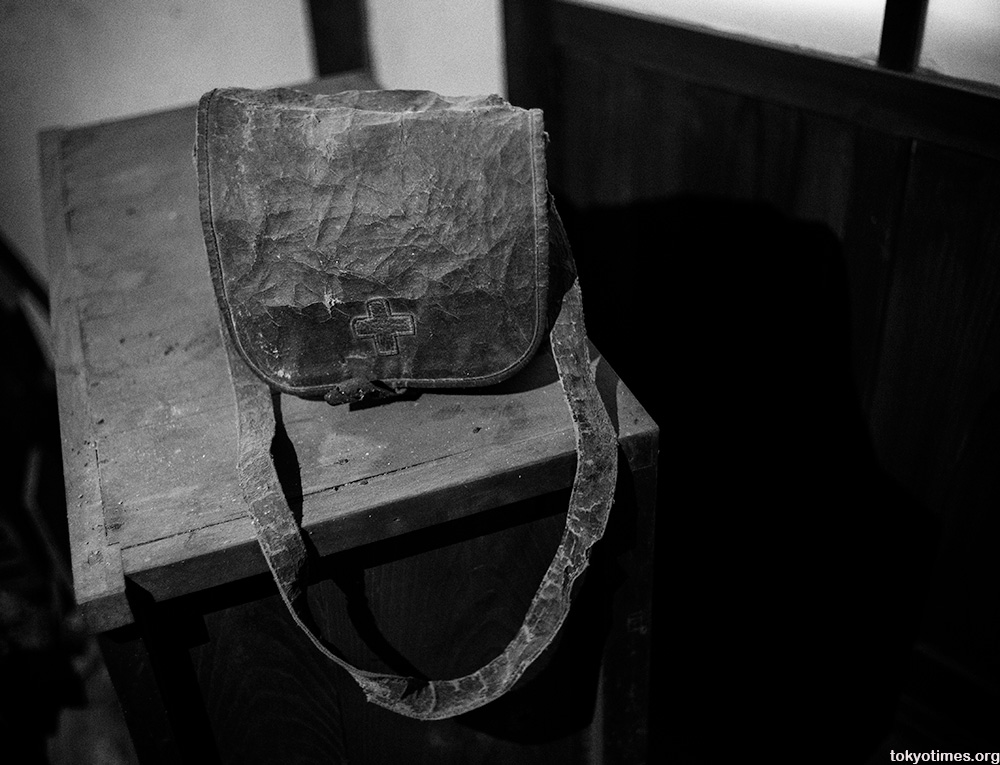
Like the structure itself, little is known about the doctor, but as well as running his own medical facility, his old business card states he also held a position at a Red Cross hospital.

abandoned old Japanese clinic

And as far as personal details go, we do know that he lived in the clinic with his wife and daughter. The deceptively large structure doubling as both a home and medical centre.

abandoned old Japanese clinic

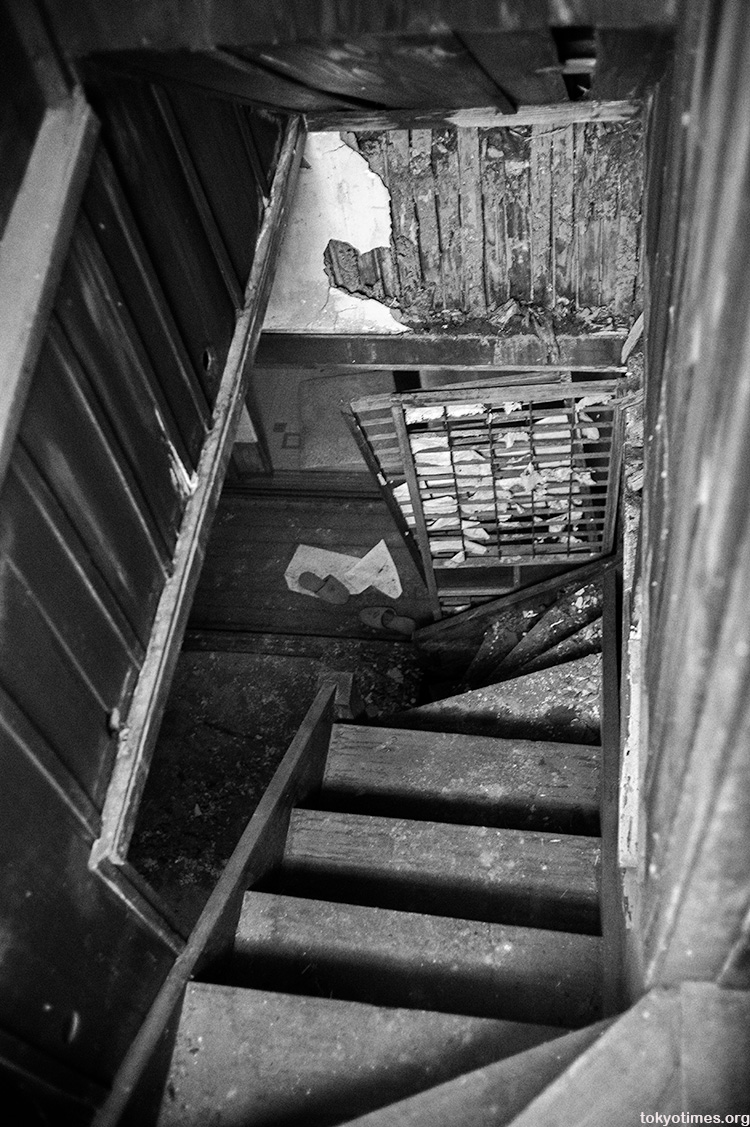
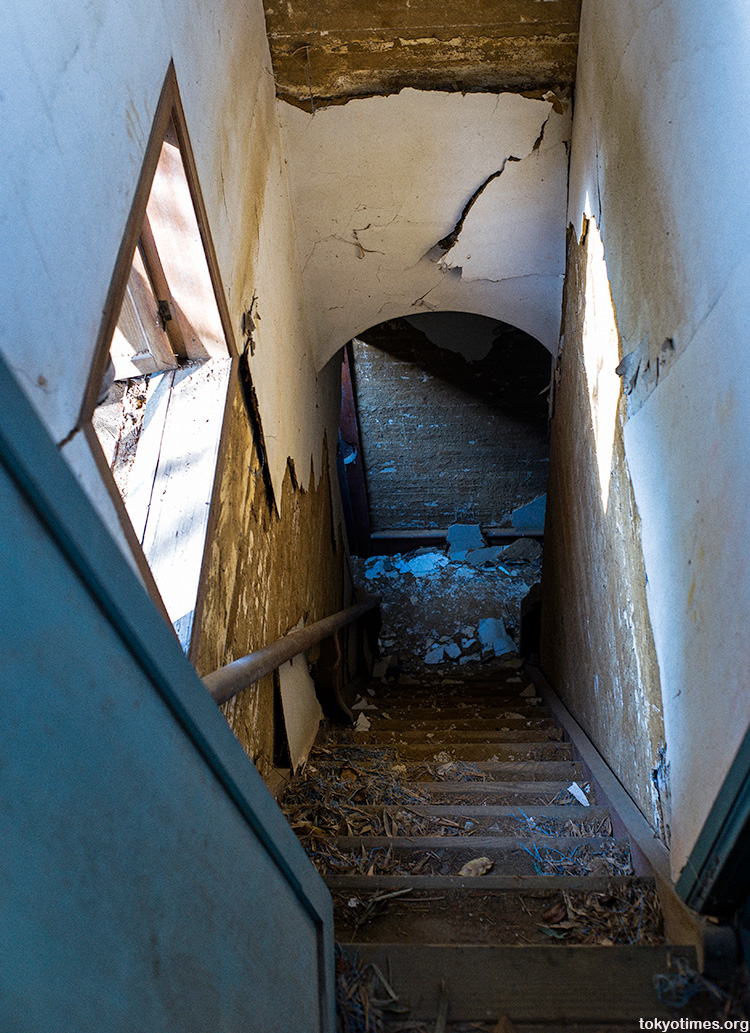
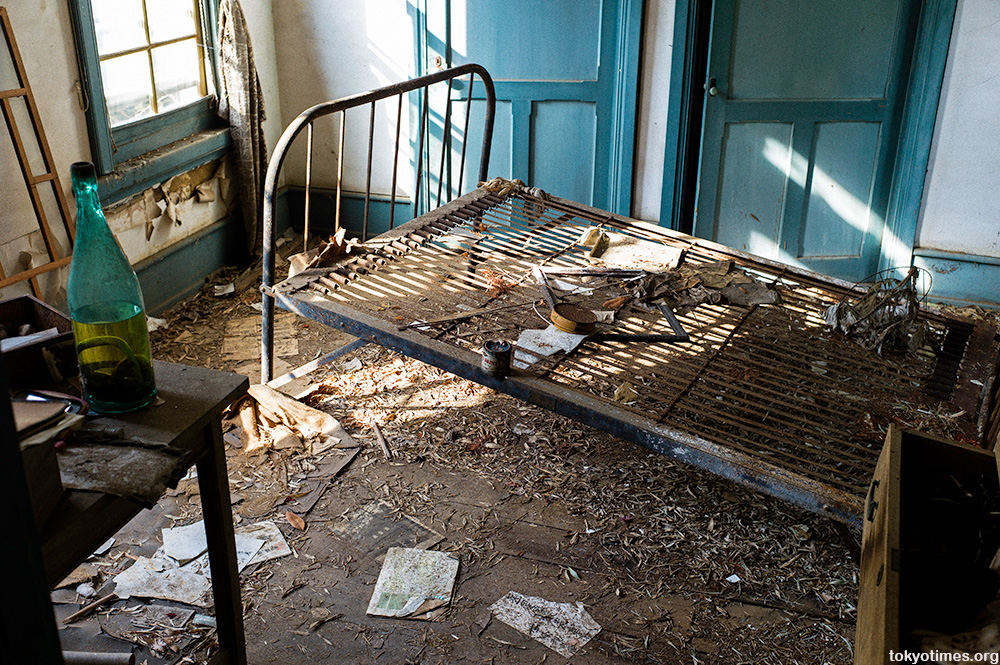
Upstairs there are now only simple, sparsely decorated bedrooms, although the way up there isn’t anywhere near as secure as it once was.

abandoned old Japanese clinic

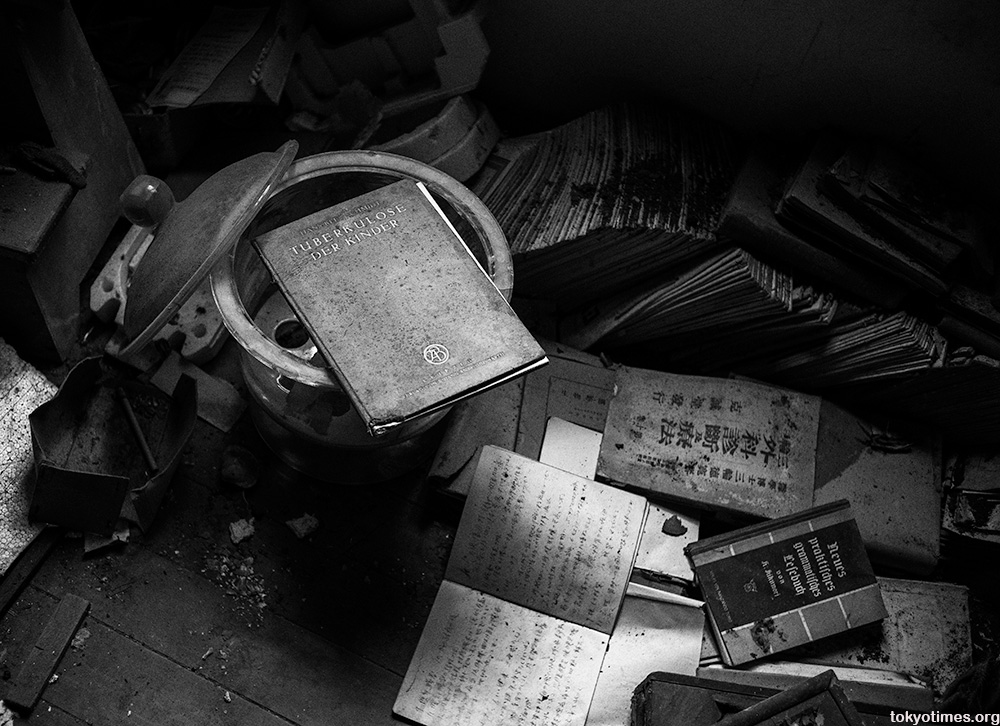
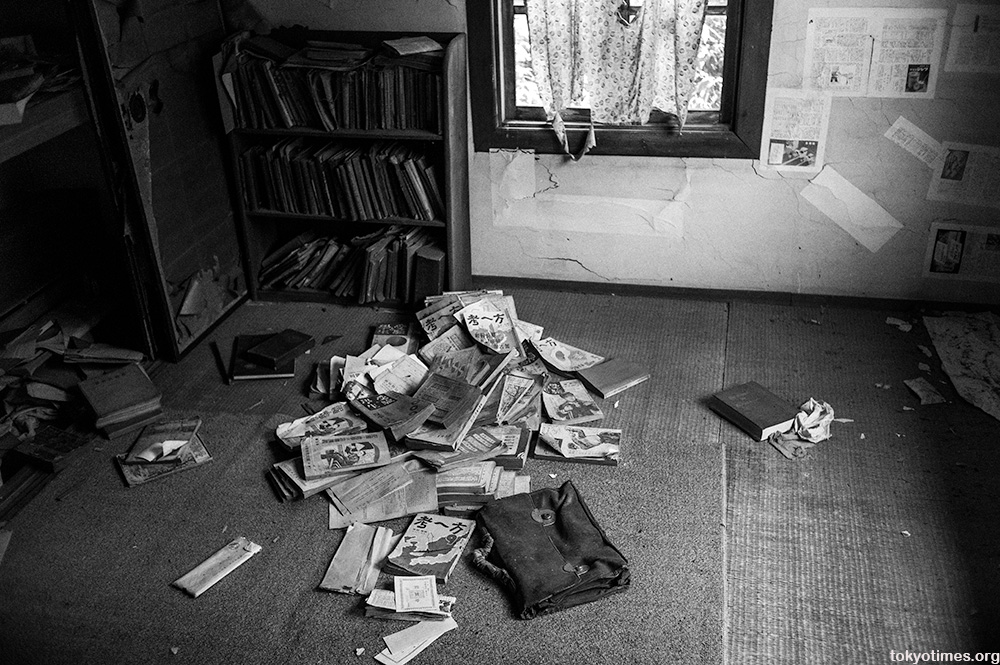
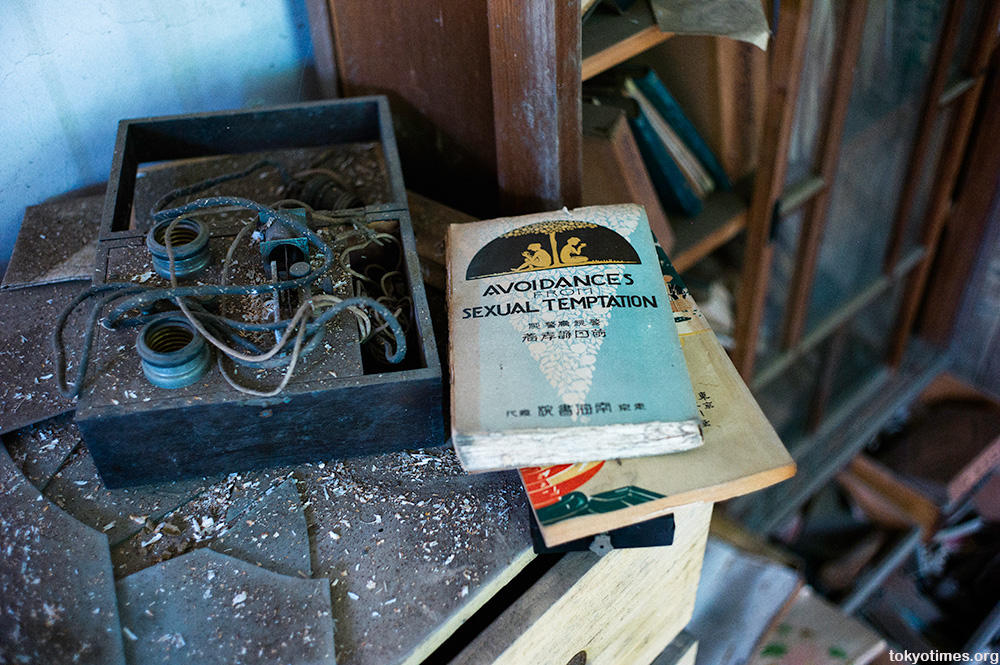
There was perhaps also a study of sorts, as there is still no shortage of books.

abandoned old Japanese clinic

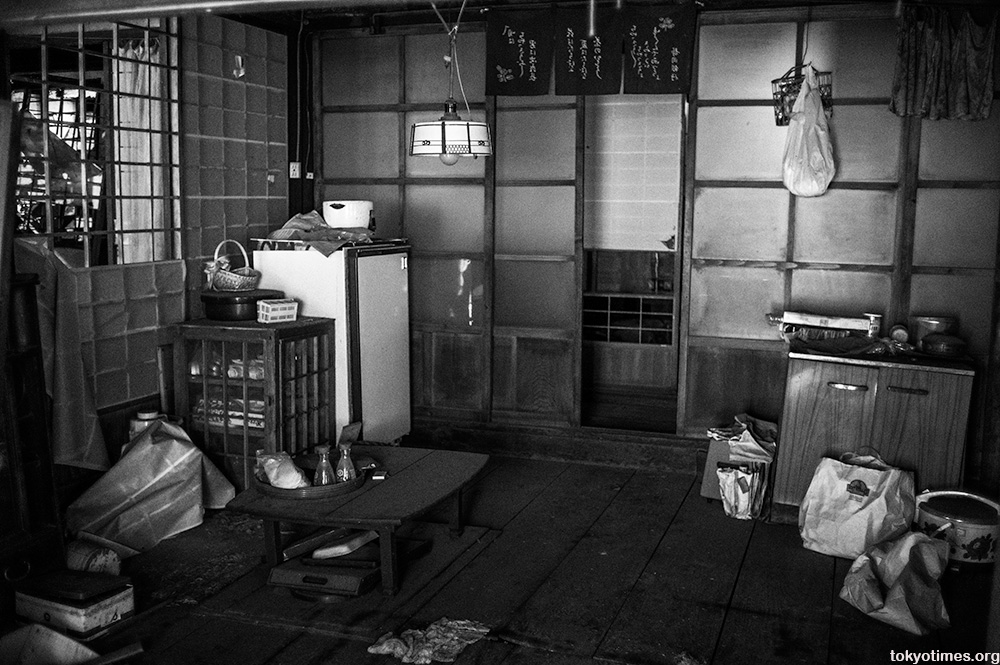
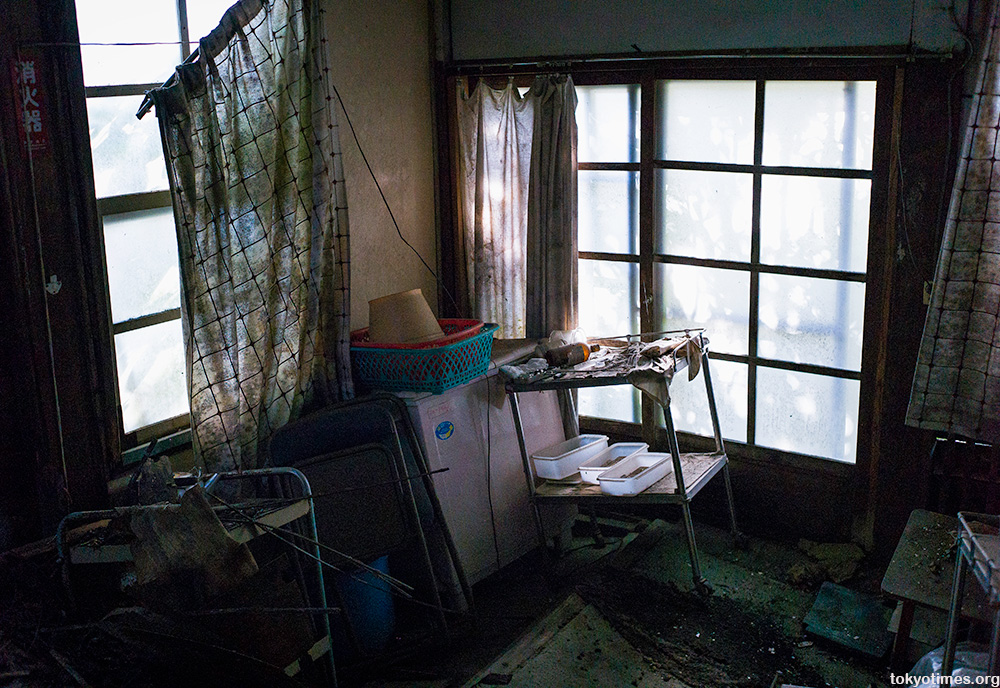
The downstairs living quarters, however, still give a real sense of how the doctor and his family lived. Decor-wise, the kitchen, like the clinic, is very dated.

abandoned old Japanese clinic

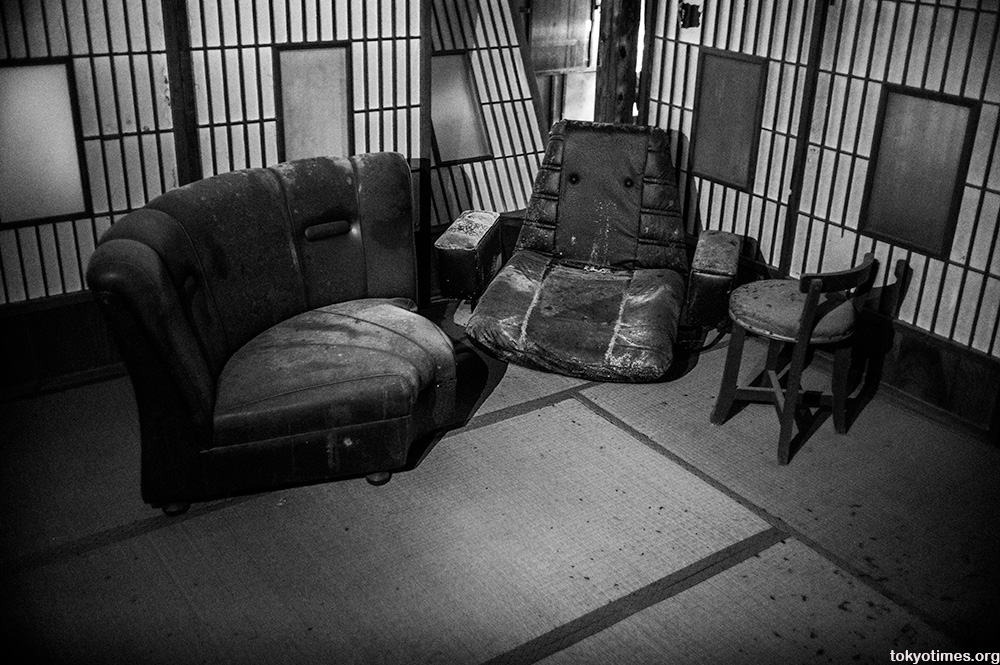
The living room on the other hand is a real mishmash of eras and design. And in this area in particular, the sense of quietness and the slow passage of time that is so much a part of exploring abandoned buildings — whether they be once opulent homes, mountain schools or whole villages — is most apparent.

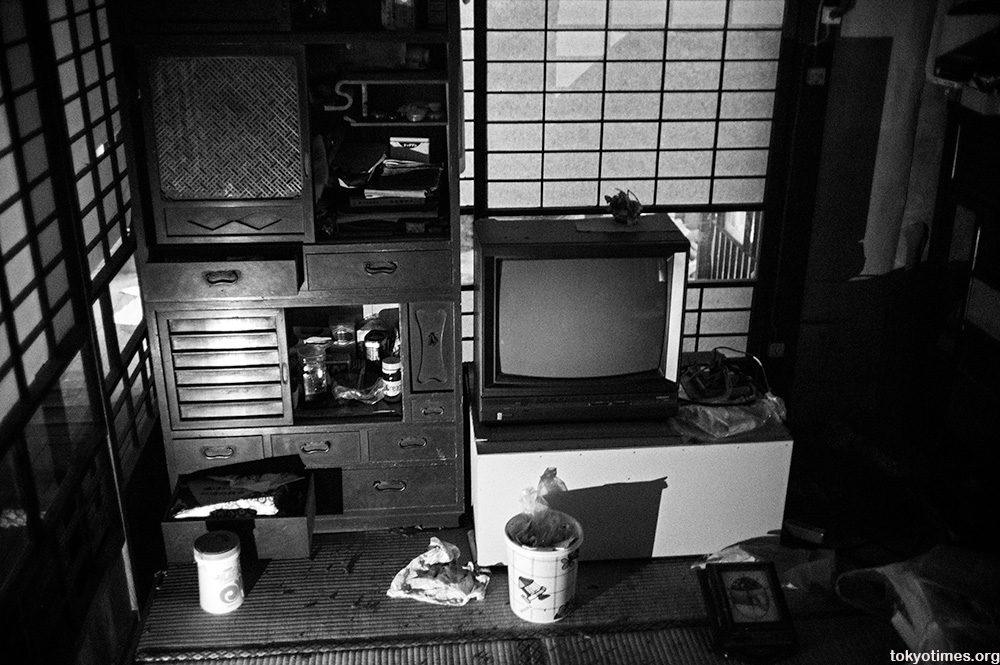
No noise from the TV.

abandoned old Japanese clinic

No chatting either.

abandoned old Japanese clinic

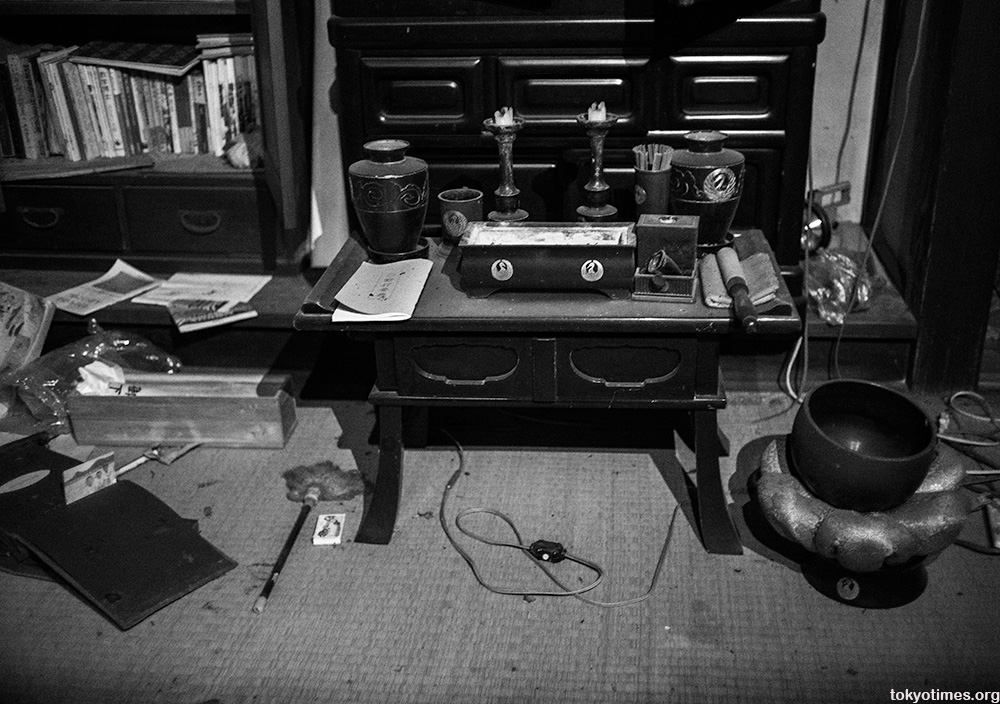
Plus like many Japanese homes, there is a butsudan, or Buddhist altar, where respects were once dutifully paid to ancestors and lost family members.

abandoned old Japanese clinic

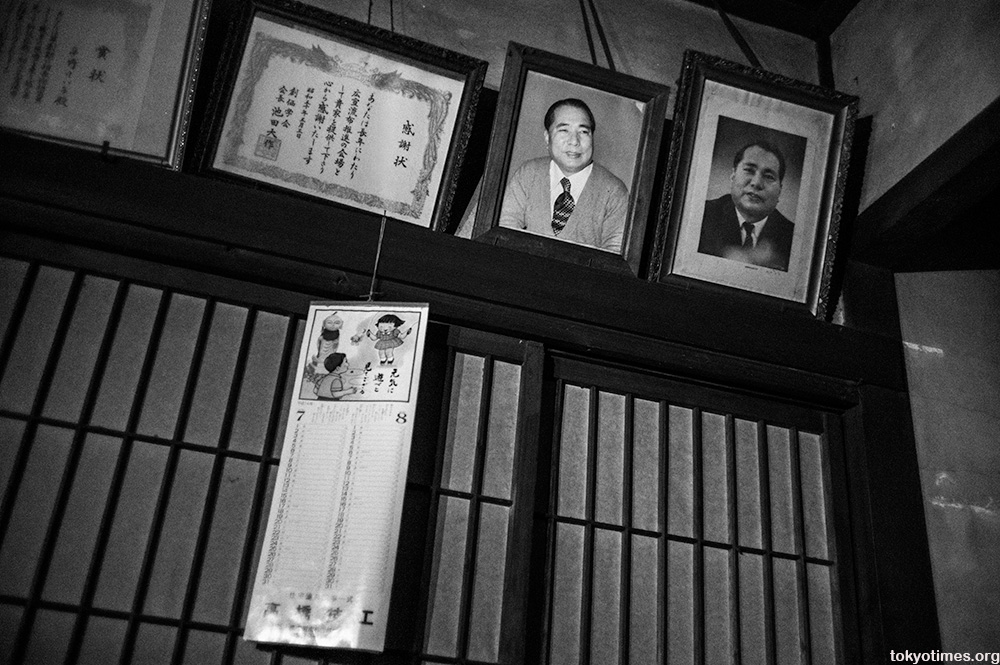
This also has further significance, as the wife was a committed devotee of Soka Gakkai, a lay Buddhist group with huge political and financial clout. The certificate on the wall offering gratitude for efforts in spreading the word, and the portraits are of the current president, and founder of Soka Gakkai International, Daisaku Ikeda.

abandoned old Japanese clinic

Interestingly, in the same photograph, the calendar on display is from 2002. A surprisingly recent date considering the distinctly rundown nature of the building. Other, slightly contradictory reports, have suggested that the old lady and her daughter lived there until about 20 years ago, but even then it’s still hard to imagine someone being resident in the mid 1990s.

What is for sure, however, is that nobody lives in the clinic now, and the building is slowly going the way of its former owners, and indeed all other things.

abandoned old Japanese clinic

Categorized: Haikyo

Feb 04 2014 16 Comments

An abandoned Japanese murder hospital

Arriving at the long-abandoned IK Hospital on a bright and unusually mild winter morning, the faded wooden buildings of the main hospital on the left, and doctors’ surgery on the right, were surprisingly welcoming.

abandoned Japanese murder hospital

In the shade and the surgery, however, it wasn’t quite so appealing. The entrance immediately suggesting the interior would be very different.

abandoned Japanese murder hospital

Which the horribly dated and incredibly dreary waiting room quickly confirmed.

abandoned Japanese murder hospital

A decidedly gloomy atmosphere that the wall hangings and random ornaments completely failed to dispel.

abandoned Japanese murder hospital

Opened in 1951, the hospital specialised in internal medicine, paediatrics and obstetrics/gynaecology. And being very much on the small side — with only 8 or so rooms in the hospital, and half that in the surgery — it’s easy to imagine it being a relatively quiet, close-knit institution. Particularly so as it served a fairly rural and sparsely populated area.

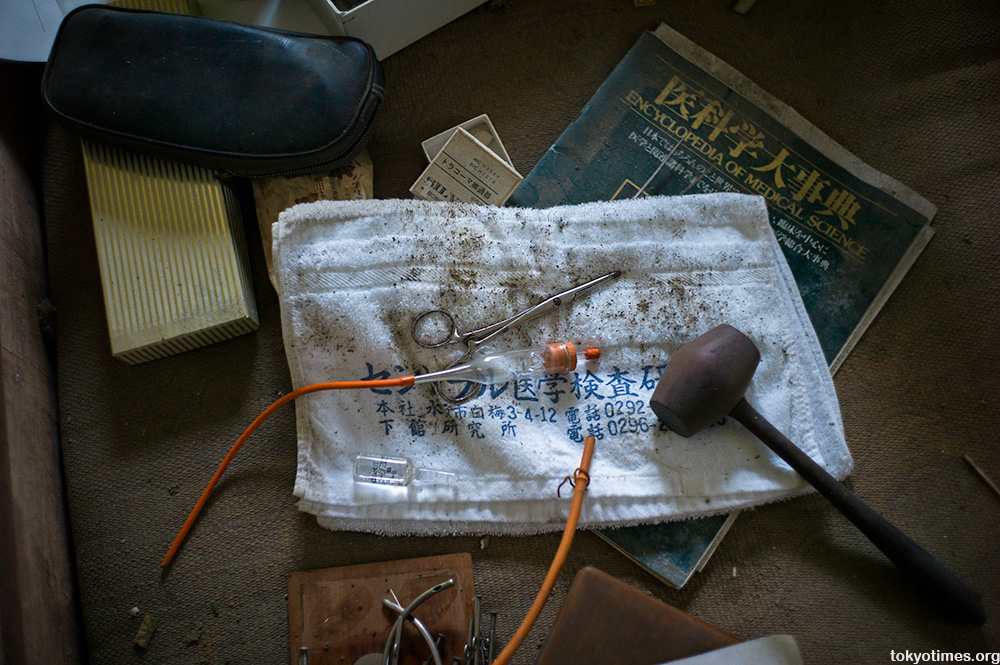
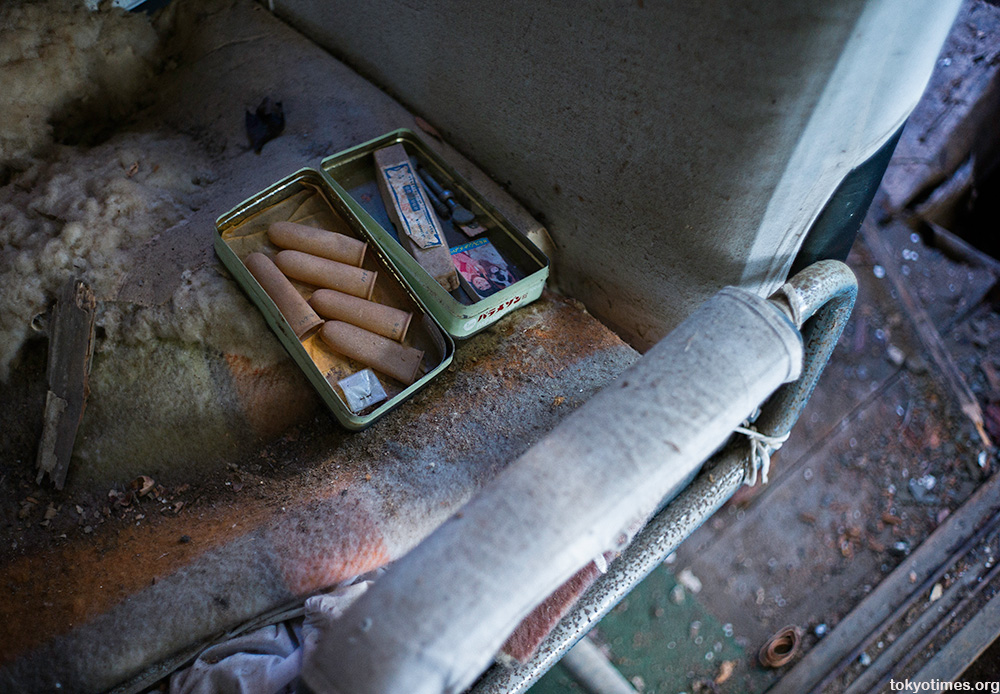
But now it merely serves as a reminder, and similarly there are lots of them in regards its former function, with a whole host of medical equipment and paraphernalia strewn about the place.

abandoned Japanese murder hospital

abandoned Japanese murder hospital

abandoned Japanese murder hospital

abandoned Japanese murder hospital

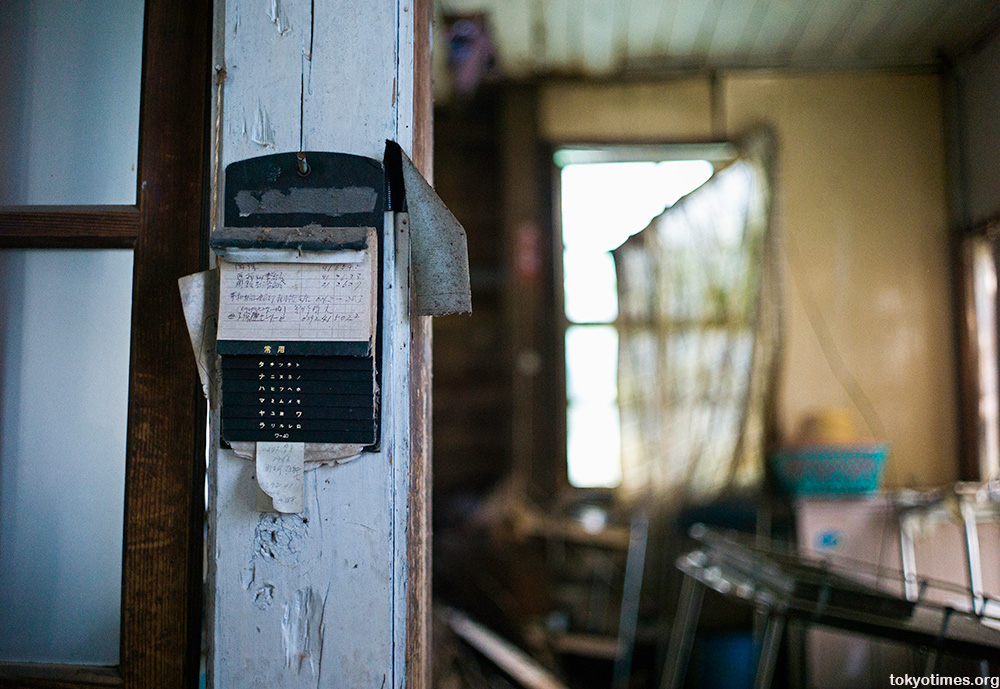
Along with more administrative details such as memos and phone numbers.

abandoned Japanese murder hospital

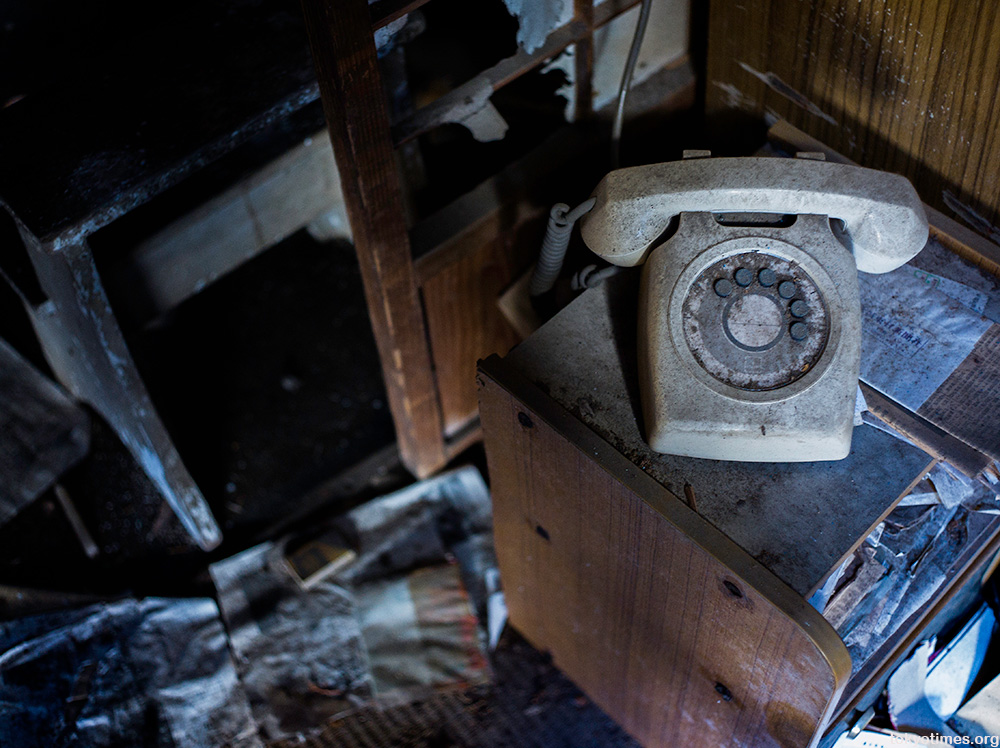
Not to mention the means of communication.

abandoned Japanese murder hospital

Time and the elements, however, have really taken their toll. Subsidence is presumably a major factor, which has left some parts almost completely intact, and others in an absolutely dreadful state.

abandoned Japanese murder hospital

A fair bit having fallen down completely, with other sections rapidly heading that way.

abandoned Japanese murder hospital

Taking, as they go, even more reminders of the past.

abandoned Japanese murder hospital

And it’s the past that in many ways makes the hospital so unique; something that is generally a factor with most haikyo/abandoned buildings. Whether it be a once opulent politician’s house, remote mountain village or memory-filled school — they all have stories to tell. Yet none of them are as shocking as the one belonging to the IK Hospital.

Back in 1992, for reasons undocumented, it’s reported that the head doctor went berserk, killing both the staff and patients — each and every one of them. A truly nightmarish event that obviously meant the immediate closure of the facility, and in turn its abandoned state today.

Details are unfortunately scarce, with numerous mentions on Japanese sites never linking to an actual news report, but it is assumed the murders occurred in the main hospital building — a structure that these days gives little away in relation to the horrors that went on there.

abandoned Japanese murder hospital

It too has suffered some pretty severe damage over the years, but unlike the surgery, it’s empty, with nothing in the way of hints about the murders, except perhaps this sad, solitary picture.

abandoned Japanese murder hospital

Categorized: Haikyo

Dec 10 2013 26 Comments

An abandoned villa in rural Japan

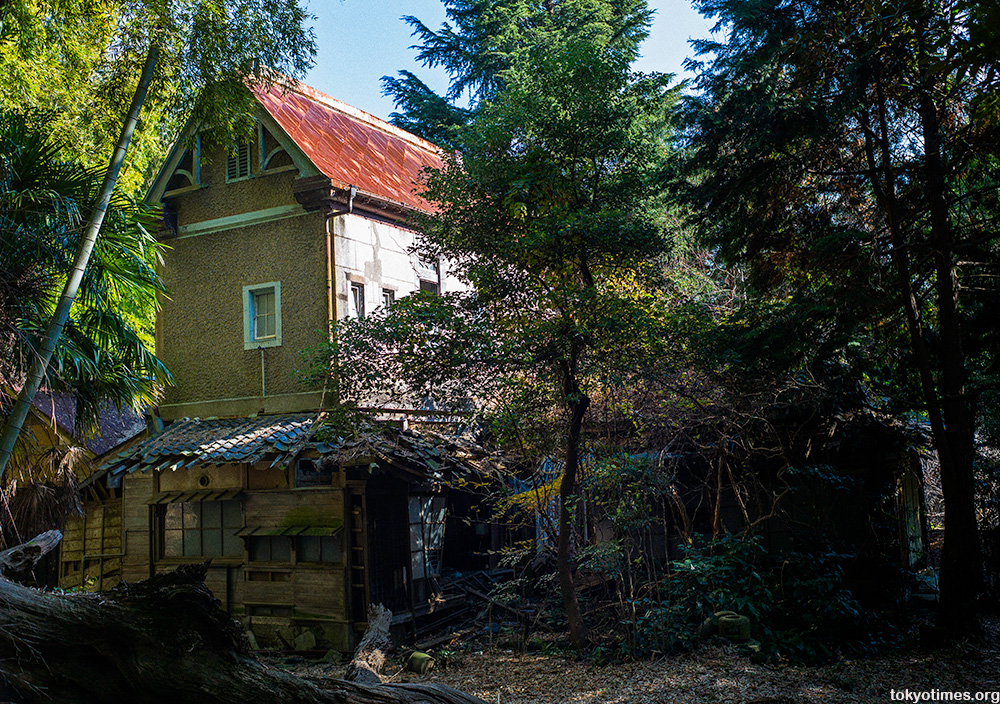
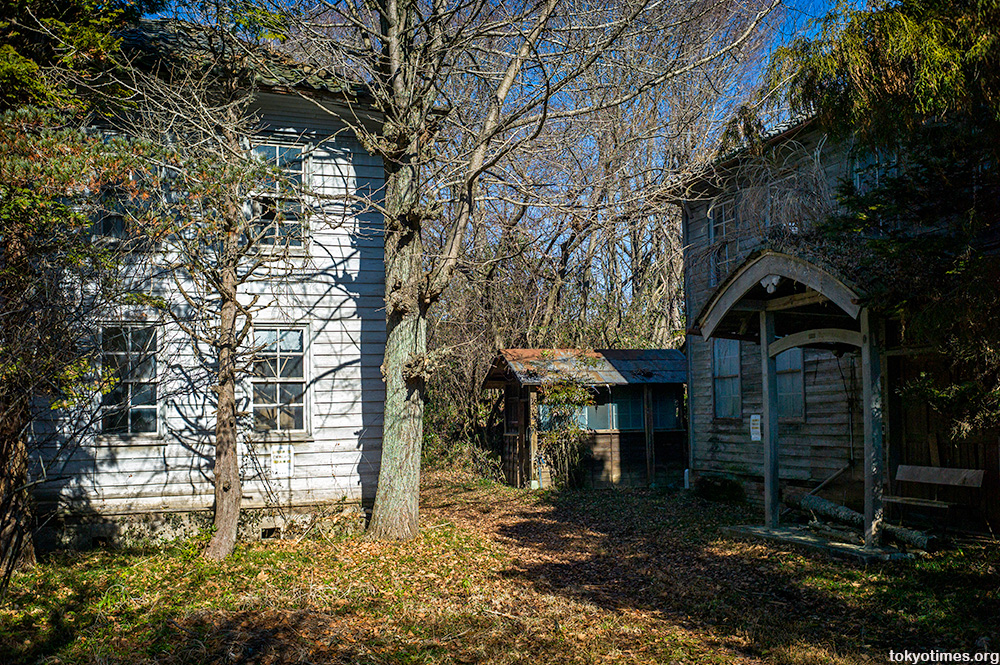
Long-abandoned homes aren’t uncommon finds in Japan, but western-style ones are another matter altogether. In fact the only one I’ve ever had the pleasure of exploring was a wealthy politician’s house. A building so grand and beautiful that it more than made up for never finding anything even remotely similar. Or at least it did until I became aware of the villa below.
abandoned Japanese villa

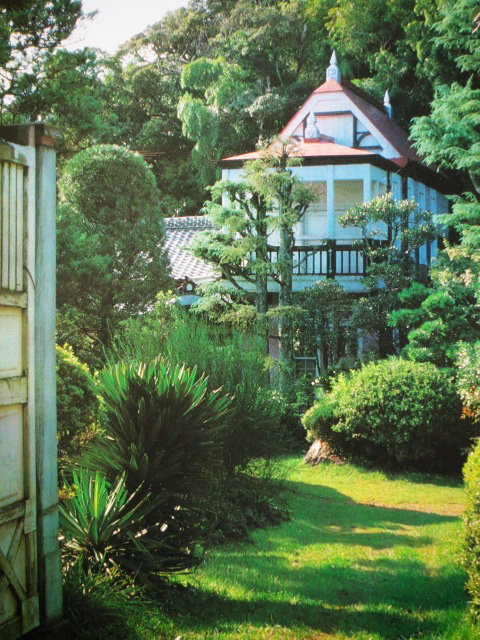
Built in 1922, it’s fascinating to imagine how truly unique it must have been. A little bit of Europe amidst the rice fields and wooden structures of rural Japan.

abandoned Japanese villa

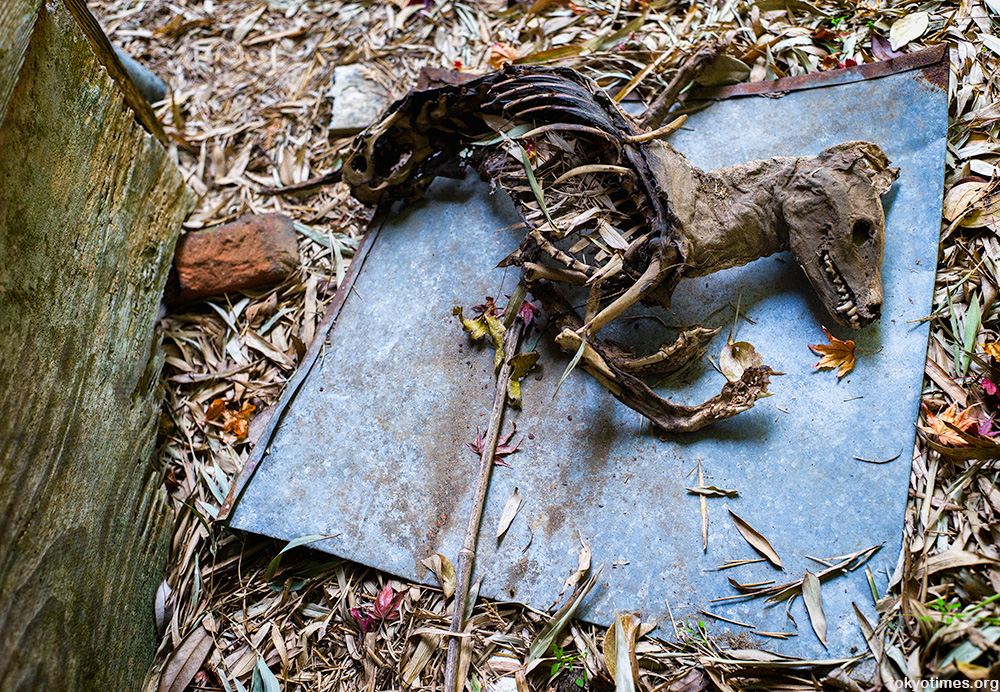
But that was then and this is now. The wooden structures and rice fields are still there, but the villa itself is looking decidedly worse for wear. The ground floor especially is in an incredibly forlorn state, although not quite as sorry looking as this unidentified beast that greeted us upon our arrival.
abandoned Japanese villa

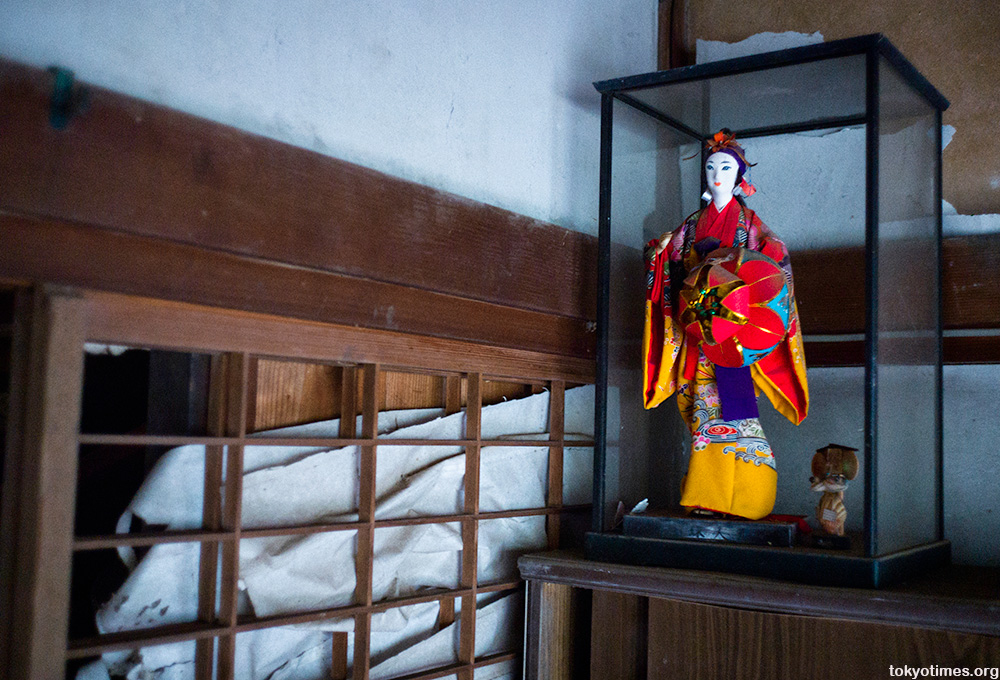
Empty, staring eyes that are also on display inside. Quite fittingly in both a western form.

abandoned Japanese villa

And a much more traditional one.

abandoned Japanese villa

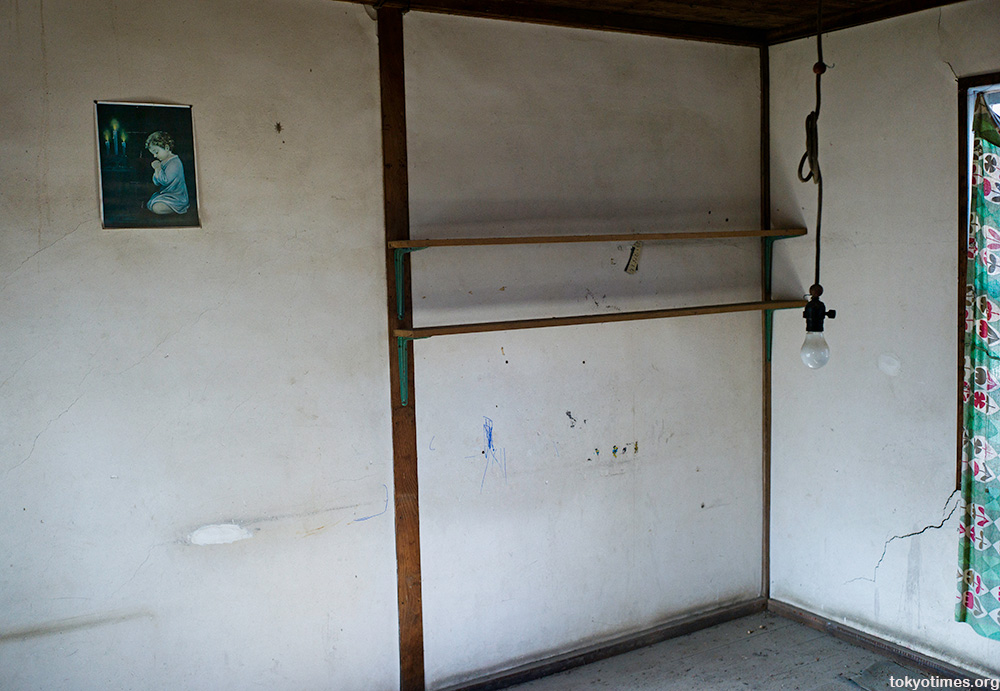
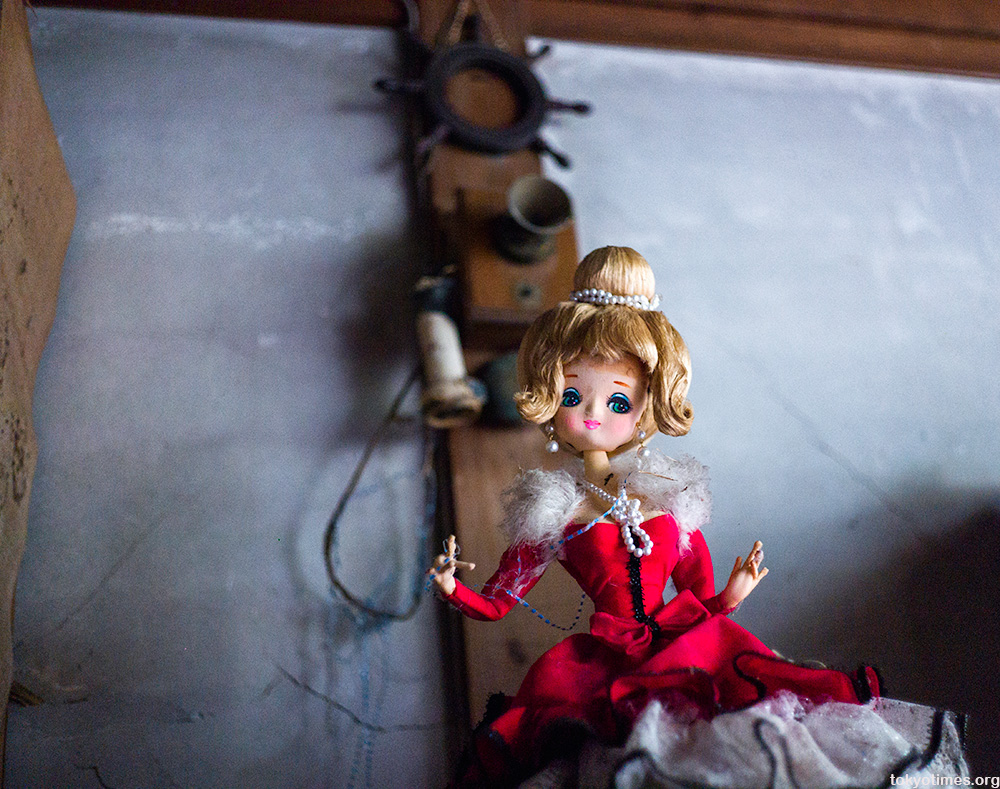
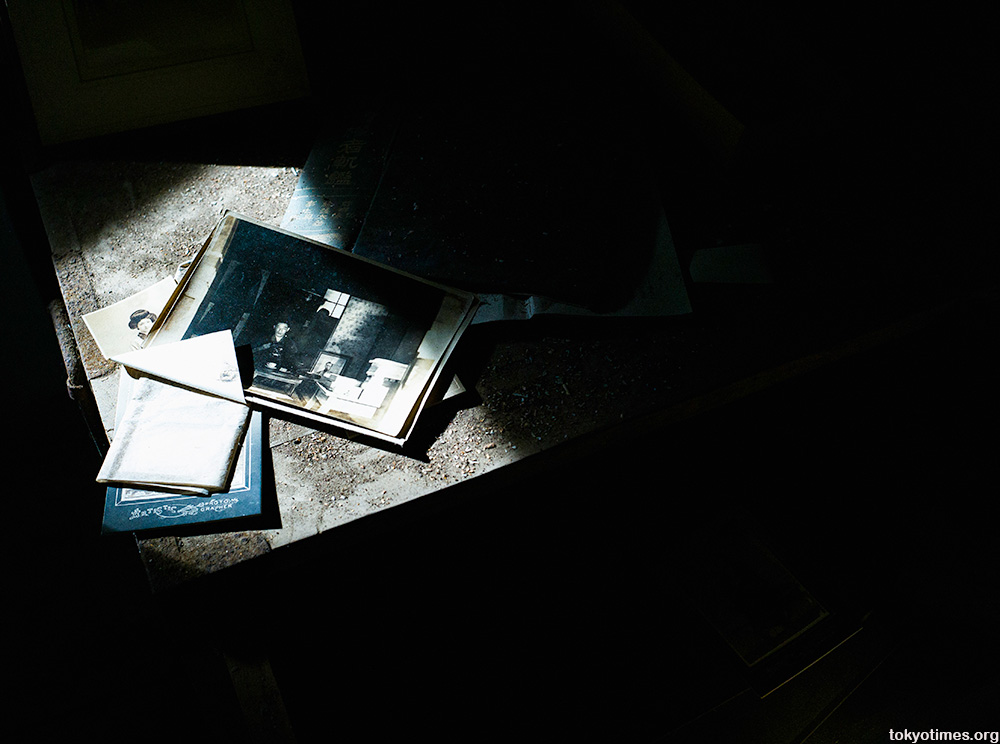
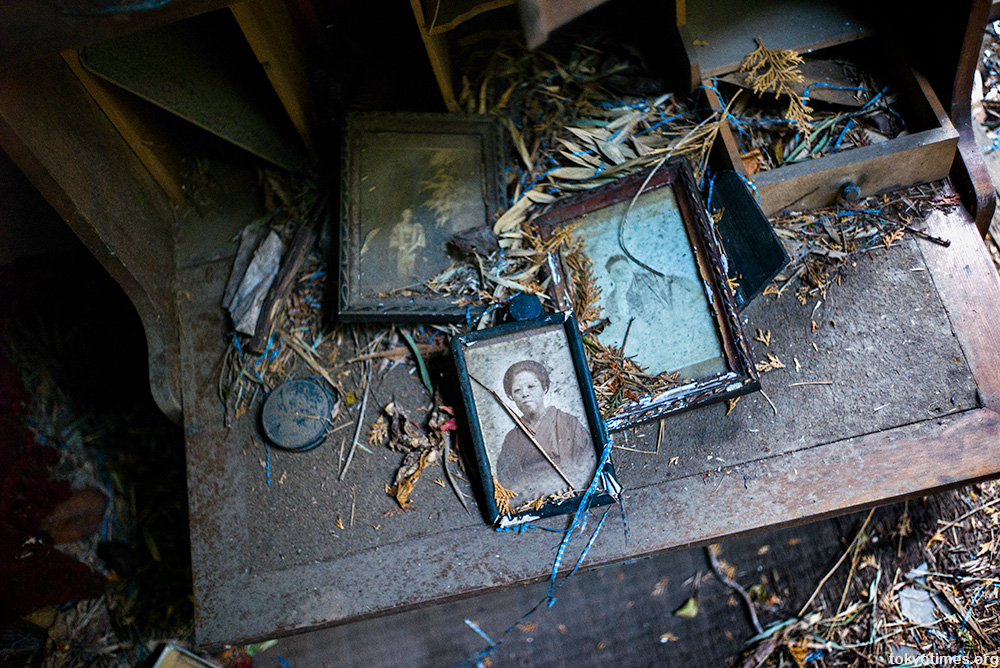
Plus there are the faces of the people who once lived there.

abandoned Japanese villa

Or if not the residents, then at least their relatives.

abandoned Japanese villa

Strangely personal items that only add to the silence made all the more noticeable by the home’s now defunct forms of entertainment.

abandoned Japanese villa

abandoned Japanese villa

A slightly gloomy set of items that the battered surroundings only add to.

abandoned Japanese villa

But upstairs it’s a very different story.

abandoned Japanese villa

There’s so much more light, plus nature hasn’t taken quite the same toll. And just like downstairs, there are reminders of the people who once lived there.

Things that they took.

abandoned Japanese villa

Took pleasure in.

abandoned Japanese villa

Or perhaps tried not to.

abandoned Japanese villa

A fascinating couple of rooms that still hint at the building’s former grandeur.

abandoned Japanese villa

Not to mention the eclectic tastes of its one-time residents.

abandoned Japanese villa

Their interests too, as there is also a small, still well-equipped darkroom.

abandoned Japanese villa

But these things haven’t been used or looked at by anyone actually living there for years. Surprisingly there are records indicating a presence in the house as late as the early 1980s, but that’s still 30 years or so ago. A period of time that has seen a huge amount of decay. So much so in fact that a fairly hefty earthquake or simply a few more years of dealing with mother nature could conceivably see the whole thing collapse. And yet despite all the debris and the dodgy floors, the upstairs balcony still looks like the perfect place to relax on a bright, sunny day.

abandoned Japanese villa

For more haikyo, Tokyo resident and all-round good bloke, Jordy Meow, has just released a book covering some of the incredible number of abandoned buildings he’s visited in Japan. Details and a preview of which can be found here.

Categorized: Haikyo

« Previous Page
Next Page »

Footer

Copyright © 2026 · Tokyo Times