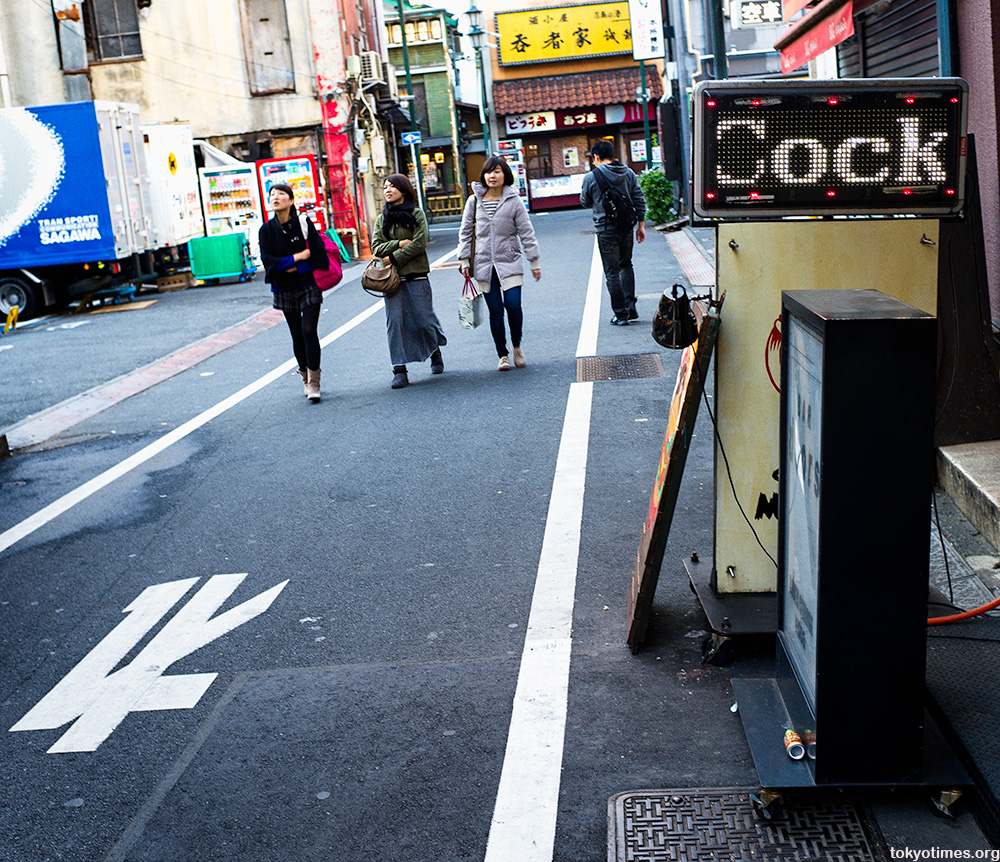
Ladies’ Day in Tokyo?
Photographs from a small group of islands
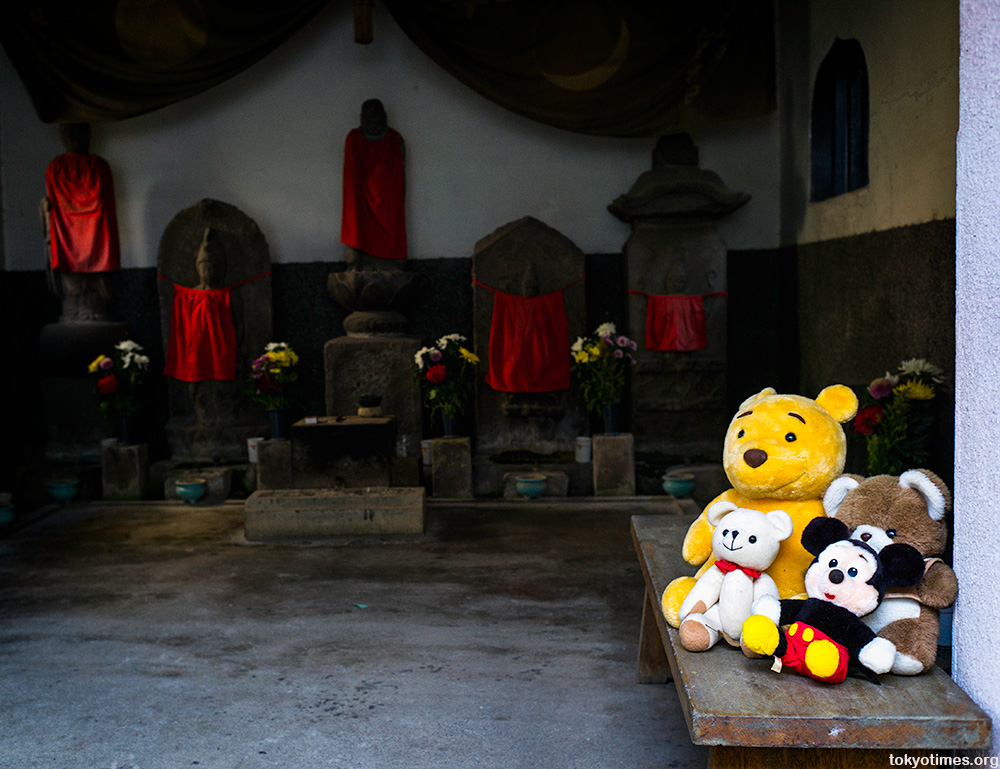
Jizo are common sights in Tokyo — not to mention the whole of Japan. Little figures stood solemnly by the roadside. Or more often than not, in and around temples. Statues that along with watching out for youngsters and travellers, are far better known as the protectors of deceased children, including miscarried or stillborn infants. The belief being that Jizo hides them in his robes and then guides them safely to salvation.
However, invariably kitted out in red bibs and wooly hats, it’s easy to forget this sad reality behind the countless statues. Even more so the many people who dutifully go and pay respects to them. And yet at other times, it’s quite clearly, and very uncomfortably, the opposite.
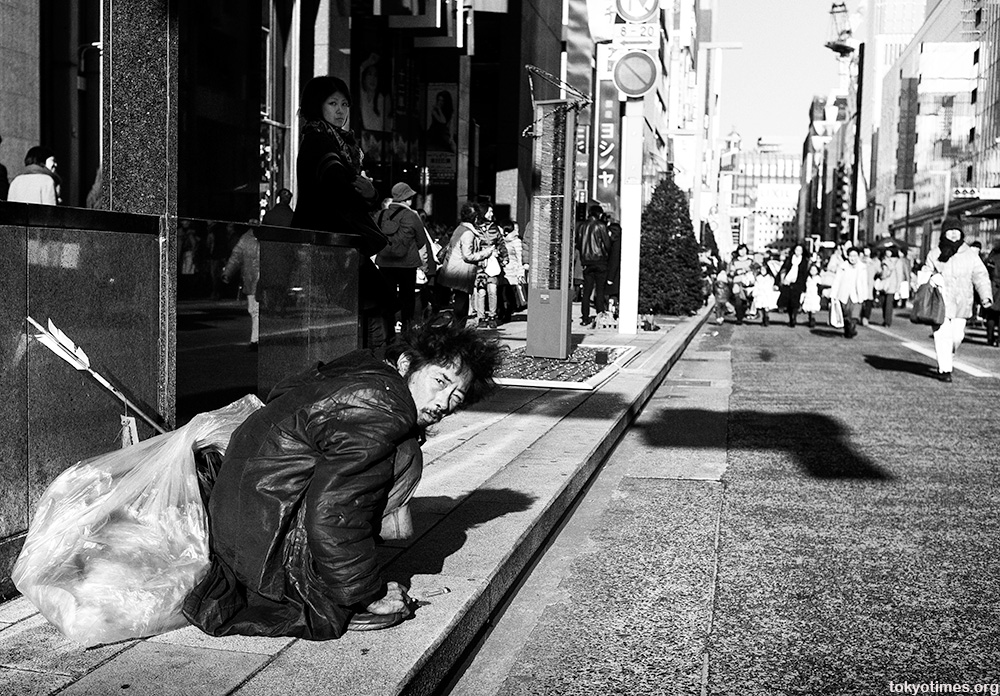
Years of economic stagnation along with the demise of Japan’s ‘job for life’ system have well and truly destroyed the myth of the whole country being comfortably middle class. Factors that have also lead to a slowly fracturing society, and, combined with a growing temporary employment market, are creating an increasingly noticeable disparity between the rich and poor, the haves and have-nots. And nowhere is this more obvious than in Tokyo’s ultra wealthy Ginza district. An area that is home to flagship stores boasting the names of Louis Vuitton and the like, but now also those who don’t boast anything at all.
Japan’s so-called ‘family restaurants‘ are, as their name suggests, popular with families. Bright and child-friendly places that offer a reasonable variety of food at equally reasonable prices.
But what they don’t offer is character or an interesting experience, which is something that this family got by the bucket load.
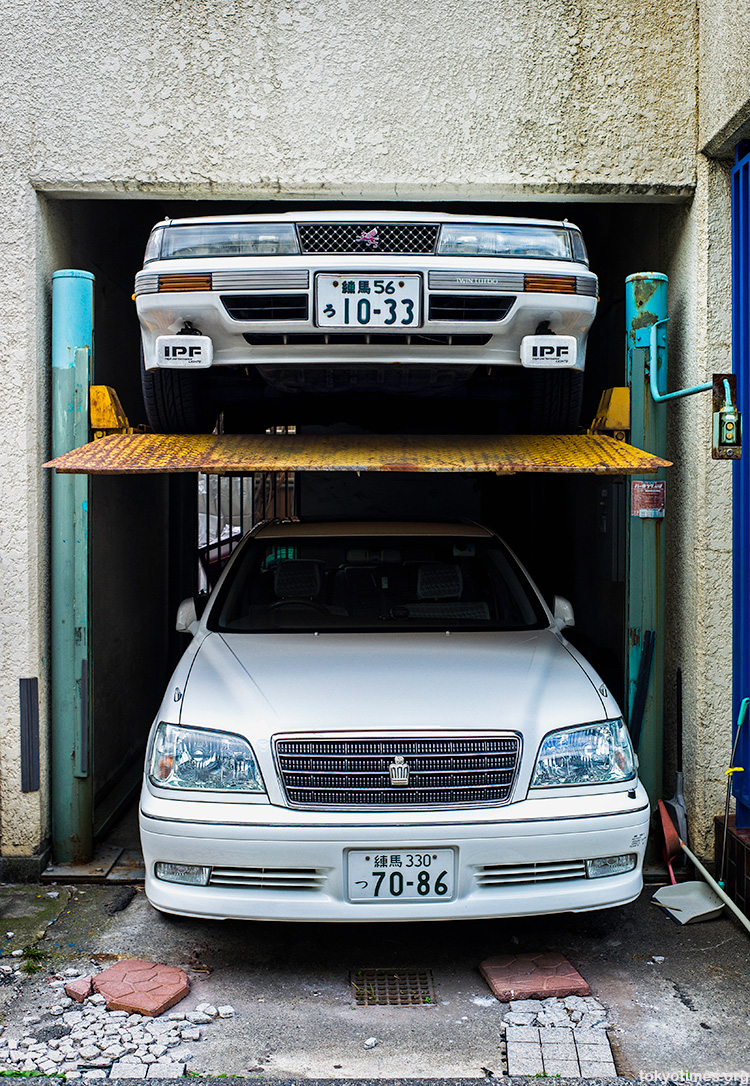
In a nod of sorts to the chicken and the egg dilemma, it’s hard to know which came first: the house, or the car?