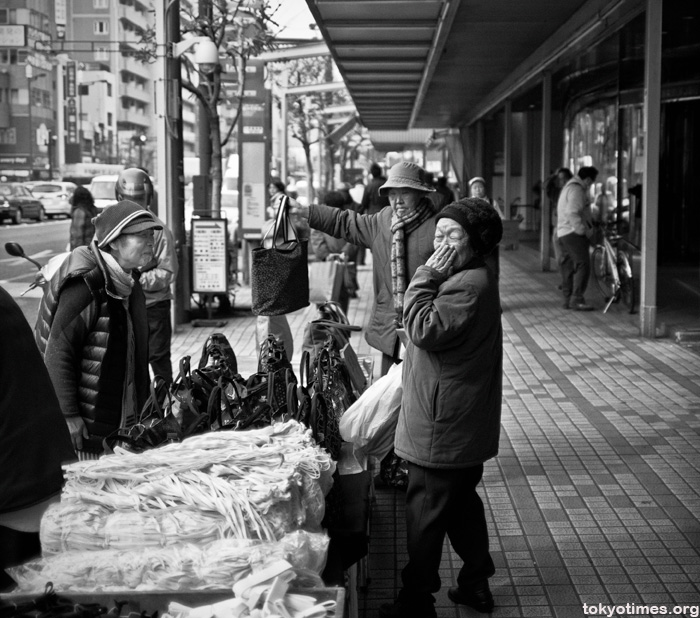
There’s no denying that supermarkets and department stores are perfect for the one-stop shop, but when it comes to a bit of banter, the more traditional way still takes some beating.
Photographs from a small group of islands
There’s no denying that supermarkets and department stores are perfect for the one-stop shop, but when it comes to a bit of banter, the more traditional way still takes some beating.
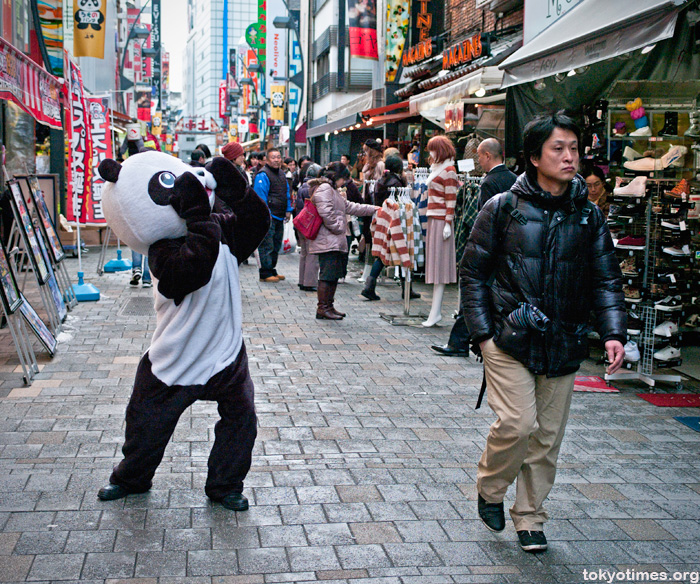
After the death of the elderly Ling Ling in 2008, Tokyo’s Ueno Zoo was without a giant panda for the first time since 1972 — leaving the city’s vast black and white bear-related paraphernalia industry very much in the lurch. However, with two new arrivals last year, production has once again gone into overdrive, and it’s no surprise at all that pachinko has also got in on the act. But, with pandas practically everywhere, some passersby are clearly unimpressed with such kinds of promotion.
Unlike most places where people go to pay their respects to the war dead, Yasukuni Shrine can often be polarising, not to mention controversial; the inclusion of war criminals among the 2,466,000 men and women enshrined there creating friction with Japan’s neighbours, as well as within the country itself. And, as a focal point of sorts for nationalist organisations, the situation is made even more problematic.
This contradiction of respect and rallying point is arguably no more visible than on National Foundation Day, a holiday held every February 11 to celebrate the birth of the nation and its imperial line. An anniversary that draws large numbers of uniform-clad extremists to the shrine — like this substantial gathering photographed last year. More images of which can be seen here.
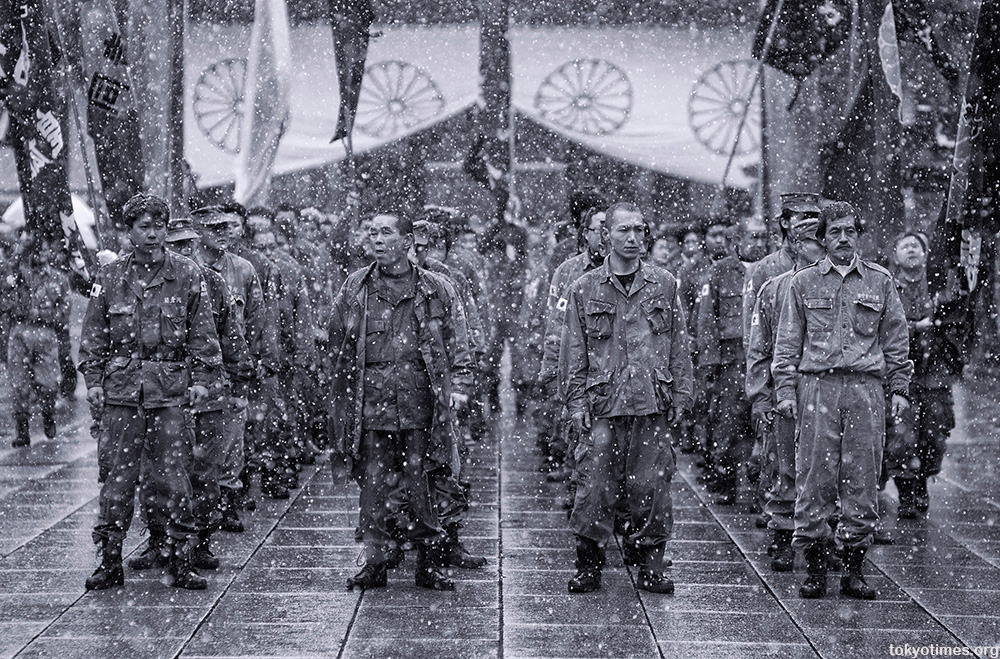
And yet on the same day, there are also numerous visits from Japanese veterans. Men who are also there to pay their respects, but for far less contentious reasons. Scenes of which in no way absolve the shrine of its past actions, but do highlight its poignancy — and importance.

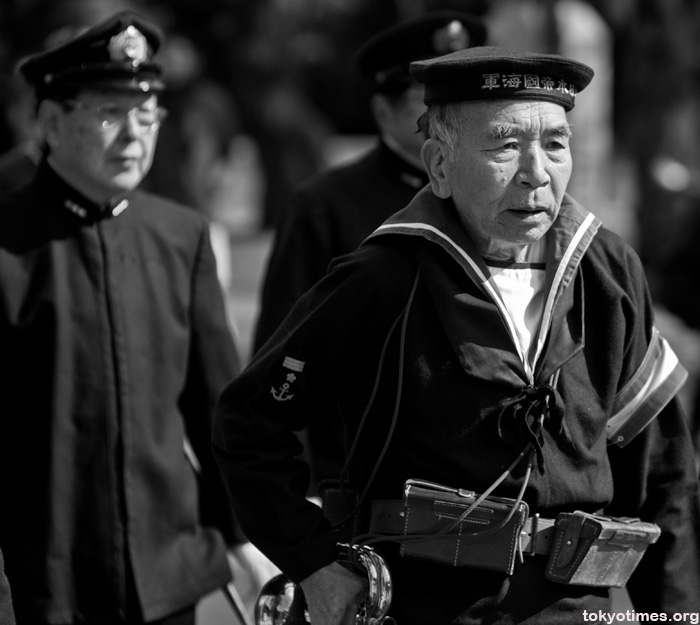
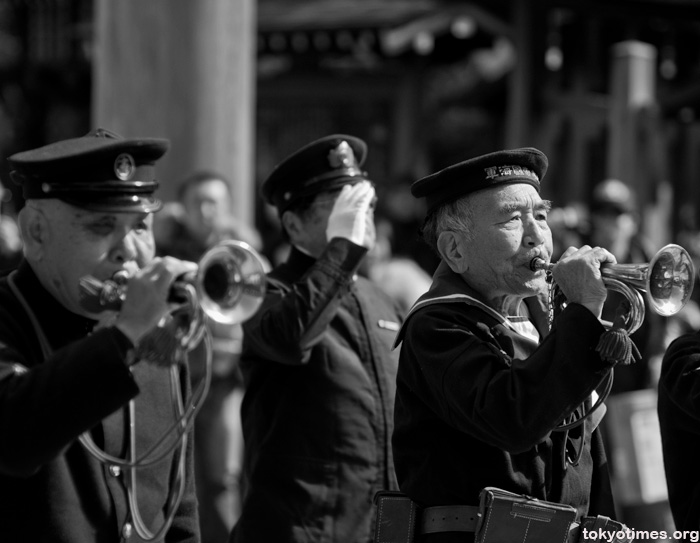
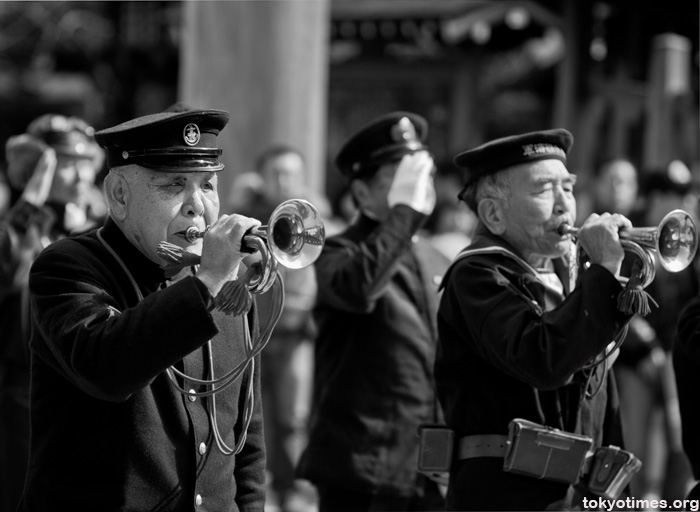

But, with Yasukuni being Yasukuni, there’s always a sense that things aren’t necessarily what they seem. Regardless of whether that’s true, or not.


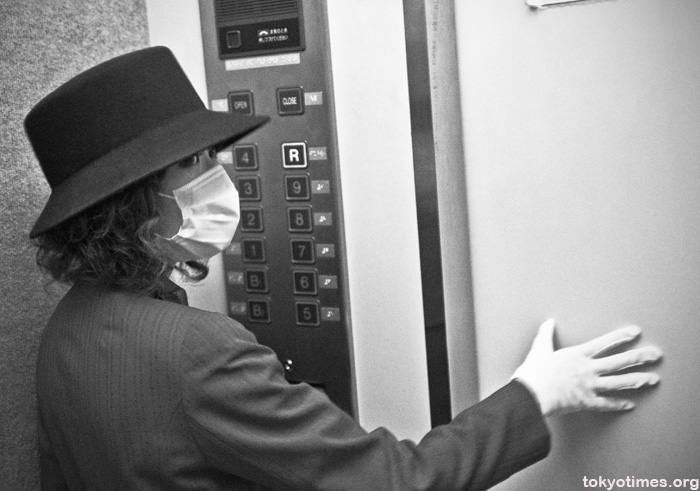
The title may sound more like a pop song than a profession, but elevator girls can still be seen in Tokyo. Not so often. And presumably not nearly so much as many moons ago. But, in this day and age, it’s still a calling that seems strangely archaic.
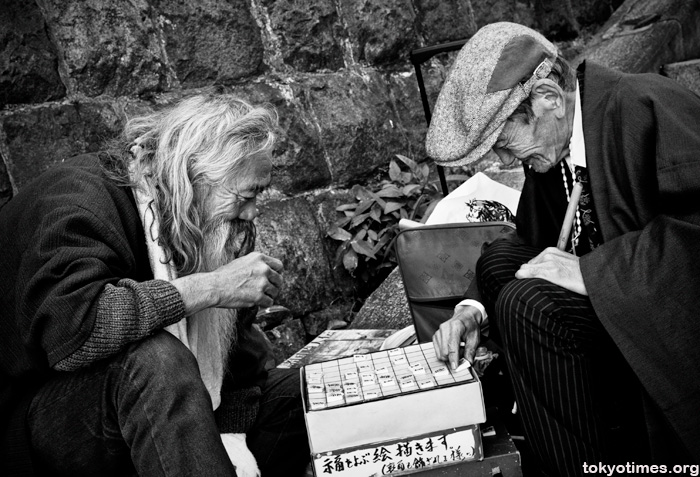
According to the little note, one of these men will draw passersby a picture that’ll apparently make them happy. But, while that may generate a bit of cash, and be a creative outlet, it clearly can’t compete with the fun a friend and a game of shogi can bring.