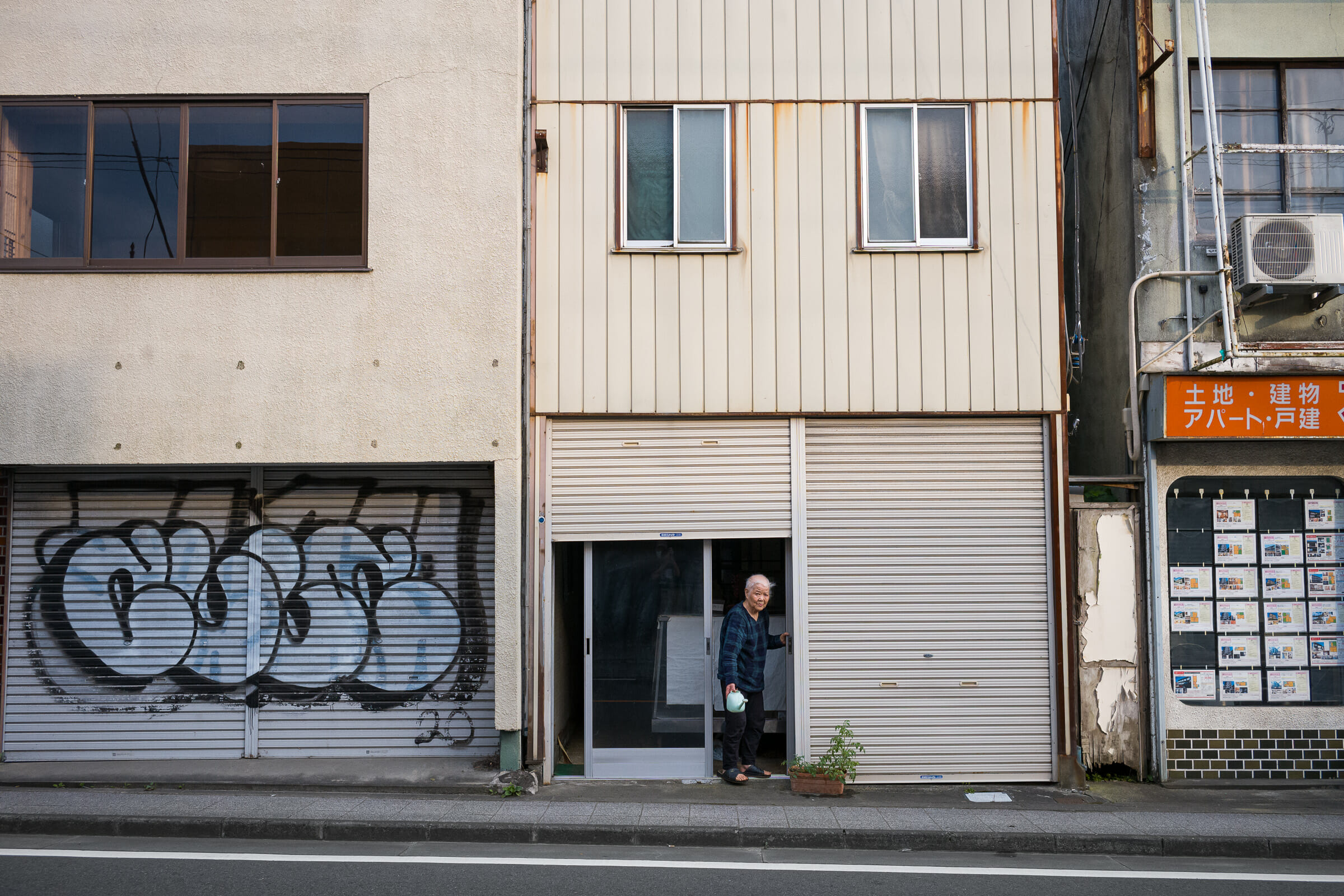
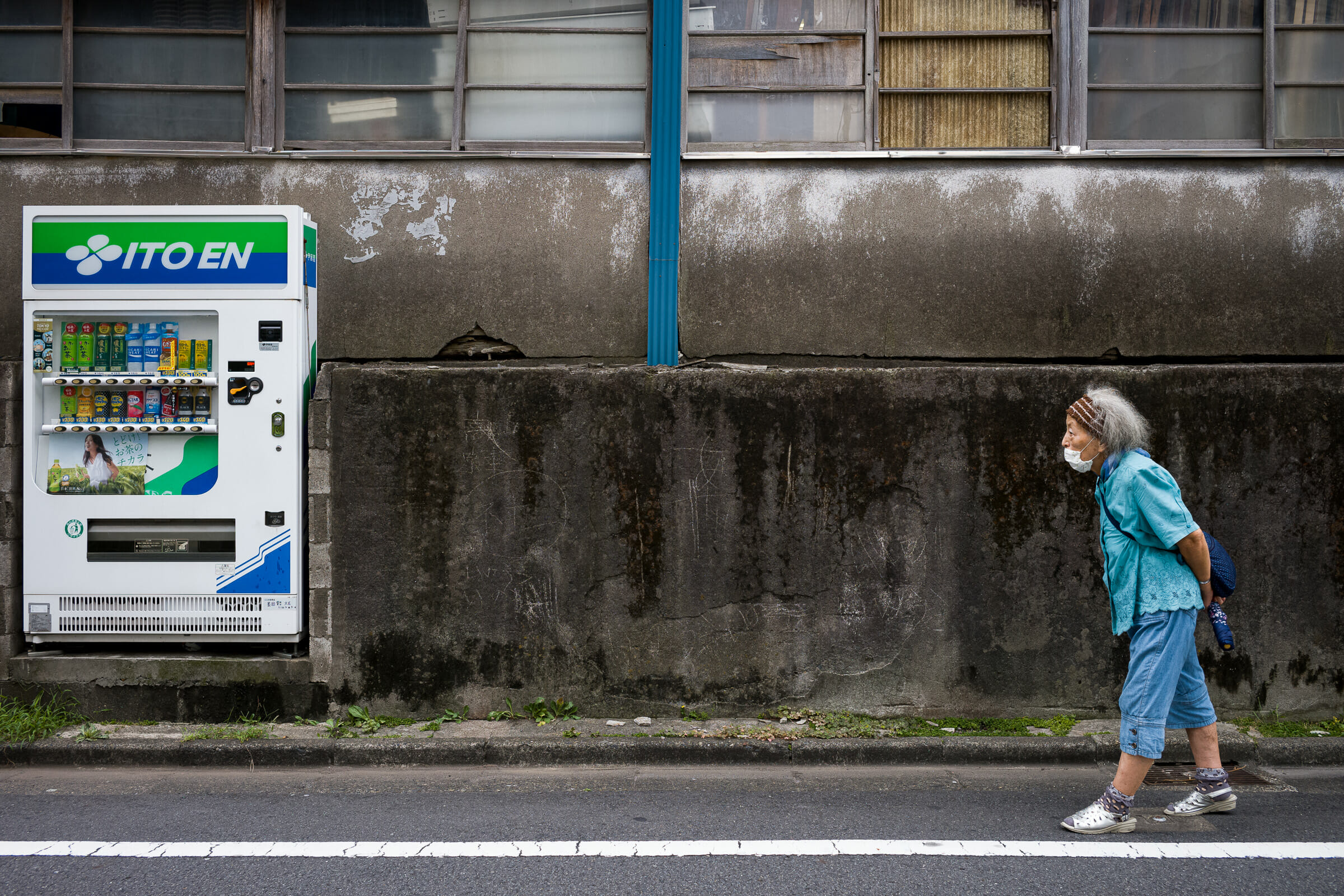
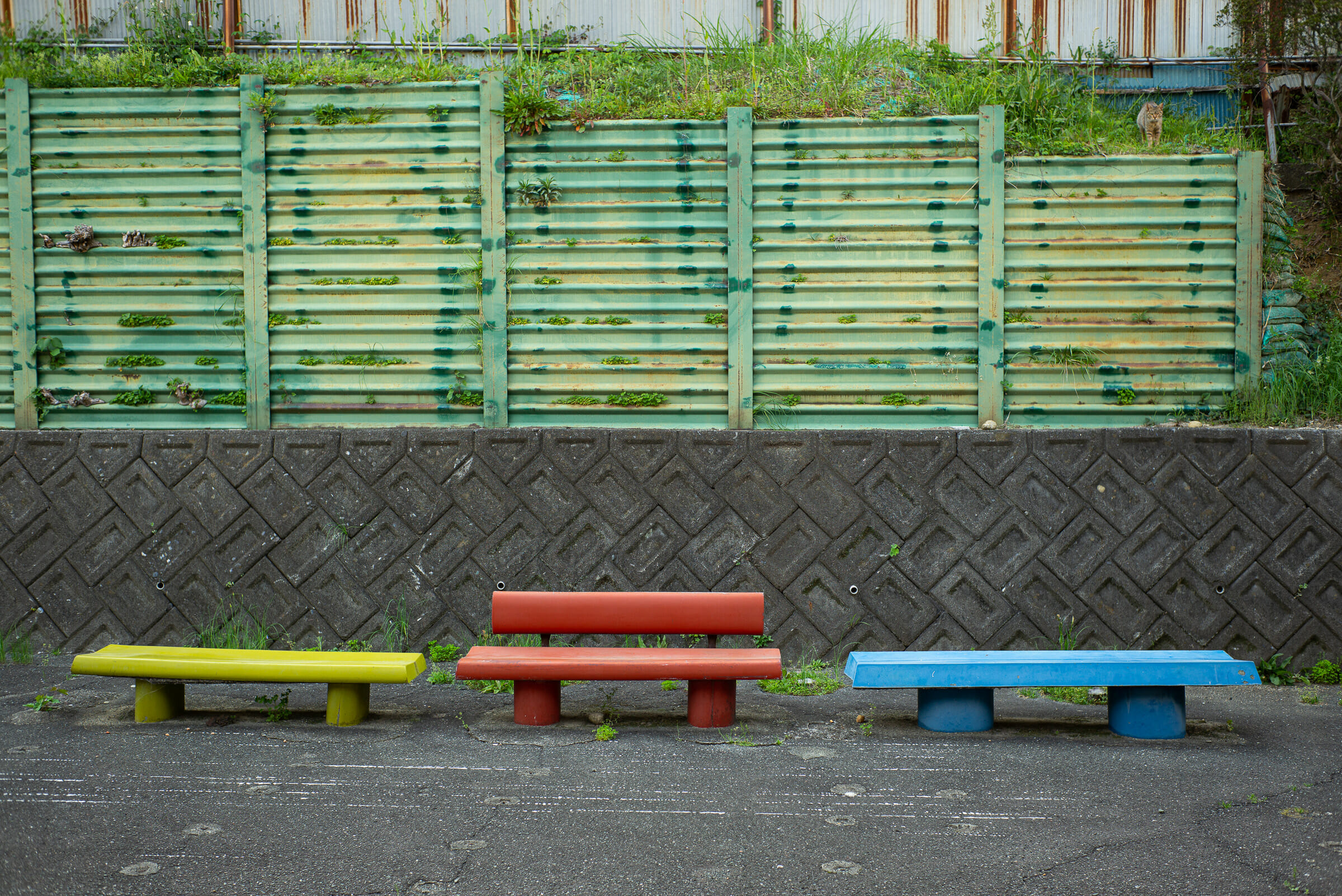
Different generations and yet a surprisingly similar colour palette.
Photographs from a small group of islands
Different generations and yet a surprisingly similar colour palette.
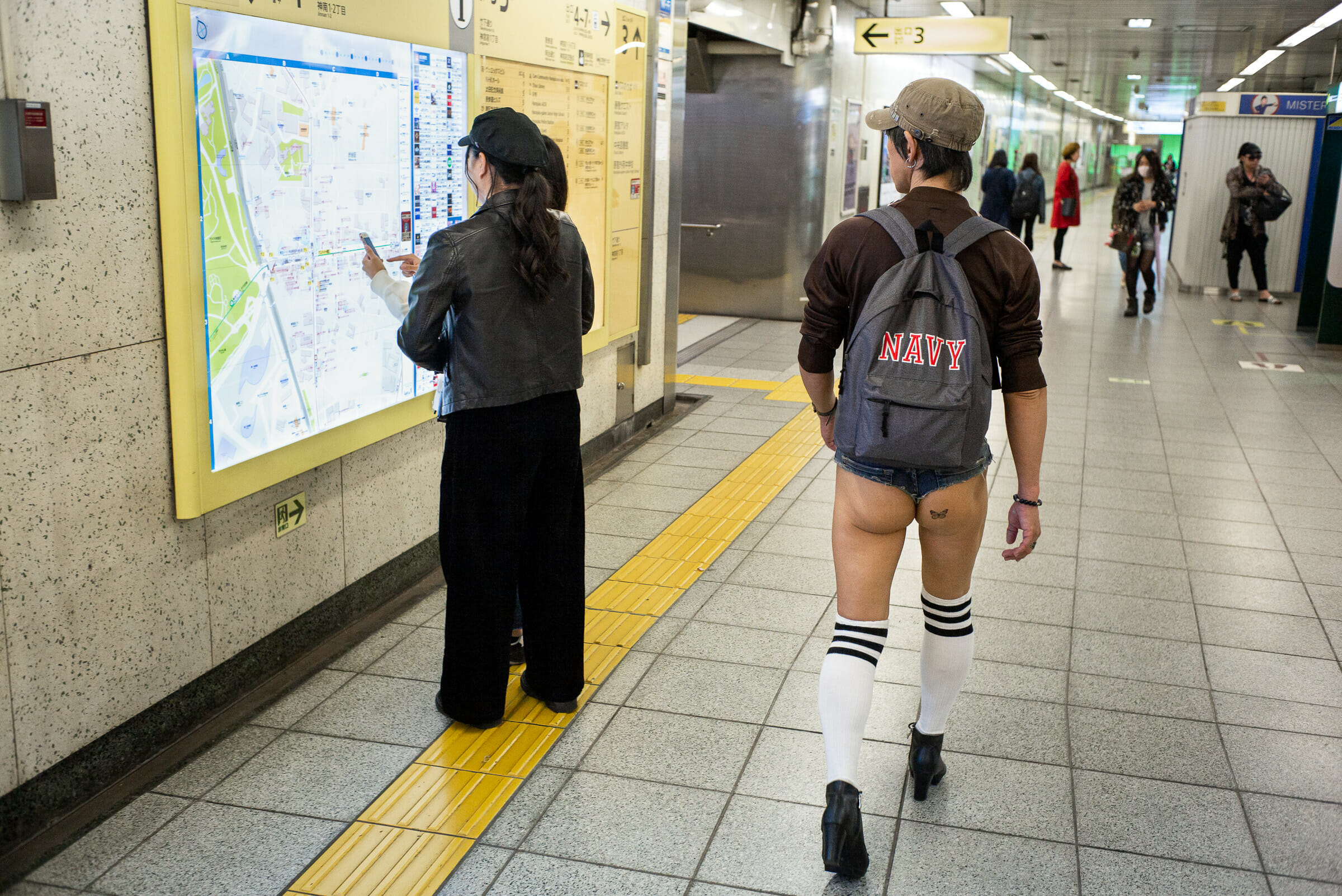
If the sporting of short shorts was an Olympic event, then this previously photographed young fella would surely take gold each and every time. The shape and shortness of his attire carefully straddles the border between risqué and potential arrest, plus if that somehow wasn’t enough, there’s the added flourish of a perfectly placed butterfly tattoo.
And yet that said, if medals were handed out for minimalist outfits as a whole, then the fabulously bold gentleman below would be a very worthy contender indeed. A man who embraces the urban summer sun and heat like no one I’ve ever seen before.
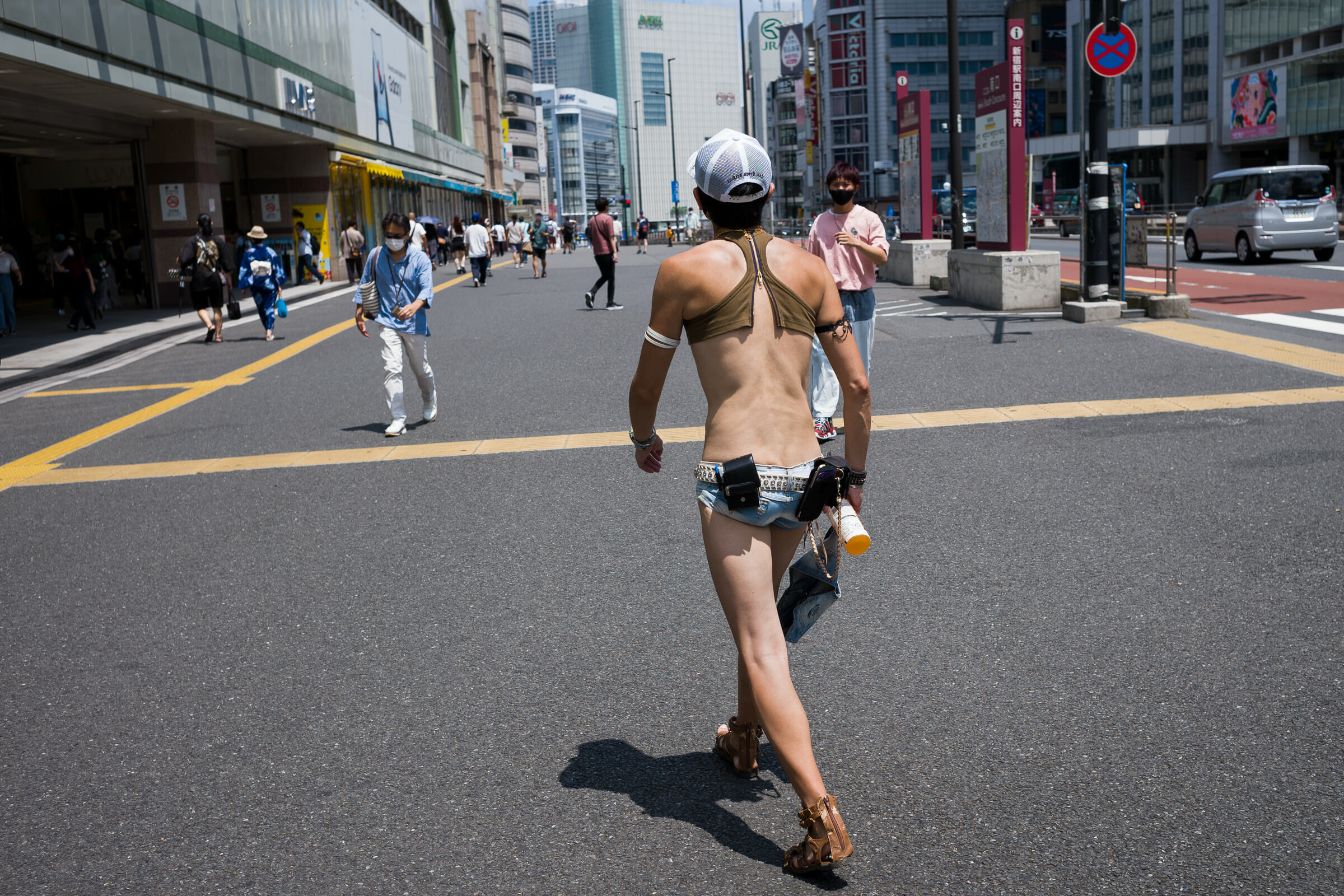
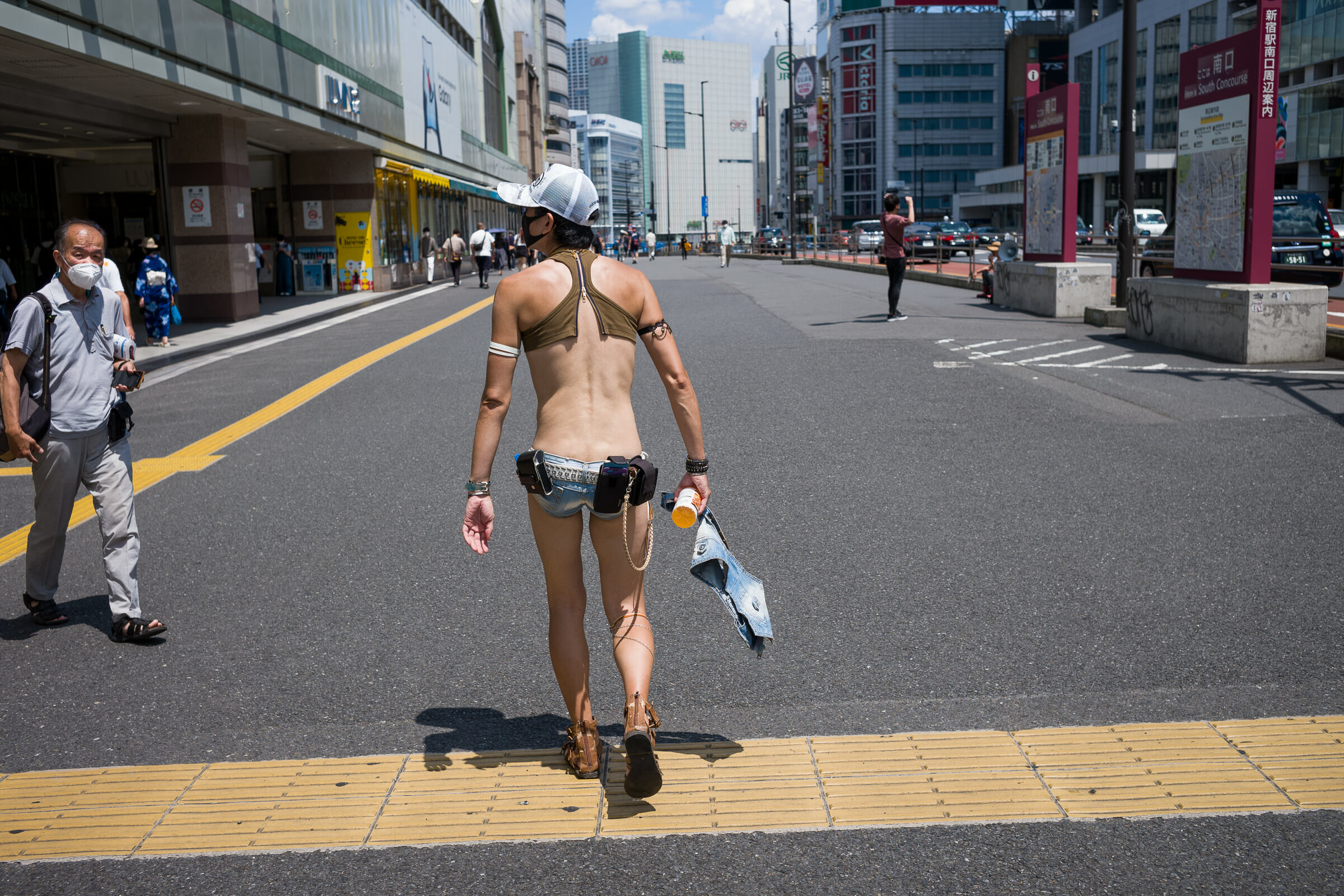
Or simply the hell of Japanese summer?
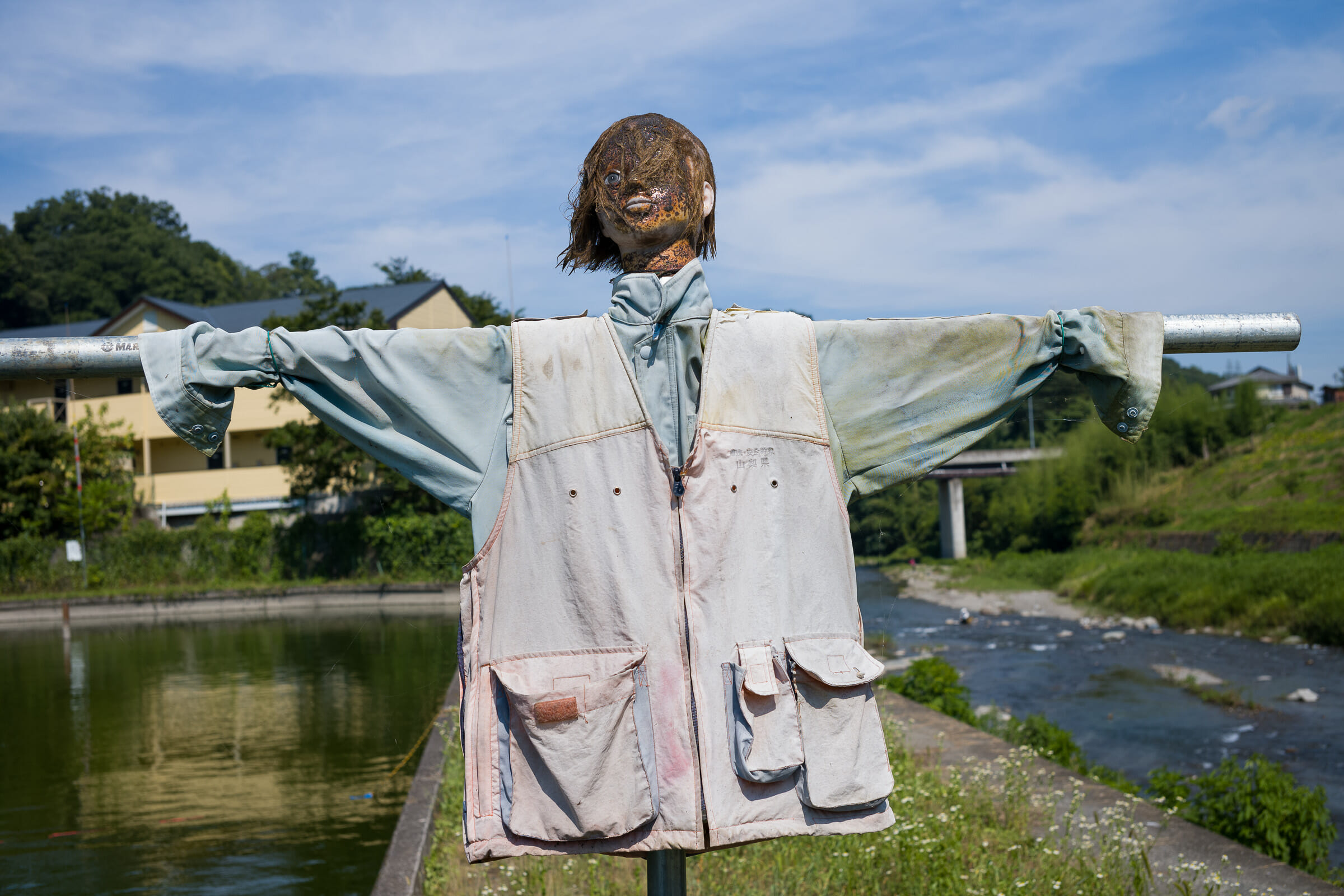

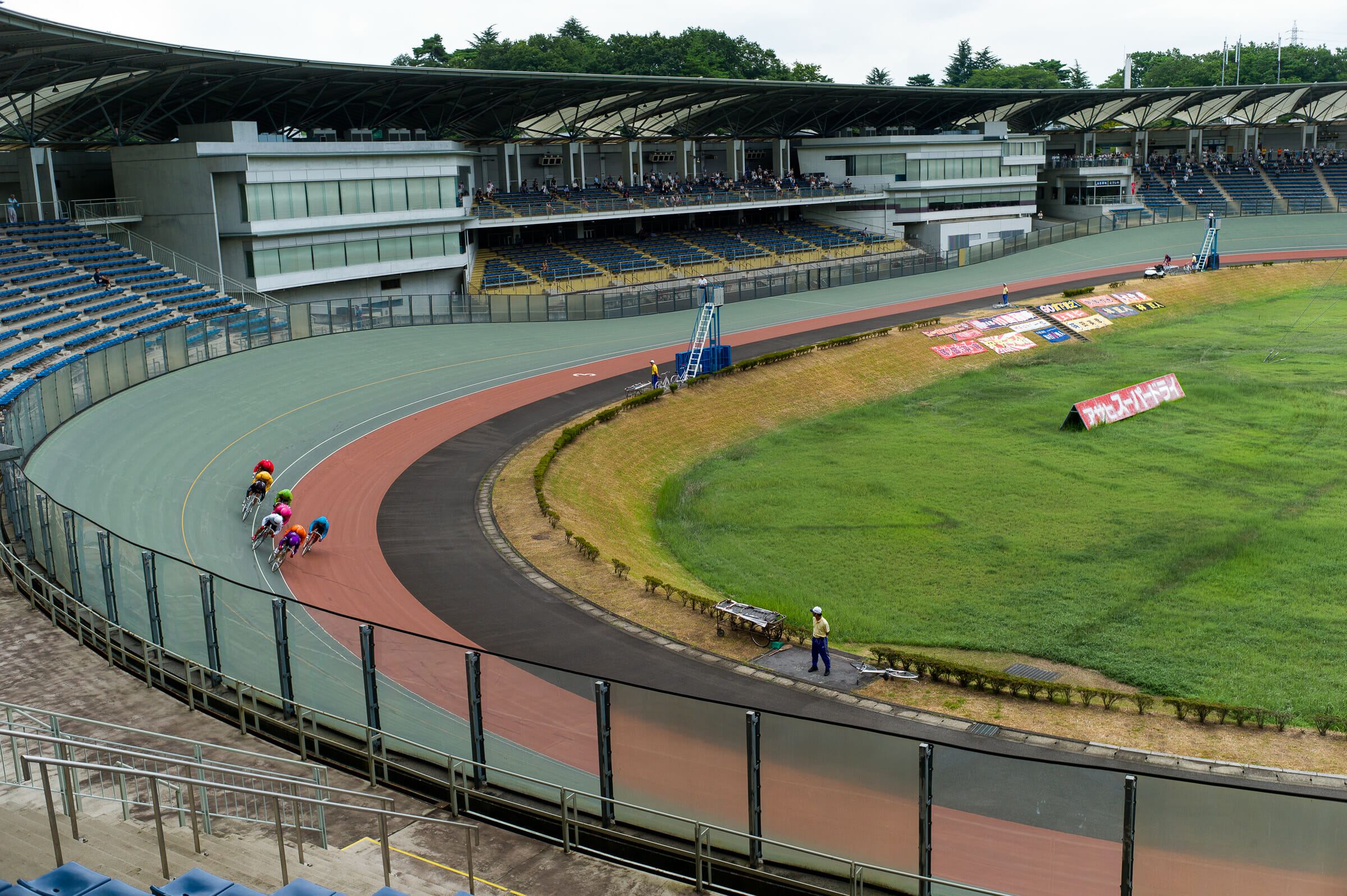
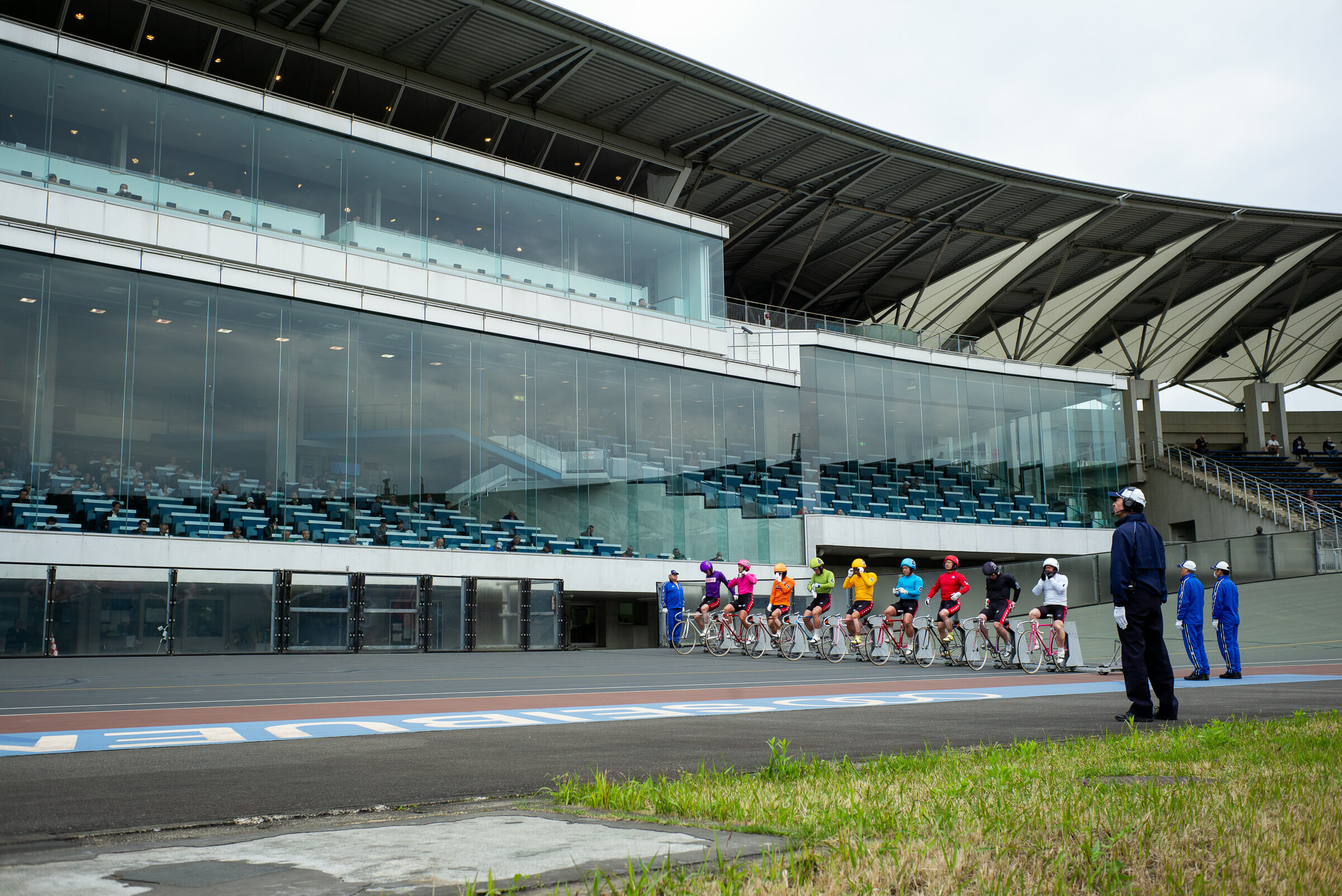
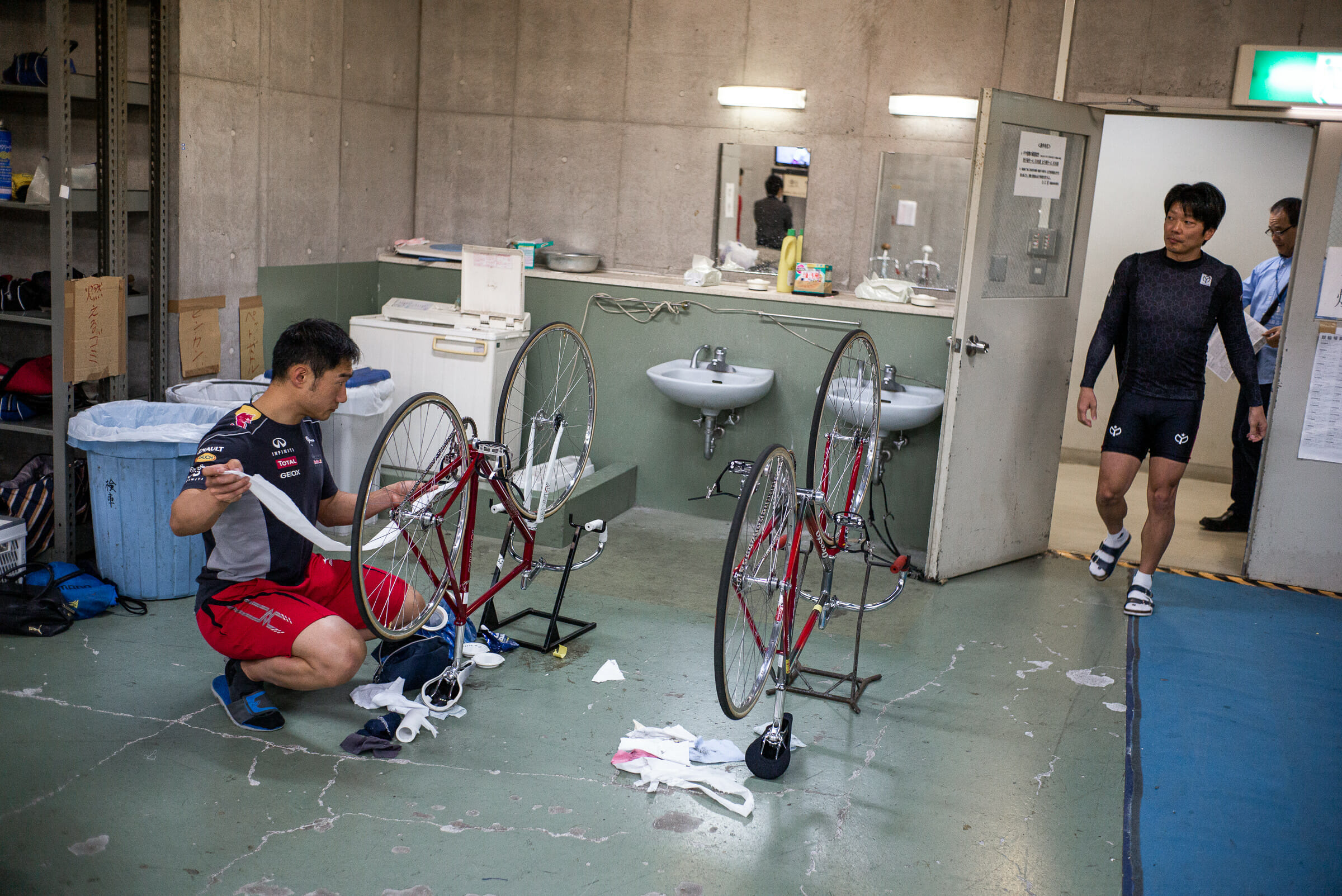
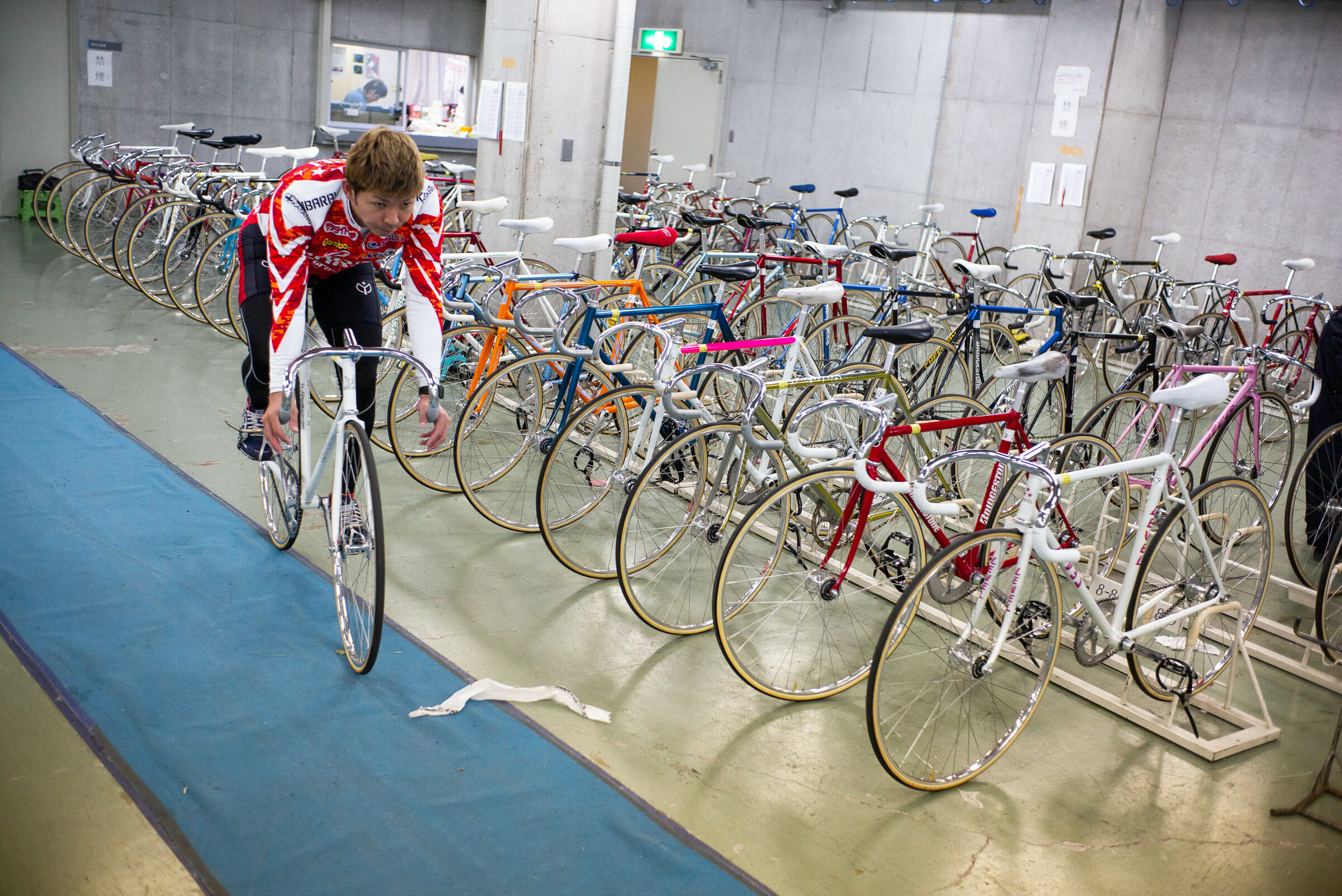
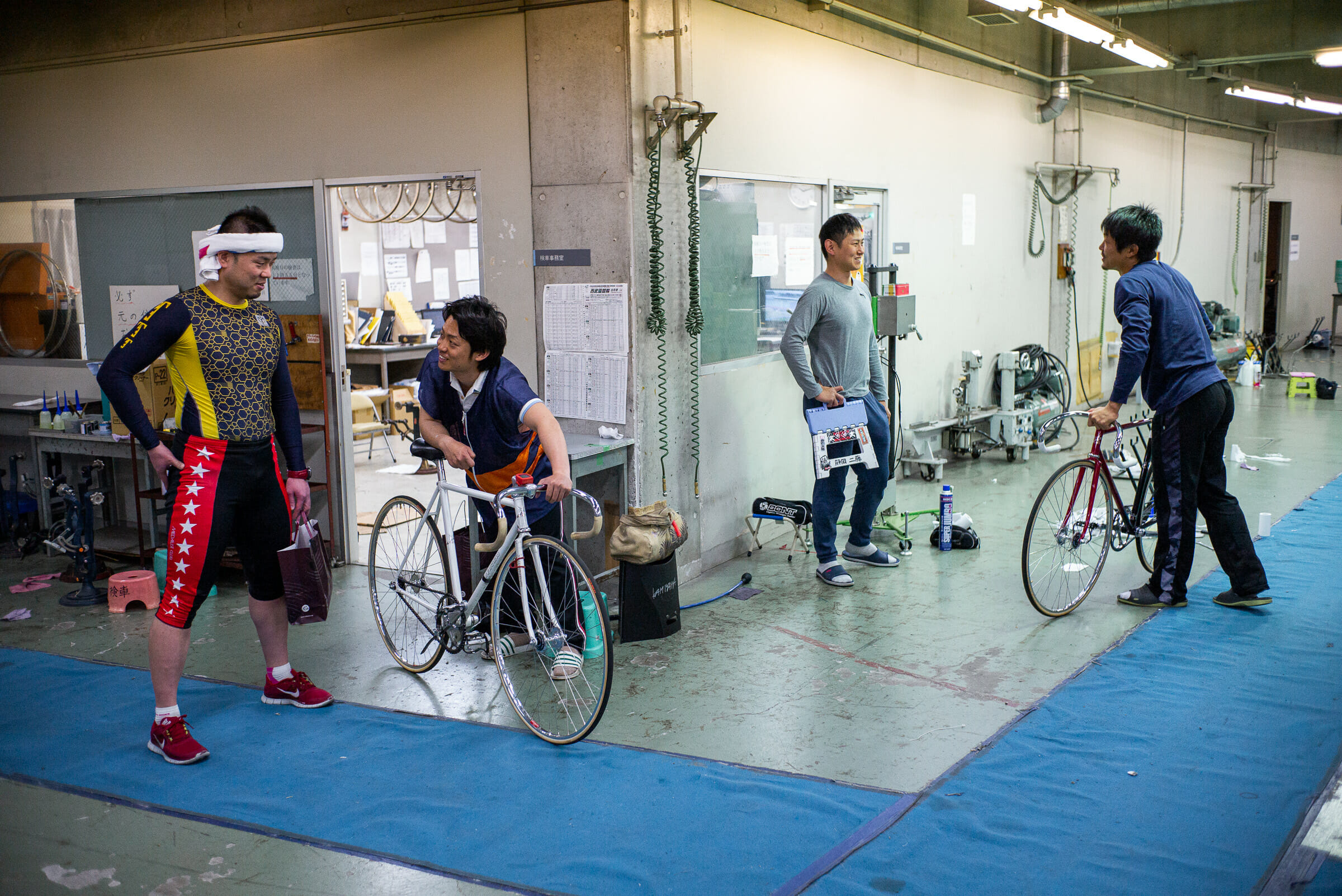
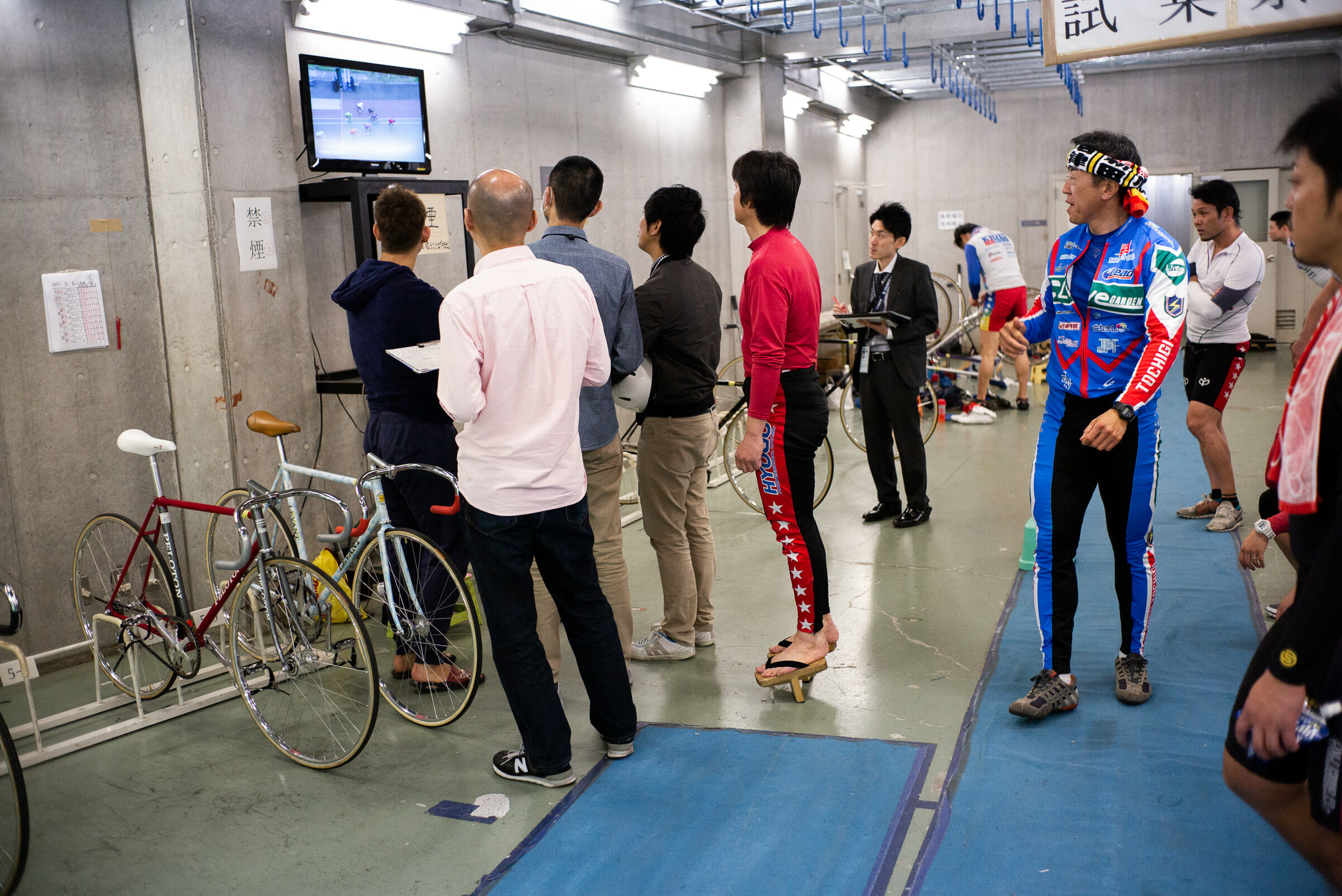
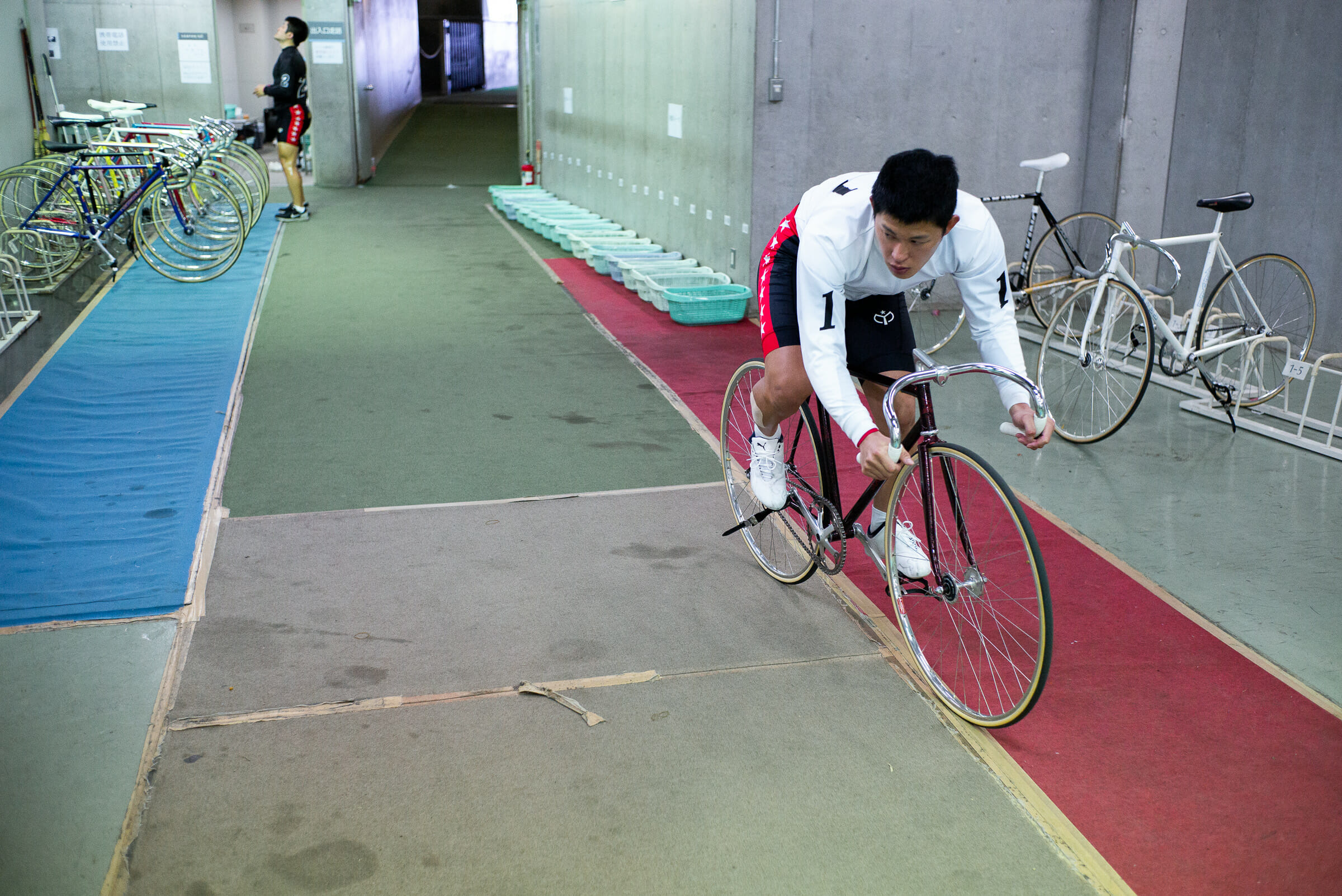
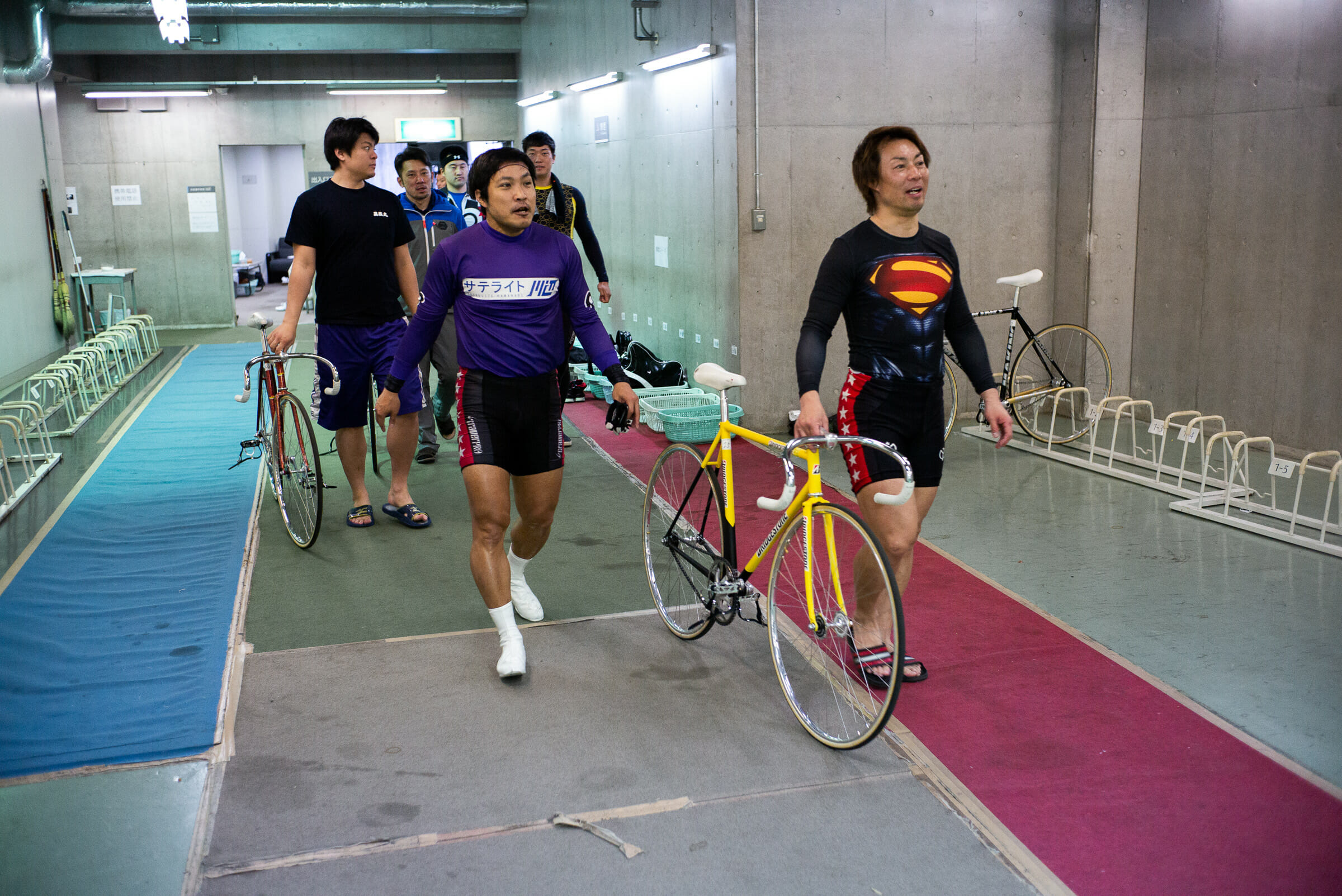
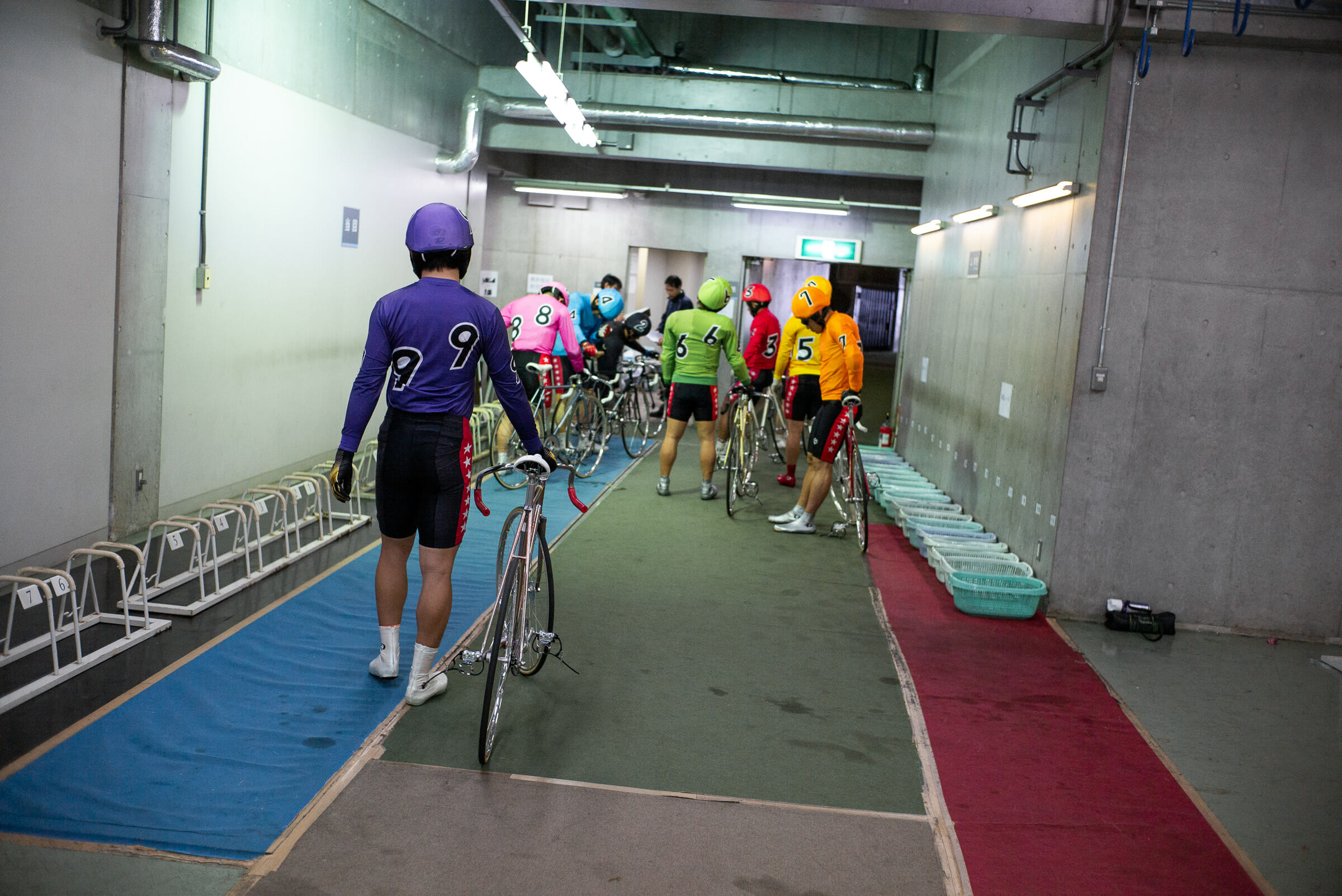
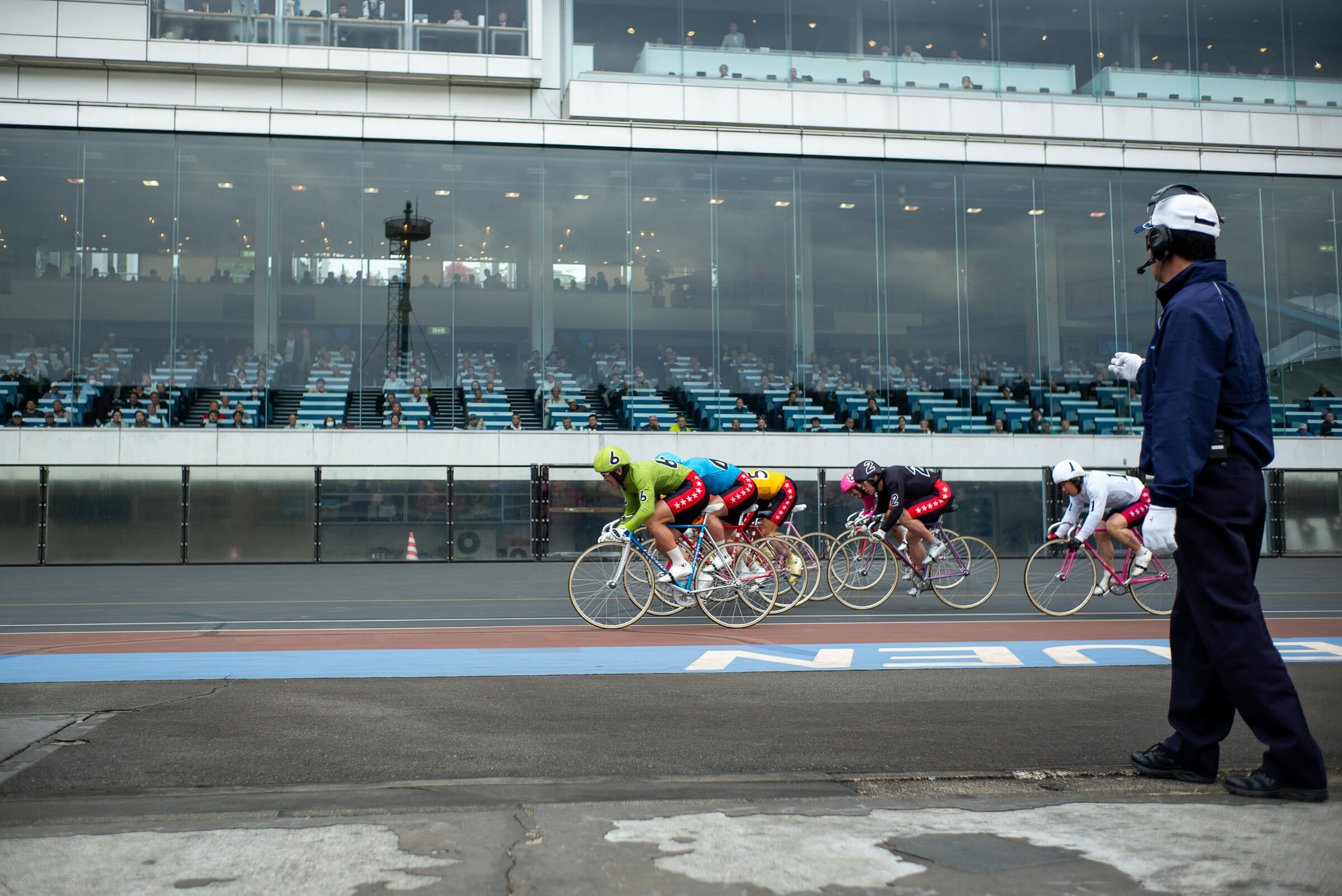
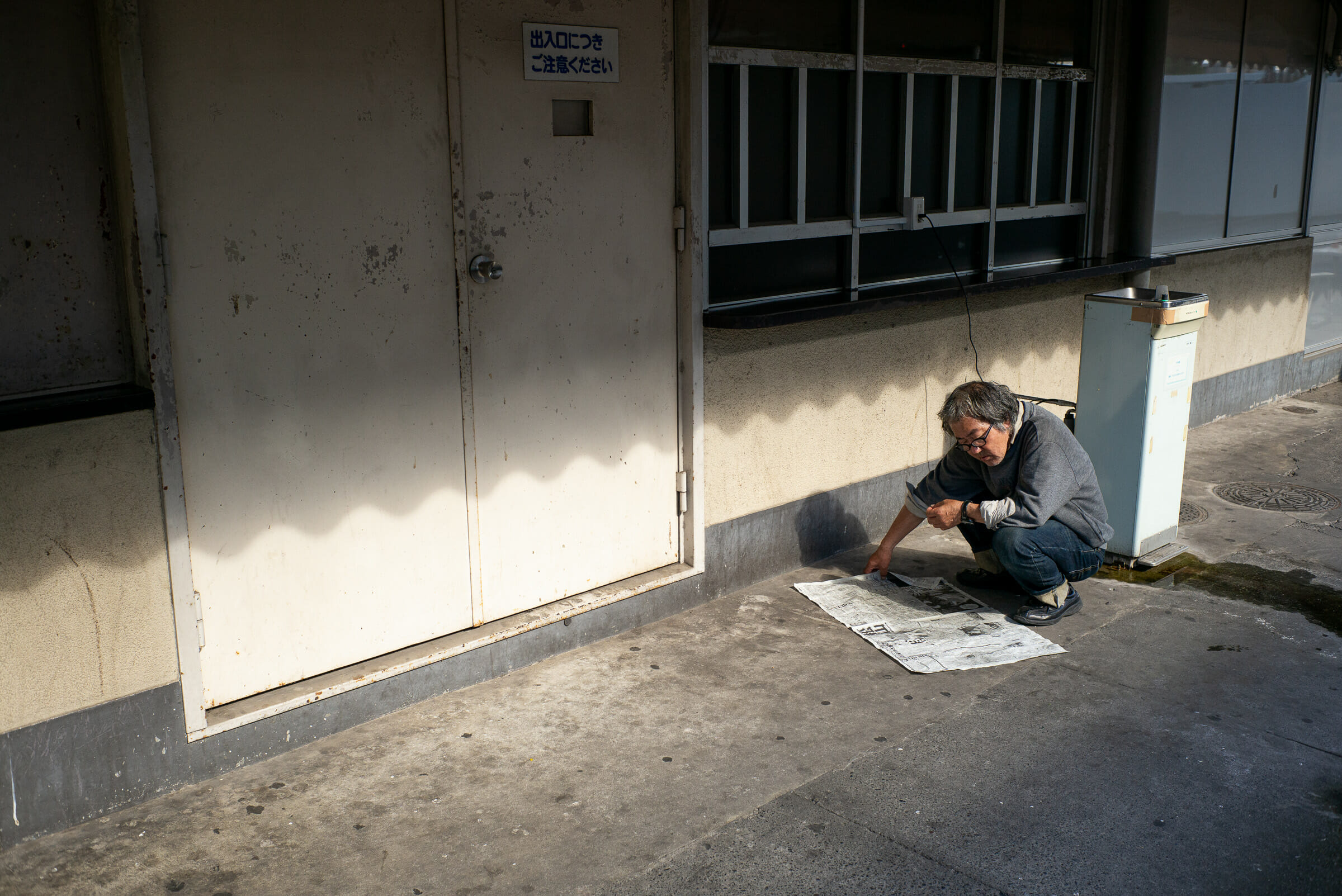
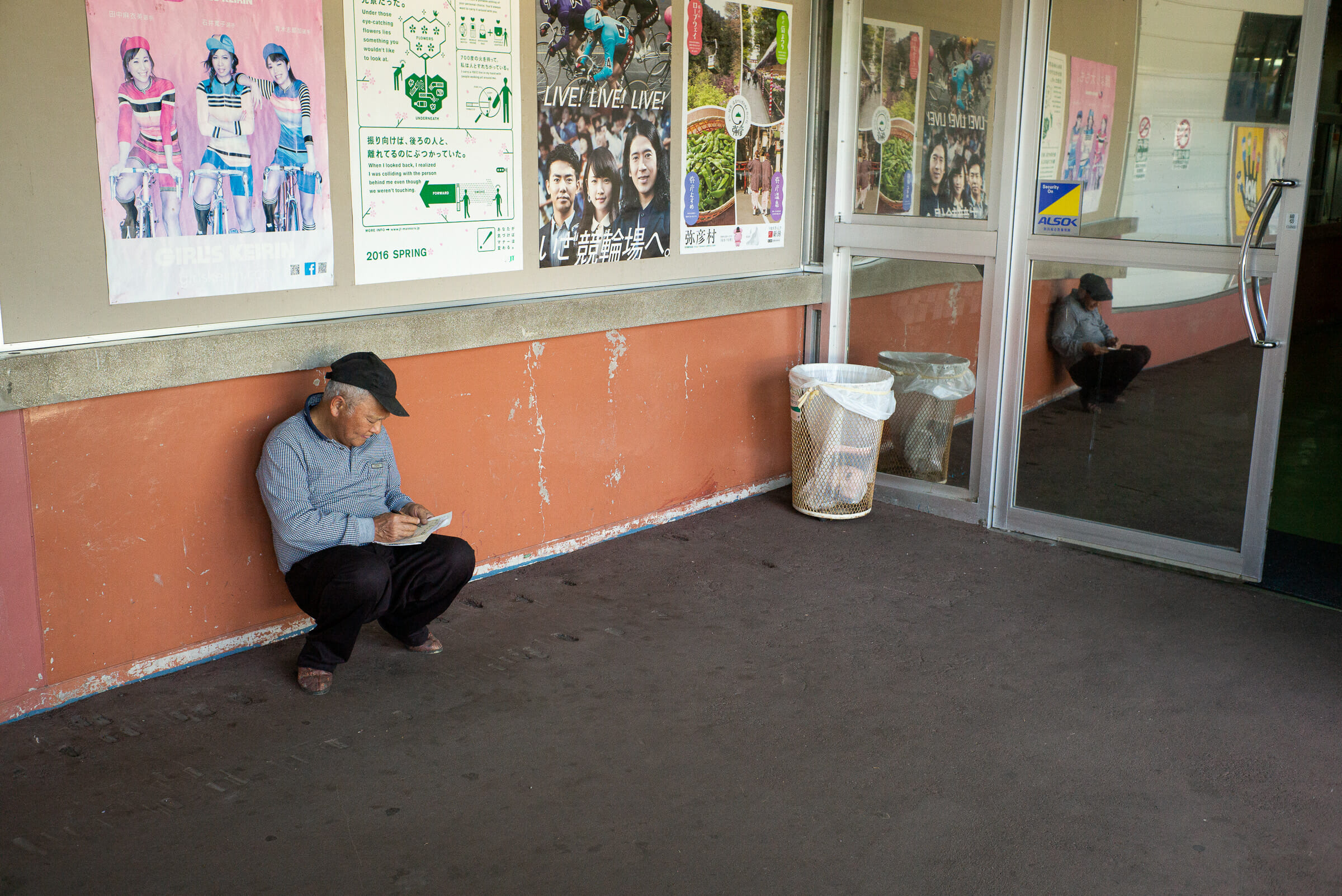
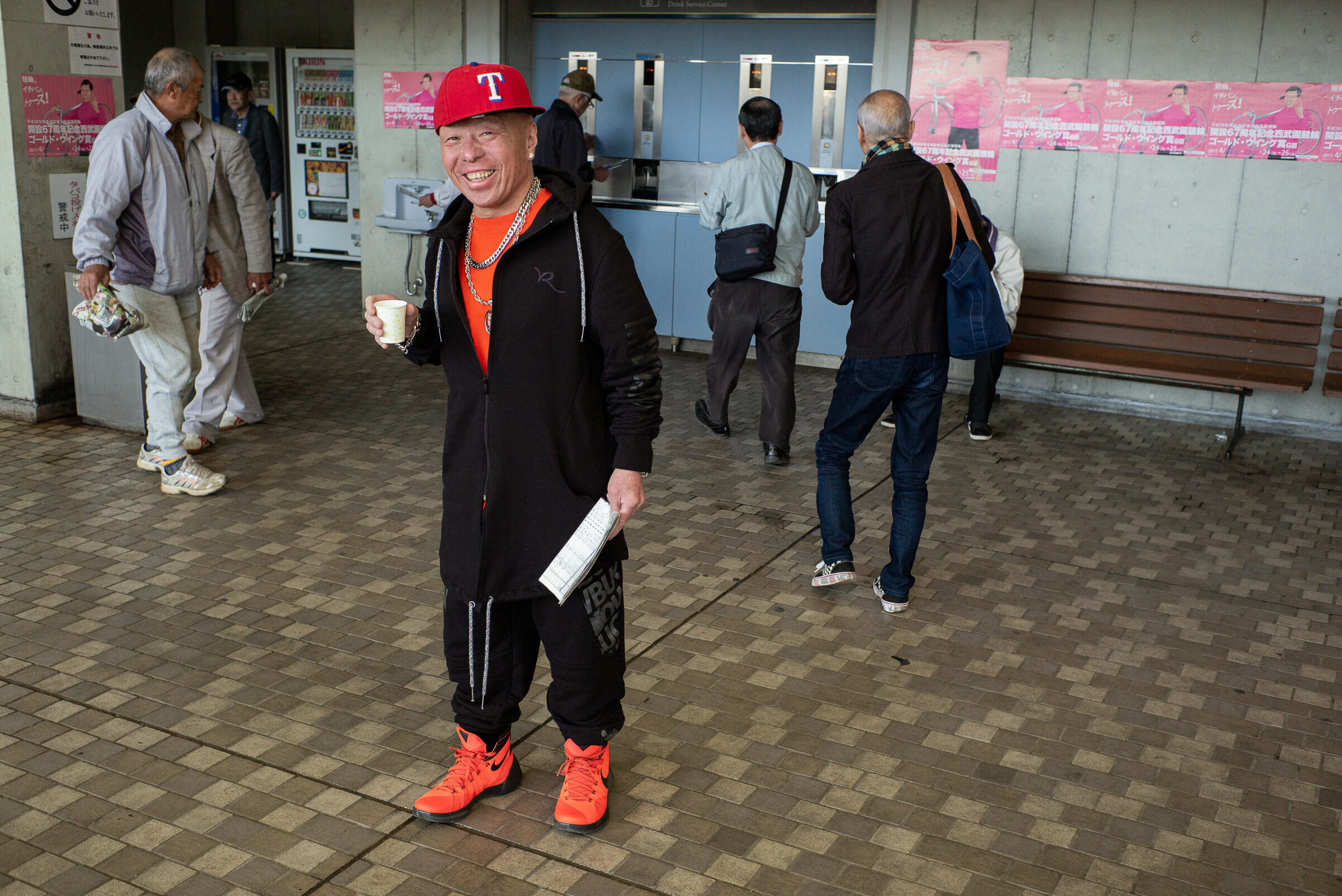
Track cycling at the Olympics is always a stunning spectacle, but in Japan, keirin is generally a far more rundown affair, with a decidedly back-to-basics approach right down to the riders and their kit/equipment. All of which is a world away from the glamour, state-of-the-art skinsuits and marginal gains velodrome racing is generally known for. And yet in many ways, it’s all the things keirin isn’t that makes it so appealing.
The sport started in 1948 with the main focus being to raise money for postwar reconstruction, and Kokura, a port city in south-west Japan, played host to the first races, as having suffered heavy bombing, an attempted quick financial fix of taxes on gambling made perfect sense. Spread over four days, and on a basic, dirt-covered track, the inaugural race meeting attracted over 50,000 people, the vast majority of whom were working class men fresh out of the army. A turnout that was impressive, but even more successful was the amount gambled — over 19 million yen, which at the time was a lot of money. Results that unsurprisingly prompted local authorities all over the country to build their own velodromes, quickly creating a thriving, nationwide sport.
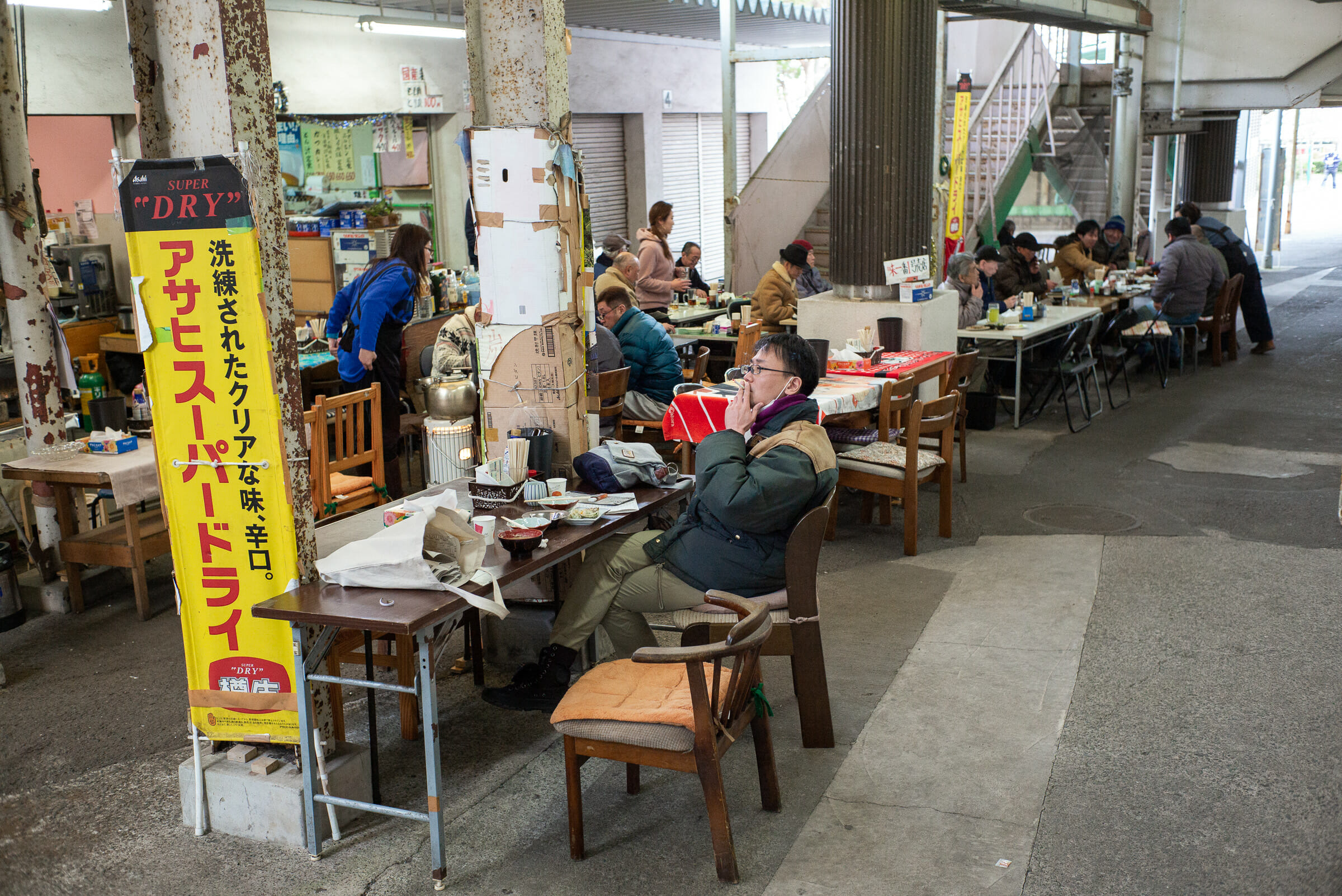
In current day Japan, keirin remains one of only four sports that it’s legal to bet on, with the horses, boat racing and speedway being the other three. As such, the amount of money staked on bicycle races now exceeds a trillion yen a year. That is good for business of course, but it’s partly this element that gives keirin something of a bad reputation, meaning it’s a sport known by everyone, but visiting a velodrome definitely isn’t a choice for everyone. And that goes for the more modern tracks too, or some of the older venues that now boast newer stands and nicer eating areas.
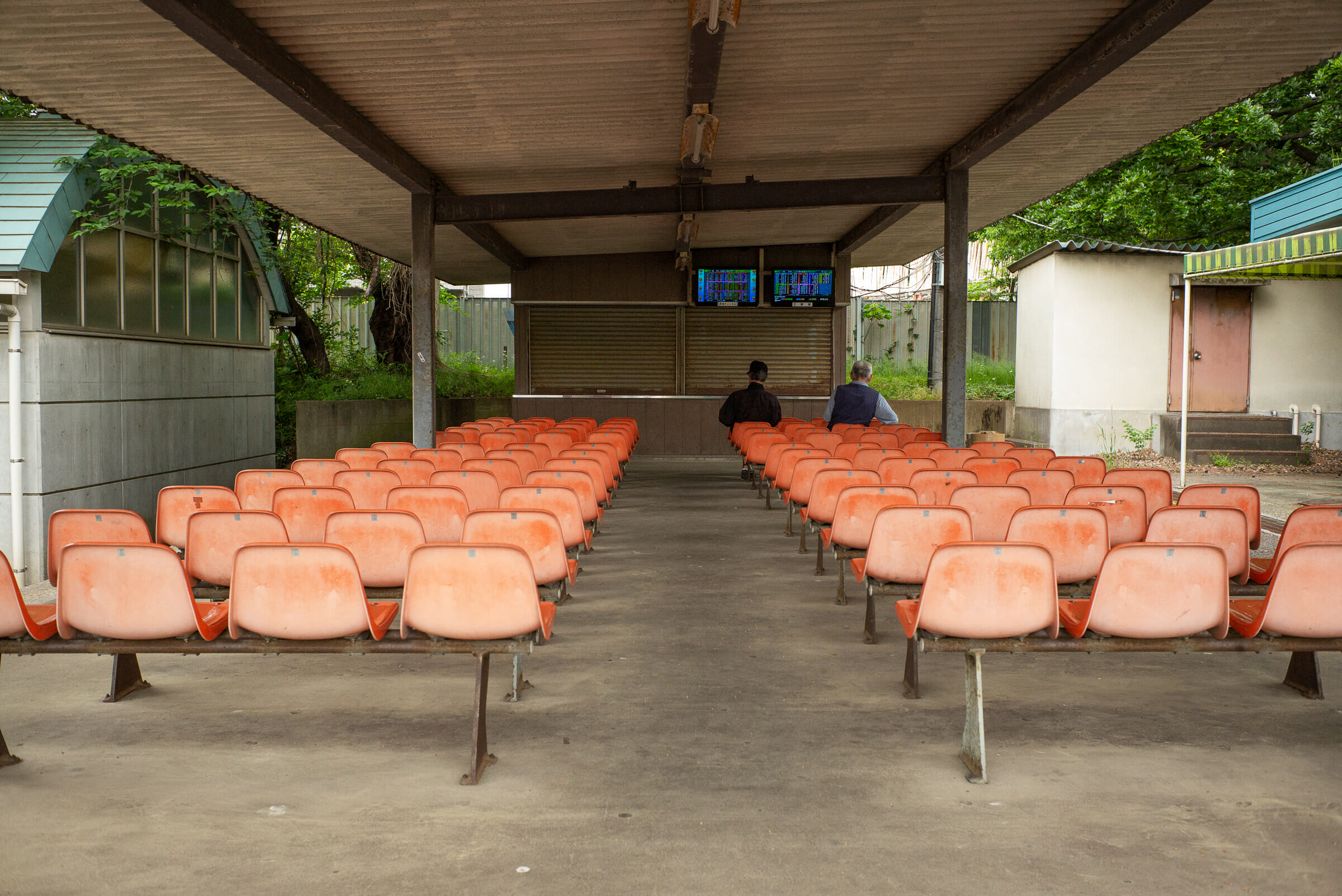
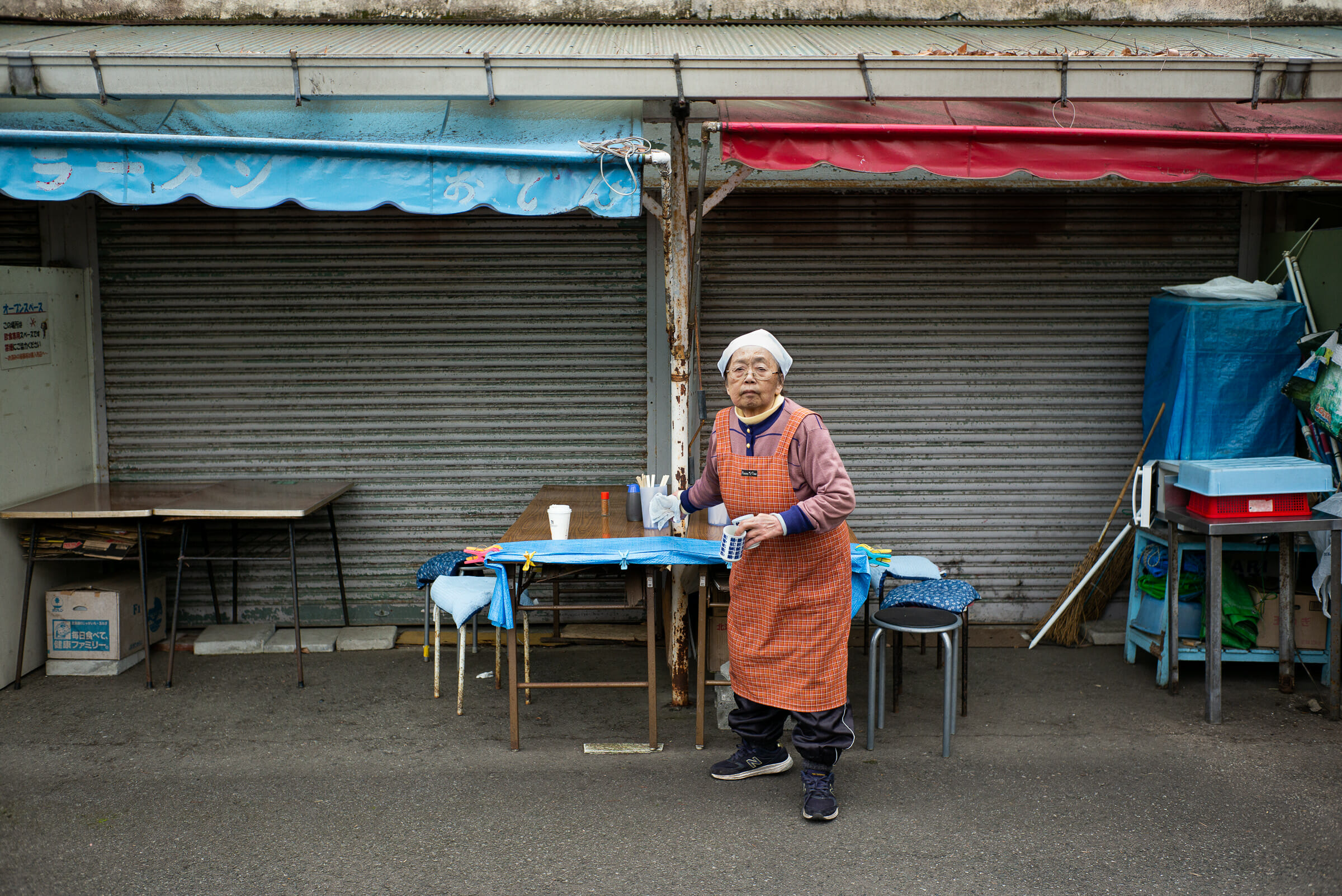
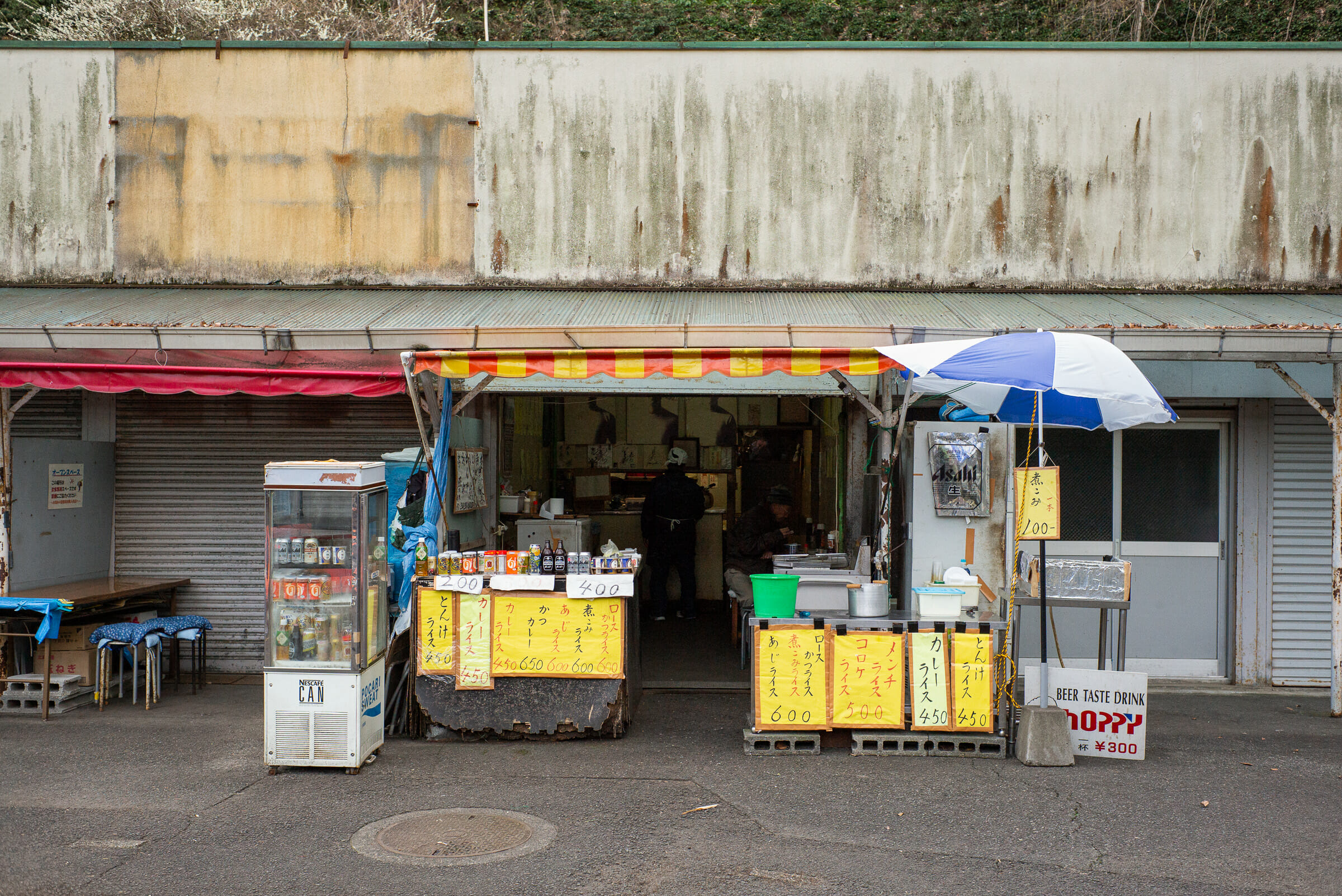
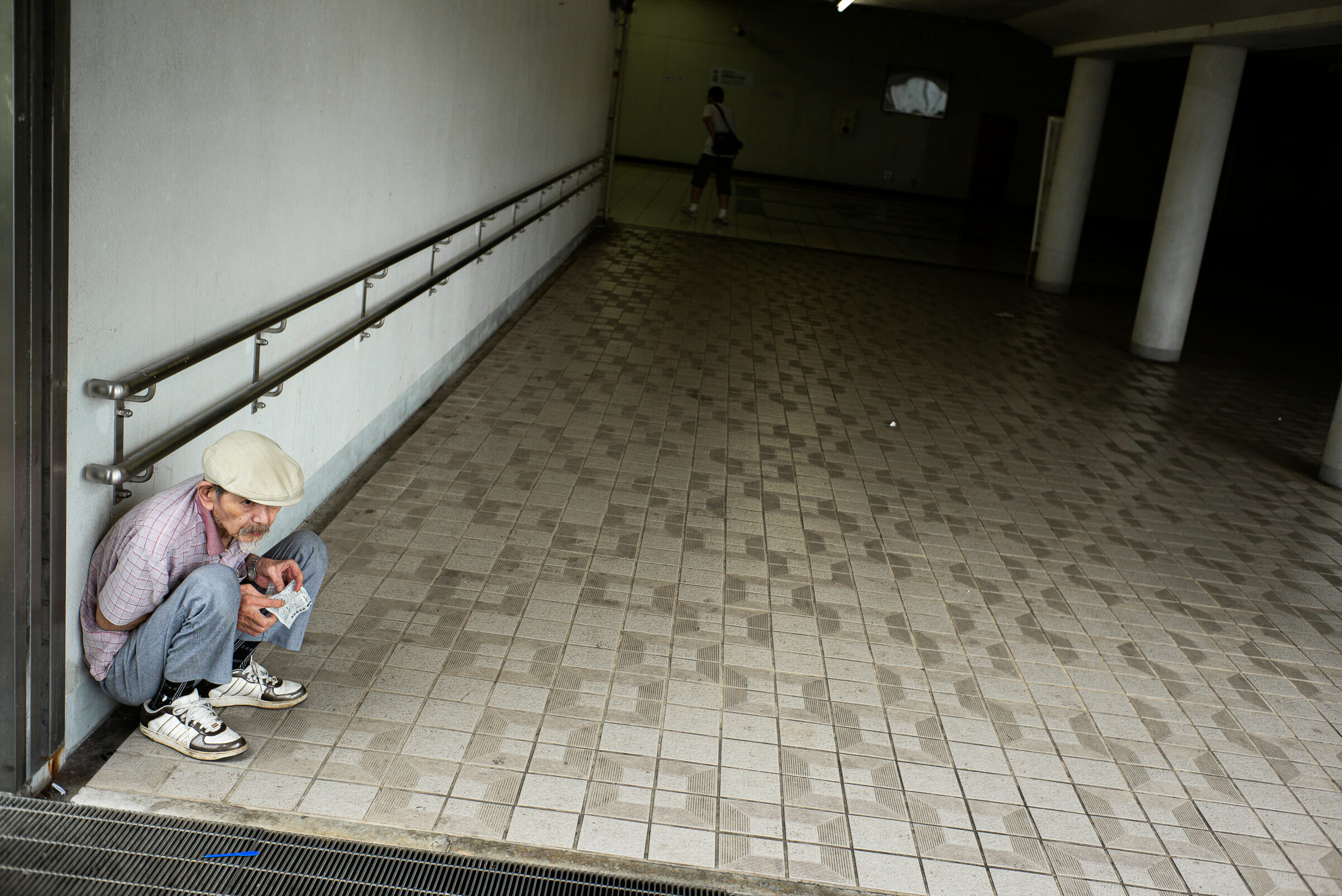
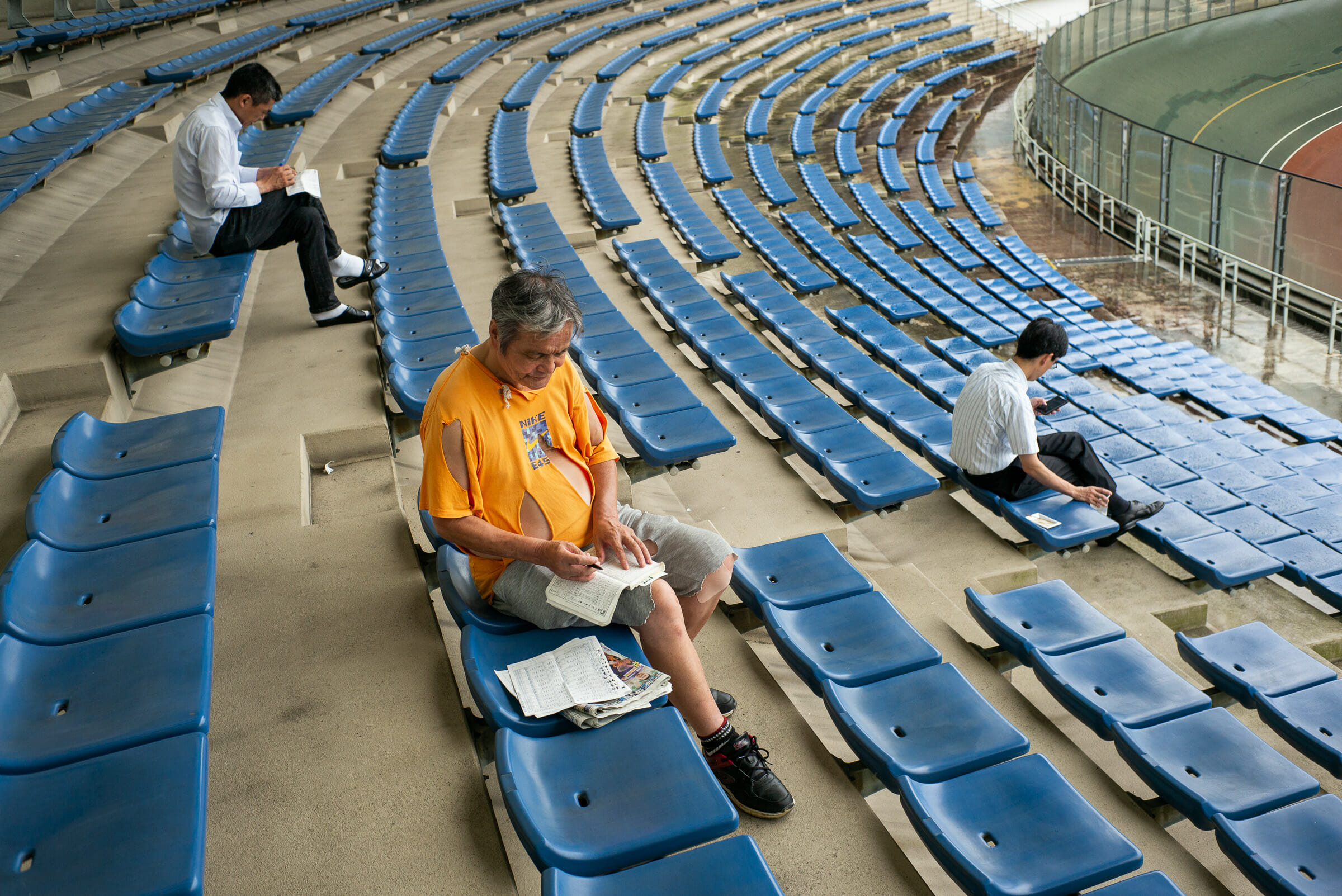
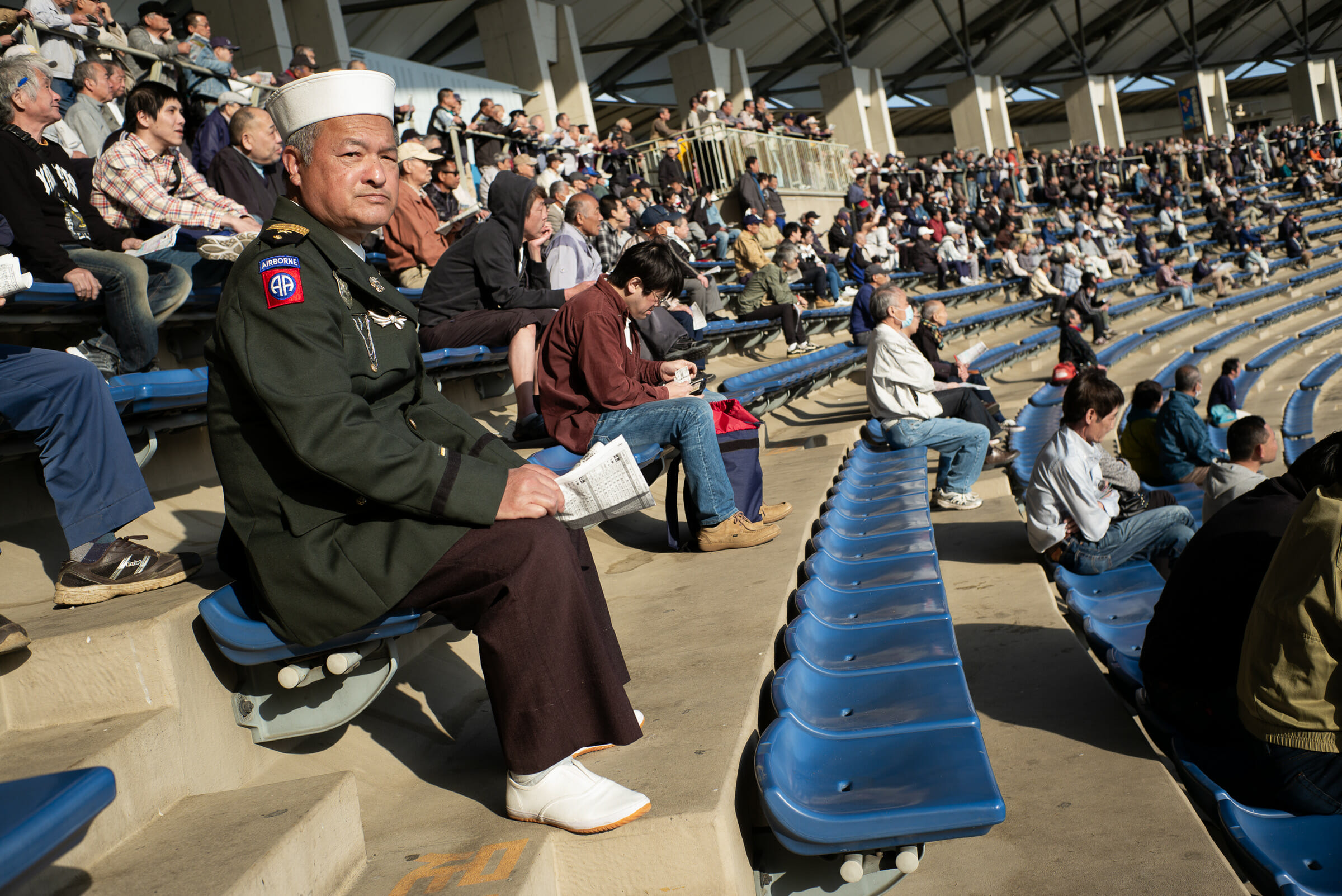
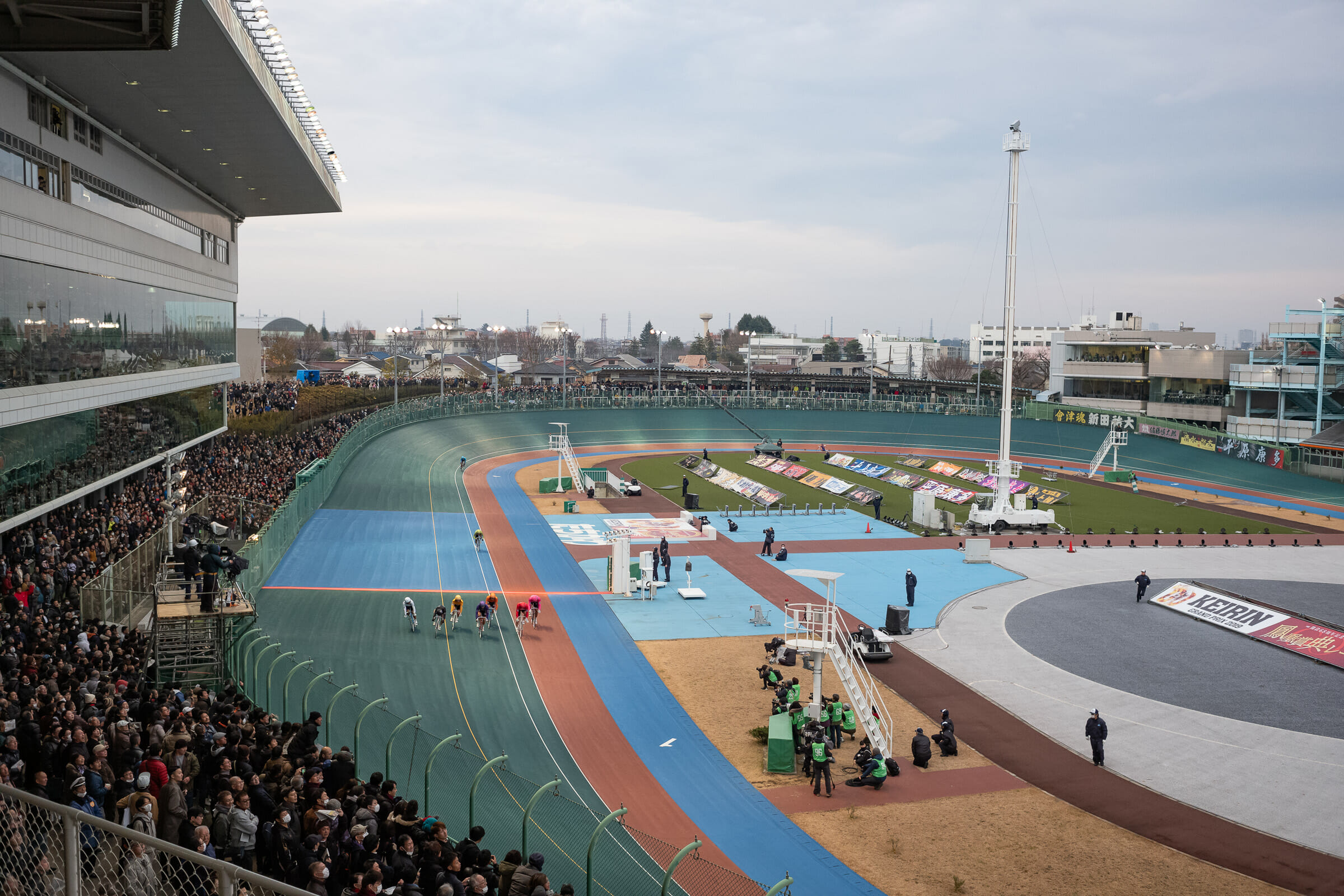
Gambling aside, it’s hard to pinpoint exactly why keirin is sometimes seen as a bit shady, but an element of snobbery could well be a part of it. At its heart, keirin is a very blue collar sport — just like those first races over 70 years ago. A factor that’s very clearly reflected in the faces you see there, the food and drinks that are for sale, and in many ways, the memories that are never far away. Stands that were once packed now rarely are, and it’s almost always possible to find lines of disused betting kiosks and quiet, rarely visited little areas. Signs of just how many spectators there once were. Numbers that nowadays are only really replicated at the year end big race — a three-day meeting that culminates in the Keirin Grand Prix on December 30th, a tense, six lap battle between the year’s nine best riders that boasts a truly life changing first prize of 100 million yen. The whole event is popular, but the last day in particular is the one time people do actually turn up en masse, along with a large contingent of the nation’s media. A genuine spectacle that’s shown in the last photograph, taken during the 2019 edition of the race.
Come the beginning of the new year, however, and it’s once again back to just the usual faces watching the usual races, which for me at least also means that it’s once again back to its fascinatingly faded best.
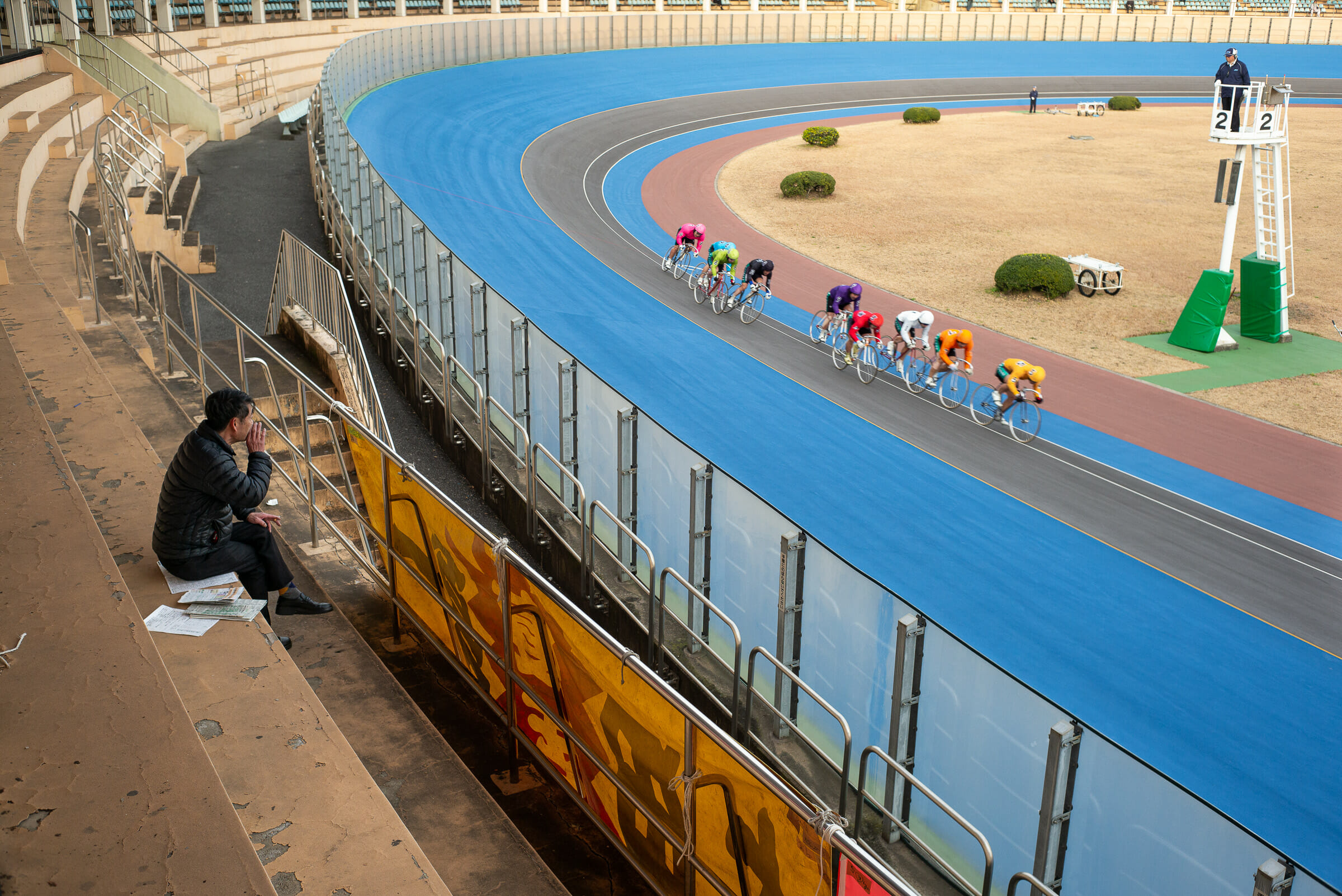
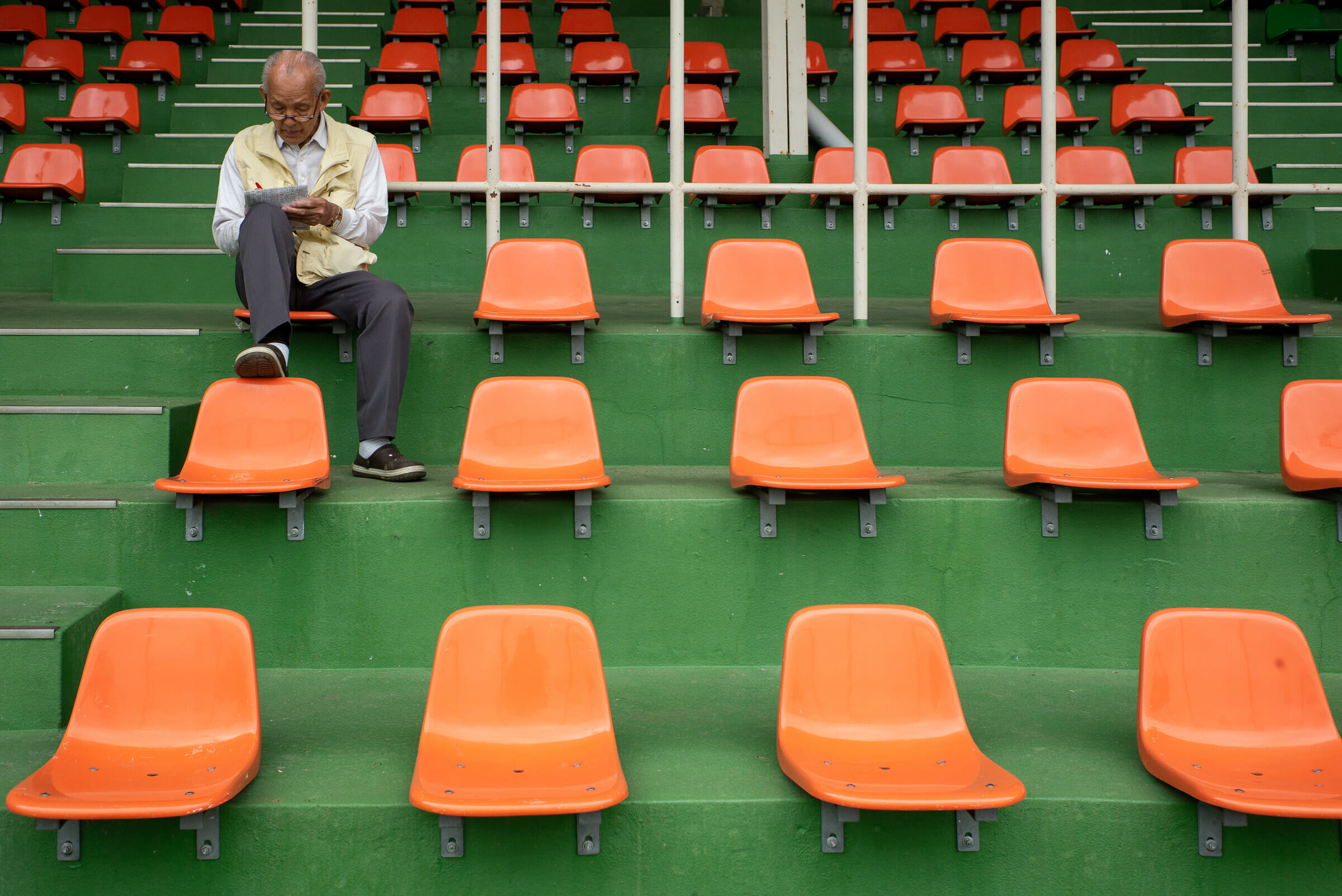
When space is at a premium, and greenery is just as sparse, it’s sometimes a case of simply making the most of what little you’ve got.