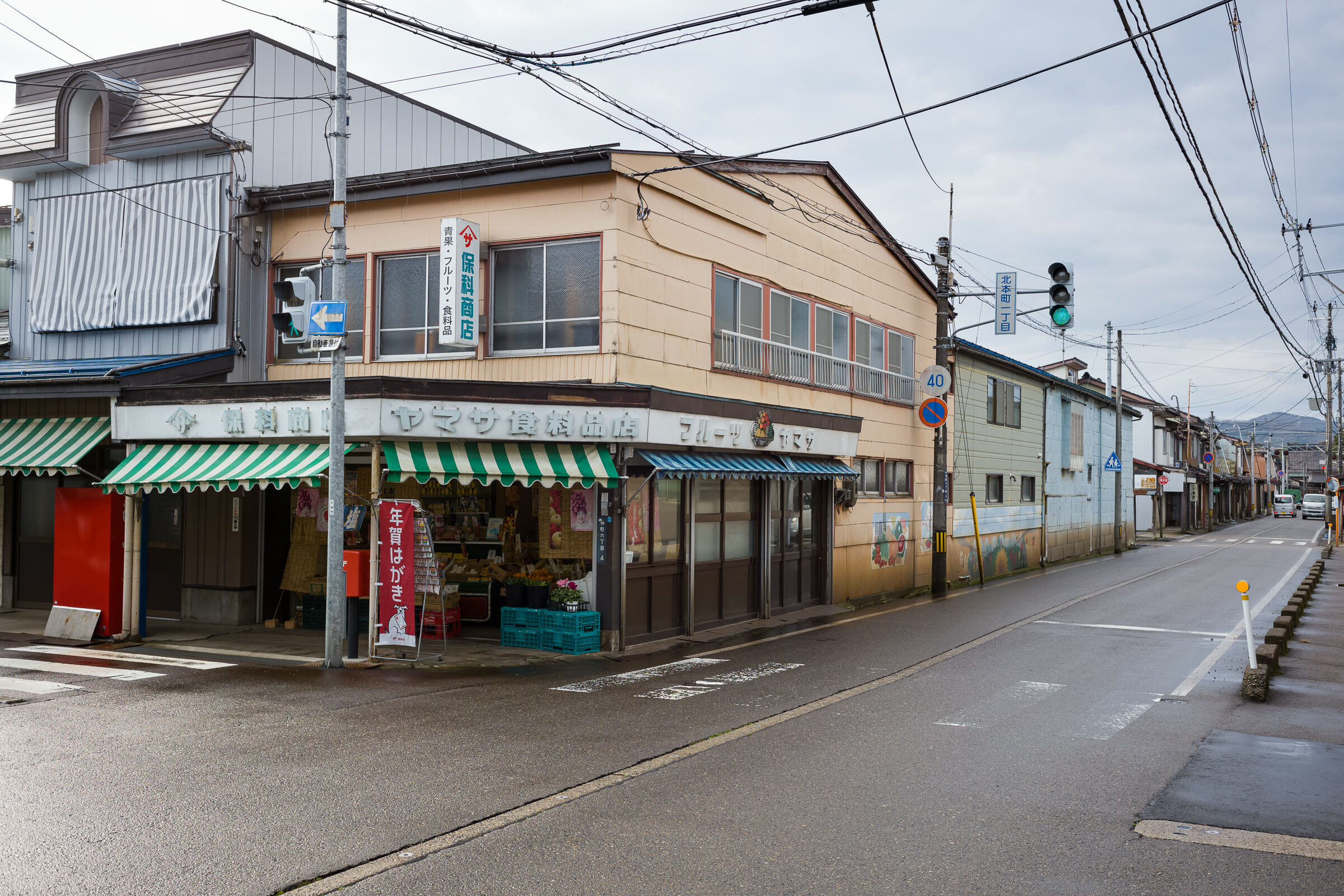
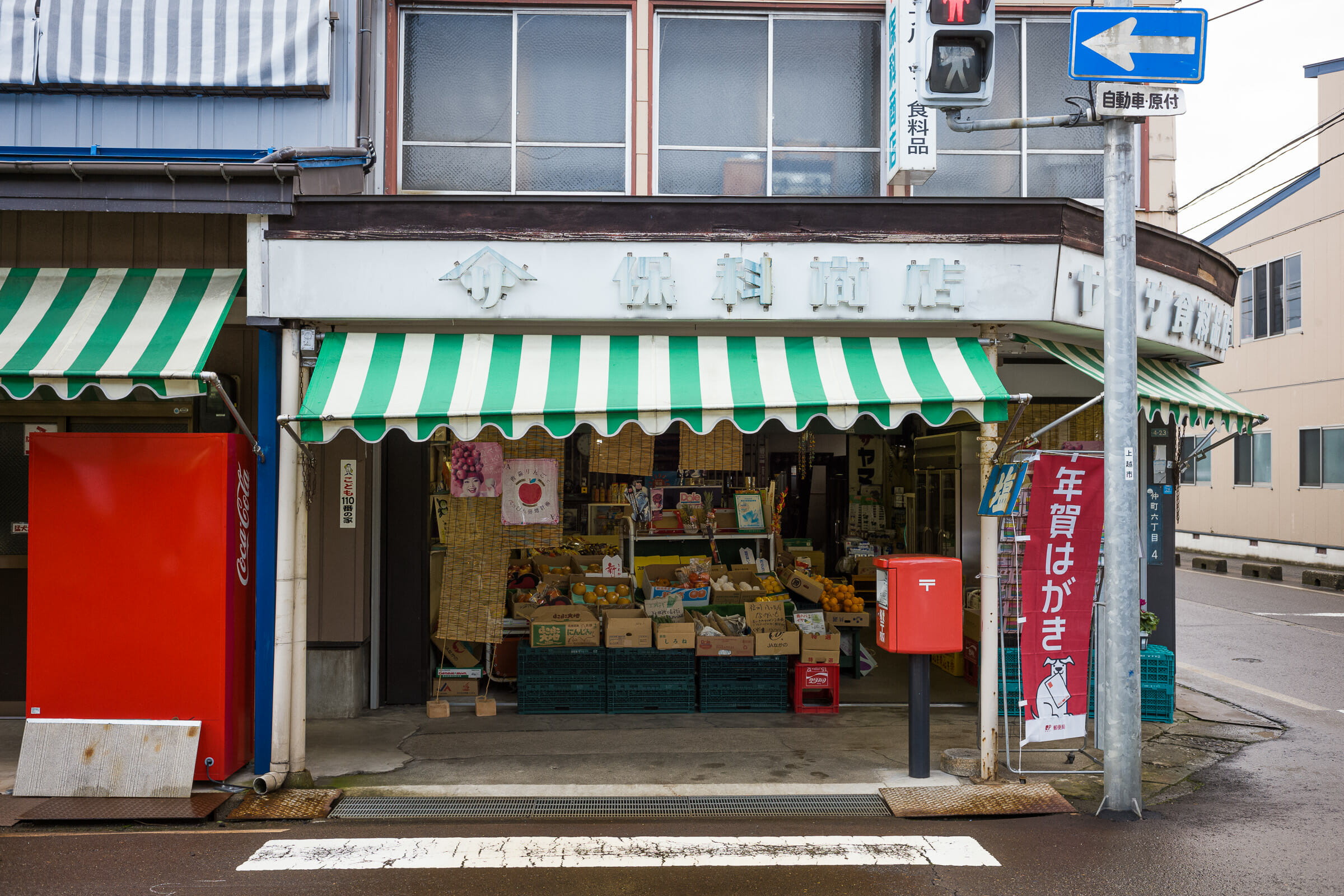
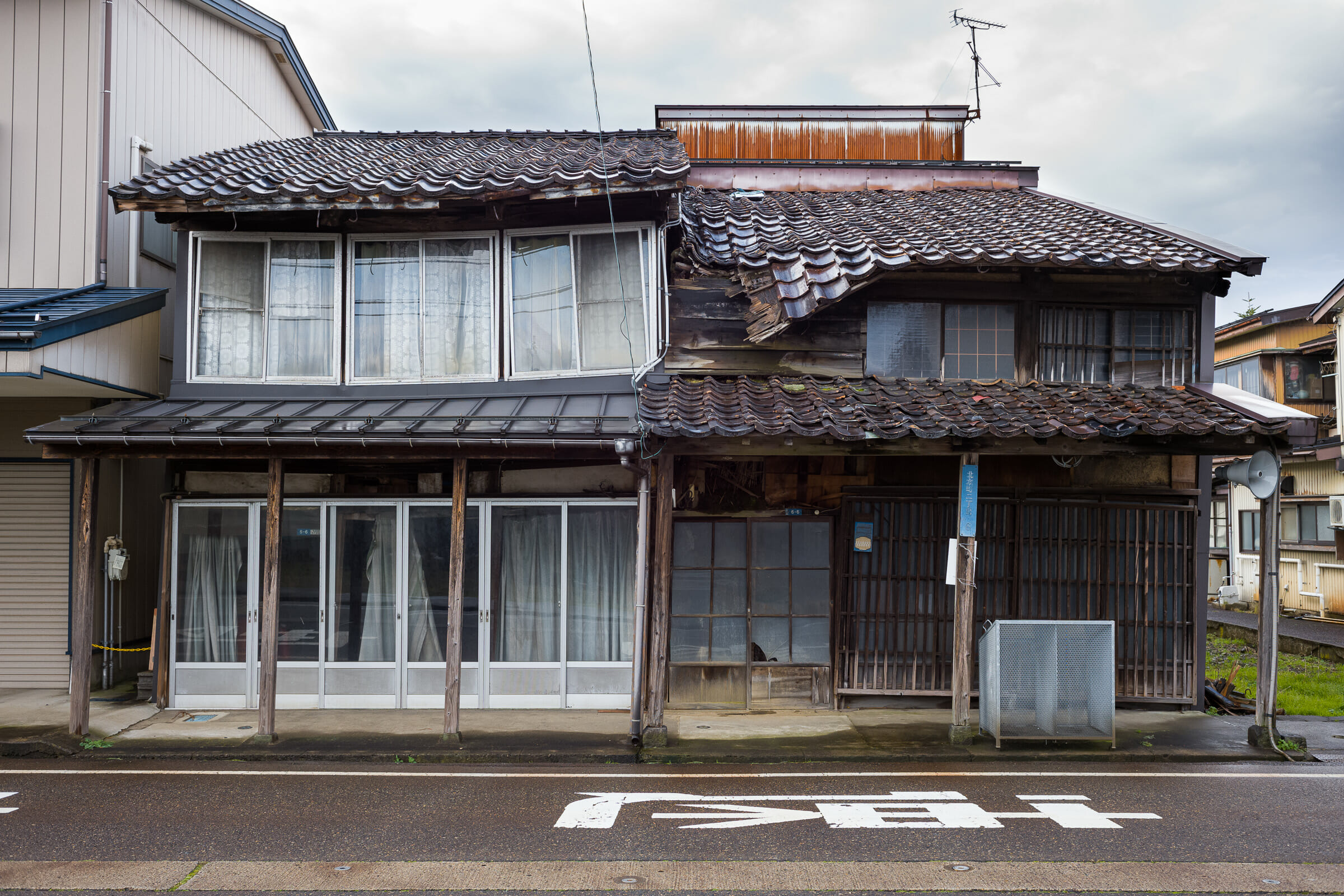
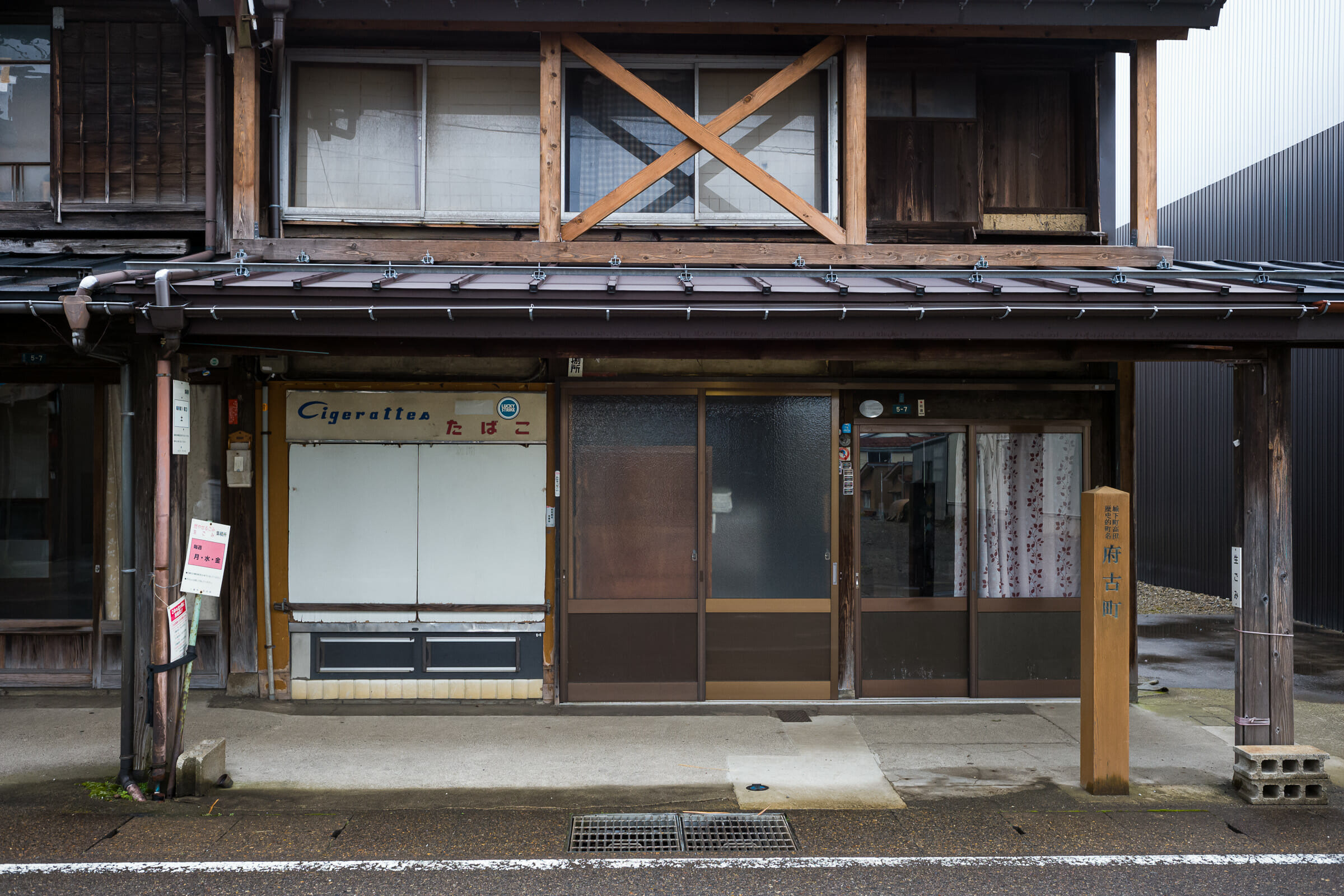
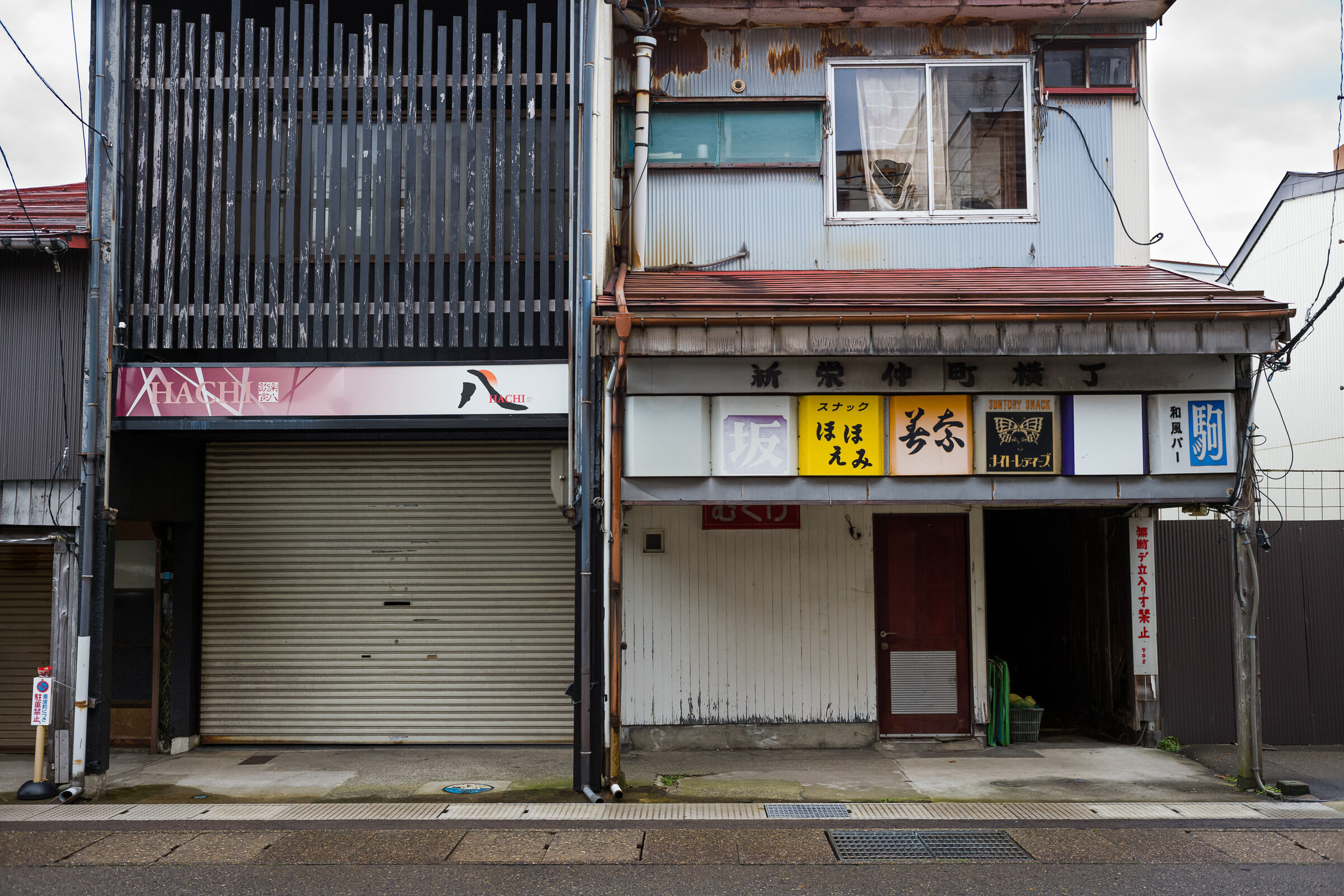
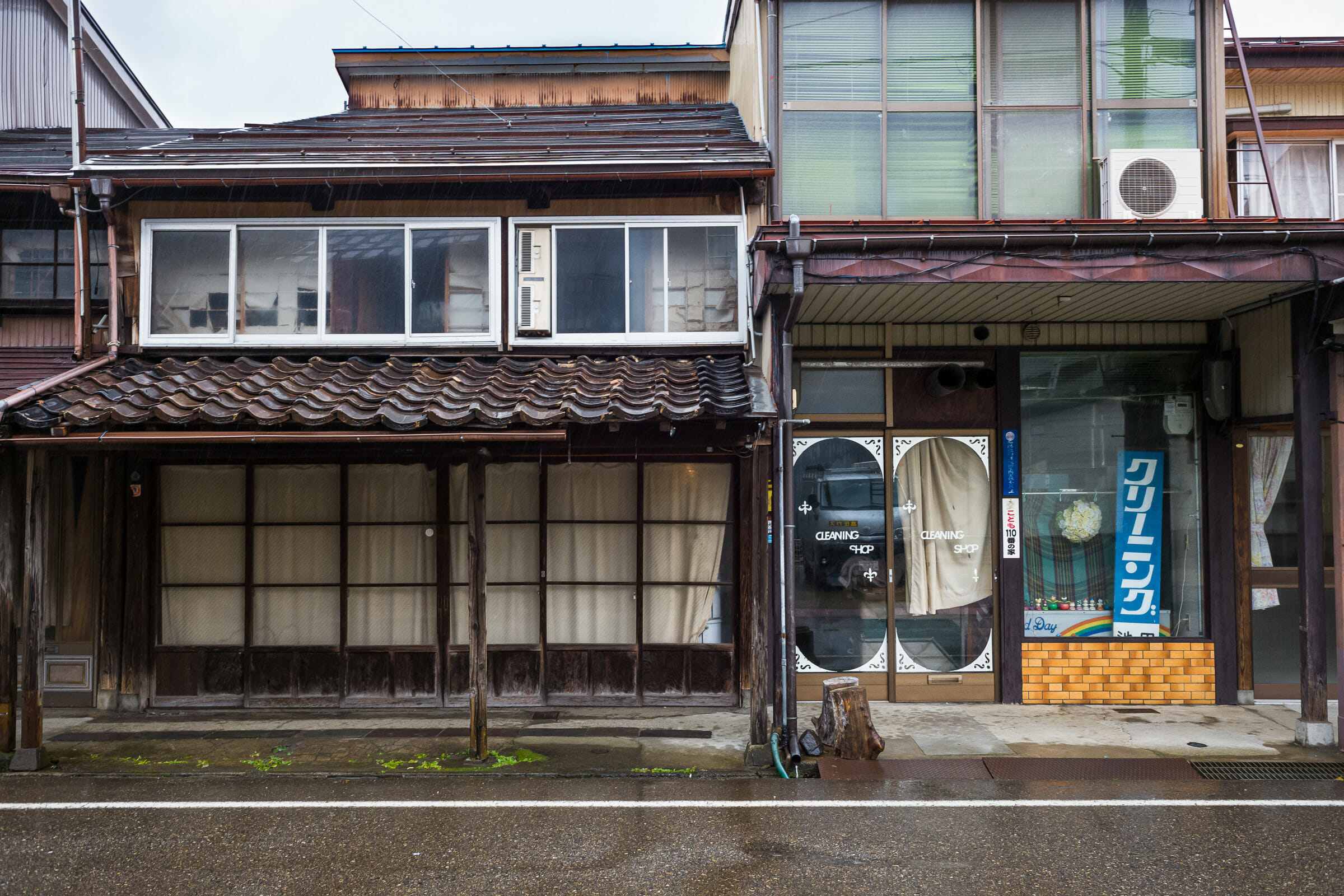
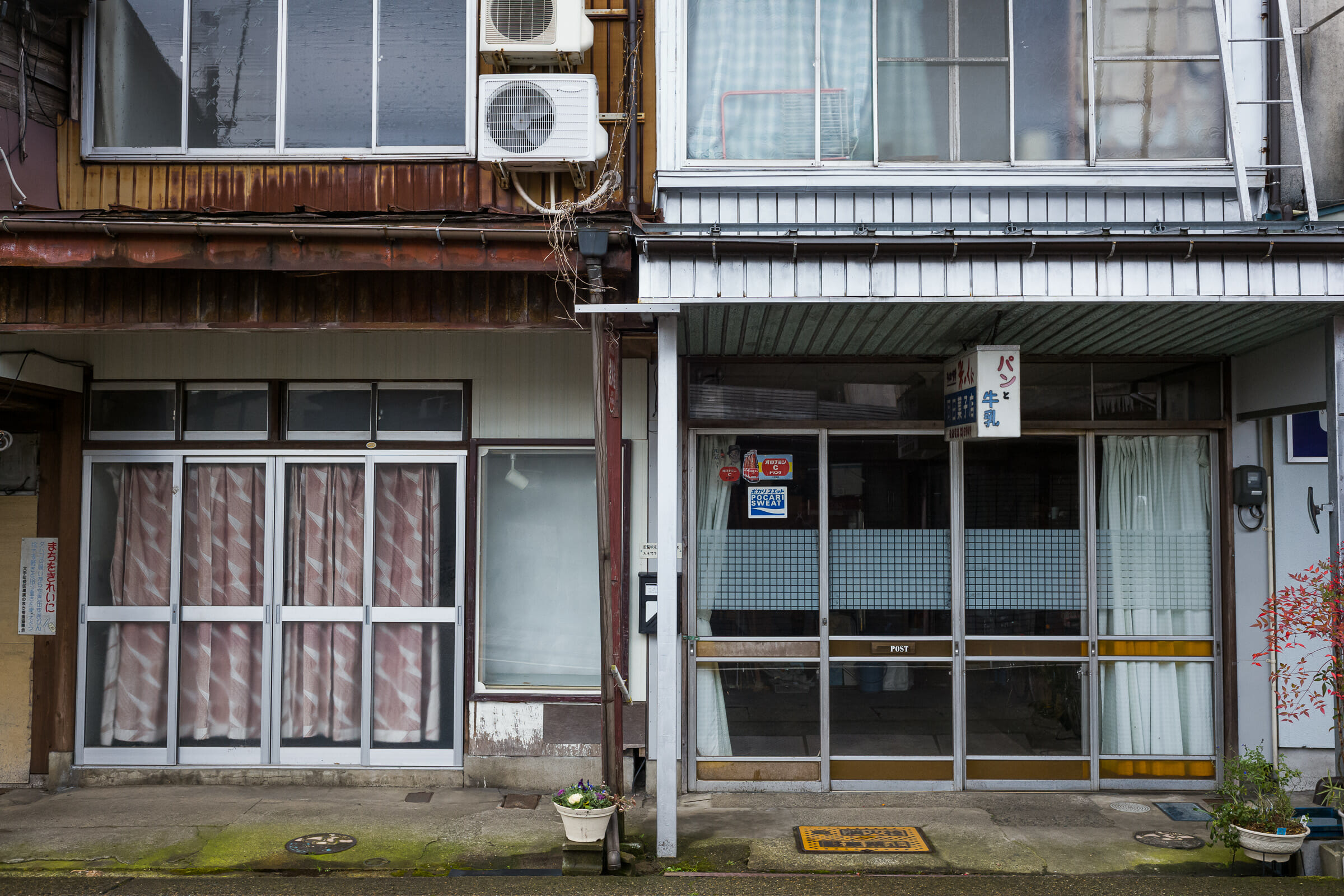
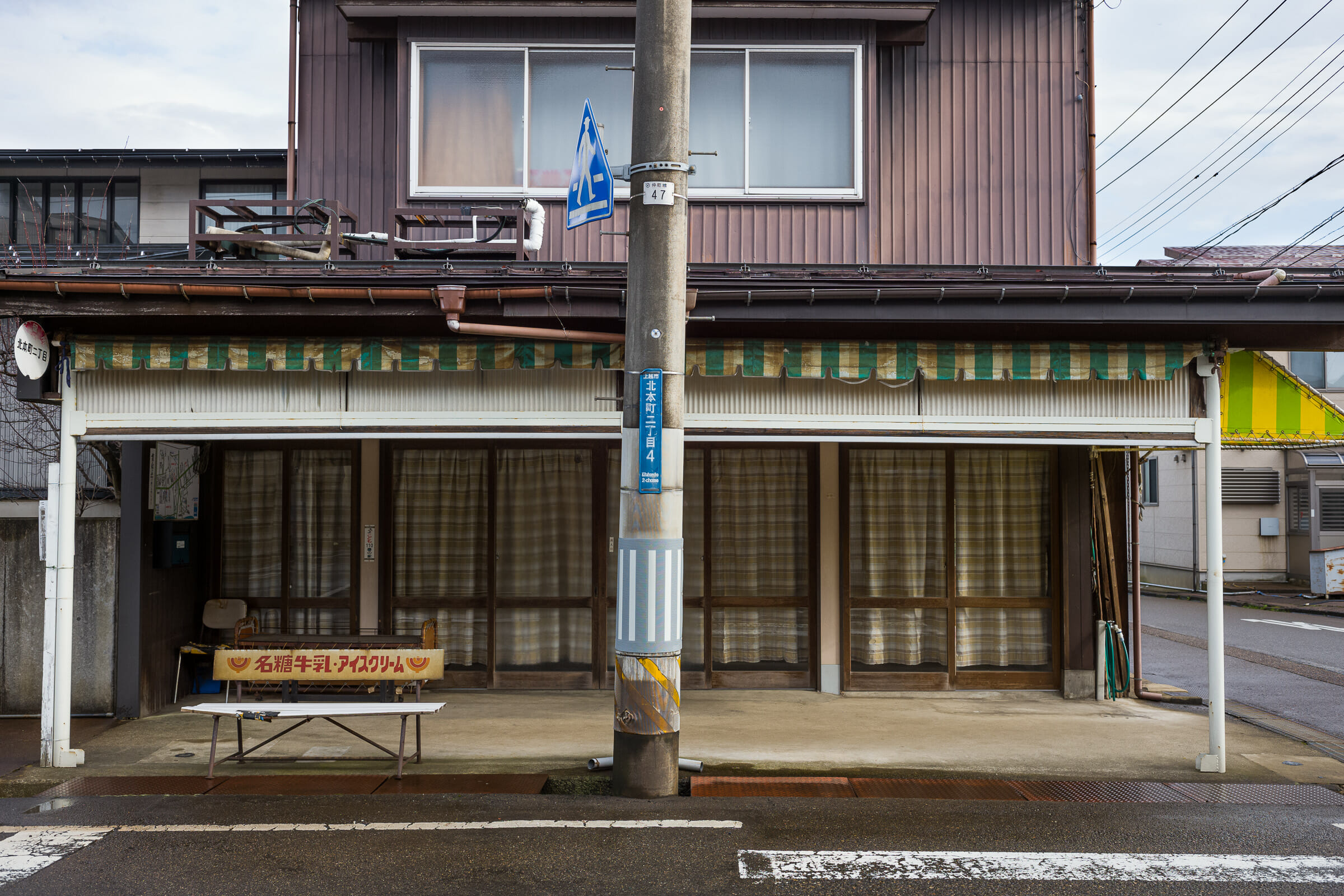
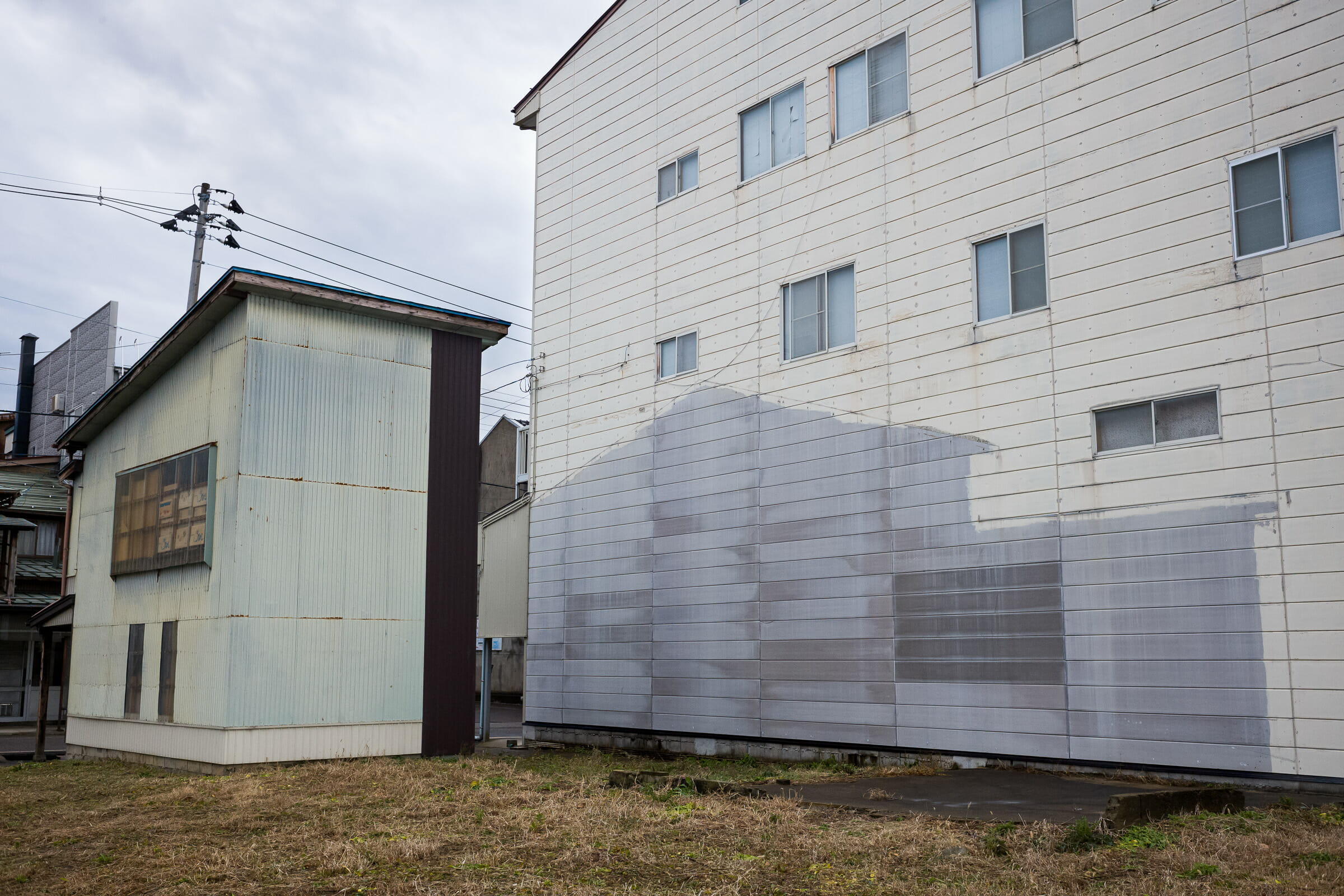
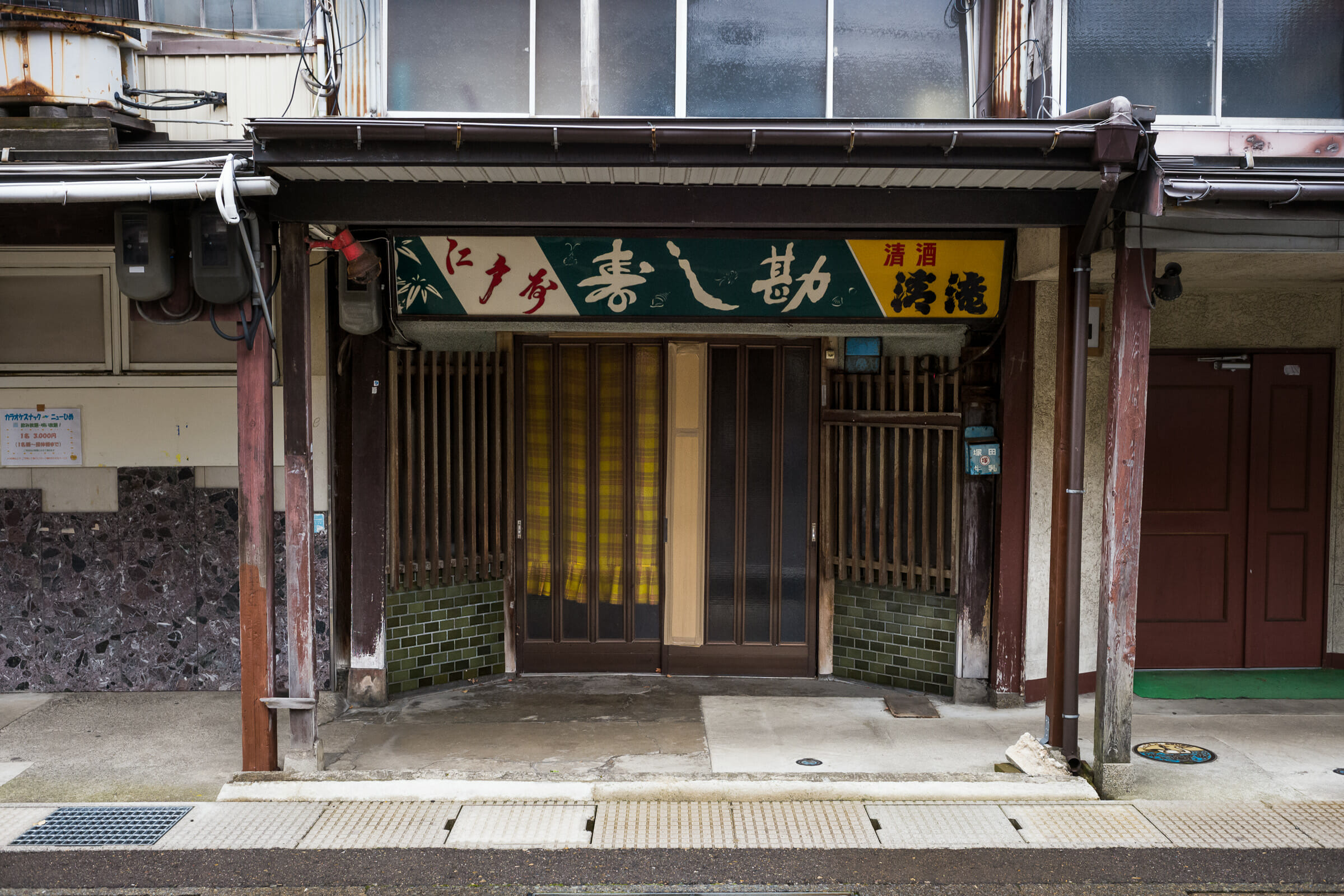
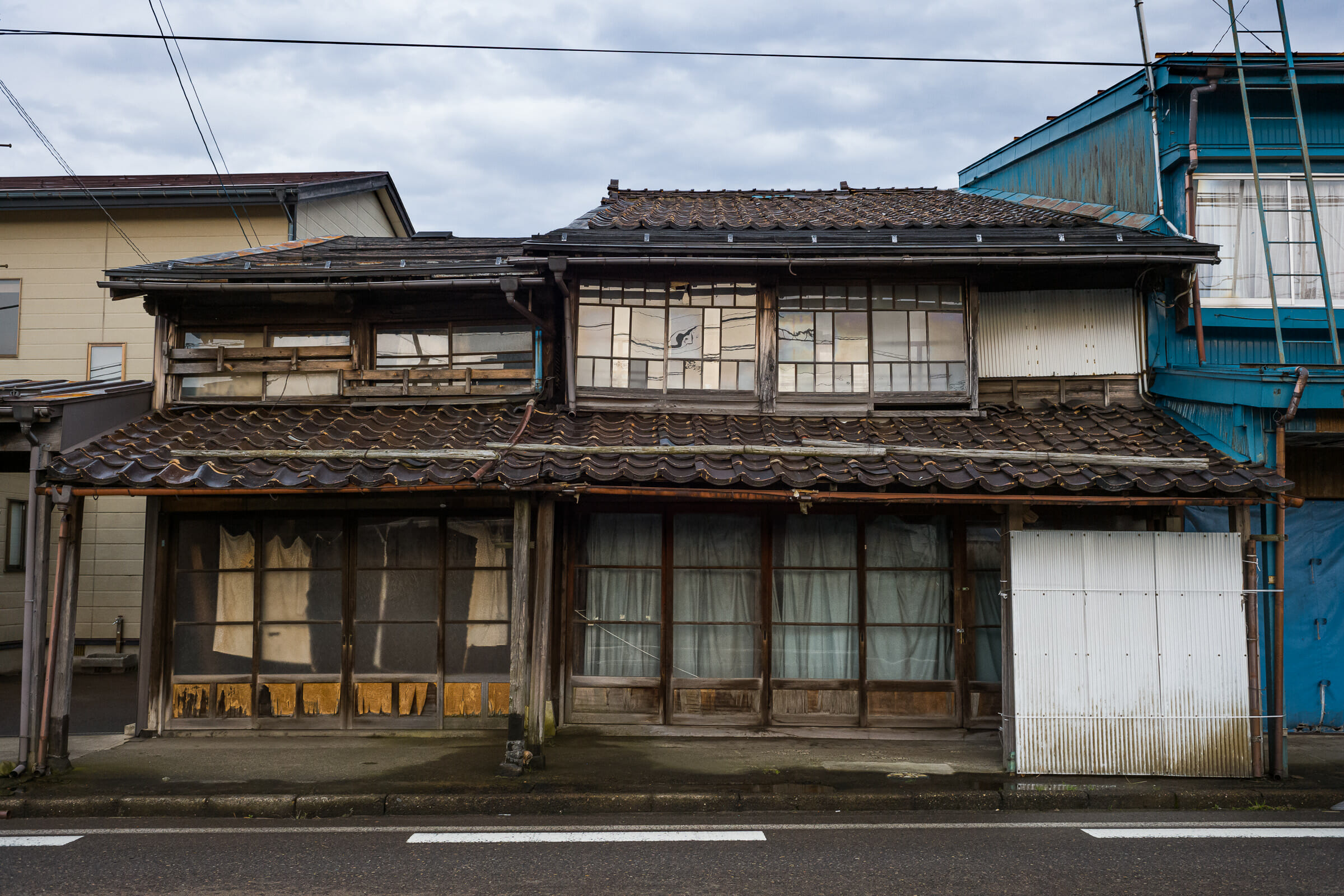
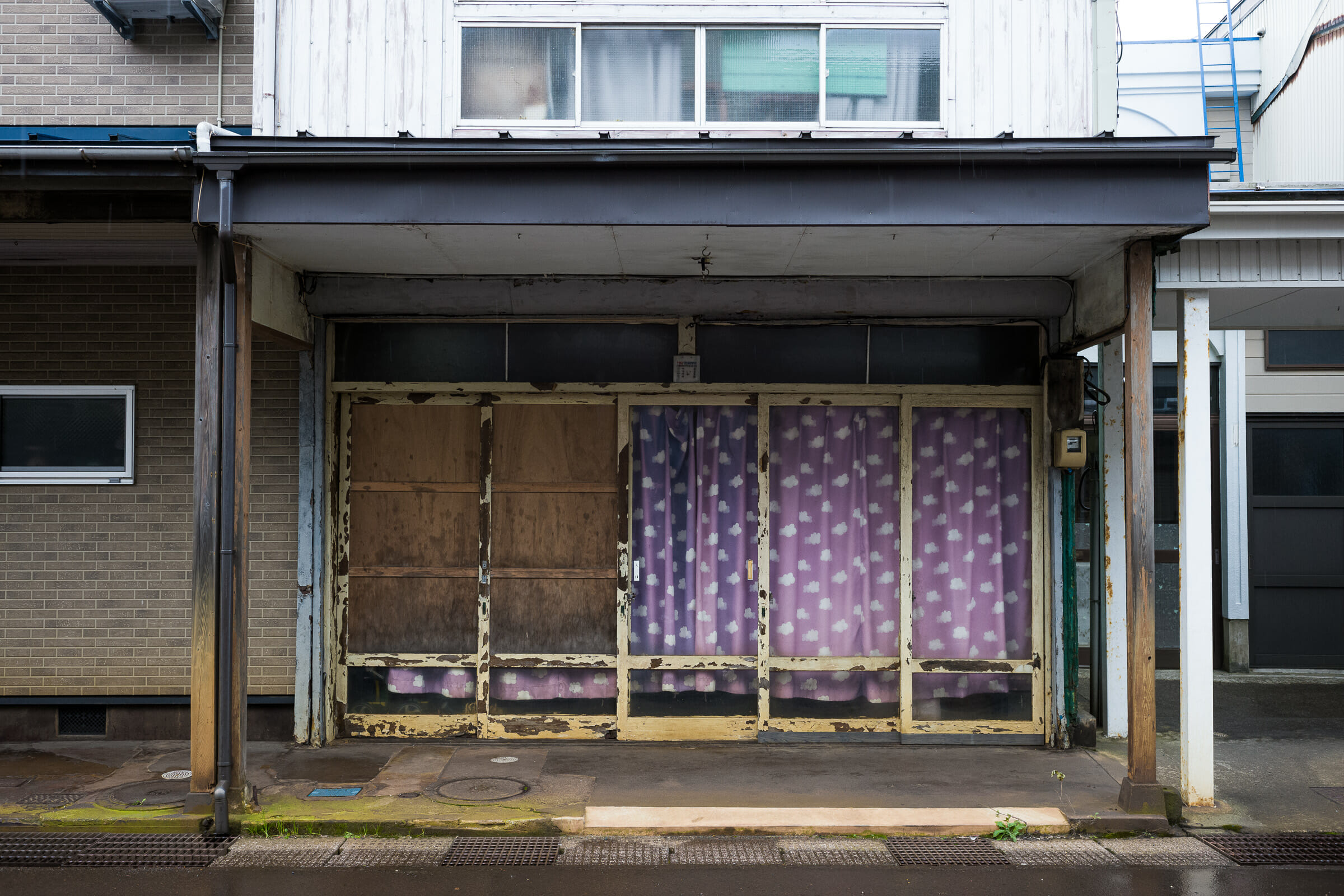
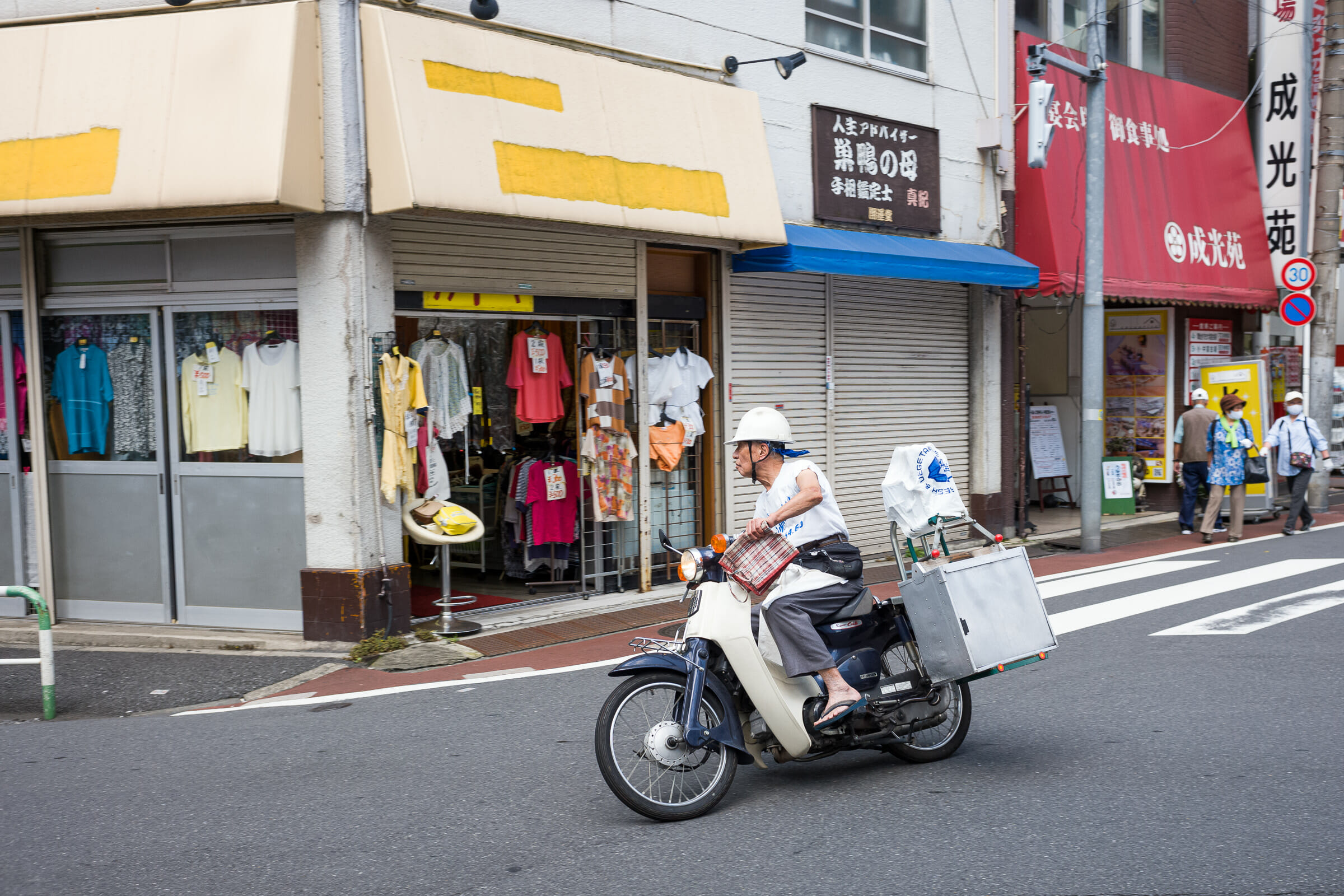
Away from the nation’s more populous cities, Japan can be a very different place indeed. Changing demographics and increasing urban migration mean that many smaller, and especially rural settlements, are now faded reminders of a far more optimistic past.
I’ve documented several such places before, but my favourites, at least in regards photographic results, are a meander along the length of a now disused train line, and this exploration of the abandoned buildings of a slowly dying resort town.
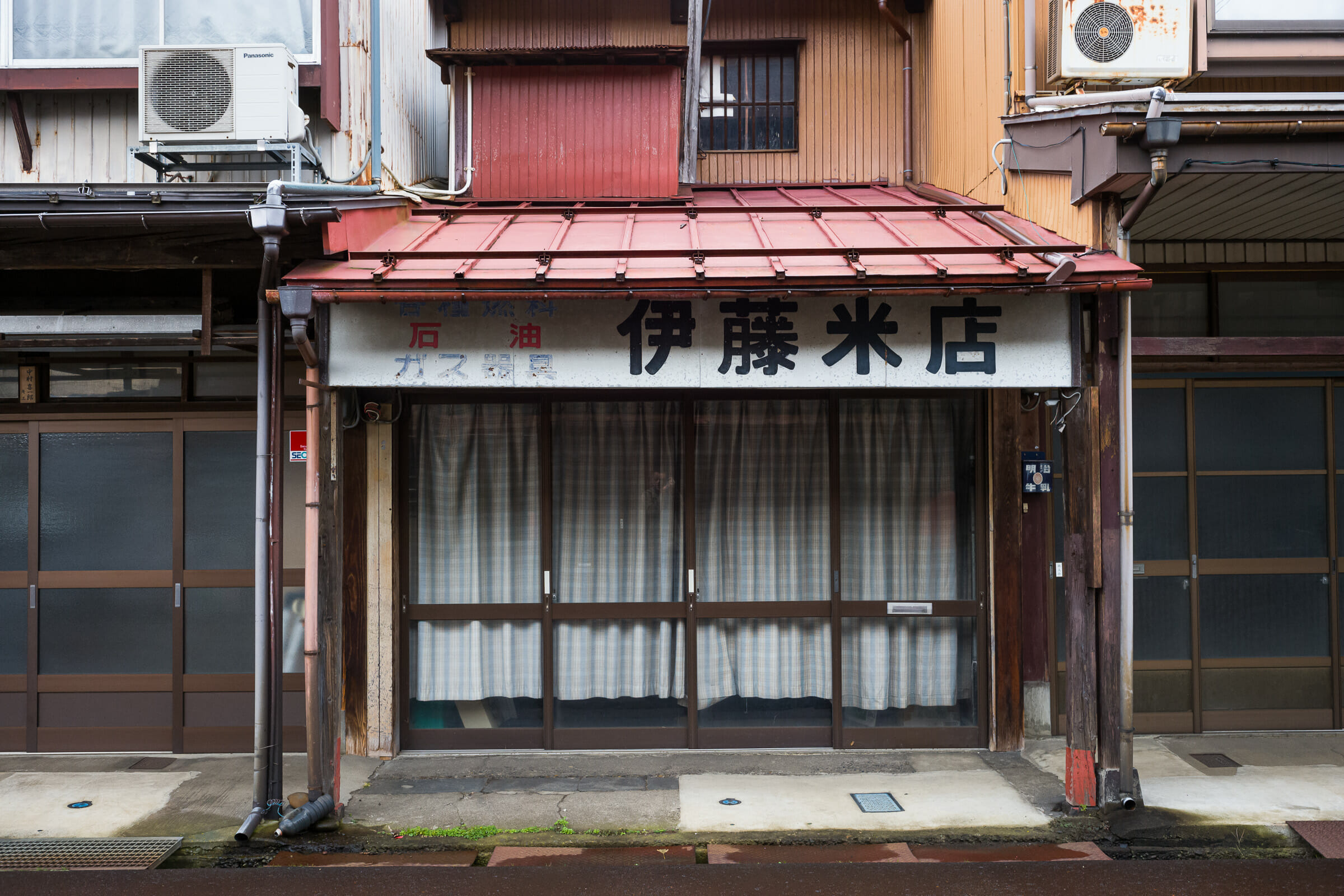
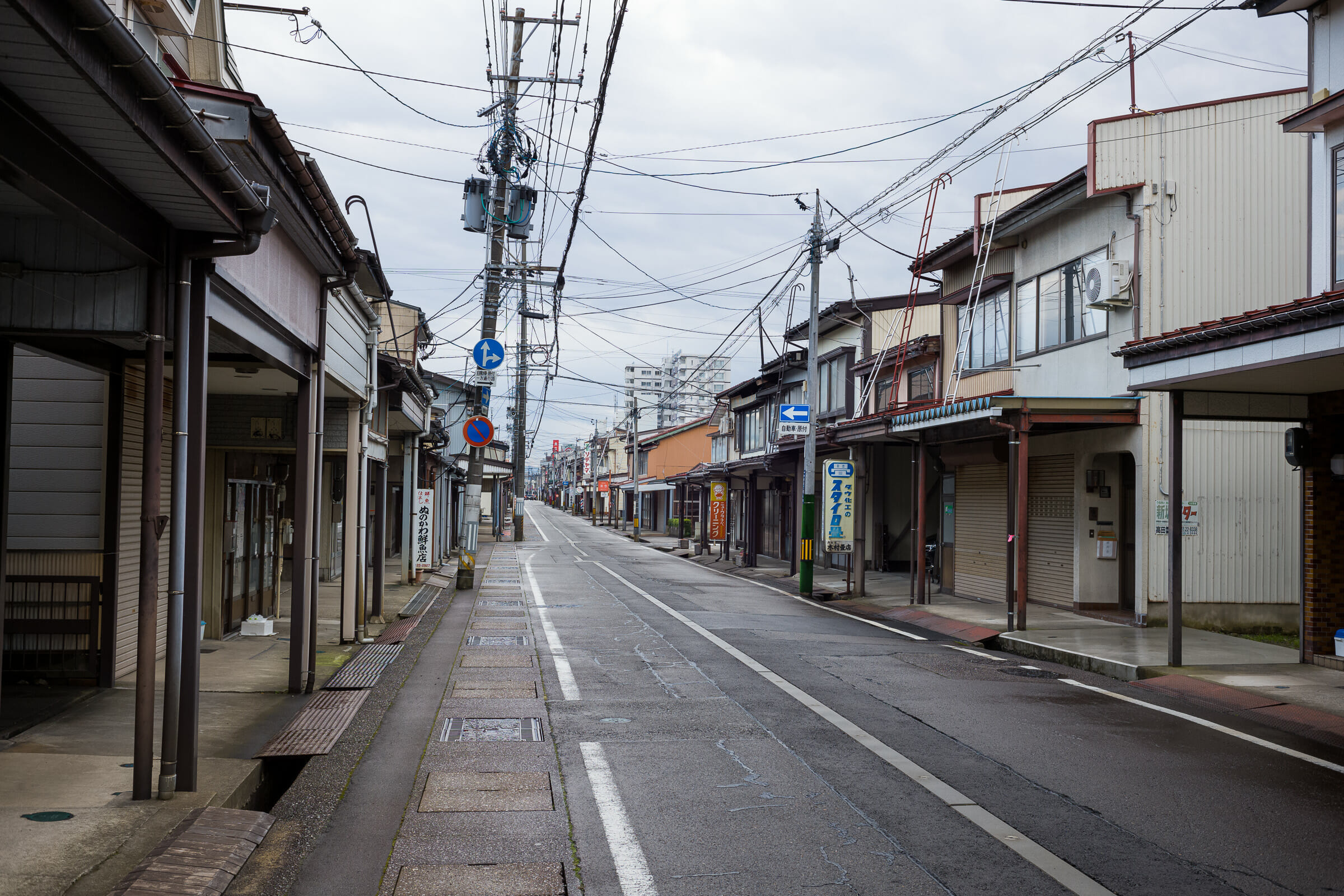
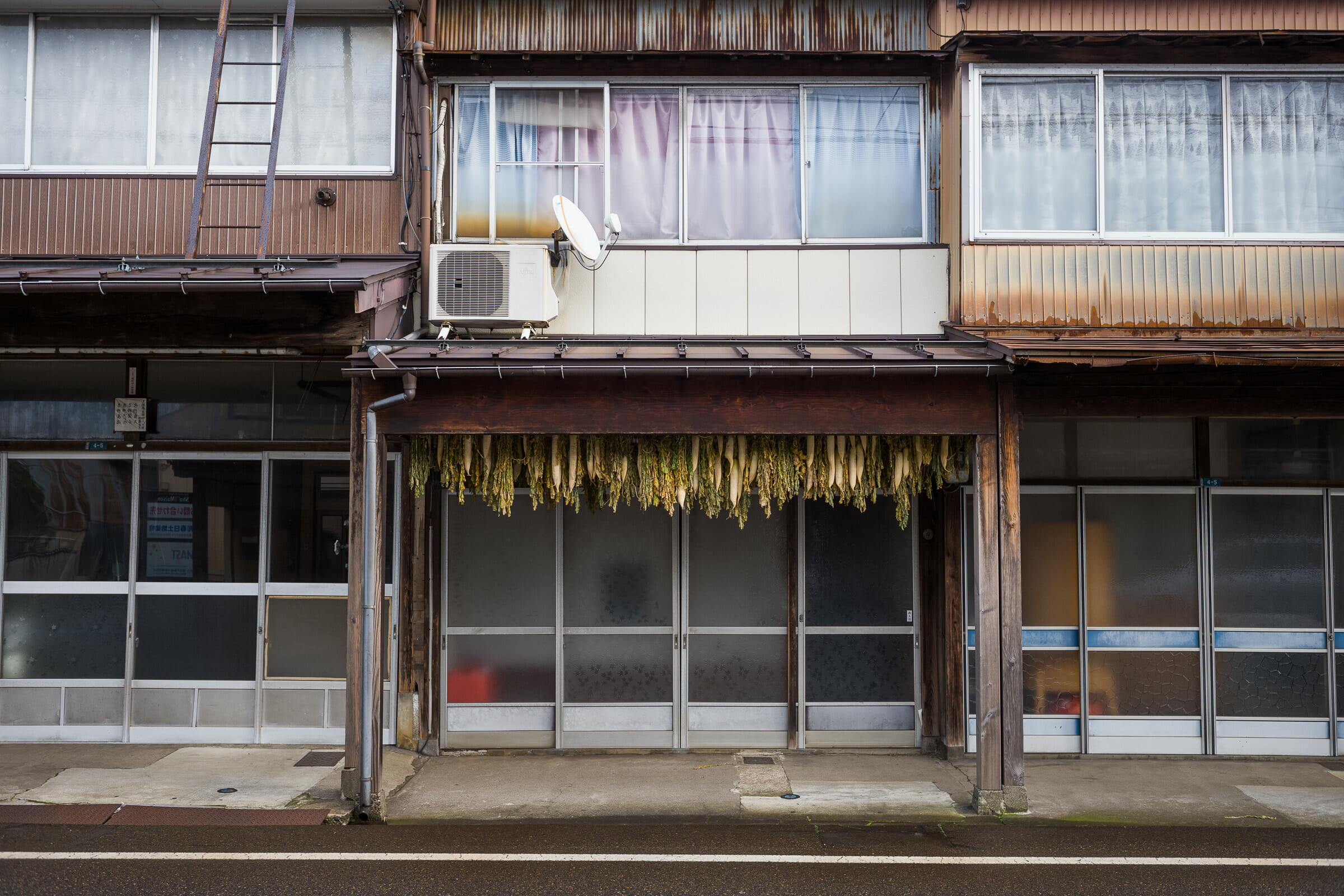
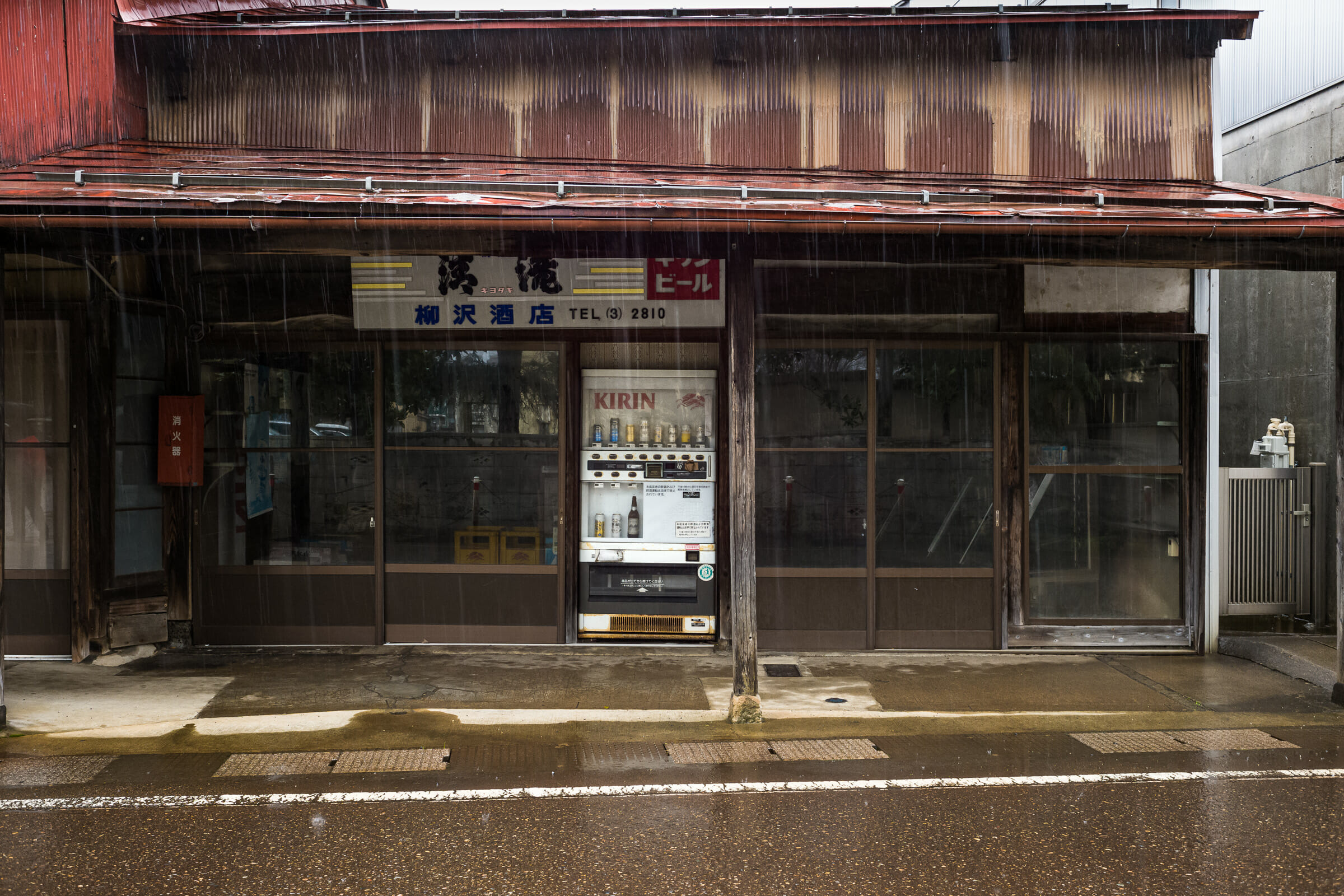
The (pre-pandemic) photos below, however, are somewhat different — mainly because the location itself, Takada, is quite different. Different in the sense that it has a colossal 16 kilometres of old style covered walkways. Sheltered paths that are still a fairly common sight in Japan’s snow country, but not at all common in regards such extraordinary distances.
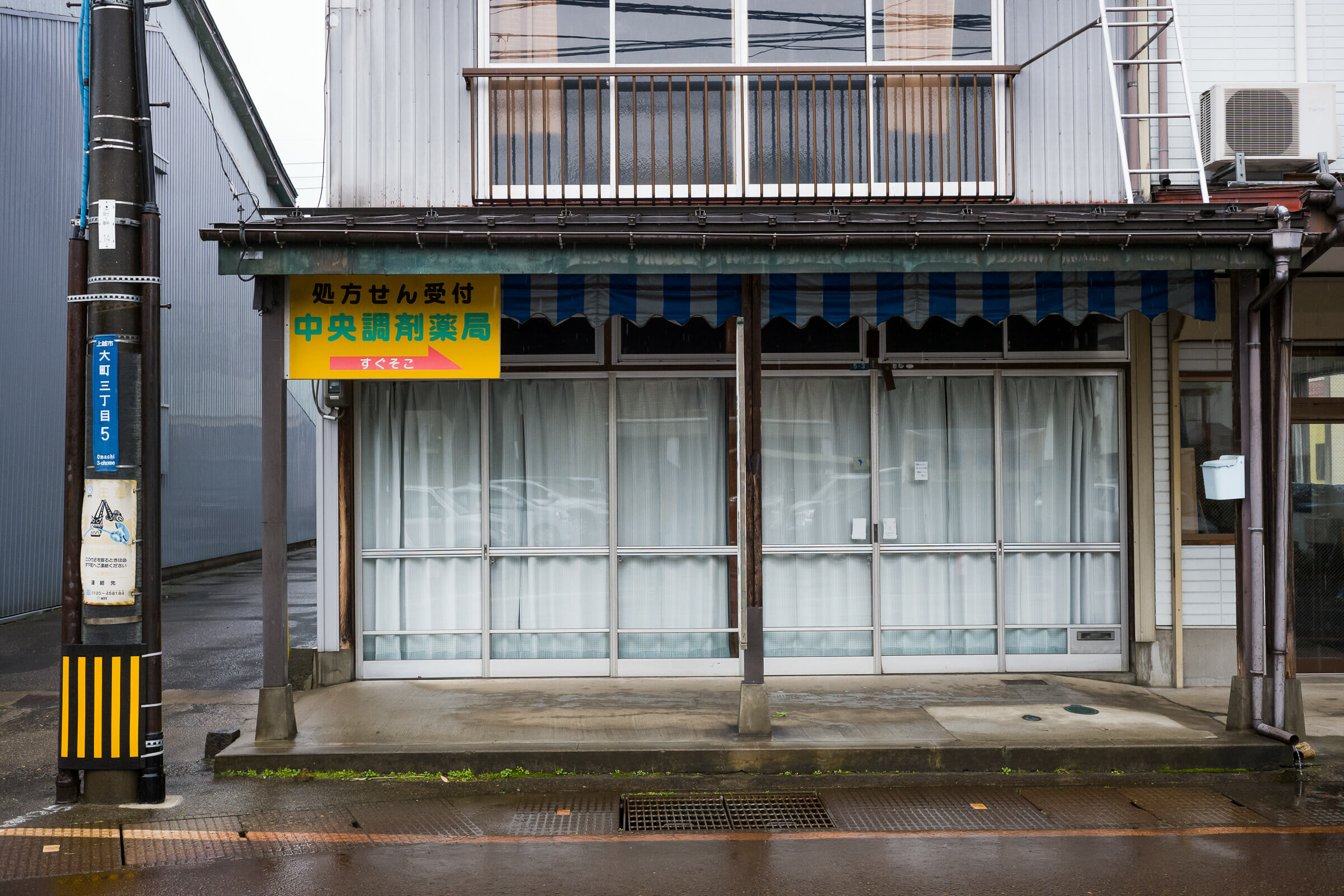
Located in Niigata Prefecture, Takada gained modern town status way back in 1889, and then city designation a couple of decades later in 1911. But things have changed a lot since then, and in 1971, it combined with neighbouring Naoetsu to become simply a part of the newly created city of Joetsu.
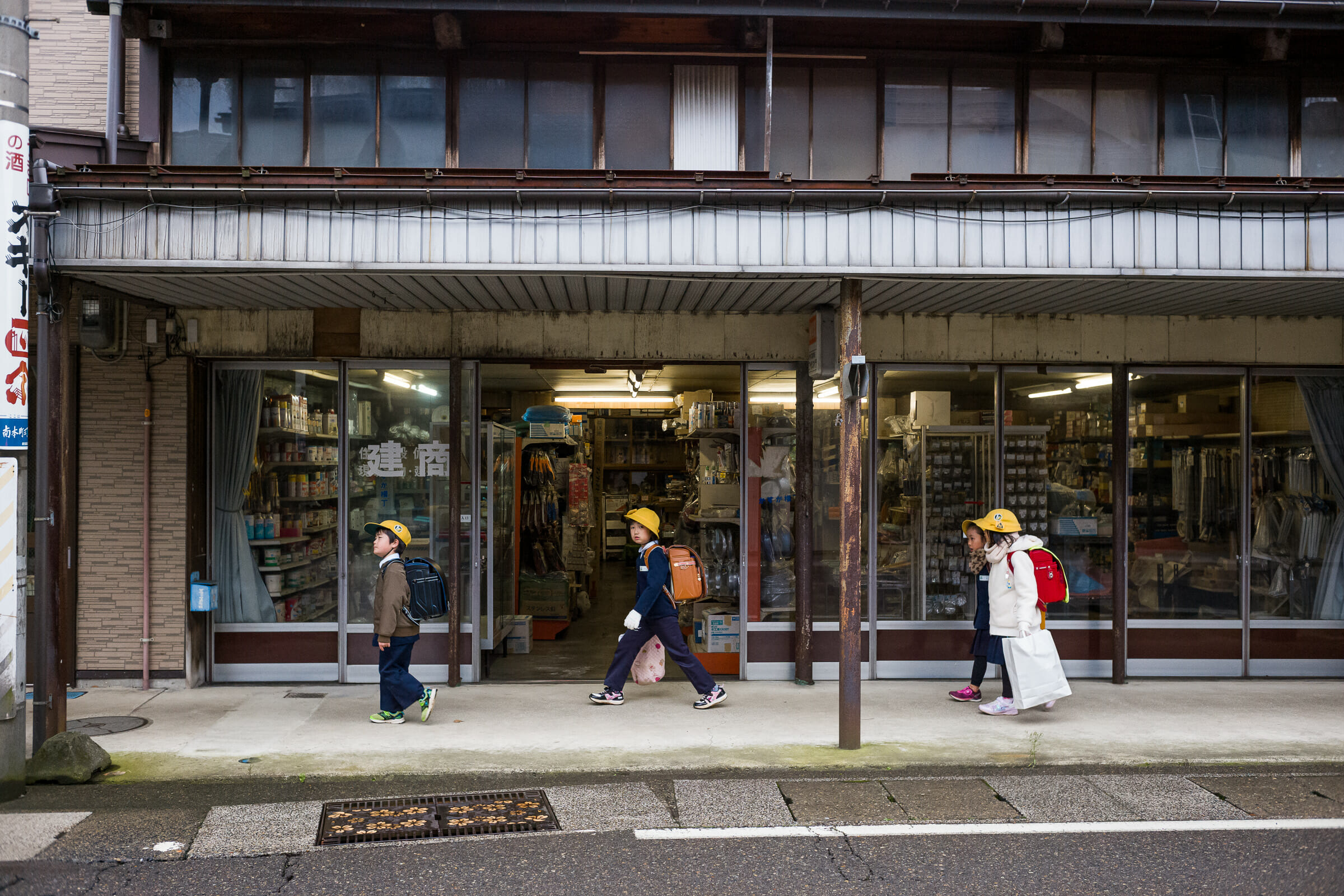
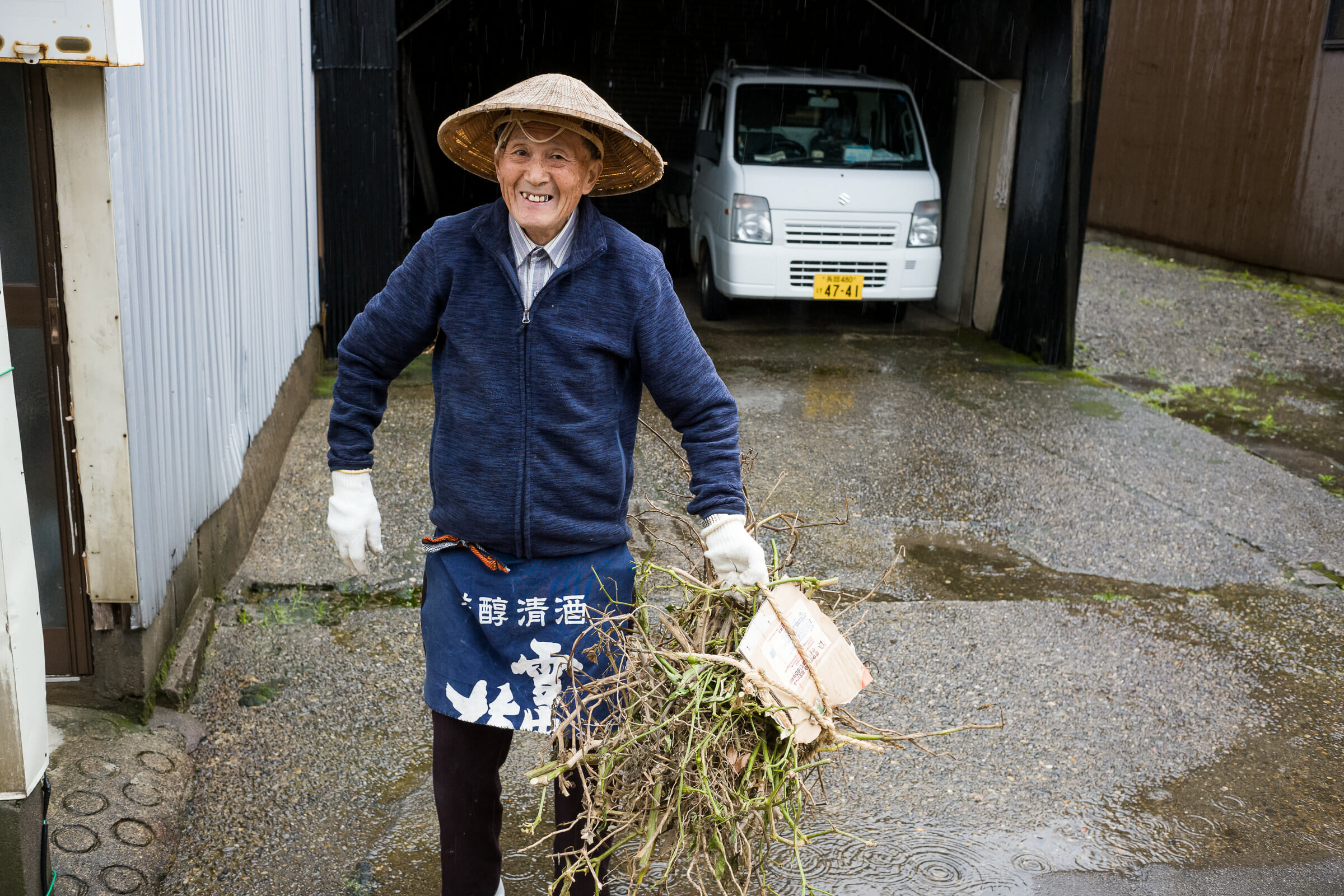
Yet despite losing a distinct element of its identity, Takada is still truly distinct in appearance. Those many kilometres of covered walkways may well be better at sheltering pedestrians from snow rather than pouring rain, but they look absolutely wonderful, especially as most of the buildings have retained their traditional wooden frames and exteriors. Add to that the many years of decline, and it’s a truly fascinating area to explore. One that, like all such places, is forever tied to a more prosperous past. As such, a sadness of sorts pervades almost everything, and yet at the same time, life goes on as it always has — there’s just less of it to see that’s all.