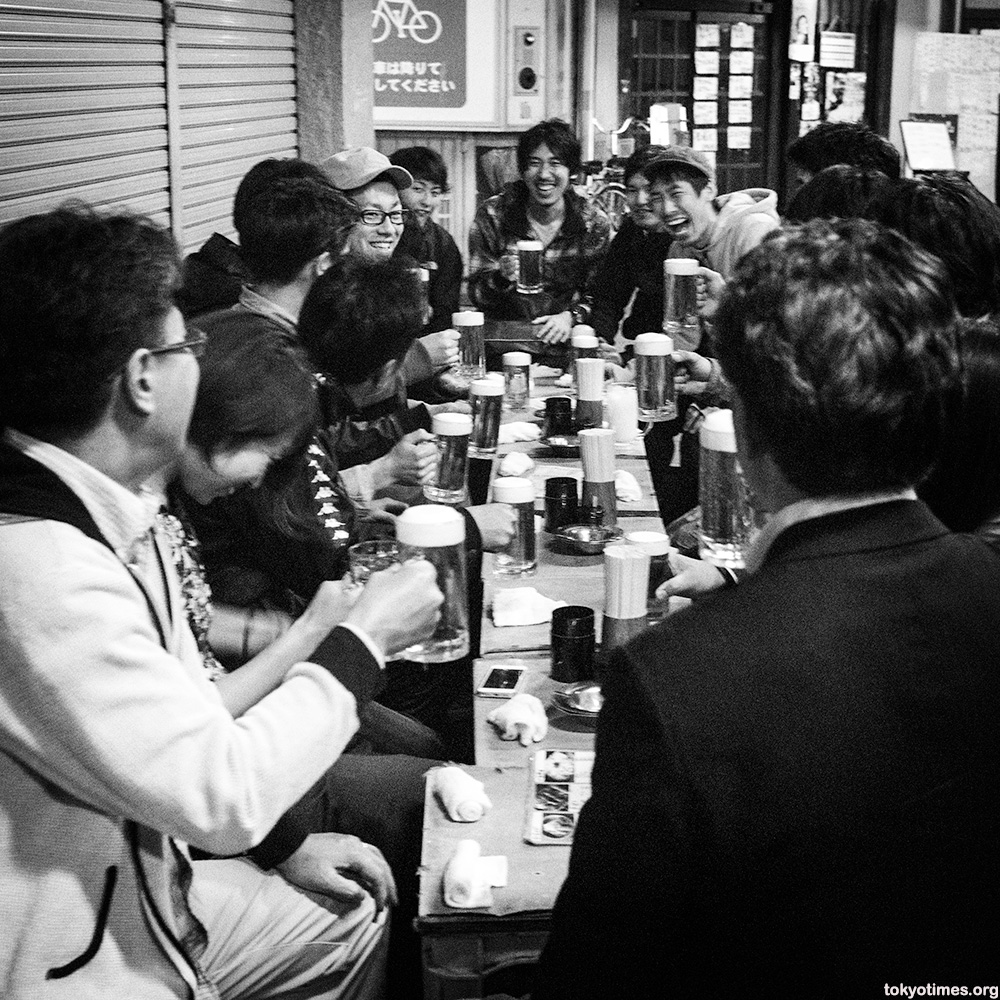
The end of the weekend it may have been, but on this occasion at least, some cheap beers and cheery friends were more than enough to subdue — at least temporarily — those dreaded Sunday night blues.
Photographs from a small group of islands
The end of the weekend it may have been, but on this occasion at least, some cheap beers and cheery friends were more than enough to subdue — at least temporarily — those dreaded Sunday night blues.
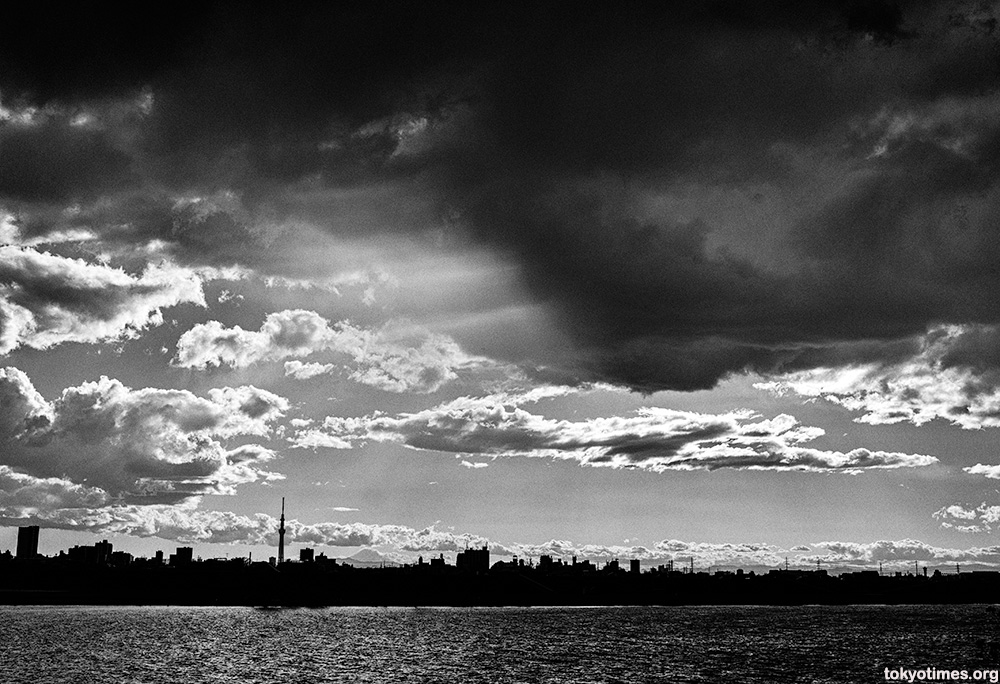
From just over the river in neighbouring Chiba, it wasn’t a surprise at all to see Tokyo’s truly enormous Skytree. The same, however, could not be said of Mount Fuji. Especially so at this time of year. And at such a distance.
But while they were both something to marvel at, the angry-looking sky was simply alarming.
Abandoned hotels are undoubtedly the most common form of haikyo in Japan; structures that starkly expose the folly of the country’s bubble era, or perhaps more commonly the gradual decline of once popular tourist destinations. And the Fujiya Hotel in Shimoda is no different, situated as it is in a city that has undoubtedly seen better days.
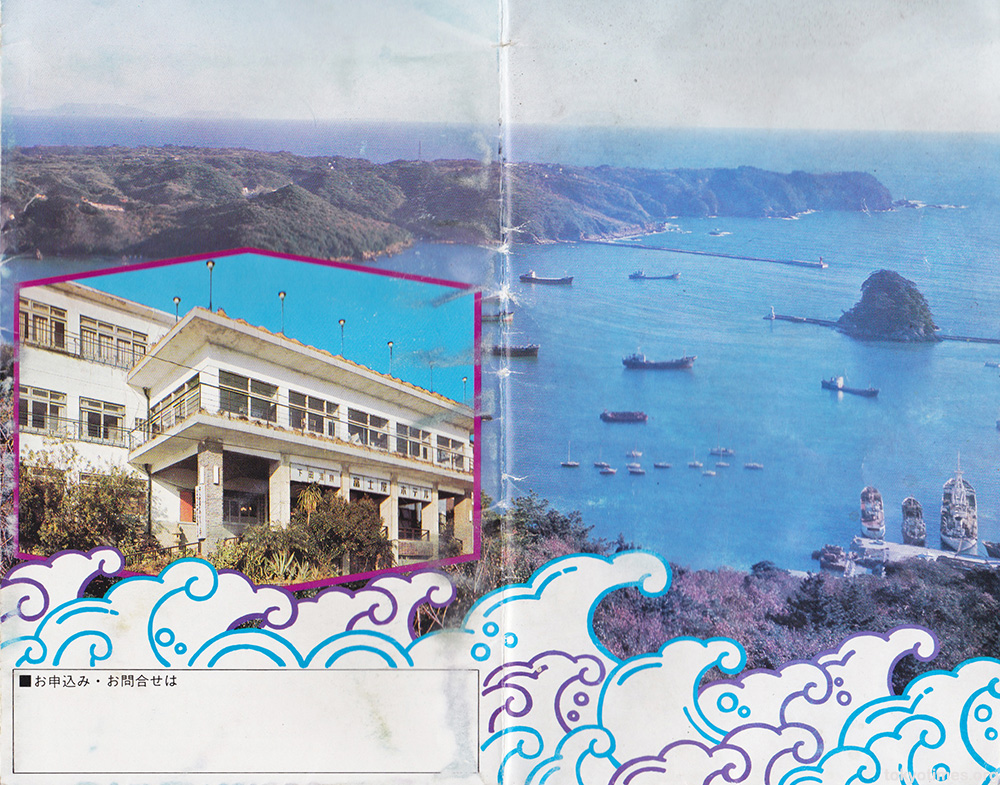
Shimoda’s biggest claim to fame is that Commodore Perry and his fleet of ‘black ships’ arrived there in 1854, resulting in the opening of the first American Consulate in Japan. Plus far more significantly, the port (and eventually the whole of Japan) was opened to foreign trade.
But within 5 years this pivotal role had been handed to Yokohama. The consulate was relocated. And the city’s decline arguably began.
To be fair though, it’s not all doom and gloom — far from it in fact. Shimoda has some genuinely lovely beaches. Not to mention a wonderfully craggy coastline. Making it a popular spot in the summer, particularly so with surfers and the like. A situation that is ideal for small guesthouses and rental homes, but not necessarily big hotels. Meaning that despite a myriad of guests during the region’s more clement months.
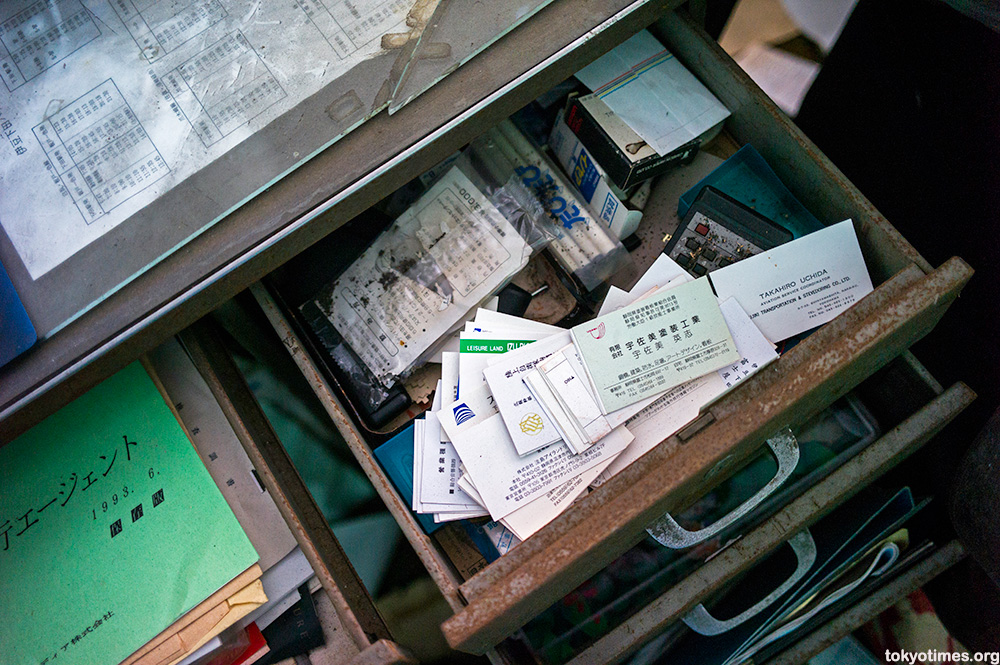
The phone presumably didn’t ring much at all during the far longer off-season.
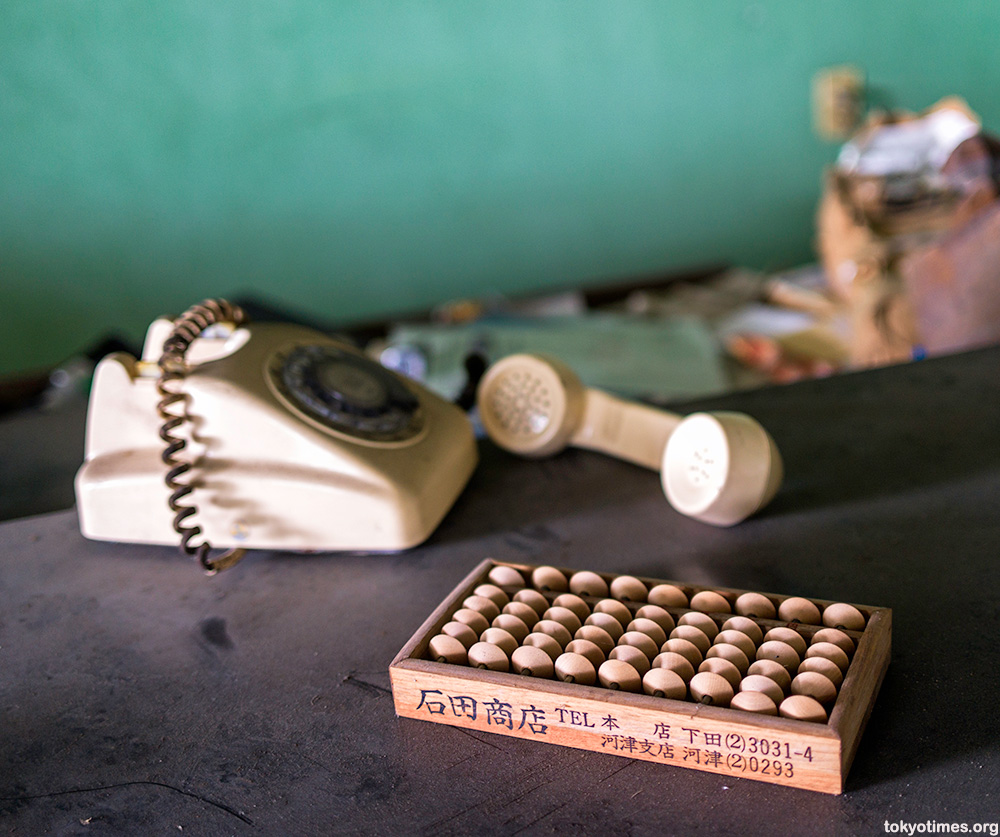
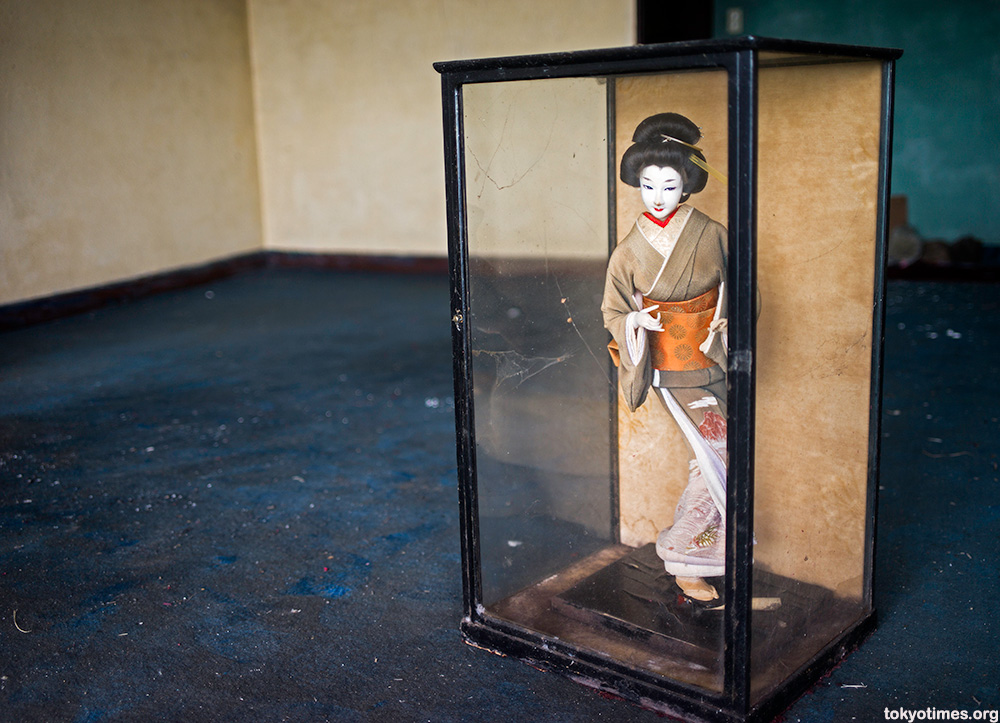
A sorry state of affairs that, like previously mentioned, has been a common occurrence all over the country. And just like many of the others, the Fujiya contains some interesting things that got left behind.
Dolls.
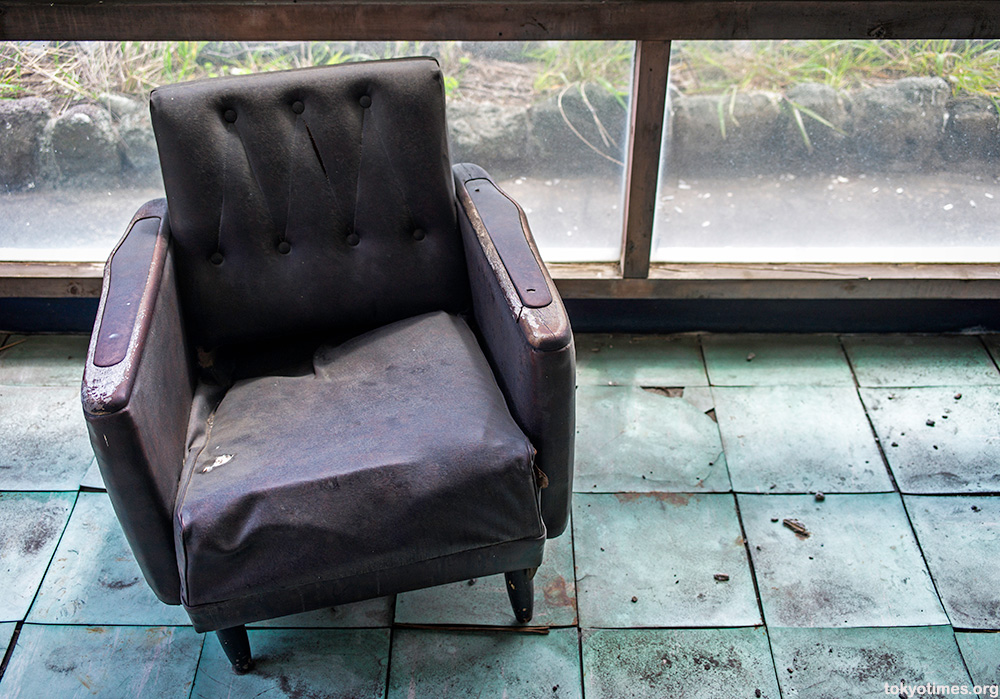
Chairs.
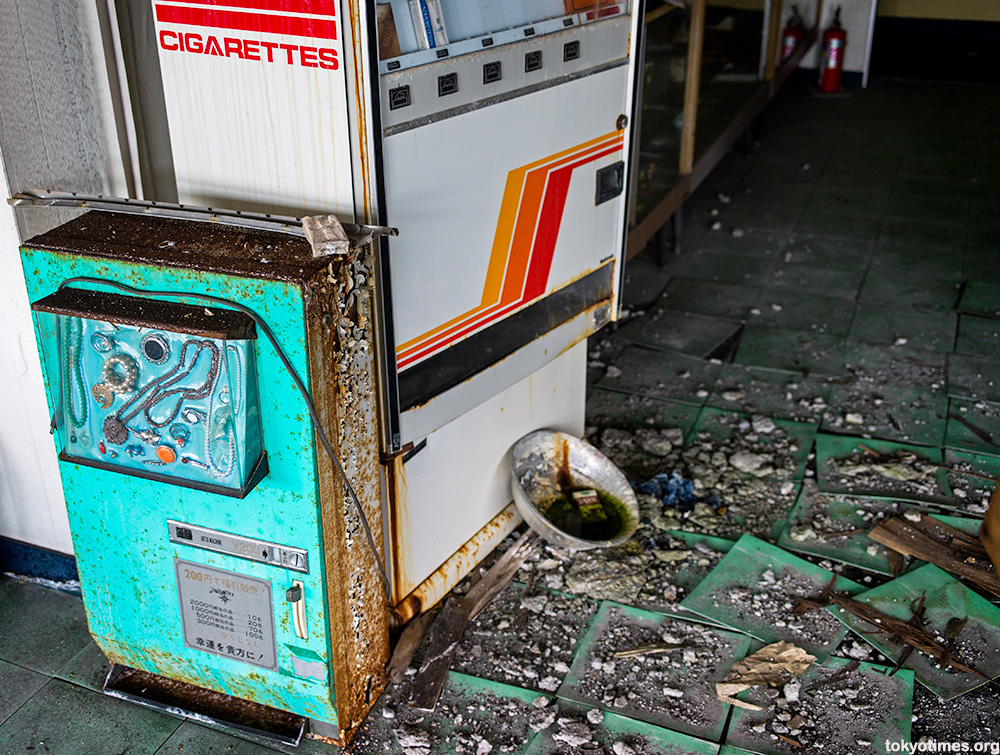
The obligatory vending machines.
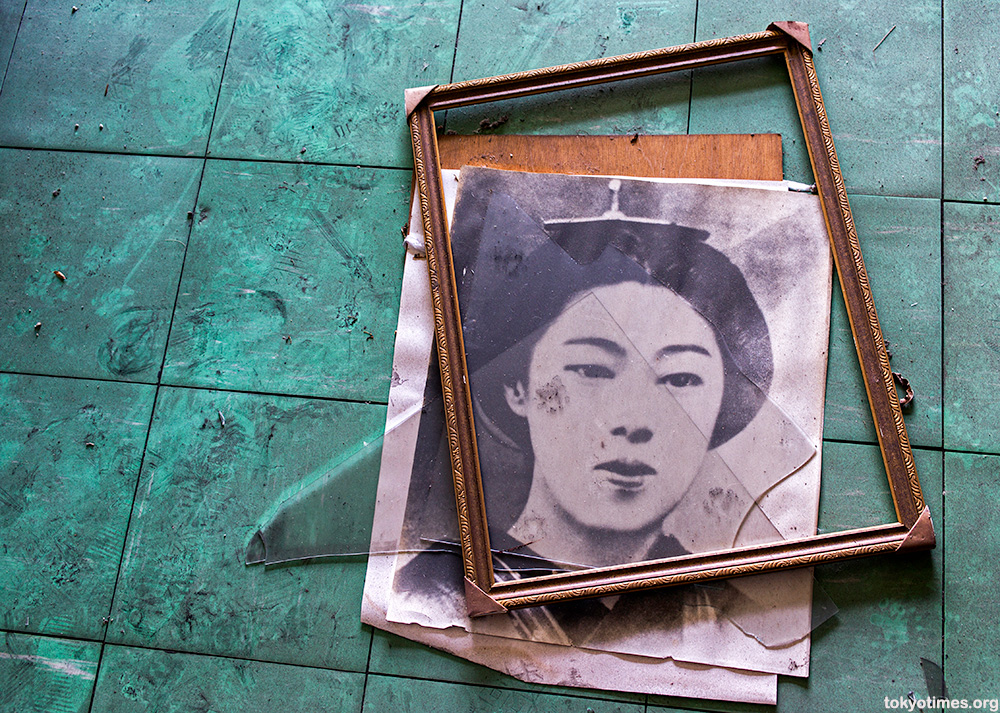
Plus a rather forlorn-looking photo of an unnamed woman, although it could be Okichi, a former geisha from the city whose story is far sadder than the decline of a mere hotel.
And just like other such places, the Fujiya has room after identical room, which can get rather tedious. The hope for something interesting behind the next door almost always dashed by yet another semi-furnished interior just like the last.
This time, however, there were at least a few surprises.
Some rooms are in a truly shocking state.
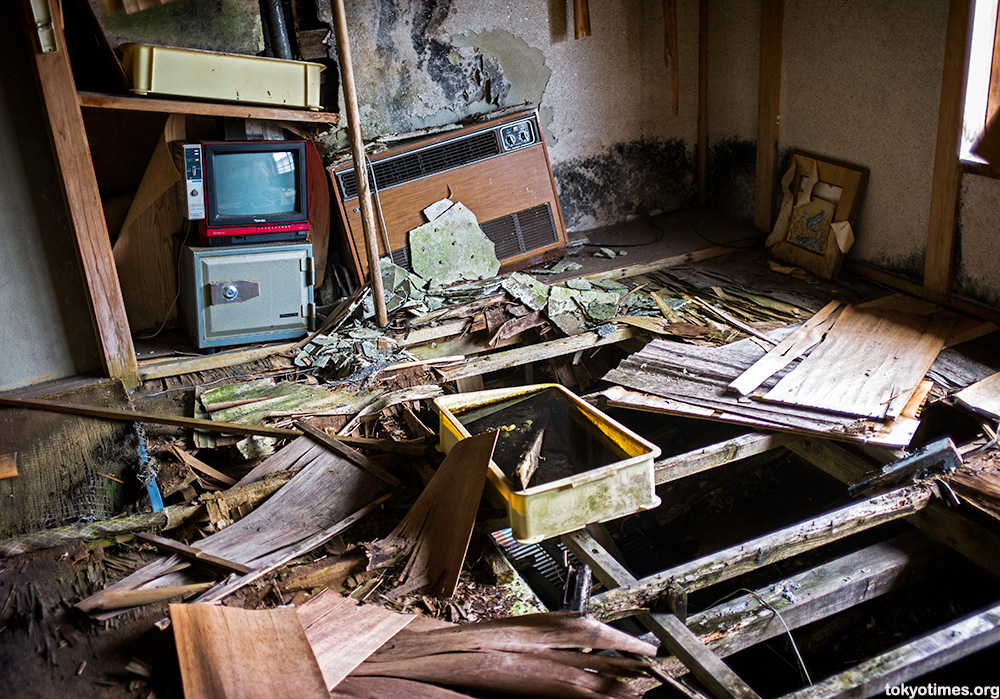
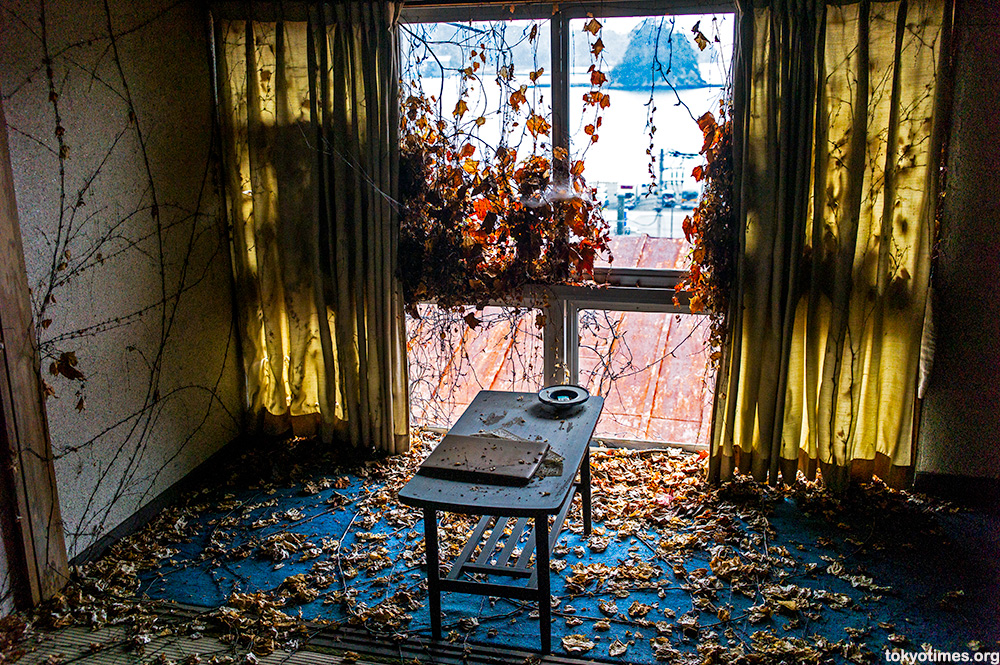
Although far more interesting is that nature has started to take back a few of the others.
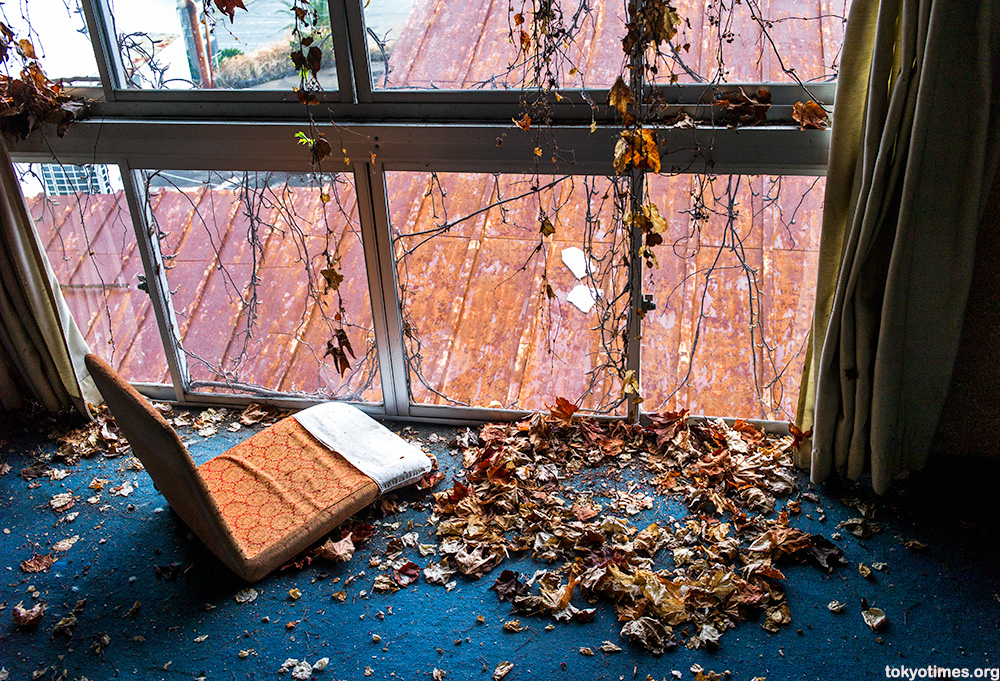
Creating wonderfully atmospheric scenes.
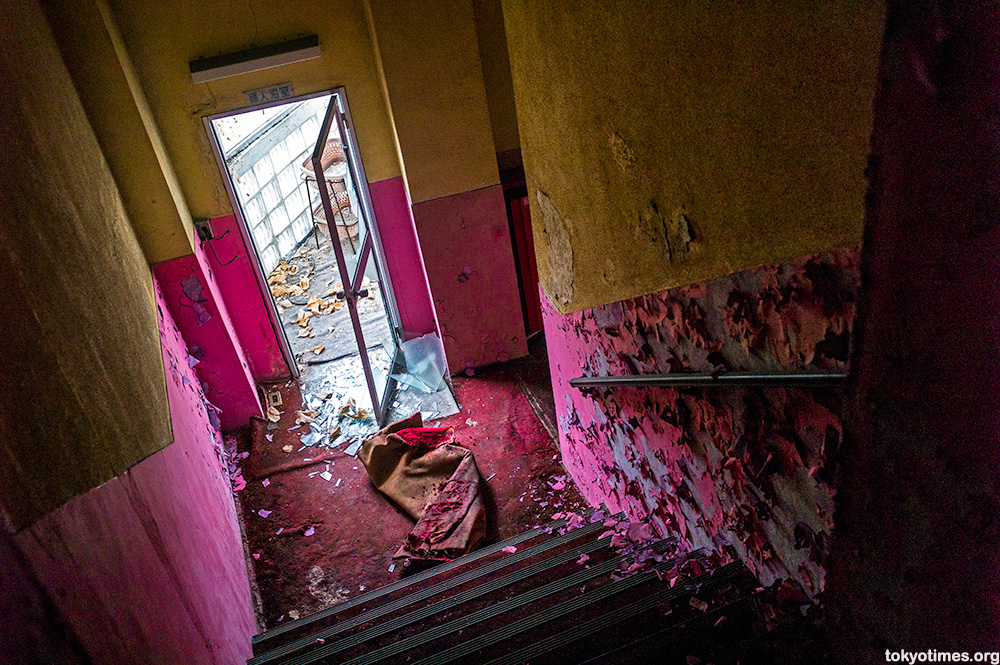
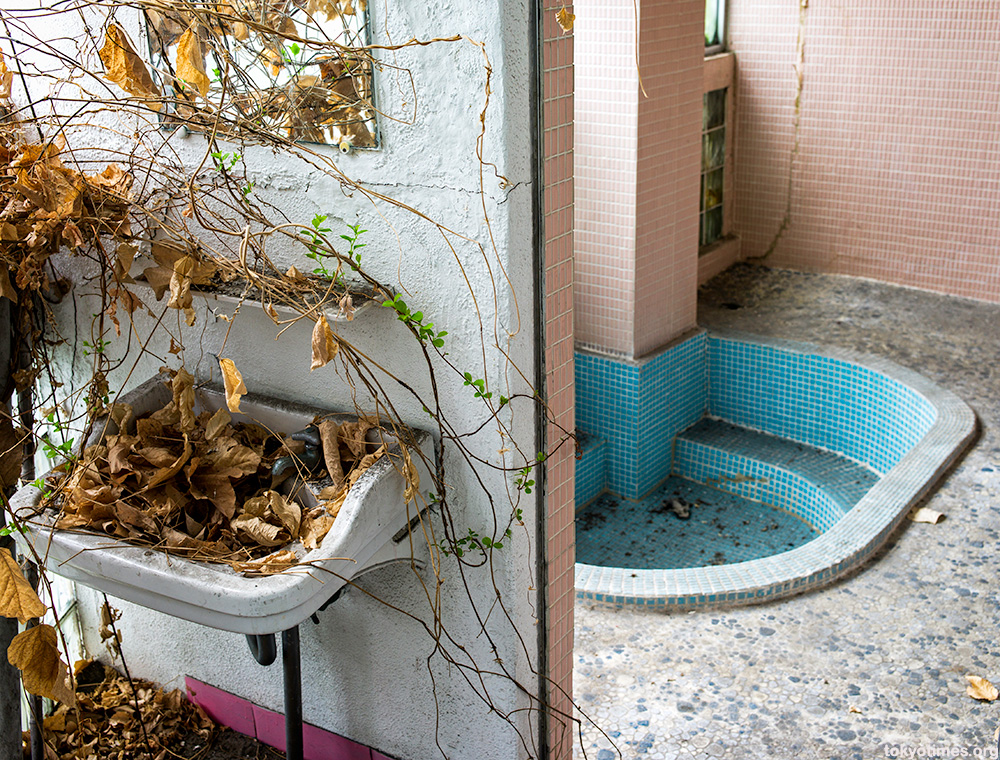
Something that is also repeated in the hotel’s bathing area — a presumably popular feature due to the area’s natural hot springs. As such it’s probably fair to assume that most guests would have gone down these stairs in anticipation of a soothing, restorative soak.
An element that the brochure was understandably keen to emphasise.
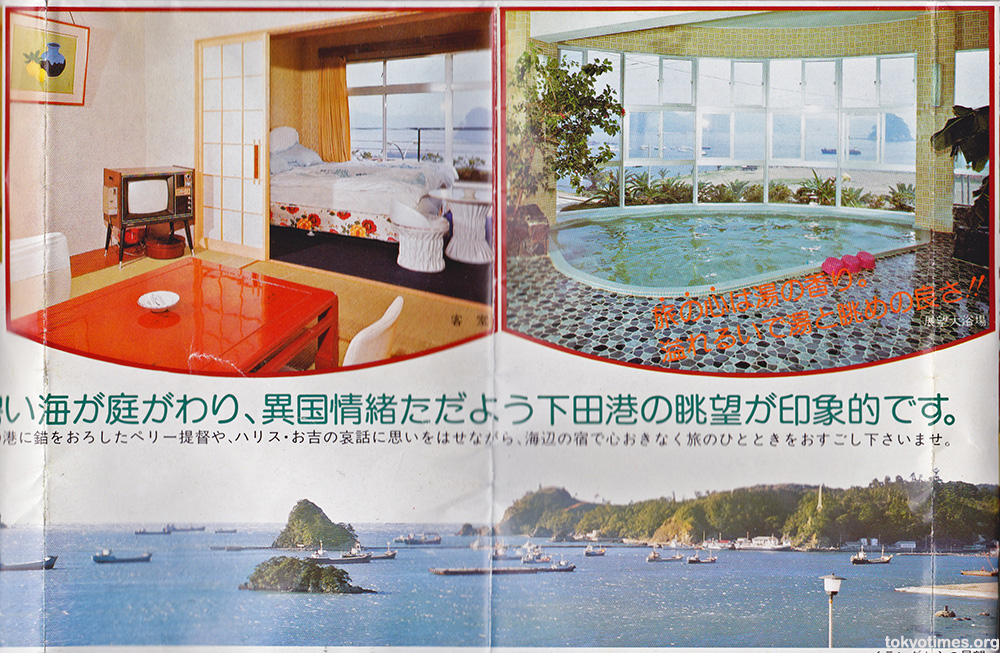
But that was then, and this is now. And just like the rooms, nature has begun to make considerable inroads, giving the baths a very different look indeed.
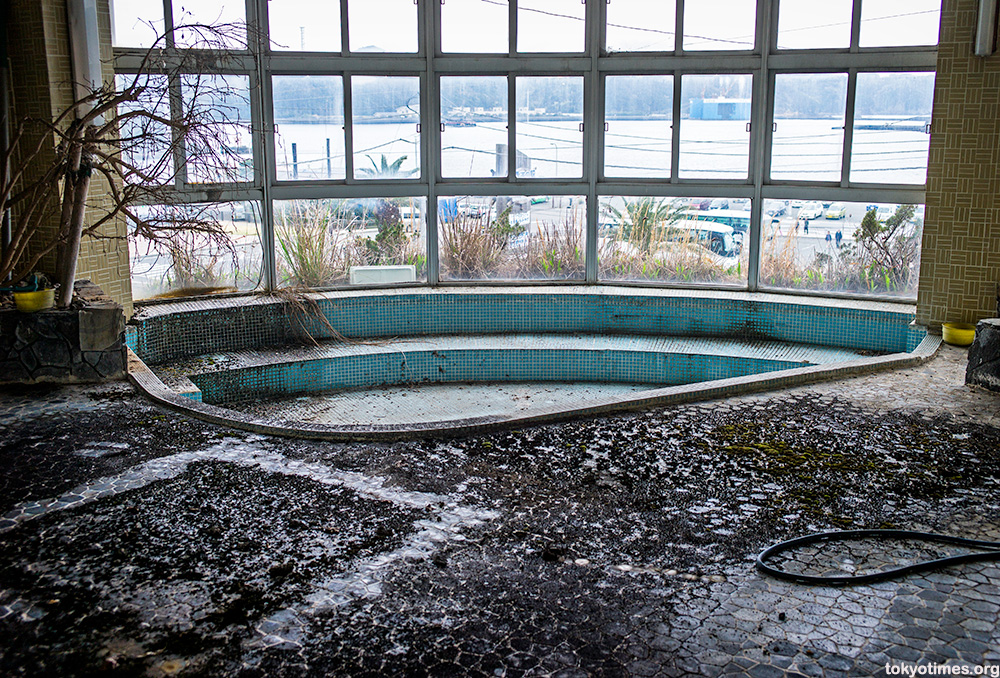
As well as endowing the building with real character. Ironically far more than it probably had when open.
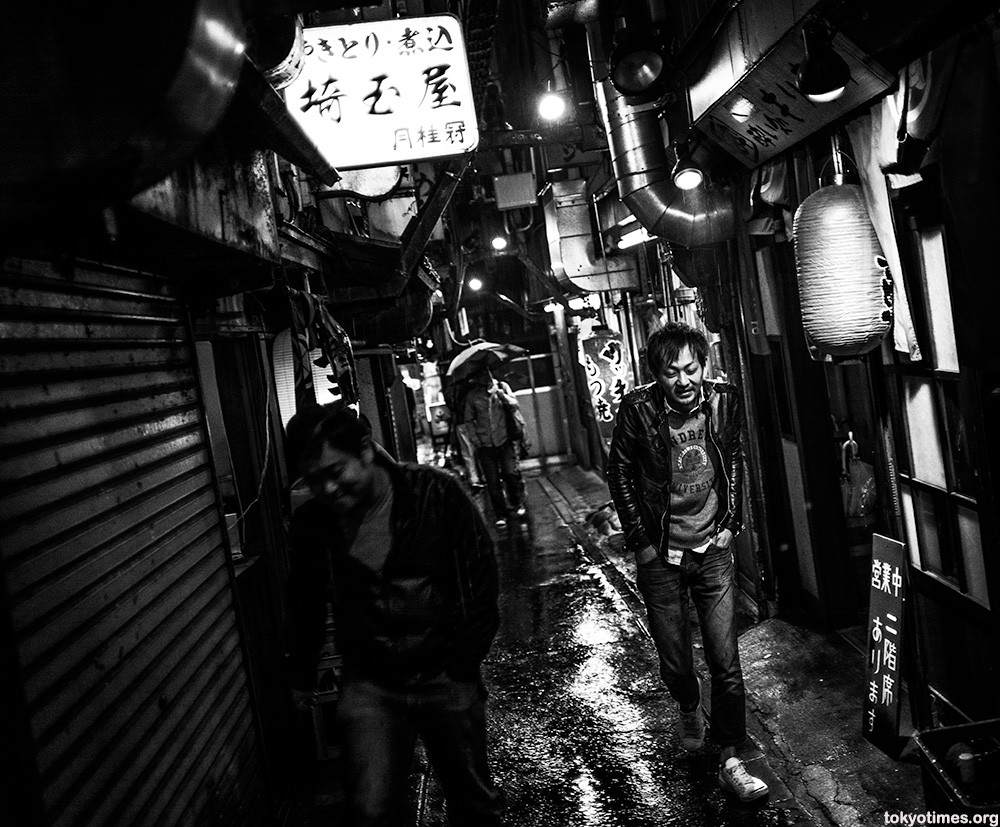
Lousy weather isn’t exactly much fun, especially so at the weekend. But, in dark little alleyways, it admittedly does add to the atmosphere.