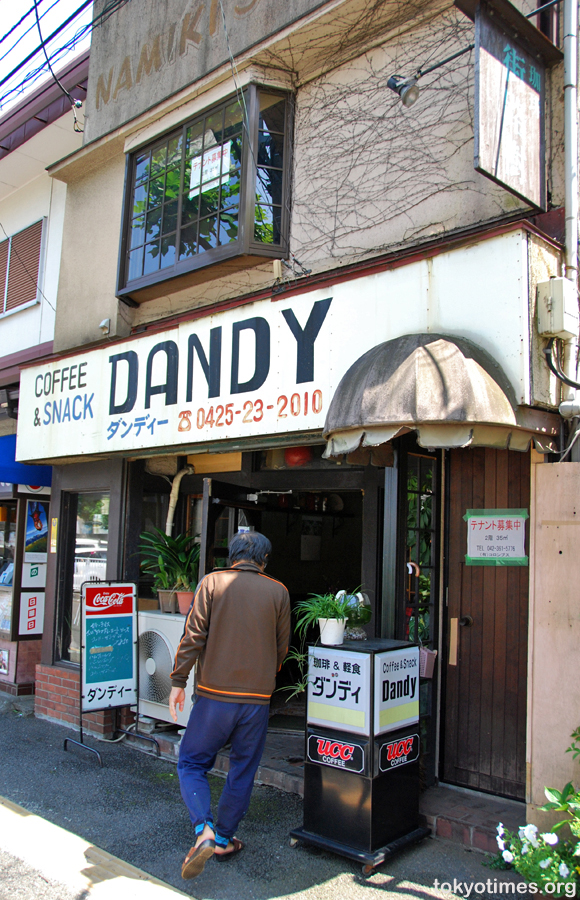
Inside, the décor of this coffee shop may well be deemed as dandy, but as far as the clothing of its customers is concerned, conventions would appear to be considerably more casual.
Photographs from a small group of islands
Inside, the décor of this coffee shop may well be deemed as dandy, but as far as the clothing of its customers is concerned, conventions would appear to be considerably more casual.
The term metabolic syndrome is now a much used media mainstay in Japan, and, as well as anyone a little meaty now being known as ‘metabo’, those weighing in with waists considered a bit wobbly — over 33.5 inches for men and 35.4 for women — will initially receive government ordered dietary guidance, or even re-education, if a reduction isn’t realised.
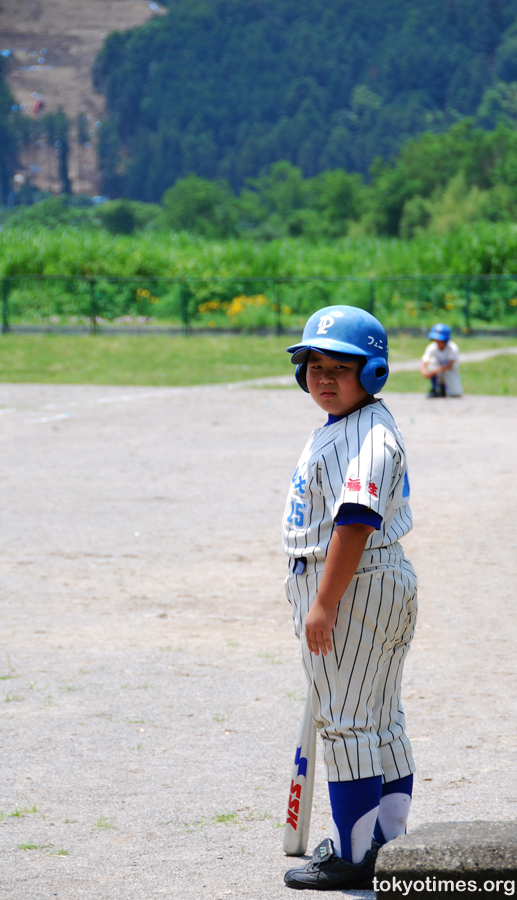
A situation that, while undoubtedly well intentioned, has resulted in those even a fraction flabby feeling the full force of all the fat-related fuss, with even little (or even not so little) ‘uns being similarly singled out.
Like this young fella for example. As, if a belittling day by the bench wasn’t bad enough, there was even the affront of being photographed by a funny-looking foreigner.
(click image for, erm, bigger batter)
The Japanese drinks industry is in no way deficient of diversity, with a constantly changing range of products to choose from. However, that said, foreign firms have still managed to find some space in a seemingly saturated market, and in particular, cola giants Pepsi and Coca have a considerably strong presence.
In fact, Pepsi’s position is so secure that it can happily subject an unsuspecting public to sickening summer specials, with last year’s cucumber-based abomination now being followed by the equally awful Blue Hawaii.
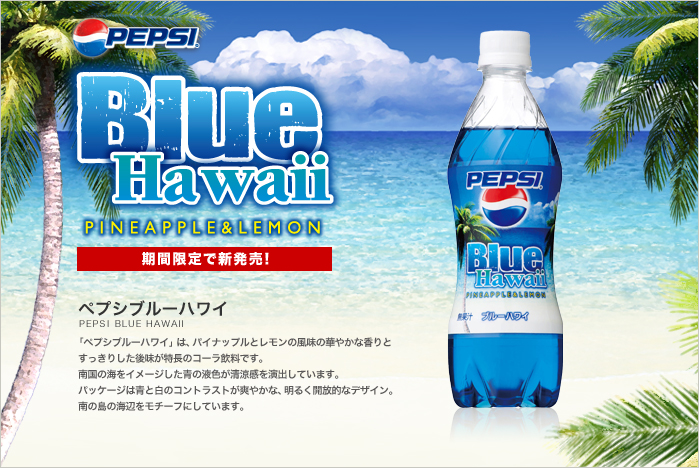
A concoction that is a bizarre mix of pineapple and lemon along with the customary cola, which, while far from pleasant, just about conceals the colossal number of chemicals that must have been included to create its dazzling blue hue.
Meaning a comforting Kit Kat is the ideal treat to counter the beverage’s additive-addled aftertaste, while at the same time offering Pepsi a pertinent lesson in how to successfully produce a special edition that is not only tasty, but also way too tempting to turn down.

With a mixed bag of Shinto ‘christenings’, western-style weddings and Buddhist funerals, the Japanese approach to religion is refreshingly relaxed, offering a veritable pick ‘n’ mix of principles and procedures.
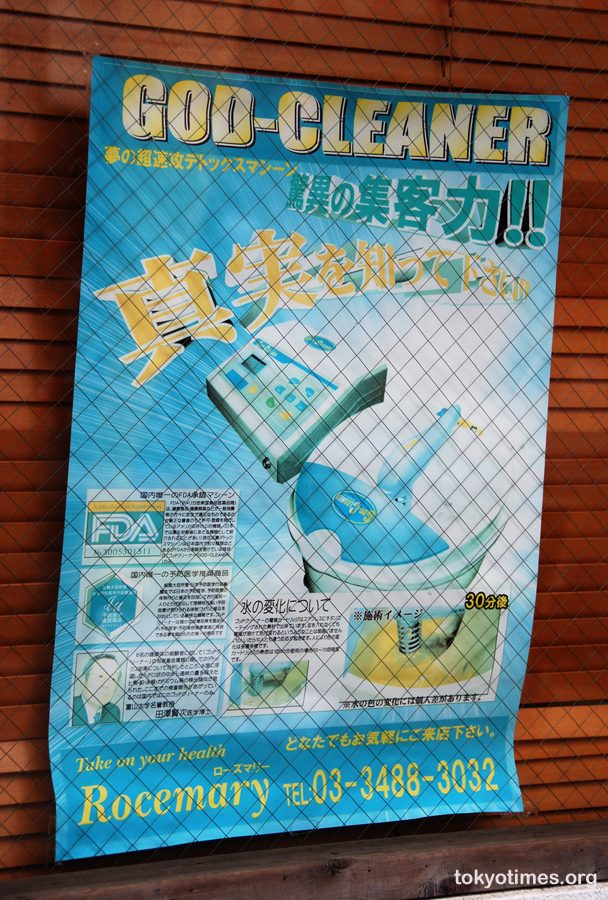
The concept of cleansing, however, would appear to have been completely turned on its head, with apparently a dust down for the actual deity, rather than the devotee, deemed de rigueur.
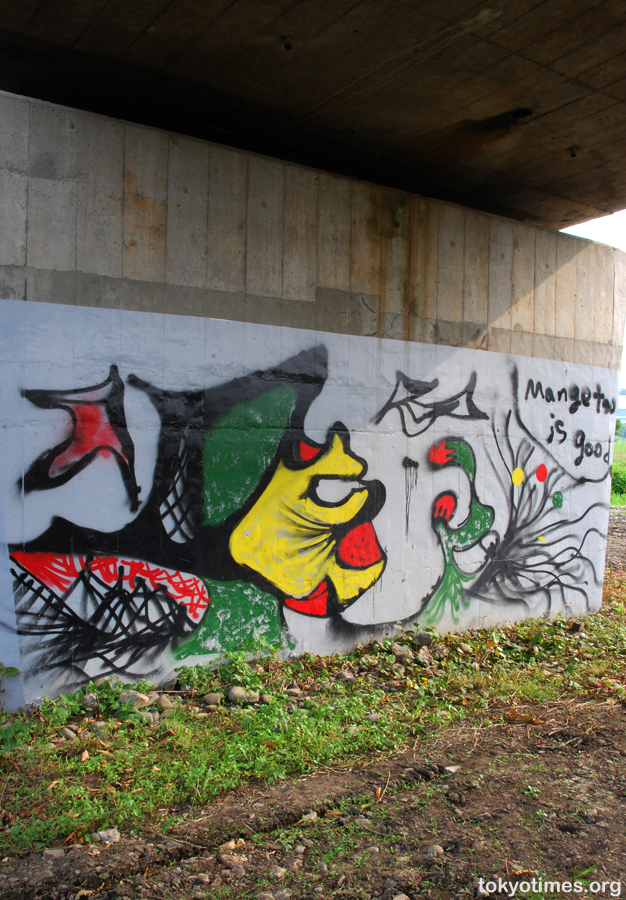
The concrete supports for bridges in the Japanese capital obviously offer a canvas that is just too tempting to turn down, and while some of the artwork is lacking in allure like a lot of the last lot posted on Tokyo Times, it can’t be accused of copping out on colour.
Regardless of whether this happens to be indecipherable doodles,
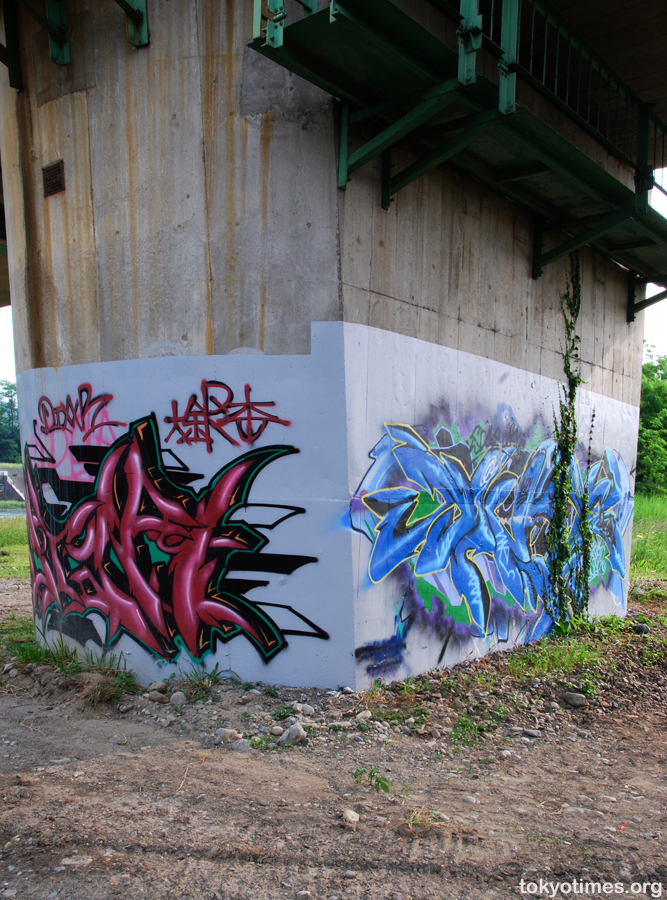
or multicoloured monstrosities.
Although that said, there are some darker designs to be seen, both in colour and content.
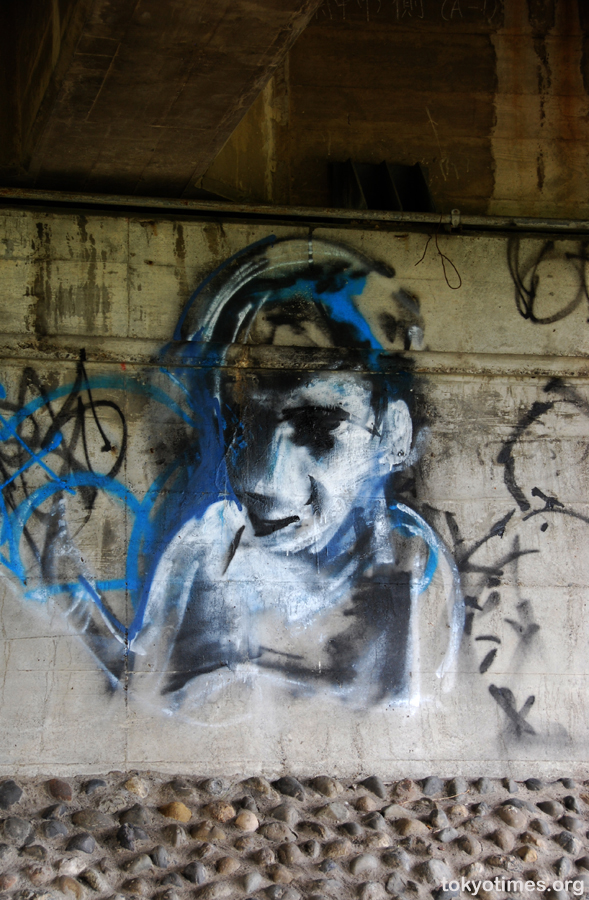
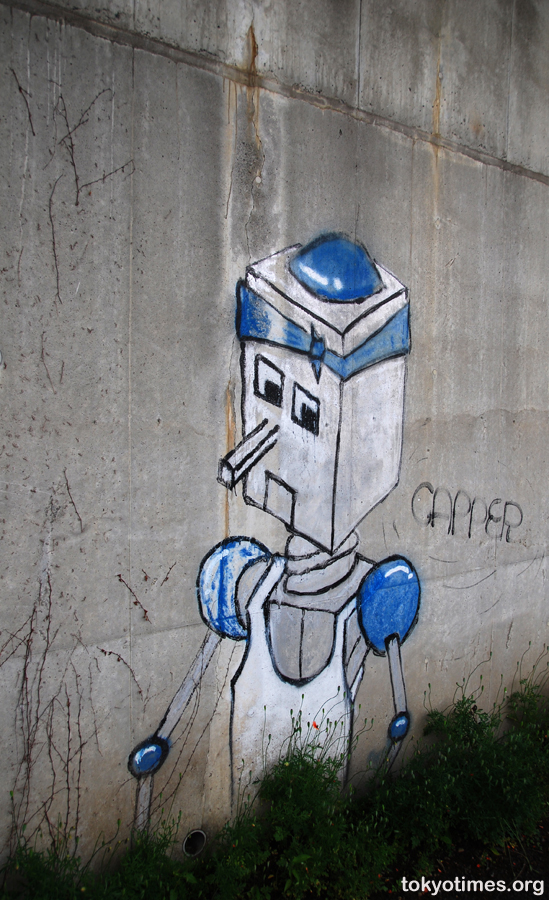
Including a surprisingly sad vision of the future where Japan’s robotic overlords are still maudlin despite their mastery.