• Skip to main content
  • Skip to footer

Tokyo Times

Photographs from a small group of islands

  • Photowalks
  • Portfolio
  • Book and Prints
  • Newsletter
  • About/Contact
  • Follow
    • Facebook
    • Instagram
    • Twitter
    • RSS

Mar 01 2022 14 Comments

Faded scenes from a slowly disappearing Japanese town

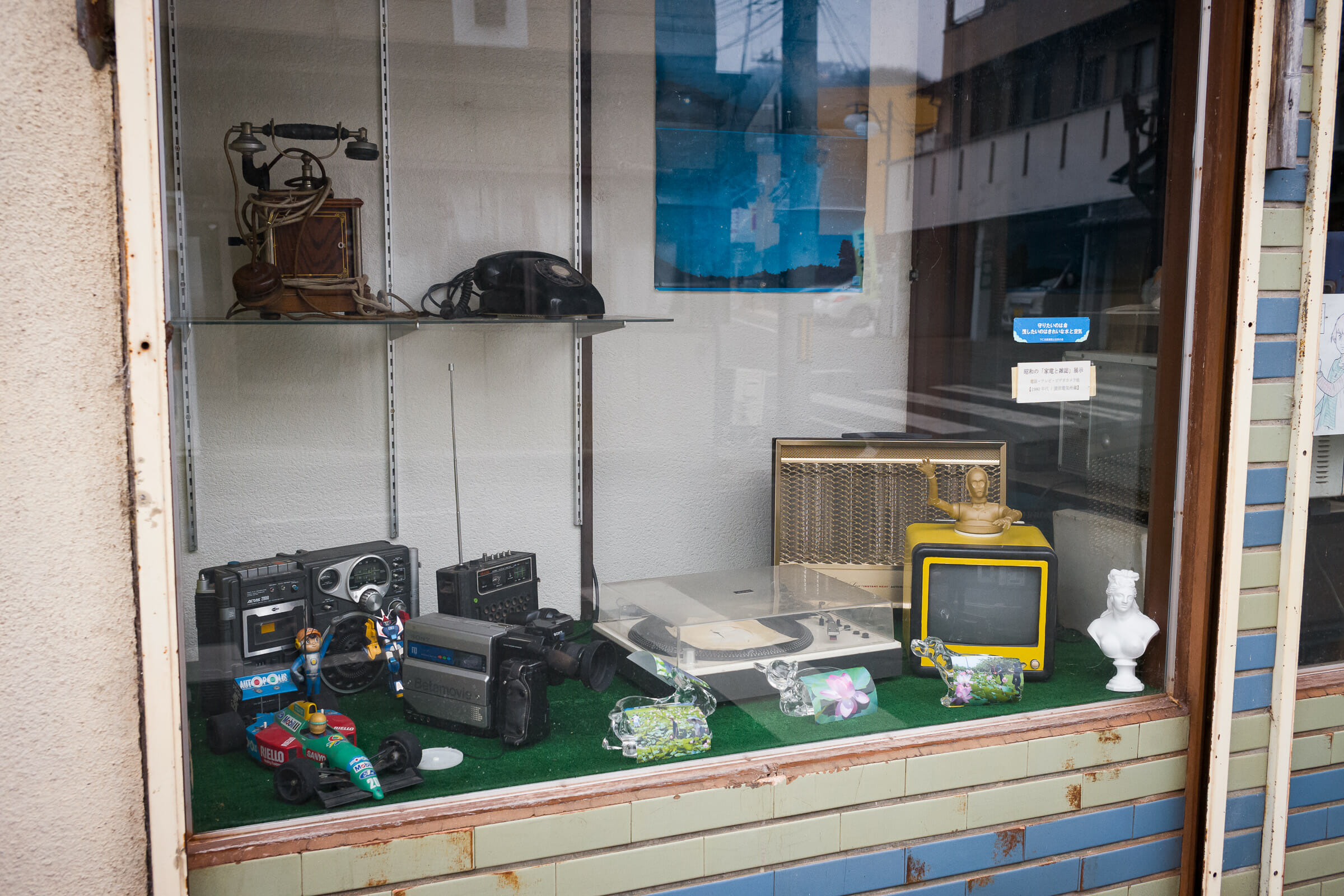
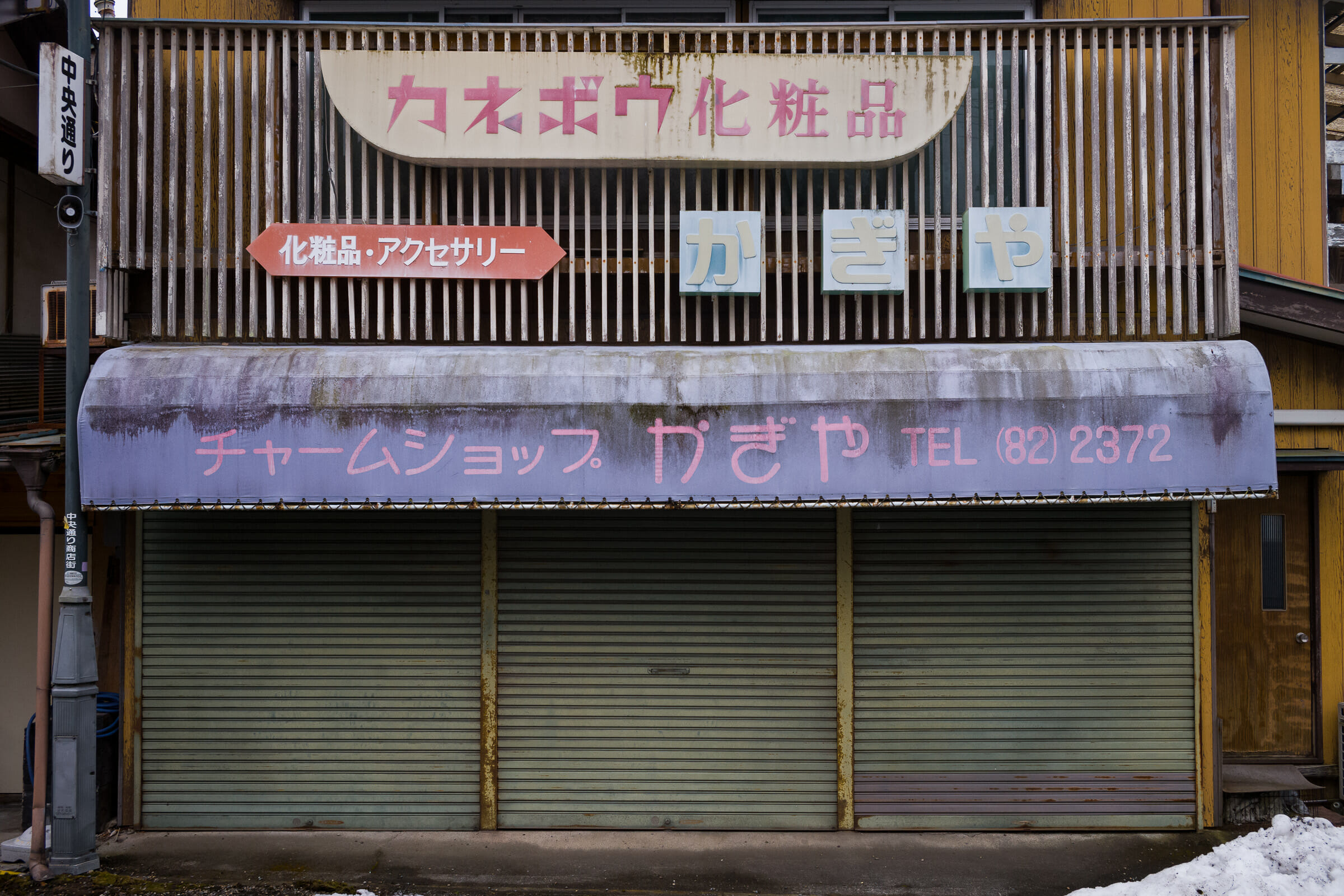
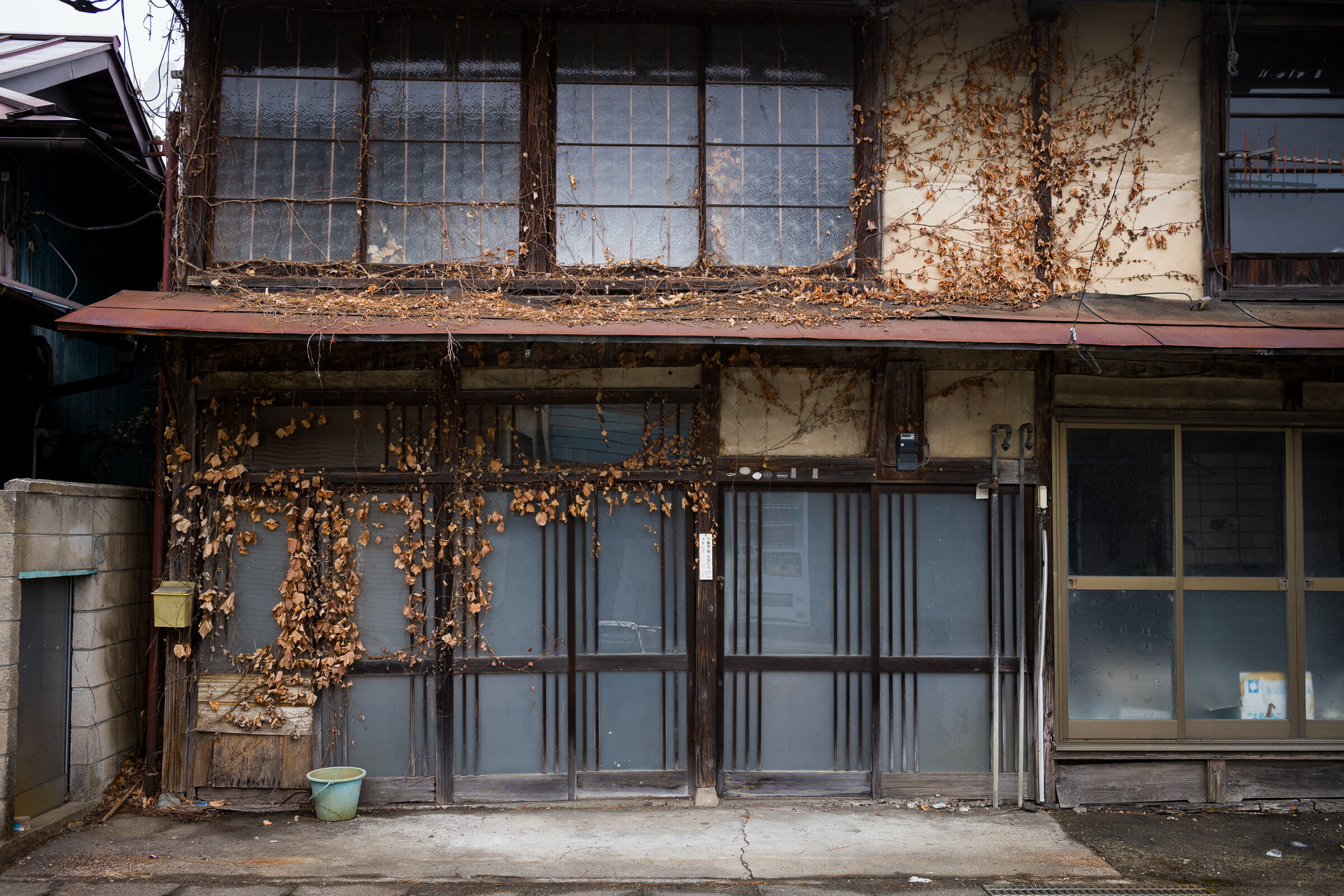
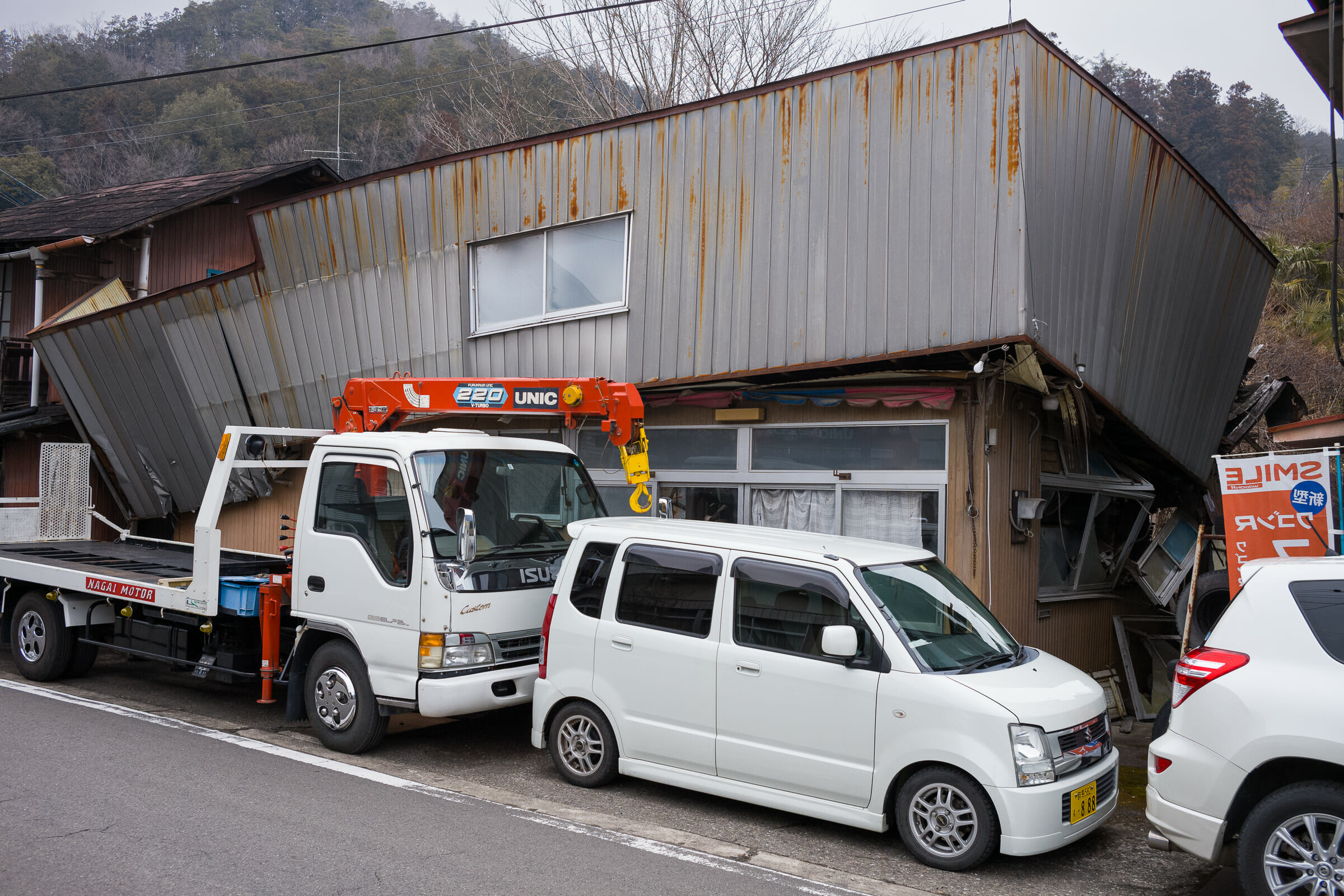
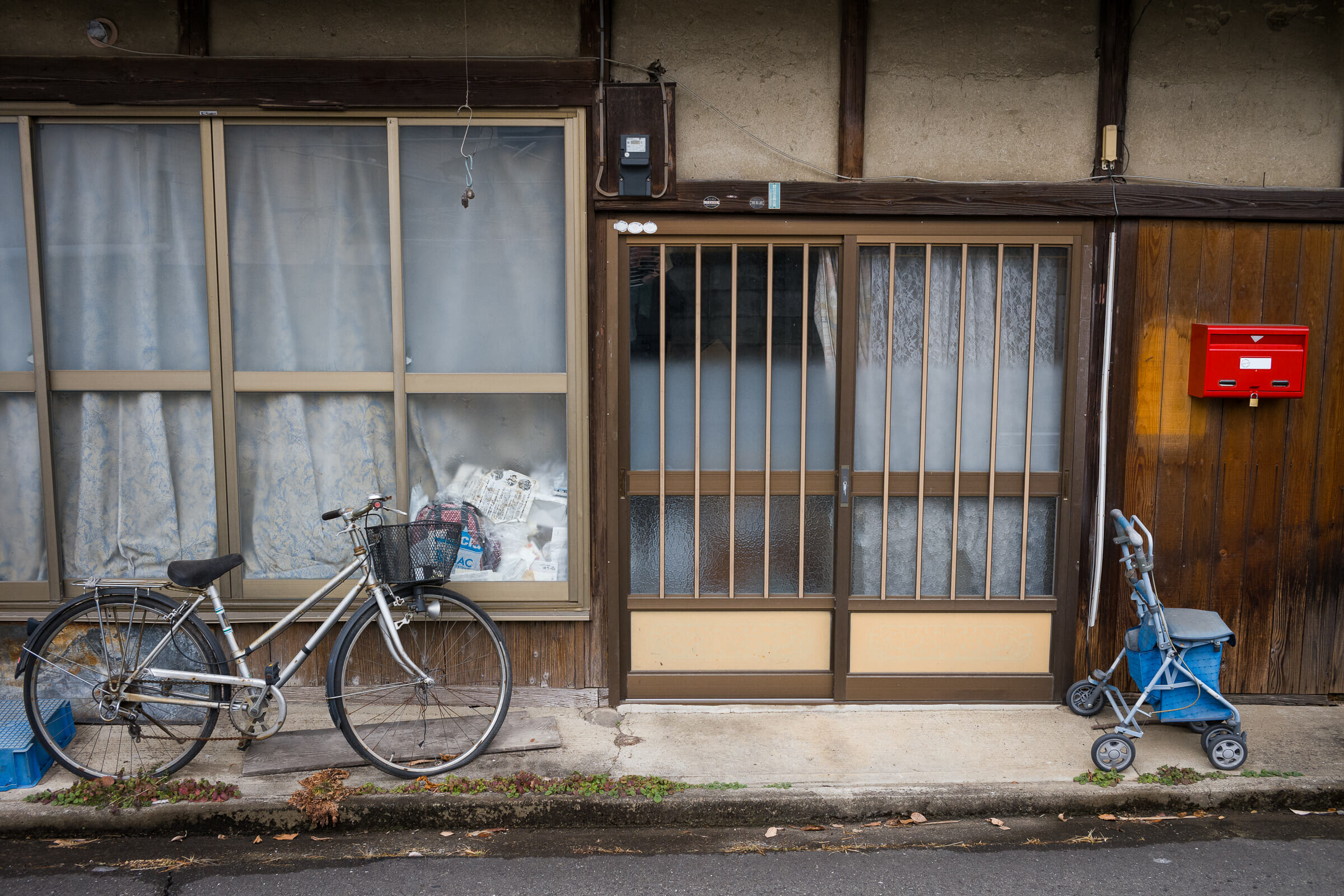
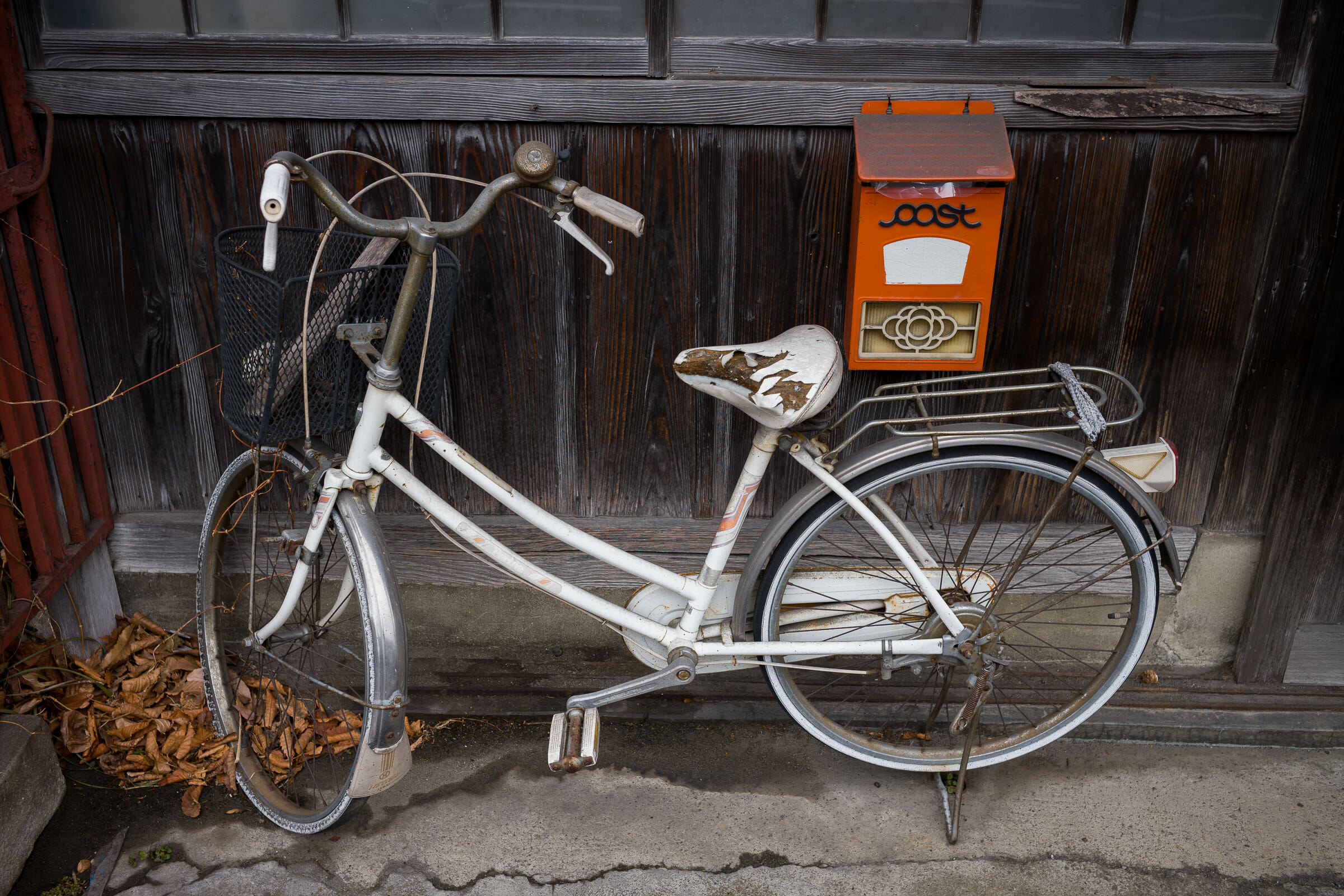
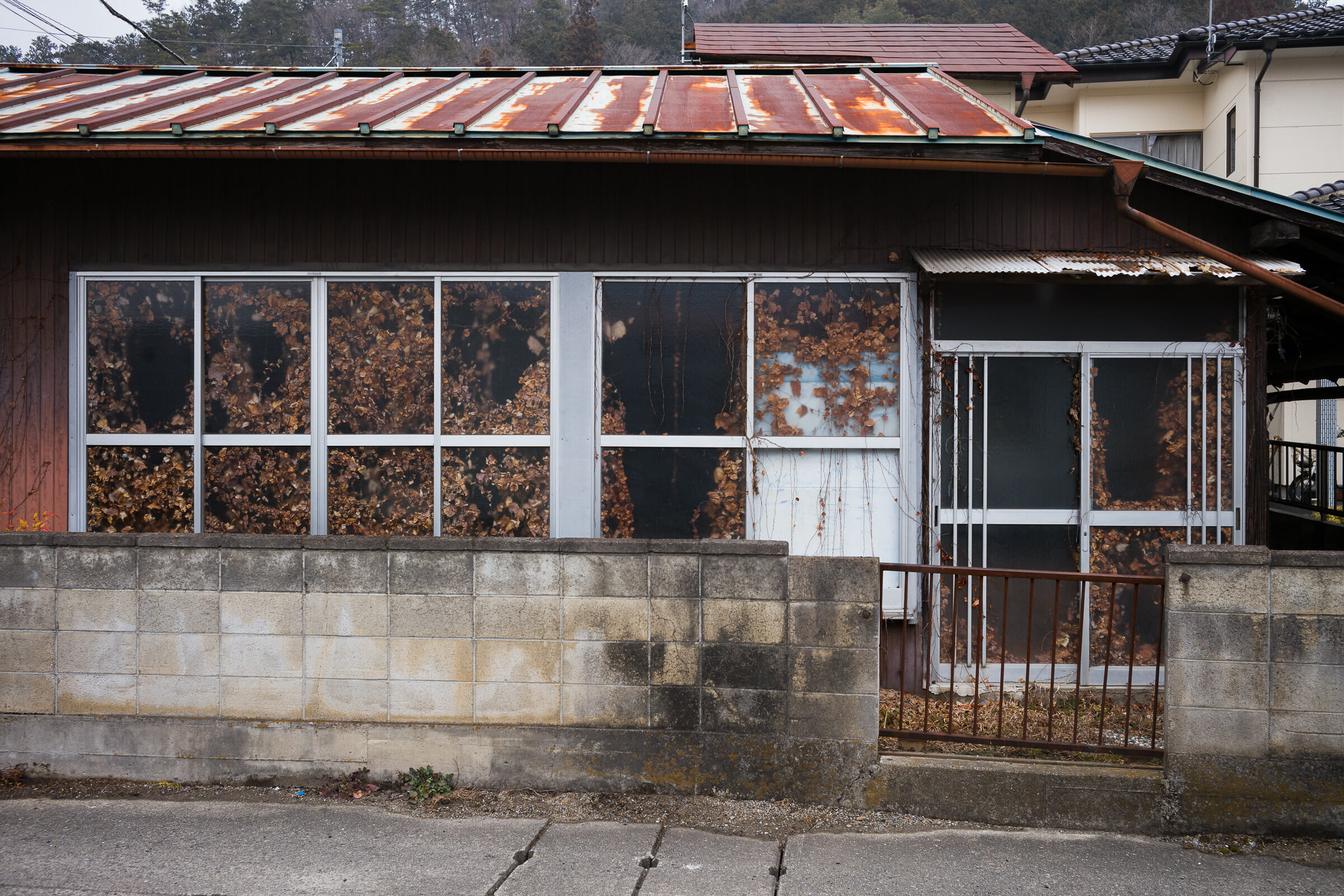
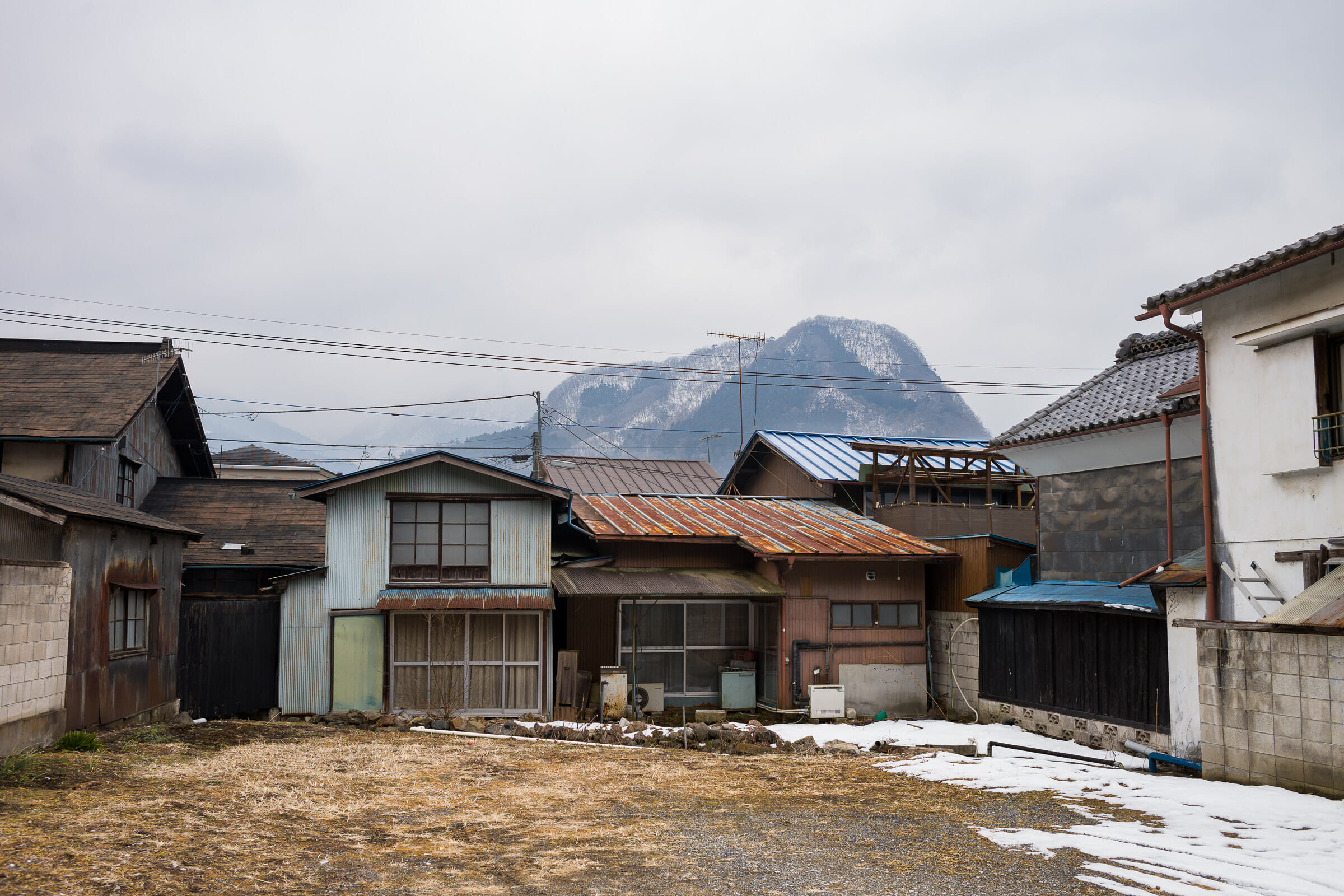
It’s something I’ve mentioned many times on these pages, but away from the big cities and popular tourist spots, the rest of Japan really is another world altogether. Of course the overwhelmingly rural landscape plays its part, but invariably it’s the very obvious decline brought about by the country’s ageing population that provides the starkest visuals of just how different things really are.

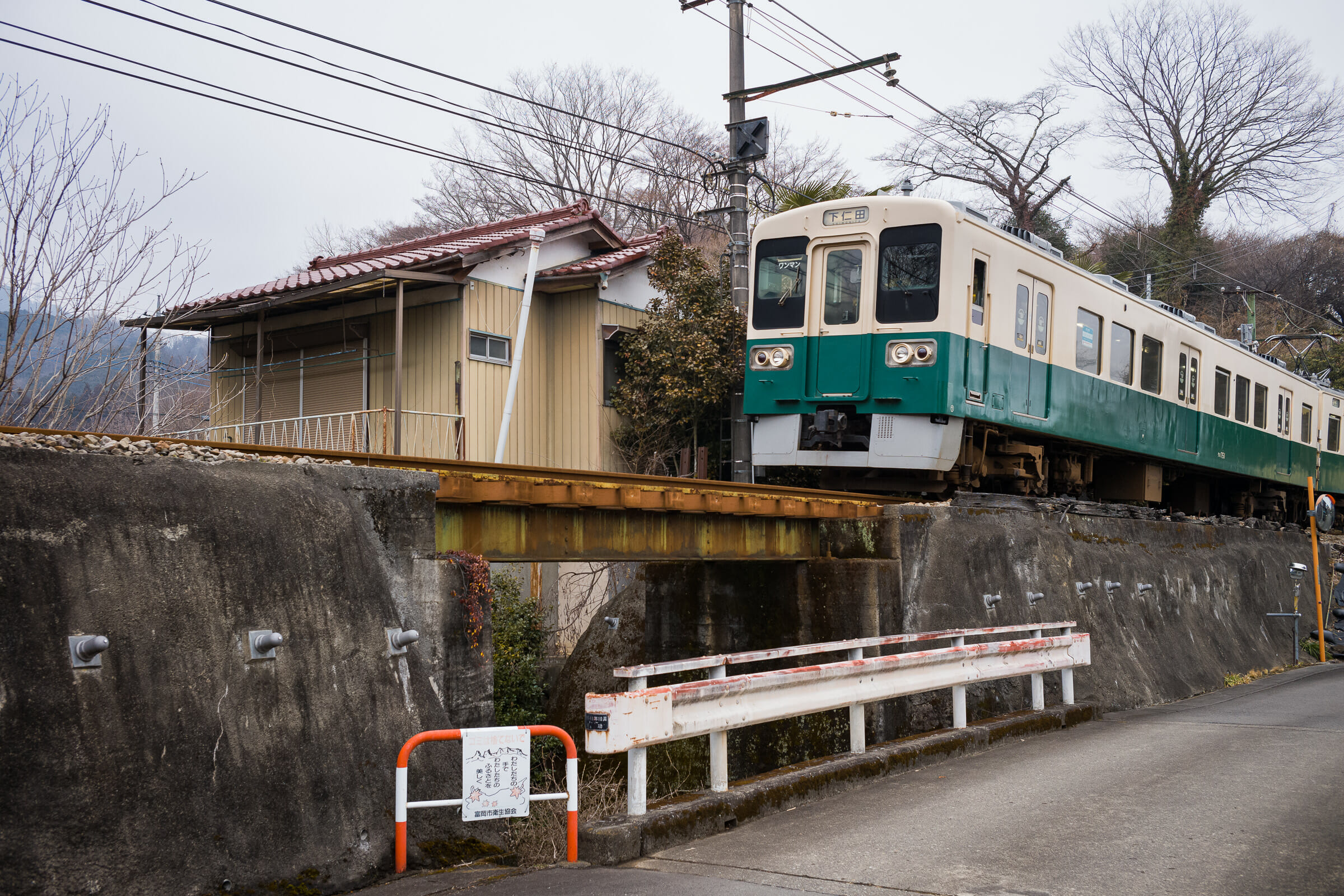
Only a few hours north of Tokyo, and located rather appropriately at the end of a local train line, Shimonita is primarily an agricultural settlement, which in itself isn’t exactly an industry that attracts or retains younger residents. A factor that was immediately evident when walking around, as the few people we did see were almost all elderly. Something the population stats also confirm, as after peaking at 22,450 residents in 1950, that number was down to just over 7,000 in 2020, and as the biggest drops have all happened since the turn of the century, it’s a trend that’s only going to continue.

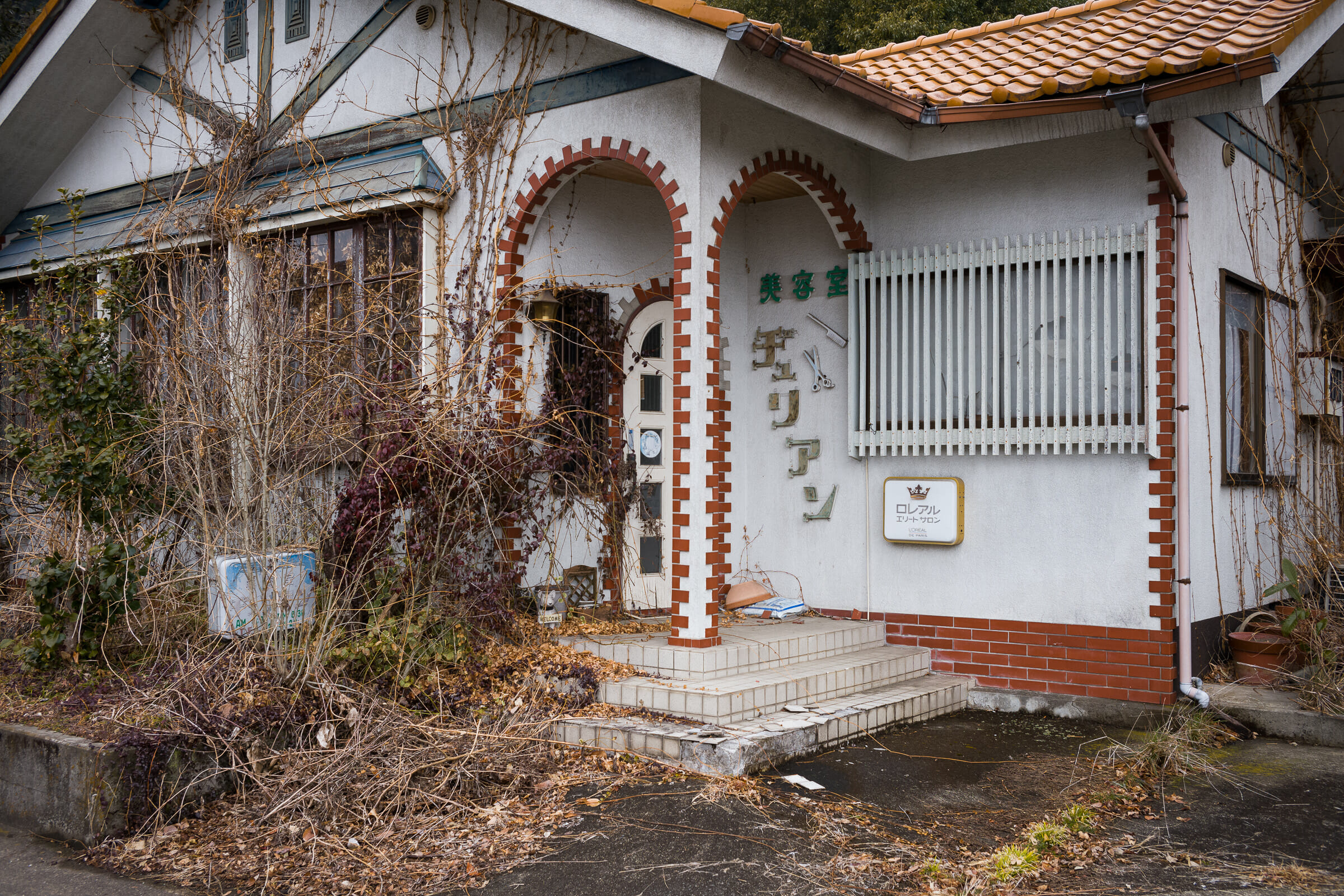
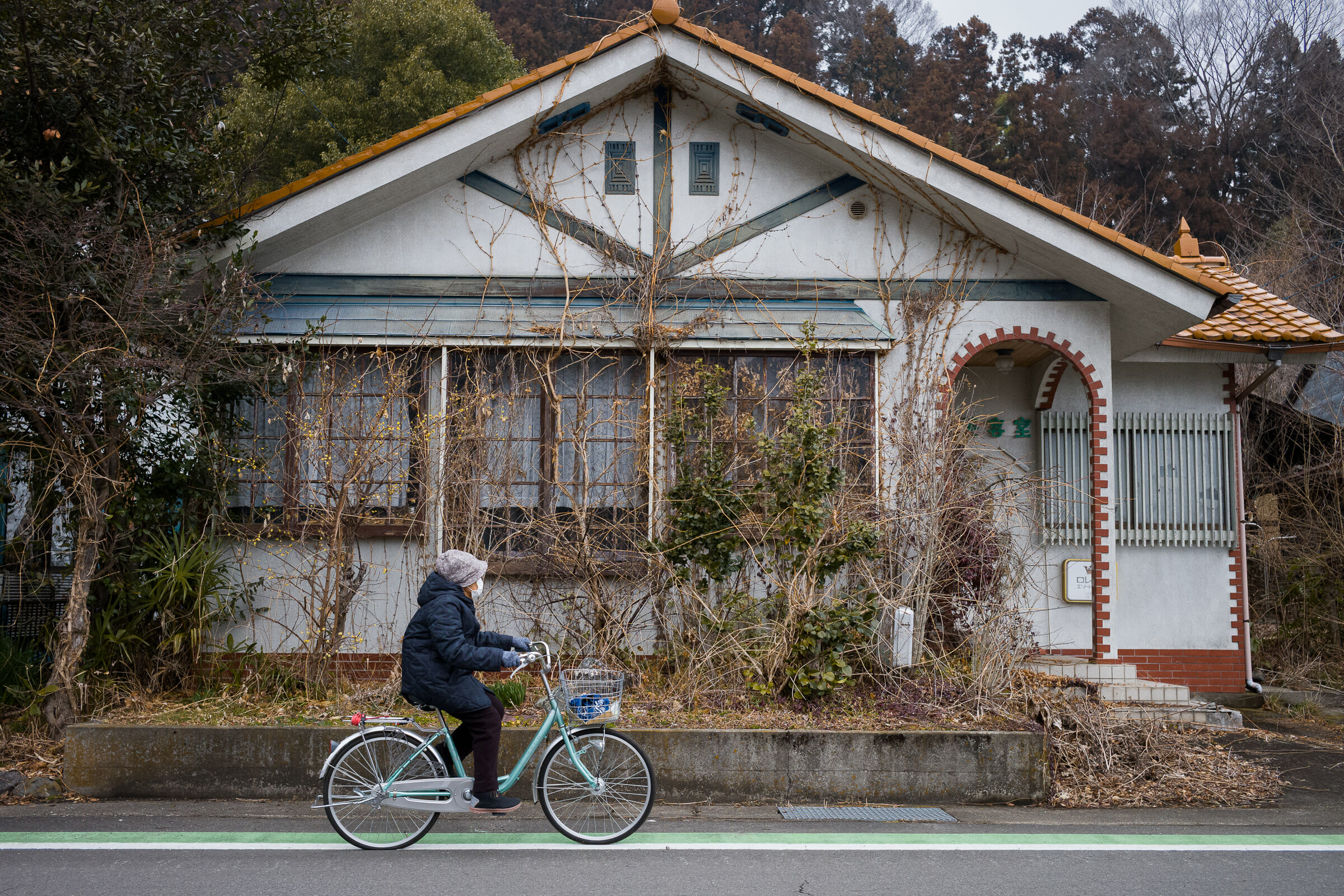
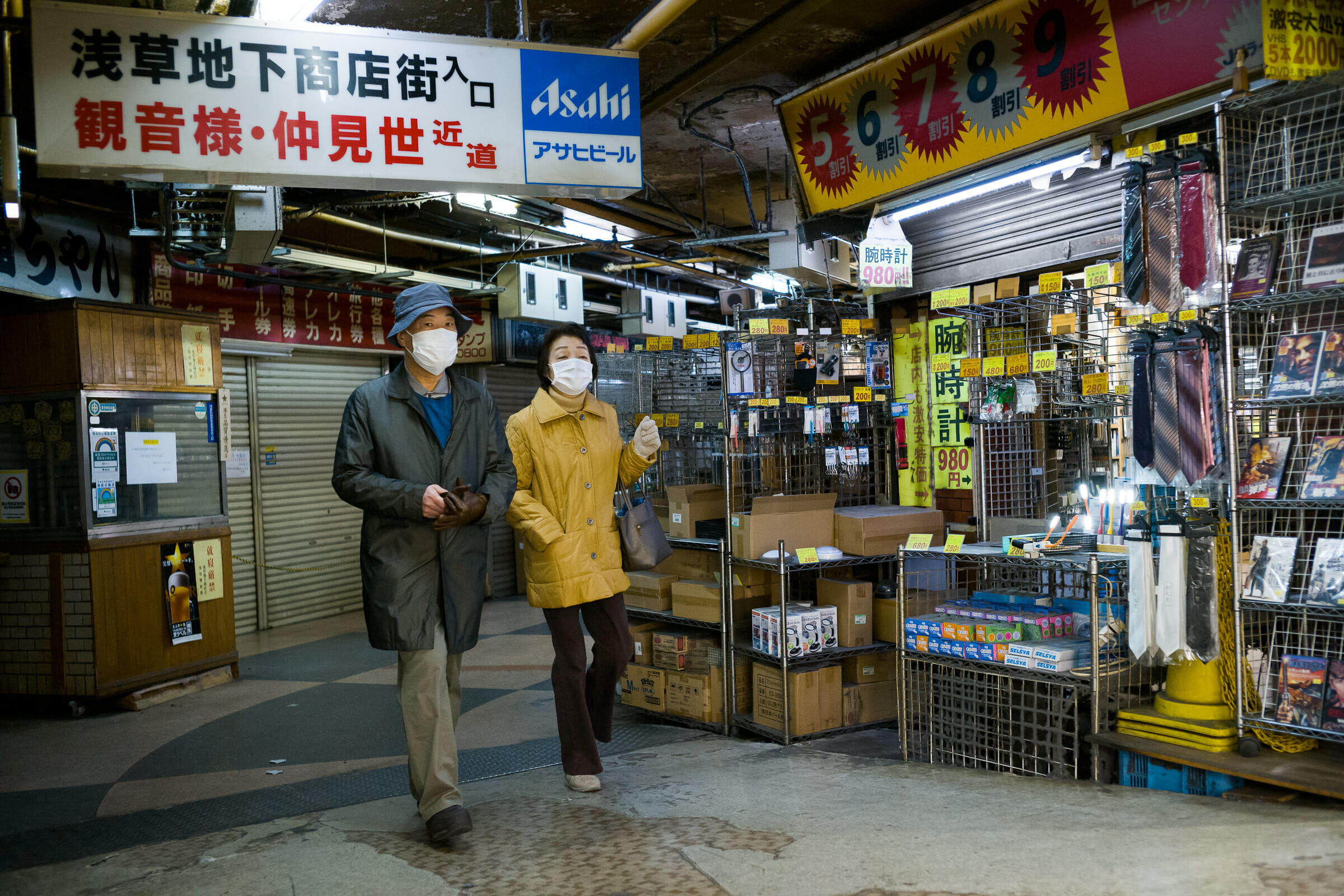
With all that in mind, the future looks bleak for not only Shimonita, but all the other places just like it, and yet for me at least, it’s this very aspect that makes them so fascinating. Wandering the quiet streets leaves so much to the imagination, with hints about the lives that have been lived there on almost every corner, and in each abandoned building or shuttered up shop front. Stories that in their own way still survive, at least as long as the buildings do anyway, but when they eventually disappear, there really won’t be much left to remember at all.

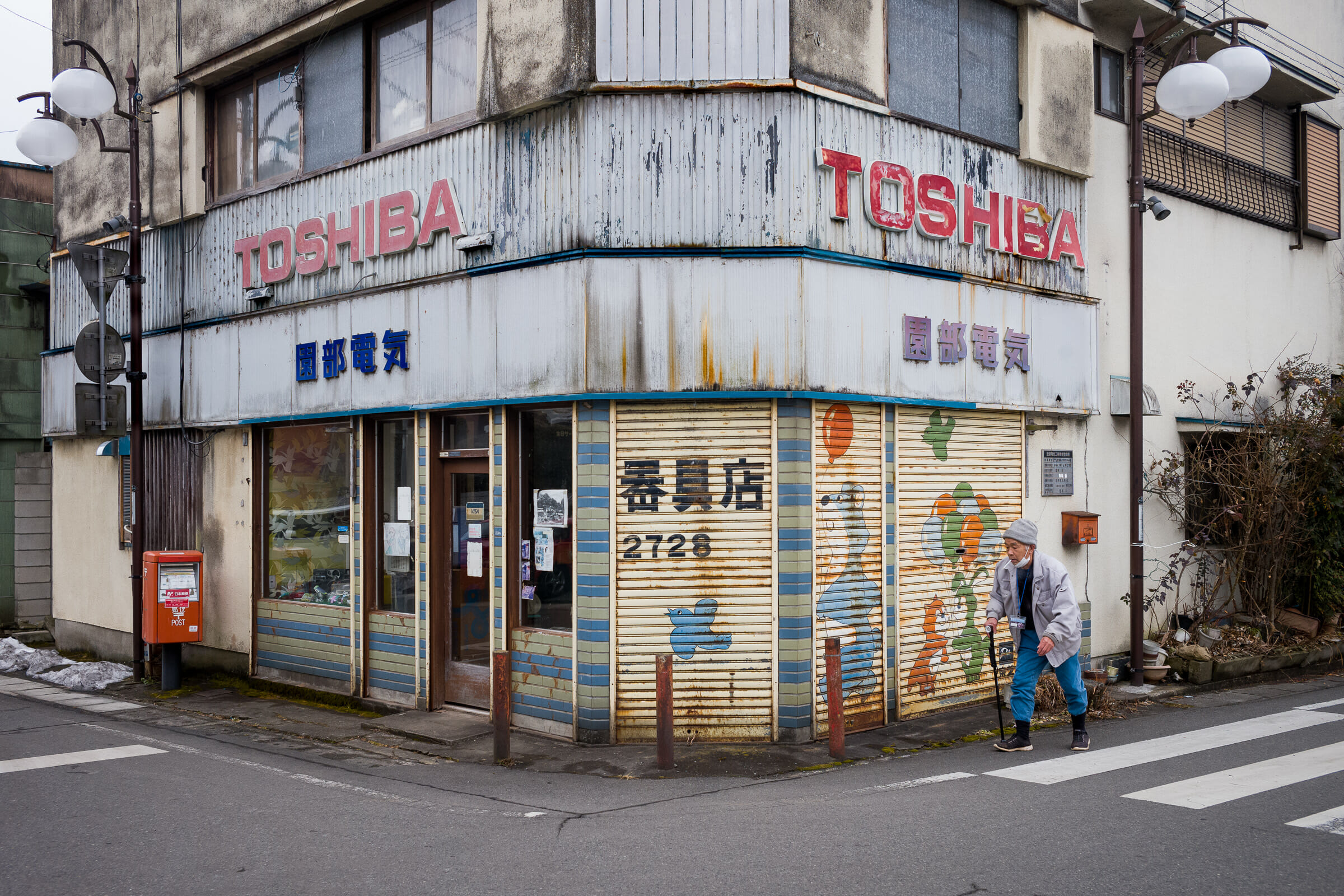
a faded and disappearing old Japanese town

a faded and disappearing old Japanese town

a faded and disappearing old Japanese town

a faded and disappearing old Japanese town

a faded and disappearing old Japanese town

a faded and disappearing old Japanese town

a faded and disappearing old Japanese town

a faded and disappearing old Japanese town

a faded and disappearing old Japanese town

a faded and disappearing old Japanese town

a faded and disappearing old Japanese town

a faded and disappearing old Japanese town

a faded and disappearing old Japanese town

a faded and disappearing old Japanese town

a faded and disappearing old Japanese town

a faded and disappearing old Japanese town

a faded and disappearing old Japanese town

a faded and disappearing old Japanese town

a faded and disappearing old Japanese town

Categorized: Photography

Feb 25 2022 8 Comments

The Tokyo of yesteryear photographed yesterday

the Tokyo of yesteryear

Categorized: Photography

Feb 22 2022 16 Comments

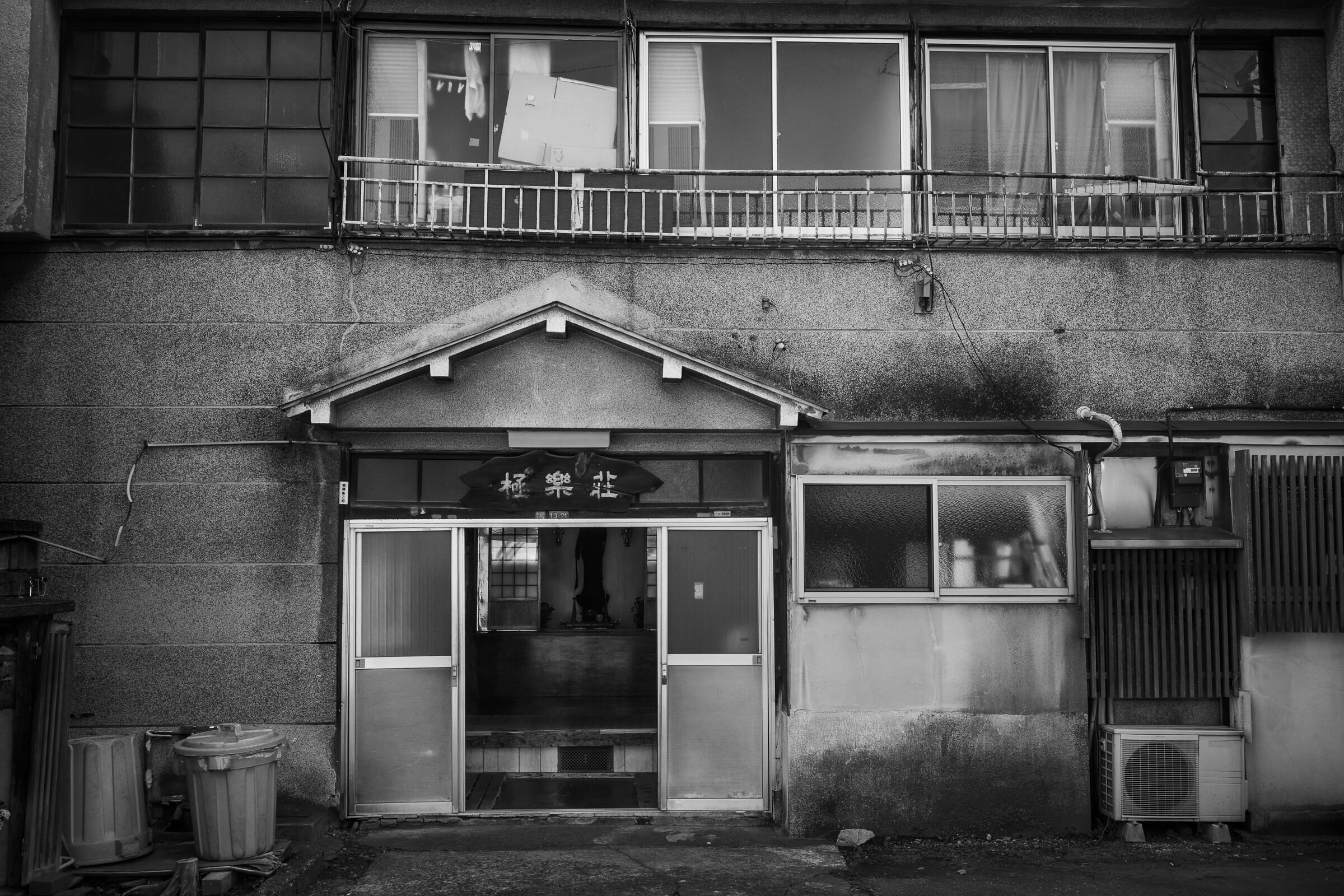
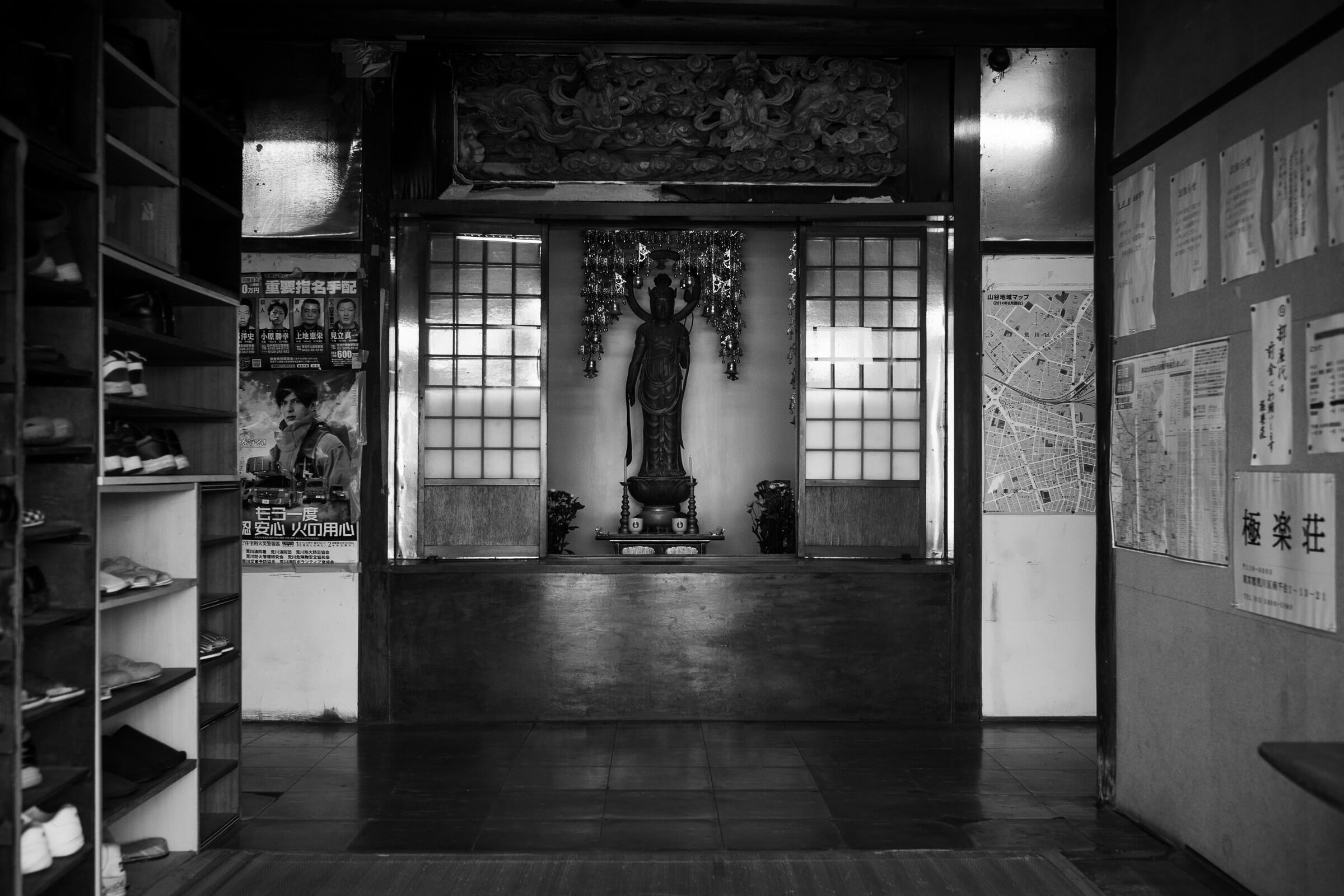
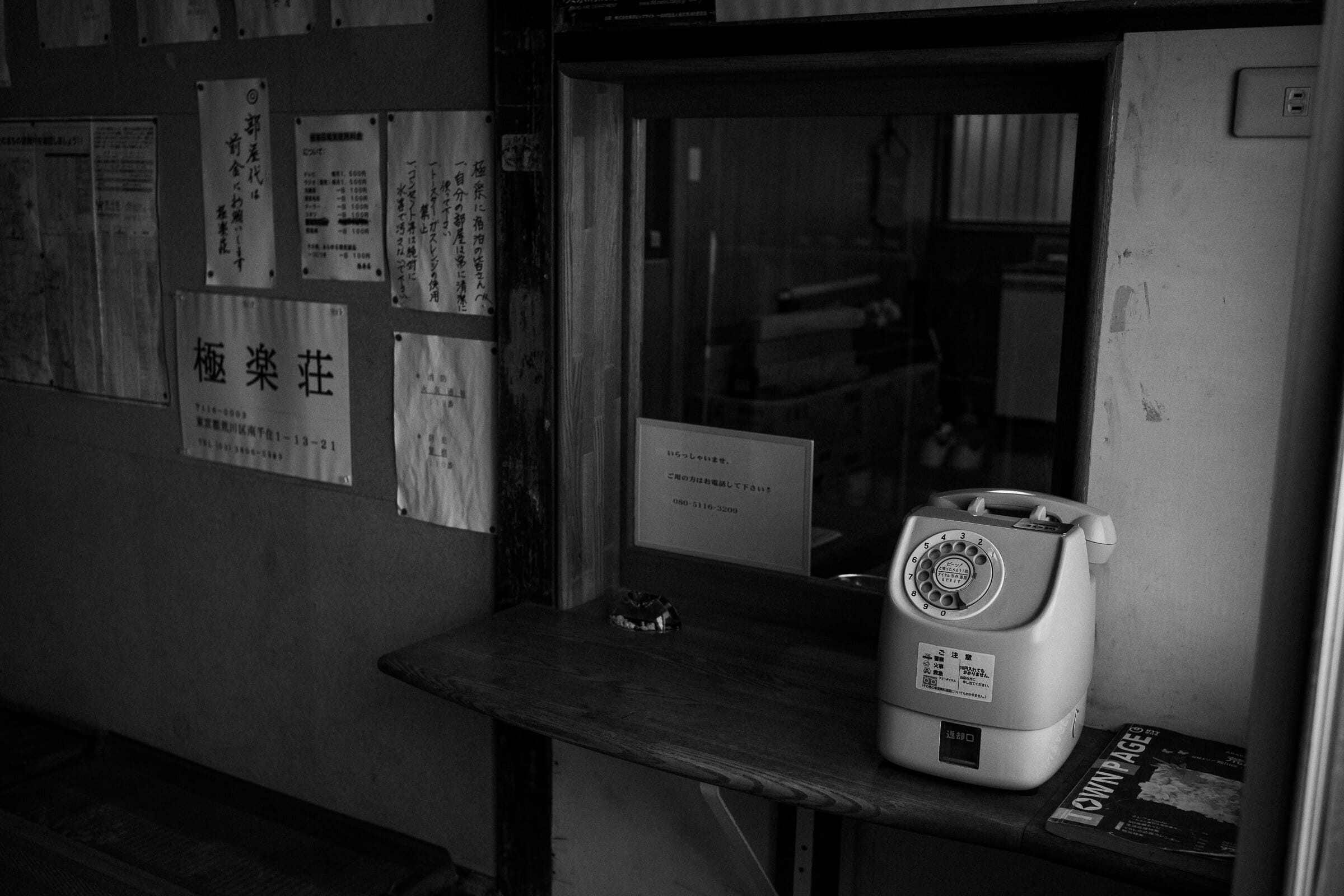
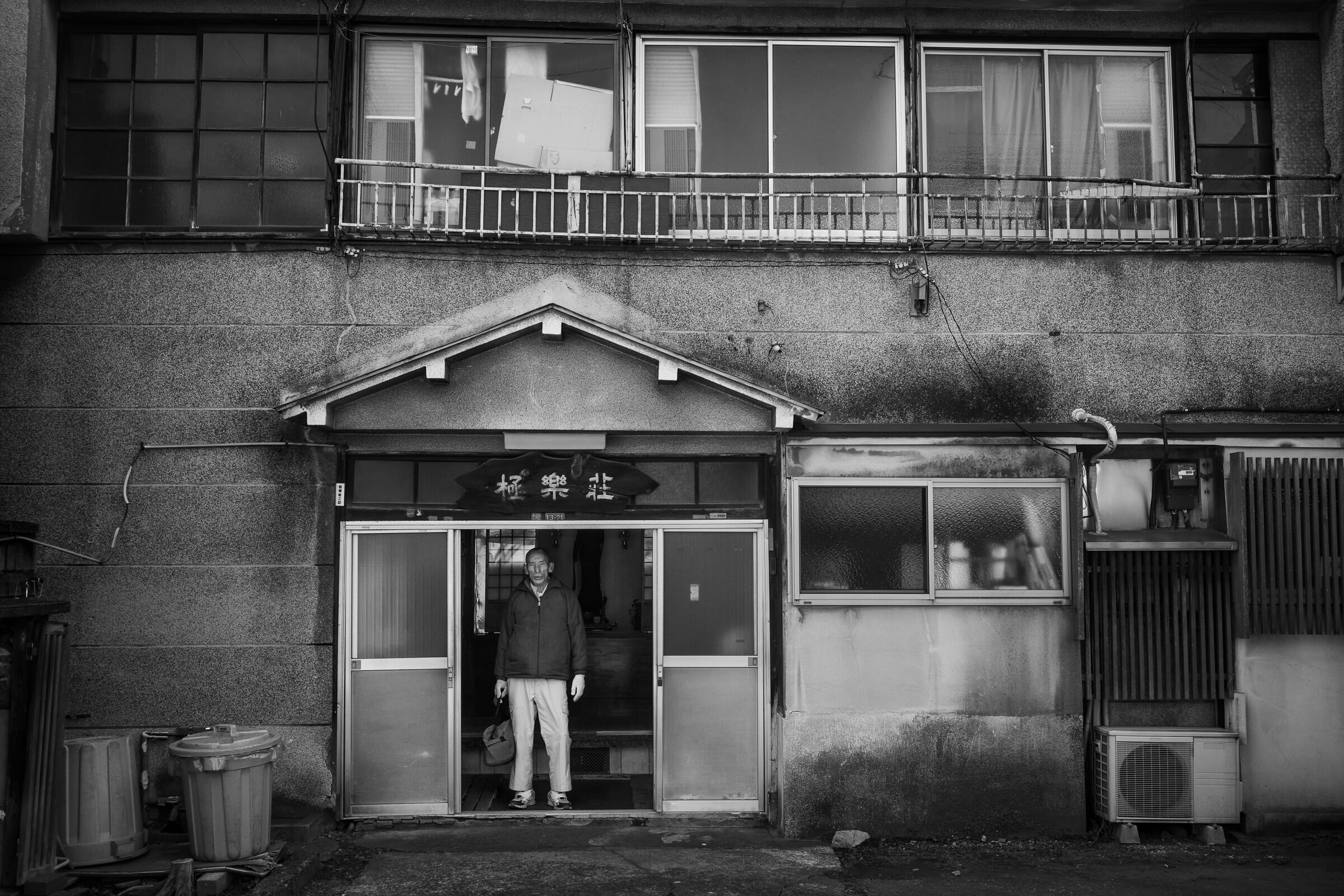
A Tokyo ryokan that’s not for tourists

Over the last few weeks I’ve documented some of the older accommodation that can be found in Japan, from a massive and unique looking public housing complex, to a narrow street of mostly wooden, post-war Tokyo homes. With those photos in mind, the incredibly dated ryokan below is in many’s ways quite comparable, and yet at the same time it’s also markedly different.

Ryokan, or traditional Japanese inns, have an image of large rooms, fancy food and relaxing hot baths — aspects that are generally true in tourist spots such as Kyoto and Hakone. On the other hand, ryokan can also be a cheap and cheerful option catering to the likes of traveling salesman and construction workers. The latter being lodgings where you get exactly what you pay for, which generally isn’t very much.

This ryokan, however, is cheaper still, with long-term stays welcome, and where prices start at just ¥1,200 a night. Considering the number of shoes stowed by the entrance, and the time of day I took the photos, it would appear that people staying for extended periods is very much the norm as well. A predicament that’s about as far from the usual image of life in Tokyo as this ryokan is in regards traditional Japanese accommodation.
an old and faded long stay Tokyo ryokan

an old and faded long stay Tokyo ryokan

an old and faded long stay Tokyo ryokan

an old and faded long stay Tokyo ryokan

Categorized: Photography

Feb 18 2022 13 Comments

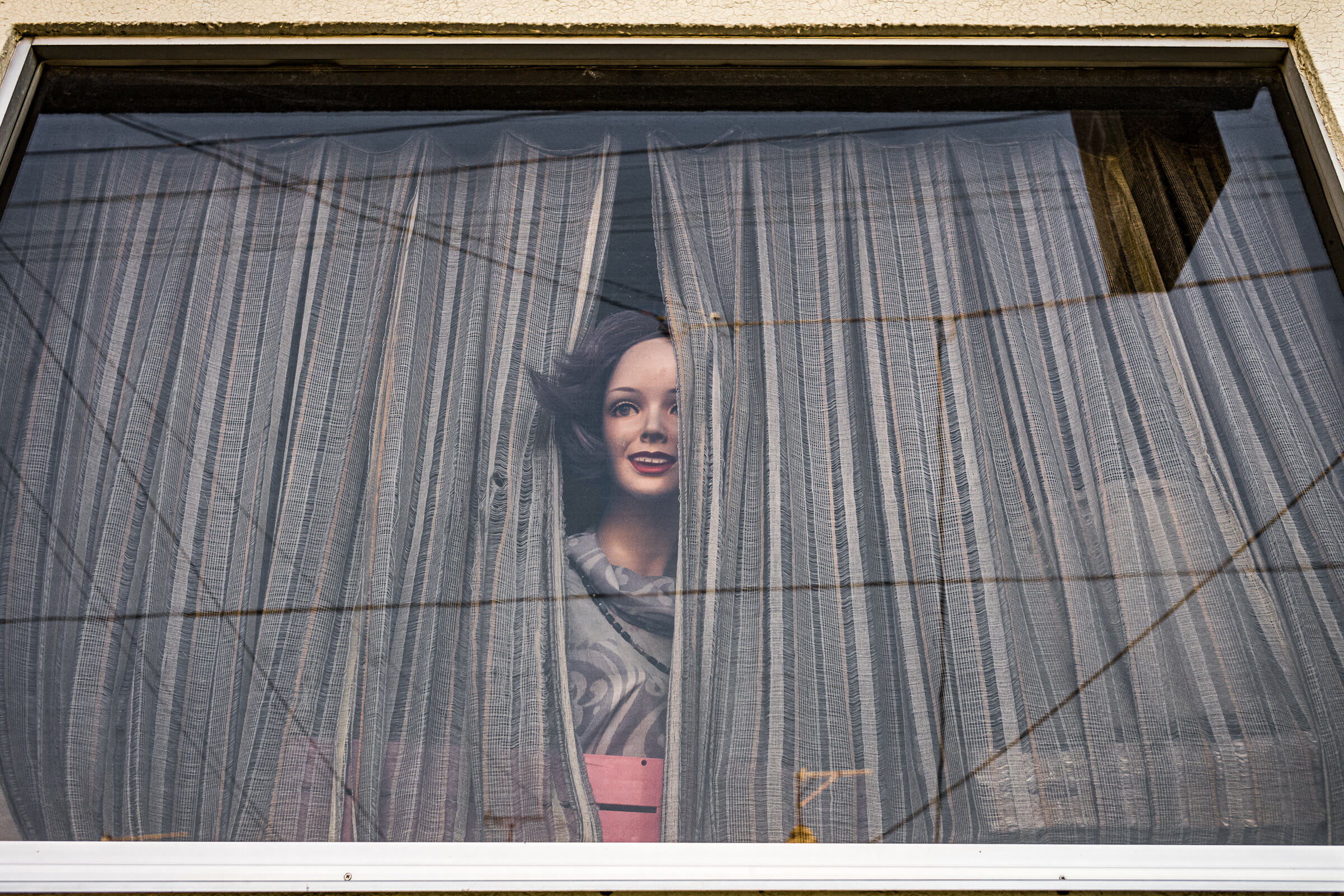
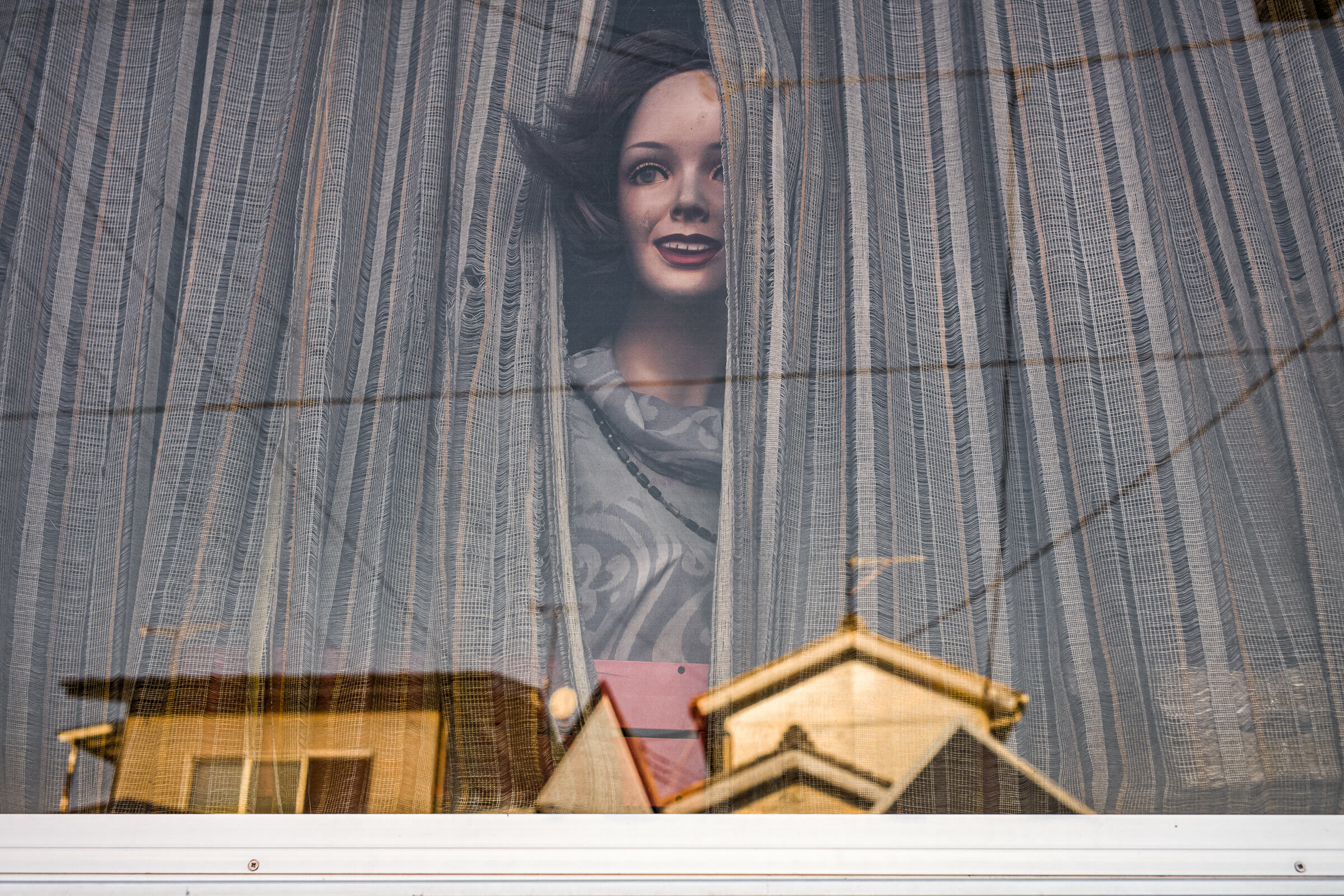
Looking in and out of an old Japanese beauty salon

Do old shop mannequins dream of outdoor adventures?

Do old shop mannequins dream of outdoor adventures

Do old shop mannequins dream of outdoor adventures

Categorized: Photography

Feb 15 2022 17 Comments

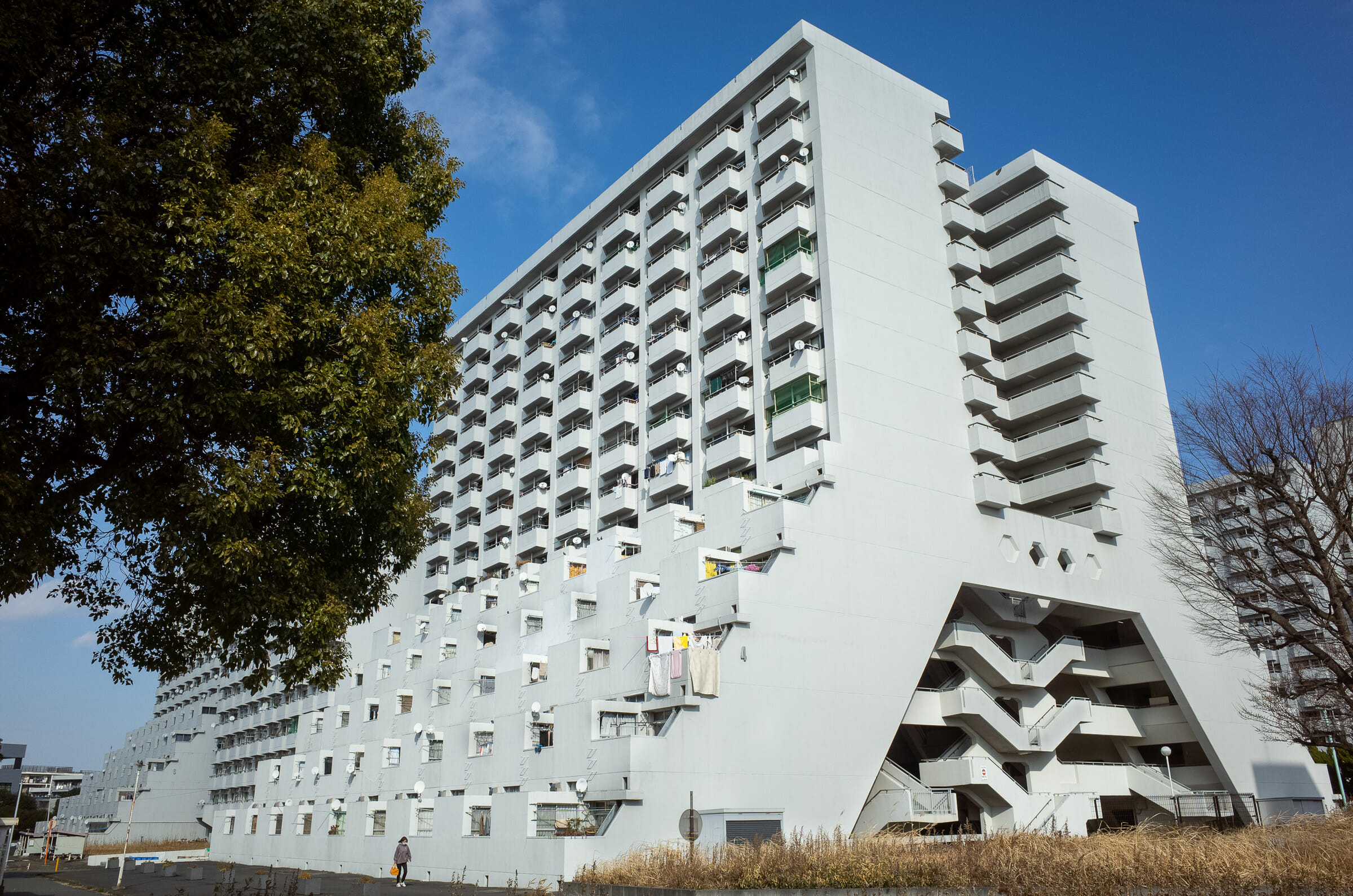
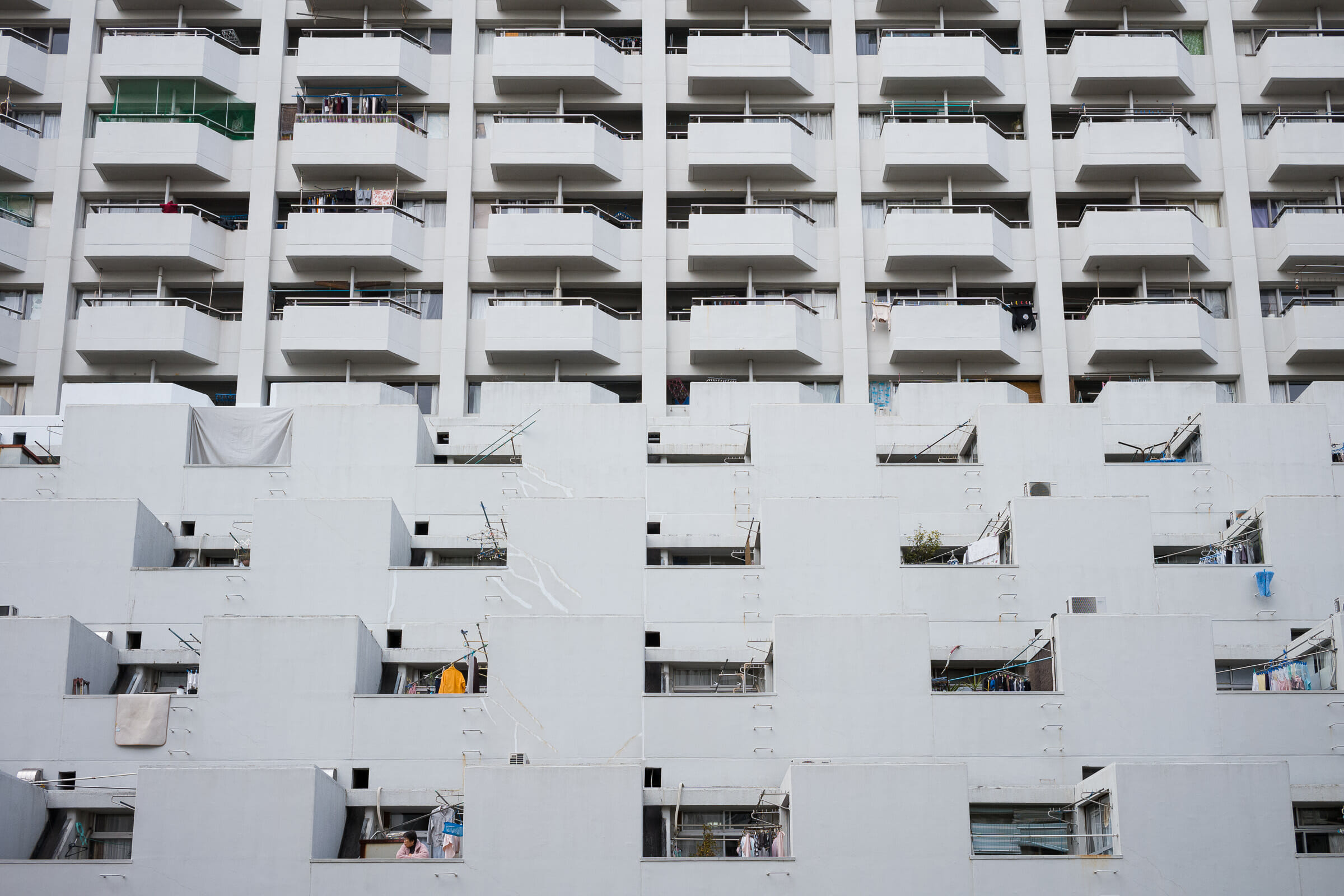
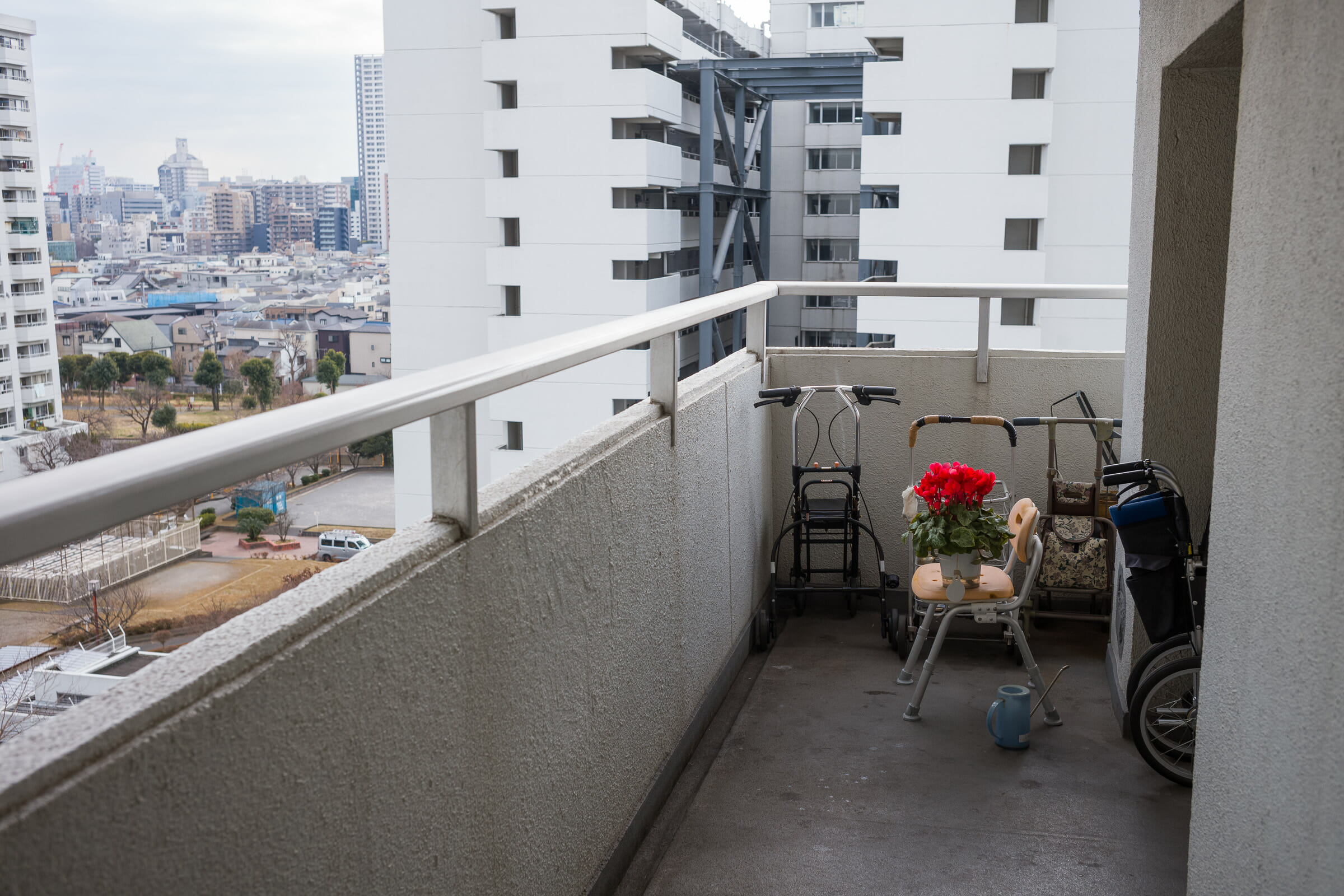
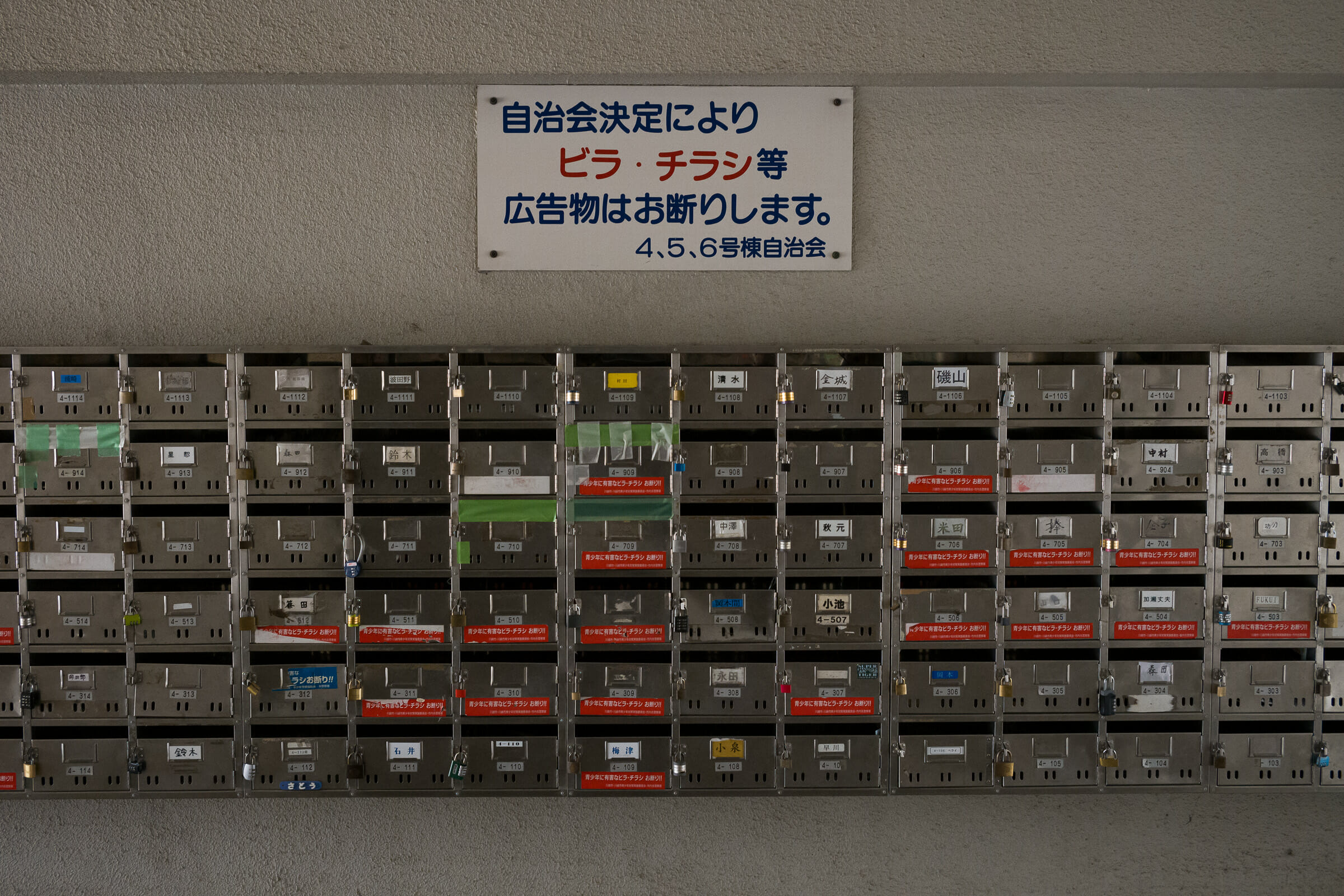
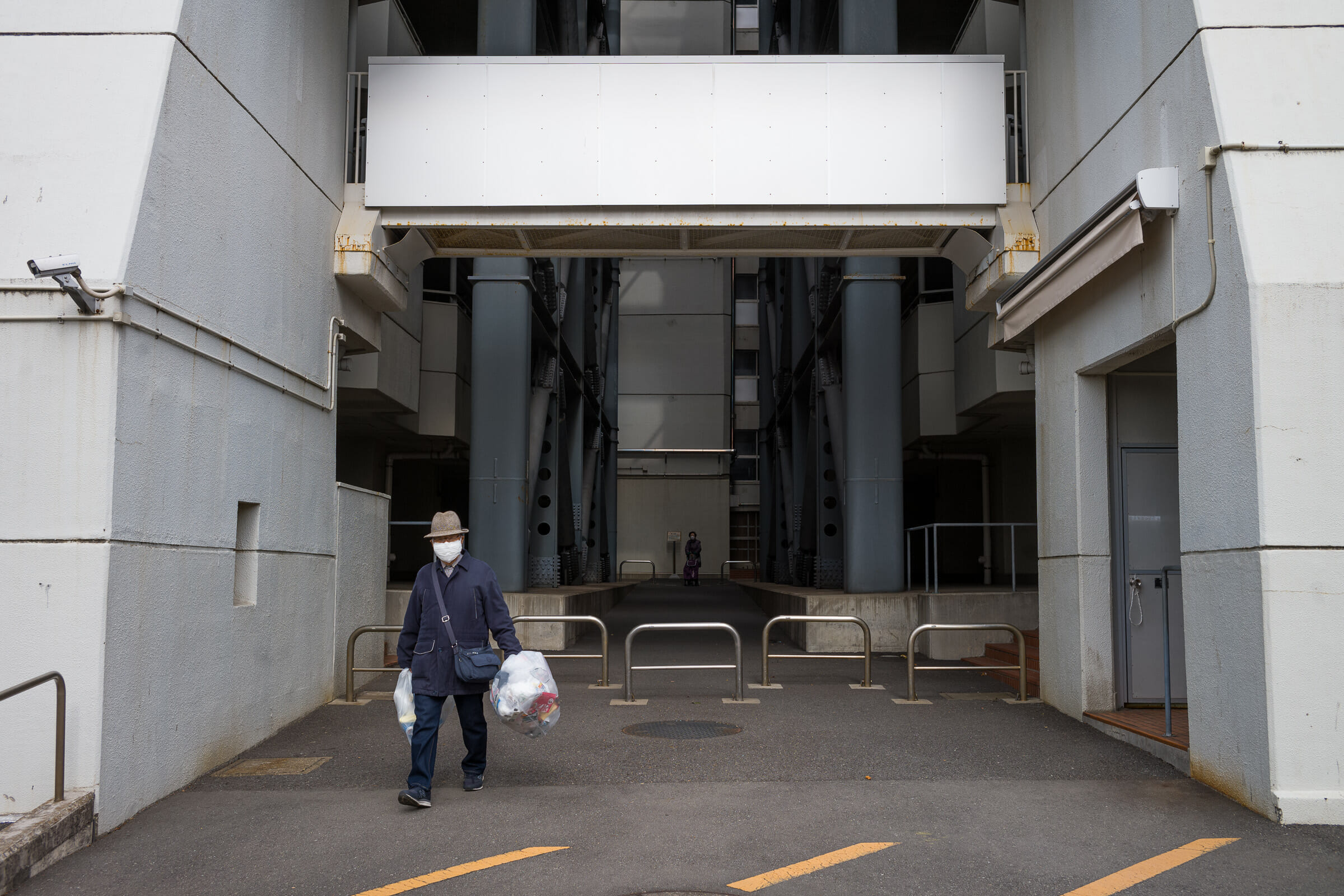
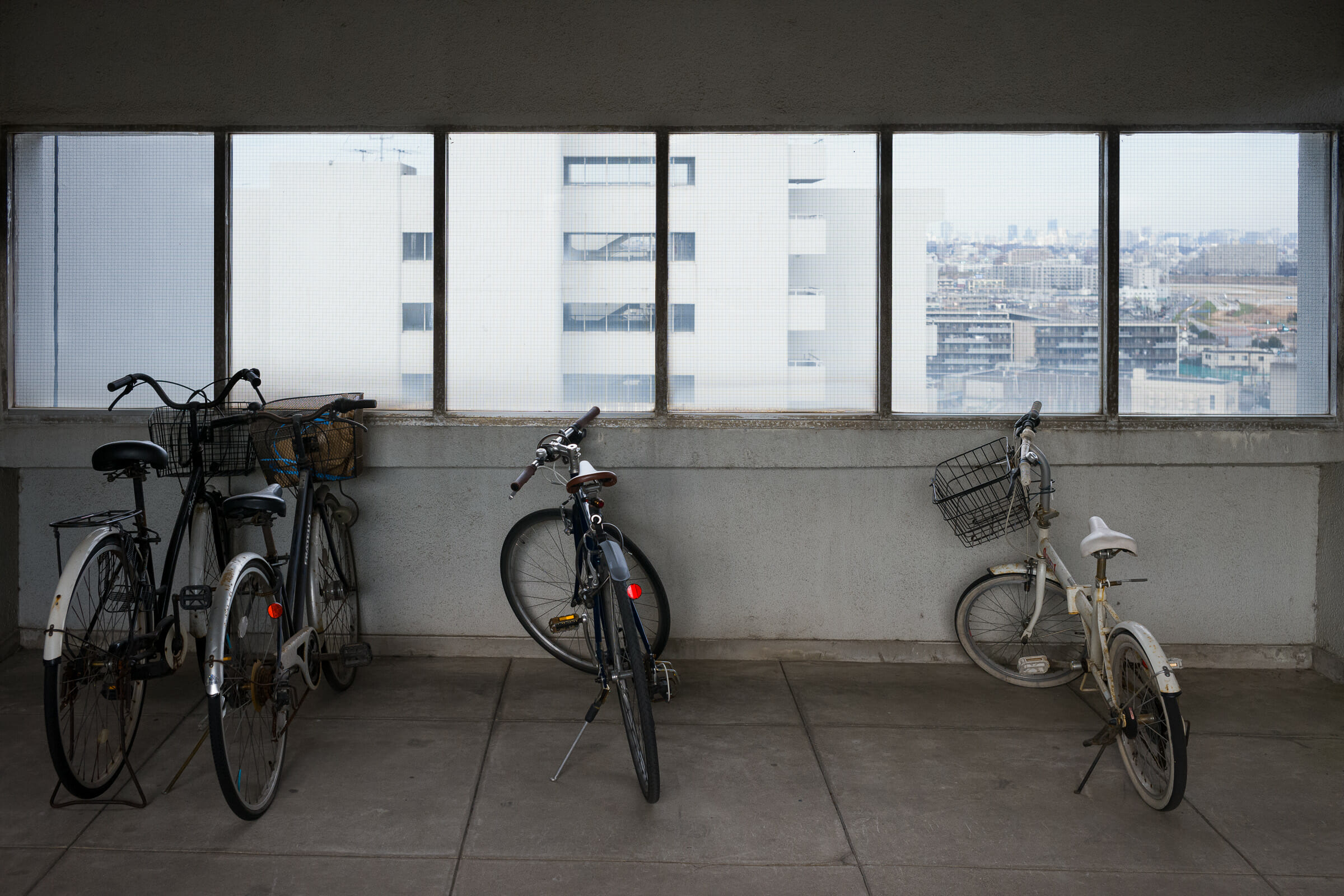
Japanese housing of the future, from the past, in the present

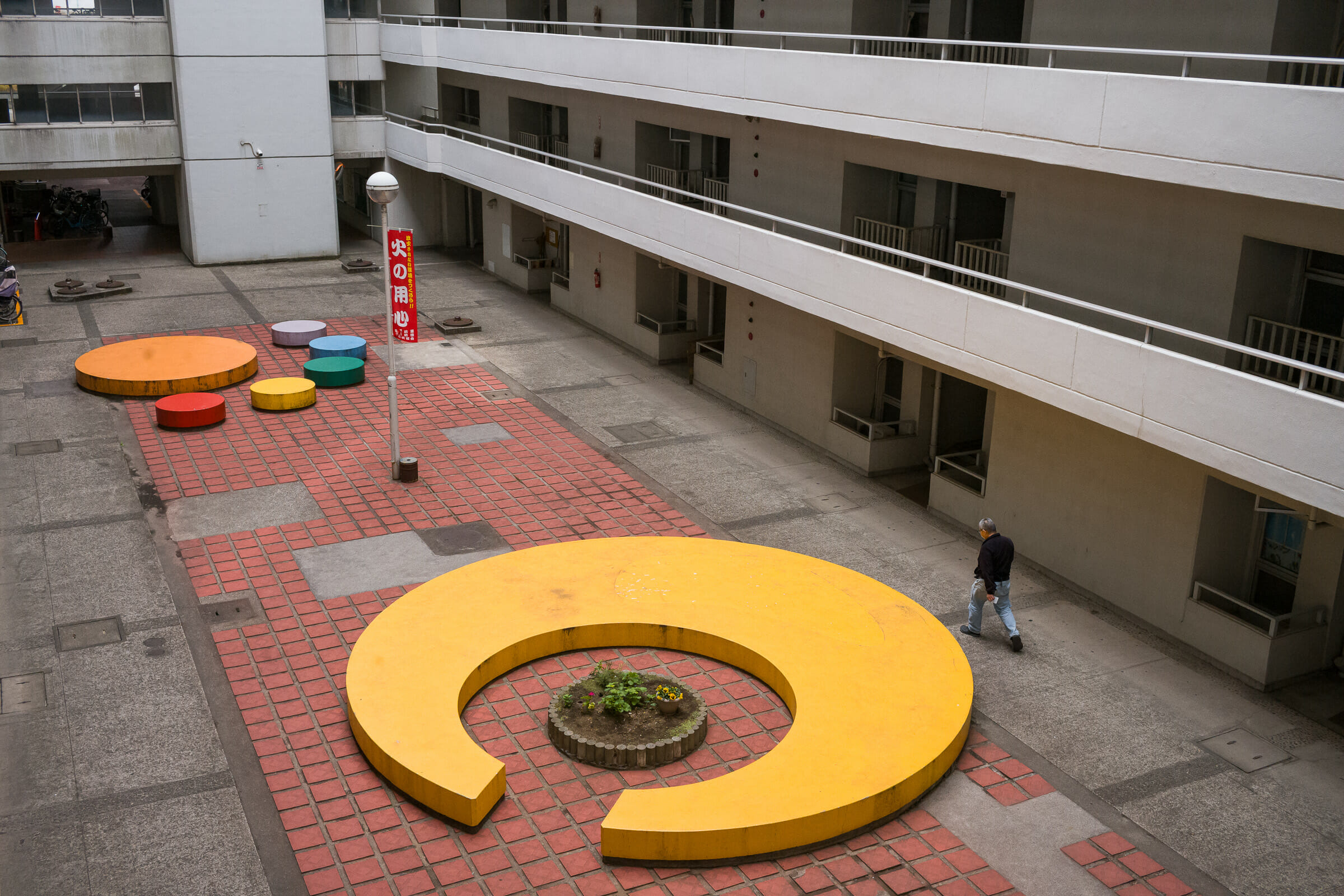
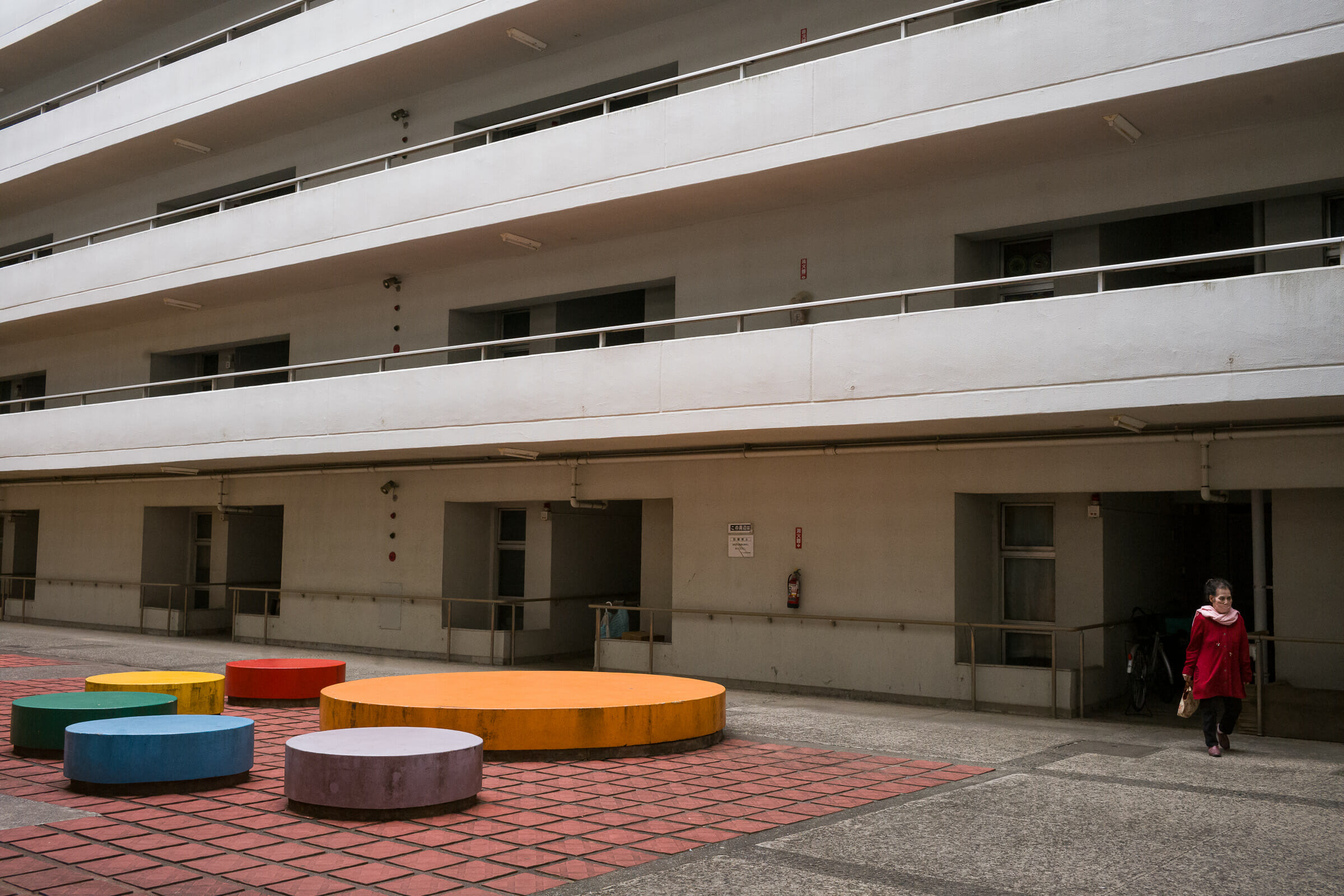
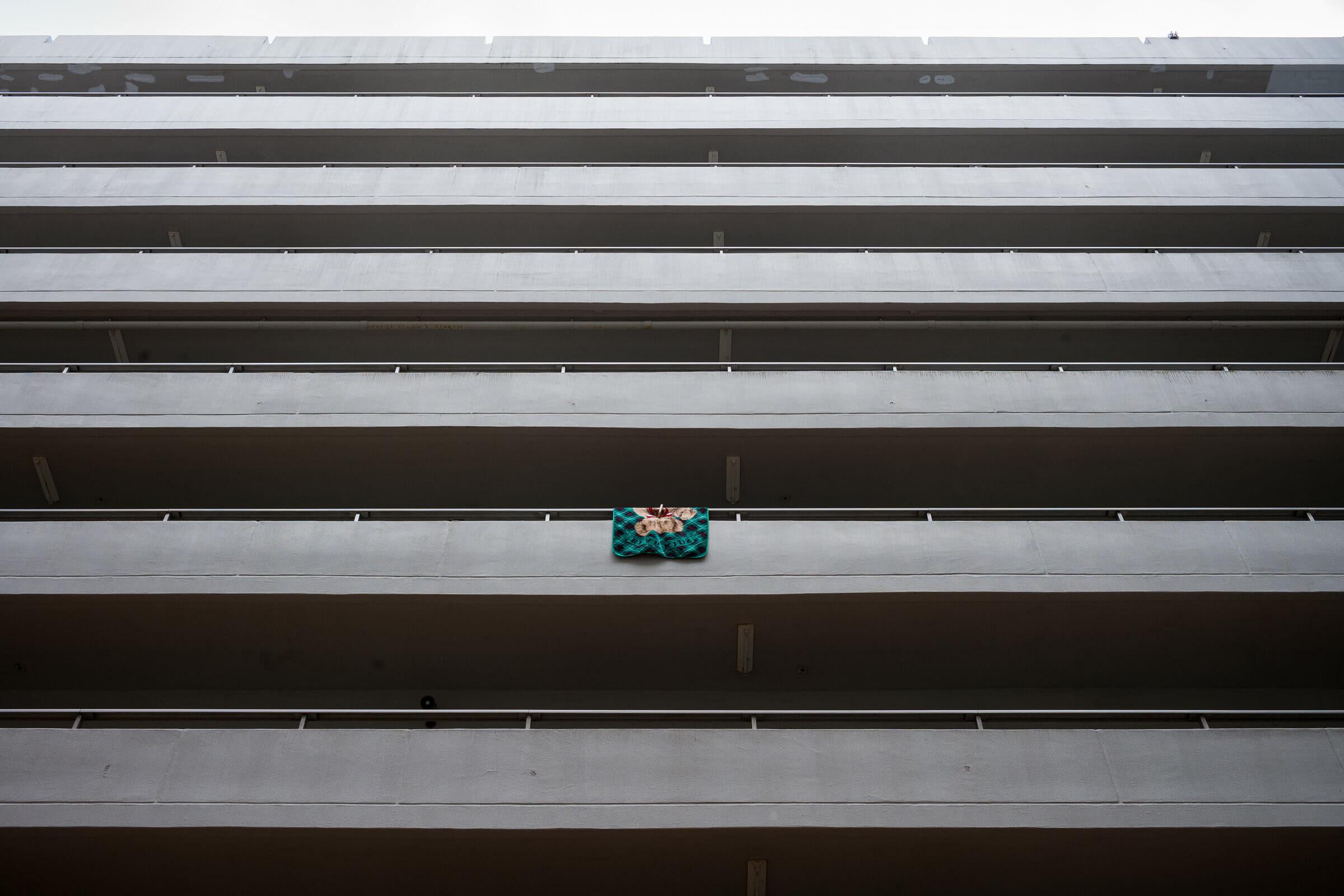
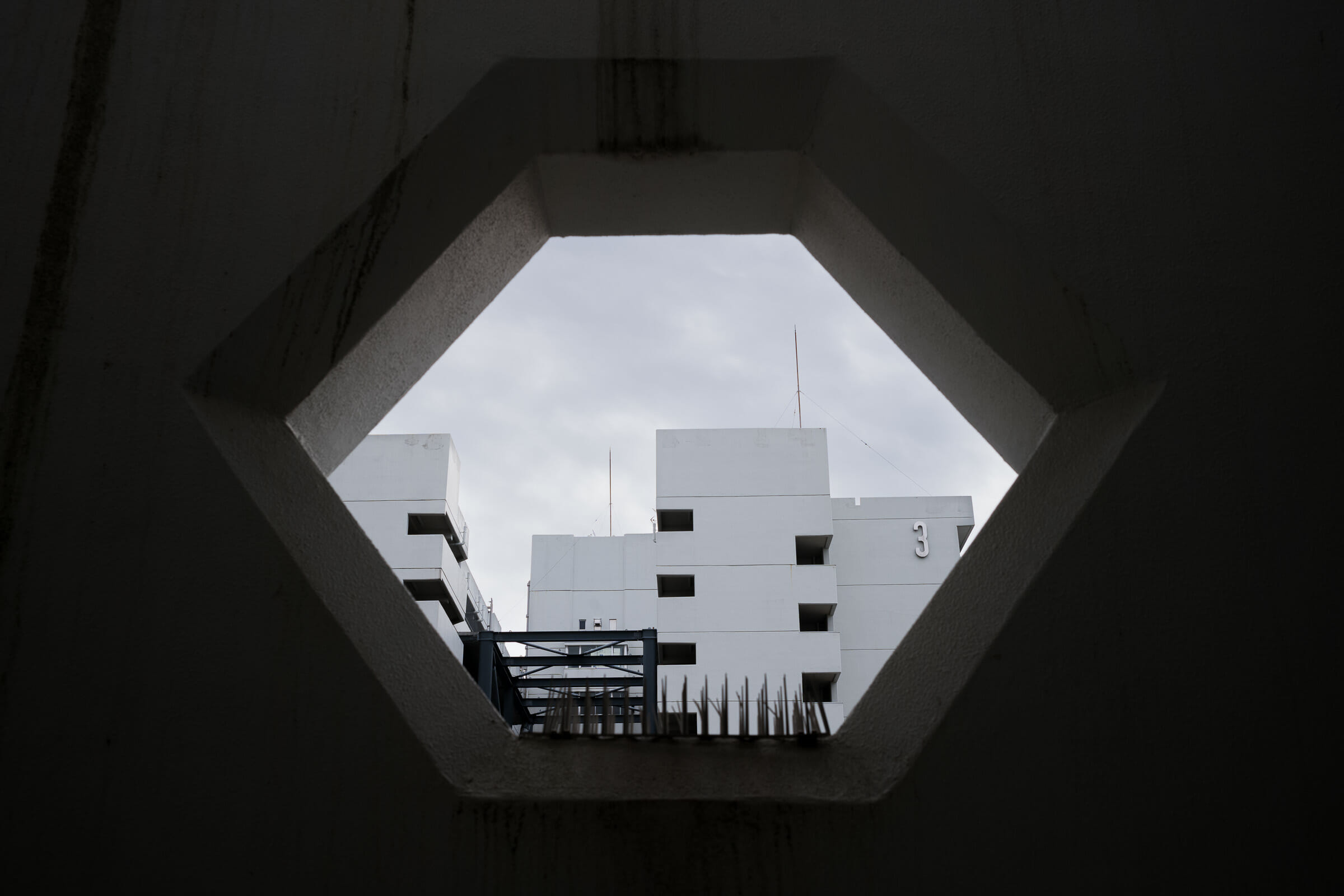
Last week I posted photos of an old and incredibly traditional Tokyo street. A tightly packed little road lined with small wooden houses — the type of scenery and accommodation that must have once dominated the rapidly expanding capital.
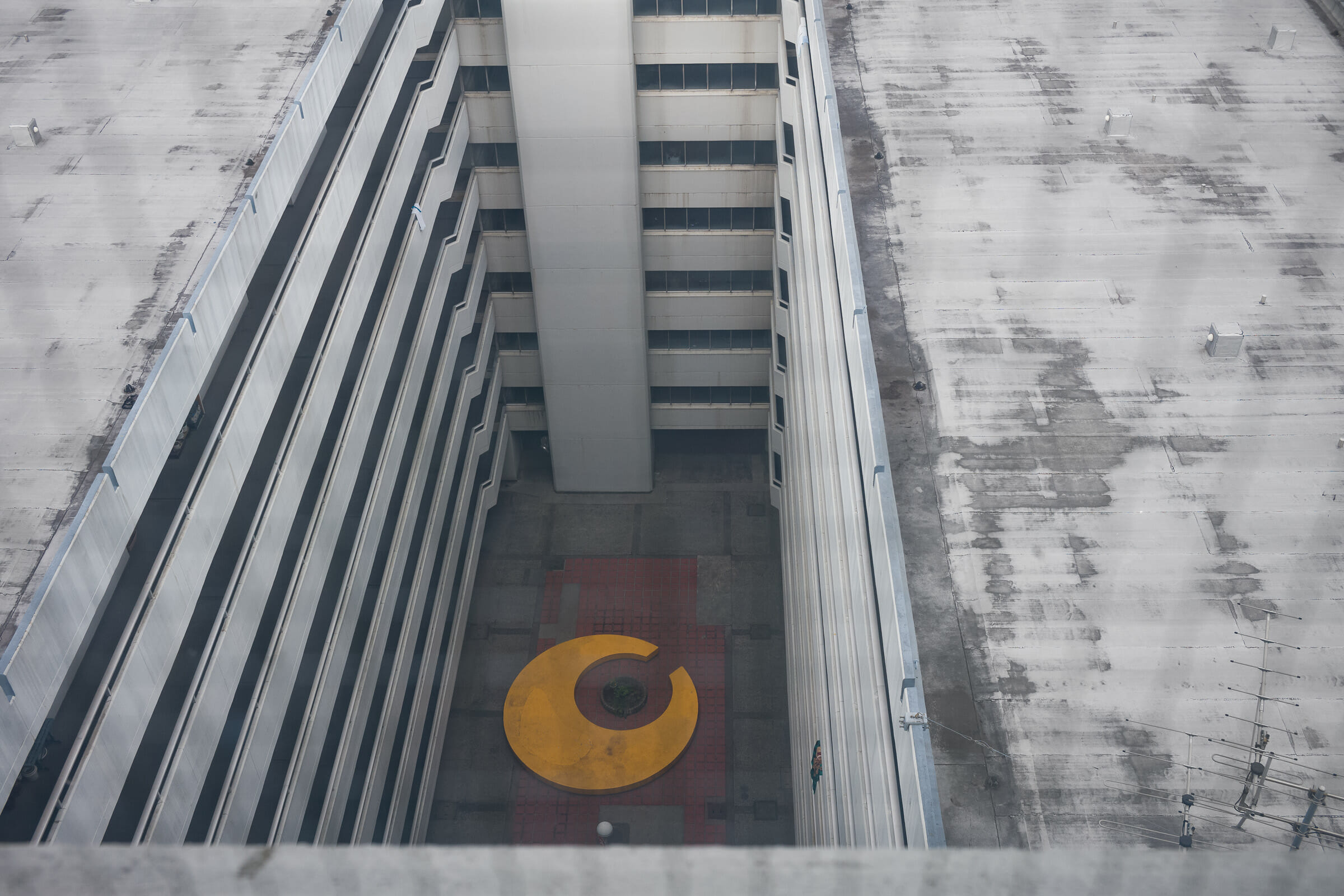
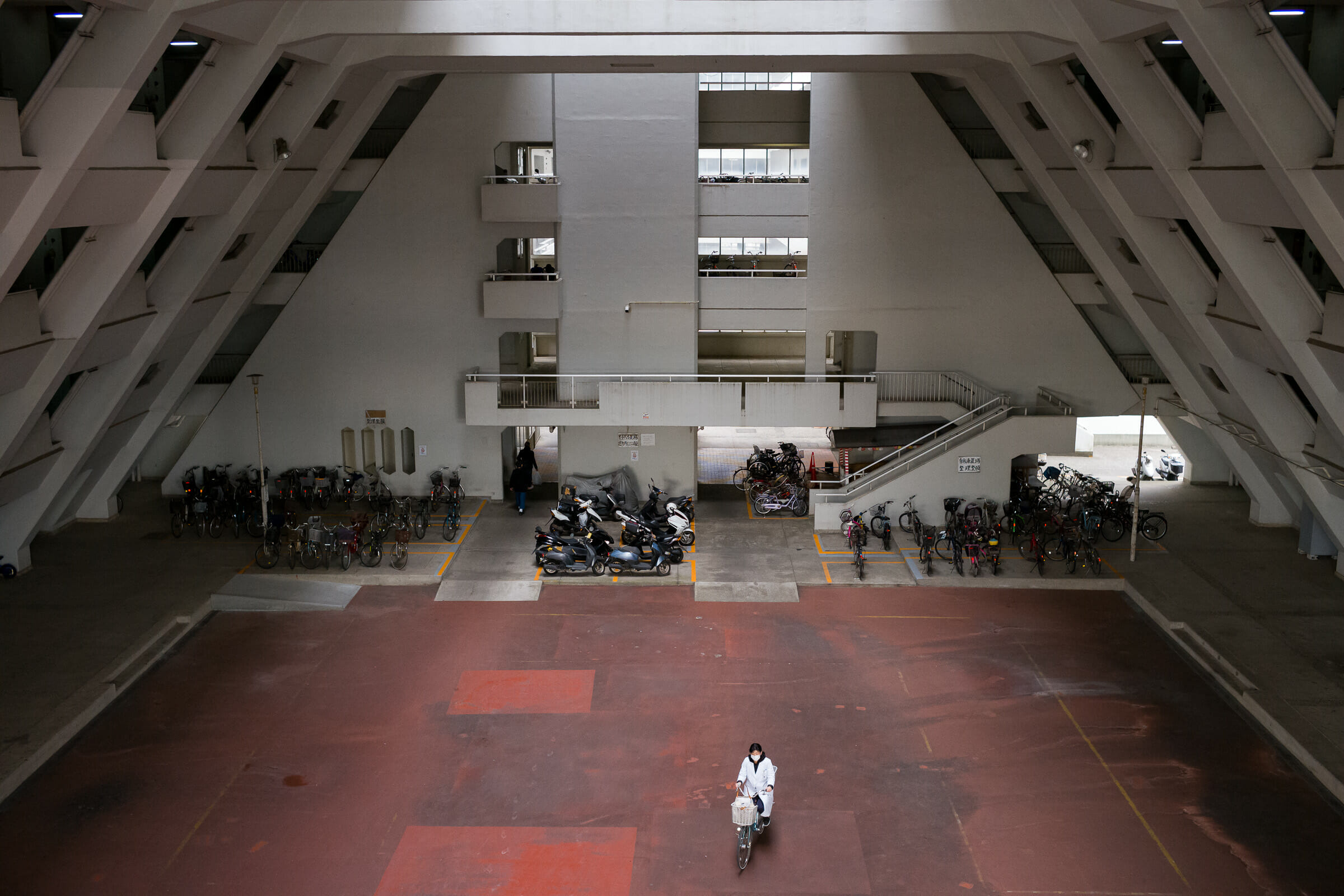
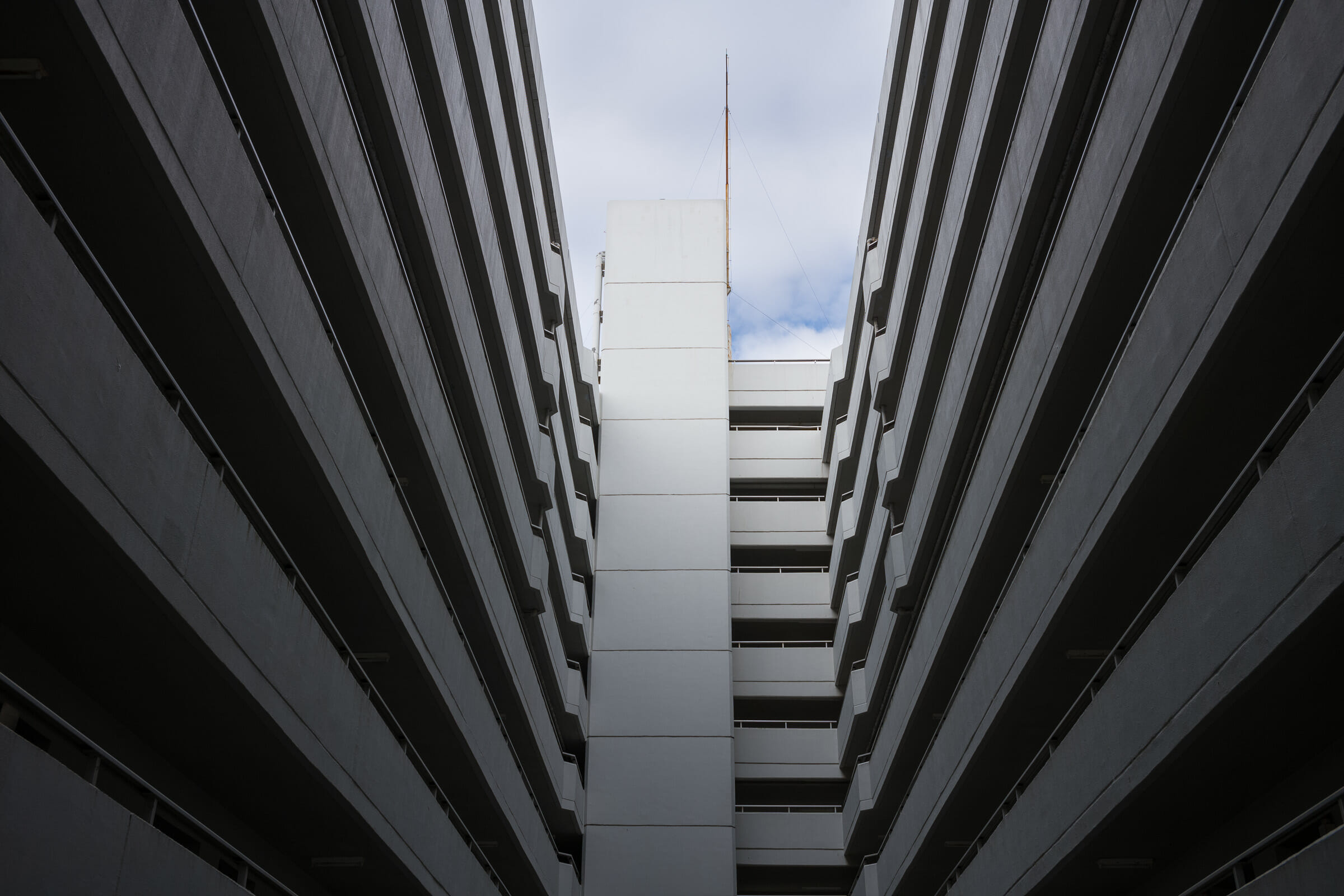
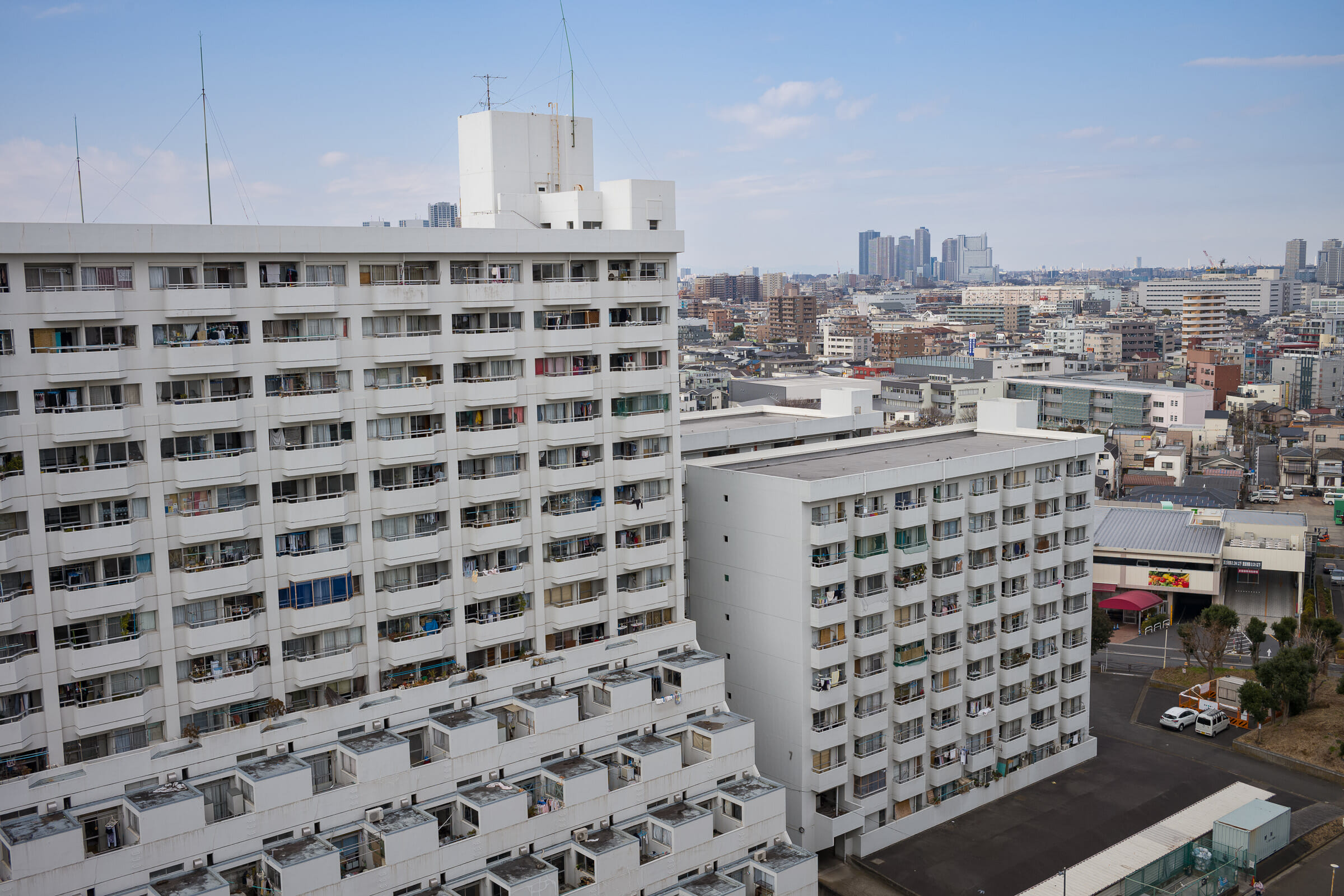
That post-war growth, accelerated further by an increasing number of young, middle class families looking to move into the suburbs, created a housing crisis that resulted in the mass construction of concrete tower blocks of varying heights and sizes. The initial design and all-important efficiency of which was at least partly influenced by Soviet Khrushchyovka. Known as danchi, these government projects primarily offered affordable, but at the same time modern and well-equipped apartments.
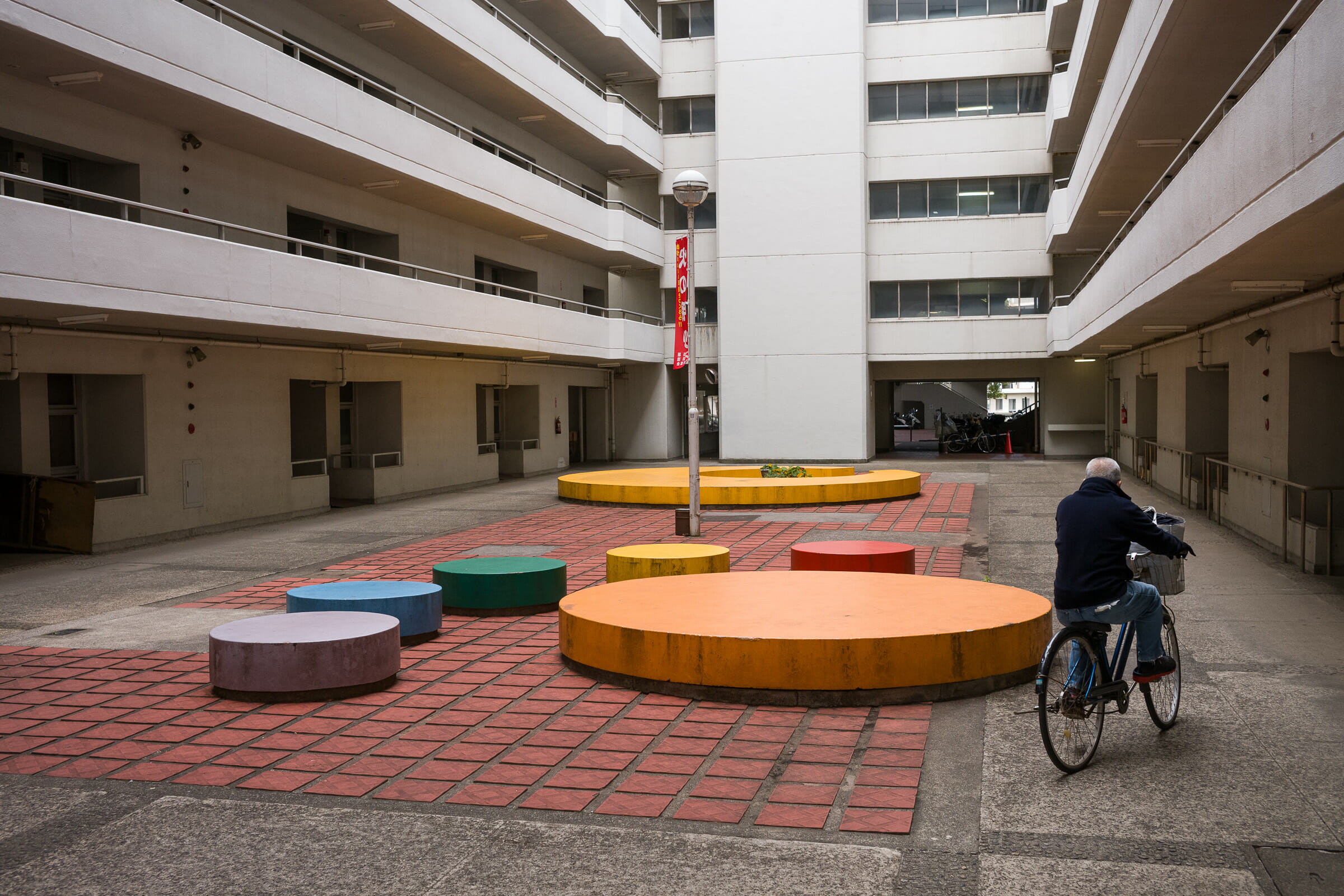
The rush to build, and the similar rush of people wanting to move into these state-of-the-art concrete estates eventually peaked in the early 1970s, when the authorities officially determined that the housing crisis was over. A decision that, planned or otherwise, resulted in the slow, perhaps inevitable decline of the once fabled danchi, both in regards reputation and actual real estate.

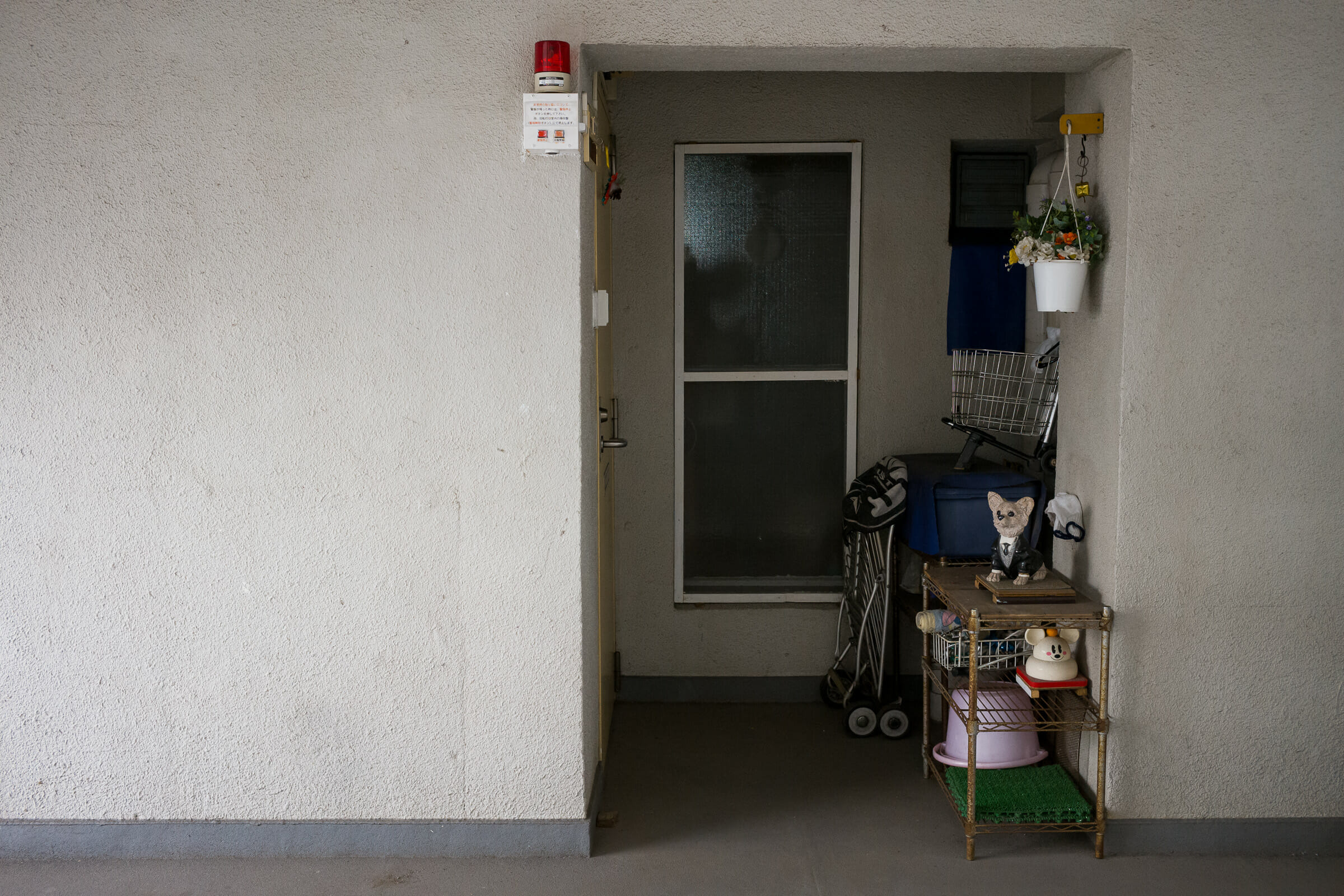
These days, a lot of those early structures have already been demolished, with many more set to follow, yet a huge number of buildings still remain, and having initially moved in with their young, or soon to be young families, a considerable number of those early residents have stayed on. Nowadays, however, they are old, often alone, and their surroundings are far from ideal when it comes to the needs of the elderly. Isolation due to limited mobility and a dwindling network is an obvious problem, and along with other hardships, it has given rise to the terribly sad phenomena of kodokushi, or lonely, unnoticed deaths.

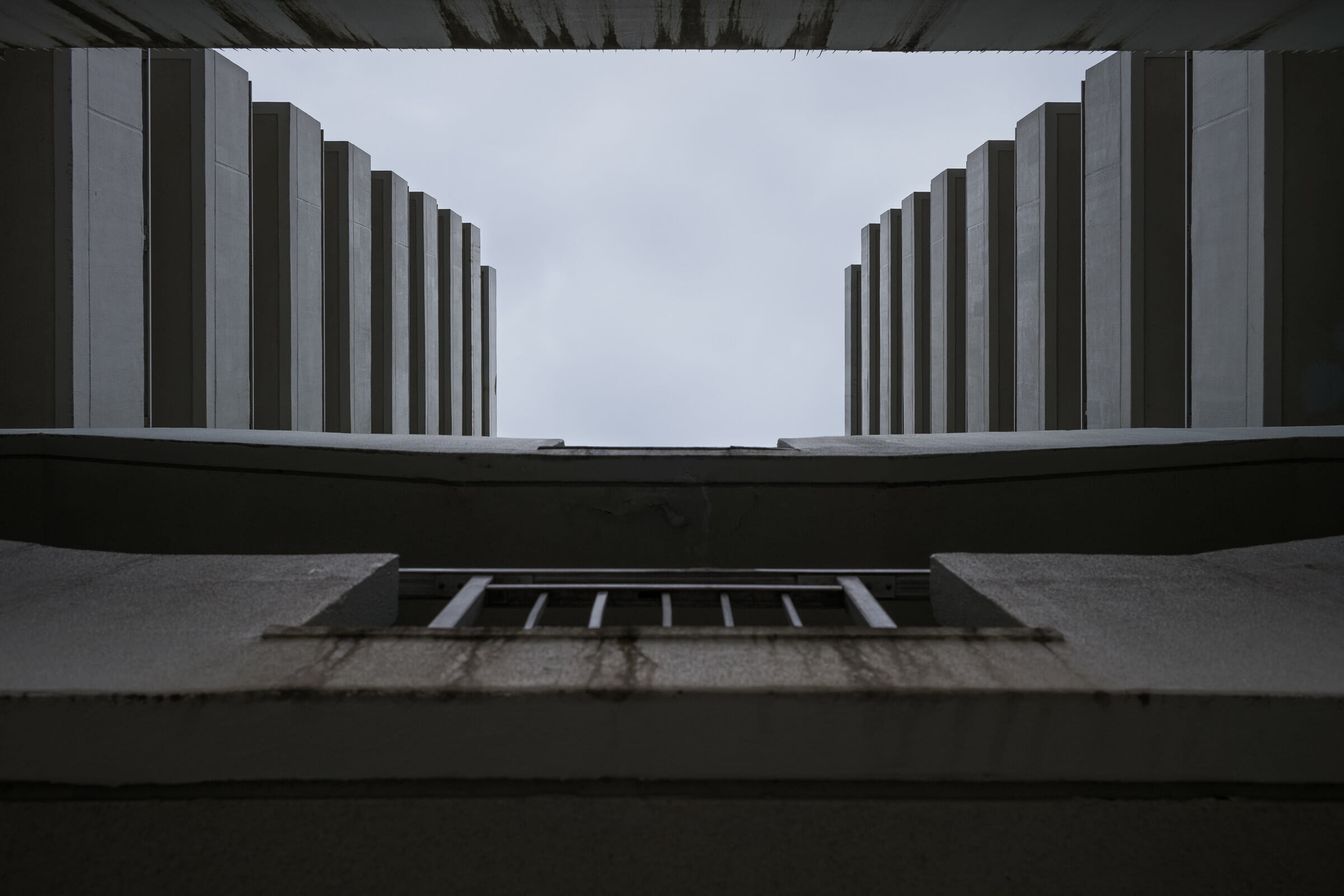
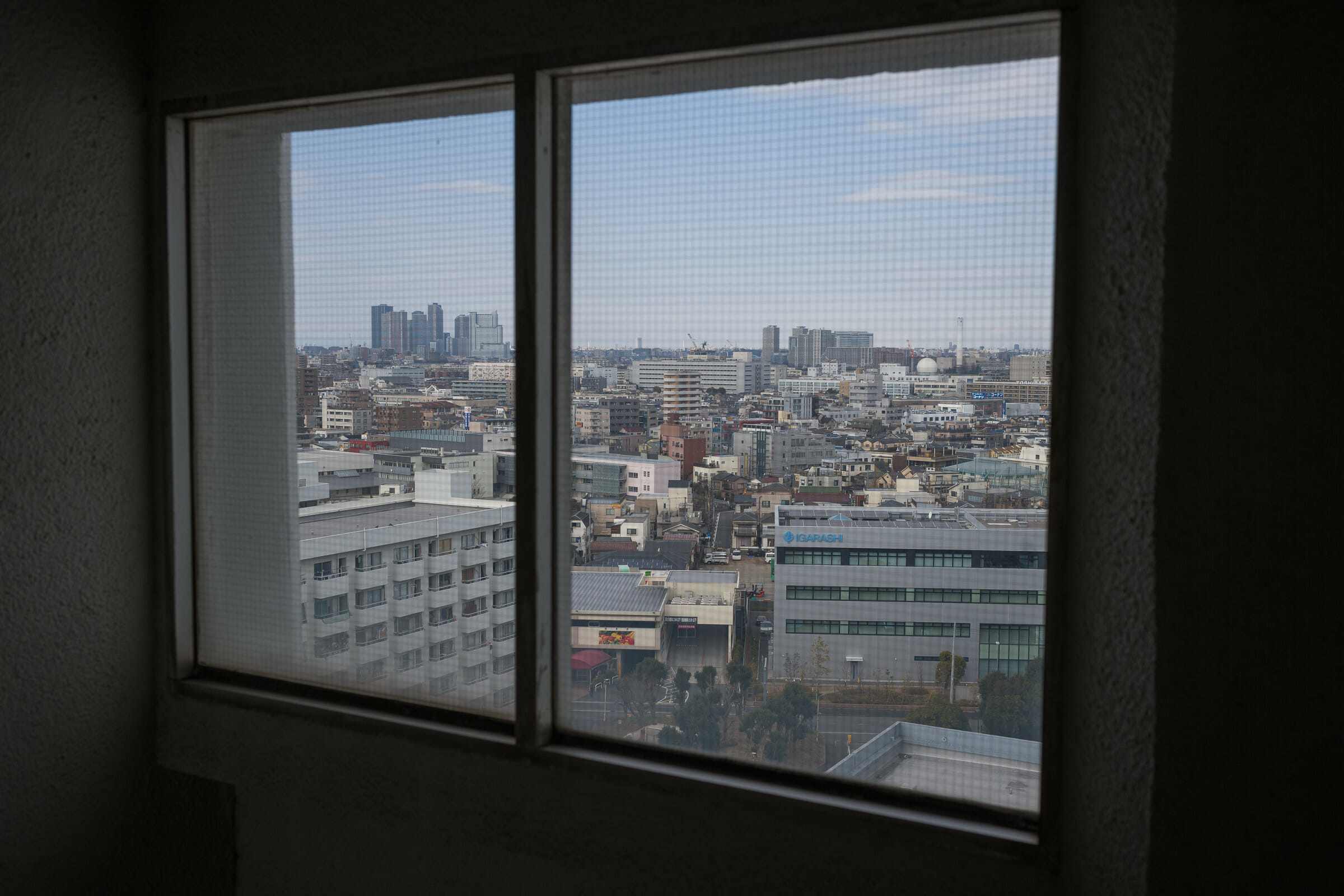
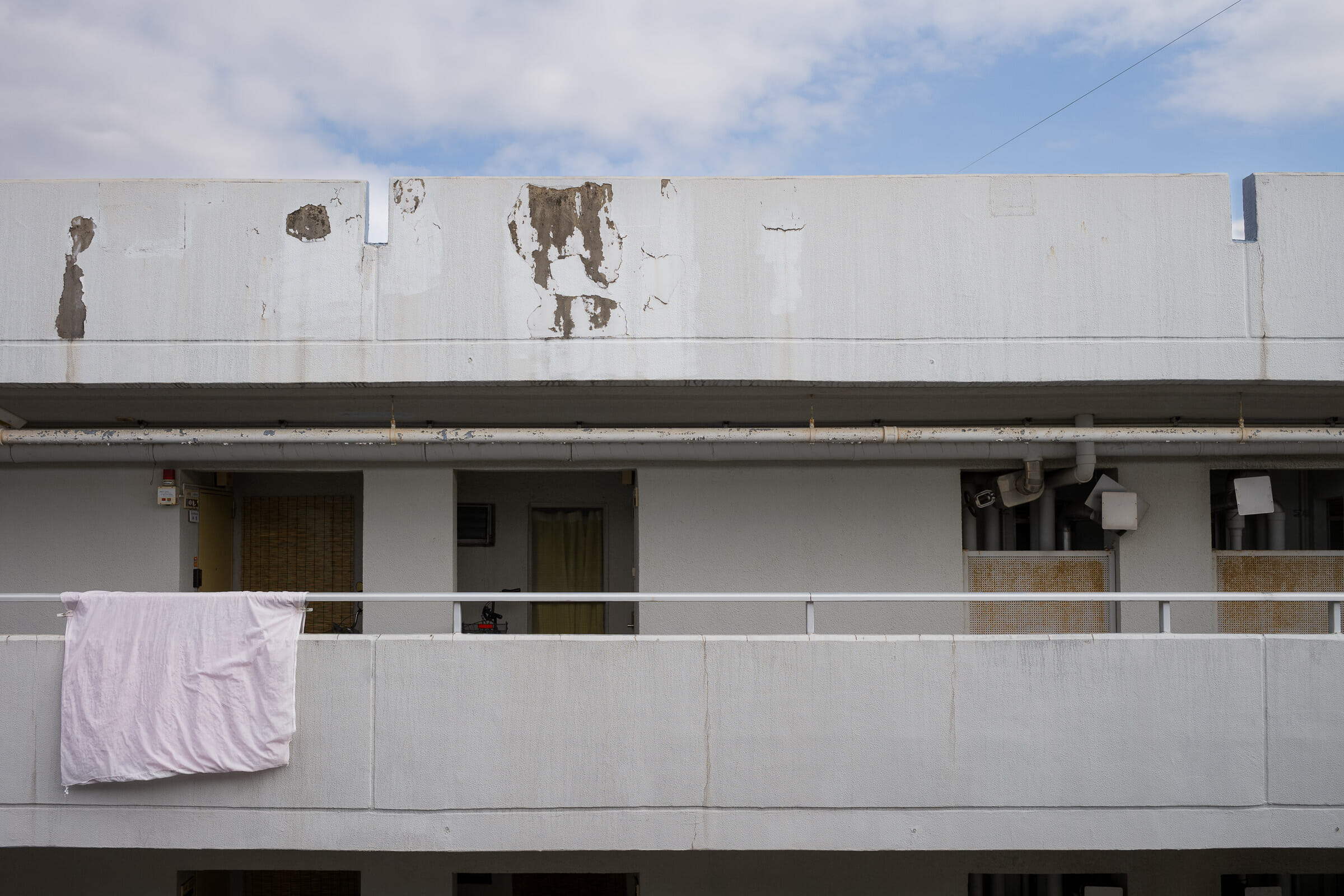
How many of these structures will survive in the coming decades is hard to say, but while many of them are incredibly utilitarian in design, the odd one or two, like the behemoth below which I first photographed a few years ago, are striking in both their looks and scale. A once futuristic vision from the past that’s now stuck in a perhaps understandably indifferent present.

huge and dated Japanese tower blocks

huge and dated Japanese tower blocks

huge and dated Japanese tower blocks

huge and dated Japanese tower blocks

huge and dated Japanese tower blocks

huge and dated Japanese tower blocks

huge and dated Japanese tower blocks

huge and dated Japanese tower blocks

huge and dated Japanese tower blocks

huge and dated Japanese tower blocks

huge and dated Japanese tower blocks

huge and dated Japanese tower blocks

huge and dated Japanese tower blocks

huge and dated Japanese tower blocks

huge and dated Japanese tower blocks

huge and dated Japanese tower blocks

huge and dated Japanese tower blocks

huge and dated Japanese tower blocks

huge and dated Japanese tower blocks

Categorized: Photography

« Previous Page
Next Page »

Footer

Copyright © 2026 · Tokyo Times