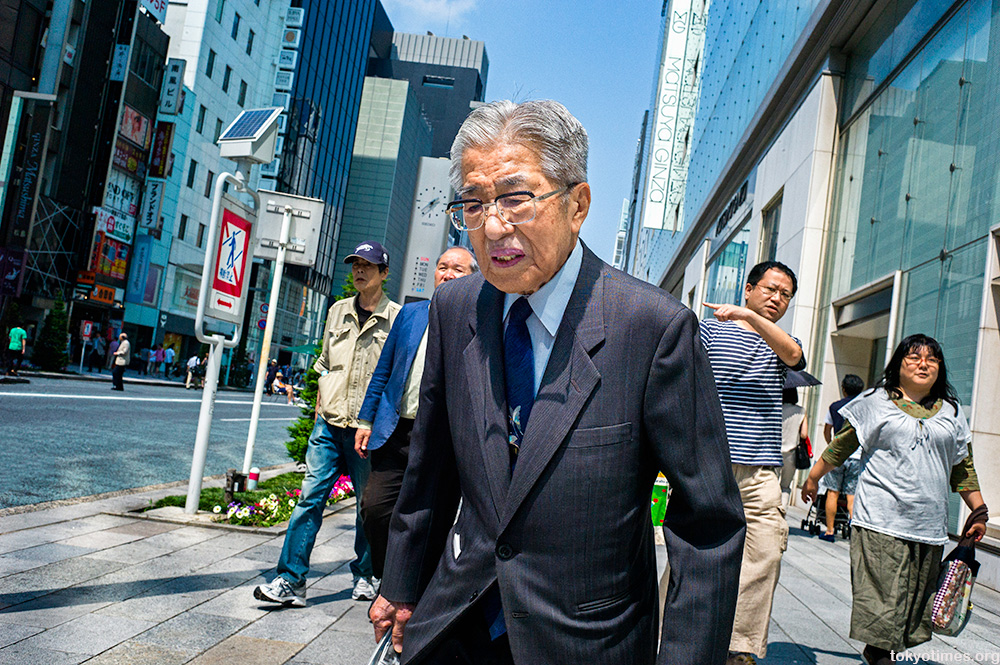
The hell of the sun, shopping, or simply other citizens?
Photographs from a small group of islands
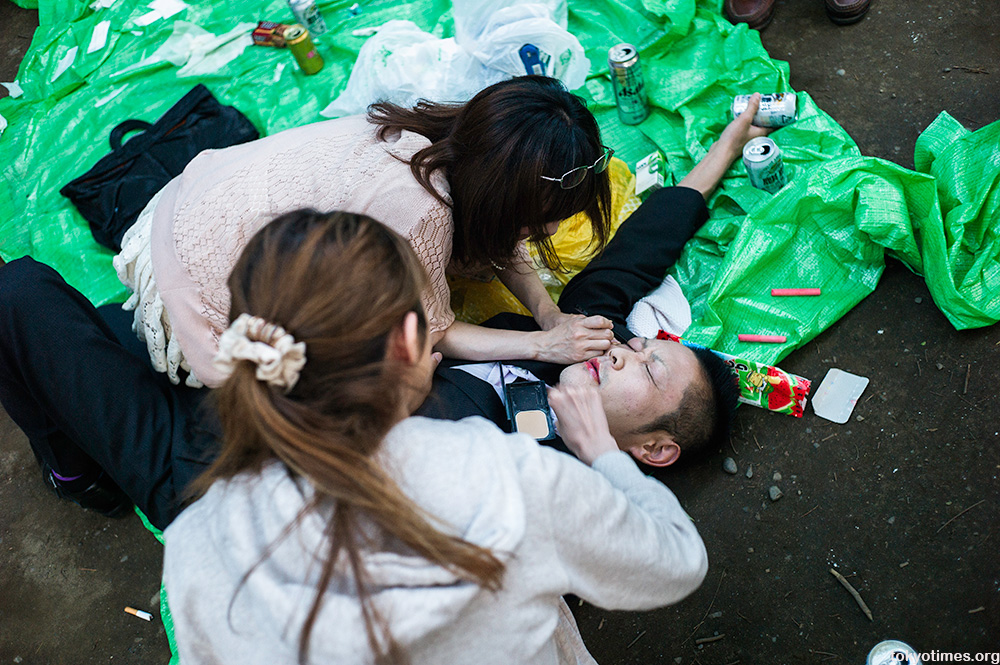
He had either just got married, or was about to, but either way, it was clearly an event to be inadvertently forgotten.
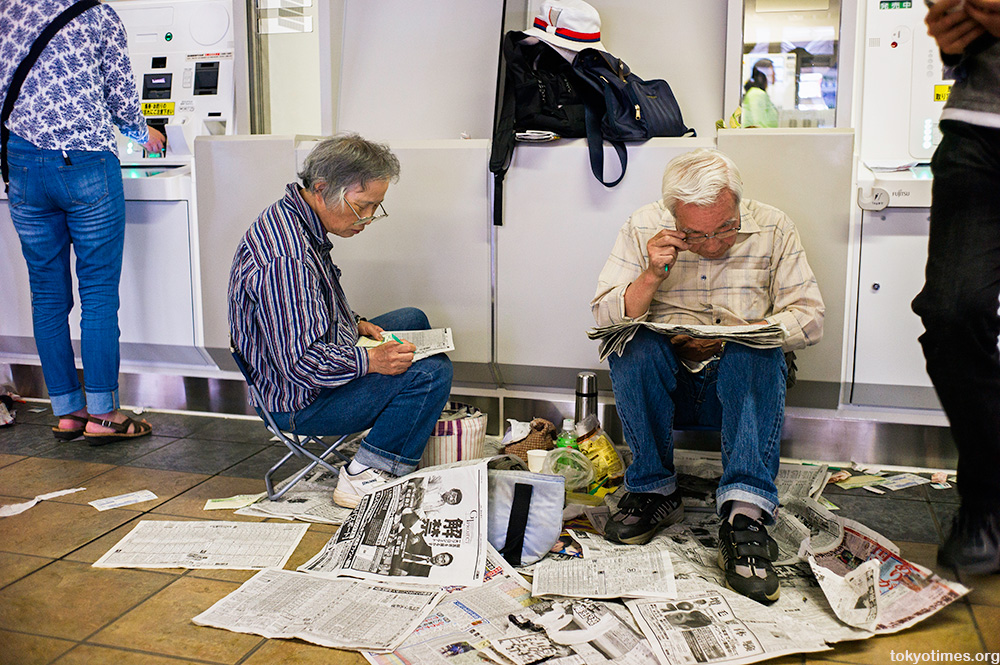
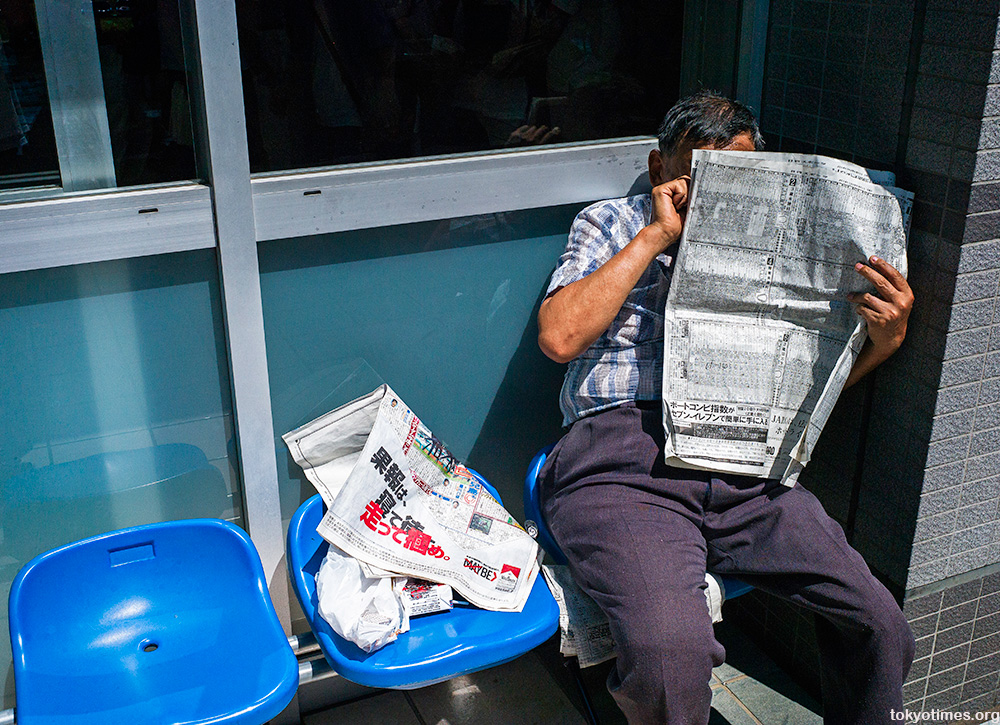
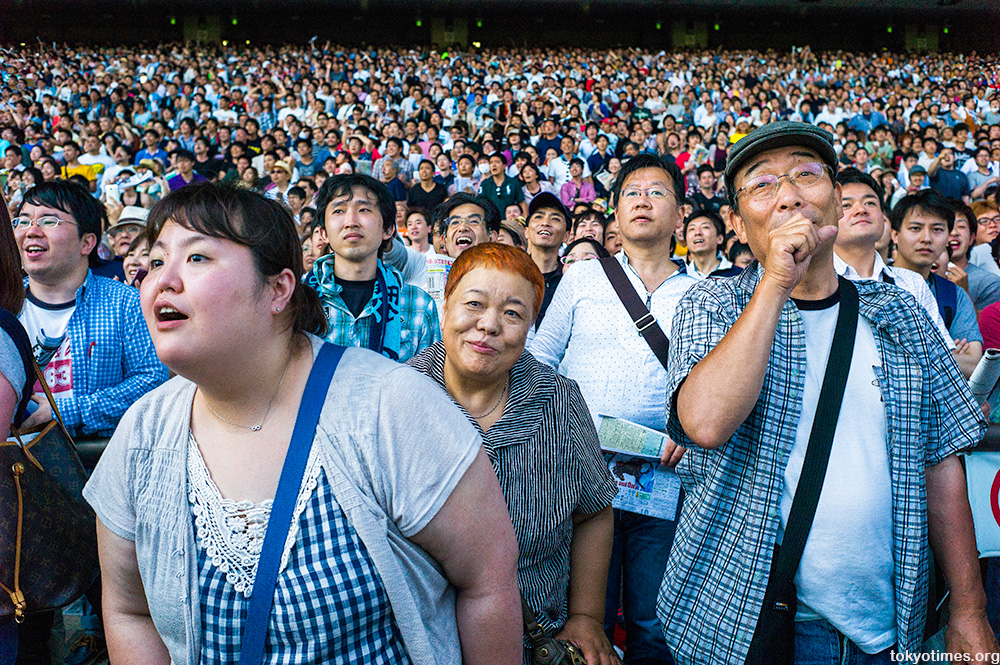
The Japan Derby is a huge sporting event, with a crowd of just over 130,000 squeezing into Tokyo Racecourse for this year’s June 1st extravaganza. But, just like every other race, in every other country, it’s a case of checking out the horses.
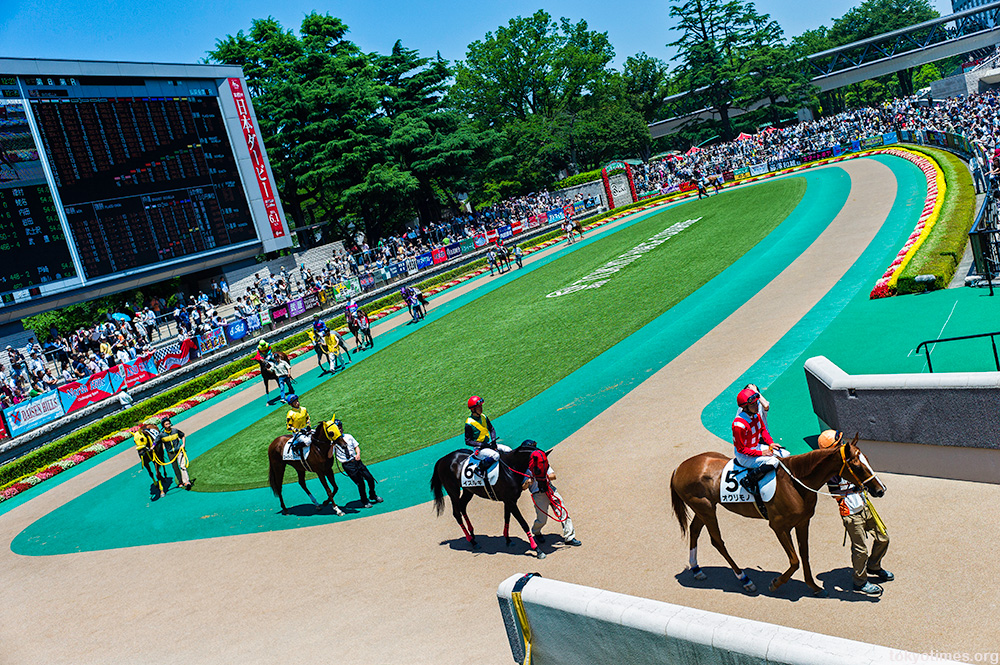
Carefully studying the form.
The closer the better.
Then hoping that one of them will be a winner.
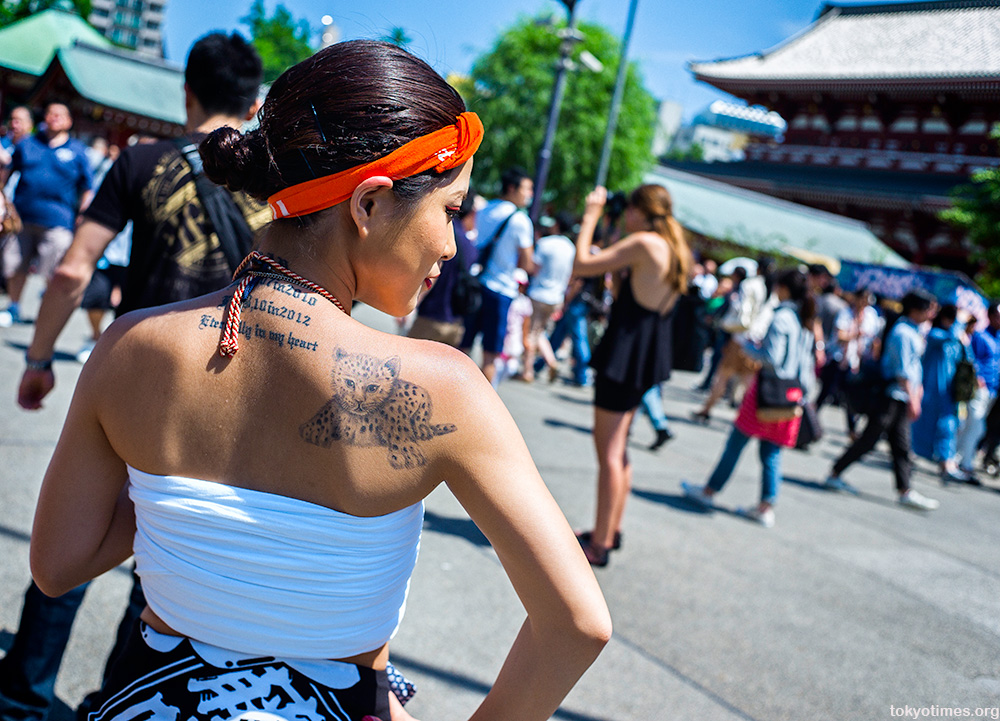
Traditional Japanese tattoos and their artists may well be revered in many other parts of the world, but that’s generally not the case in Japan itself — the association with organised crime turning many against them. Yet at the same time, no distinction at all is made between such obvious forms of body art, and the modern, far more fashion-based variations that are so prevalent in other regions. The likes of spas, sports clubs and swimming pools still operate blanket bans, and Osaka’s right-wing governor, Toru Hashimoto, even tried to have public employees with tattoos removed. And if not the person, then at least their tattoo.
However, while institutions and a large chunk of the population remain stuck in the past, attitudes among younger Japanese are gradually changing. Over the last few years in particular, more and more tattoos have become visible — sported by both male and female alike. The vast majority of whom aren’t in any way shy of showing them off.
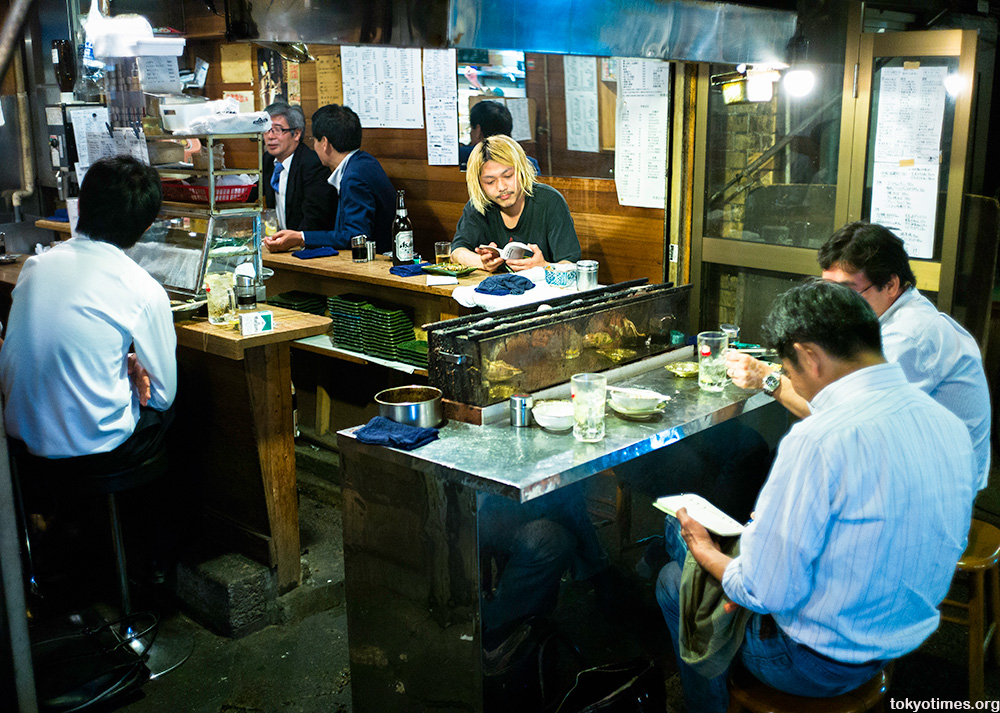
No smartphone. No tablet. Just the simple pleasure of beer and a good book.