• Skip to main content
  • Skip to footer

Tokyo Times

Photographs from a small group of islands

  • Photowalks
  • Portfolio
  • Book and Prints
  • Newsletter
  • About/Contact
  • Follow
    • Facebook
    • Instagram
    • Twitter
    • RSS

Haikyo

Mar 09 2010 36 Comments

Sickening and semi-abandoned Japanese snake centre

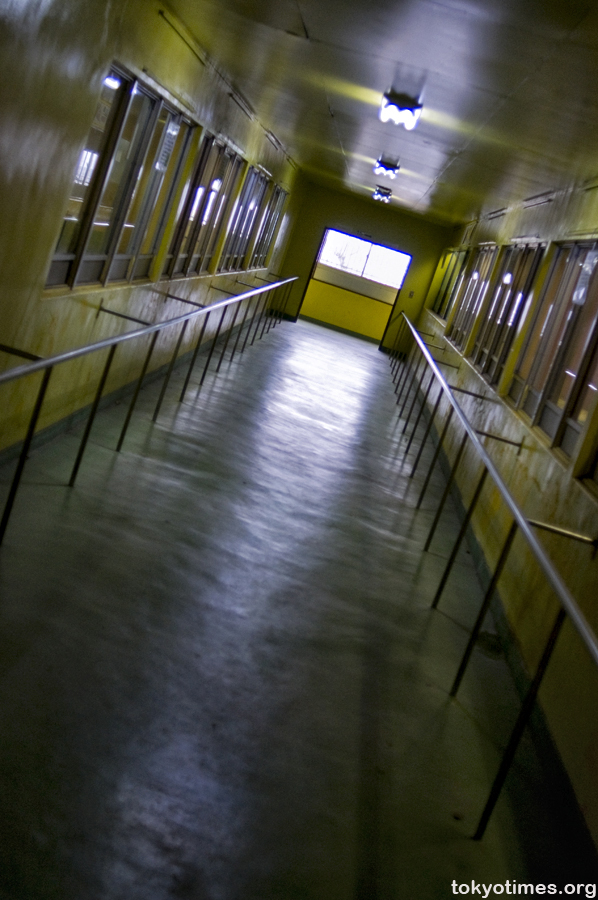
With its conspicuously empty corridors,
abandoned Japanese snake centre

and truly awful exhibits,

abandoned Japanese snake centre

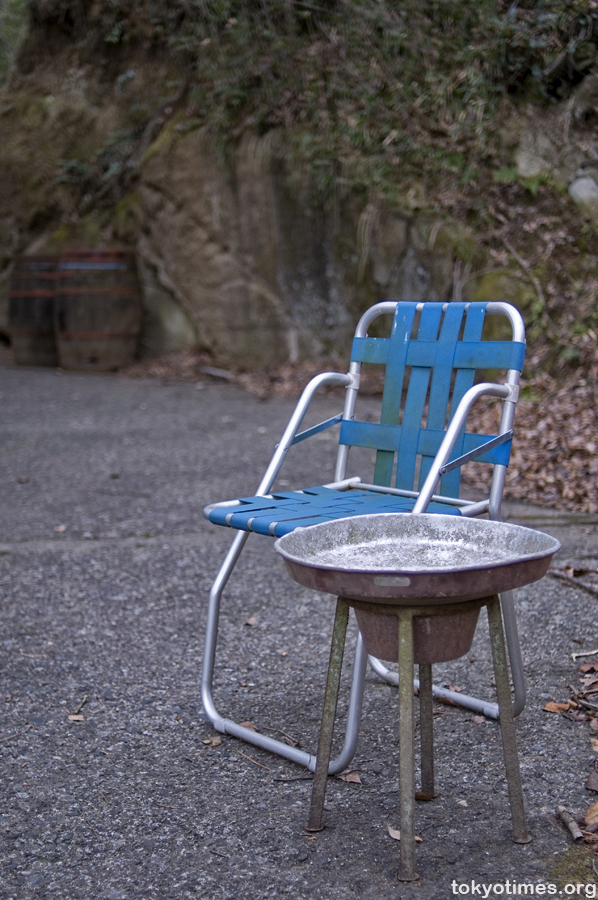
the Japan Snake Centre’s staggering abundance of ashtrays at least offer the smoker some sort of respite from the almost overwhelming miserableness of a barely-functioning-but-somehow-still-open-for-business facility and the horrible plight of its poorly housed alligators, wild boars and of course snakes.
abandoned Japanese snake centre

But amazingly even this pales into insignificance when one enters the parts of the place that have actually stopped being used — as opposed to just appearing that way. And in particular, a room where, at least according to some of the letters left behind, a Mr Toba once worked.
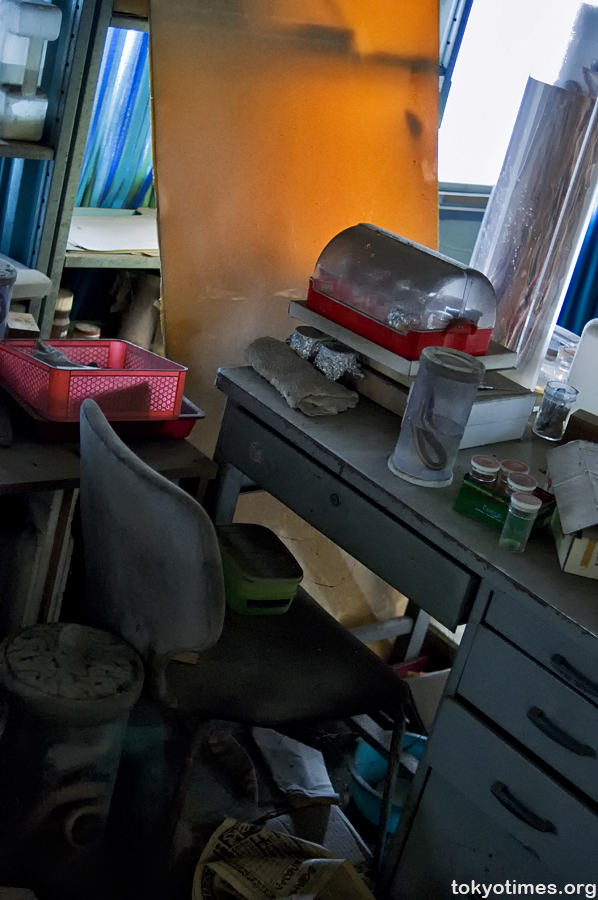
abandoned Japanese snake centre

A small, rather dark area that, despite its confined nature, is home to an absolute multitude of horrors, namely jar after increasingly sickening snake-filled jar.

In which some of the specimens are packed in.

abandoned Japanese snake centre

Whereas others are left to lie alone.
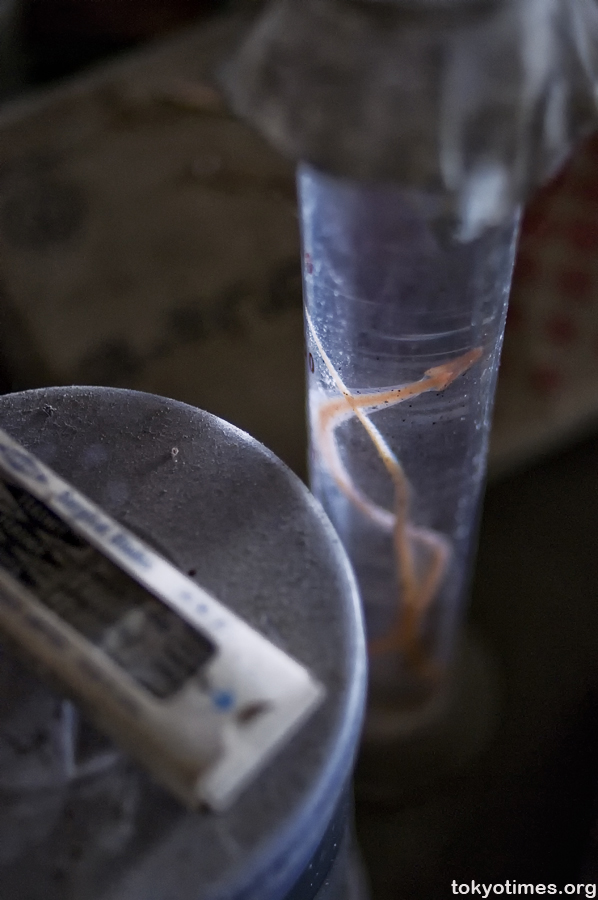
abandoned Japanese snake centre

With what relatively little light there was sometimes contriving to clearly display the containers increasingly disconcerting contents.
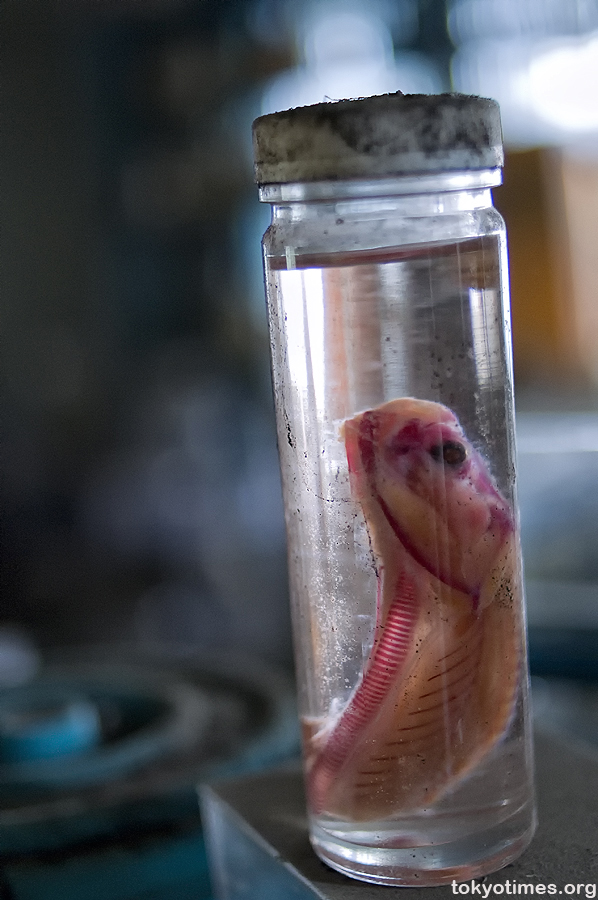
abandoned Japanese snake centre

Samples that, despite the slight distraction of scientific stuff,
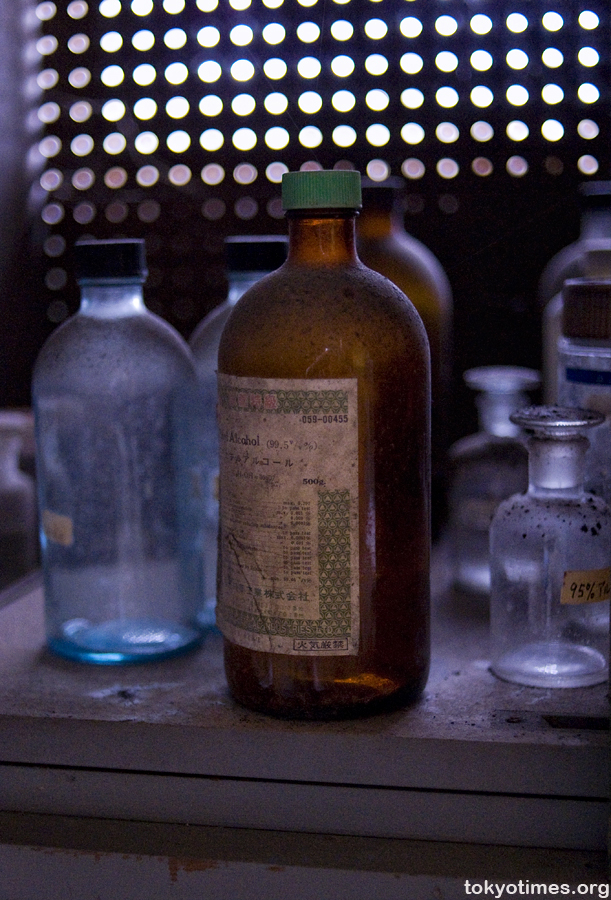
abandoned Japanese snake centre

of some form or another, were simply impossible to ignore.
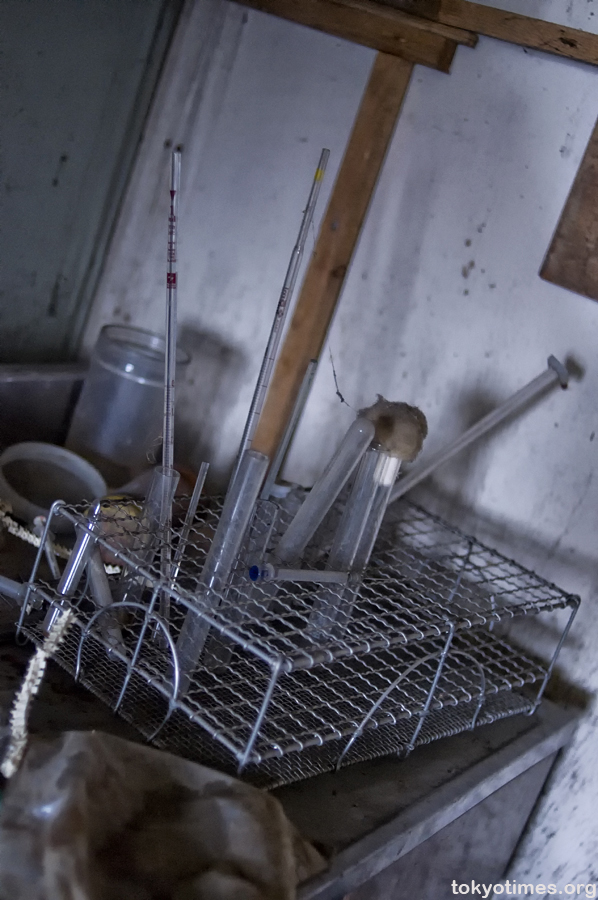
abandoned Japanese snake centre

Especially as not only were they everywhere,
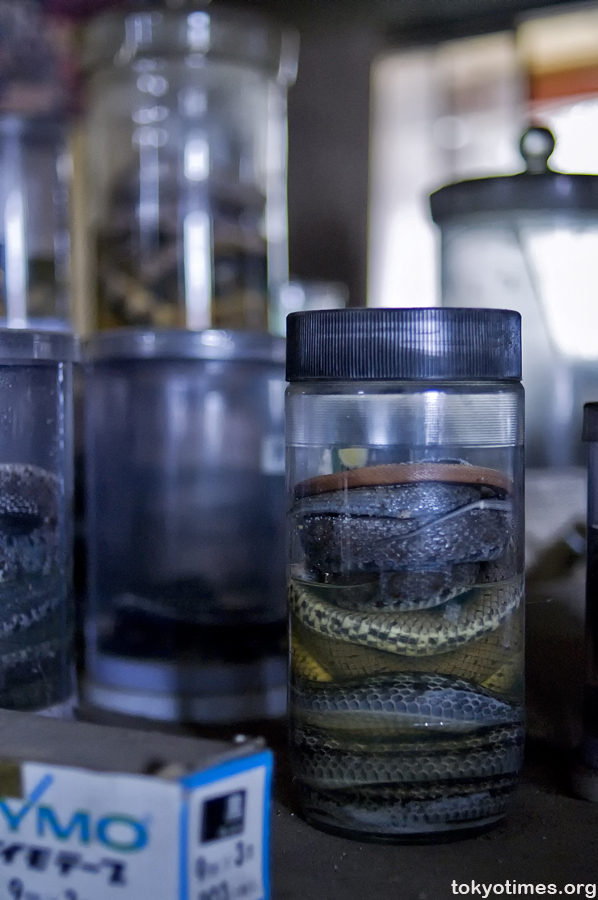
abandoned Japanese snake centre

but some of them were quite a size too.
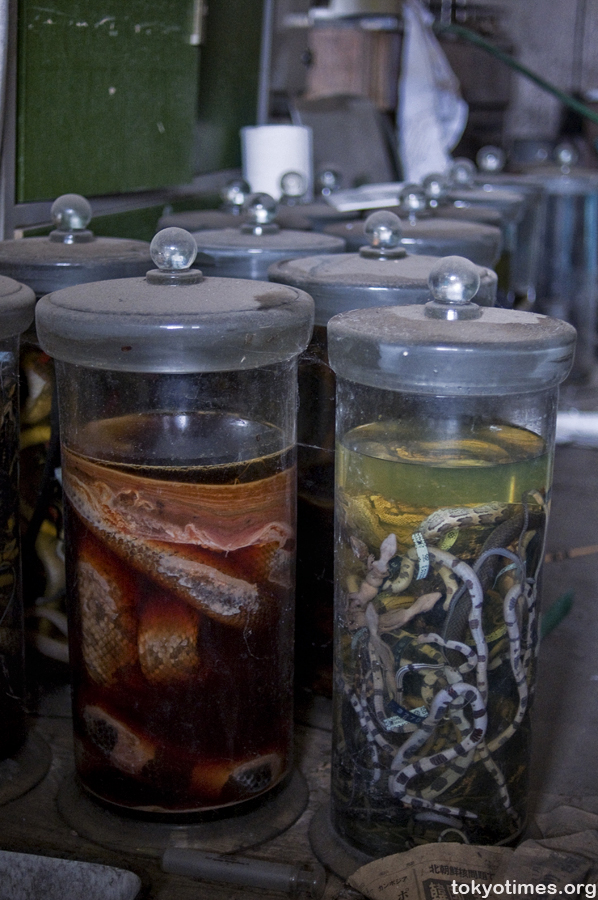
abandoned Japanese snake centre

And yet even this nightmarish scenario wasn’t as bad as the room next door. An even smaller space stacked to the ceiling with unsealed plastic containers.
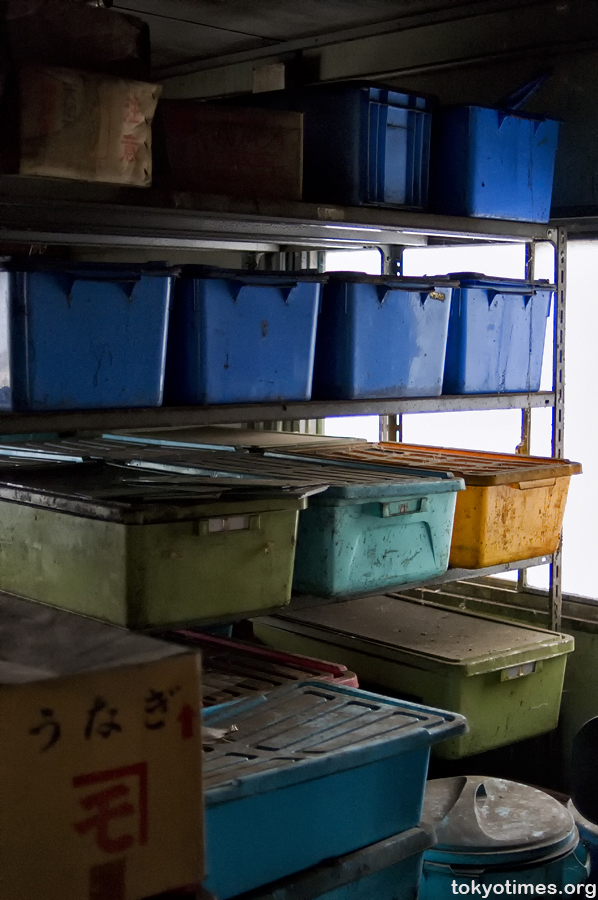
abandoned Japanese snake centre

All full of the now horribly familiar.
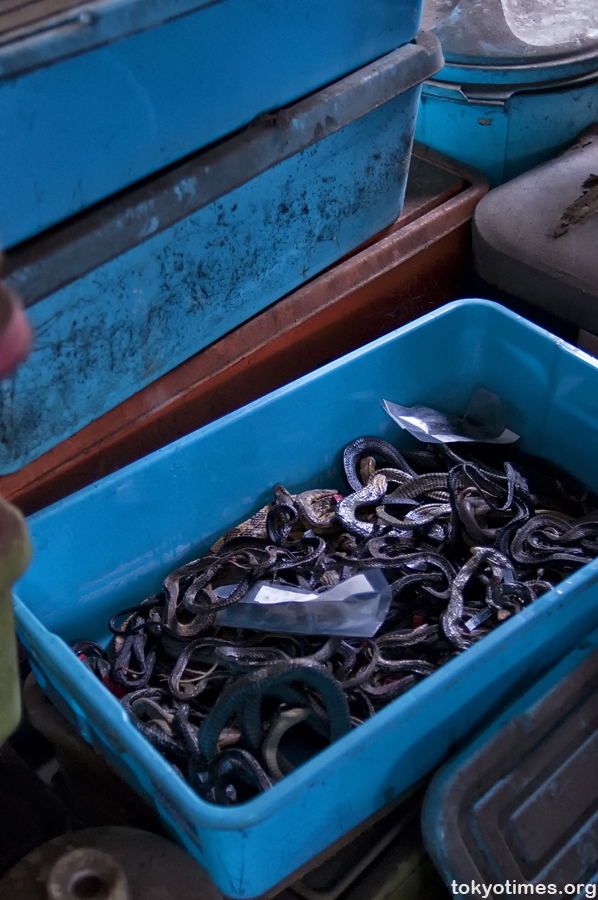
abandoned Japanese snake centre

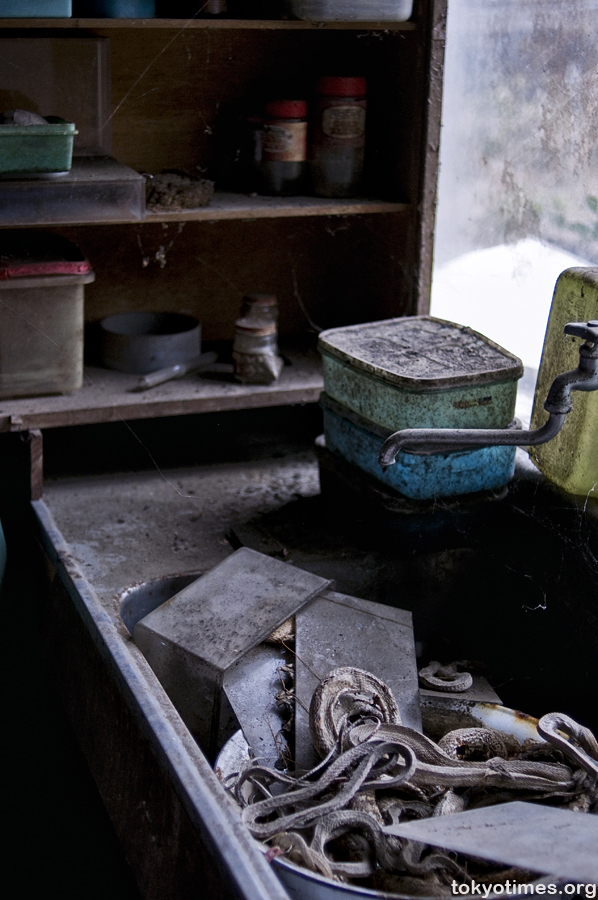
Even the sink contained them.

abandoned Japanese snake centre

A sight that whilst unpleasant, was nowhere near as repulsive as the smell — a stench so overpowering and putrid that I actually came very close to vomiting, making the return to Toba-san’s old room almost pleasant. Although not pleasant enough to consider a couple of cute-shaped cakes,
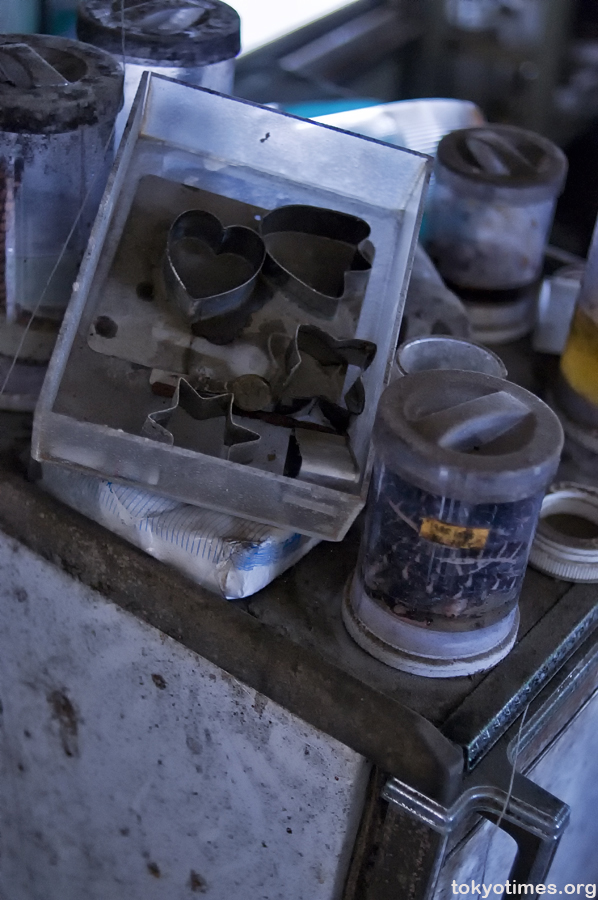
abandoned Japanese snake centre

or, regardless of its apparent tastiness, some coffee.
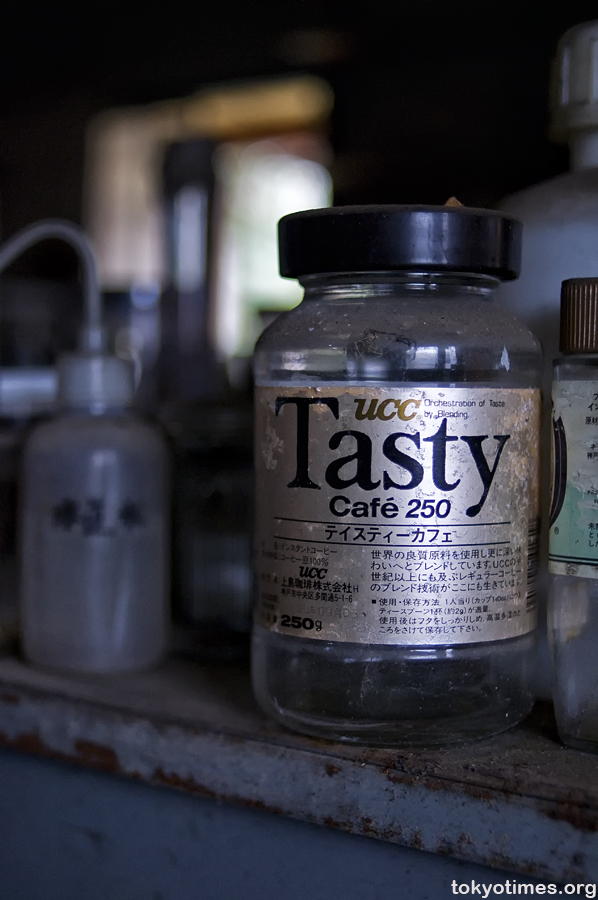
abandoned Japanese snake centre

For fans of horrible things in jars, there are other haikyo/abandoned building explorations on this site that feature a similarly contained brain, or, for the (arguably) slightly less squeamish, a mouse.
Categorized: Haikyo, Photography

Feb 23 2010 13 Comments

Long abandoned lodge by the lake

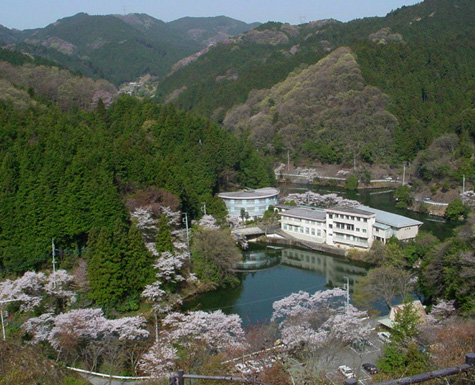
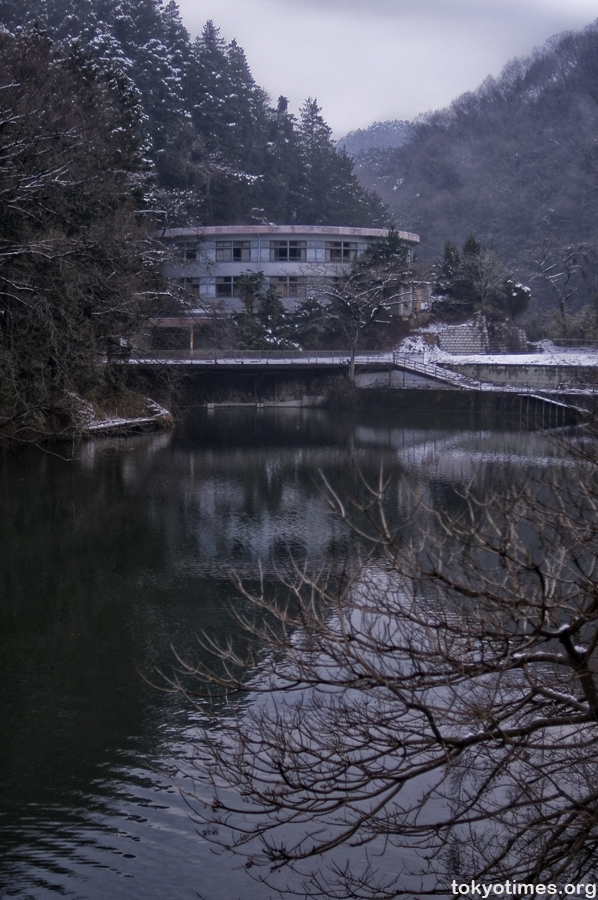
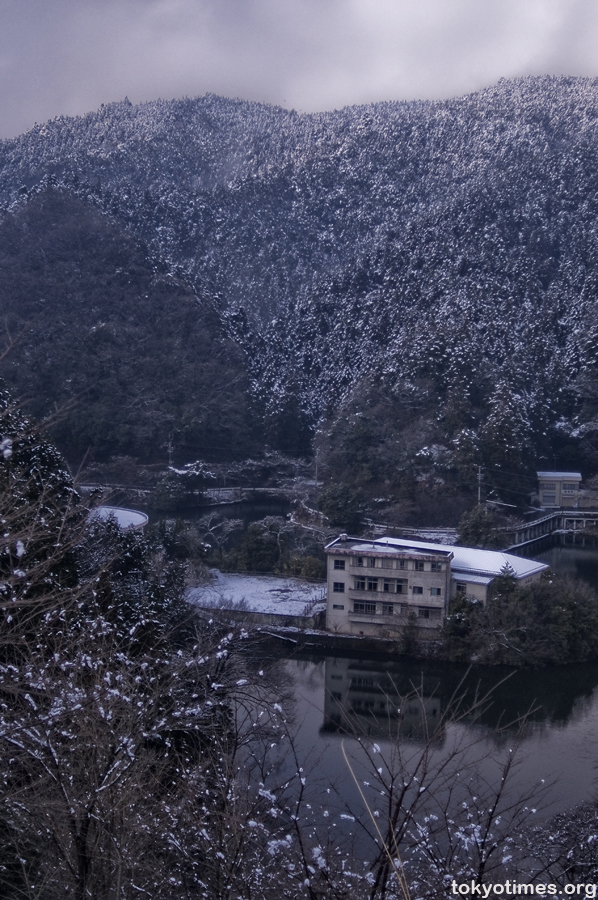
Due to its prime location right by a lake, guests at the Sansuisou Ryokan, in Saitama Prefecture, would have had the rather enviable option of a gentle saunter by the water’s edge before breakfast.

Abandoned Japanese hotel

Plus, should they have felt energetic enough afterwards, maybe even a meander around the nearby mountains.

Abandoned Japanese hotel

But whilst it may not look all that inviting now, at one time it must have been really quite welcoming.

Abandoned Japanese hotel

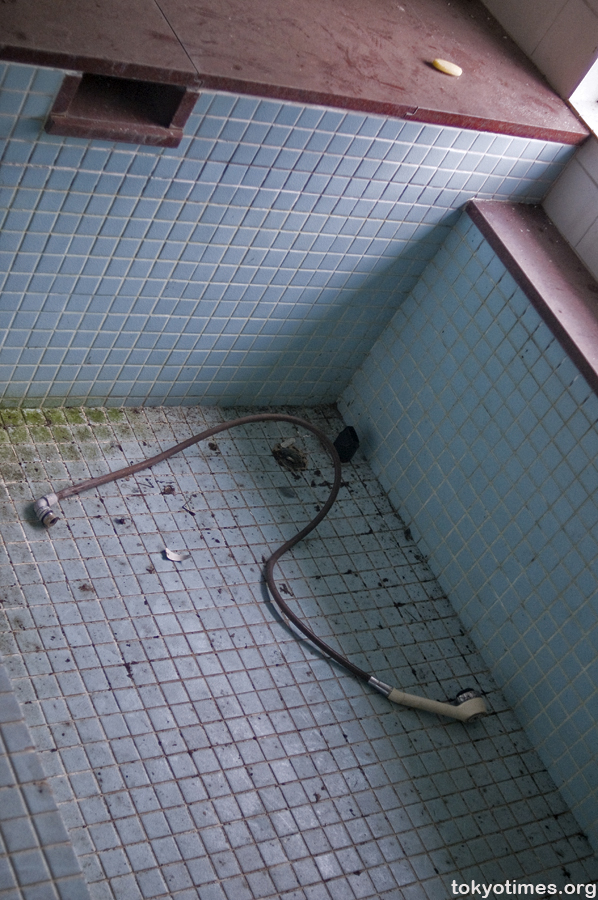
And, along with its looks and location, it is also quite possible it played some kind of role in the local farming community, as the lake itself was built in 1935 as an agricultural reservoir in response to the Great Depression. Changing times, however, meant that despite its surroundings, the number of visitors slowly dwindled, culminating in the inn’s closure in the late 1990s. A situation that, combined with a relatively cursory clear up, has resulted in a fairly sparsely furnished haikyo, with not a great deal more to photograph than snake-like shower fittings,

Abandoned Japanese hotel

and beds in which one wouldn’t really want to lounge about in for any longer than was strictly necessary.

Abandoned Japanese hotel

But that said, like practically all abandoned buildings, it also contains a considerable number of chairs — pieces of furniture that were happily used by visitors during the hotel’s heyday to enjoy a few lively drinks,

Abandoned Japanese hotel

or a decidedly quieter dinner.

Abandoned Japanese hotel

The latter in particular once offering an ideal opportunity for guests to enjoy inobuta, the Ryokan’s speciality, which is a hearty hybrid of pig and wild boar.

Abandoned Japanese hotel

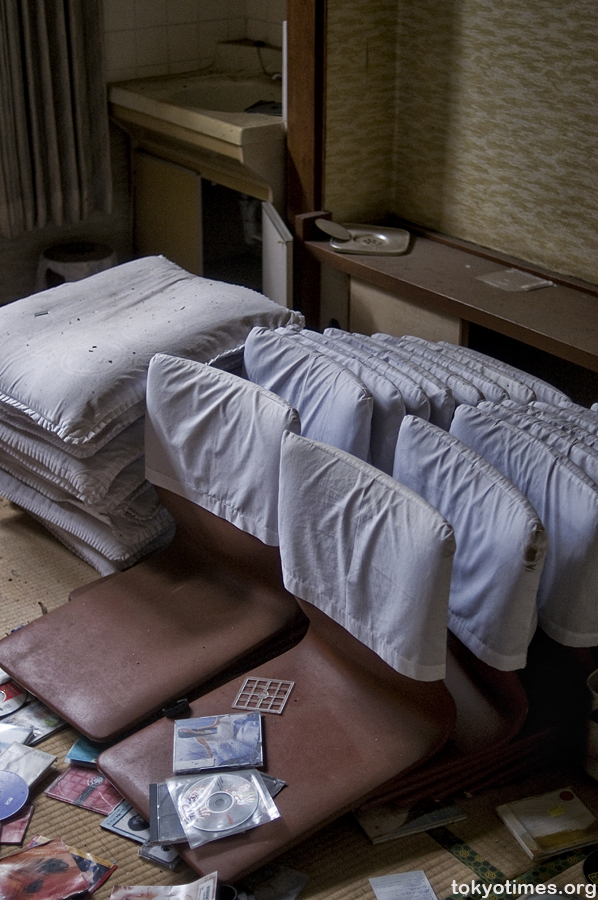
Now, however, these chairs are either unceremoniously stored away,

Abandoned Japanese hotel

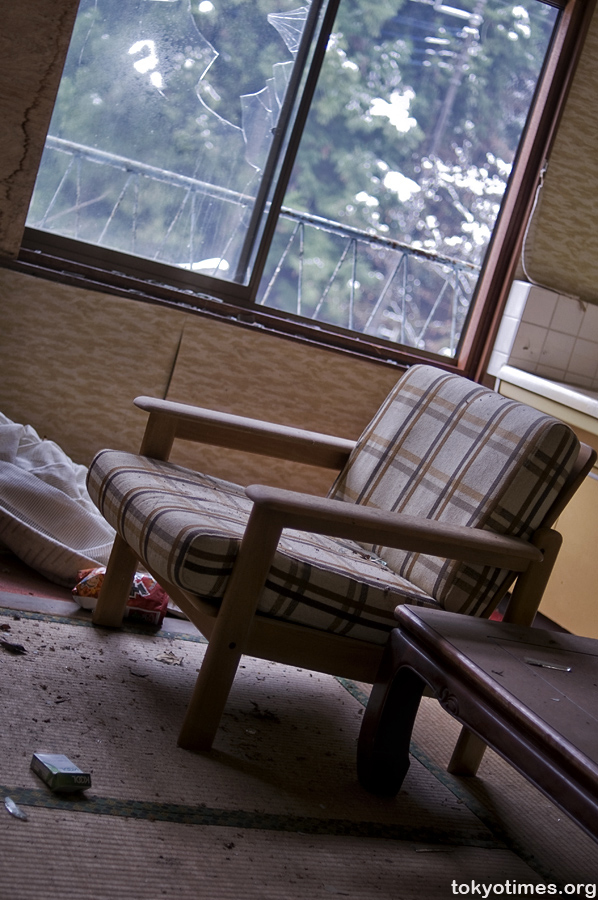
or are left where they were last used.

Abandoned Japanese hotel

Some of them still arguably suggestive of the conversations they once witnessed.

Abandoned Japanese hotel

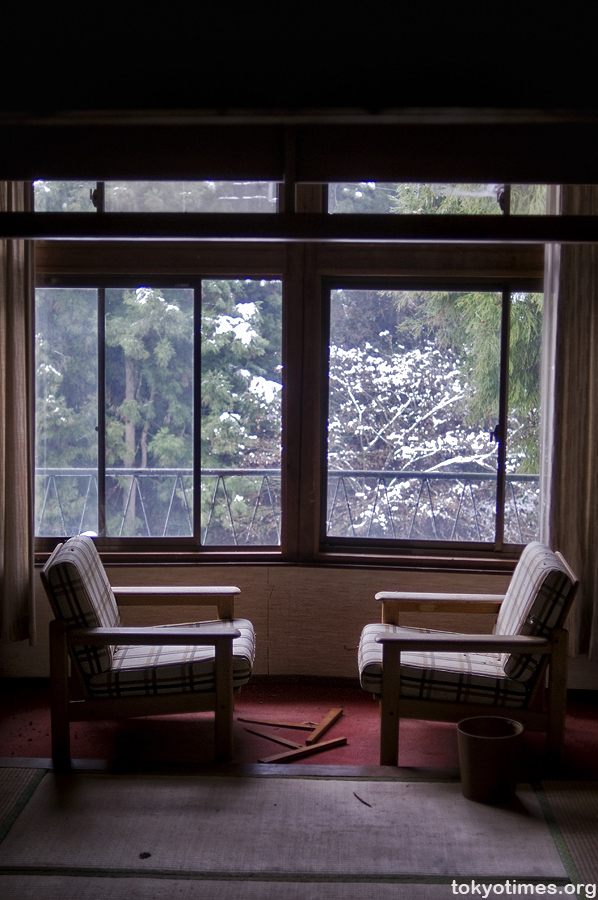
Whereas others, somewhat strangely considering they are merely functional pieces of furniture, look somehow rather lost.

Abandoned Japanese hotel

And indeed lonely.

Abandoned Japanese hotel

Almost as though they are silently waiting for someone to sit on them, or alternatively for something to happen.

Abandoned Japanese hotel

Neither of which is the least bit likely.

Categorized: Haikyo, Photography

Feb 02 2010 12 Comments

Silent and now abandoned seminar house #2

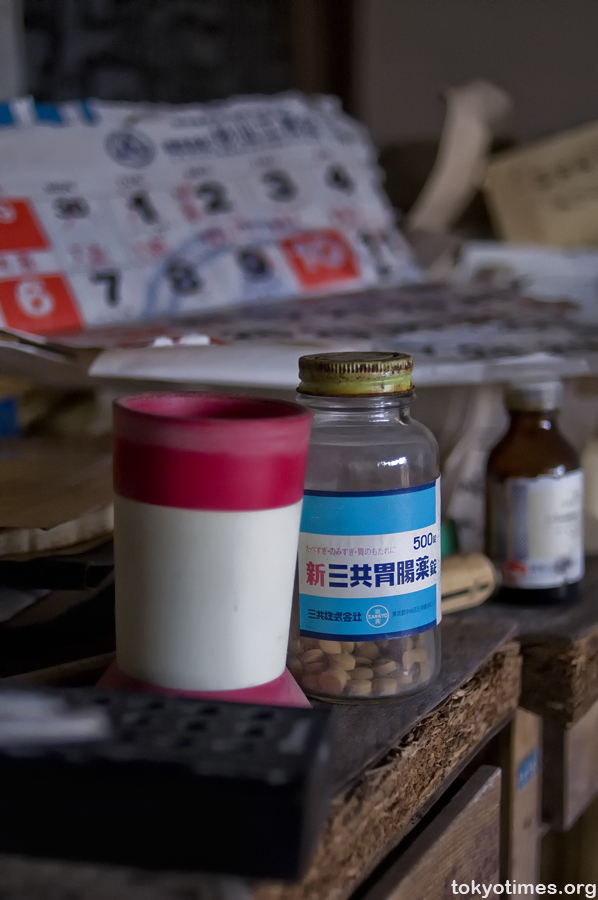
Apart from the photography aspect of it, exploring abandoned buildings/haikyo seems to offer different things to different people, and whilst the actual structures and especially the decay they undergo are invariably quite interesting, for me personally, it’s the little details and the private possessions left behind that are by far the most fascinating; items that often give hints about a person’s interests and tastes, possibly even their name — all left behind, and left untouched, sometimes as though it was only yesterday, creating strangely personal (and yet at the same time somehow impersonal) historical artefact of sorts.

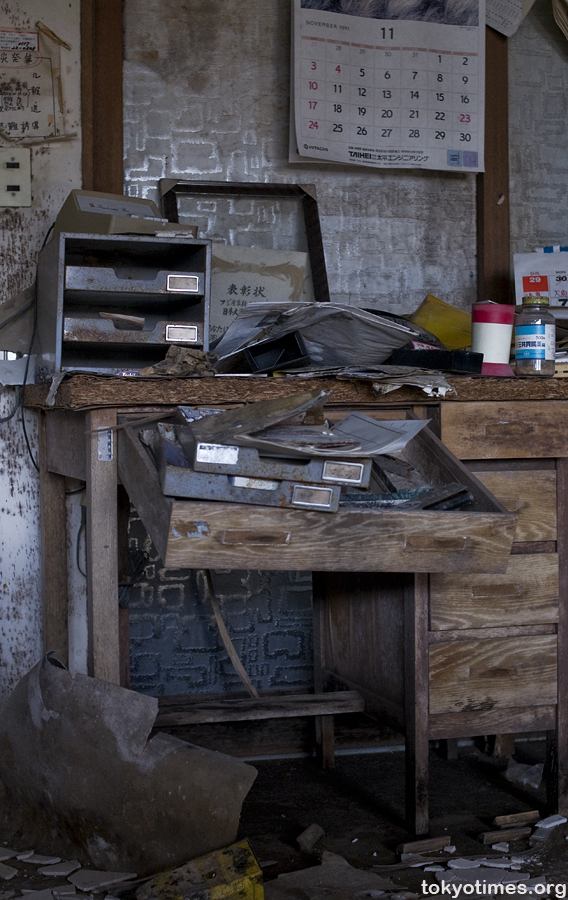
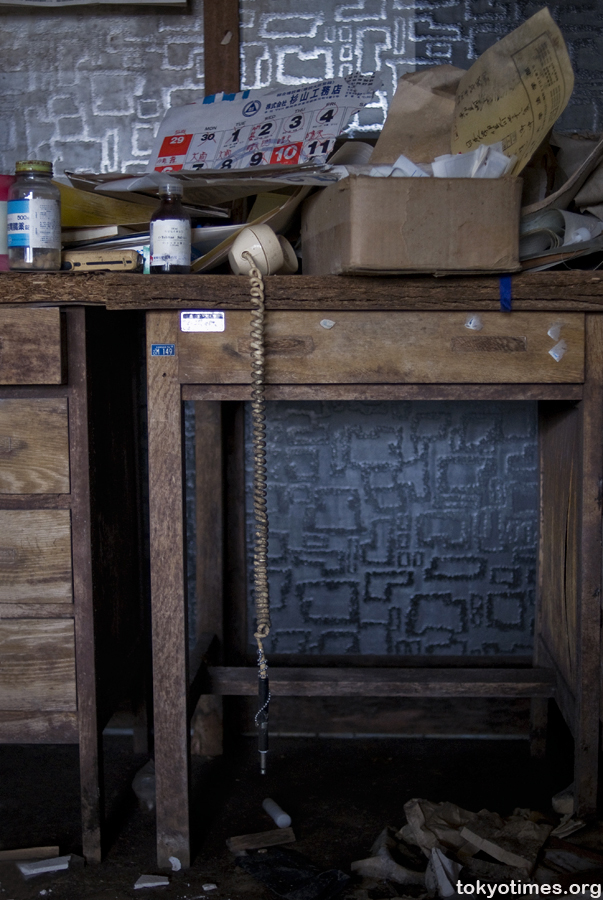
A semi-decent example of this being a desk in the Okawa Seminar house, photographs of which can be seen here in part 1.

abandoned Japanese building

Presumably once belonging to the facility’s manager, it almost certainly hasn’t been sat in front of for the best part of twenty years, and yet it still feels almost used — private even. Especially so knowing that whoever held the position — and with this being Japan we can at least safely assume it was a man — unfortunately suffered from the occasional stomach complaint.

abandoned Japanese building

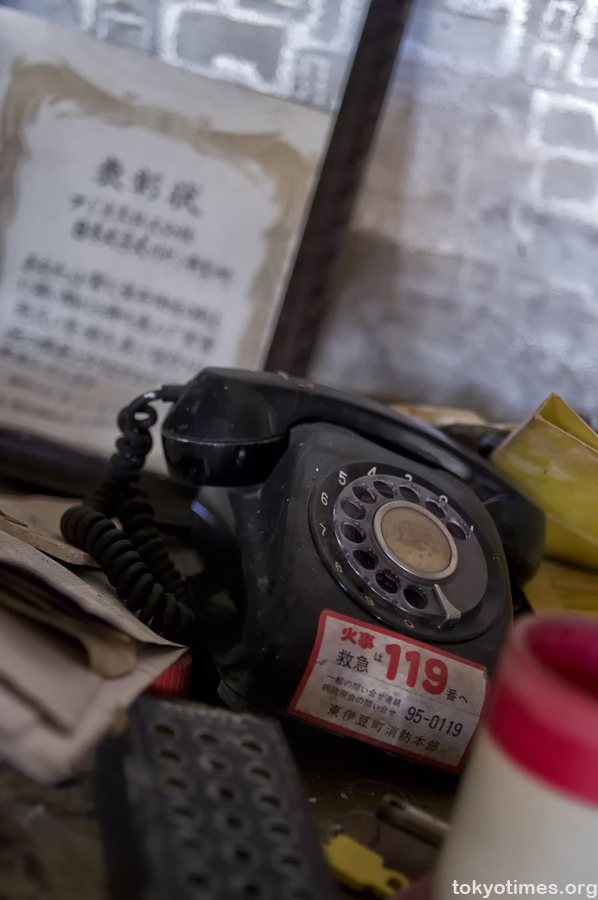
But whereas he may once have talked to somebody about it, or mentioned it in passing during a phone call, it will never happen again. At least not here.

abandoned Japanese building

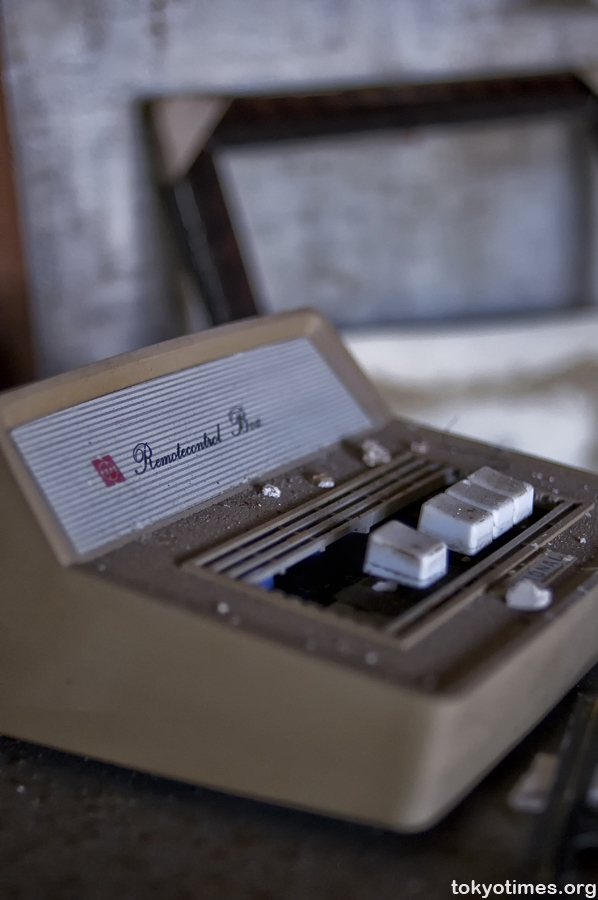
Likewise, no messages or mutterings will be relayed through to reception either.

abandoned Japanese building

And similarly there also won’t be any talk of his other,

abandoned Japanese building

rather more mysterious ailment.

abandoned Japanese building

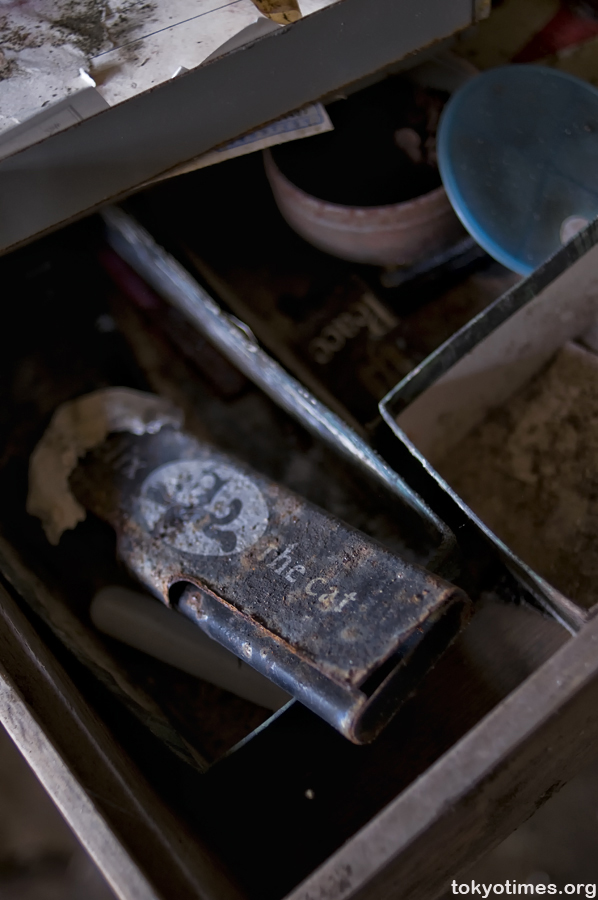
Although this somewhat incongruous Felix the Cat pencil case may, or indeed may not, have briefly kept his mind off it.

abandoned Japanese building

Categorized: Haikyo, Photography

Jan 26 2010 15 Comments

Silent and now abandoned seminar house #1

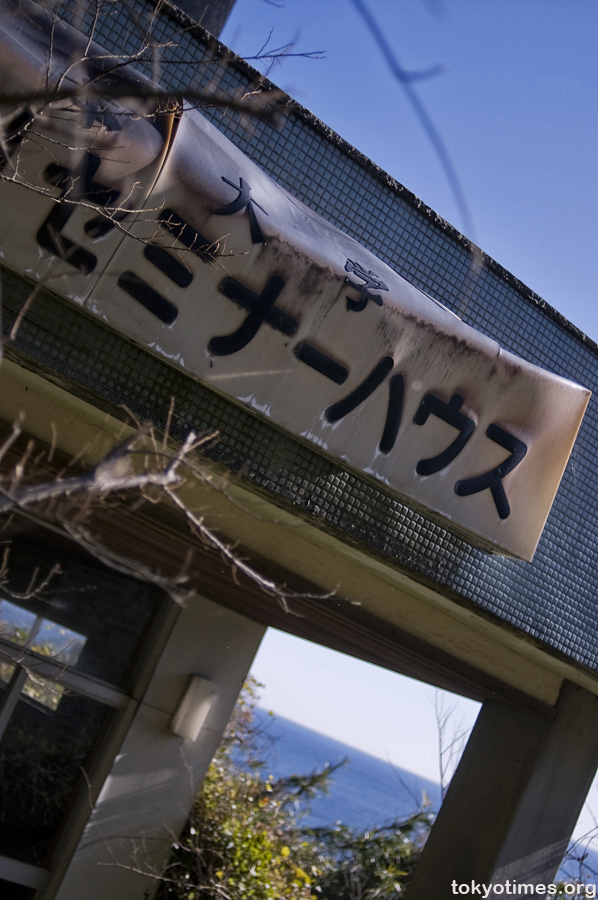
Tucked away on an Izu hillside overlooking the Sagami Sea, the Okawa Seminar House, presumably once bustling with students and lecturers alike, is now not only silent, but slowly disintegrating.

abandoned Japanese building

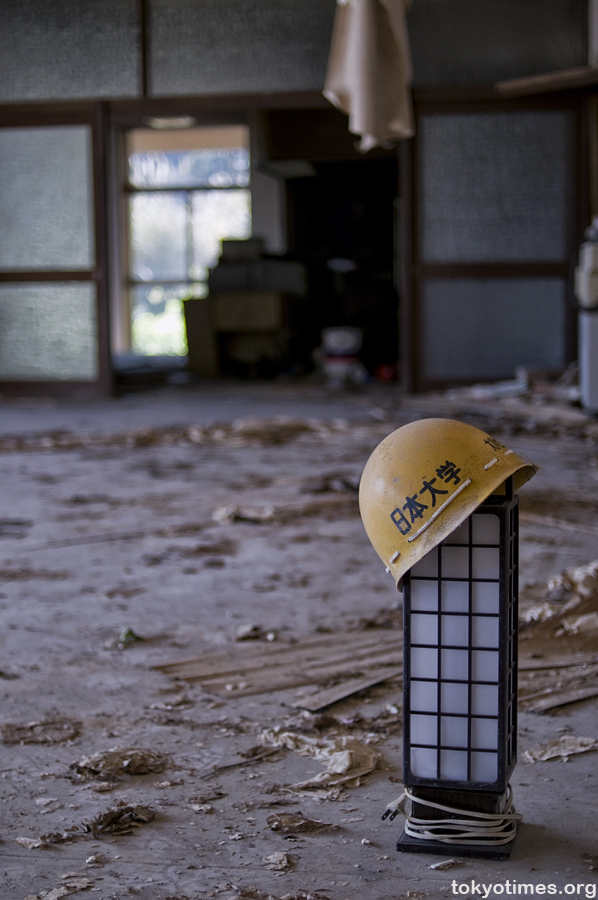
But thankfully not enough, at least as far as the latter is concerned, to erase the signs of its one-time owner, Tokyo’s Nihon University — reminders of which are randomly dotted around the somewhat deceptively large complex.

abandoned Japanese building

However, why the facility closed its doors and said no to more seminars isn’t clear, and it’s arguably rather strange, at least considering the state it has been left in, when one considers that the University is the biggest such institution in Japan, boasting a colossal 68,000 undergraduates. Yet nevertheless close it did, and calendars along with long unread notices suggest that it was the best part of two decades ago when it did.

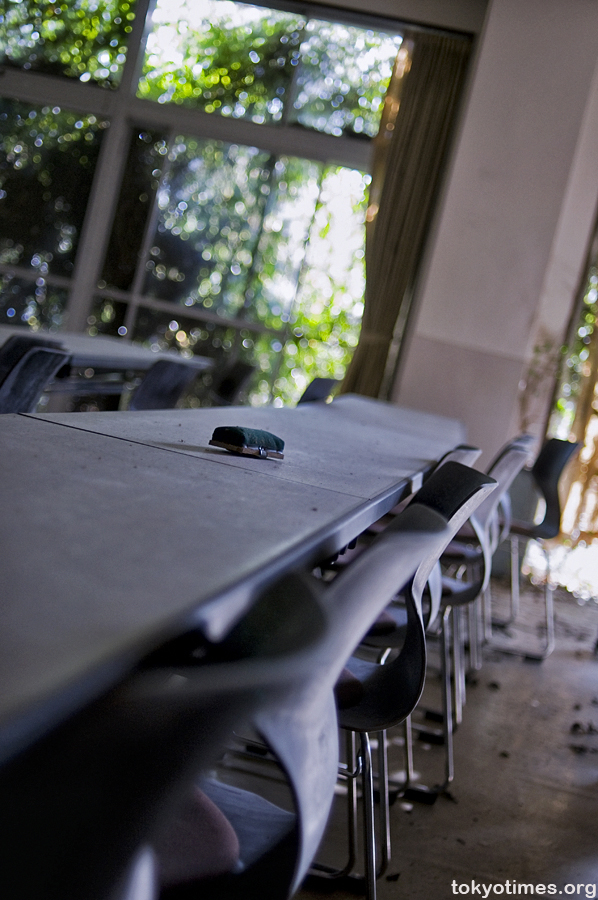
A situation that means the building’s numerous rows of desks have been silently sitting unused for an awfully long time.

abandoned Japanese building

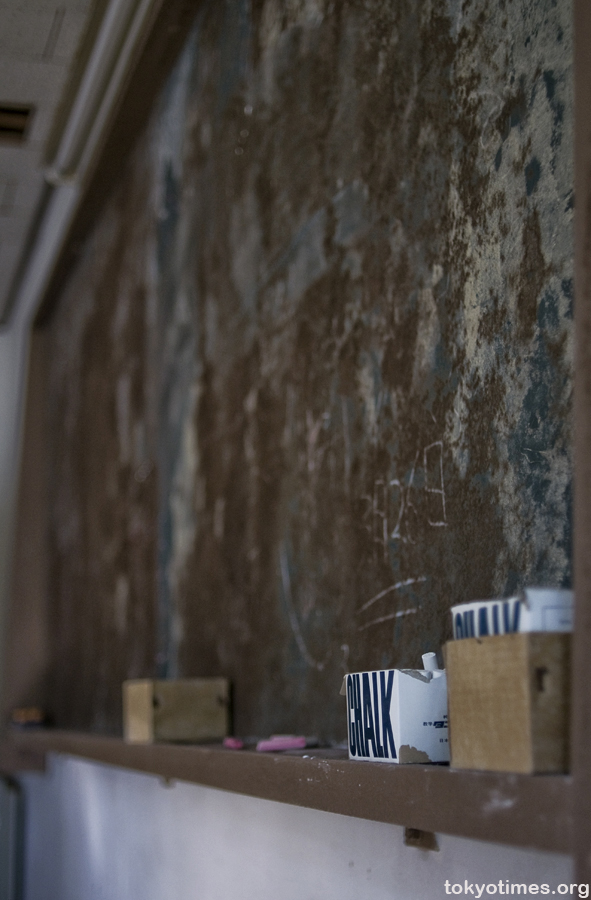
And the blackboards are now only covered in grime,

abandoned Japanese building

or the names of groups.

abandoned Japanese building

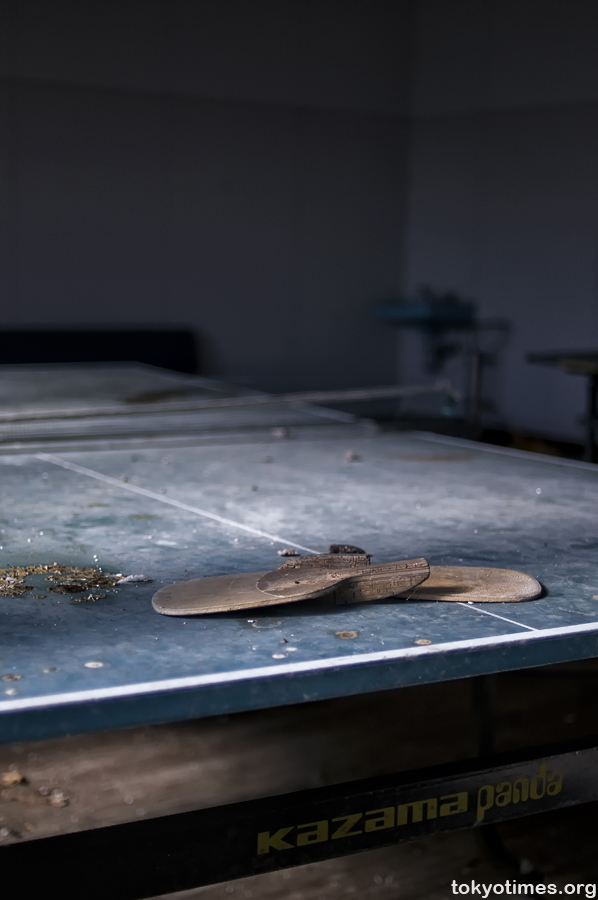
Plus, away from the confines of academia, the games room is equally ghostly.

abandoned Japanese building

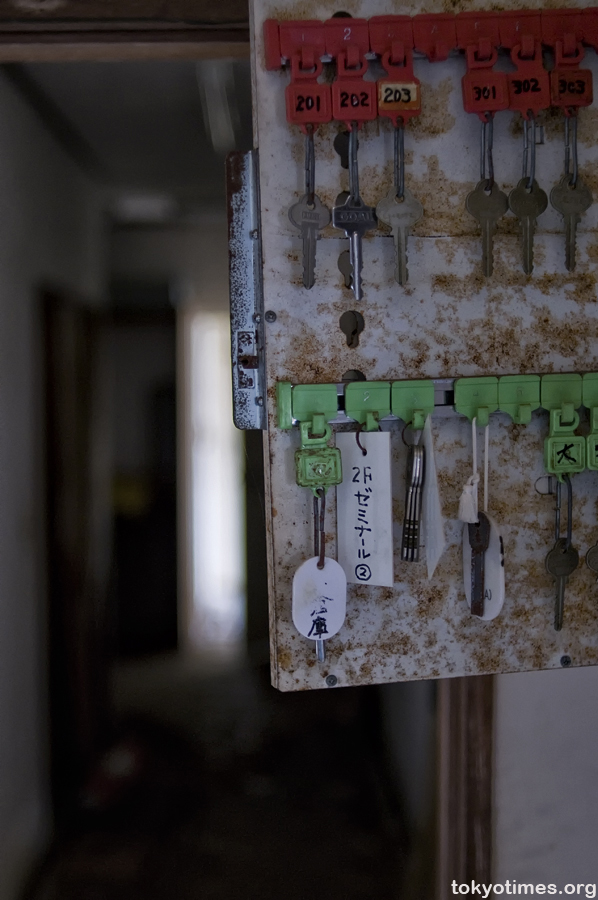
Leaving the corridors free to be roamed alone, with once locked doors no longer a problem.

abandoned Japanese building

Meaning plenty of rooms to peruse.
abandoned Japanese building

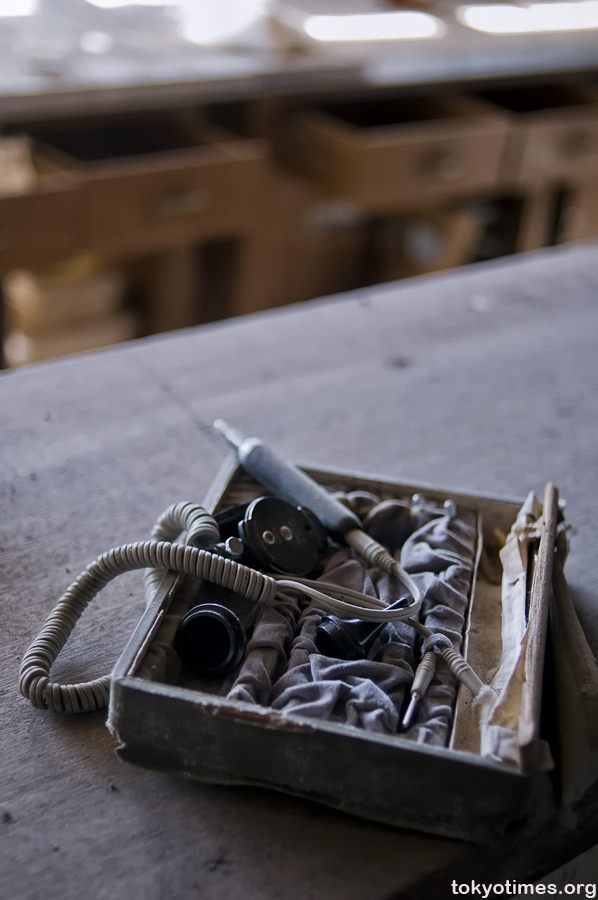
And the odd piece of apparatus to ponder.

abandoned Japanese building

Although a fire, unfortunately,

abandoned Japanese building

would pose much more of a problem.

abandoned Japanese building

But in time even that will be irrelevant, if in fact it isn’t already, as nature is slowly,

abandoned Japanese building

but surely,

abandoned Japanese building

taking back the building.

abandoned Japanese building

Next week, in part 2, I attempt something a little bit different, and take a close and concentrated look at a single piece of furniture found in the office.

Categorized: Haikyo, Photography

Jan 13 2010 16 Comments

Bleak and abandoned isolation ward

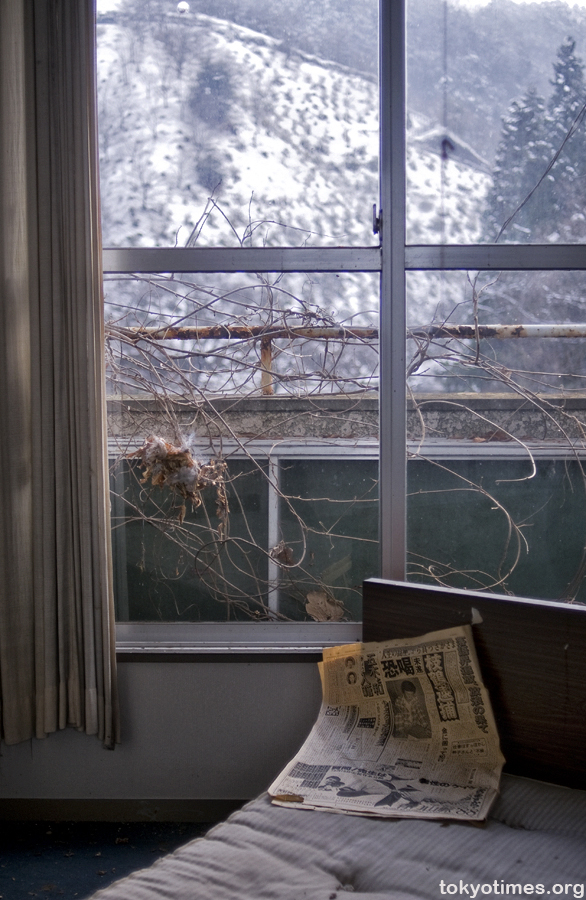
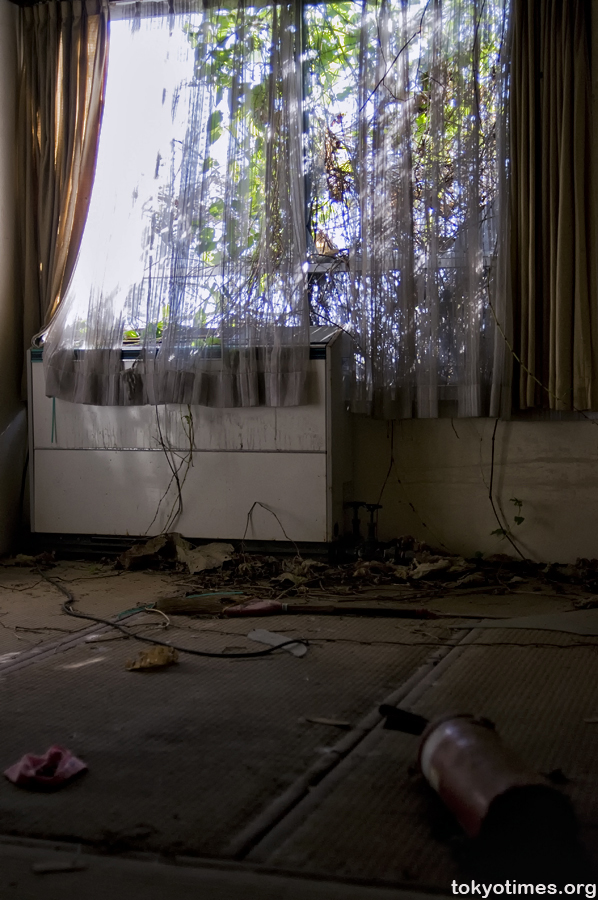
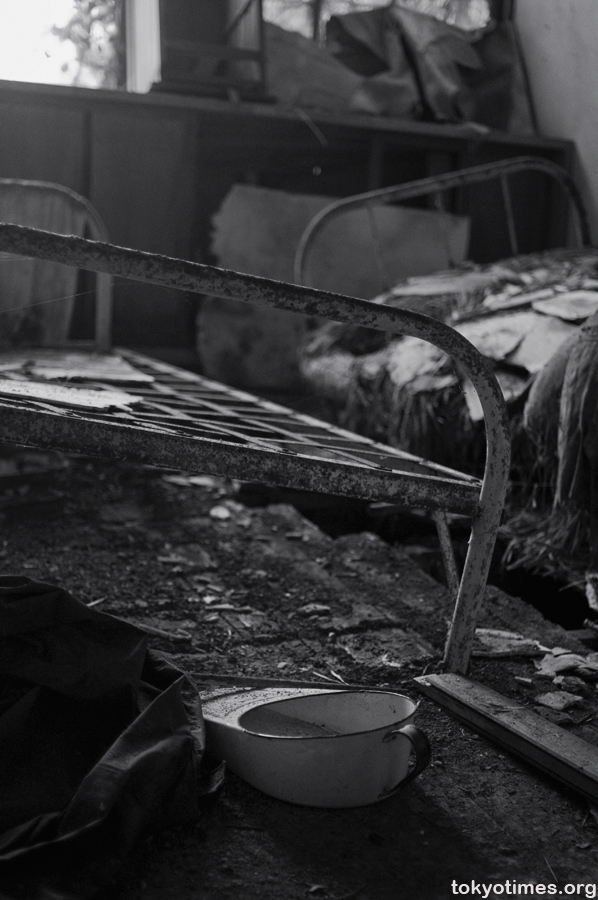
Abandoned buildings/haikyo come in all shapes and sizes as well as covering all manner of previous purposes; however, whilst a certain amount of melancholy is par for the course due to the memories, and to a certain extent the lost hope, left behind, the Higashi Izu-cho Isolation Ward is by far the most depressing place I have ever visited.

Abandoned Japanese isolation ward

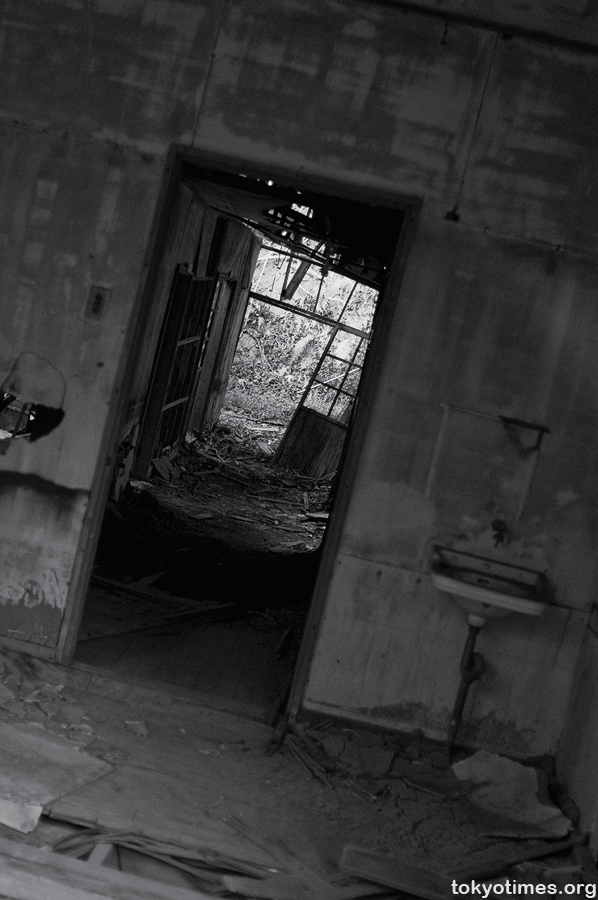
A predominantly wooden structure that, due to its location in a relatively dense bamboo forest, is rapidly decaying — the sanatorium’s brave battle with mother nature now very much a long lost cause.
Abandoned Japanese isolation ward

Yet when the ward finally closed its dilapidated doors isn’t exactly clear, with anywhere up to the early 80s deemed possible, although magazines found in one of the rooms apparently suggest it may well have peaked in the mid 60s.

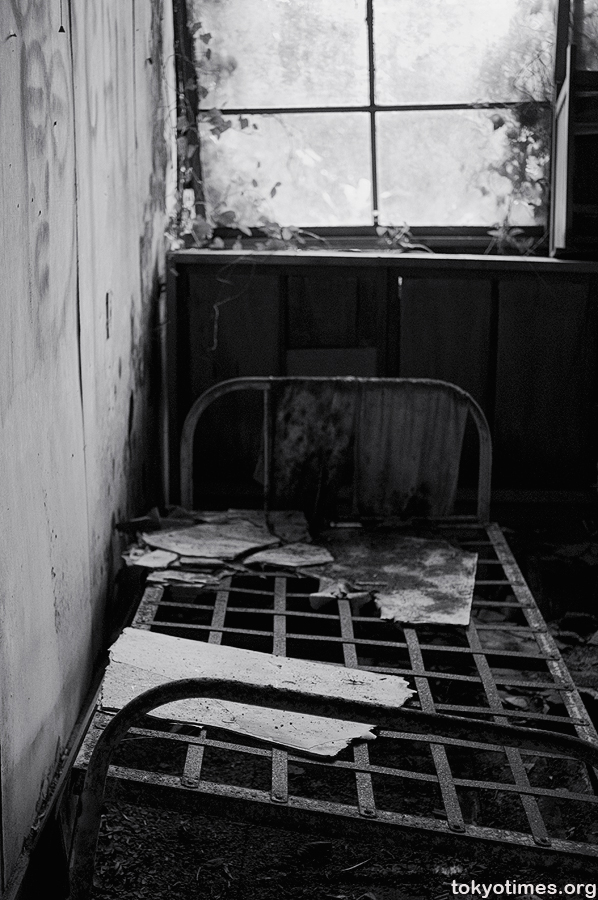
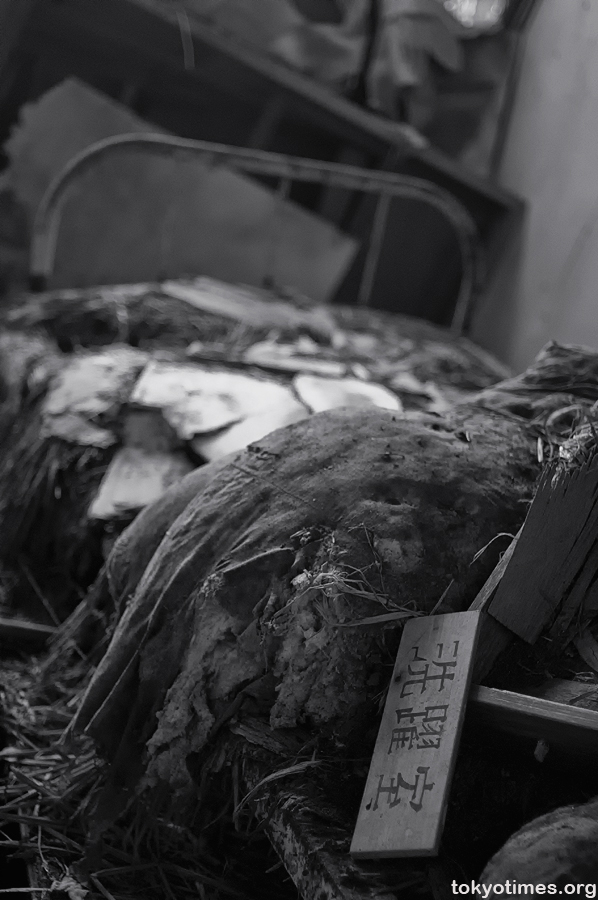
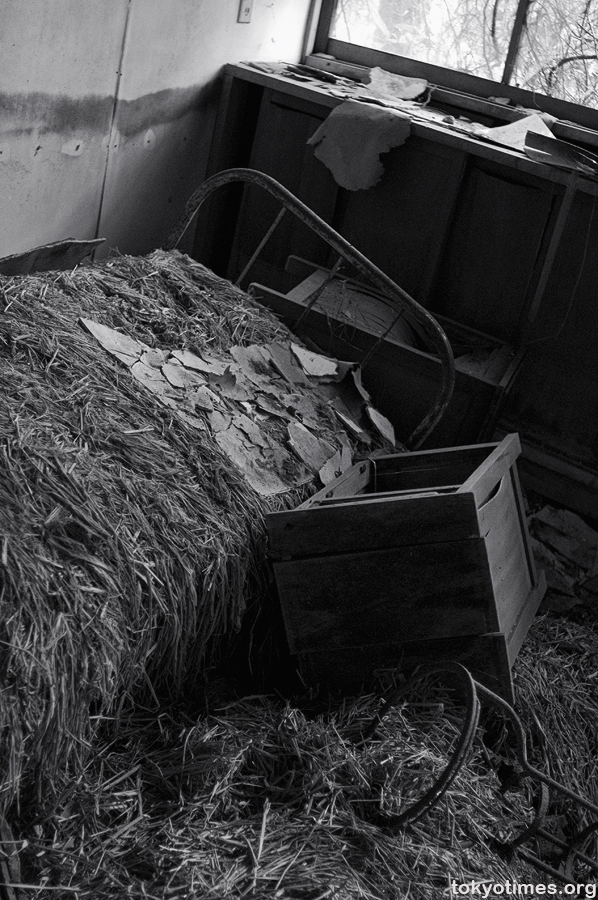
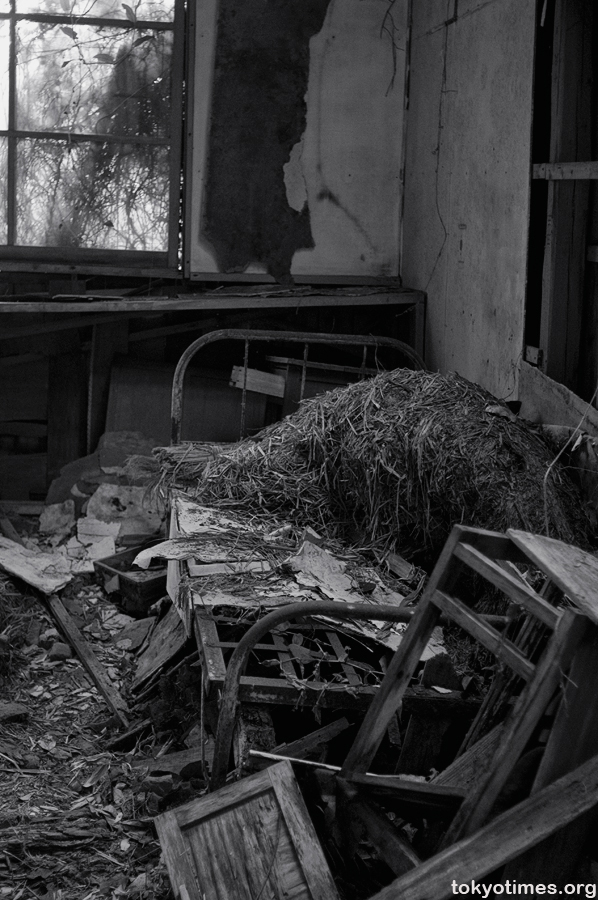
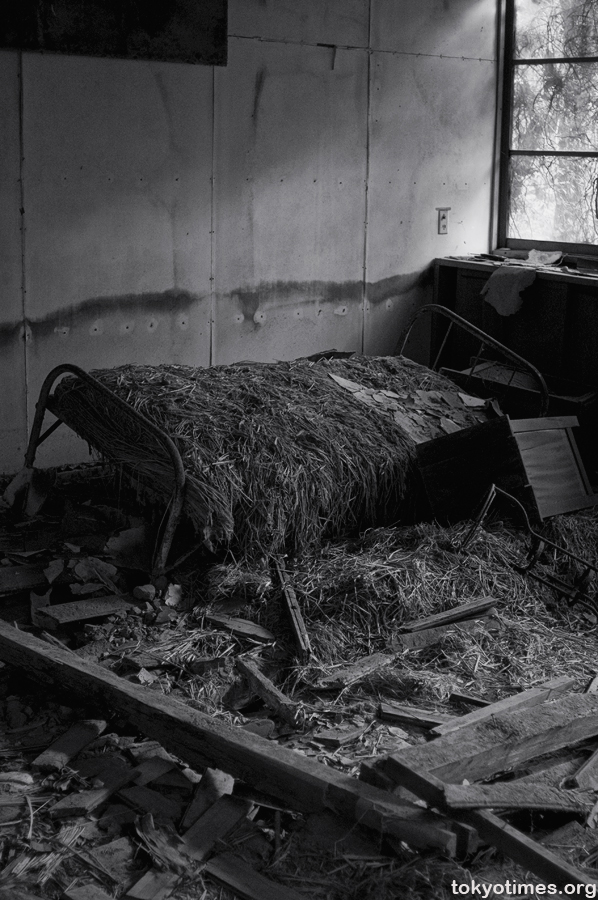
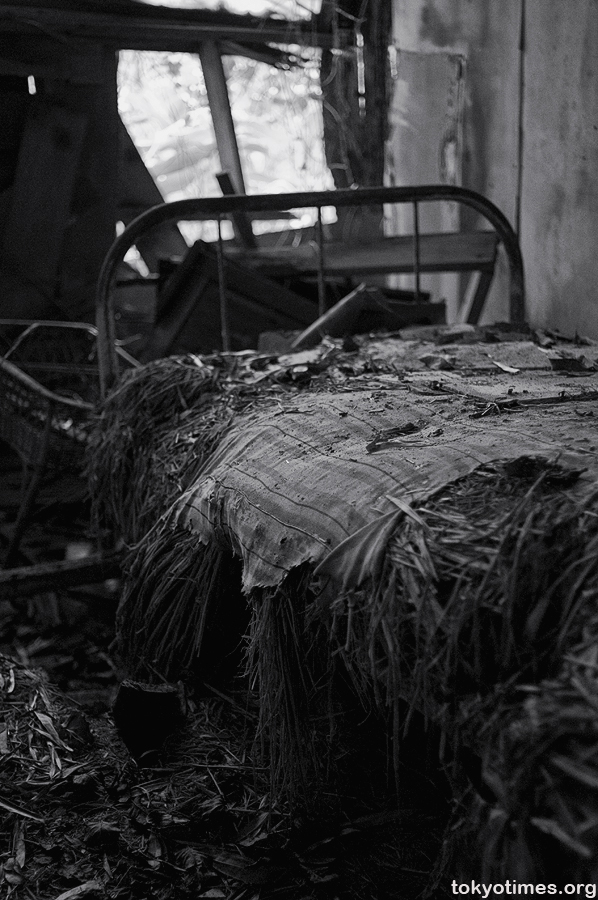
But regardless of the dates, the ward’s remaining straw mattress beds,

Abandoned Japanese isolation ward

along with the antiquated and now damaged fittings,

Abandoned Japanese isolation ward

paint an especially bleak picture.
Abandoned Japanese isolation ward

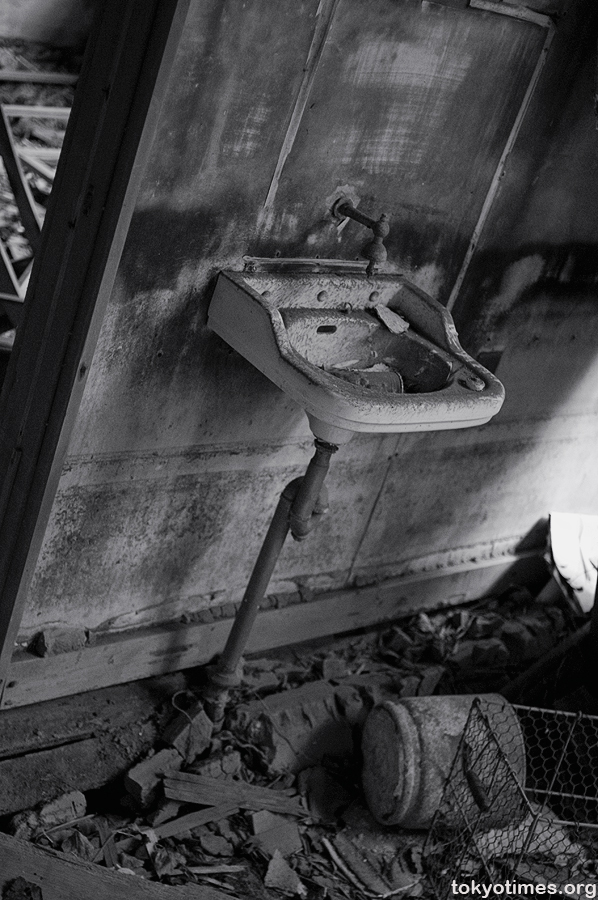
One in which sick and presumably dying patients — smallpox being the most likely cause — lived out whatever time they had amidst the most basic of facilities.
Abandoned Japanese isolation ward

Somehow dealing with the no doubt dank and dreary conditions.

Abandoned Japanese isolation ward

And all the time resting on those aforementioned,

Abandoned Japanese isolation ward

and absolutely horrible looking,

Abandoned Japanese isolation ward

beds.

Abandoned Japanese isolation ward

Categorized: Haikyo, Photography

« Previous Page
Next Page »

Footer

Copyright © 2026 · Tokyo Times