• Skip to main content
  • Skip to footer

Tokyo Times

Photographs from a small group of islands

  • Photowalks
  • Portfolio
  • Book and Prints
  • Newsletter
  • About/Contact
  • Follow
    • Facebook
    • Instagram
    • Twitter
    • RSS

Haikyo

Dec 17 2009 22 Comments

Japanese Special Attack Units training centre haikyo

In the last couple of years I’ve explored numerous abandoned buildings/haikyo, ranging from museums to mining towns, but for one reason or another, never any war-related sites — a situation I finally managed to rectify last week with a trip to Nagasaki and the Kawatana Japanese Navy Torpedo Boat Training School.
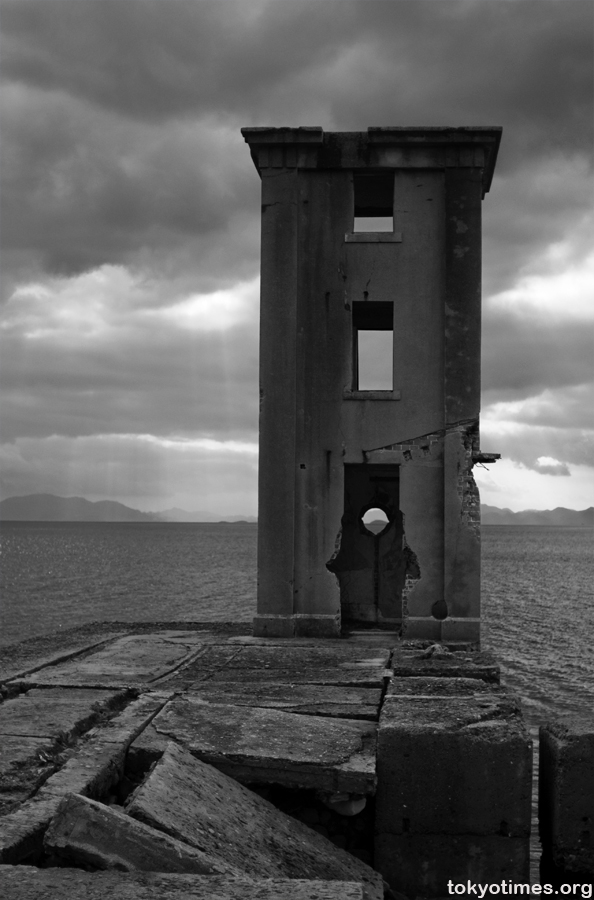
abandoned Japanese World War II Special Attack Units training centre

Many of those enlisted for the far more widely known of Japan’s special attack units, the Kamikaze, were taught at the relatively nearby Tachiarai Air Base, but at Kawatana, the less well known but no less deadly Shinyo (suicide boats) and Kaiten (explosives-laden submarines) personnel underwent their specialized training. Along with the even more desperate, although in the end little used, bomb carrying Fukuryu divers. All of it needless to say in preparation for the young conscripts one and only mission.

Now, however, after more than sixty years of standing untouched and exposed to the elements, the various lonely looking structures are slowly beginning to crumble.
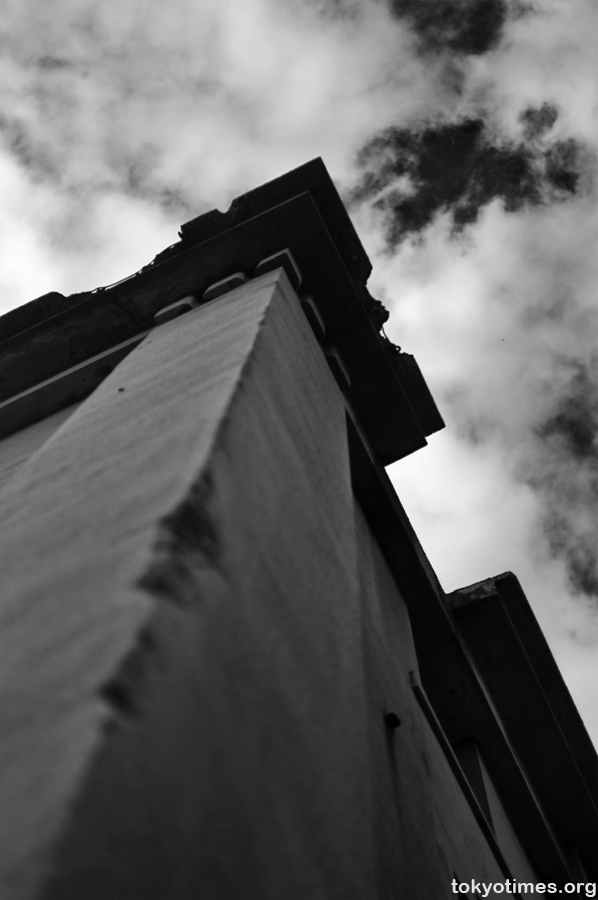
abandoned Japanese World War II Special Attack Units training centre

And despite the fact that the base would have been a very different place during the last couple of years of World War II, with thousands of men, many as young as 15, passing through in the process of making the ultimate sacrifice, nowadays there is only silence.
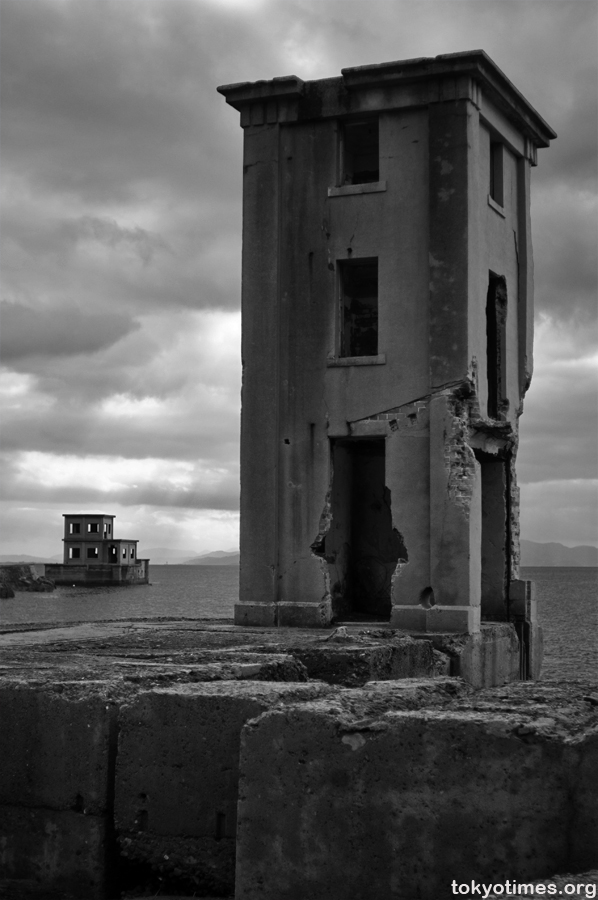
abandoned Japanese World War II Special Attack Units training centre

Plus, perhaps surprisingly, a certain sense of peacefulness.
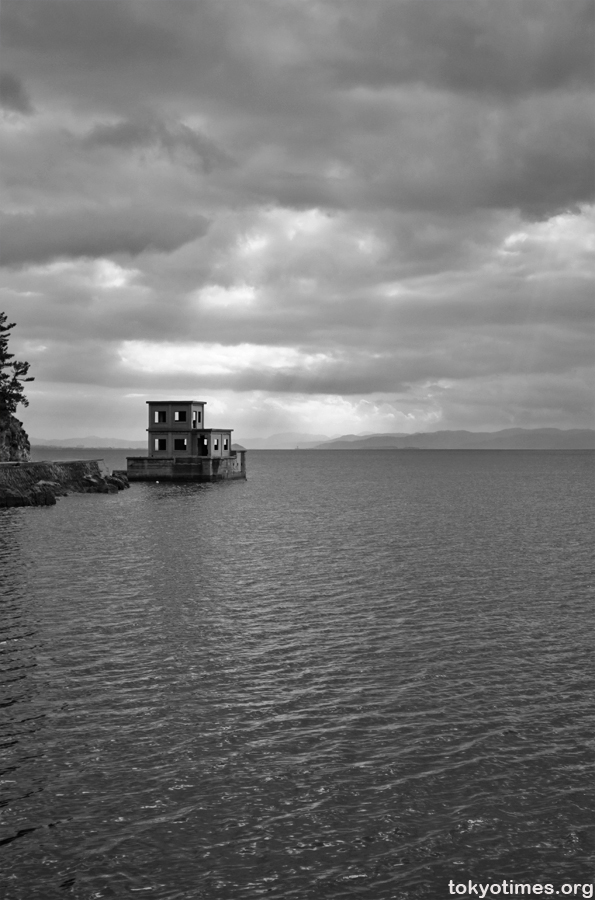
abandoned Japanese World War II Special Attack Units training centre

And added to this, the visit for me personally was especially poignant as I was taken there by a colleague whose father trained at Kawatana as a two-man suicide boat captain; a recruit who was luckily saved from performing his duty by Japan’s surrender after the devastation at nearby Nagasaki. A decision that, had it come a few weeks later, would have meant that his son wouldn’t have existed, and I’d have been standing there alone.
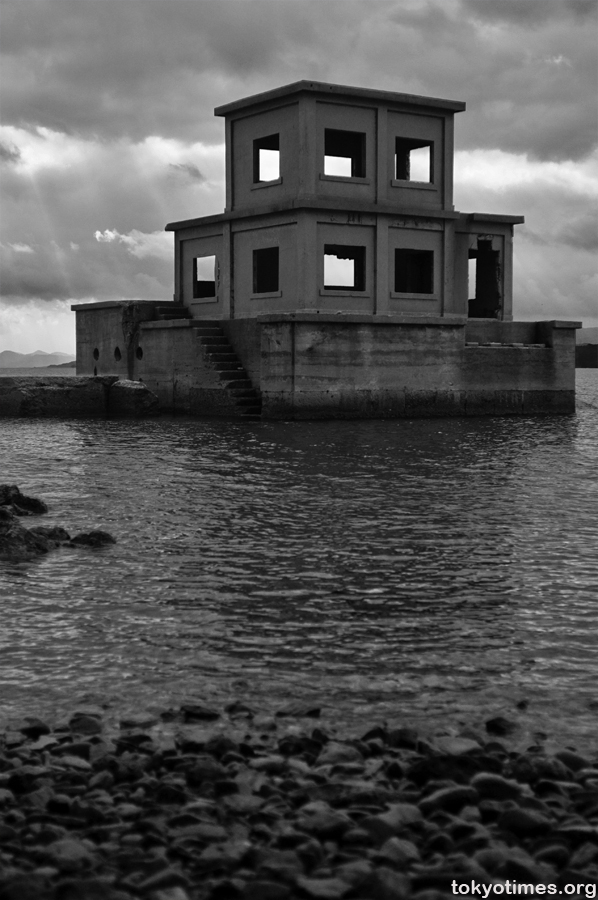
abandoned Japanese World War II Special Attack Units training centre

Just like the buildings do now, except for the occasional company of local fishermen.
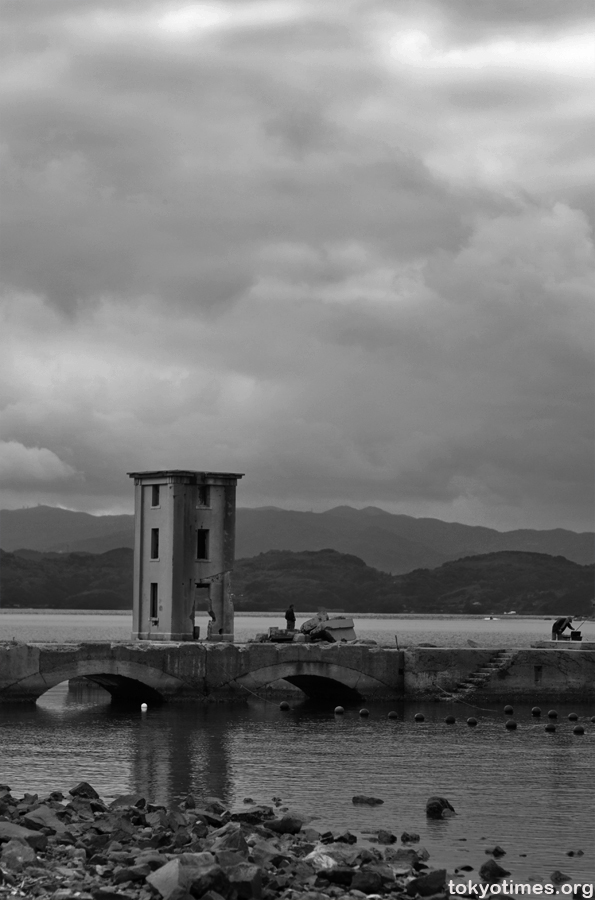
abandoned Japanese World War II Special Attack Units training centre

Categorized: Haikyo, Photography

Dec 09 2009 12 Comments

Abandoned volcano museum #2: Colour

The highlights of haikyo/urban exploration seem to vary depending on the person, meaning that for some it’s purely for the pleasure of exploration and the buildings themselves, whereas others are far more interested in the detritus and the details left behind. And for me at least, it’s definitely the latter that is key — little pieces of information that give hints about the lives of the people who once worked, or better still lived, there. Items that offer the briefest snippet of the past — a moment captured in time almost.

And yet that said, the Mt. Asama Volcano Museum is the first haikyo I’ve visited that was actually more interesting on the outside; its shape and precarious position on the side of a mountain making it a sight that is simultaneously both sad and stunning.

abandoned Japanese volcano museum

More pictures of which — in black and white — can be seen here in Part 1.

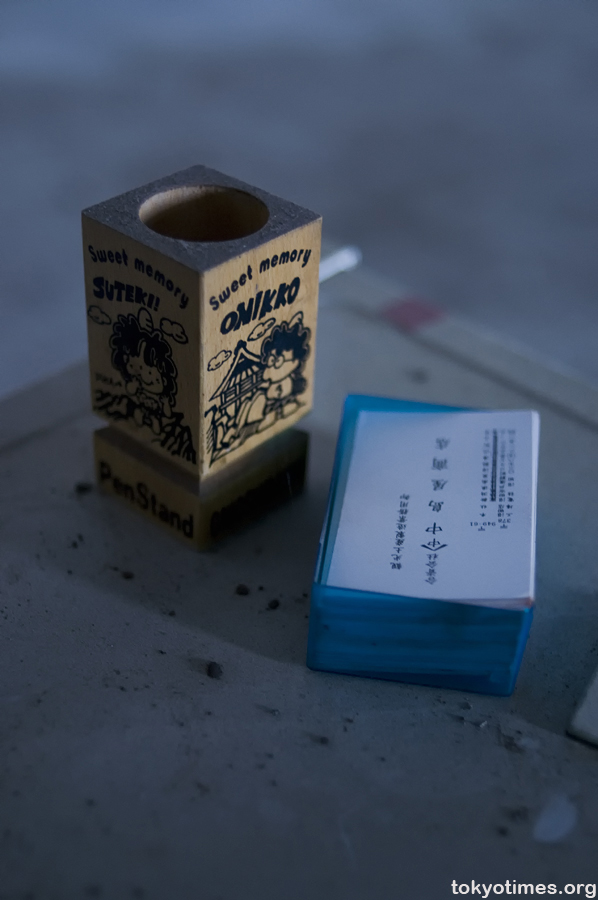
But that’s not to say there were no signs of past life in the place, it’s just that on the whole they weren’t especially personal that’s all. Except this perhaps somewhat tellingly full box of business cards — still patiently waiting for a taker since the museum closed its doors sometime in 1993.

abandoned Japanese volcano museum

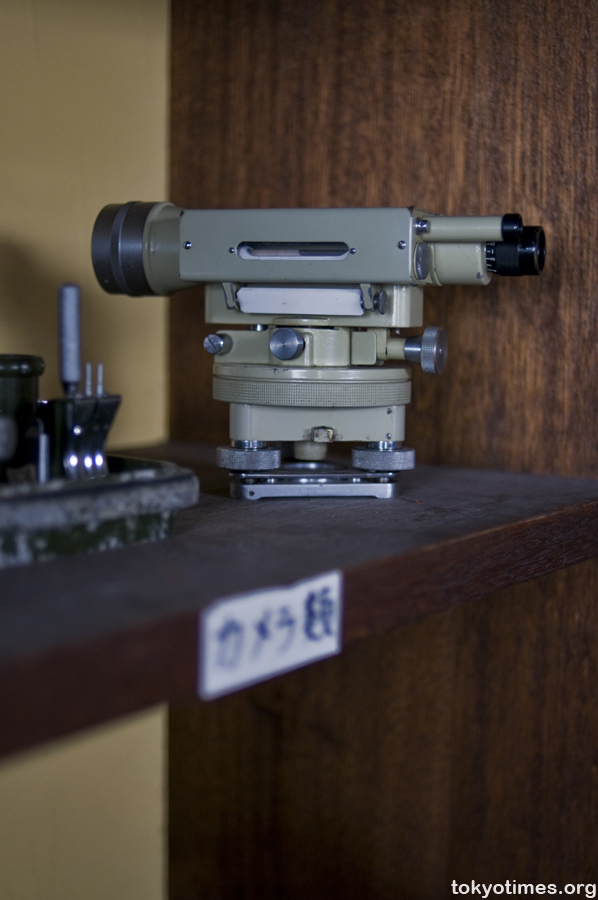
Otherwise it was mostly indicators of the work that went on there, whether it was science-based study,

abandoned Japanese volcano museum

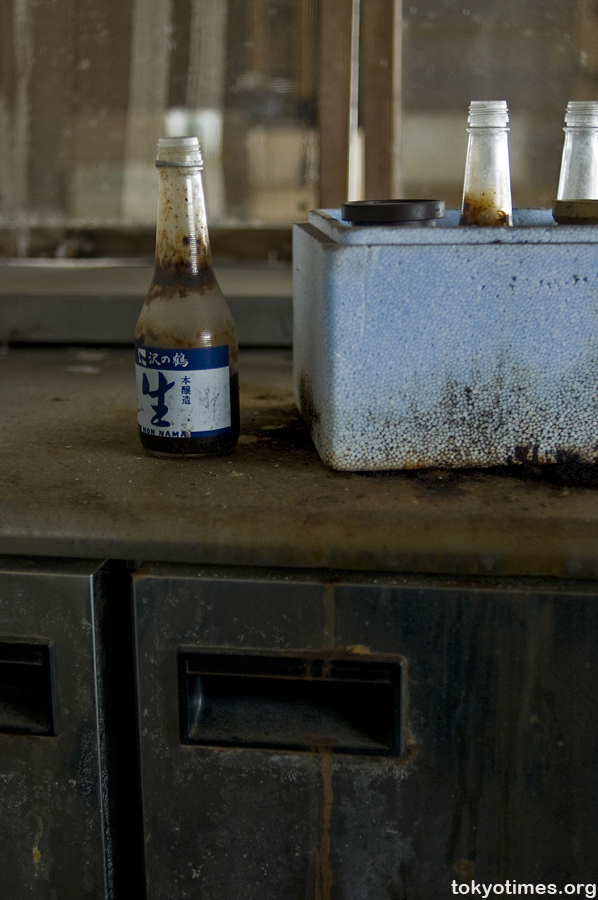
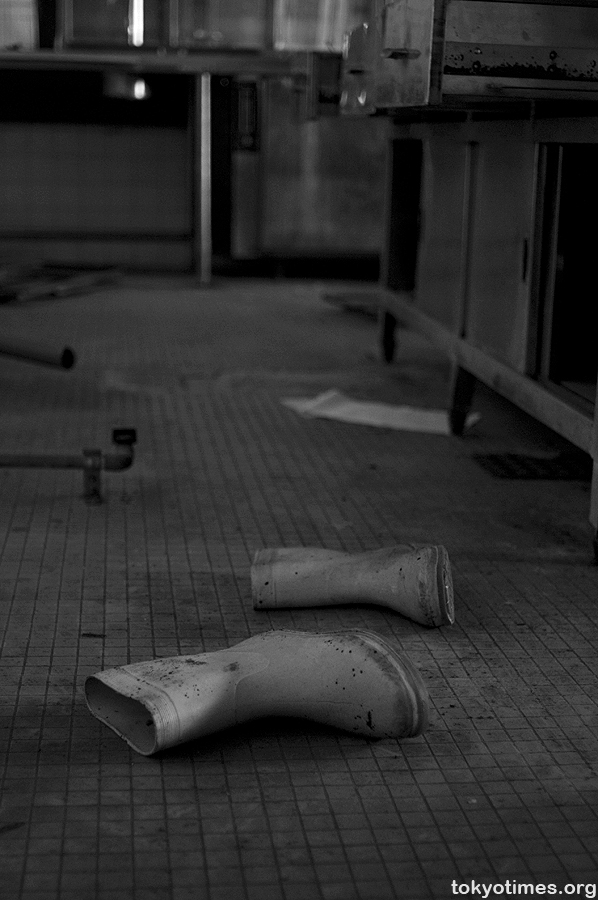
or catering to the customers culinary needs.

abandoned Japanese volcano museum

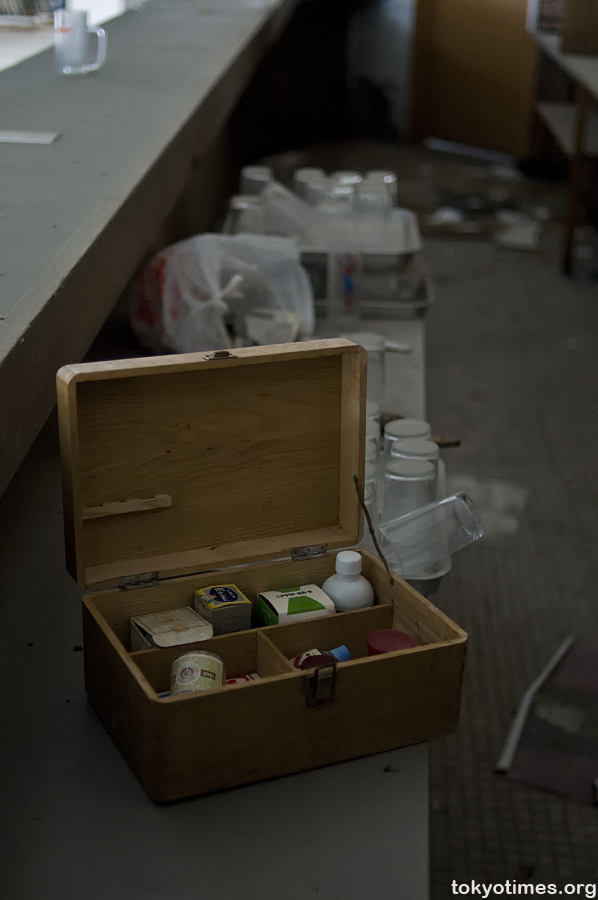
And maybe also their health, should they have been struck down with a bug.

abandoned Japanese volcano museum

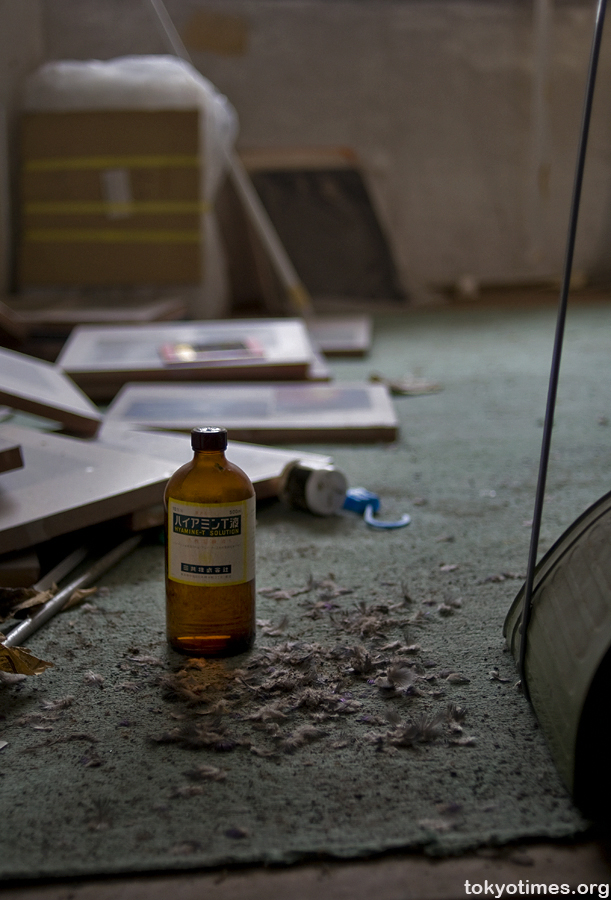
Possibly even a bird.

abandoned Japanese volcano museum

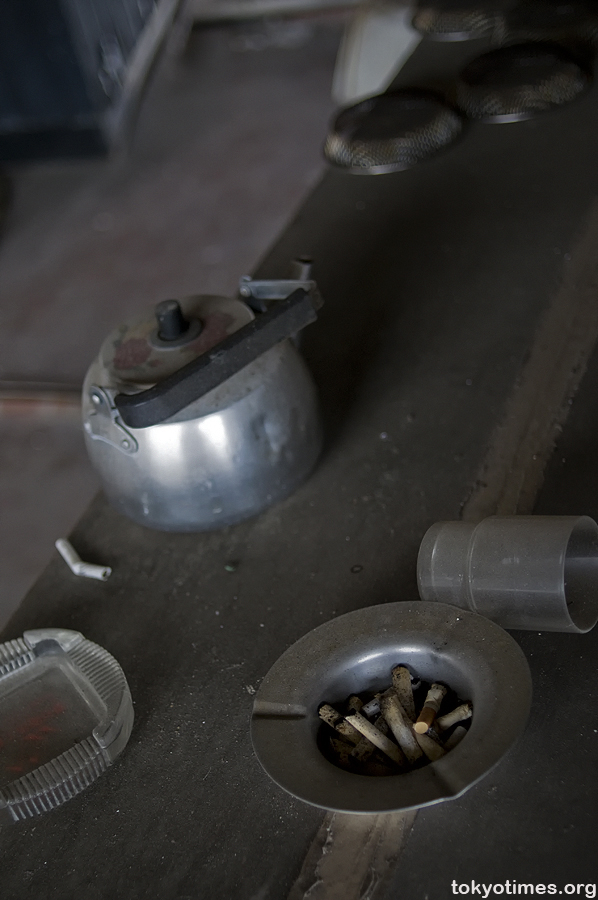
Plus, as it was open back in the day when smoking was practically a prerequisite rather than something to be merely put up with, there were signs of where some people smoked their last cigarette on the premises.

abandoned Japanese volcano museum

Or off the premises, in more of a nod towards the ‘manners’ that pervade today.

abandoned Japanese volcano museum

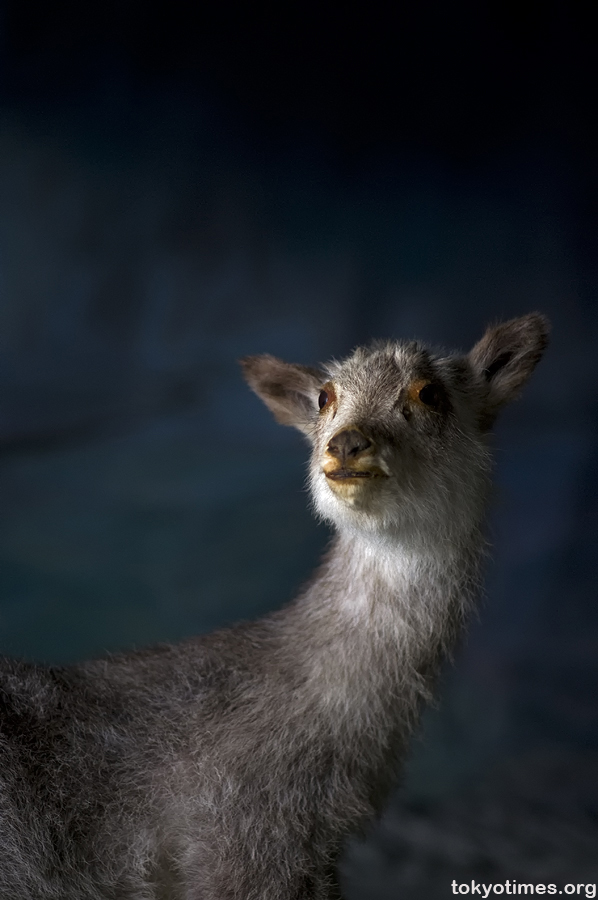
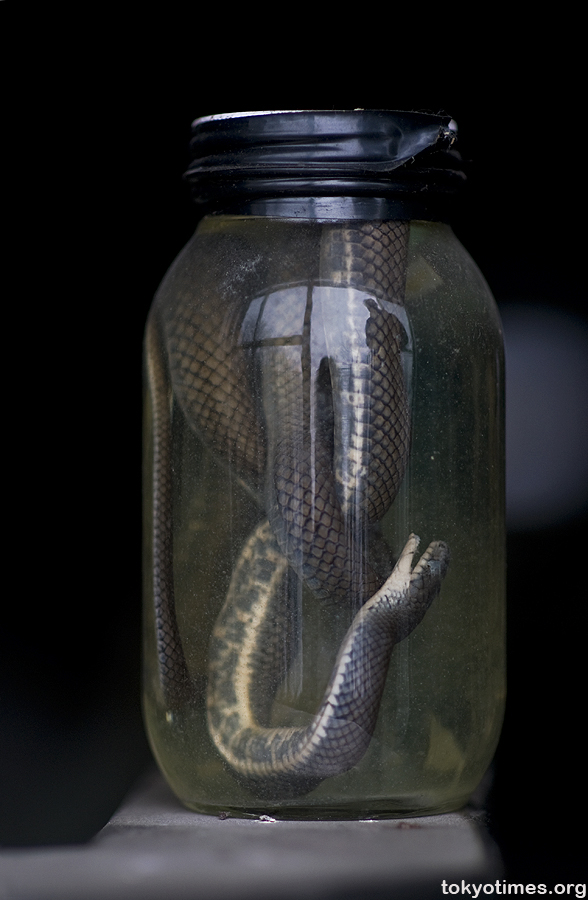
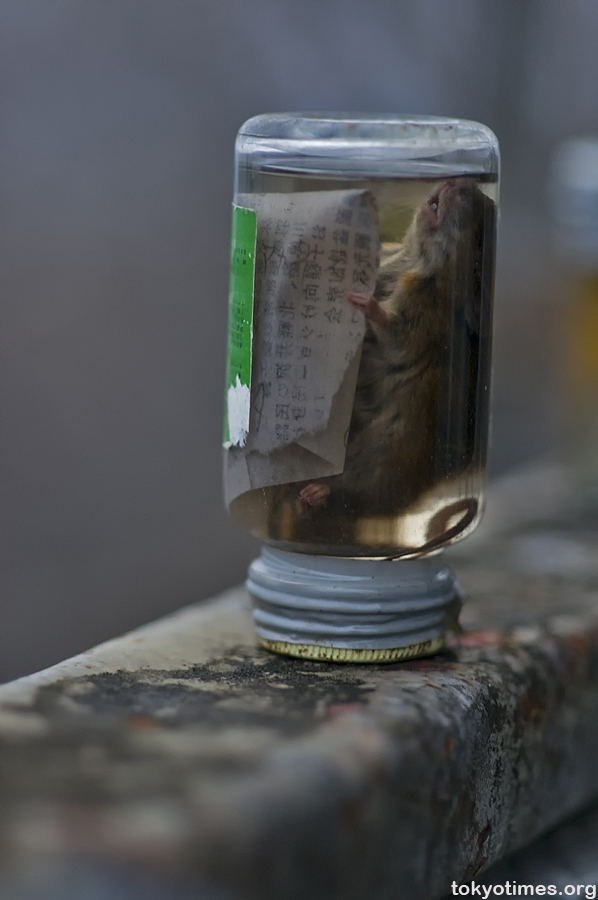
And yet just like almost all haikyo, the museum conjured up a few mysteries, this time due to its unfathomable possession of a diverse array of dead animals. Some of which were stuffed.

abandoned Japanese volcano museum

Whereas others were simply stuffed into jars.

abandoned Japanese volcano museum

Which are now left alone with nobody to look at them.

abandoned Japanese volcano museum

Should they have ever wanted to in the first place.

Categorized: Haikyo

Dec 01 2009 16 Comments

Abandoned volcano museum #1: Black and white

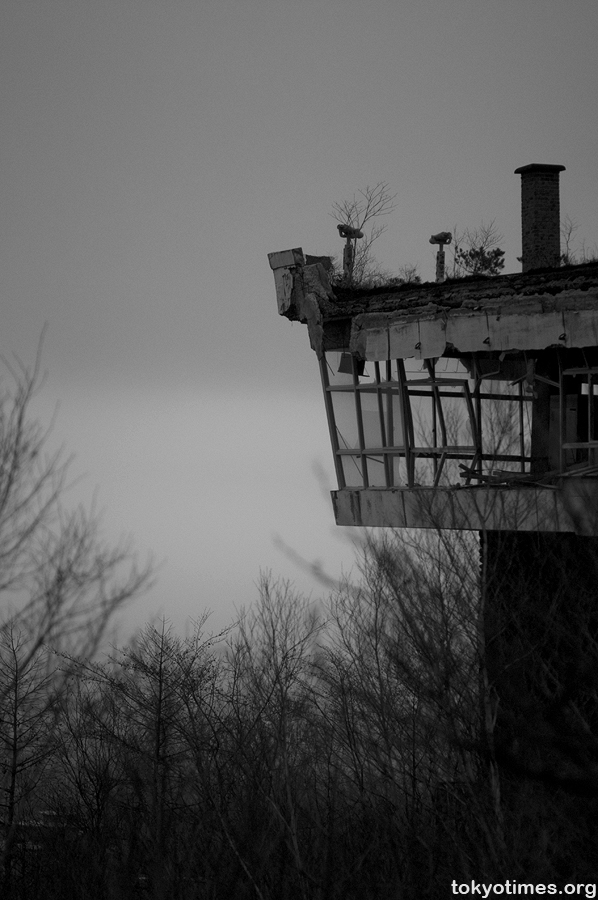
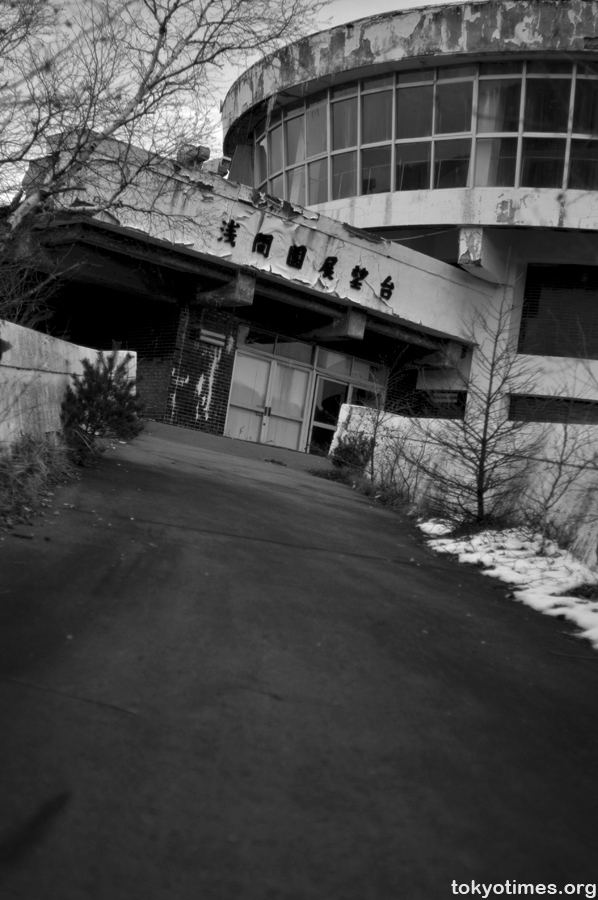
Having sent numerous emails over the last 18 months or so sharing stories and locations with fellow haikyo/urban exploration fans Mike (Michael John Grist), Mike (Mike’s Blender) and, erm, Mike (Gakuranman), the chance to actually get together on a trip finally presented itself, culminating in a two day road trip covering the known, and not so known, roads of Gunma and Nagano; first and foremost on our minds being the Mount Asama Volcano Museum — a decidedly bleak looking structure somewhat precariously perched on one of the many mountains looking up to the one time tourist spot’s not exactly insubstantial namesake.

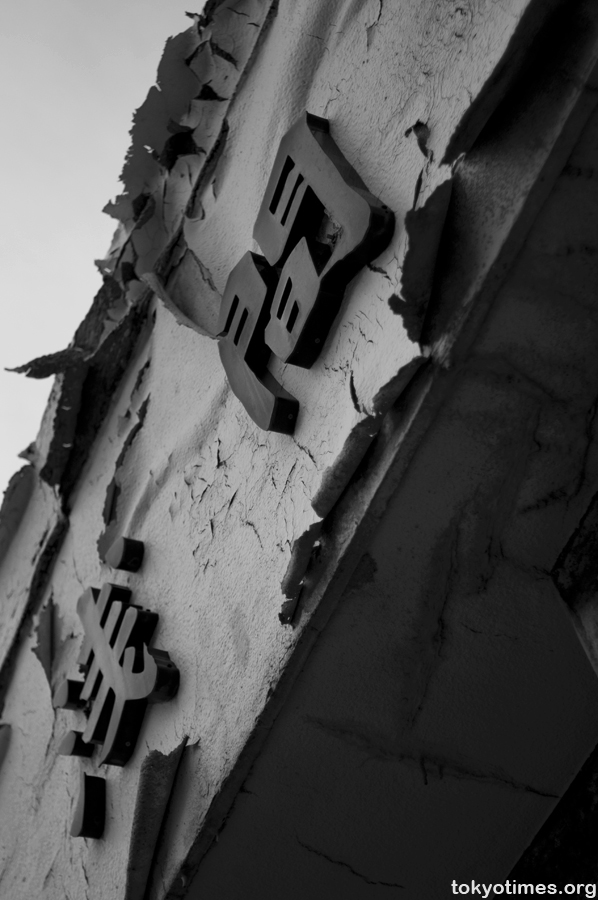
The slowly decaying building creating a strangely serene and yet at the same time almost post-apocalyptic scene.

abandoned Japanese volcano museum

A feeling that continues as one gradually approaches.

abandoned Japanese volcano museum

Its wonderfully weatherworn exterior damaged due to the extremely exposed location.

abandoned Japanese volcano museum

And more than likely the marvellously positioned museum’s close proximity to a still very much live volcano.

abandoned Japanese volcano museum

Some early snow on the roof already signalling what’s to come in the ensuing months,

abandoned Japanese volcano museum

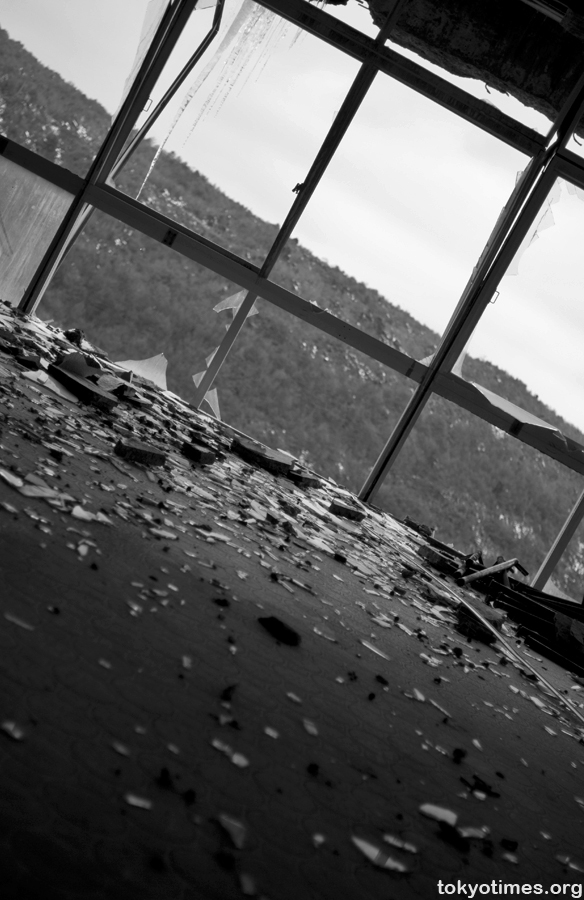
along with signs inside of what could be a combination of both vandal and volcanic activity.

abandoned Japanese volcano museum

The latter at least creating a situation that may well have played some part in the people who once worked there walking out.

abandoned Japanese volcano museum

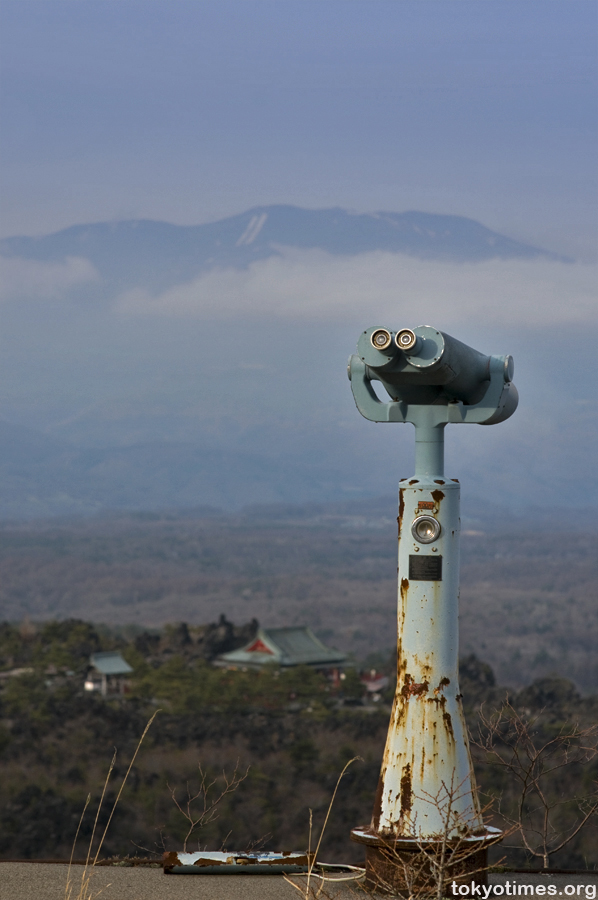
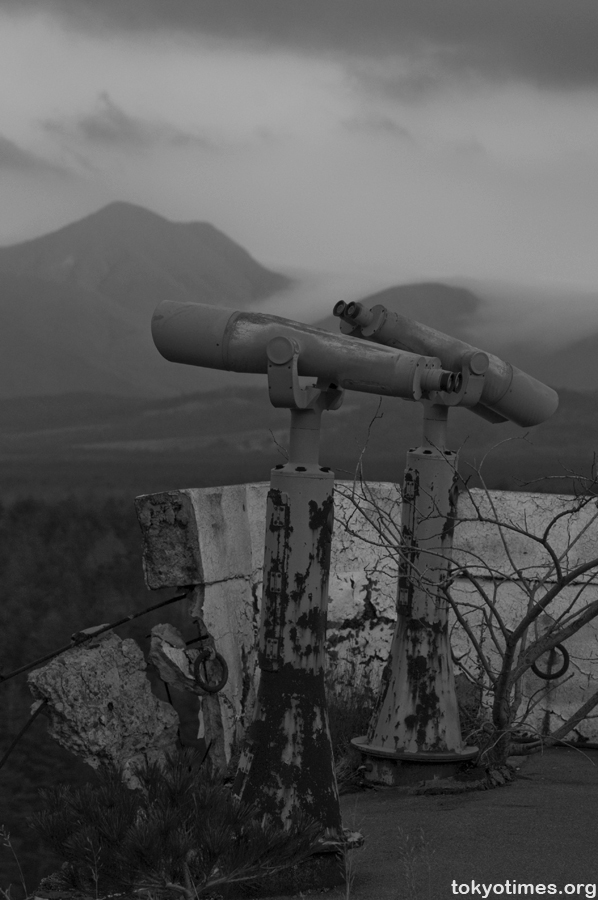
Leaving only the lonely binoculars to rather forlornly look out onto the landscape.

abandoned Japanese volcano museum

For more of a look at the museum, here, in part 2, I take a closer and in colour look at the interior, along with the various odds and sods not so lovingly left behind.

Categorized: Haikyo

Nov 19 2009 14 Comments

Abandoned miner’s houses #3: Forlorn facilities

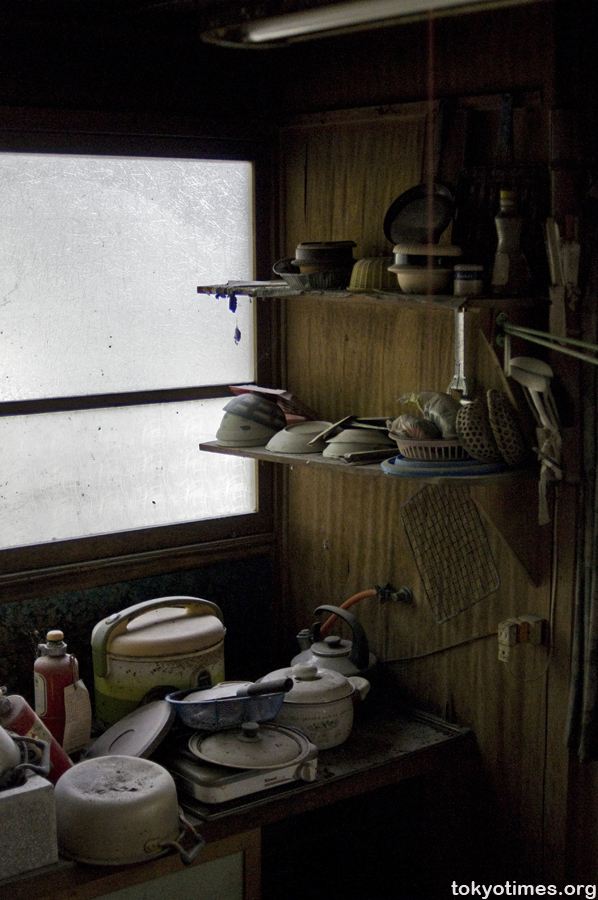
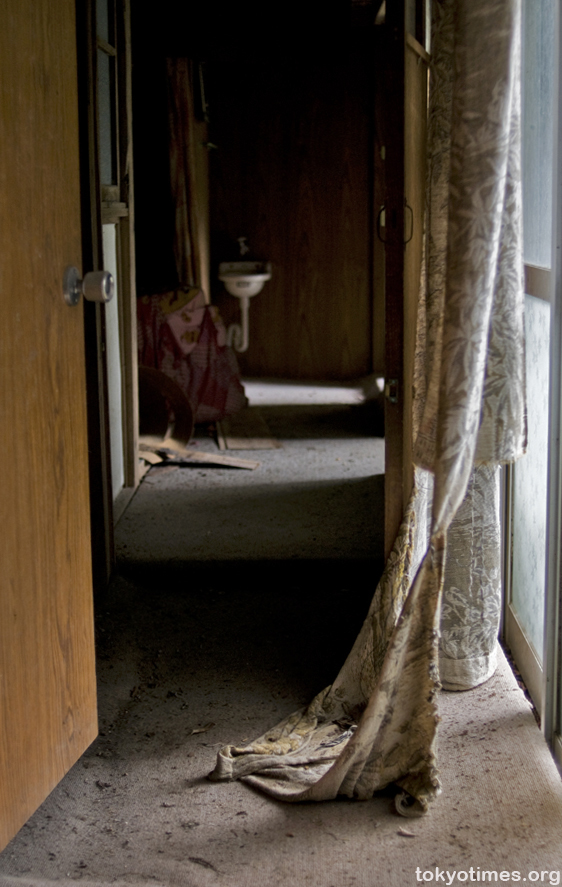
After looking at some personal effects and the rooms in parts one and two respectively, it’s finally time to see the facilities; areas of the small huddle of mining company-related houses which, despite being abandoned a couple of decades or so ago, are still surprisingly well equipped.

Japanese haikyo/urban exploration

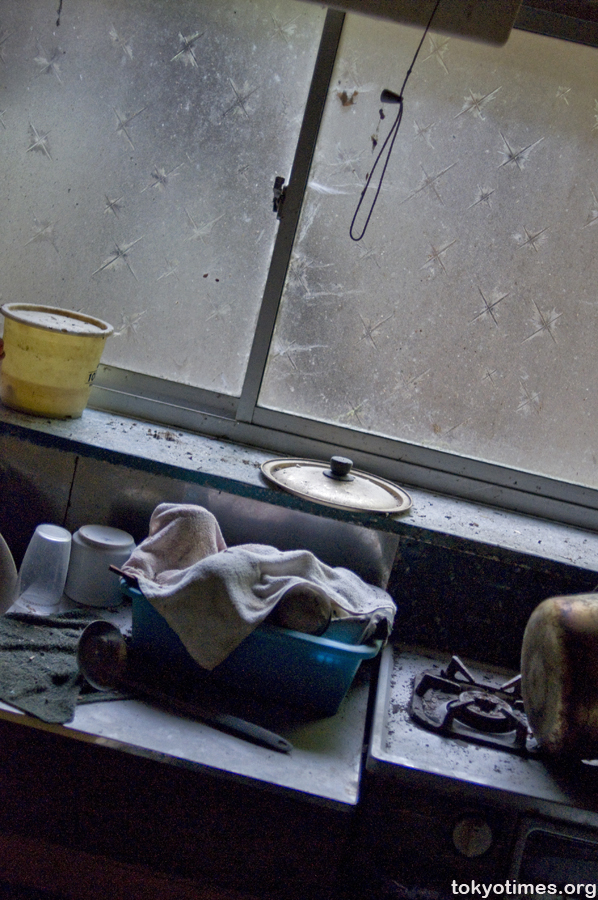
And whilst at least one resident appears to have left in a relative rush,

Japanese haikyo/urban exploration

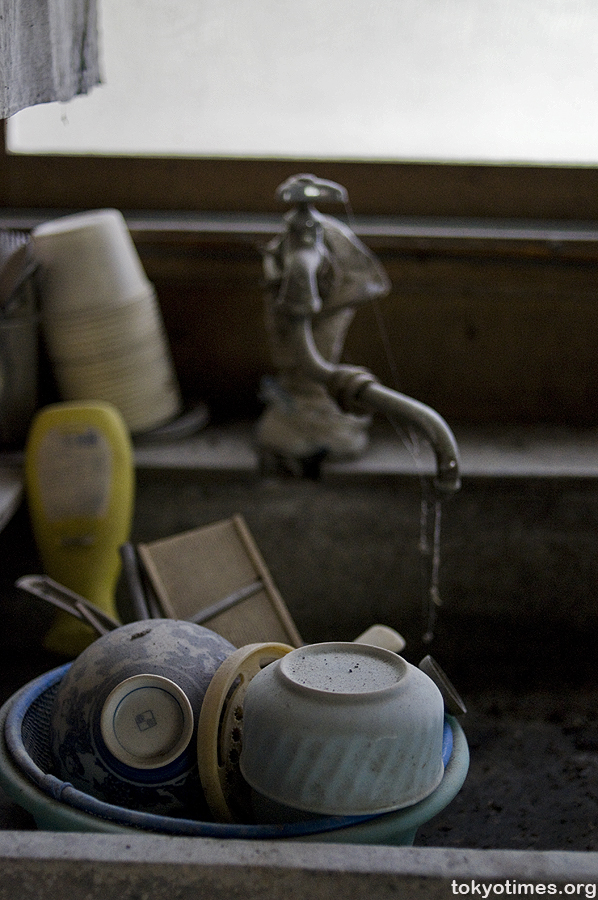
others were decidedly more deliberate.

Japanese haikyo/urban exploration

Not of course that clean dishes would make cooking dinner any less disagreeable.

Japanese haikyo/urban exploration

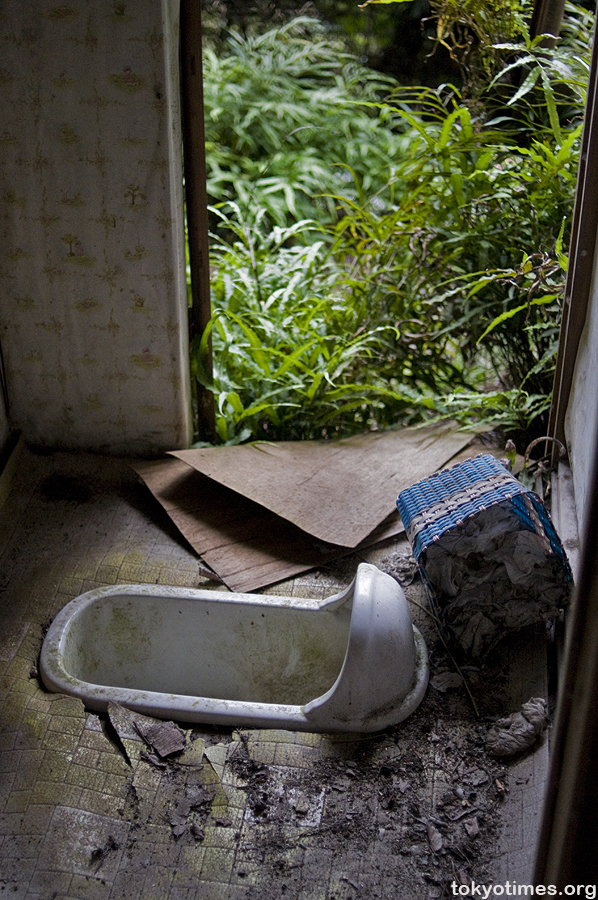
Meaning it’d be about as tempting as using the toilet. A water closet complete with twenty-year-old used paper for added uncomfortableness.

Japanese haikyo/urban exploration

A feeling of filth and fetidness that no amount of cleaning,

Japanese haikyo/urban exploration

could ever cleanse.

Japanese haikyo/urban exploration

For anybody interested in more haikyo/urban exploration, there are also pictures on Tokyo Times of entirely abandoned mining towns, water parks and also love hotels, along with a whole gamut of other stuff in the haikyo category.

Categorized: Haikyo, Photography

Nov 12 2009 4 Comments

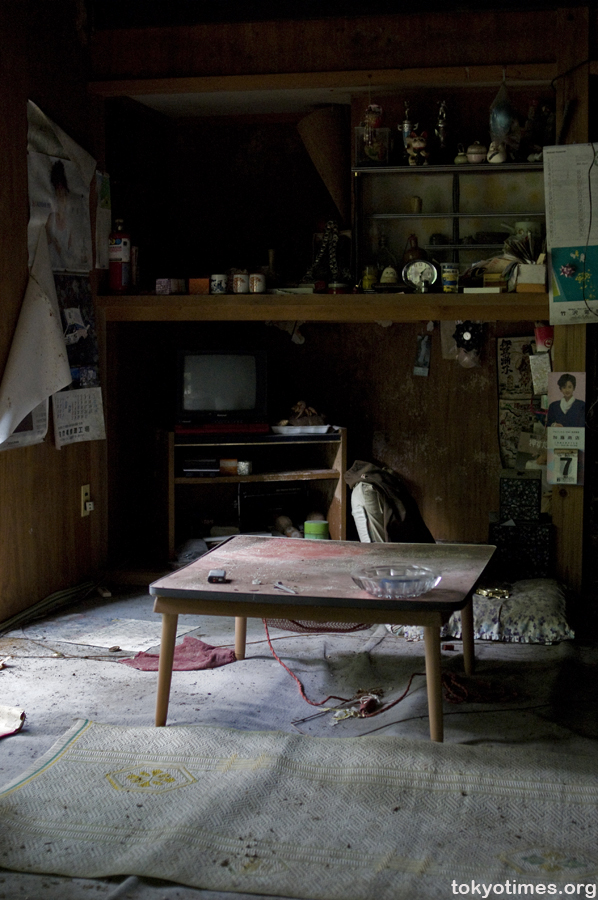
Abandoned mining houses #2: Ramshackleness and rooms

After a look in part one at the insides of some abandoned miner’s houses, along with the possessions left behind by the people who once lived there, the buildings themselves vary from the relatively grand, at least gate-wise,

Japanese haikyo/urban exploration

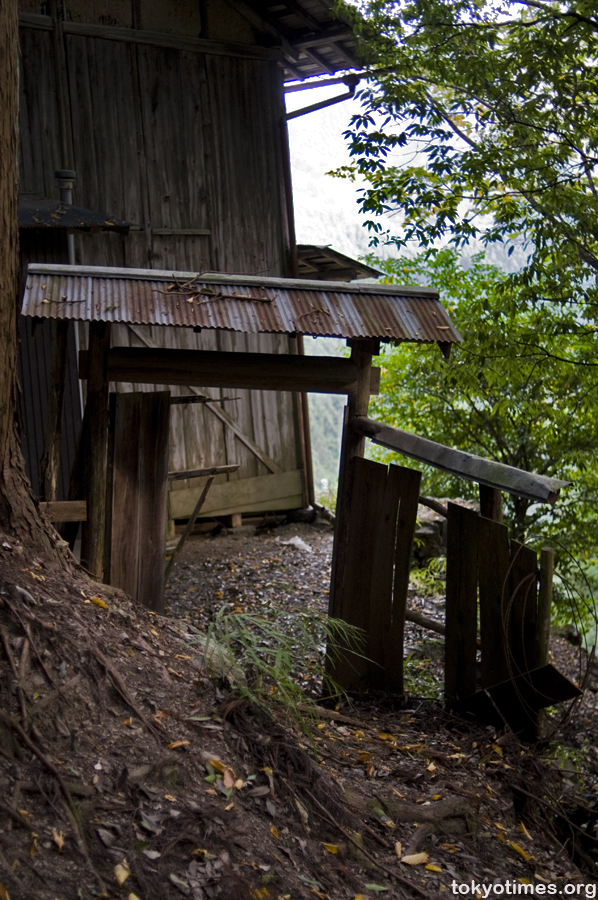
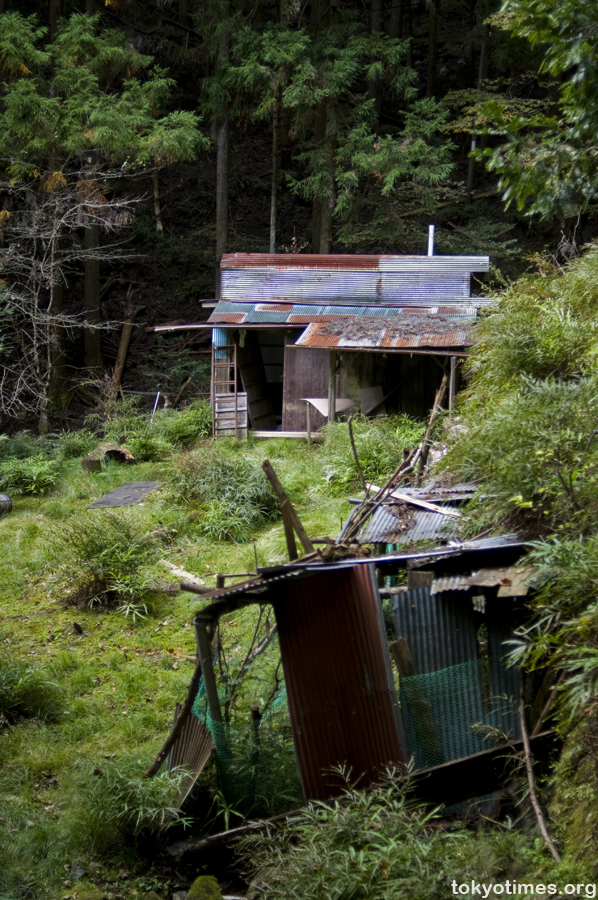
to the rather more ramshackle.

Japanese haikyo/urban exploration

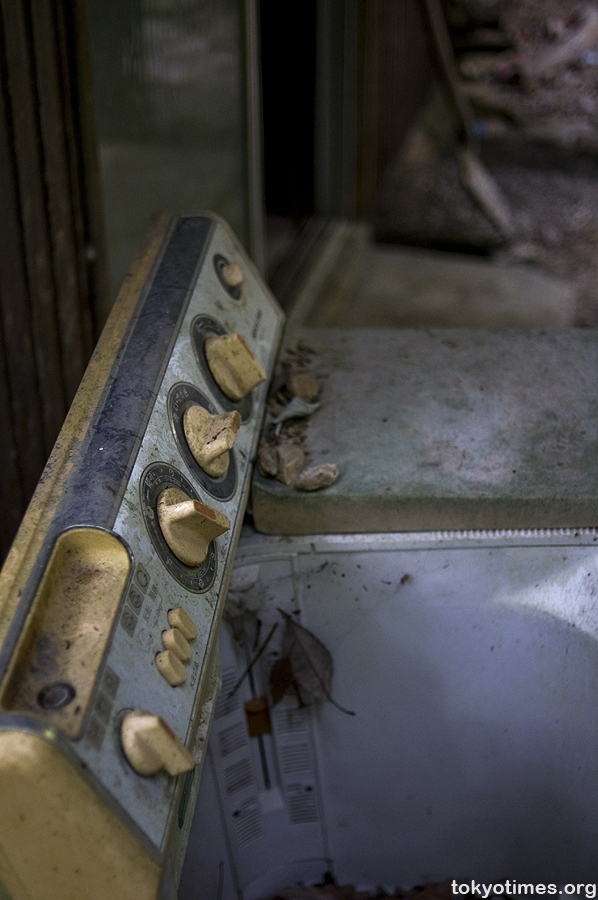
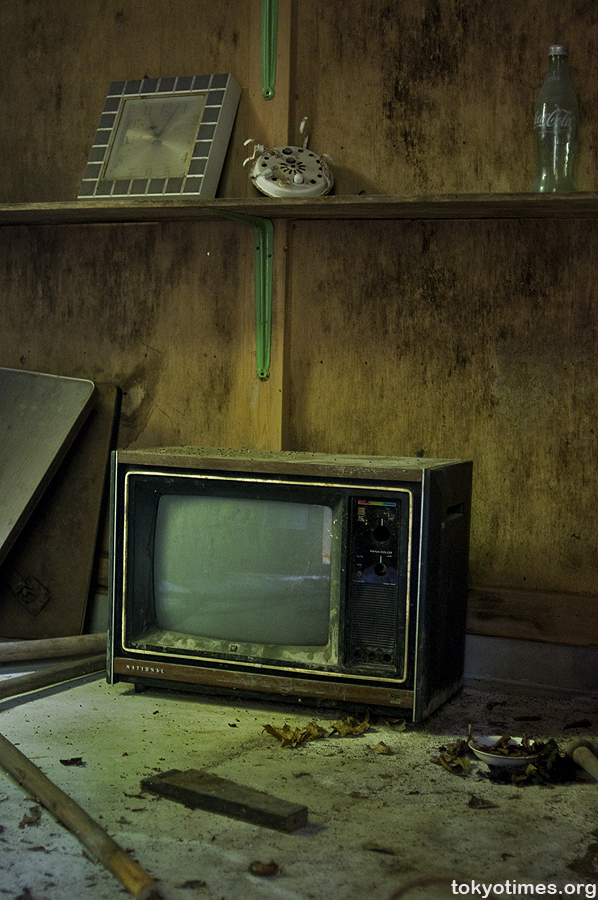
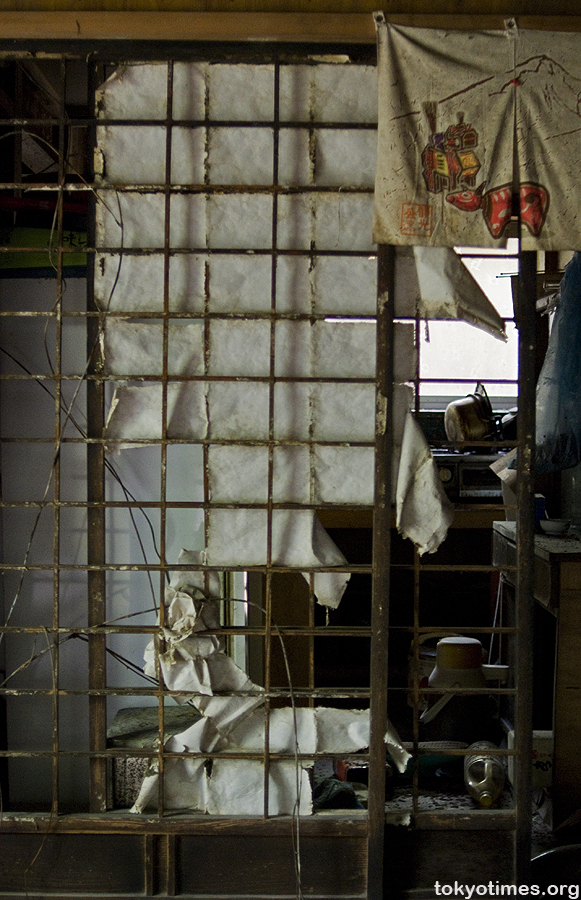
With such tell-tale signs of age particularly apparent when it comes to technology.

Japanese haikyo/urban exploration

Not that such hints are really needed of course, as the decidedly dilapidated state of the domiciles clearly indicate that they are well past their prime.

Japanese haikyo/urban exploration

Especially so when the long-closed curtains are carefully prised opened, revealing at least one room that hasn’t been touched for a terrifically long time.

Japanese haikyo/urban exploration

And yet at the same time rather bizarrely looks like it could have been lived in until not long ago.

Japanese haikyo/urban exploration

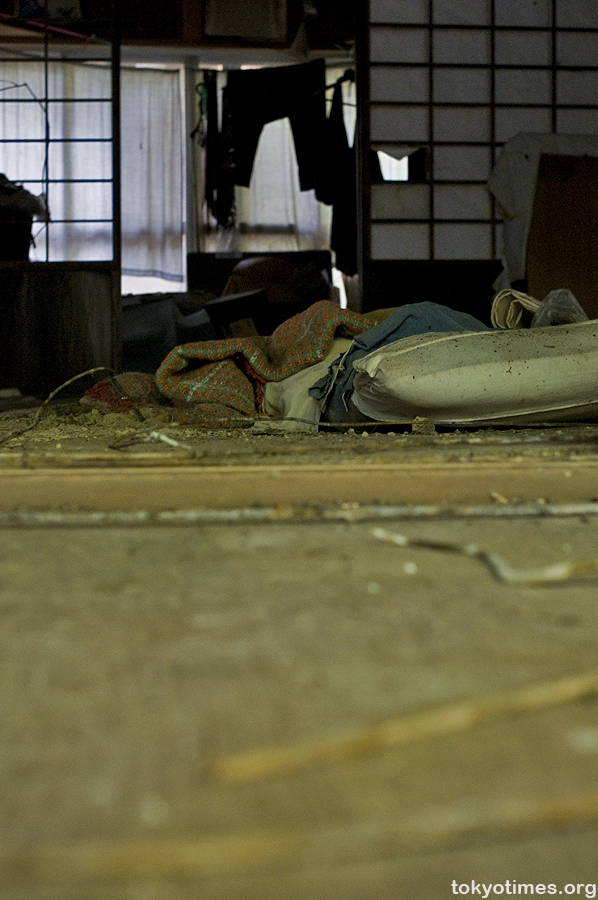
Something that certainly can’t be said about the futon, which is not only rancid, but covered in rodent faeces.

Japanese haikyo/urban exploration

Not unlike the kitchen, which we’ll have a nosey at next time

Japanese haikyo/urban exploration

Yet regardless of all the rubbish, there’d be no point in trying to call somebody to make a complaint, as the connection has long since been cut.

Japanese haikyo/urban exploration

In the third and final part, I take a look at the decidedly forlorn facilities, including the aforementioned kitchen, and a not exactly comfortable commode. All of which can be seen here.

Categorized: Haikyo, Photography

« Previous Page
Next Page »

Footer

Copyright © 2026 · Tokyo Times