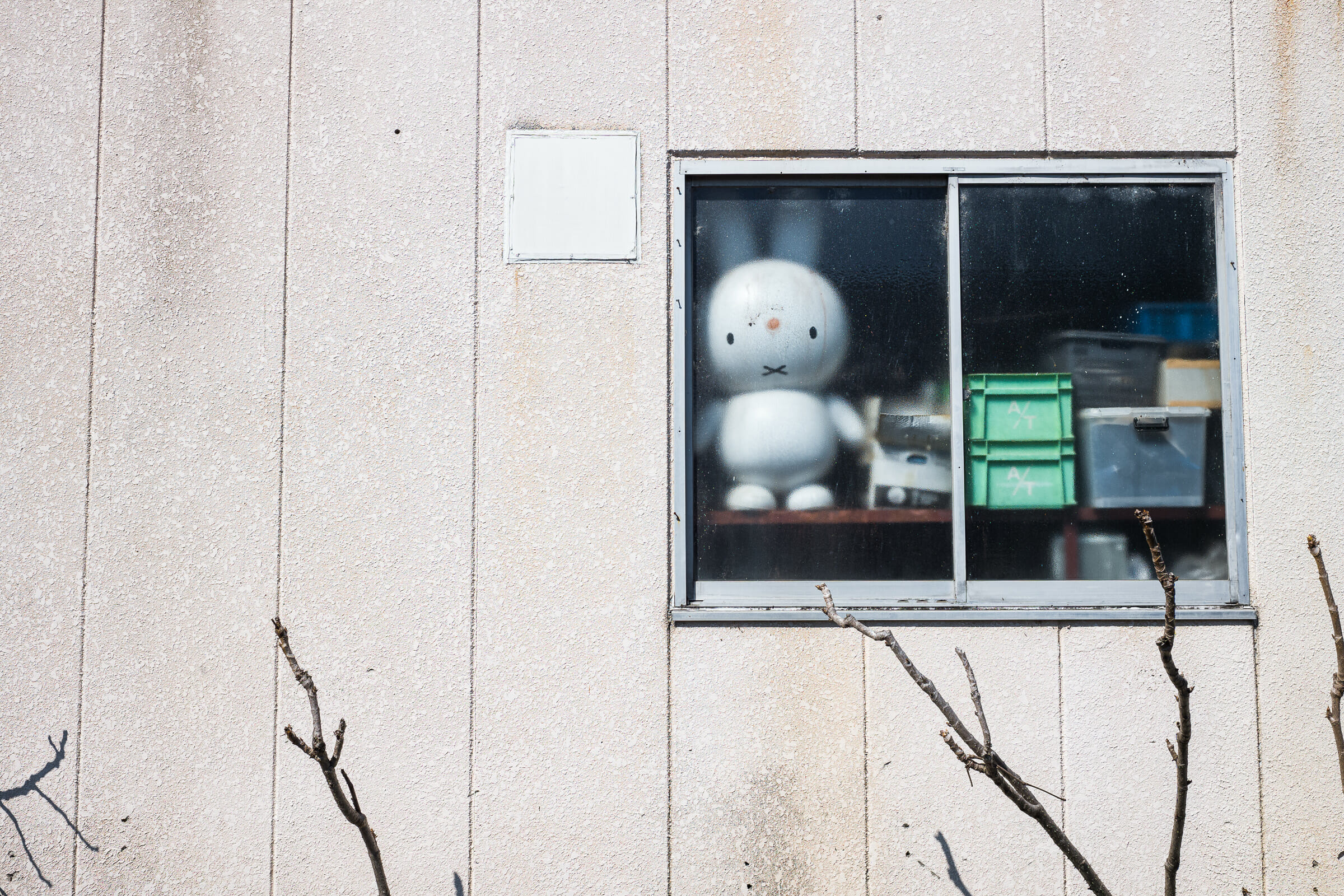
All the bright colours of the current season, along with all the bleakness of the current situation.
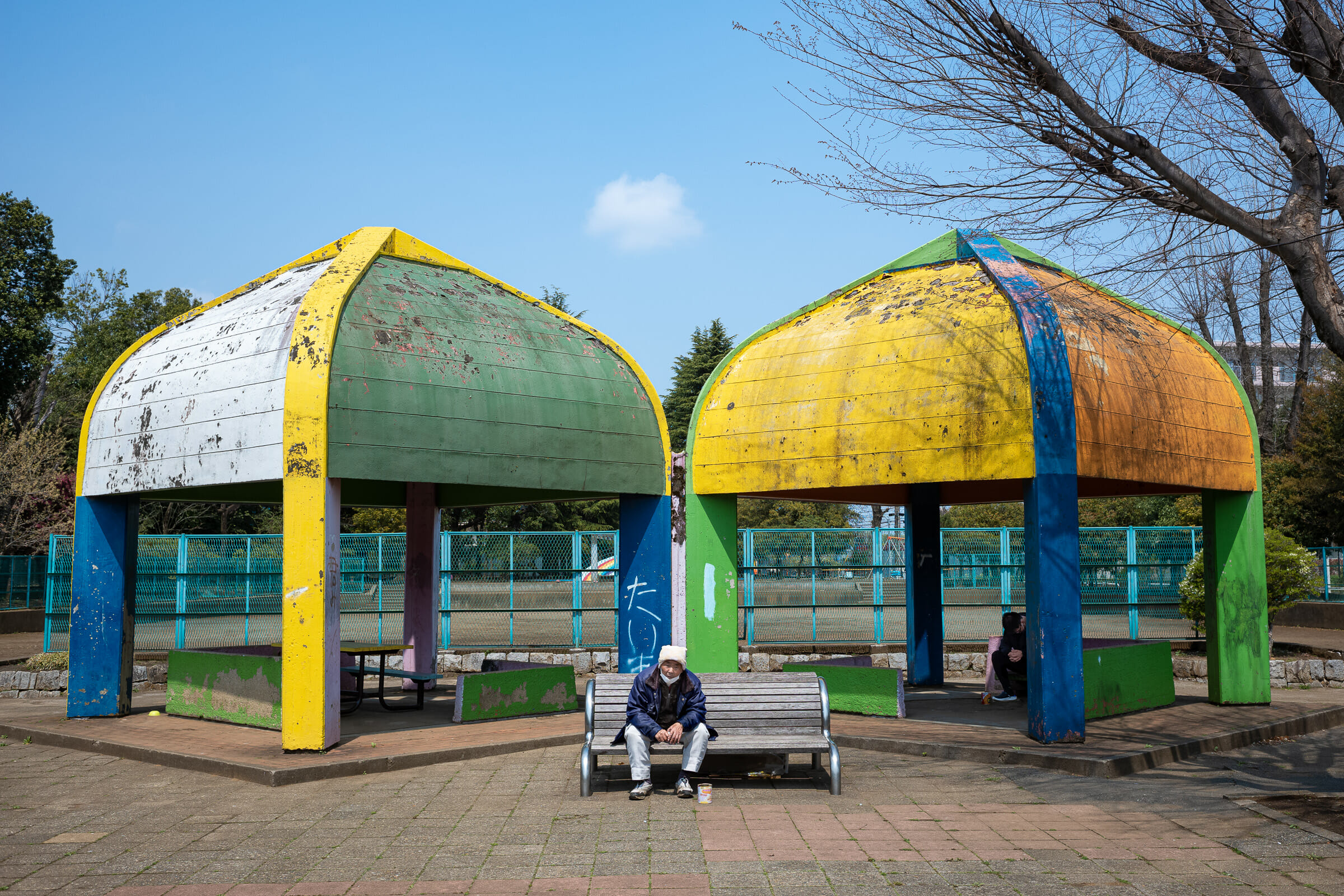
Photographs from a small group of islands
All the bright colours of the current season, along with all the bleakness of the current situation.
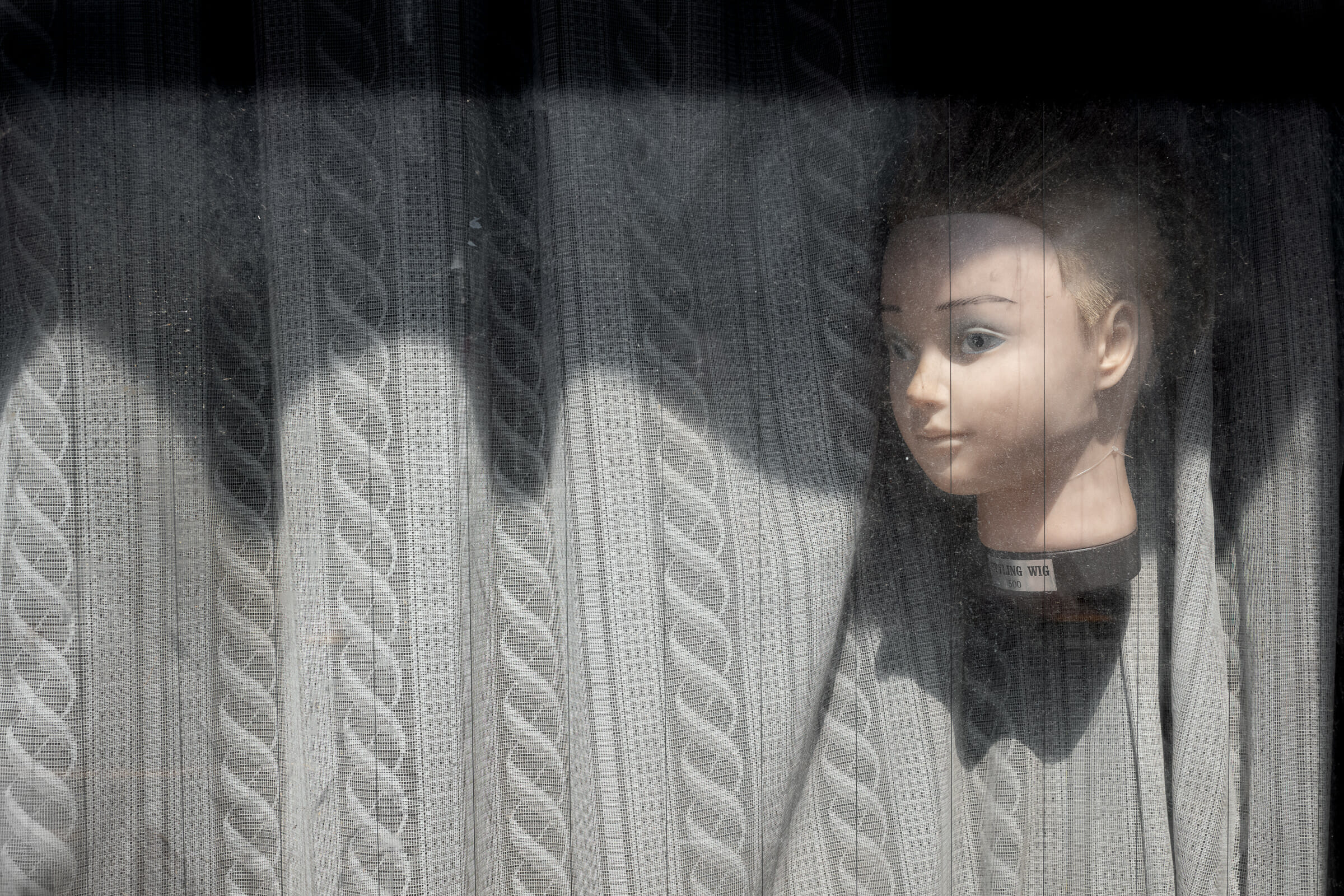
Barber shops are currently deemed essential, and so are still open in Tokyo, but even if this was the last one to close, it’d have to be a particularly bad hair day to actually consider venturing in.
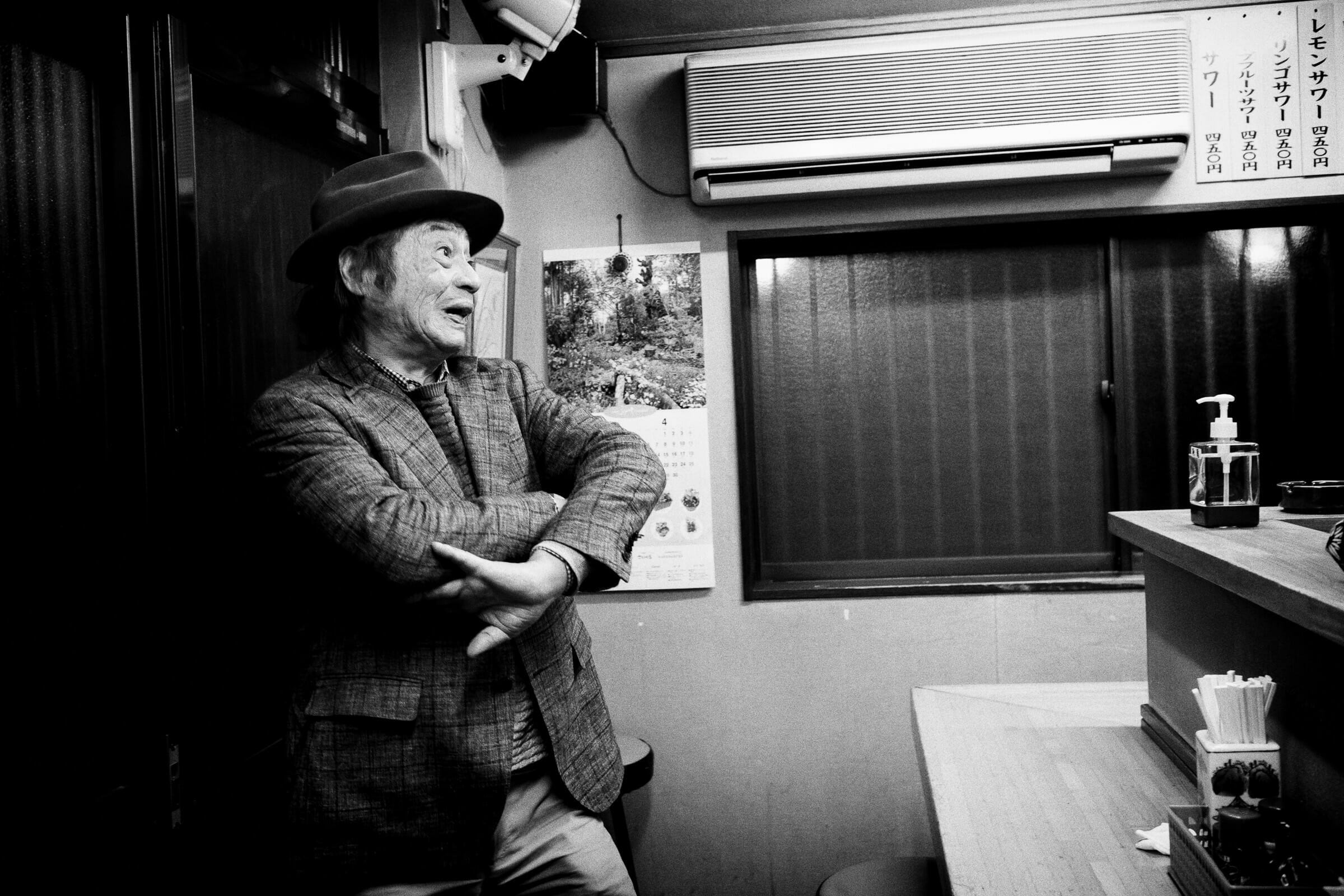
Just over 3 weeks ago, I made what turned out to be my last train journey and bar visit of the pre-coronavirus era, as shortly afterwards, it became apparent that Japan was not going to avoid the pandemic, and with photo work having already dried up, staying near home seemed both the safest and most sensible thing to do.
Now, of course, Tokyo is in a state of emergency, and after an initially slow, worryingly indifferent start, more non-essential shops and services have started to close. Bars, on the other hand, don’t have to, but they are expected to finish up at 8pm, with last orders for booze at 7. A move that really doesn’t make sense, but it will reduce the amount of people out socialising, meaning that in a roundabout way it may well prompt owners to shut up shop anyway.
By the time this is all over then, it’s inevitable that a fair few drinking places will have ceased to exist, particularly the city’s old, local bars, which are invariably run by the old, and sometimes even the unbelievably old. Similarly, it’s also possible that having gotten out of the habit, the number of people going for post-work drinks instead of heading straight home could be greatly reduced.
That said, such discipline won’t exist within every drinker, and regardless of how long the state of emergency lasts, or indeed how many places actually re-open, it’s hard to imagine the bloke below being content to quietly cradle a beer back home.

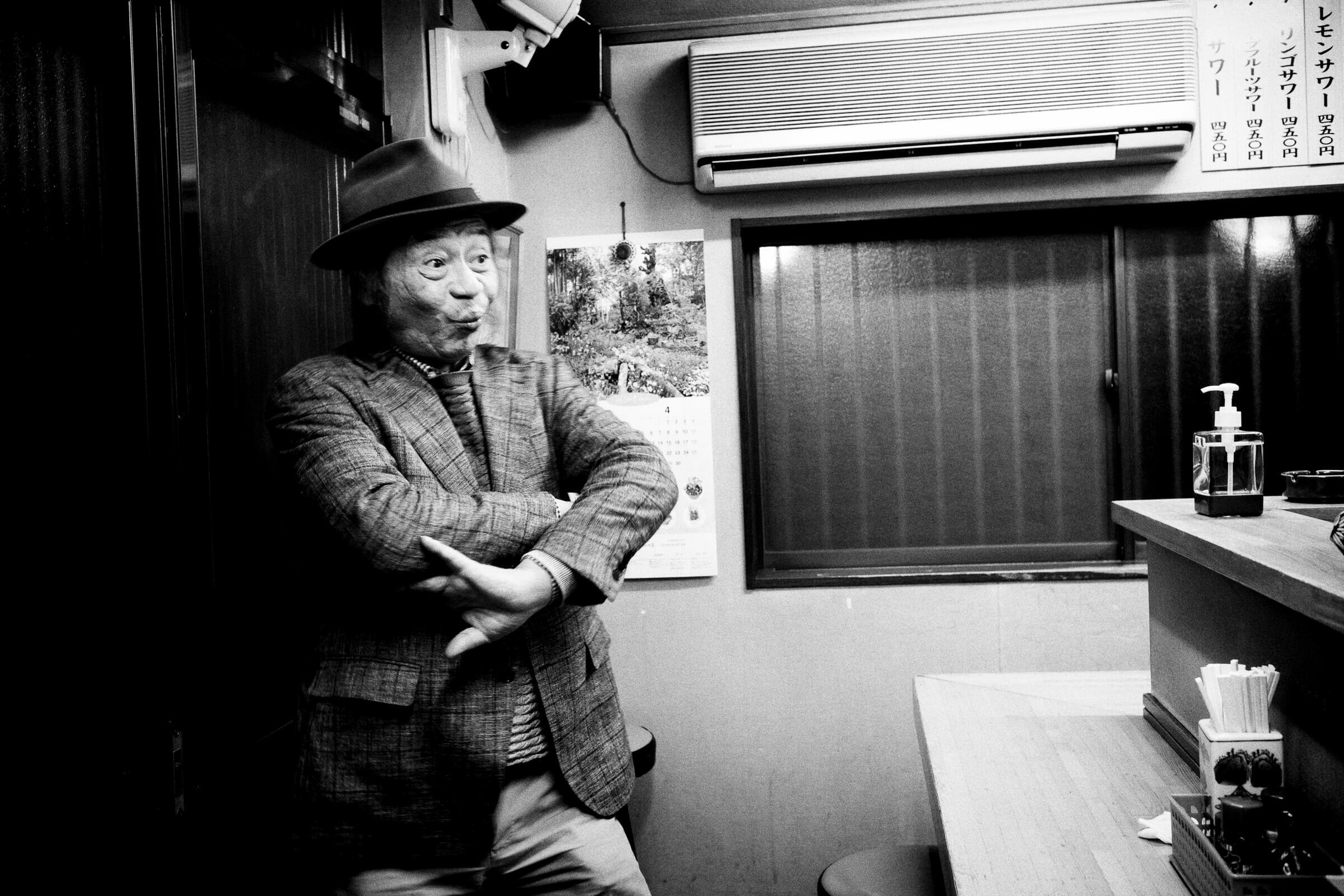
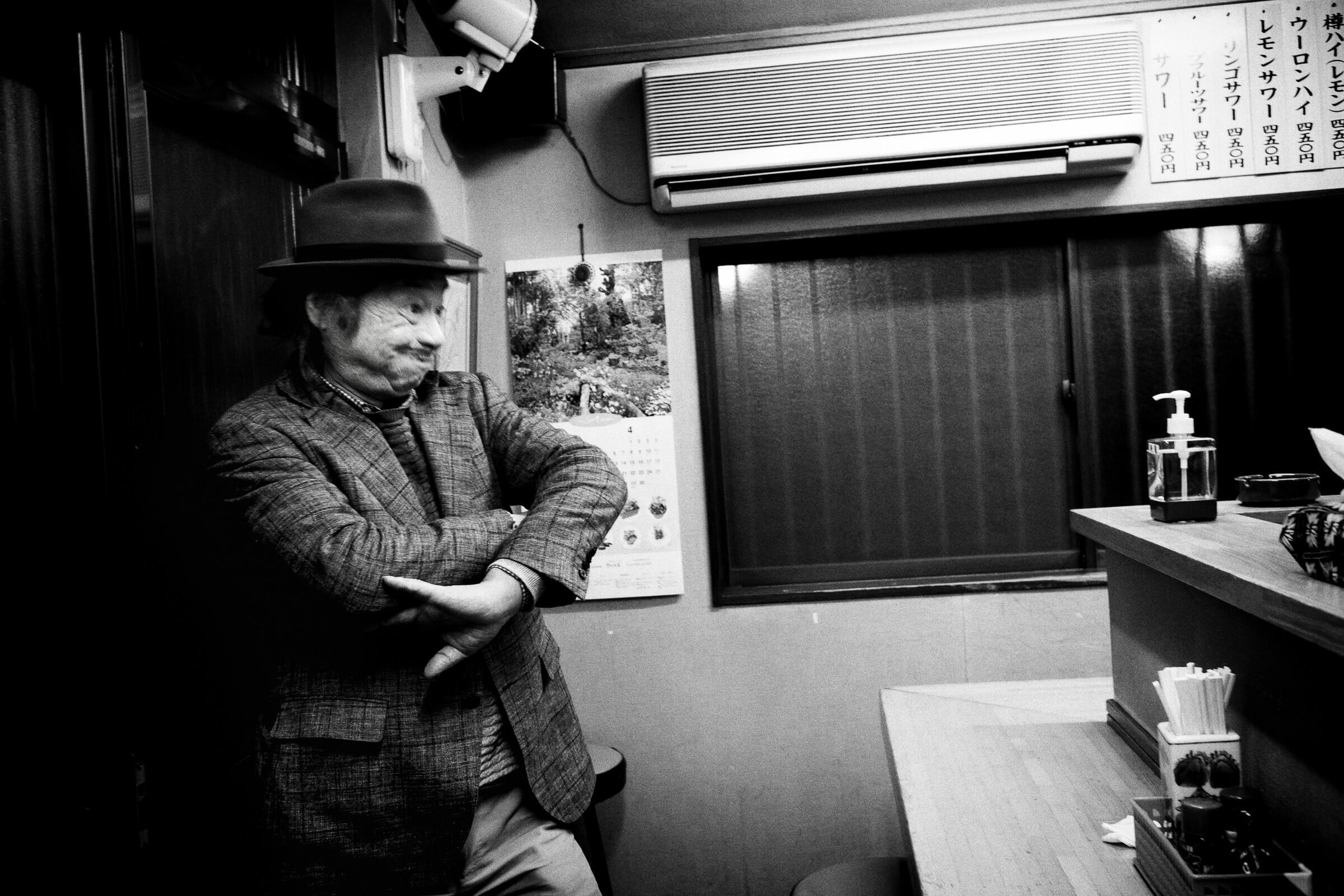
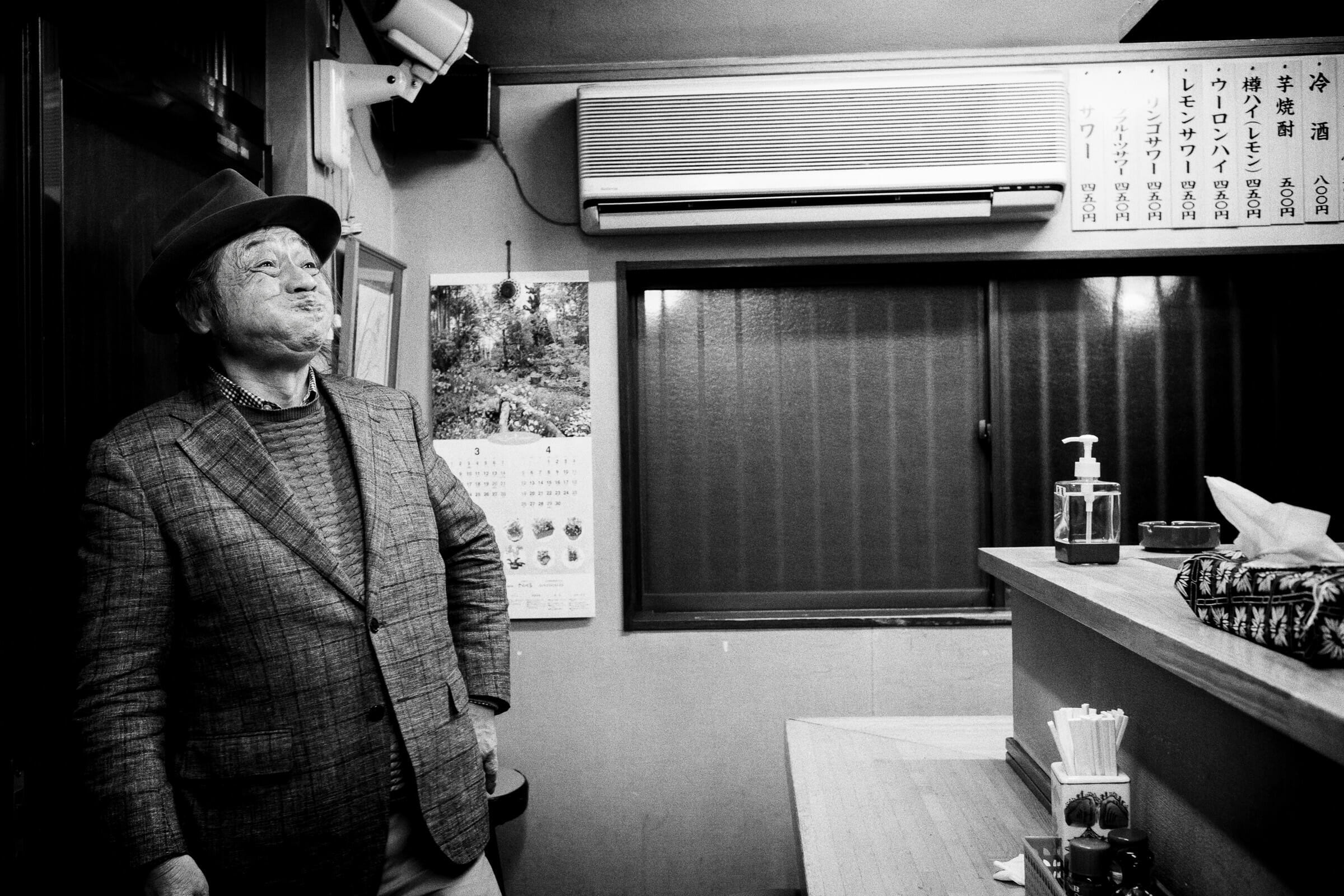
Everyday is like Sunday. Everyday is silent and grey.
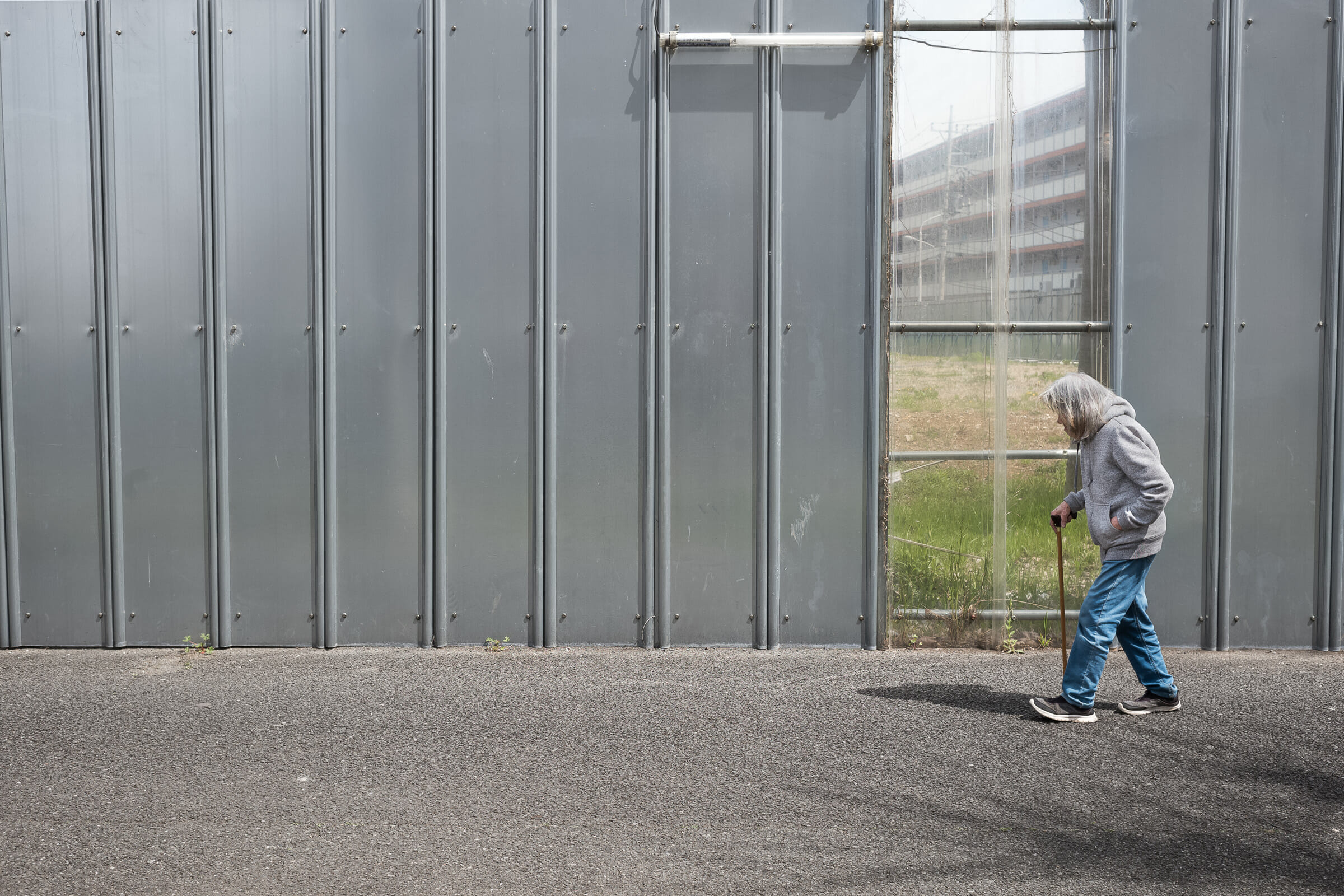
Tokyo, along with six other prefectures, is now under a state of emergency due to the increasing number of coronavirus cases. A declaration that seemed an awfully long time coming, and its delay will likely cancel out Prime Minister Abe’s early, and it must be said proactive moves at the end of February to close schools, stop large gatherings, etc.
Unlike a lot of cities, however, Tokyo isn’t under a lockdown, as the Japanese constitution doesn’t legally allow for such restrictive measures. Instead, businesses and the general population have been strongly requested to cooperate by cutting down on anything deemed non-essential. And with the often referred to obedience and group mentality of the Japanese public, this was supposedly a given. Trouble is it’s not. Mixed messages from the government haven’t helped. The same goes for a lack of clarity in regards financial support for small shops and the like. But on solitary walks and cycles in my west Tokyo suburb, I’ve noticed that most places are still open, people are out in groups, and social distancing is, on the whole, a sadly all too distant concept.
Of course that’s not to say everybody is ignoring the requests. Train usage for example is down, and more central areas in particular are quieter, suggesting a lot of people are actually staying home. An element of restraint that some members of society are clearly struggling with already.