• Skip to main content
  • Skip to footer

Tokyo Times

Photographs from a small group of islands

  • Photowalks
  • Portfolio
  • Book and Prints
  • Newsletter
  • About/Contact
  • Follow
    • Facebook
    • Instagram
    • Twitter
    • RSS

Haikyo

Oct 25 2011 30 Comments

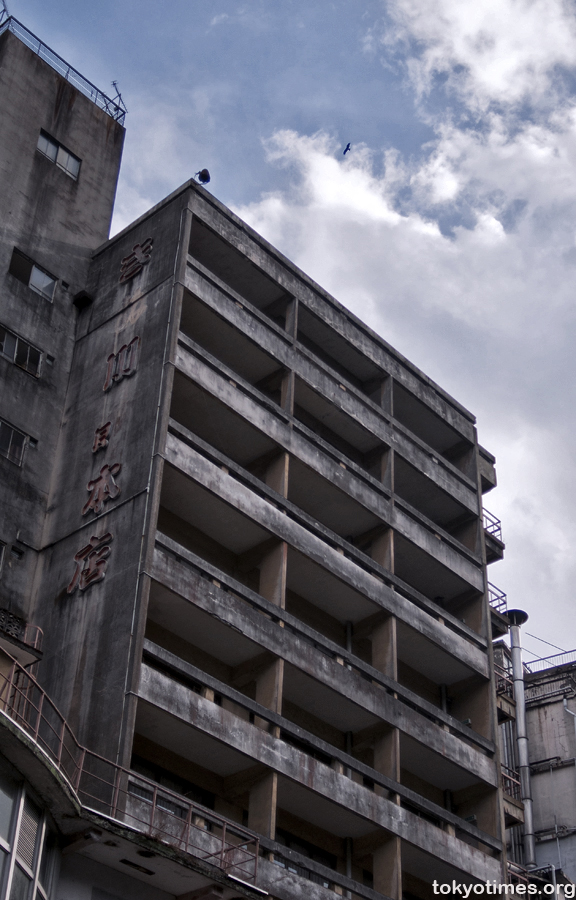
The abandoned and surprisingly intact Sun Park Hotel

When heading to a haikyo, there are never any guarantees: It’s often hard to get a true location. The building might not be there anymore. And the interior may have been smashed up beyond all recognition even if it is. Factors that when added together make genuinely incredible places all the more rewarding — like the recently visited and spectacularly preserved, abandoned school.

In fact, it was in such good condition that expectations for the Sun Park Hotel had to be suppressed still further. Along with the usual uncertainties, there was a sense that anything even approaching the completeness of the school would be asking too much. And needless to say it was, but thankfully only slightly, as the hotel was still in surprisingly good condition — plus it had a sombre, and yet really quite serene ambience of all of its own.
abandoned Sun Park hotel in Japan

Situated in Kiyosato, Yamanashi Prefecture, the hotel suffered a fate similar to the countless other closed businesses that line the main streets of the once popular holiday resort: it went bankrupt.

Only a few hours or so from Tokyo, and once labelled a ‘mini Harajuku’, the area was apparently the place to visit in the 80s, but, like everything else that has a boom, there sadly had to be a bust, and Kiyosato’s came at the end of that decade. The visitors disappeared, and so did many of the places they once visited — like the Sun Park Hotel.

The building now sits semi-hidden by trees, but inside, it’s almost welcoming. The bar and eating area by the entrance is even now still set out to accommodate those looking for a bite to eat or a few beers.
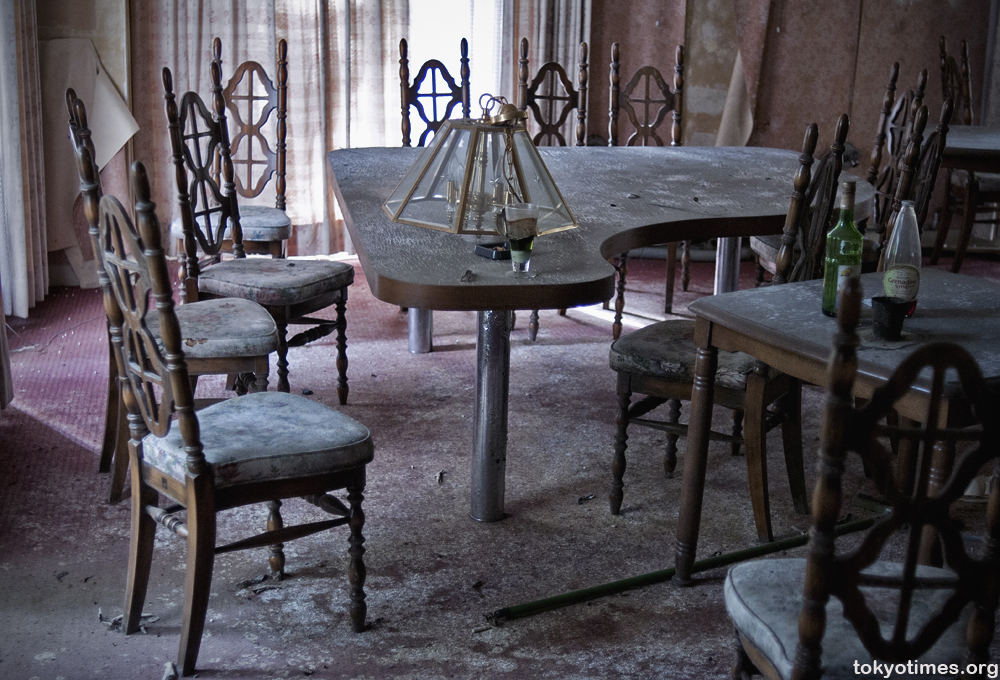
abandoned Sun Park hotel in Japan

Although the last people to do such a thing were presumably the last of the staff, having one last drink.

abandoned Sun Park hotel in Japan

It may even have been Yamamoto-san, but that’s something only he or she can answer.
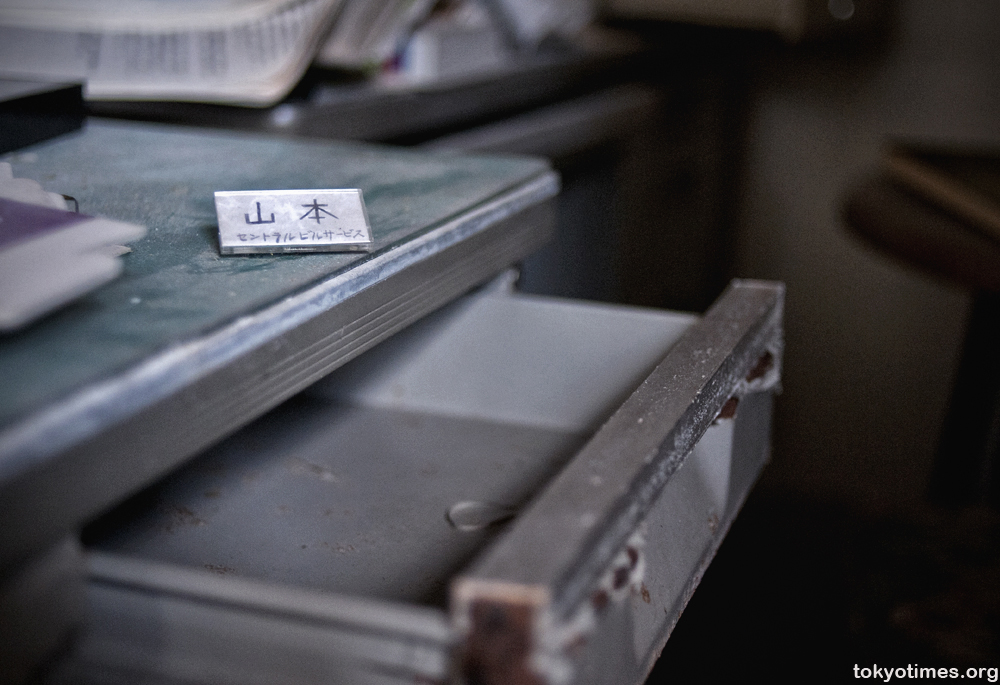
abandoned Sun Park hotel in Japan

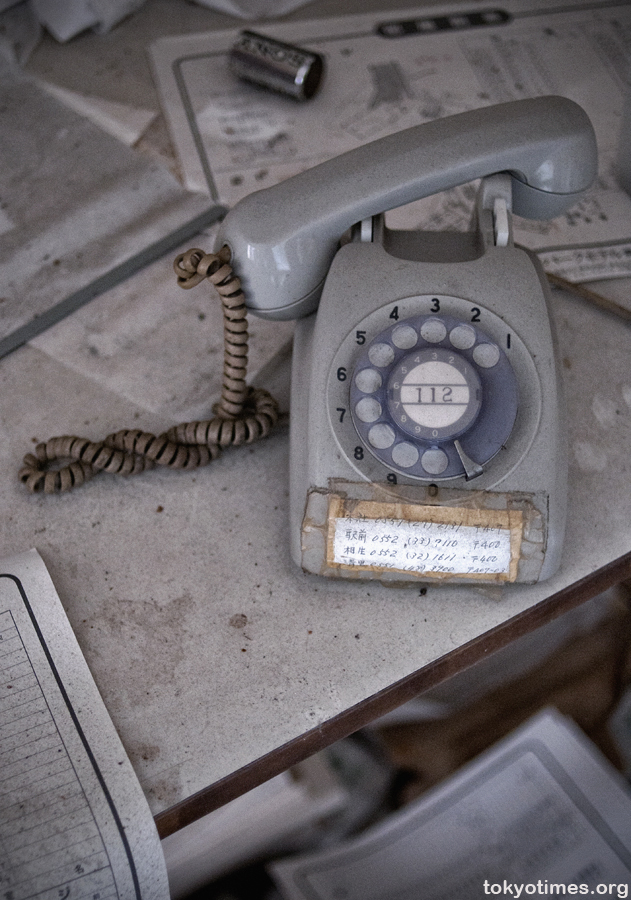
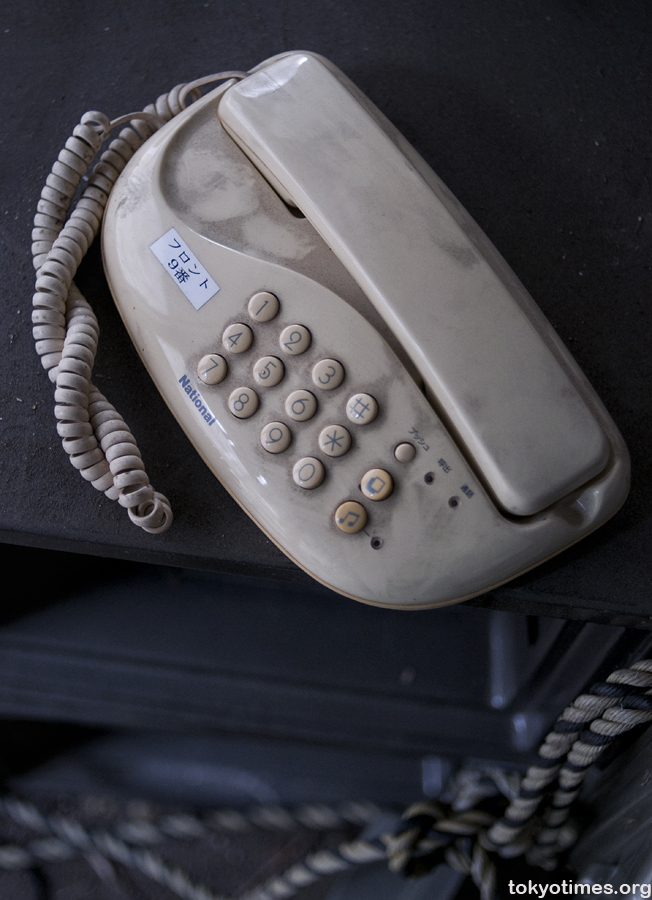
Unlike the telephone.

abandoned Sun Park hotel in Japan

Elsewhere, the sense of waiting persists, although as calendars suggest the hotel closed in either 1989 or 90, it’s a long while indeed since this chair seated a young diner.
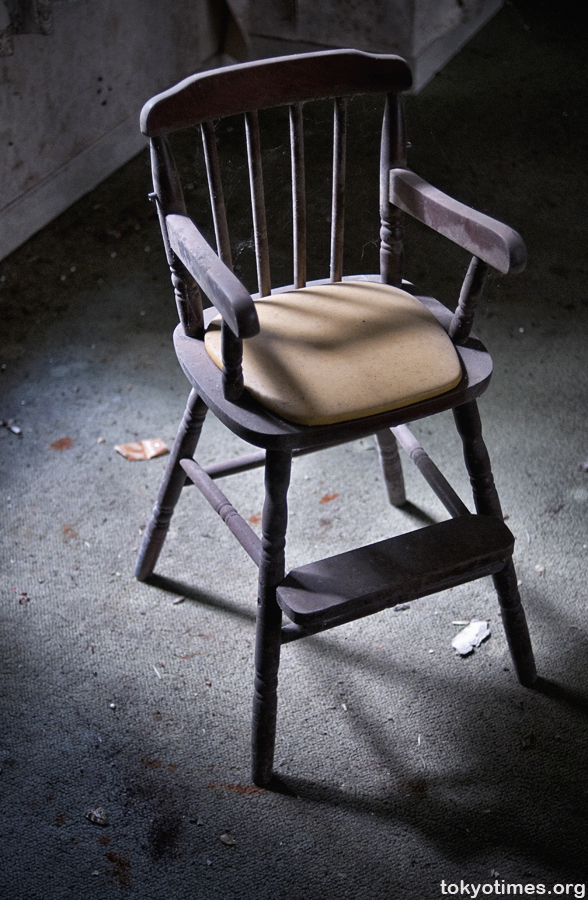
abandoned Sun Park hotel in Japan

And it was very similar upstairs, even if the paintwork and elaborate lighting has seen better days.
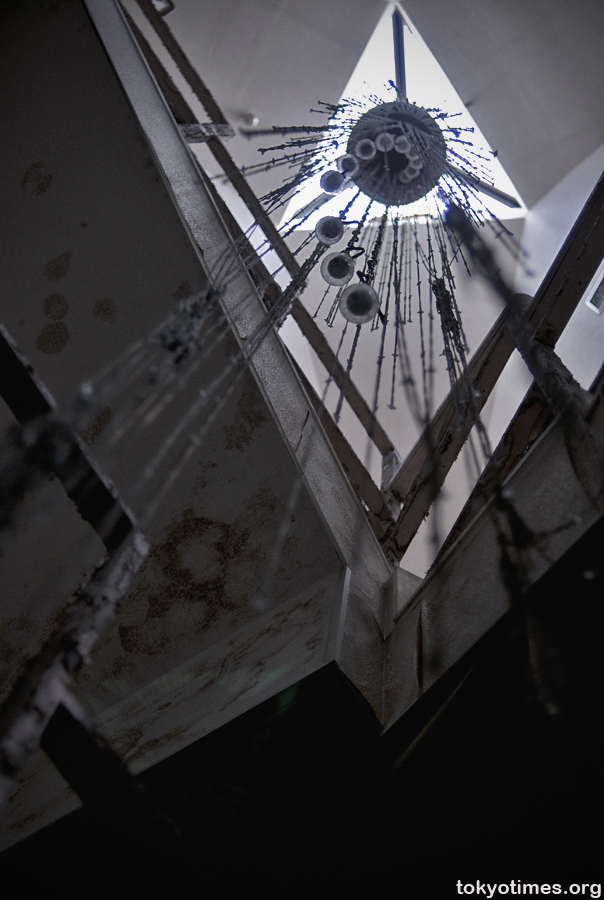
abandoned Sun Park hotel in Japan

Despite damage in the corridors due to scavengers ripping out metal wiring in the ceilings, the rooms themselves are still remarkably well preserved.
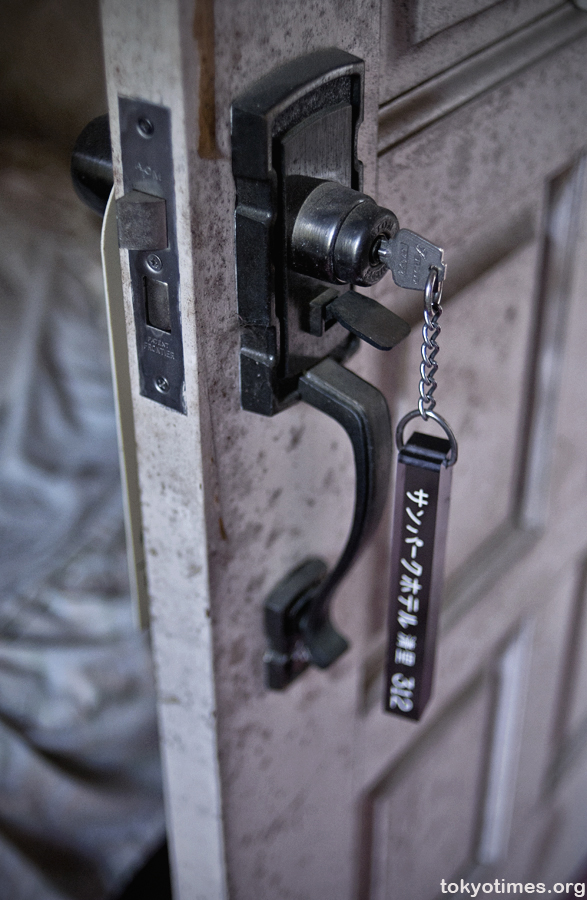
abandoned Sun Park hotel in Japan

Televisions remain untouched.

abandoned Sun Park hotel in Japan

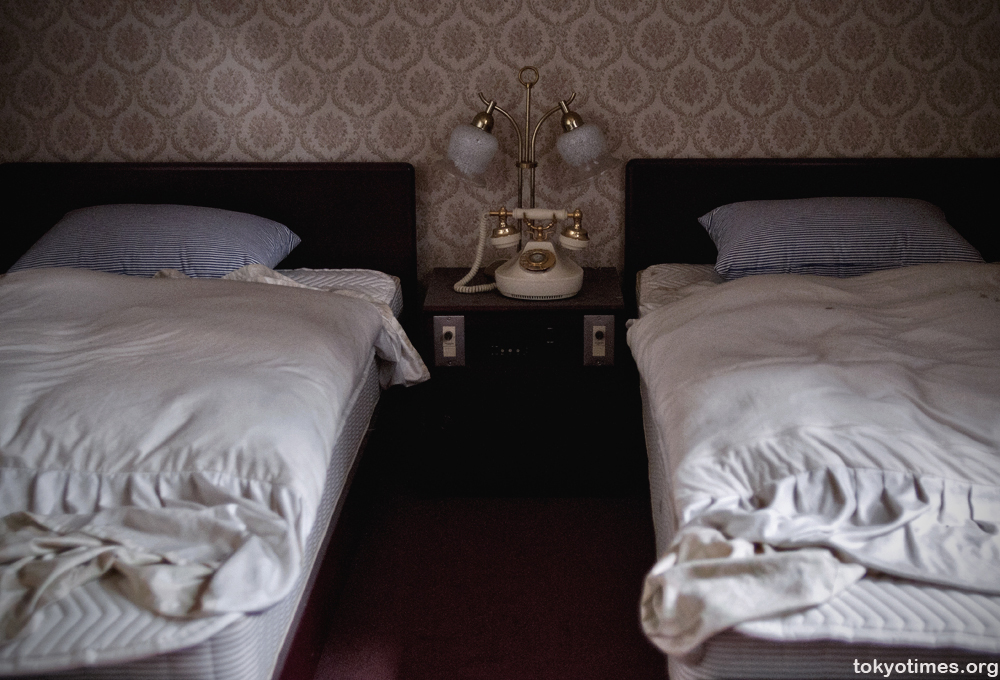
And one can almost imagine still using the laughably ostentatious telephone to call down for a quick clean up.
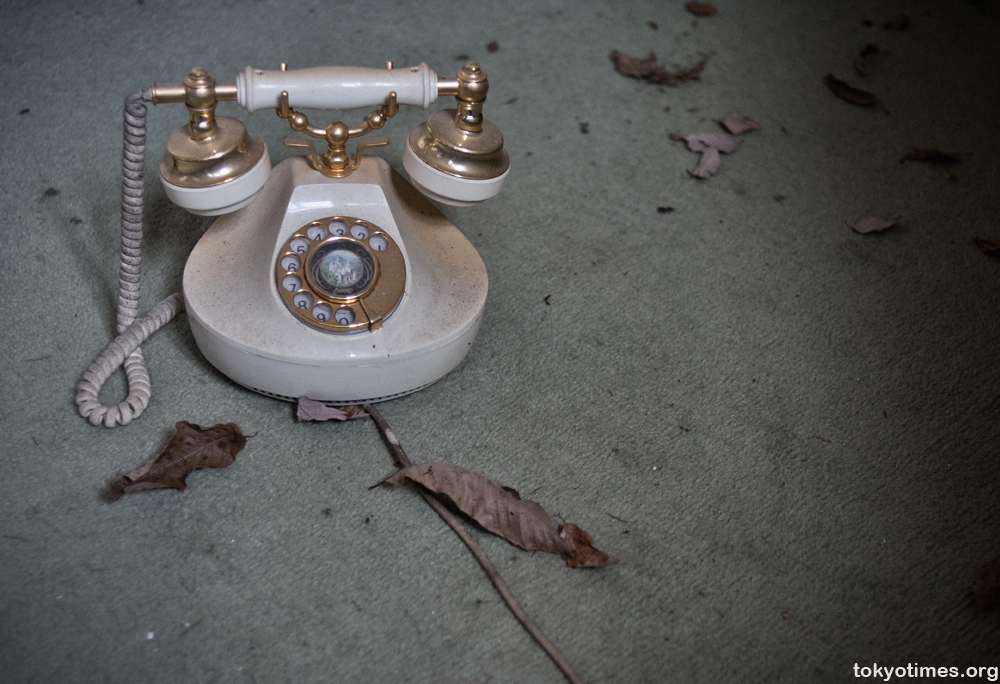
abandoned Sun Park hotel in Japan

Plus some fresh bedding.

abandoned Sun Park hotel in Japan

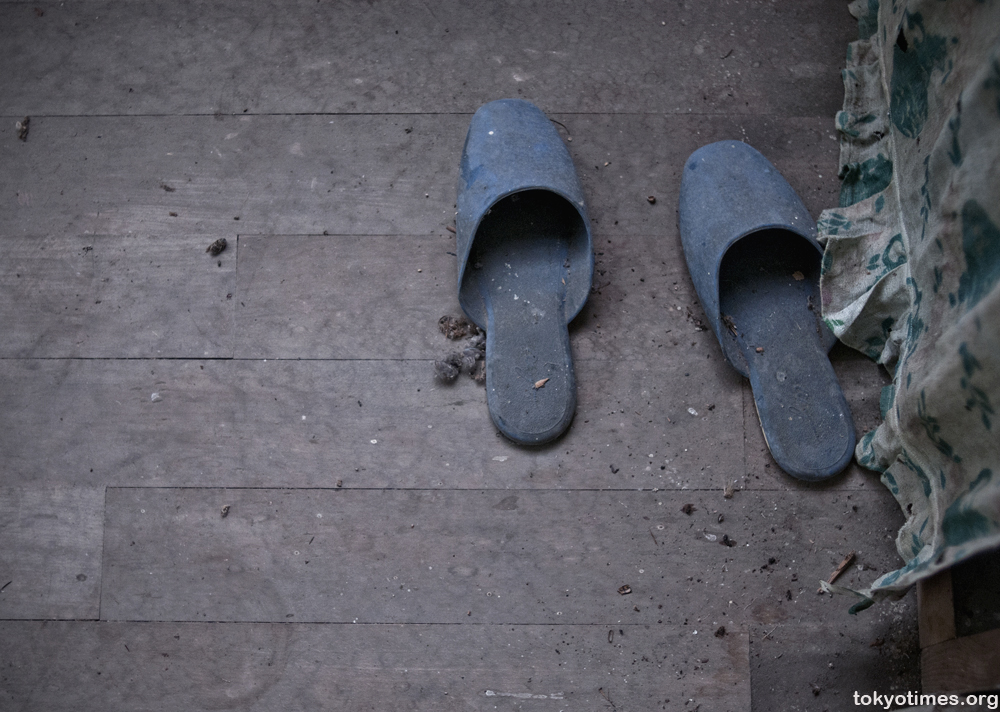
But just like the slippers, you’d have to wait patiently. Possibly forever.

abandoned Sun Park hotel in Japan

Because just like the plight of Kiyosato itself, no one will come.
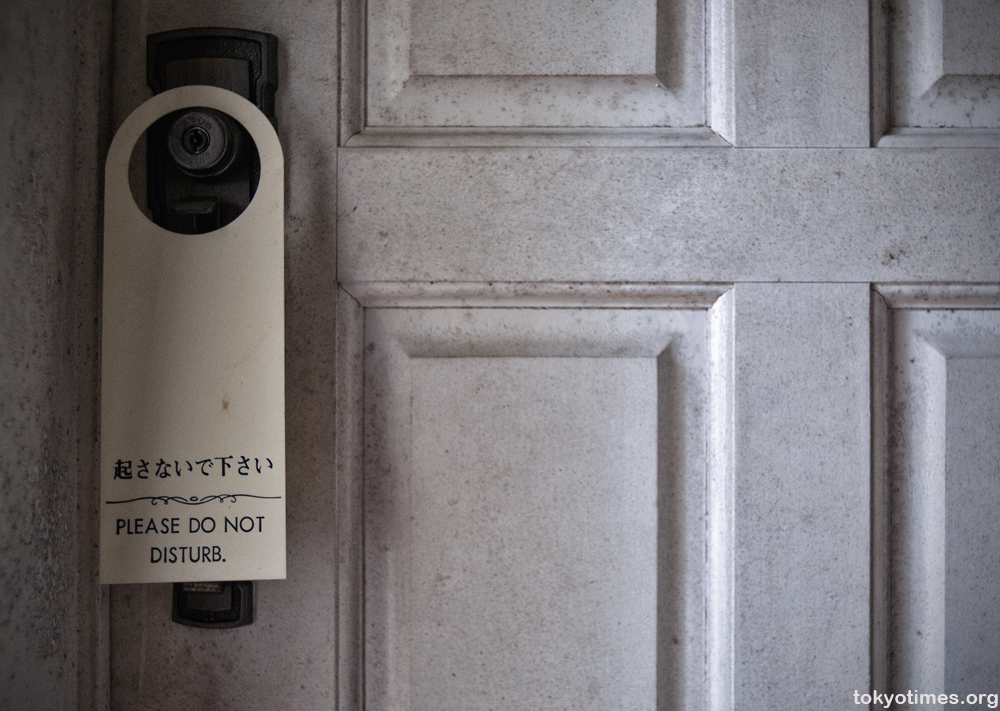
abandoned Sun Park hotel in Japan

Categorized: Haikyo

Sep 27 2011 81 Comments

An abandoned but perfectly preserved Japanese school

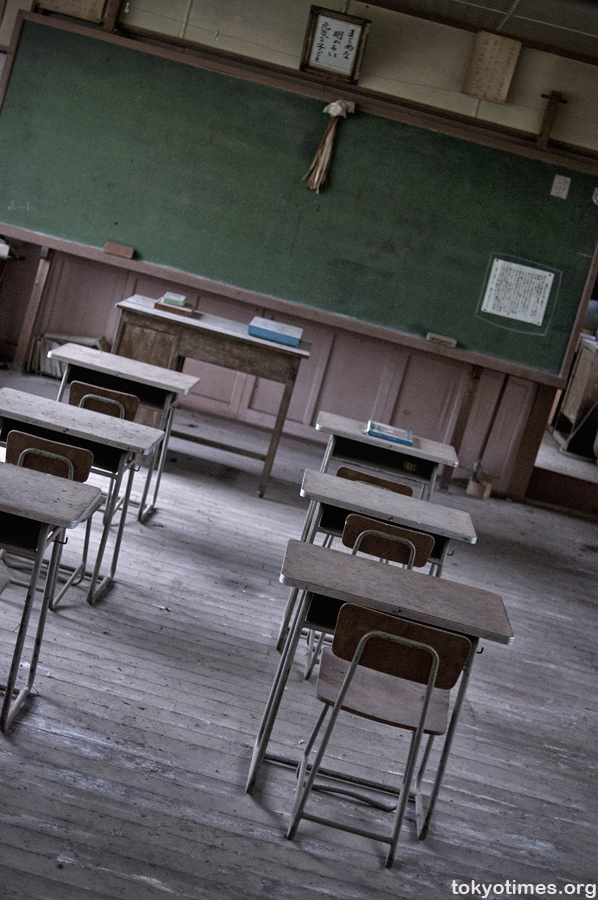
Pretty much all haikyo that contain items related to the building’s past are interesting. On the odd occasion even empty structures are too. But while memory-filled houses and sorry-looking snake centres are fascinating in their own very different ways, there’s arguably something that little bit special about a long-abandoned school.

abandoned Japanese school

And this is especially the case when it’s an elementary school; the kind of place that is usually associated with noise, laughter and overly energetic young children. All of which make the complete silence of such haikyo really quite eerie — particularly so when it’s one as well-preserved as this.

abandoned Japanese school

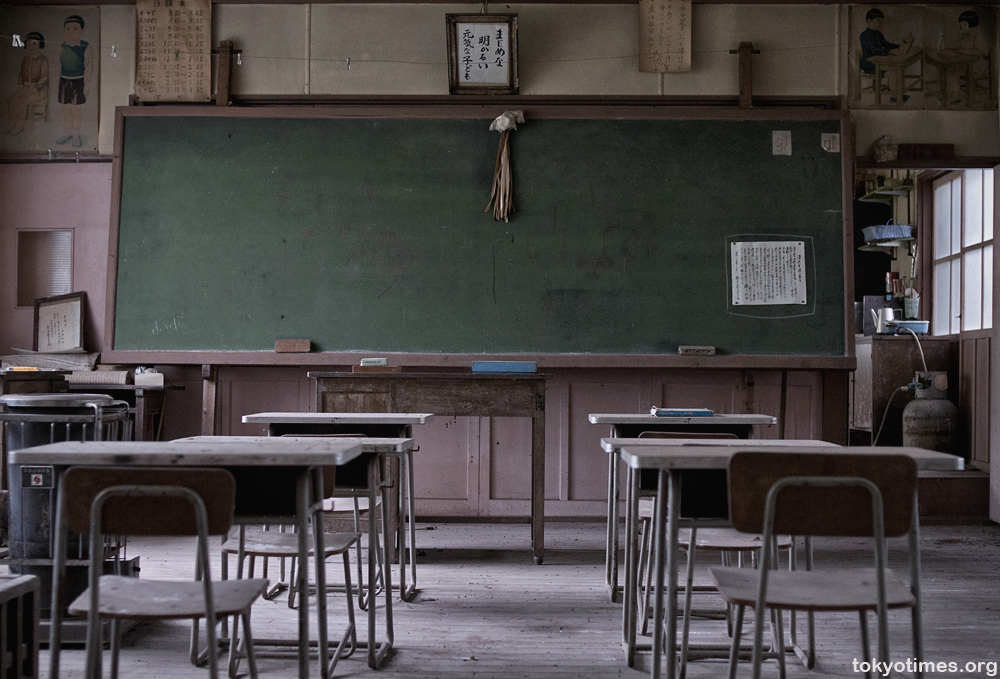
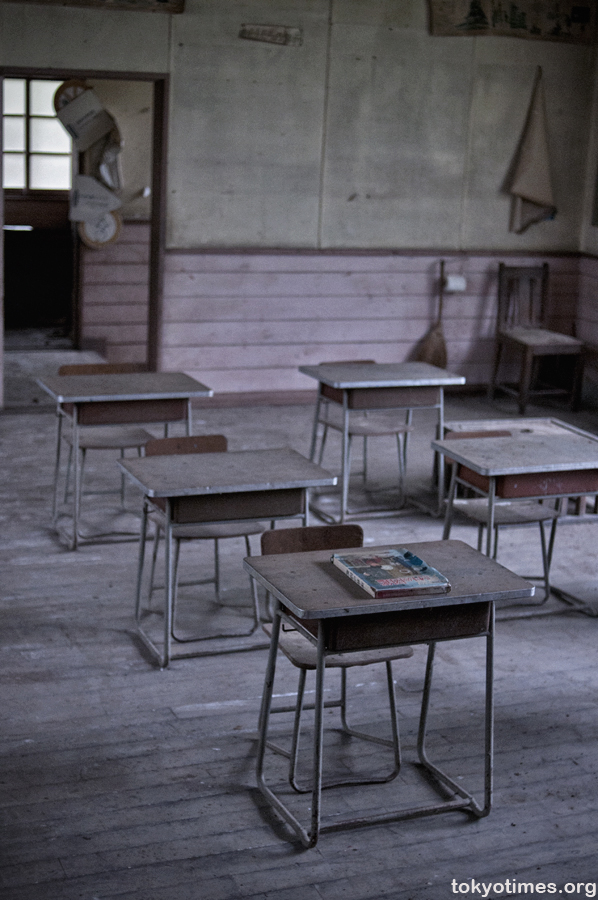
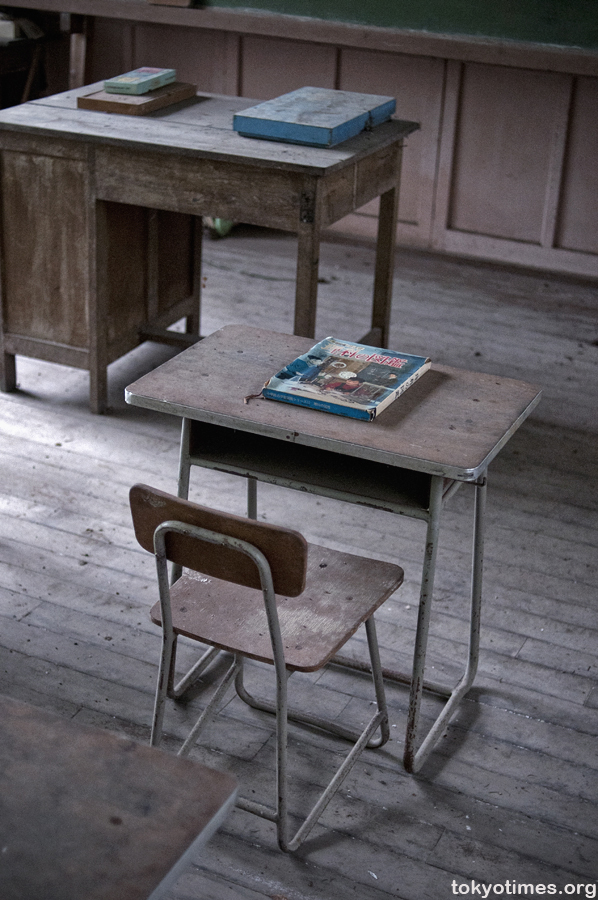
A small, village school up in the mountains that feels like it has only just been vacated.

abandoned Japanese school

In fact, it is so untouched that there’s a real sense the students will suddenly return. Each and every one of the small class charging in from the entrance.

abandoned Japanese school

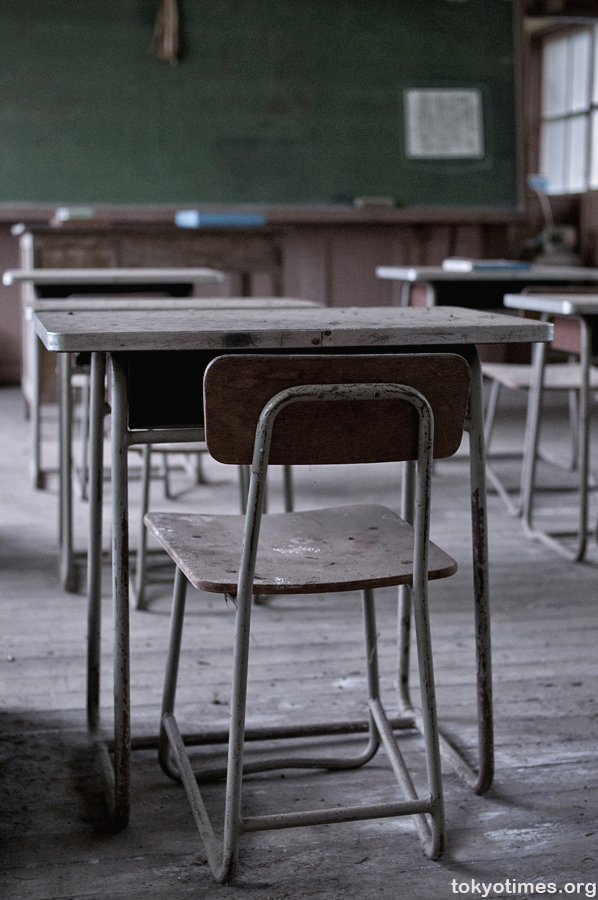
And then sitting.

abandoned Japanese school

Quietly.

abandoned Japanese school

At their allotted desk.

abandoned Japanese school

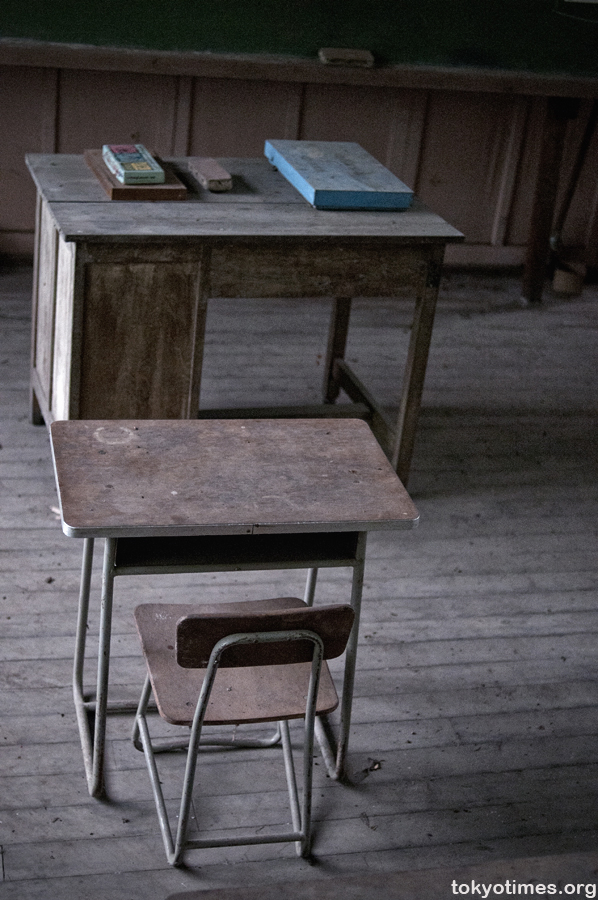
Obediently waiting for the teacher to start the next lesson.

abandoned Japanese school

In reality, however, it’s an awfully long time since any students studied in this room — 37 years ago to be exact.

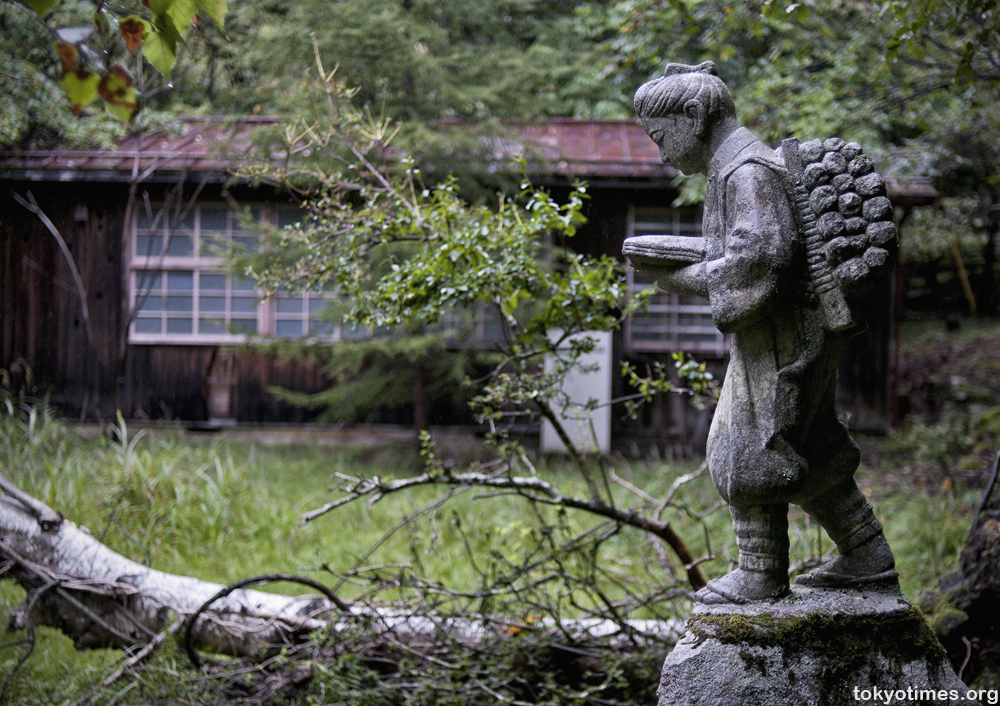
Under an old procedure that gave away forest land as a ‘gift’ from the Imperial House — an antiquated practice that was eventually superseded by the National Forest system — the mountain village that surrounds the school began life back in 1907. The school, on the other hand, was apparently founded in the previous century, in 1873. Quite why it would have been built in such an out of the way spot really isn’t clear, but with the arrival of the village 34 years later, its location was ideal.

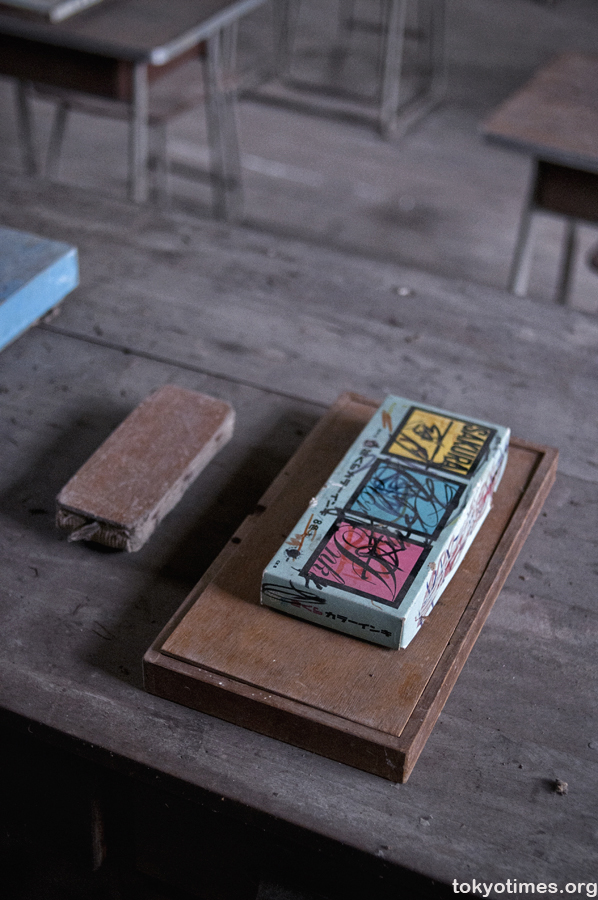
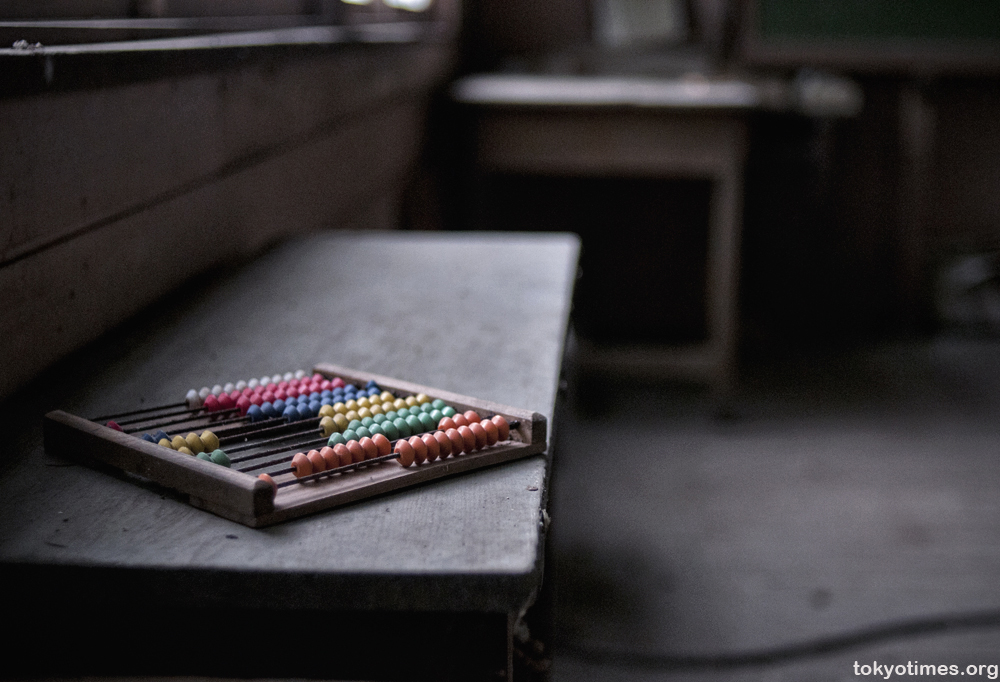
A tiny structure that was literally at the centre of community life. The place where village youngsters would have studied basic mathematics.

abandoned Japanese school

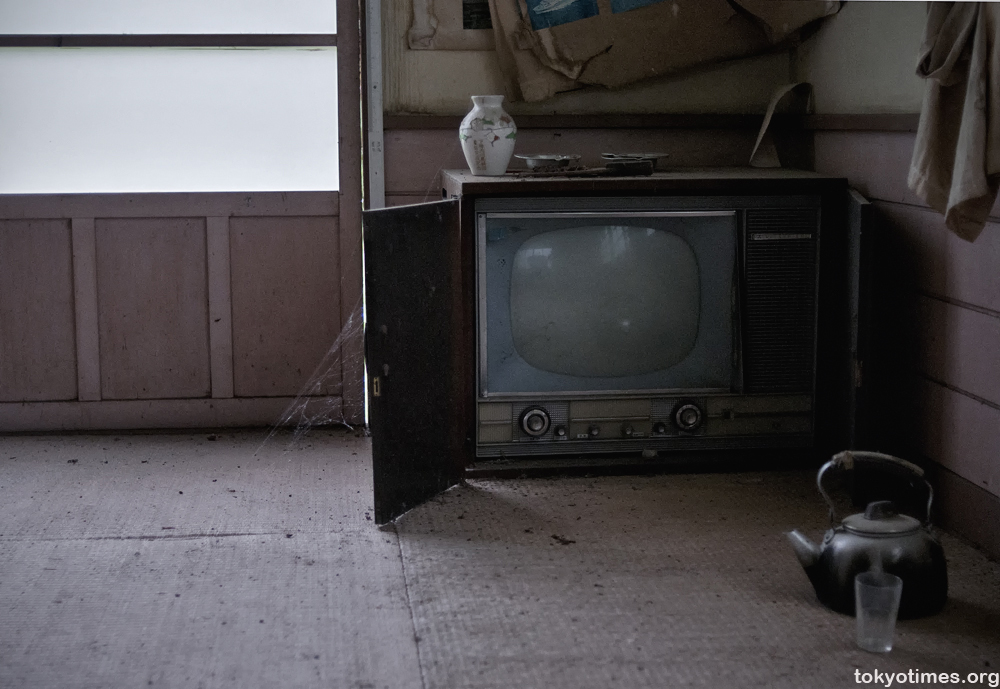
And more than likely marvelled at the latest technology.

abandoned Japanese school

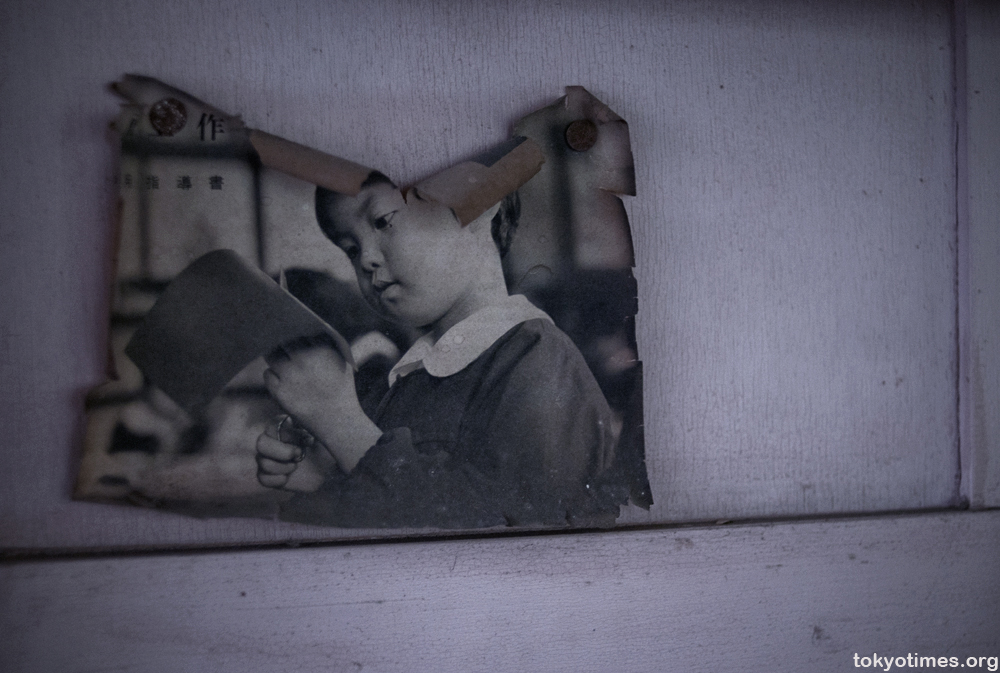
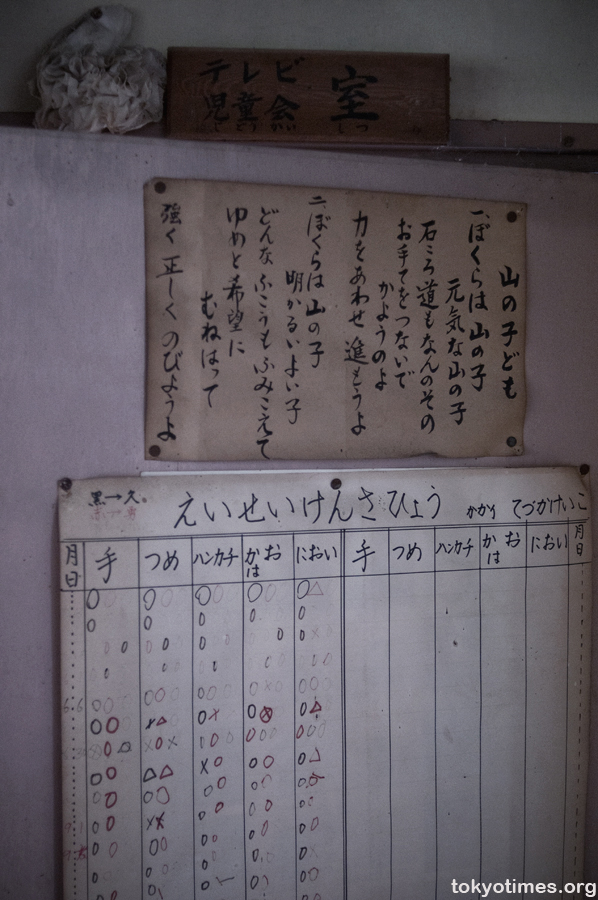
The room that contains this television (its doorway is visible in the second photograph), is also where the school’s last teacher, Yoshifumi Amemiya, would have been able to enjoy some brief time to himself. Providing him with the chance to put up a few posters.

abandoned Japanese school

Relax.

abandoned Japanese school

And generally have a well-earned break.

abandoned Japanese school

It’s also where he obviously studied the medical journals that were piled up there, as Amemiya-sensei was almost certainly a doctor too. A profession he presumably returned to when the school closed, as there was a clinic nearby run by a man of the same name.
Why the school boarded up its doors though isn’t completely clear, but a typhoon that badly damaged much of the village more than likely marked the beginning of the end for the settlement, and eventually the school itself.

In fact, an earlier typhoon in 1959 destroyed what was possibly the original school building, but it was rebuilt the following year. A factor that could well account for its relatively good condition, along with the unusual practice by the local Board of Education of visiting once a year in order to maintain the school’s ‘temporarily closed’ status, rather than letting it officially become a haikyo.

abandoned Japanese school

All of which result in a wonderfully preserved structure, where that aforementioned silence is almost deafening. A place where there’s no fun and games.

abandoned Japanese school

No sports.

abandoned Japanese school

And definitely no more singing of the school song.

abandoned Japanese school

There are simply no more sounds or students at all. And almost certainly there never will be.
abandoned Japanese school

Categorized: Haikyo

Sep 13 2011 37 Comments

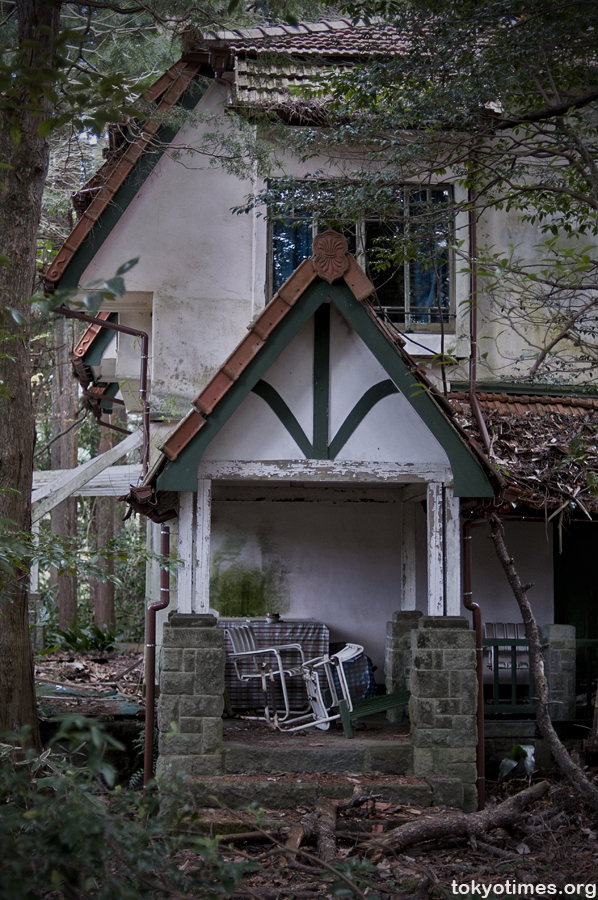
Jerwood house haikyo

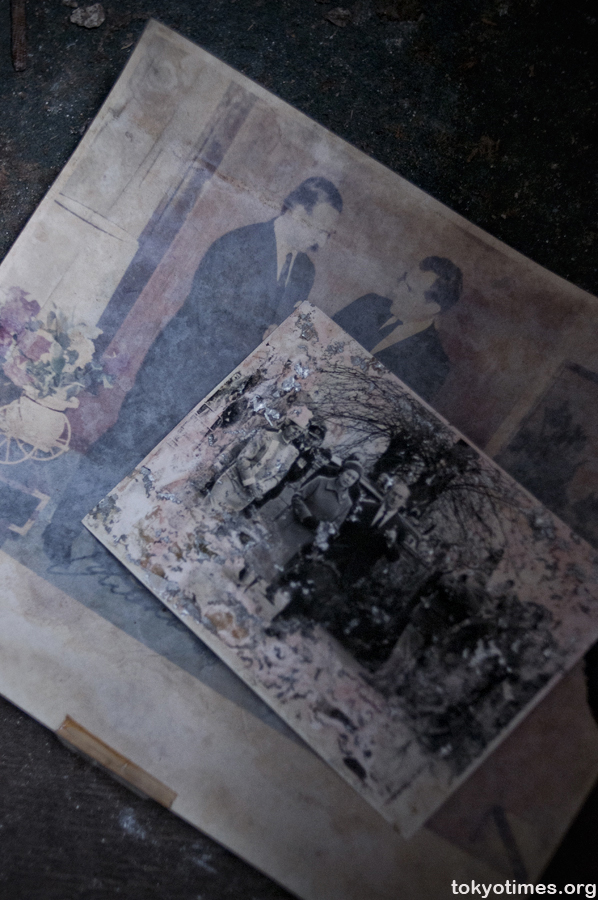
Abandoned buildings invariably throw up a few surprises, but in all the places I’ve visited, not once have I been confronted with a structure connected to both Queen Elizabeth and Richard Nixon.
haikyo house

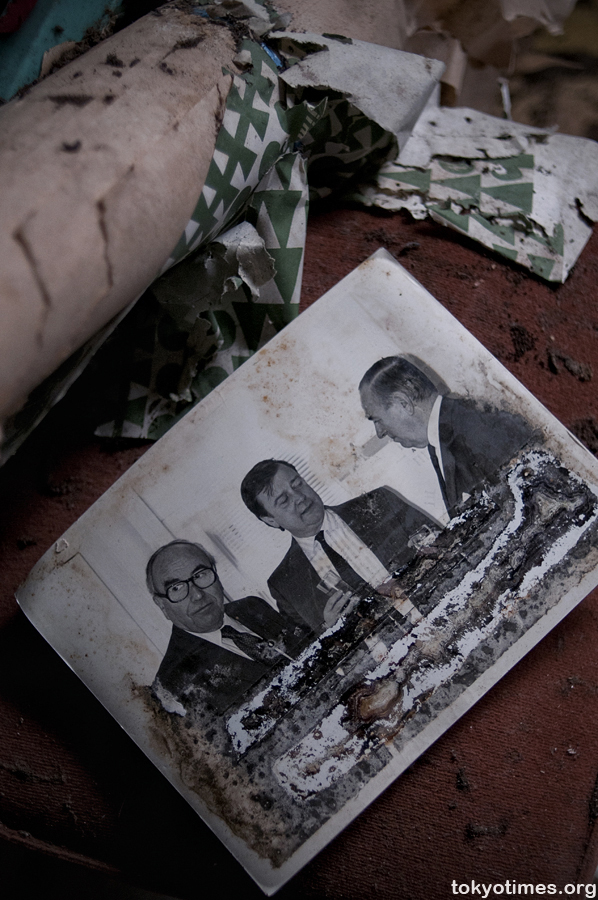
Along with British political heavyweights, Lord Jenkins, and the current Secretary of State for Justice and Lord Chancellor, Kenneth Clarke.

haikyo house

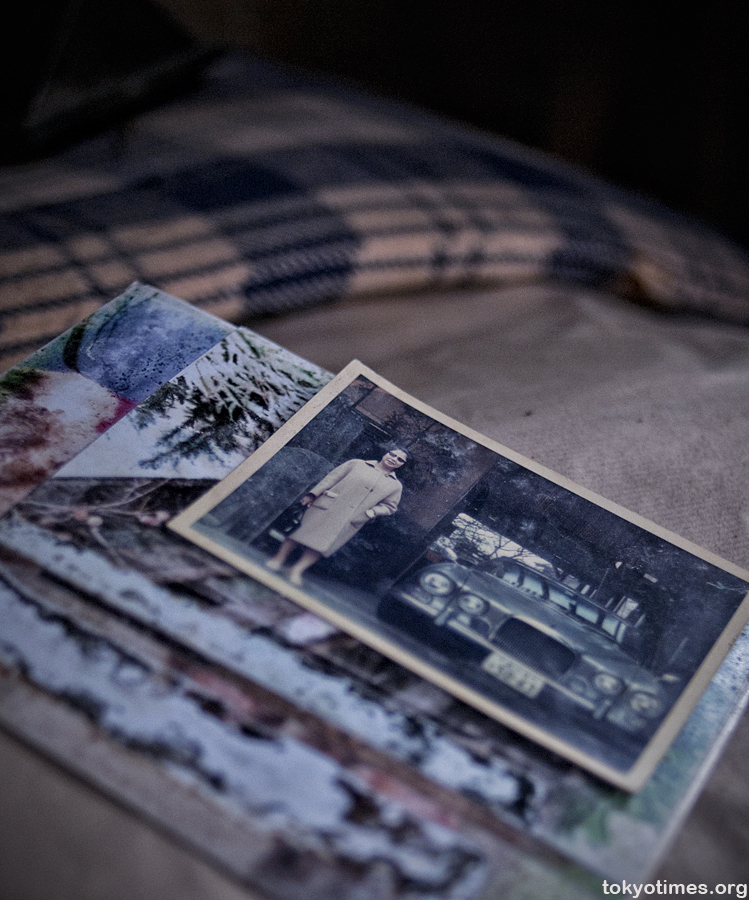
And the man that links them all, as well as having a much more personal association with the house itself, is the other individual in the photographs, John Jerwood.

Born in London in 1918, Jerwood eventually started working in the family jewellery business, but after serving in the Second World War — his bravery earning him a Military Cross — he headed to Japan where he not only built a hugely successful pearl dealing business, but stayed until his death in 1991.

The house in question, however, wasn’t Jerwood’s own residence, but that of his Japanese in-laws. A family of considerable worth themselves, as the father was a diplomat, which quite possibly explains Jerwood first meeting them in Paris in 1936. An event that, coincidence or otherwise, turned out to be extremely significant, as John eventually married the youngest daughter, Sugiko, in 1950.

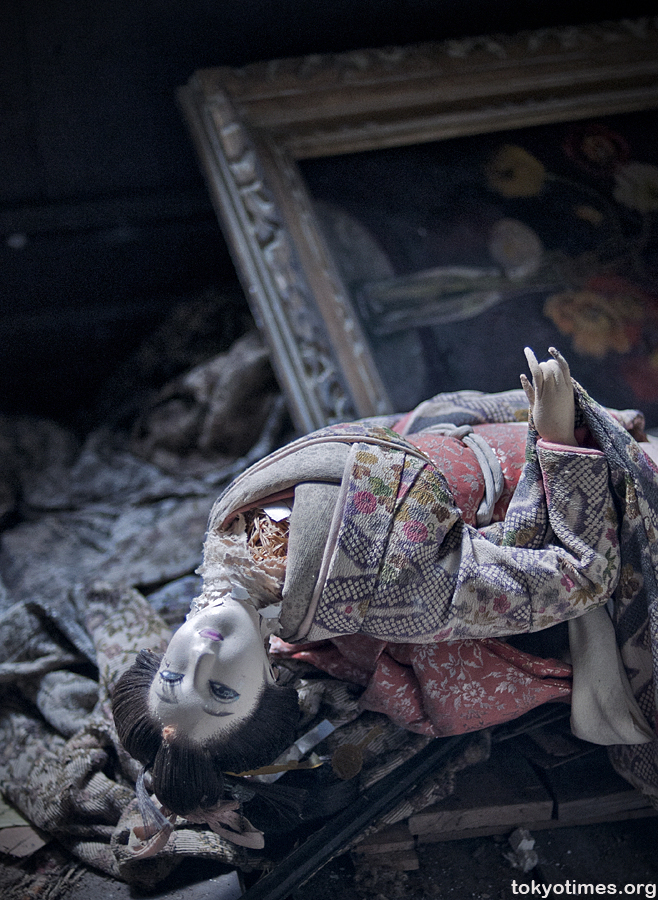
Living not too far away in Tokyo, John would have almost certainly visited the house, but apart from some photos, it’s a home filled primarily with the memories and possessions of the family he married into.

haikyo house

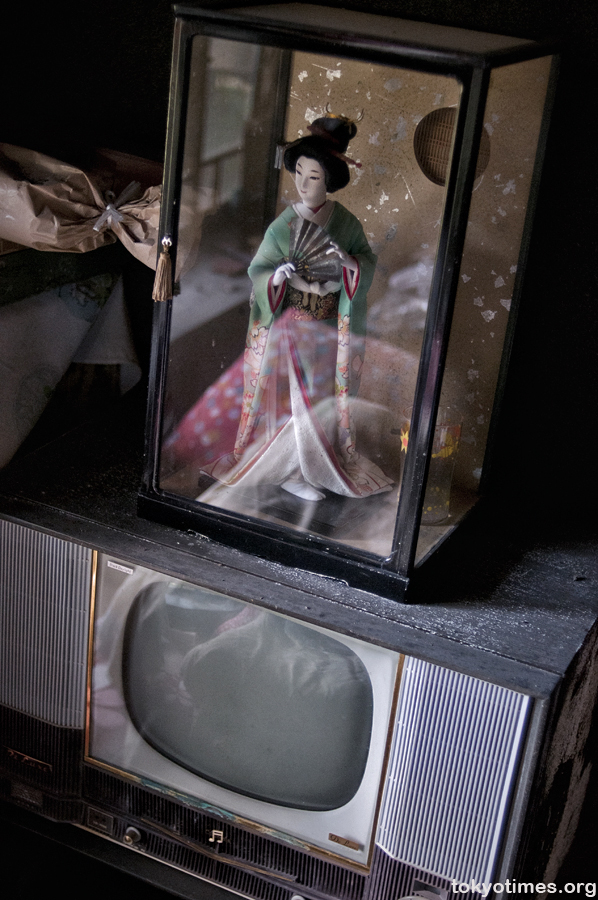
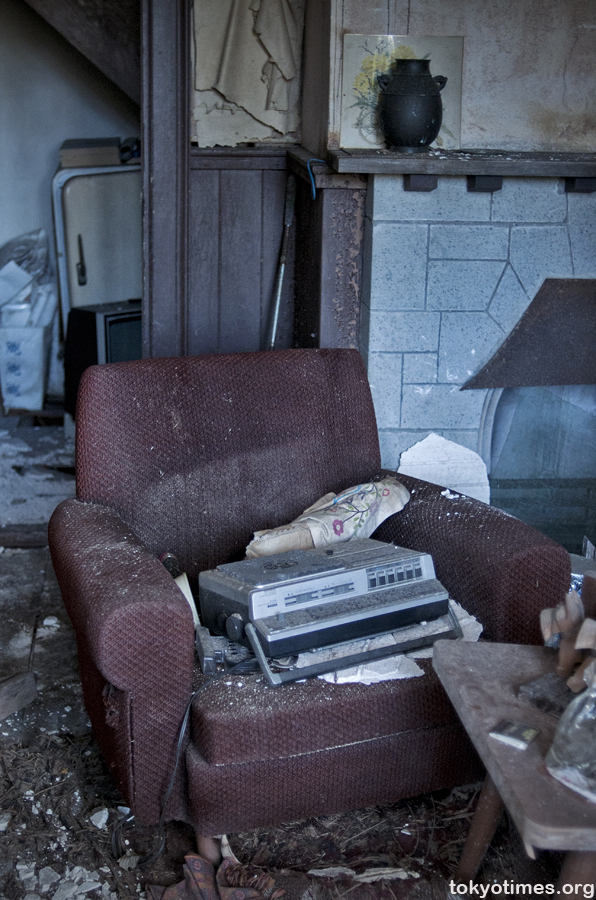
Such as reminders of evenings spent at home watching TV.

haikyo house

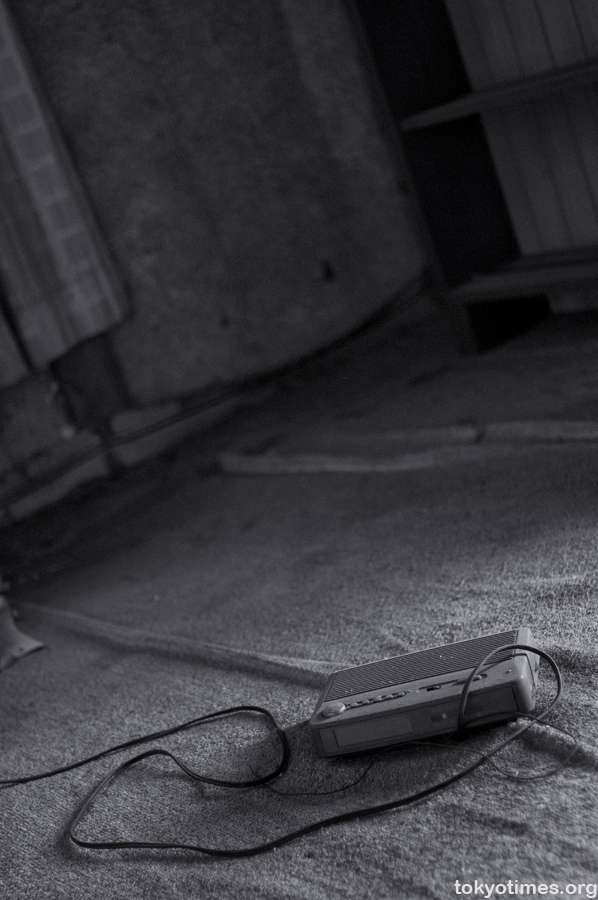
Or listening to the radio.

haikyo house

Along with those enjoyed out and about somewhere nice.

haikyo house

Plus day trips.

haikyo house

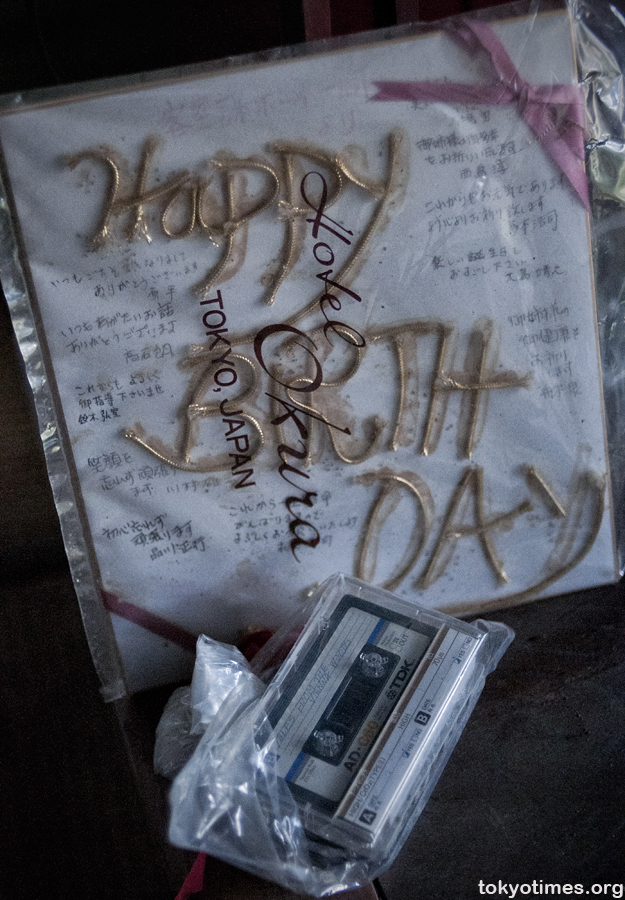
Celebrations.

haikyo house

Decorations.

haikyo house

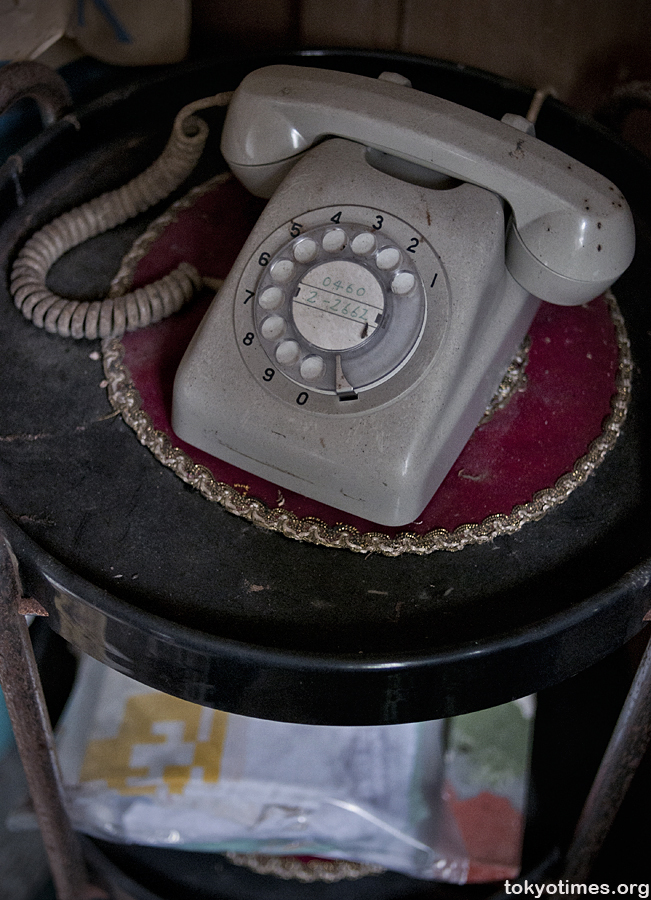
And communications.

haikyo house

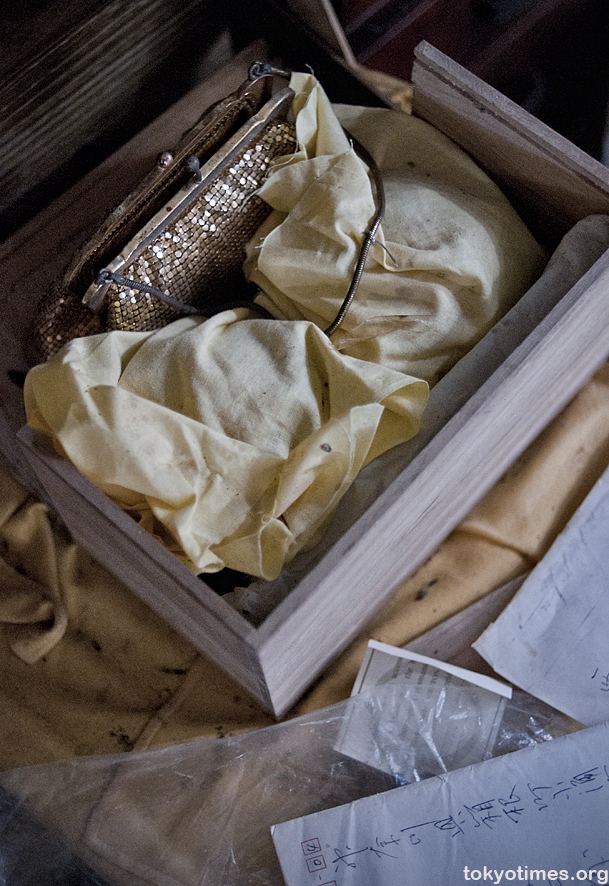
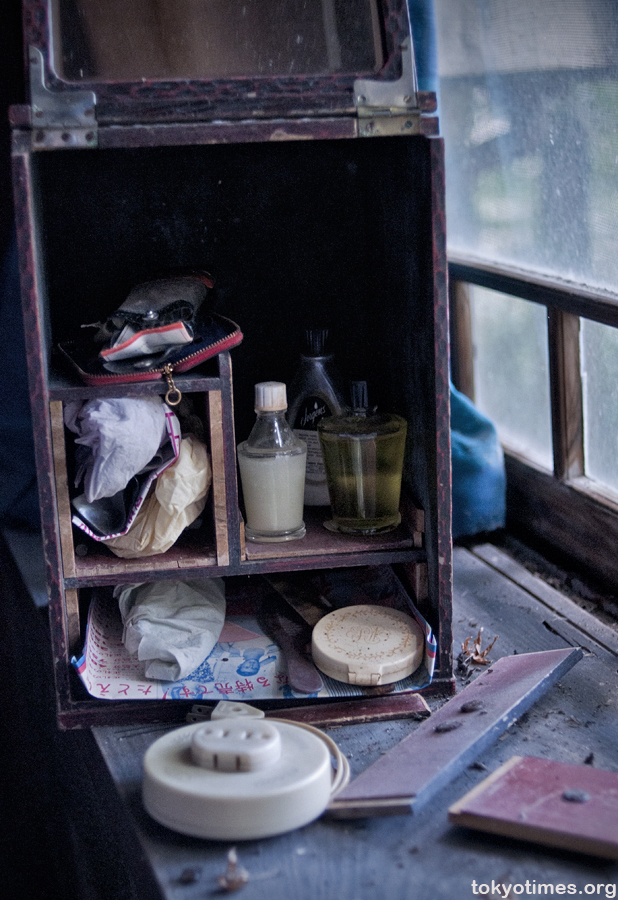
Plus perhaps most poignant of all, everyday items no longer looked at.

haikyo house

Or used.

haikyo house

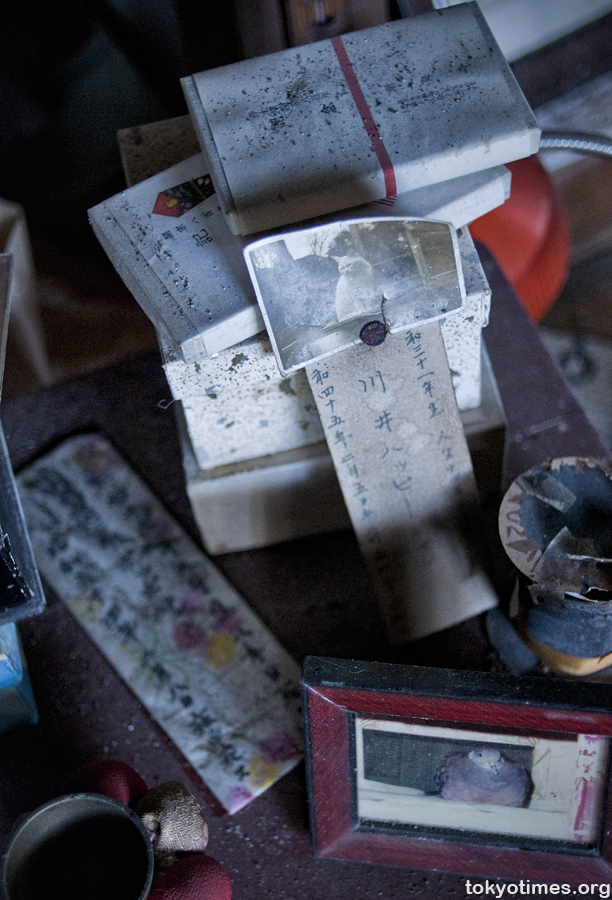
Their owners now long gone, and equally long forgotten — just like their pets.

haikyo house

John Jerwood himself, on the other hand, has a foundation named after him. An organisation that to this day still uses the man’s vast wealth to fund art and education initiatives. But just like the last of his Japanese family, he marked the end of the line in regards lineage. A factor that perhaps explains why, despite the wealth and privilege, the house, along with its history and memories, has been left to decay.

Slowly.

And in complete silence.

haikyo house

Categorized: Haikyo

Jul 06 2011 43 Comments

Kappa Onsen hotel haikyo

Nikko is a well known, and equally well-loved tourist spot; visited throughout the year for, amongst other things, its famous shrines and fantastically coloured autumn foliage.

In the past, however, the region’s Kinugawa Onsen (hot spring) resort was also very popular, presumably partly due to its location, but much more so because of the strong alkaline content of its spring water. The latter apparently being very good for those suffering from rheumatism and other such ailments.

A fact borne out by the enormous number, and indeed size, of the hotels that look onto the river. Plus not so scenically, across to each other.

Kinugawa Kan and Kappa Onsen haikyo

At its peak in the early 90s, Kinugawa attracted over 3 million visitors a year. This huge number inspiring the construction of more and more mammoth hotels — practically resorts within themselves — which rapidly destroyed the spa town’s character and atmosphere. This ‘progress’, along with a shift in tourist patterns and the collapse of a local bank, created a perfect storm of sorts, setting the area on a course of rapid decline. A shift that has seen visitor numbers drop enormously, resulting in the closure of countless businesses. And perhaps none of them represent this downfall better than the sprawling and horribly ugly Kinugawa Kan Hotel and its Kappa Onsen.

Kinugawa Kan and Kappa Onsen haikyo

Due to the aforementioned problems, the Kinugawa Kan closed its doors in June 1999, and since then it has been left to slowly deteriorate and become an ever-increasing eyesore. So it’s at least 12 years since this telephone was used. Although considering how dated and dingy the place must have been even when it was still open, it could well be even longer.

Kinugawa Kan and Kappa Onsen haikyo

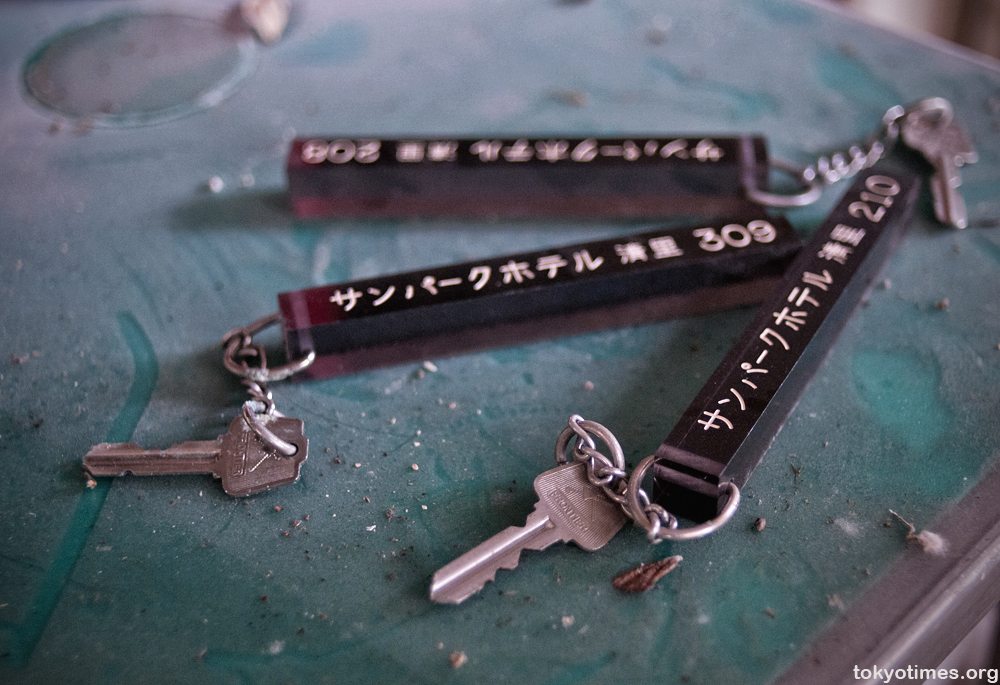
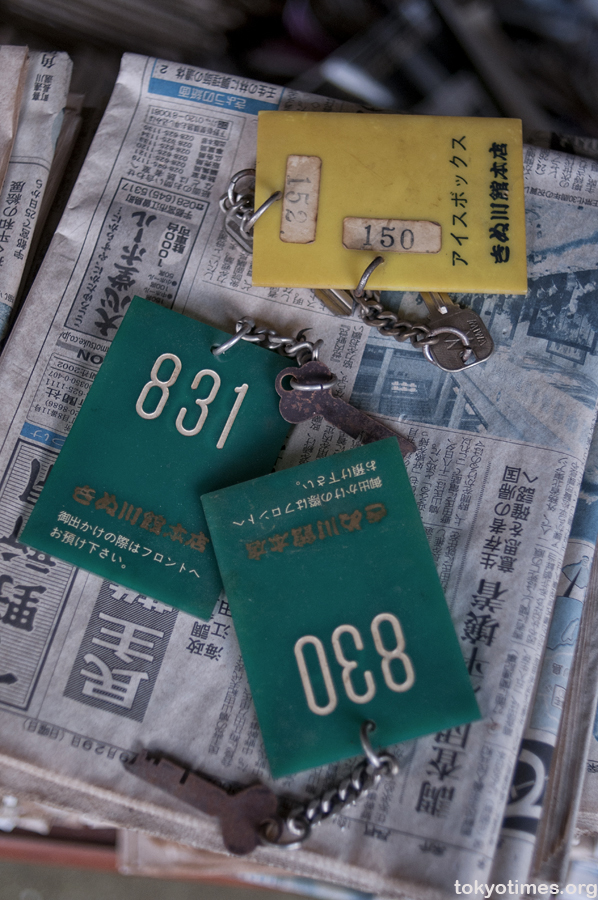
The same of which could be said about these keys.

Kinugawa Kan and Kappa Onsen haikyo

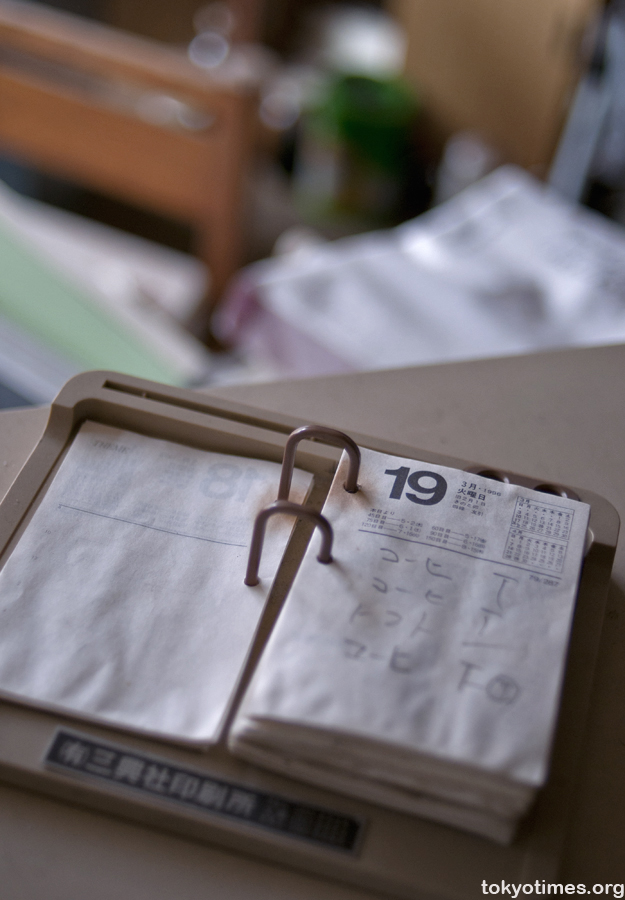
But there were the odd signs of business. Like this order of coffee and tomato juice on March 19th 1996.

Kinugawa Kan and Kappa Onsen haikyo

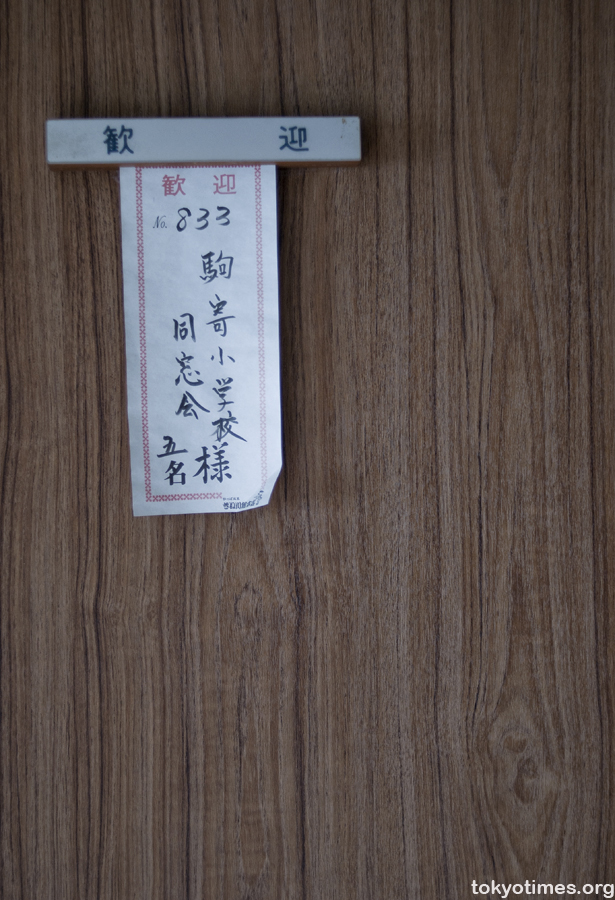
Plus a decidedly sad looking sign for an elementary school reunion. An event that one can only hope was livelier than its surroundings.

Kinugawa Kan and Kappa Onsen haikyo

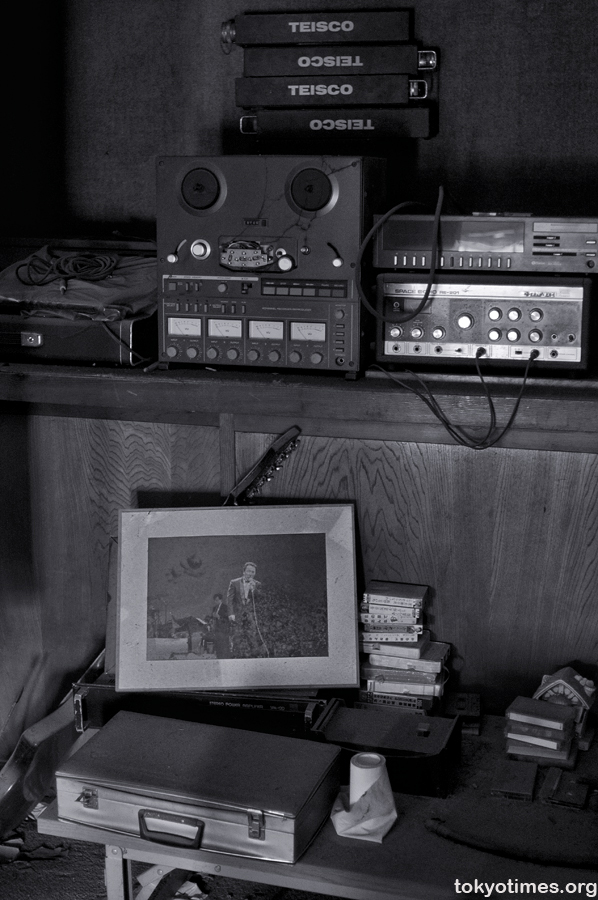
Elsewhere, however, it was just silent reminders of slightly happier times. When there was music.

Kinugawa Kan and Kappa Onsen haikyo

Games.

Kinugawa Kan and Kappa Onsen haikyo

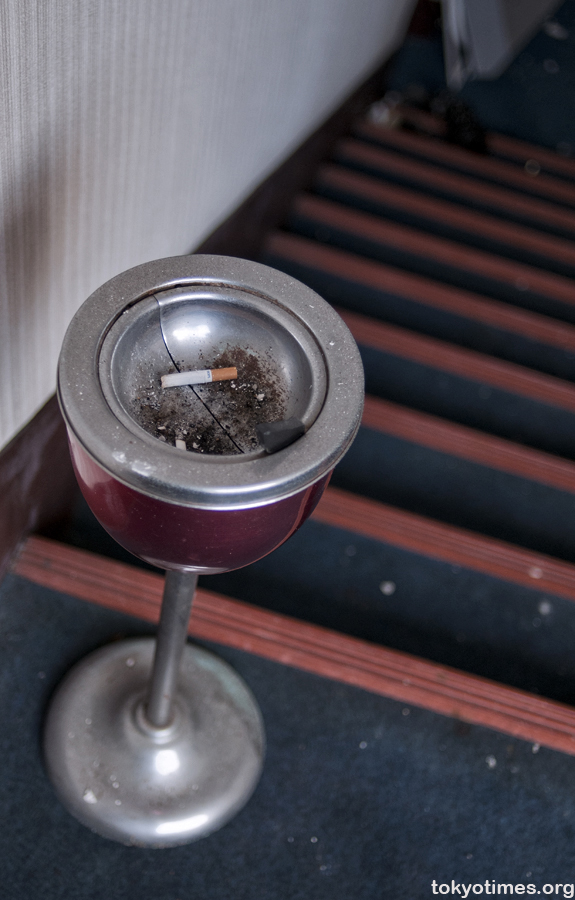
And cigarette smoking everywhere.

Kinugawa Kan and Kappa Onsen haikyo

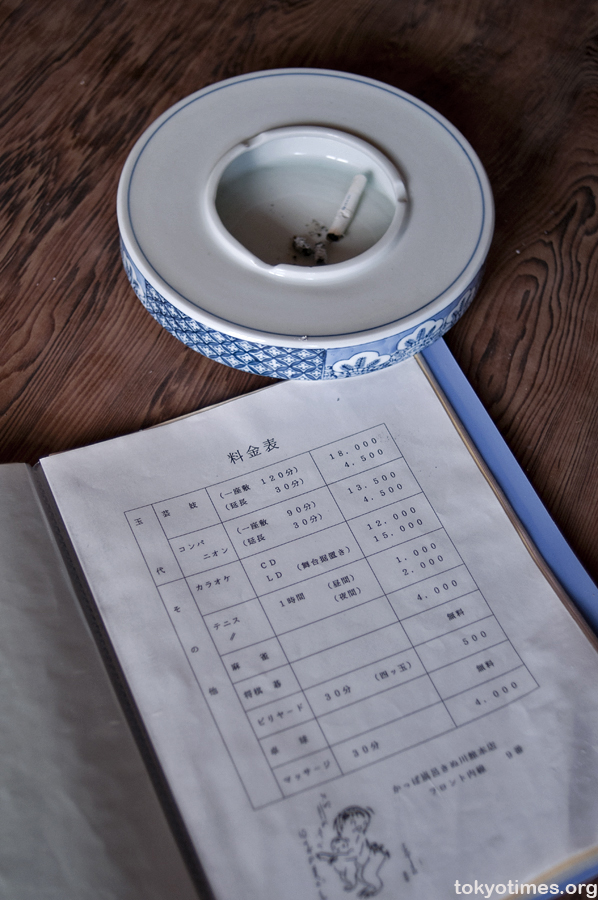
And for those in need of even more fun, along with karaoke and the like, ‘companions’ could also be hired.

Kinugawa Kan and Kappa Onsen haikyo

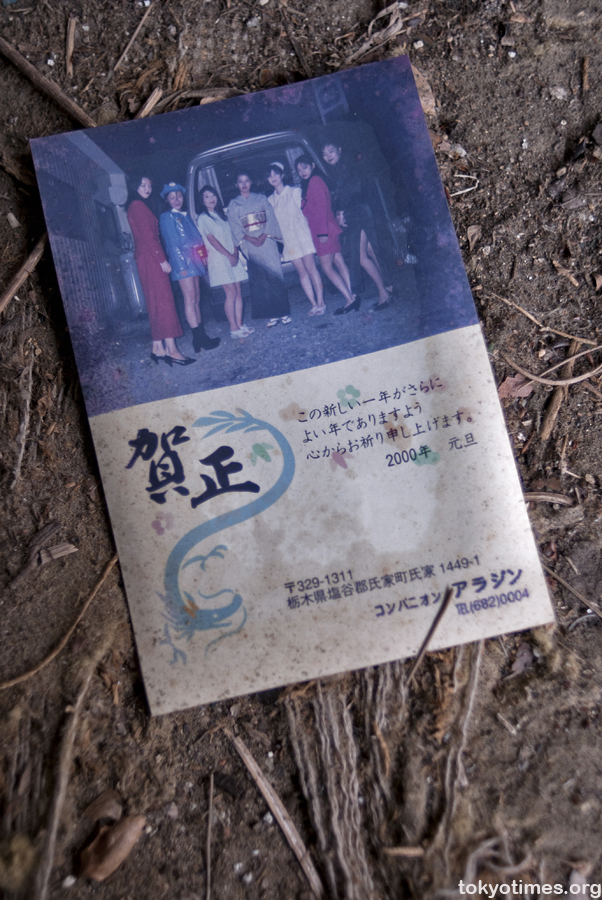
A photograph of these hired helpers suggesting that they came from a variety of professions, to possibly engage in the oldest profession.

Kinugawa Kan and Kappa Onsen haikyo

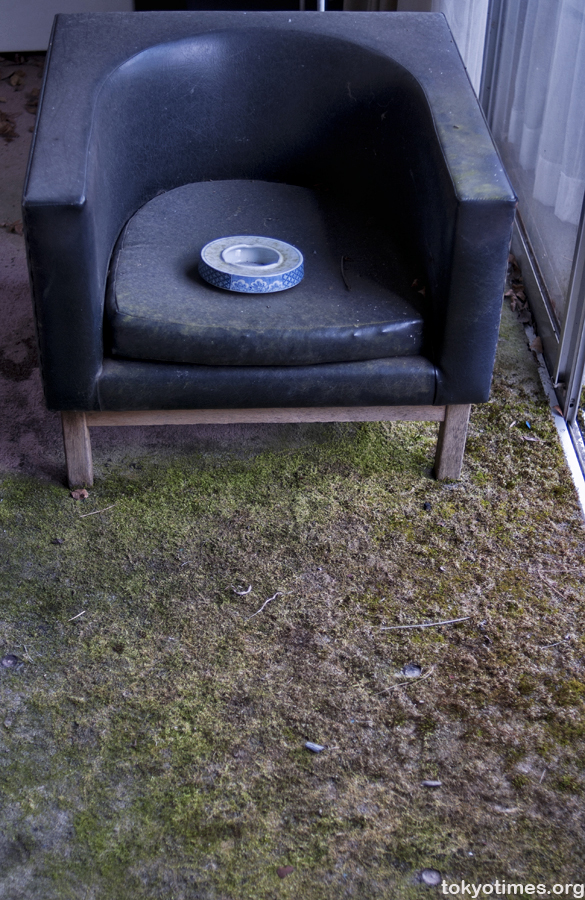
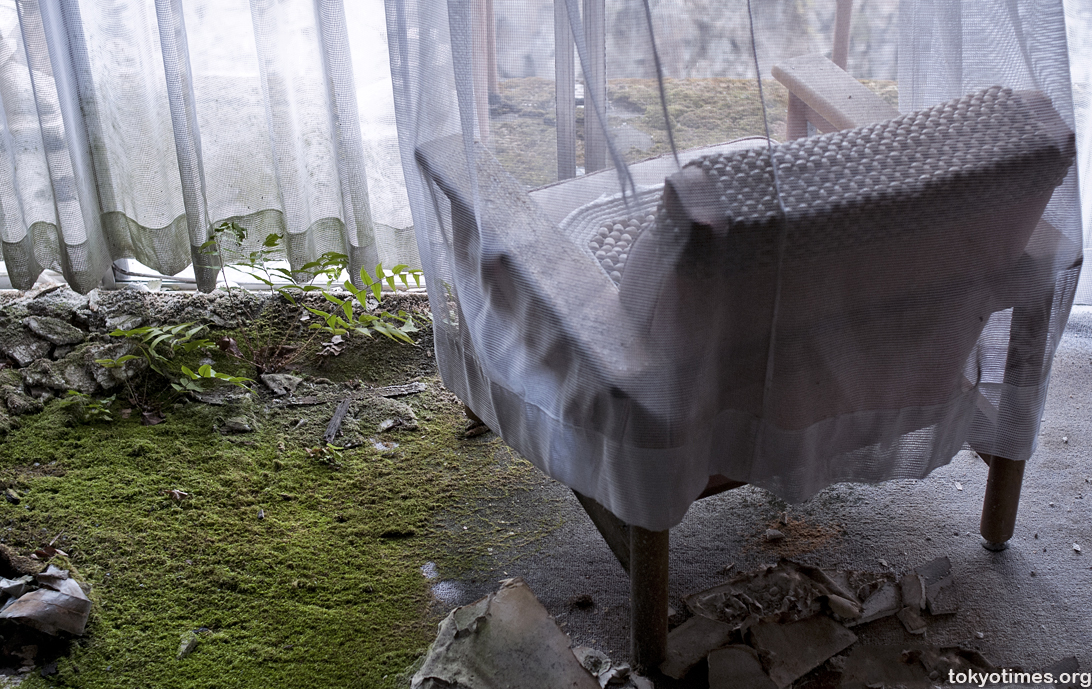
None of whom will be returning to these rooms again, where the only guest these days is mother nature. The climate creating a carpet that is far more colourful and plush than the one it is slowly replacing.

Kinugawa Kan and Kappa Onsen haikyo

Kinugawa Kan and Kappa Onsen haikyo

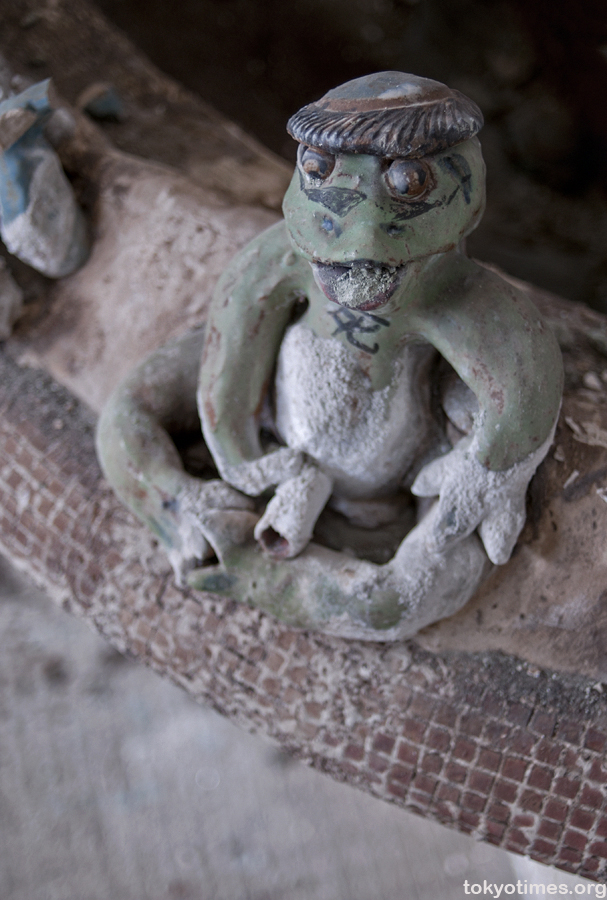
In fact, so desperate is the state of this one-time business, that even this kappa, the legendary creature that the hotel’s hot spring is named after, has nothing more to give.

Kinugawa Kan and Kappa Onsen haikyo

Categorized: Haikyo

Dec 29 2010 9 Comments

A few favourite haikyo from 2010

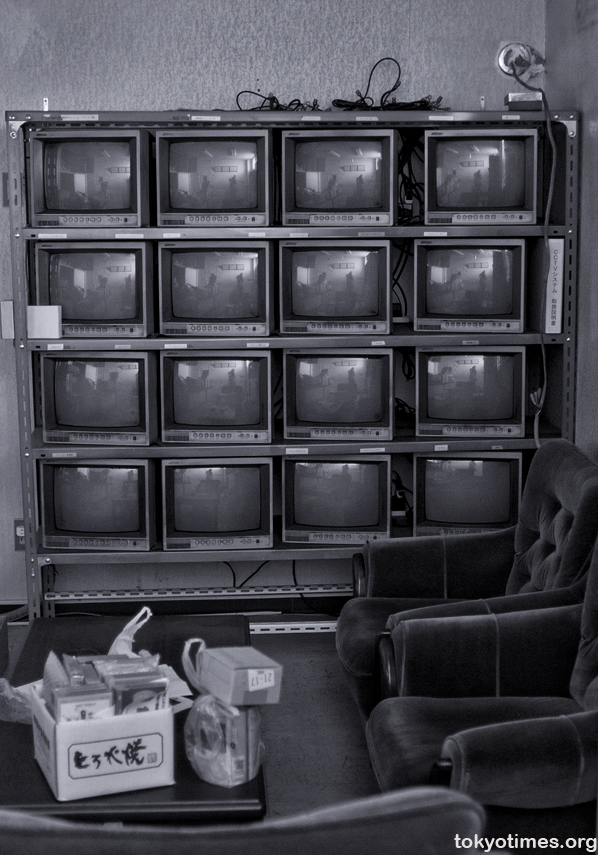
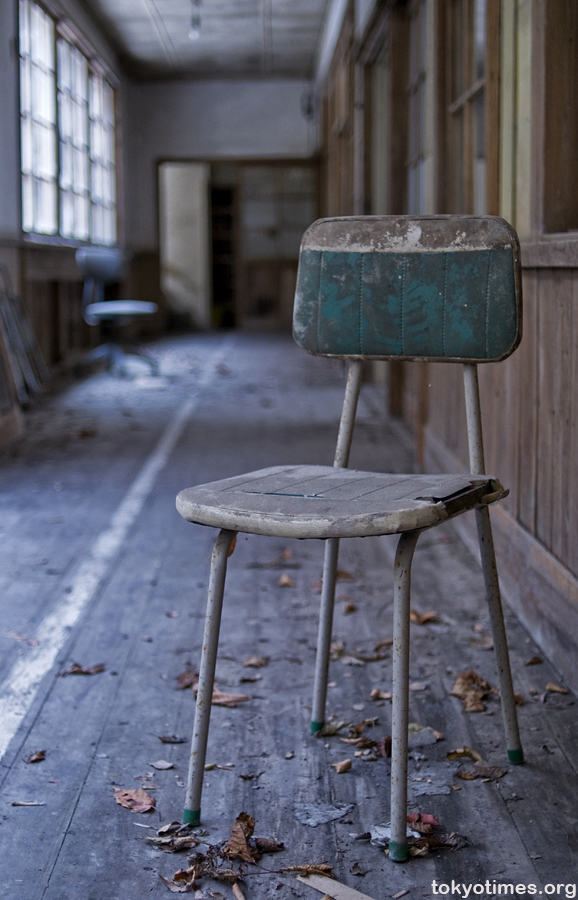
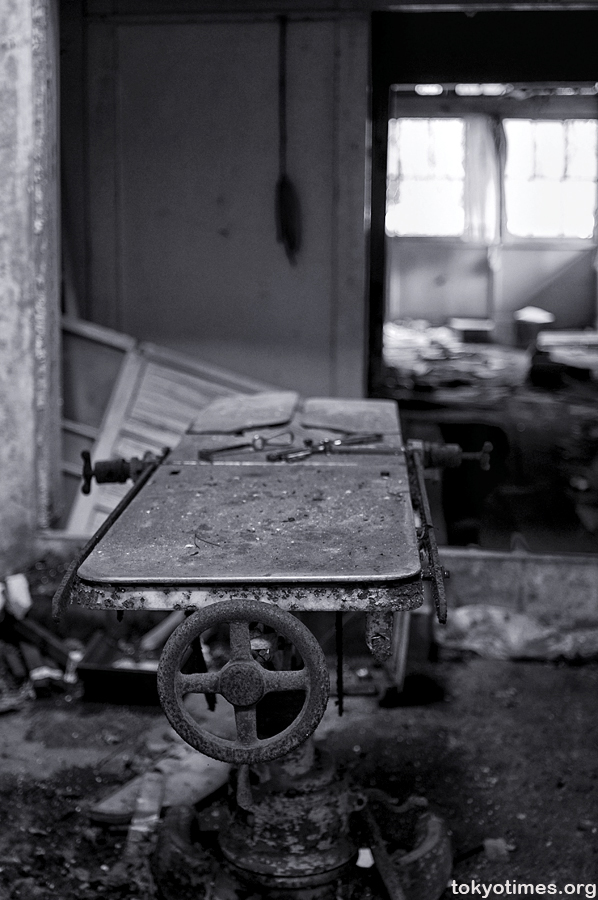
Pretty much every abandoned building I’ve been to has had its fair share of memories and mysteries, but some, without a doubt, are more interesting than others; so here, following on from the year’s photo round-up, are my favourite haikyo from the past 12 months — each paragraph of which contains a link to the original post and the full set of pictures.

Topping the list is definitely the enka singer’s house, as not only had it never (at least to my knowledge) been explored before, but it also offered up enough clues and personal details to piece together at least some parts of the life of the singer who once lived there.

house haikyo

house haikyo

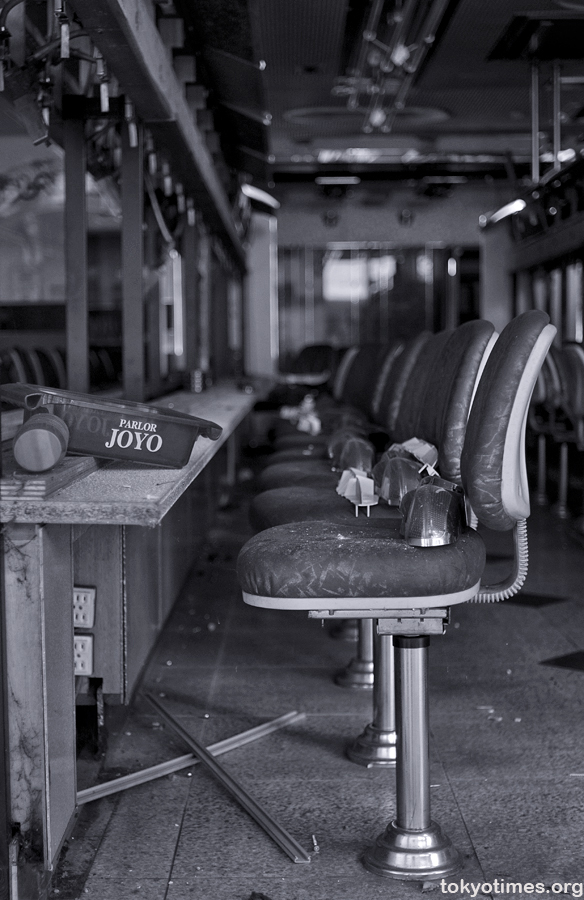
After that it’s a tough choice, but probably the old pachinko parlor would sneak in second; not necessarily for any particular details that were left lying about, but because I’d always been on the look-out for such a place. And, to find one so intact as well as incredibly peaceful, was a real treat.

pachinko parlor haikyo

pachinko parlor haikyo

Next is Nichitsu mining town, the only haikyo I’ve ever returned to, as my first trip there was curtailed somewhat by fading light and a security patrol, meaning I never got to fully explore the quiet and memory filled old school. A place that turned out to be surprisingly pleasant in the daylight, and definitely made the return visit worthwhile.

Nichitsu school

Plus, going back also meant there was the chance for one last look at the now even more decayed doctor’s office.

Nichitsu mining town

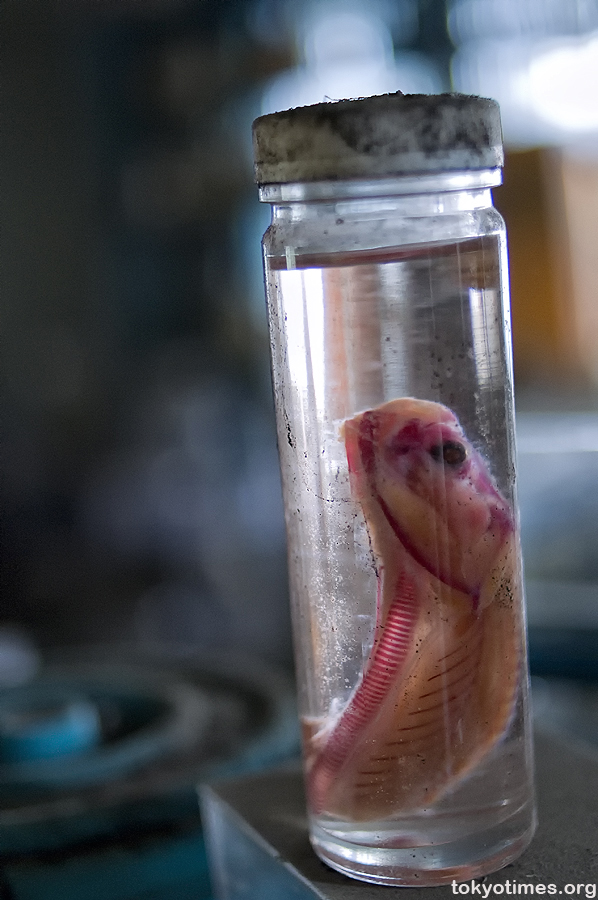
For something very different, and at the same time utterly disgusting, the Japan Snake Center certainly deserves to be on the list; a set of photos that, even now, still remind me of the hideous smell of hundreds, possibly even thousands, of rotting snakes.

abandoned Japanese snake centre

abandoned Japanese snake centre

And finally, the Higashi Izu-cho Isolation Ward must get a mention. A silent, very sombre place, steadily decaying in a dark and damp bamboo forrest. One that, considering that the majority (if not all) of those who went there, did so to die, makes it by far the saddest haikyo I’ve ever visited.

Abandoned Japanese isolation ward

Abandoned Japanese isolation ward

Categorized: Haikyo

« Previous Page
Next Page »

Footer

Copyright © 2026 · Tokyo Times