• Skip to main content
  • Skip to footer

Tokyo Times

Photographs from a small group of islands

  • Photowalks
  • Portfolio
  • Book and Prints
  • Newsletter
  • About/Contact
  • Follow
    • Facebook
    • Instagram
    • Twitter
    • RSS

Haikyo

Nov 30 2010 34 Comments

Abandoned Niigata Russian Village theme park

In my recent explorations of abandoned buildings, I’ve been incredibly lucky to find the kinds of places that I find most fascinating; namely those that contain a lot of possessions and hints about the lives of those who once lived or worked in them. The old enka singer’s house in particular, and the long left kimono shop, offered tantalising tidbits of information about their past occupants. And to a certain extent even the old pachinko parlor, which as well as having an interesting story behind it, was almost completely intact.

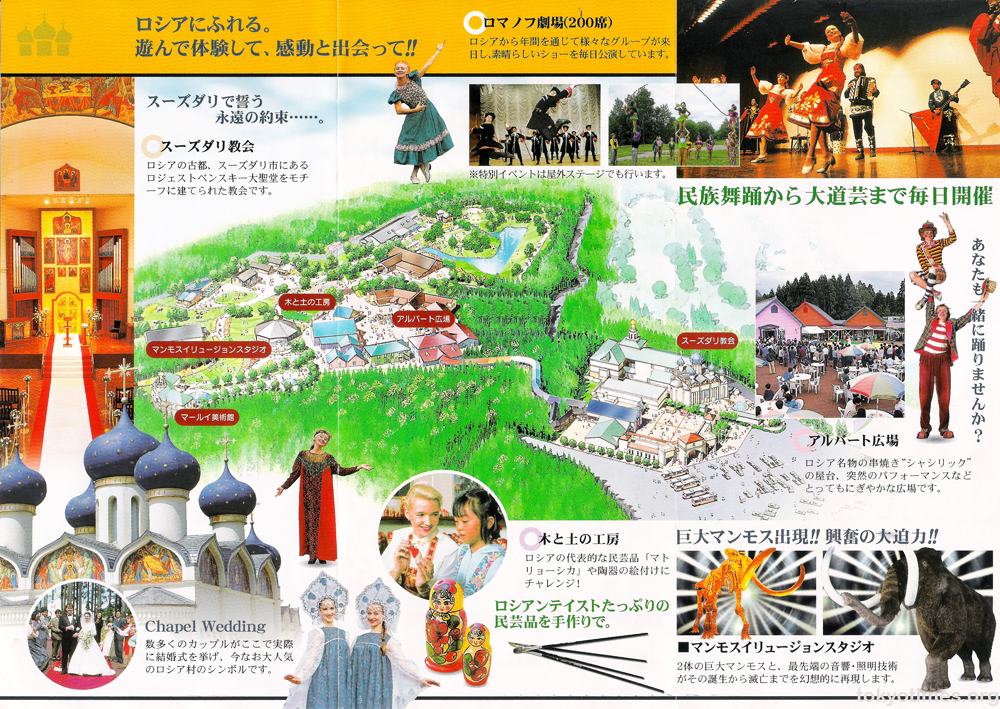
None of which, it has to be said, I expected to find at the bankrupt and abandoned Niigata Russian Village. However, the lure of an accurate copy of Suzdal’s The Cathedral of the Nativity bizarrely nestled at the foot of the Gozu mountain range was eventually just too much. And how could it not be?
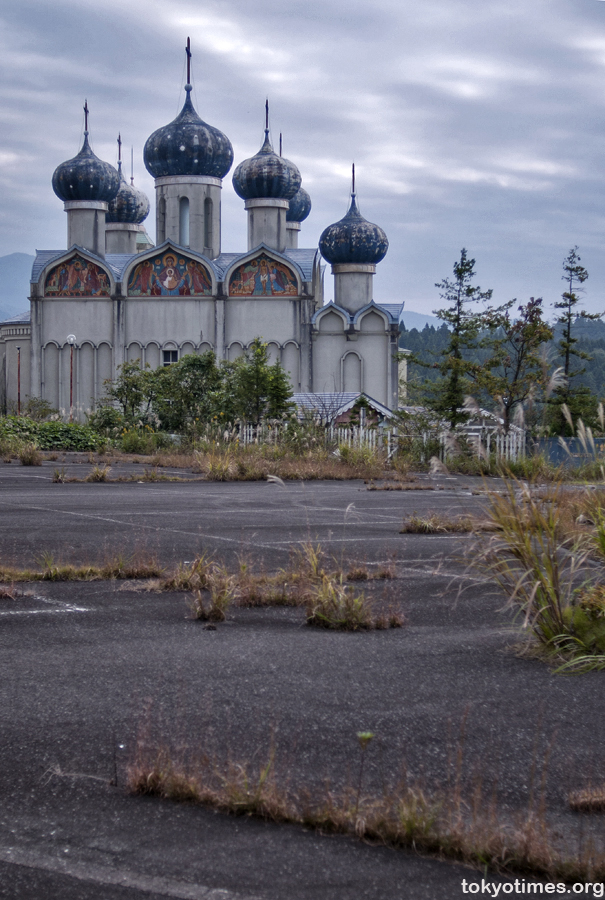
Abandoned Niigata Russian Village

The lure for paying visitors, on the other hand, obviously wasn’t quite so strong, because after initially opening in 1993, it closed down for a while six years later due to the collapse of the bank supporting it. And if that wasn’t a good enough sign that it really wasn’t a good idea, another investor inexplicably ploughed yet more money into the park and promptly re-opened it for business. A period that was obviously even less successful than the first stretch, as it closed its doors again, and this time permanently, in April 2004.

But obvious mistakes aside, as a theme park and wedding venue, the complex must have been even more surreal in its heyday. And on a sunny day, really quite a sight.
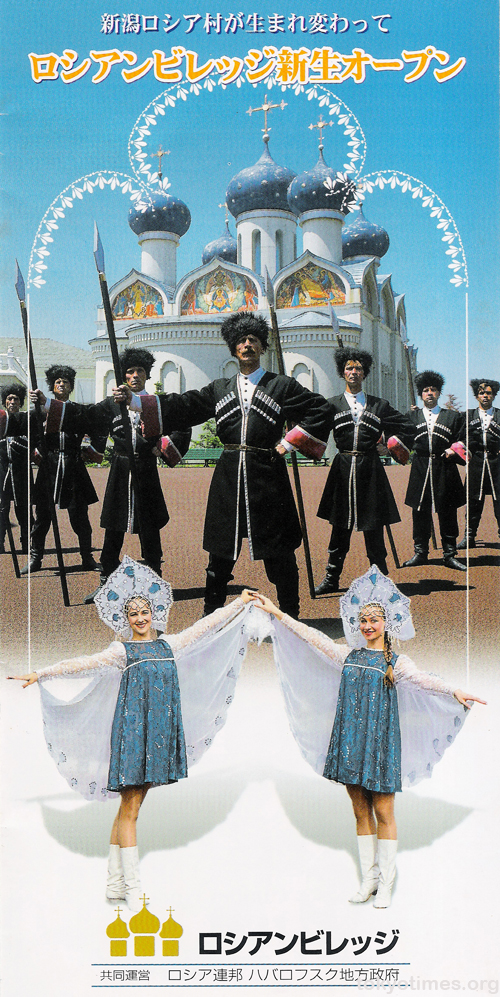
Abandoned Niigata Russian Village

Unfortunately, the whole village has since been violently and systematically vandalised, with very little of it left intact. A situation that needless to say is a genuine shame, as, left untouched, it would have been a truly fascinating place. Especially so once nature really started to take the buildings back.

But as it is, the cathedral is probably the least damaged part of the whole park.
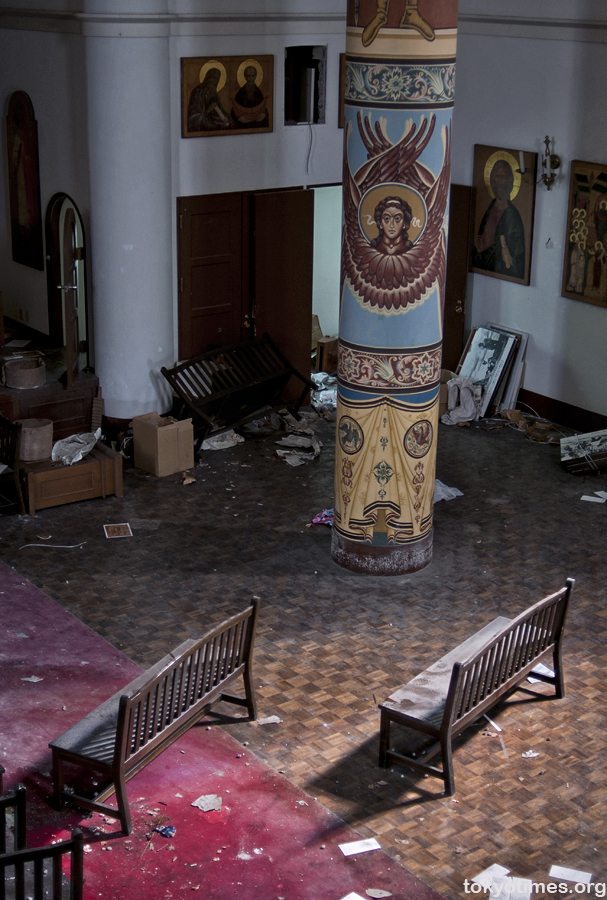
Abandoned Niigata Russian Village

Something that may, or indeed may not, have something to do with the big fella looking down from above.

Abandoned Niigata Russian Village

Yet that’s not to say that there weren’t any photo opportunities; there were just less that’s all. And the huge fire that fairly recently ripped through the hotel did make for quite a stark, yet somehow still appealing, image.

Abandoned Niigata Russian Village

Plus thankfully there was that firm favourite of all abandoned buildings, a telephone.
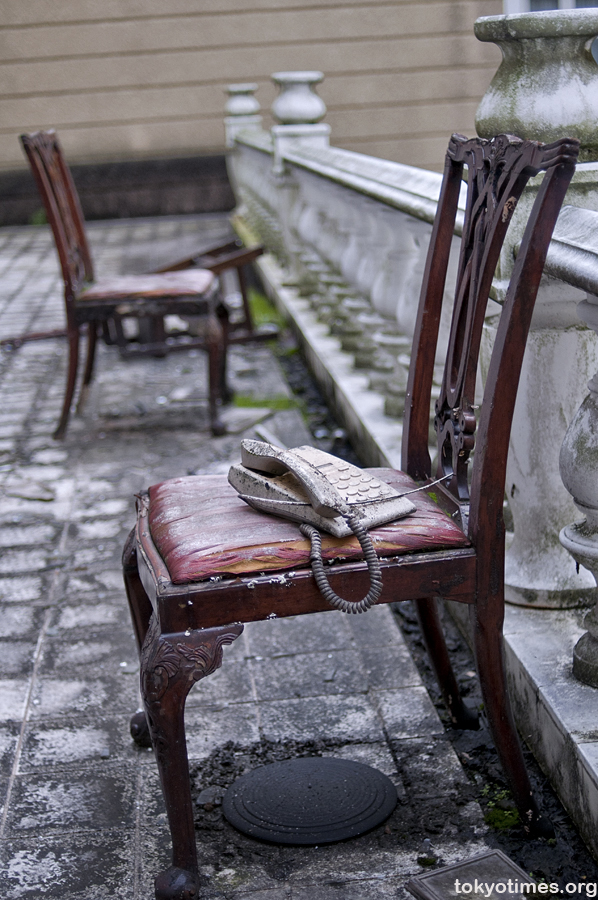
Abandoned Niigata Russian Village

Along with a rare bit of strange beauty. A scene that, if it’s not a tad too over the top for a pair of old slippers, somehow encompasses a big part of what haikyo is all about. Combined with a possible hint of that wonderfully vague Japanese concept, wabi-sabi.
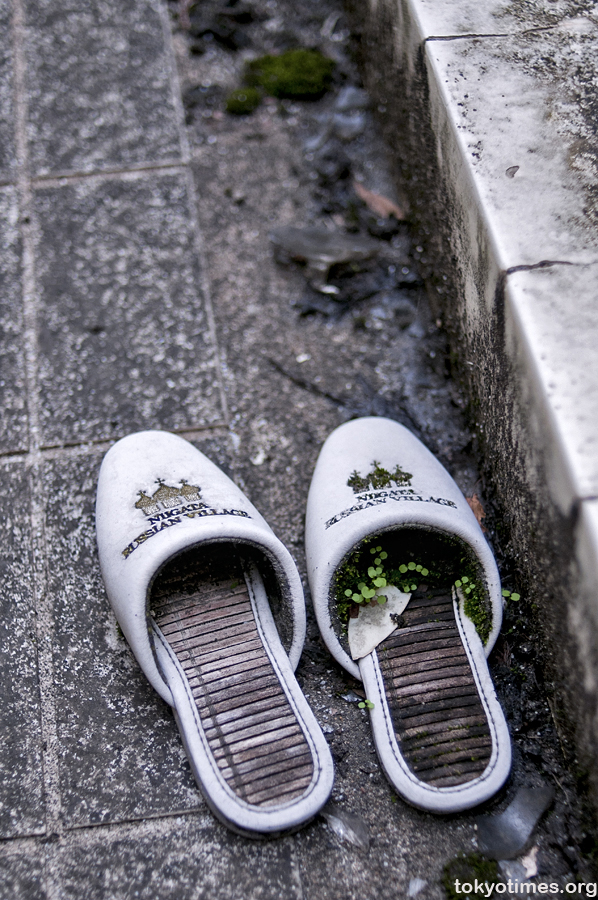
Abandoned Niigata Russian Village

But story wise, there isn’t a lot to tell. Or indeed to see. It was a bad idea that not surprisingly went bankrupt. There simply weren’t enough visitors. And those that did go, definitely didn’t go back.
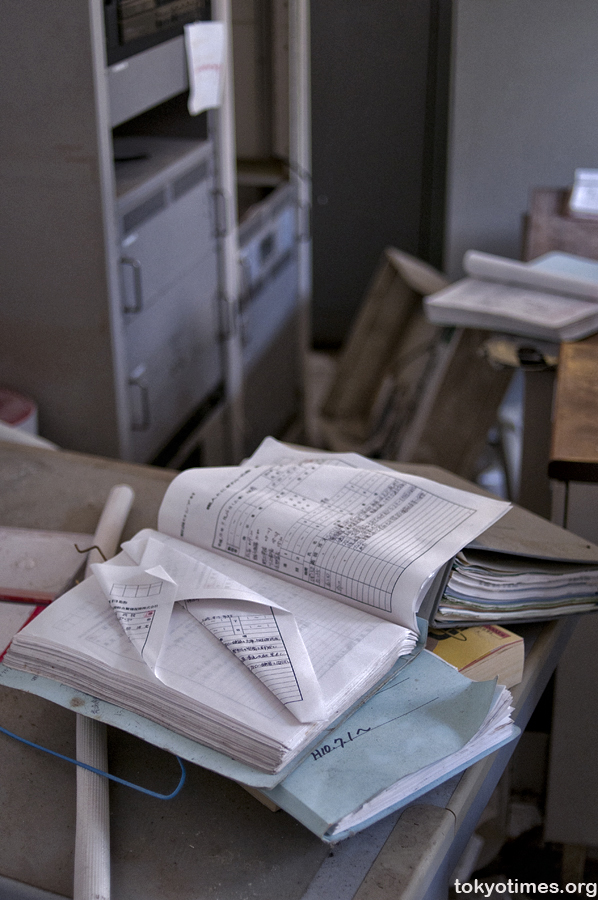
Abandoned Niigata Russian Village

Except perhaps until it had closed, because since then it has become a very different kind of tourist destination, with some of those visiting intent on a very different kind of day out.
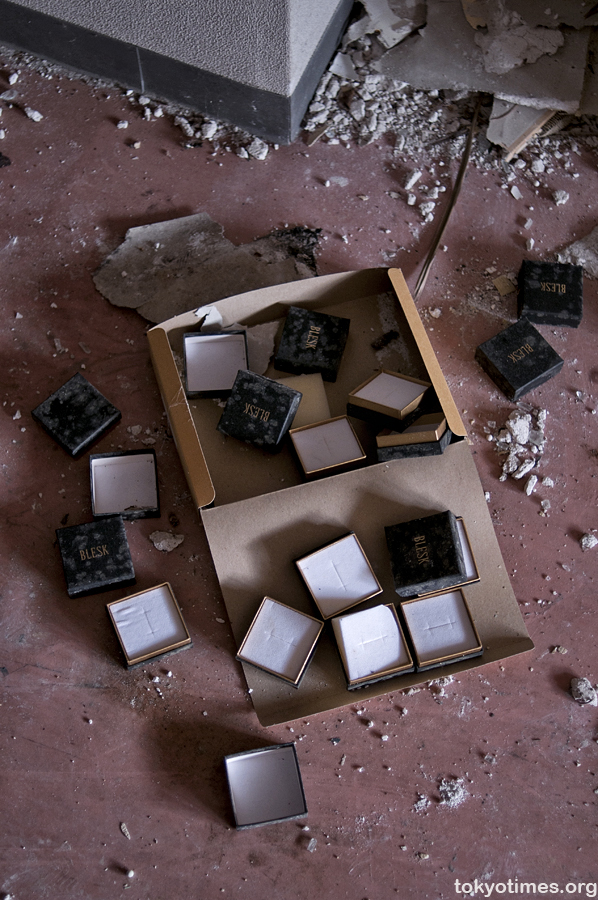
Abandoned Niigata Russian Village

All of which was really rather sad.

Abandoned Niigata Russian Village

Although there were still a few pleasant surprises. Such as a still intact mammoth.
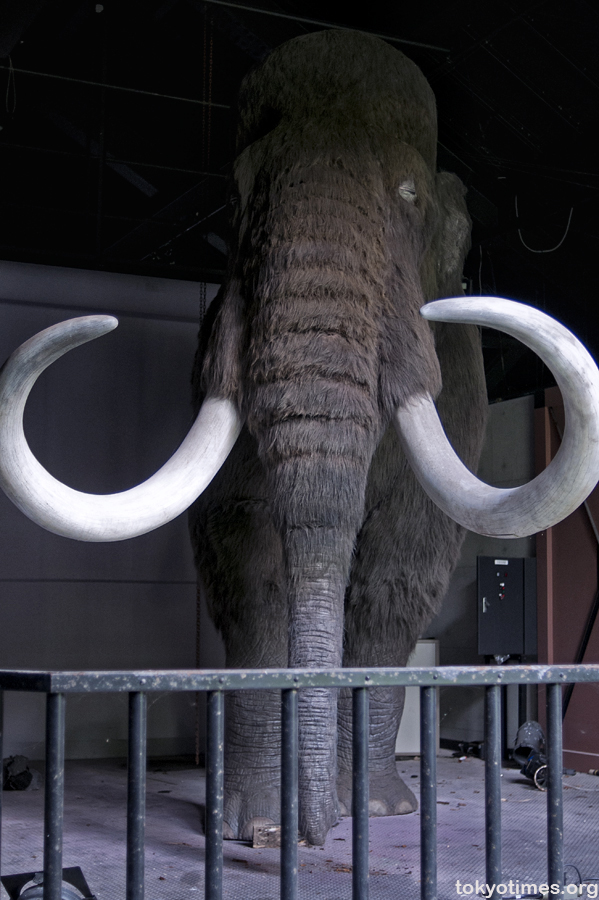
Abandoned Niigata Russian Village

Complete with the perfect kind of chair to view it from.

Abandoned Niigata Russian Village

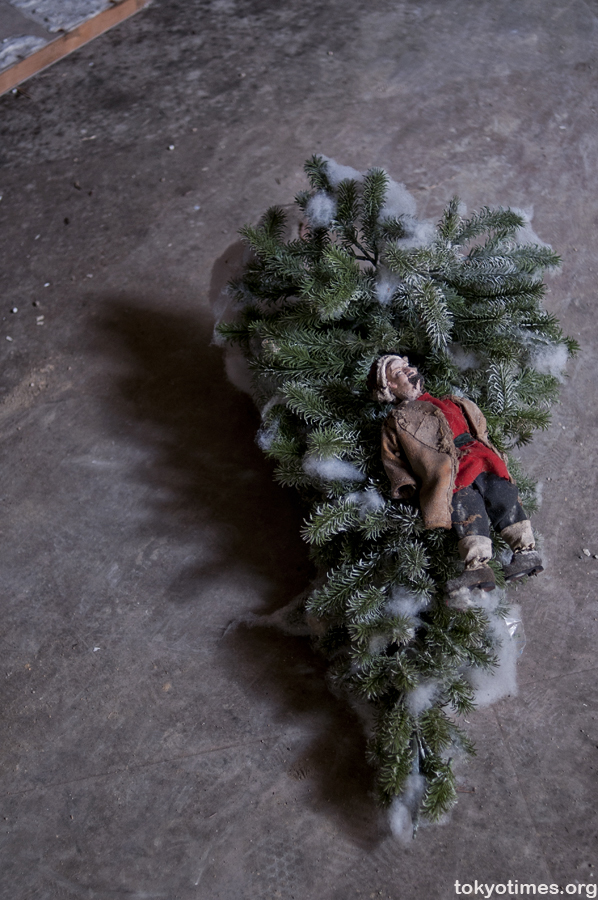
Plus this splendid bit of silliness to finish off with — a miniature woolly mammoth that was found in one of the function rooms. And fitted with a two-seater saddle, it must have been used to wheel the happy (and presumably happily bemused) new couple into the guest-filled post-ceremony party room. A sight that really must have been something to behold.
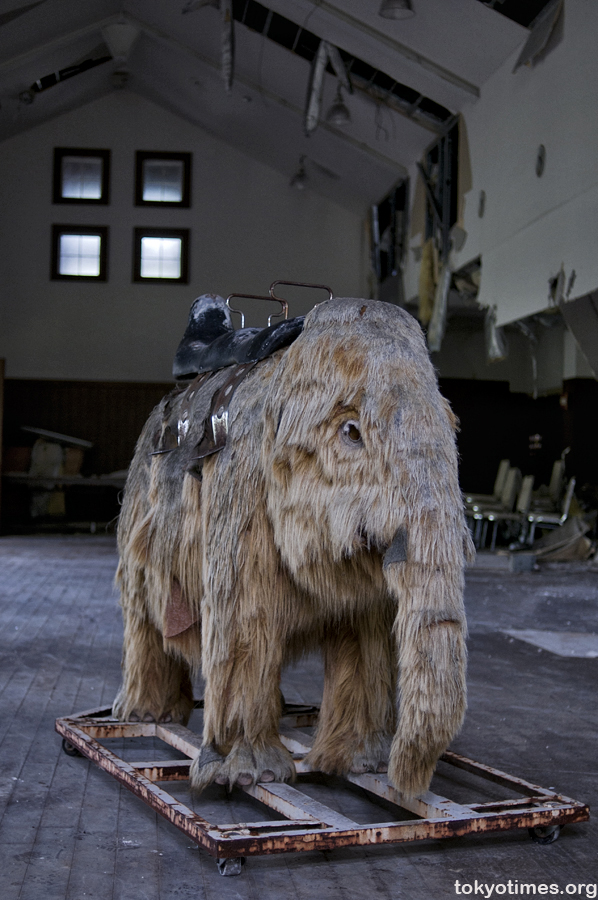
Abandoned Niigata Russian Village

Which in many ways makes Niigata Russian Village all the more depressing, as due to Japan’s economic bubble being long since burst, its stupidly optimistic sort will sadly never be seen again.
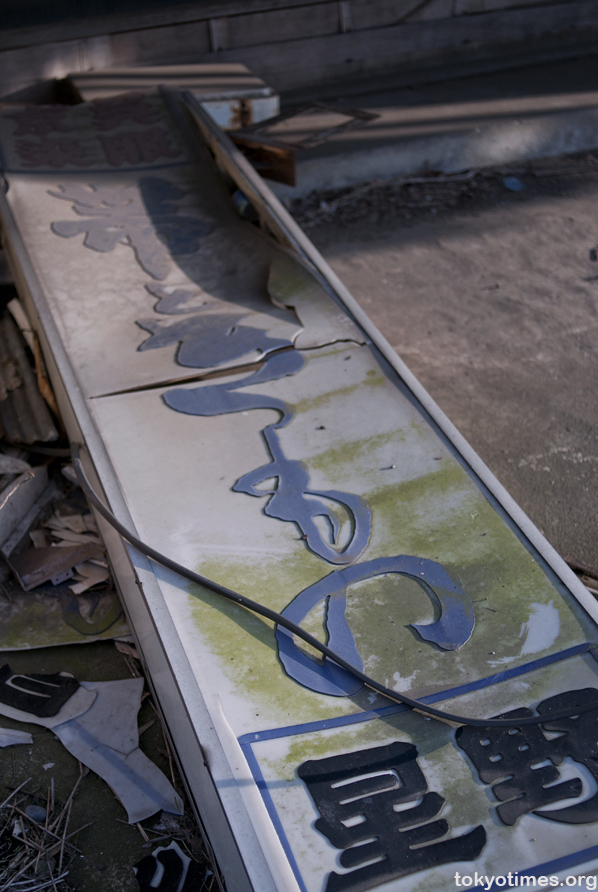
Abandoned Niigata Russian Village

Categorized: Haikyo

Nov 02 2010 44 Comments

Kimono shop haikyo

Some abandoned Japanese buildings, like the recently posted images of an enka singer’s old house, hold snippets of information about their past occupants, and yet at the same time, tantalisingly don’t tell the whole tale. Others, however, have stories that have been relatively well documented, and the clues left behind invariably appear to confirm them — like this long-deserted kimono shop for example.

abandoned kimono shop haikyo

Unfortunately, the sales area itself is now in a very sorry state indeed, with only hints of the colours and fabrics that must have once filled it.

abandoned kimono shop haikyo

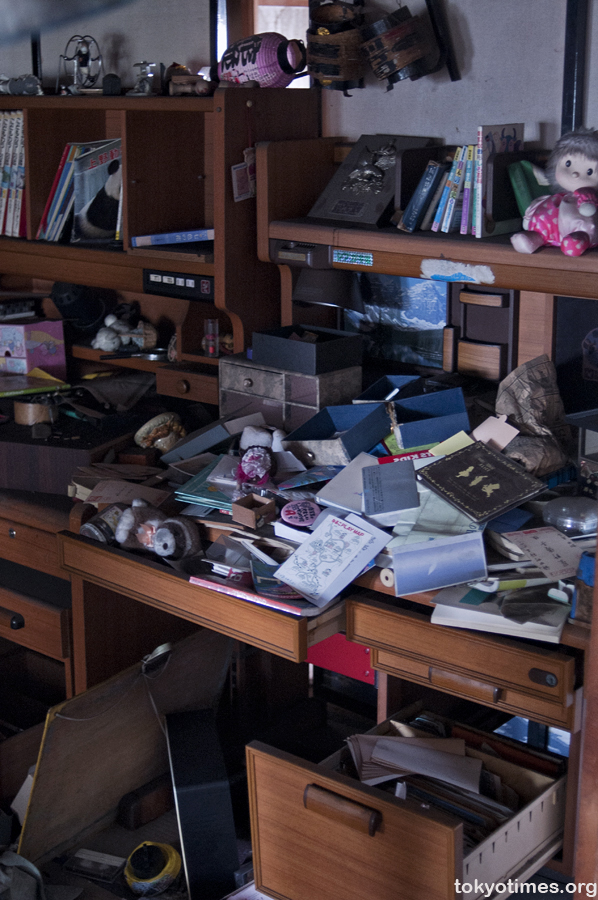
But thankfully, upstairs is totally different, as it contains an absolute plethora of possessions that once belonged to the past occupants.

Poignant reminders of distinctly happier days.

abandoned kimono shop haikyo

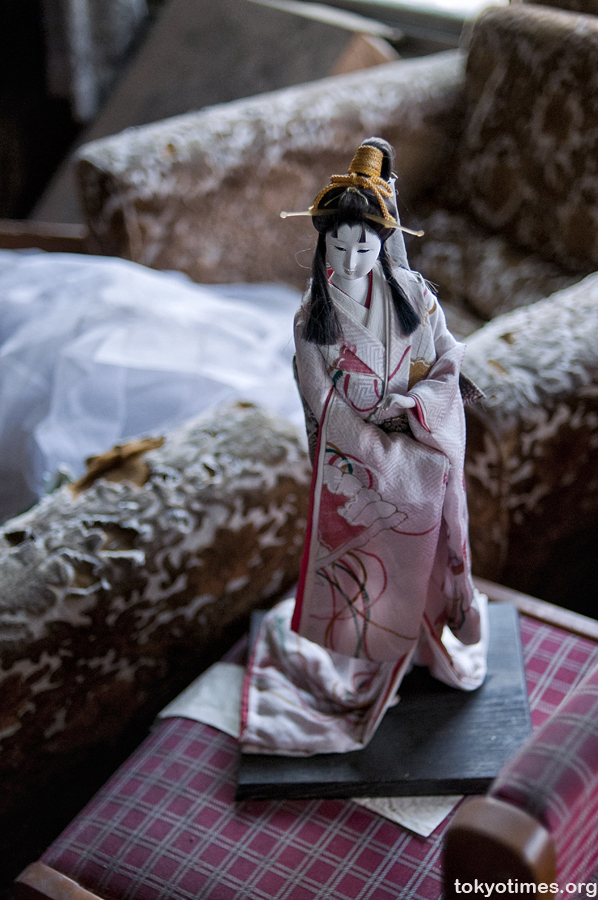
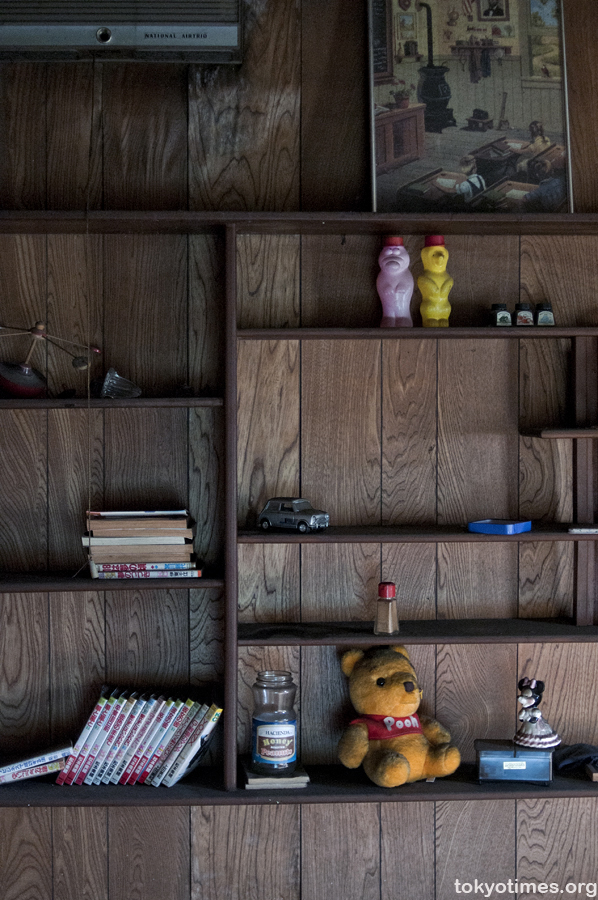
Plus dolls.

abandoned kimono shop haikyo

And a positively dizzying array of other stuff.

abandoned kimono shop haikyo

All appearing to confirm the online consensus that the mother and daughter who once lived in the building did a midnight run. The latter, Masami Hoshino, who, according to a certificate passed a sports test in 1984 when she was an elementary school student, even left behind her presumably once dear,

abandoned kimono shop haikyo

and Disney-related playthings.

abandoned kimono shop haikyo

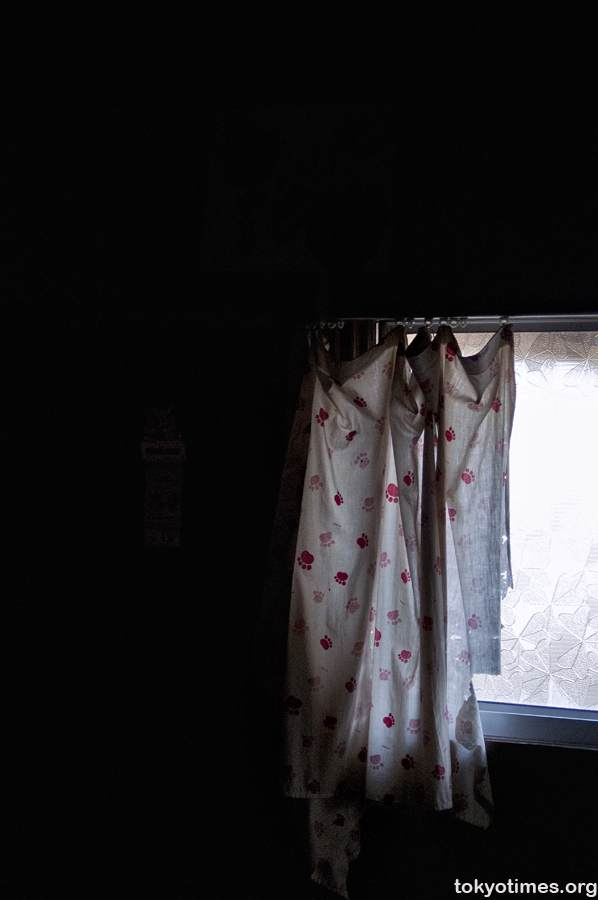
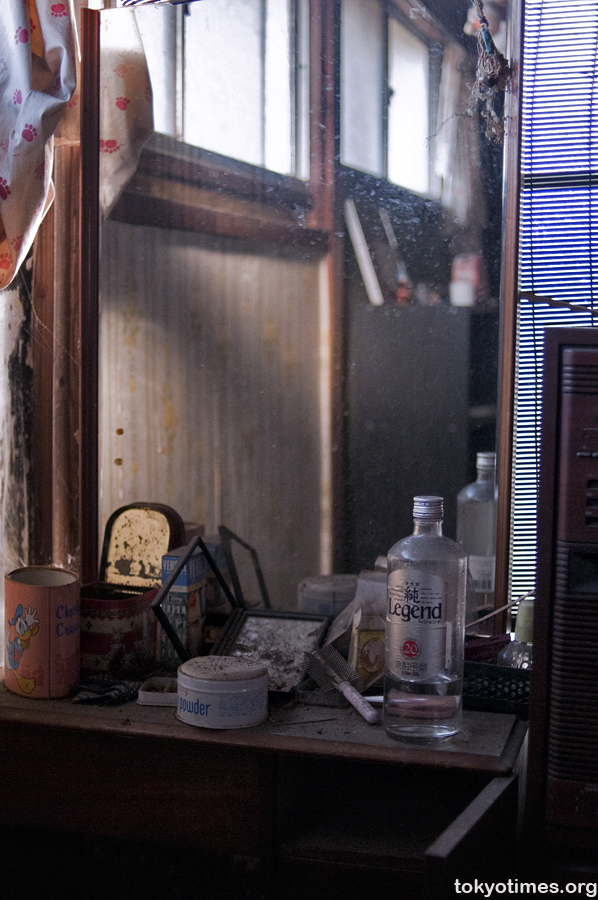
Along with her room’s cute but now never closed curtains.

abandoned kimono shop haikyo

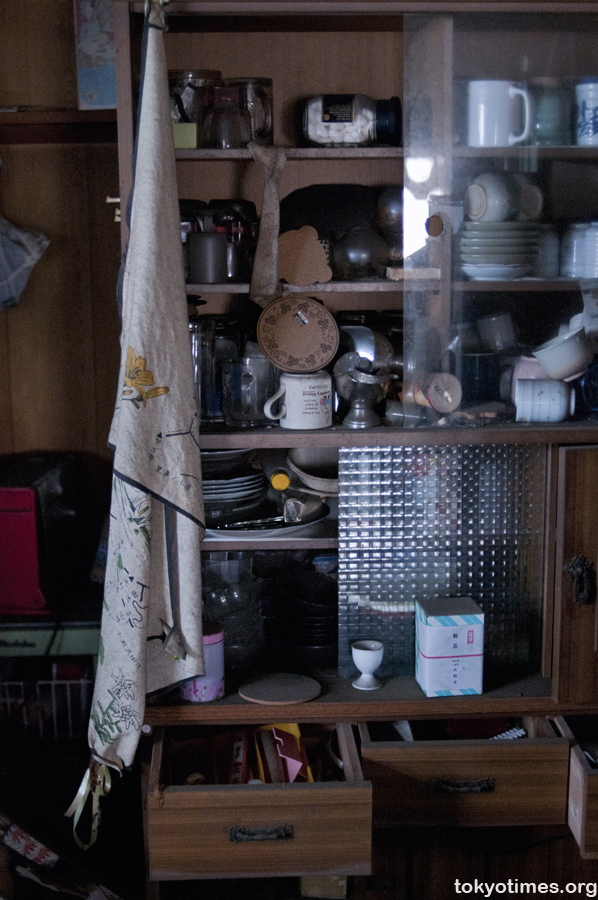
Elsewhere, the kitchen too suggests a very hasty departure, with cupboards still full.

abandoned kimono shop haikyo

Dishes that dried a long long time ago.

abandoned kimono shop haikyo

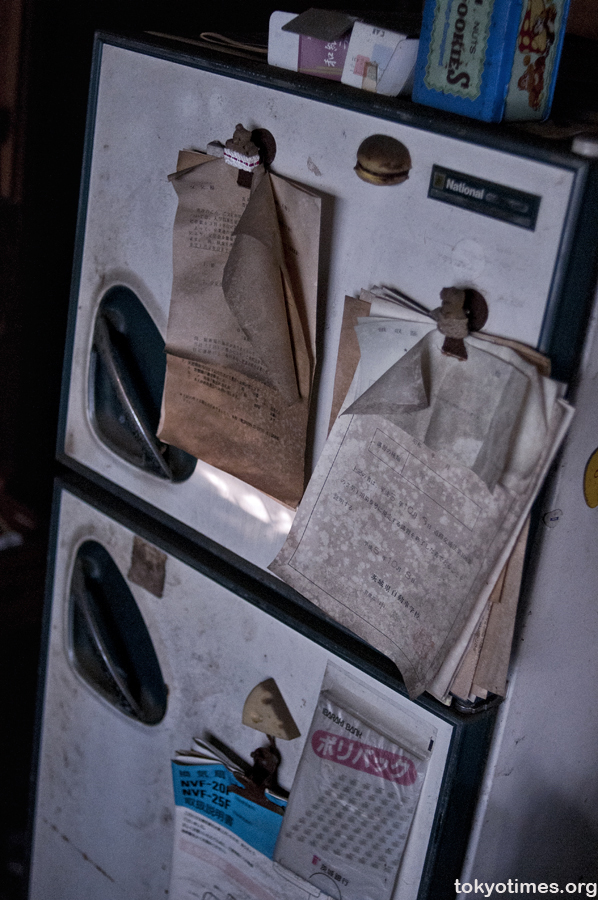
And documents still patiently waiting to be dealt with on the refrigerator.

abandoned kimono shop haikyo

All of which point to a really rather sad ending, and although the exact reason why they left is a mystery, it’s probably safe to assume it was for financial reasons. Along with the equally safe bet that a stiff drink would have been called for to settle any frayed nerves before that fateful late-night move more than a decade and a half ago was finally set in motion.

abandoned kimono shop haikyo

Categorized: Haikyo

Oct 19 2010 75 Comments

An old enka singer’s house haikyo

Urban exploration undoubtedly means different things to different people, but for me personally, visiting an abandoned building/haikyo is all about what’s been left behind rather than the actual building itself. Well, apart from a few very special cases that is; namely Kawatana Suicide Squad Training Centre, Mount Asama Volcano Museum, and the recently posted Joyo Pachinko Parlor. All of which were incredibly interesting simply as structures, and/or what they stood for.

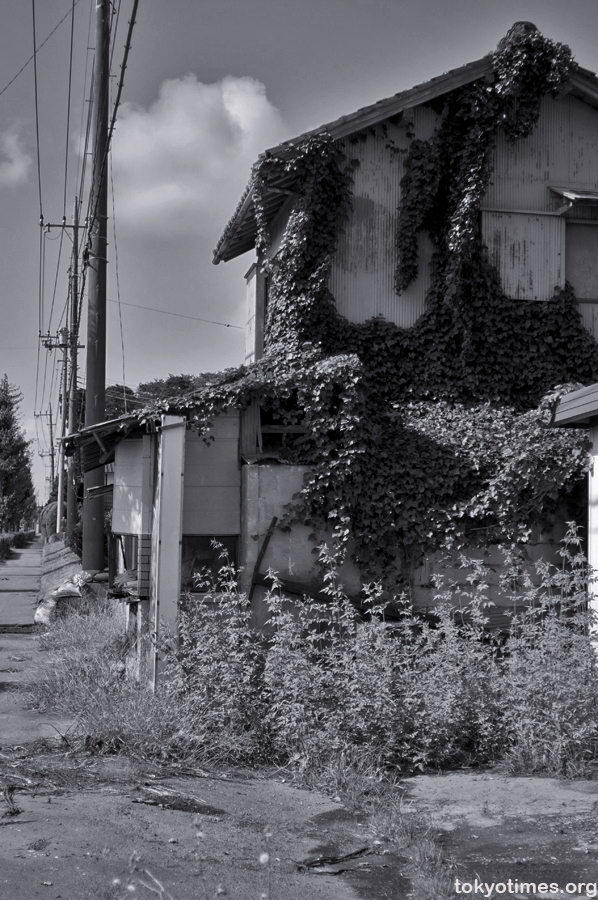
But that said, they really aren’t the kinds of places I would initially seek out when searching for a new haikyo to visit; this small and sad-looking house on the other hand, is.

house haikyo

A chance find that, as soon as we walked through the unlocked door, felt like entering someone’s life. Or at least past life. Particularly as there on display was a picture of the one-time occupant himself.

house haikyo

Plus, due to a certificate of thanks on the wall, it was possible to find out his name, Shouji Masakatsu, and that in 1985 he was a singer on the inaugural journey of the Varuna ferry; its three day trip taking them from Oarai in Ibaraki, to Muroran in Hokkaido.

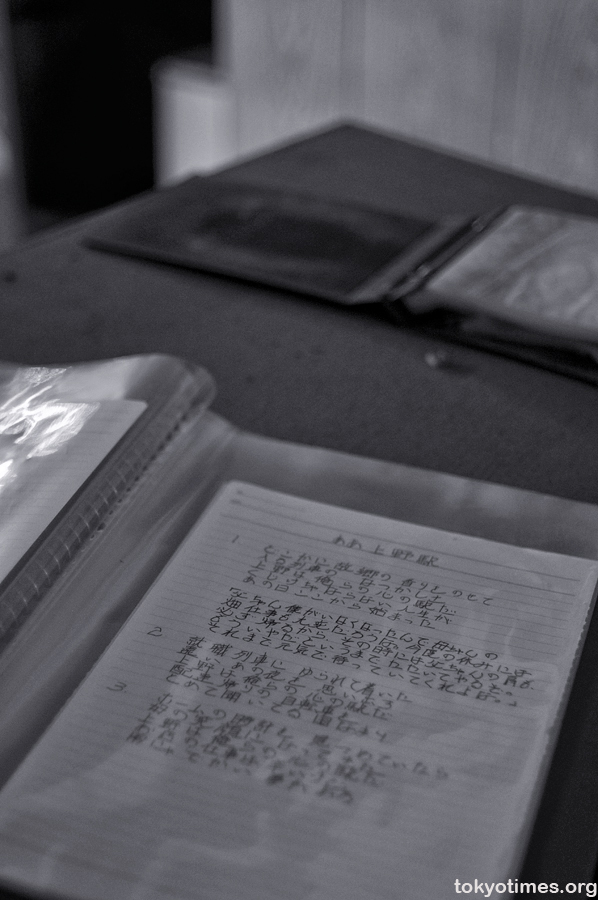
A vessel that, just like the man who once performed on it, has now moved on, but as it was sold to a Greek tour company, it could still be operating somewhere in the Aegean Sea, although it presumably sails to the sound of very different songs. And in regards to music, lyrics for some of the ballads that could well have been part of Masakatsu’s set on the Varuna all those years ago, are still in the house — all carefully copied out.

house haikyo

And a version of one of them, sung by somebody else, can be heard here:

Listen!

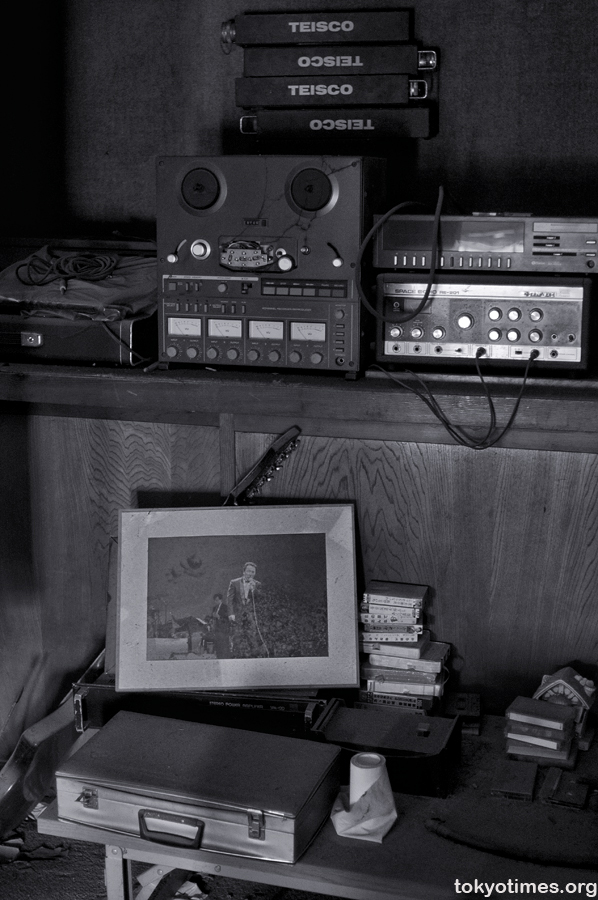
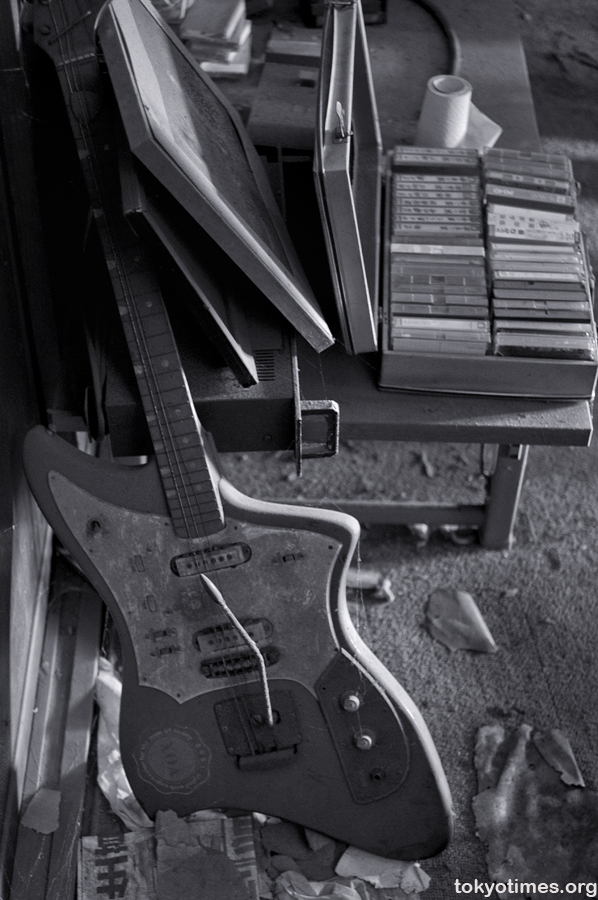
But boats aside, music was obviously not only Masakatsu-san’s livelihood, but also his love, as the house is still packed with an assorted array of instruments,

house haikyo

gear,

house haikyo

and mementos.

house haikyo

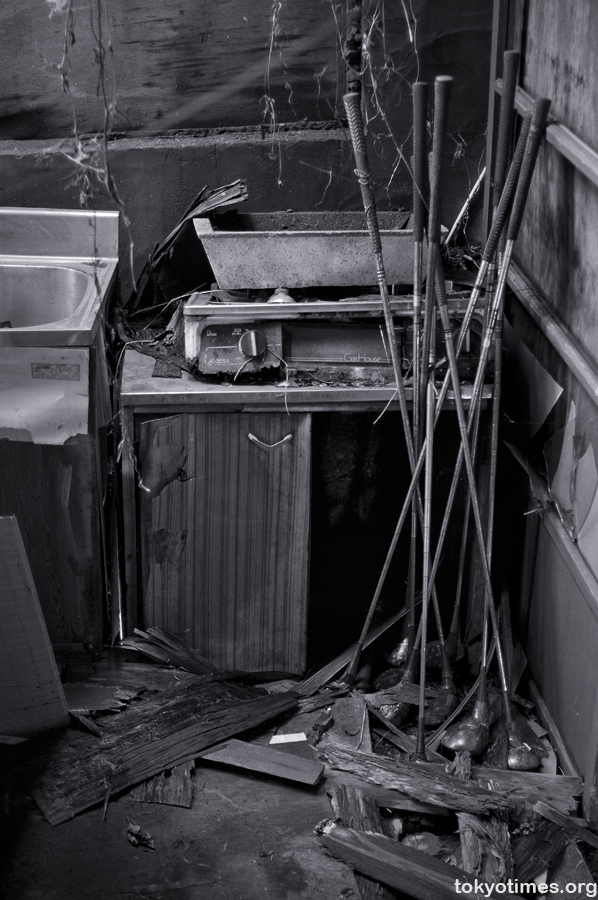
Along with the suggestion that he may also have liked golf, but quite possibly didn’t really care for cooking.

house haikyo

It was a very similar story upstairs too, although several more personal items made the man’s presence almost palpable.

house haikyo

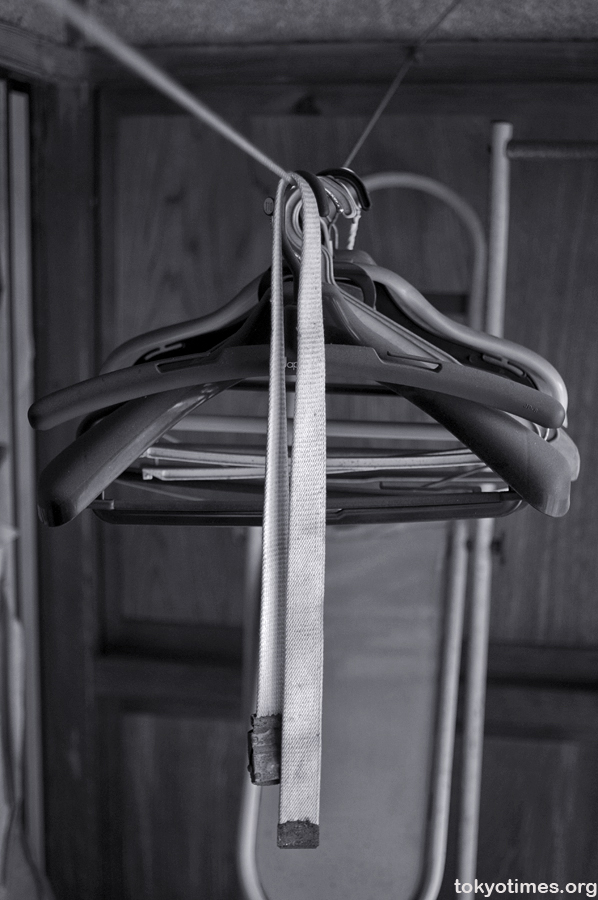
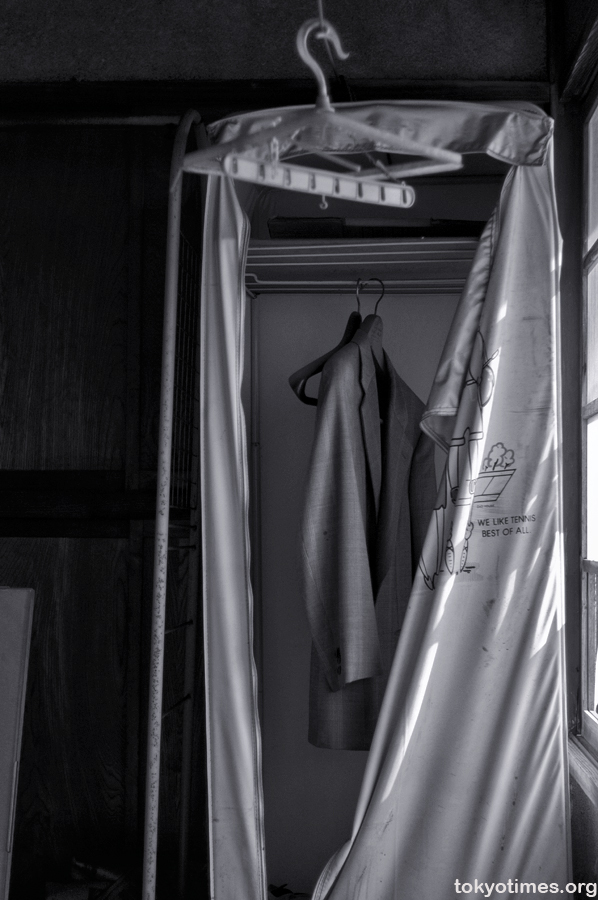
Especially with his jacket still waiting in the wardrobe.

house haikyo

And music was again a big theme, with an old school cassette player,

house haikyo

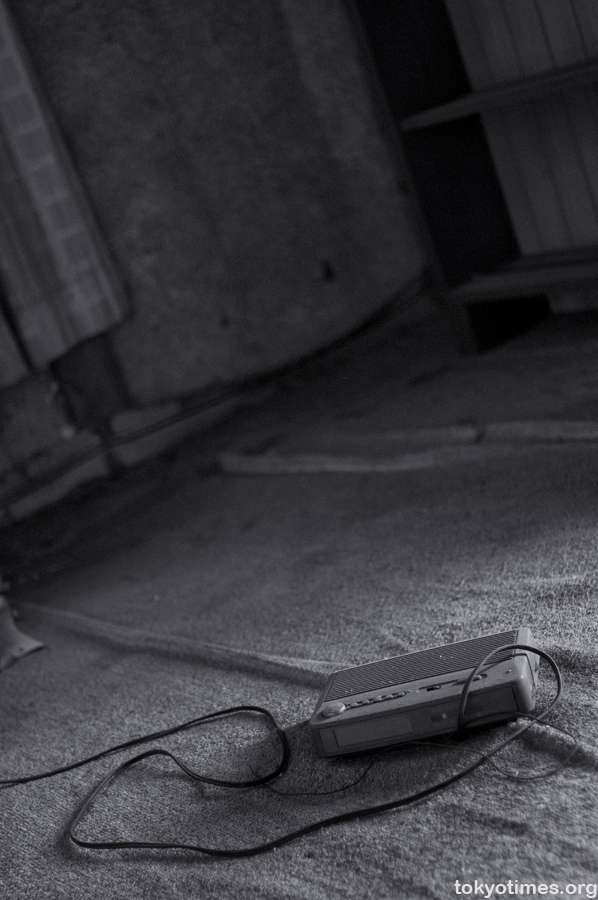
and a radio alarm clock still in the bedroom.

house haikyo

A room that was not only bleak, but also contained a newspaper dated 1997, suggesting that was the last time Shouji Masakatsu spent a night there.

house haikyo

But why he left, and more pressingly also left so many possessions, is a mystery. The selection of which made the deathly quiet of the house almost deafening.

house haikyo

Categorized: Haikyo, Music

Oct 07 2010 22 Comments

Pachinko parlor haikyo

The perception of pachinko, Japan’s biggest form of gambling, obviously varies depending on the individual, as what’s considered a complete waste of money for one person, is seen as a welcome (and possibly winning) break for another.

But that said, there is one constant that everyone can agree on, and that’s the noise. The frenetic flow of ball bearings and monstrously loud machines making for a din that is almost indescribable, or at the very least undesirable. And it’s this element in particular that gives the total and utter silence of an abandoned pachinko parlor a truly incredible sense of serenity.

pachinko parlor haikyo

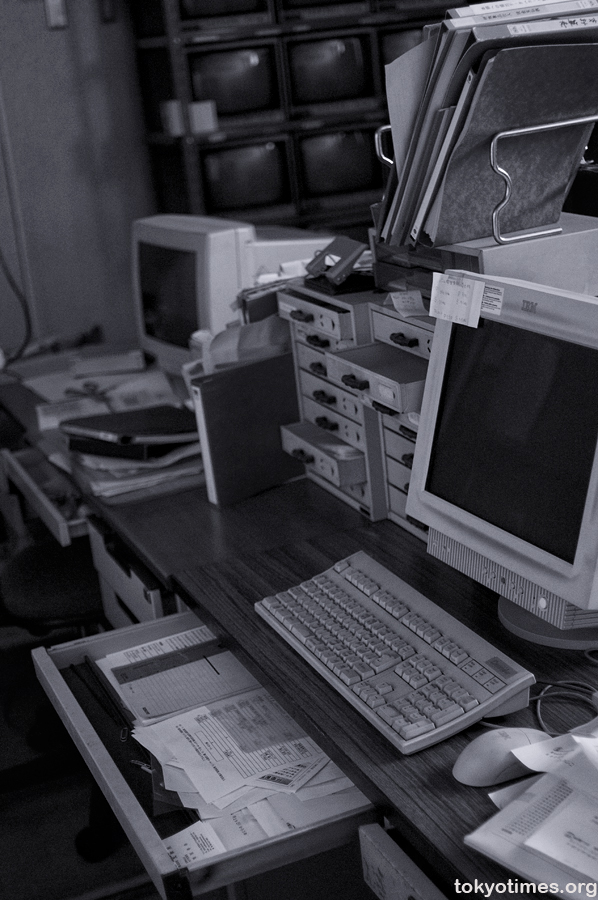
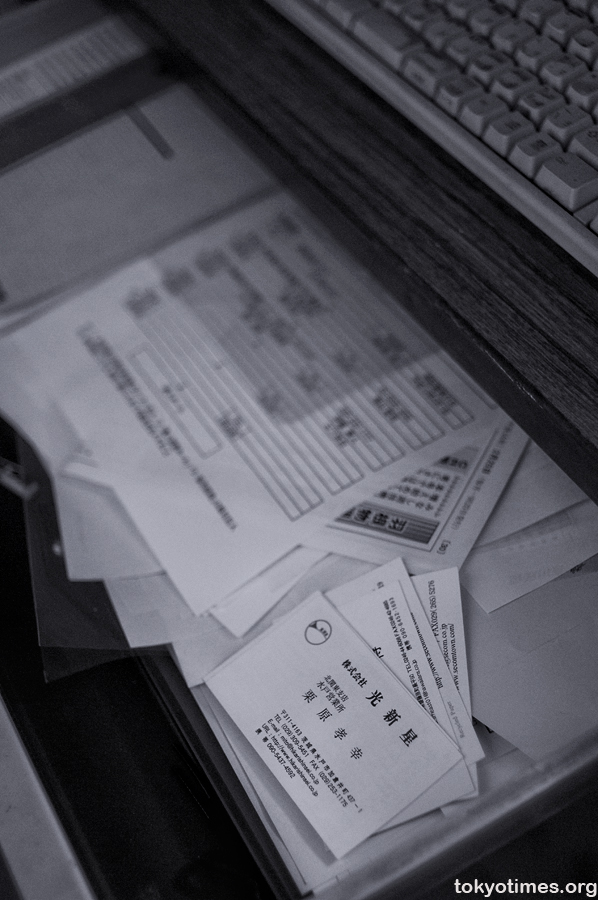
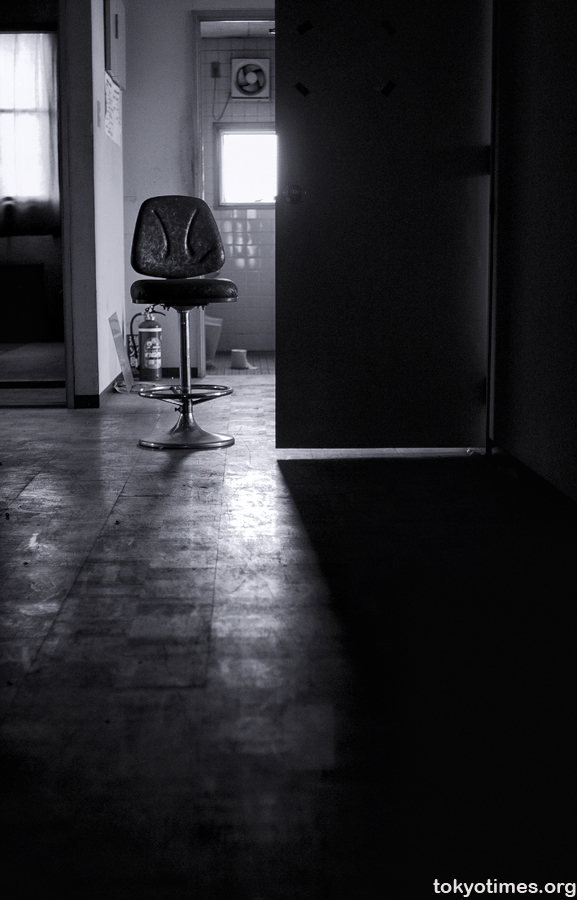
Plus upstairs, in the office, things were just as quiet. With the desk deserted.

pachinko parlor haikyo

Kurihara-san nowhere to be seen.

pachinko parlor haikyo

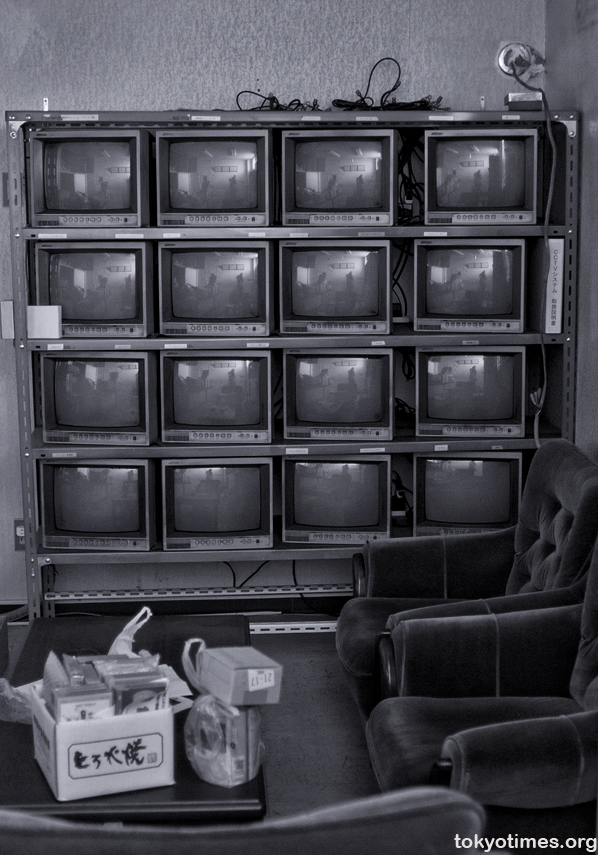
And the bank of security screens busy doing nothing but staring blankly back.

pachinko parlor haikyo

However, rather than watching what was going on inside, the cameras would have been better utilised observing what (or indeed who) was on the outside, as, on April 28th 2004, two armed men stormed in, tied up the manager, and made off with Â¥800,000. An episode that not only put the poor fella involved in an absolutely awful position, but also sealed the fate of the parlor too, as receipts and calendars in the building don’t go any further than that eventful month a little over 6 years ago.

A situation that’s incredibly hard to imagine when walking down the silent corridors.

pachinko parlor haikyo

With only the slightest of hints at any kind of struggle.

pachinko parlor haikyo

And yet as fascinating as the office was, the real story, at least from a picture taking perspective, is back downstairs.

pachinko parlor haikyo

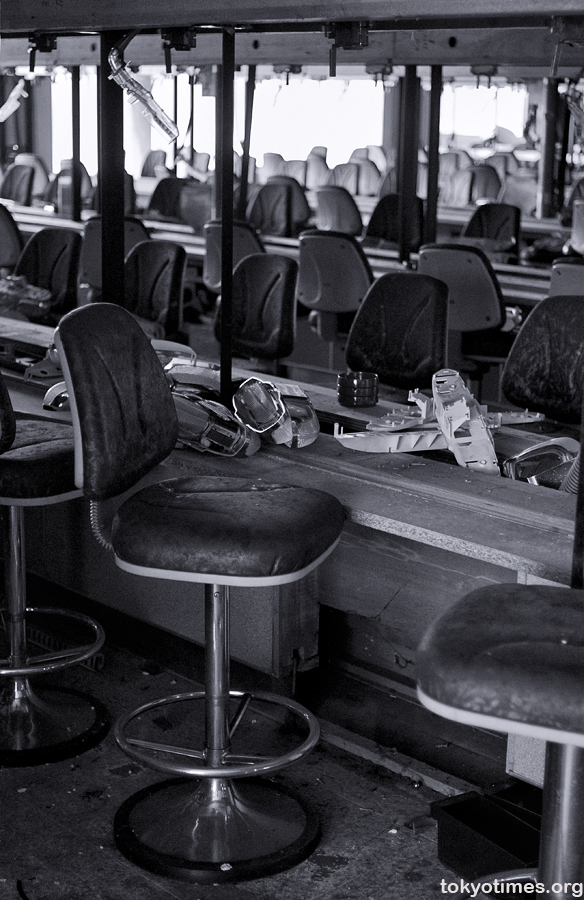
As the lines.

pachinko parlor haikyo

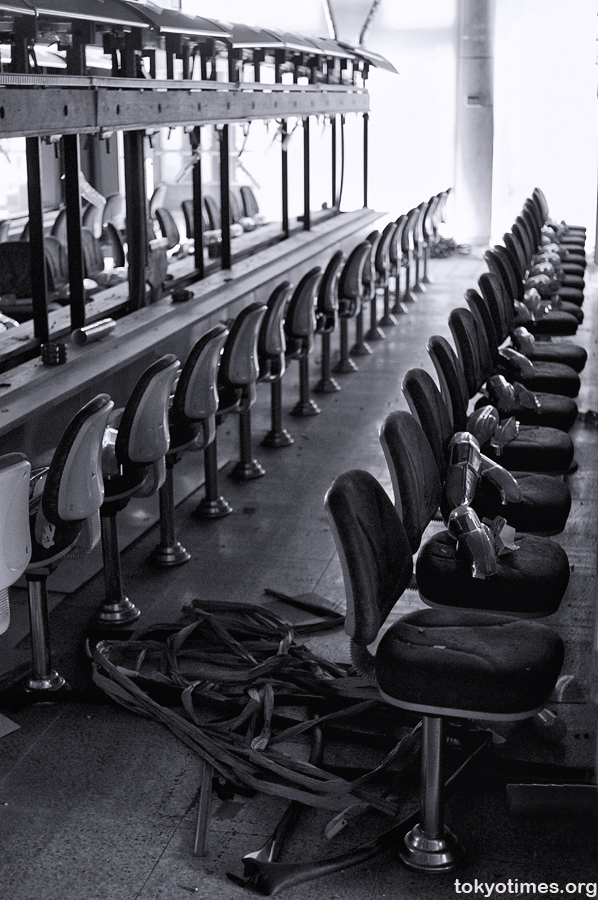
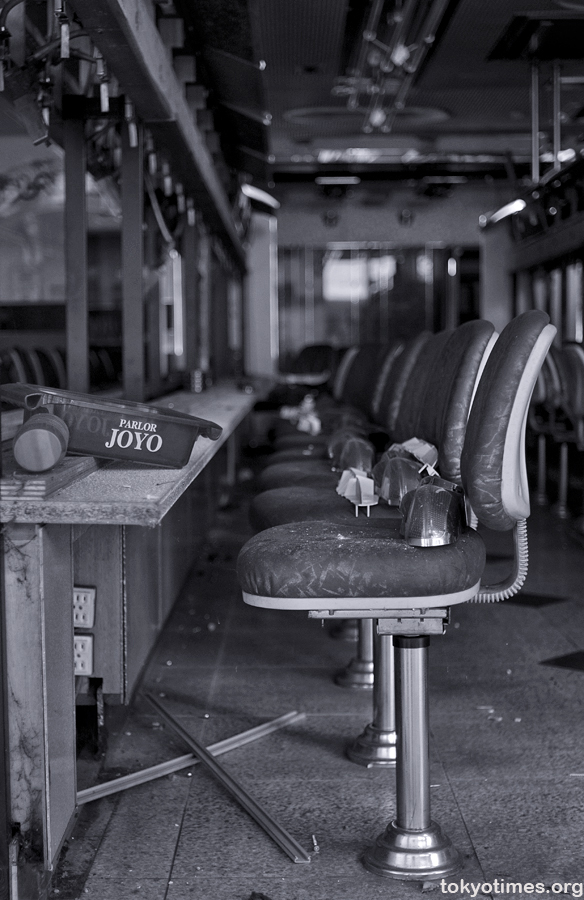
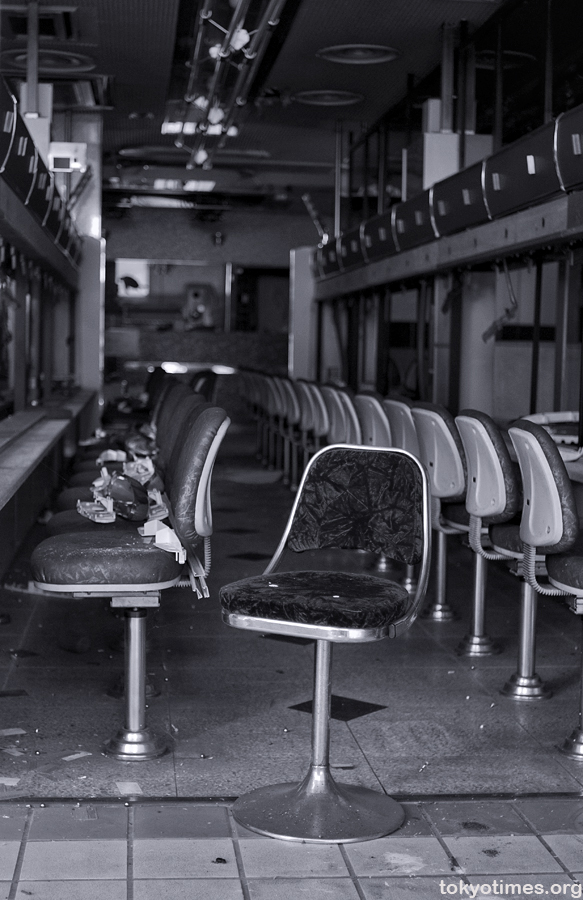
Chairs.

pachinko parlor haikyo

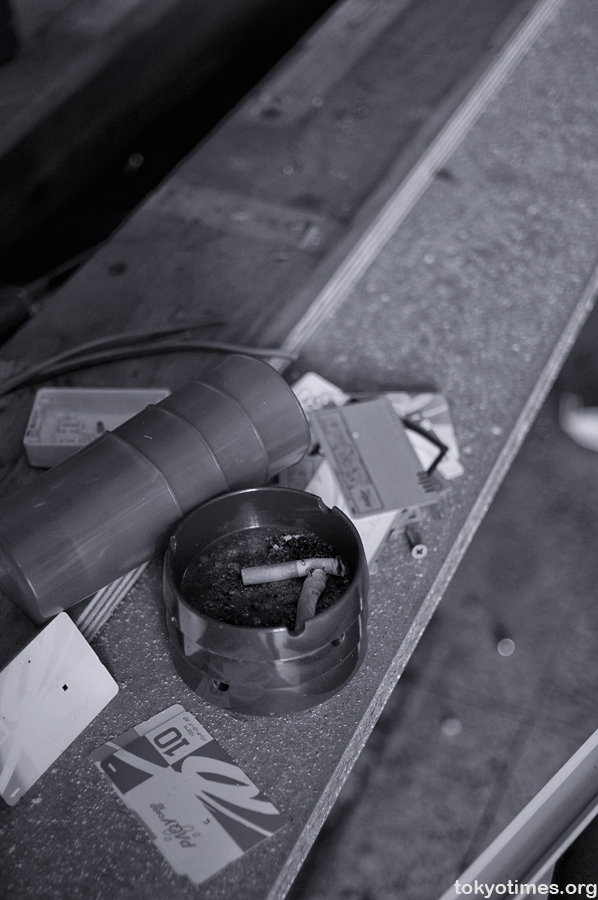
Bits and pieces left by possibly the last punter.

pachinko parlor haikyo

And the once proud sign.

pachinko parlor haikyo

Make it practically perfect.

Categorized: Haikyo

Jul 13 2010 22 Comments

The sorry sight of the Queen Chateau soapland haikyo

When its doors opened in April 1984, in an area where it was, and indeed still is, surrounded by other soaplands and countless other establishments serving sex-related services, it must have seemed that success for the Queen Chateau was a certainty.

But it wasn’t.

Queen Chateau soapland haikyo

And, according to different sources, it closed those same doors once suggestively thrown open that very same year, or, somewhat slightly less disastrously, several years later in 1987.

Queen Chateau soapland haikyo

But either way, it’s still a mystery why it failed, although at the same time it is fairly safe to say that it wasn’t down to a lack of effort in regards the decor, due to its charmingly restrained chateau-like chic.

Queen Chateau soapland haikyo

However, regardless of such fineries, it’s probable that phone rang more in relation to payment requests rather than reservations.

Queen Chateau soapland haikyo

And the rooms, where the place’s ten working girls once plied their trade, are now arguably more sordid than any of the activities that were once performed in them.

Queen Chateau soapland haikyo

The remaining furnishings hinting at the soapy shenanigans that briefly went on there.

Queen Chateau soapland haikyo

Which, it seems, often involved these uncomfortable looking plastic chairs.

Queen Chateau soapland haikyo

Queen Chateau soapland haikyo

But definitely not their more comfortable and cushion-bearing cousins.

Queen Chateau soapland haikyo

And yet as unquestionably pleasurable as soapland must be for the punter, for those paid to please, it must have been (and be) an especially different experience. One were a couple of drinks or some other concoction can’t have just been nice, but a necessity.

Queen Chateau soapland haikyo

A point that became immediately apparent upon stepping inside the Queen Chateau, as, due to the main doors being boarded up, a rear entry was the only option, instead of a once less difficultly negotiated front one; leading us through a depressingly dark and horribly confined area with packed-in bunk beds and basic cooking and toilet facilities — a part of the building where the staff obviously once slept and spent their free (or possibly not so free) time.

The unlit and warren-like nature of the place meant that taking pictures was impossible, but at the same time, it made the sight of business cards suggesting euphemistic visits to ‘tearooms’ (ティールーム) with the likes of Jean (ジーン) and Claudia (クラウディア) all the more unsettling.

Queen Chateau soapland haikyo

Categorized: Haikyo, Photography, Sex

« Previous Page
Next Page »

Footer

Copyright © 2026 · Tokyo Times