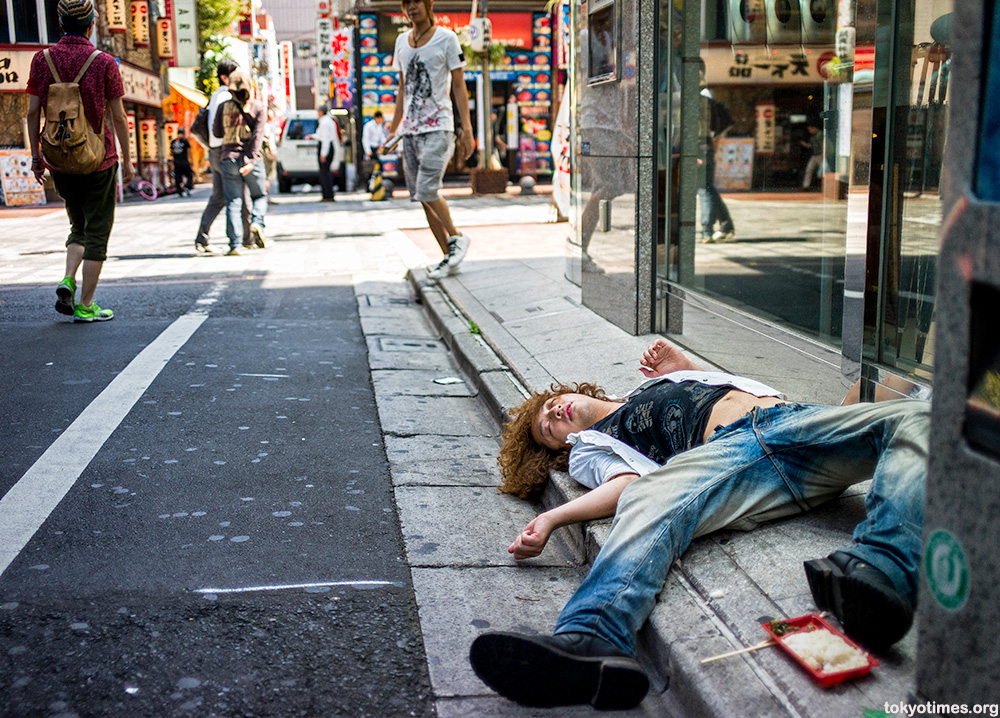
Big nights out are a daily option in Tokyo. As are benders of truly epic proportions. The only problem, however, is that there’s almost always a price to pay, and sometimes a hefty one.
Photographs from a small group of islands
Big nights out are a daily option in Tokyo. As are benders of truly epic proportions. The only problem, however, is that there’s almost always a price to pay, and sometimes a hefty one.
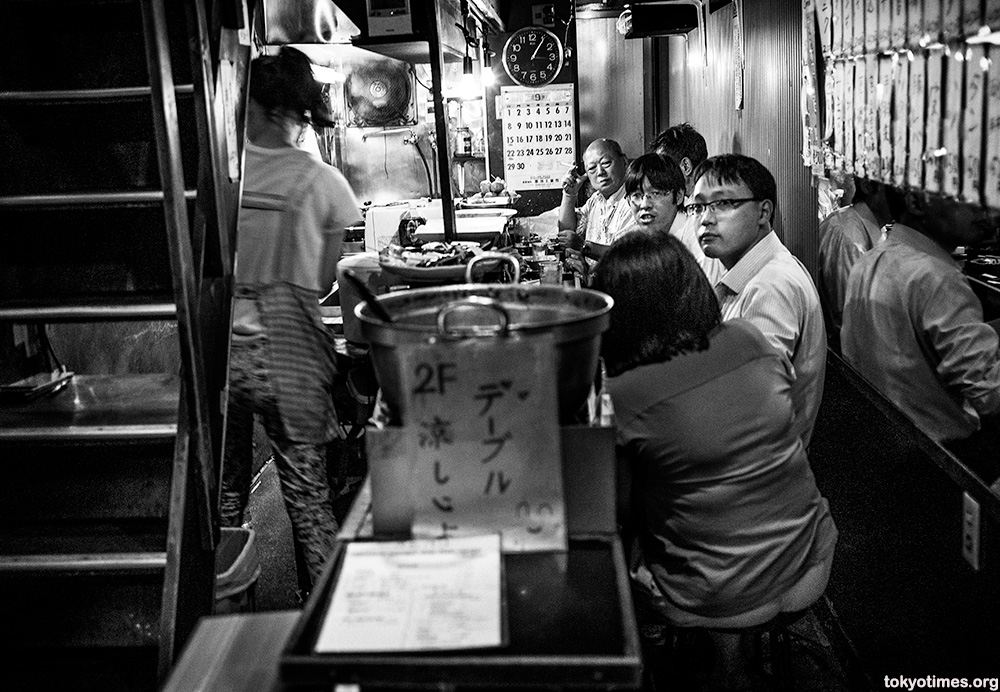
It may well have been early Saturday afternoon rather than Sunday morning, but when it’s still hot and the week’s work is finally done, why not squeeze into a tiny old bar and down a few?
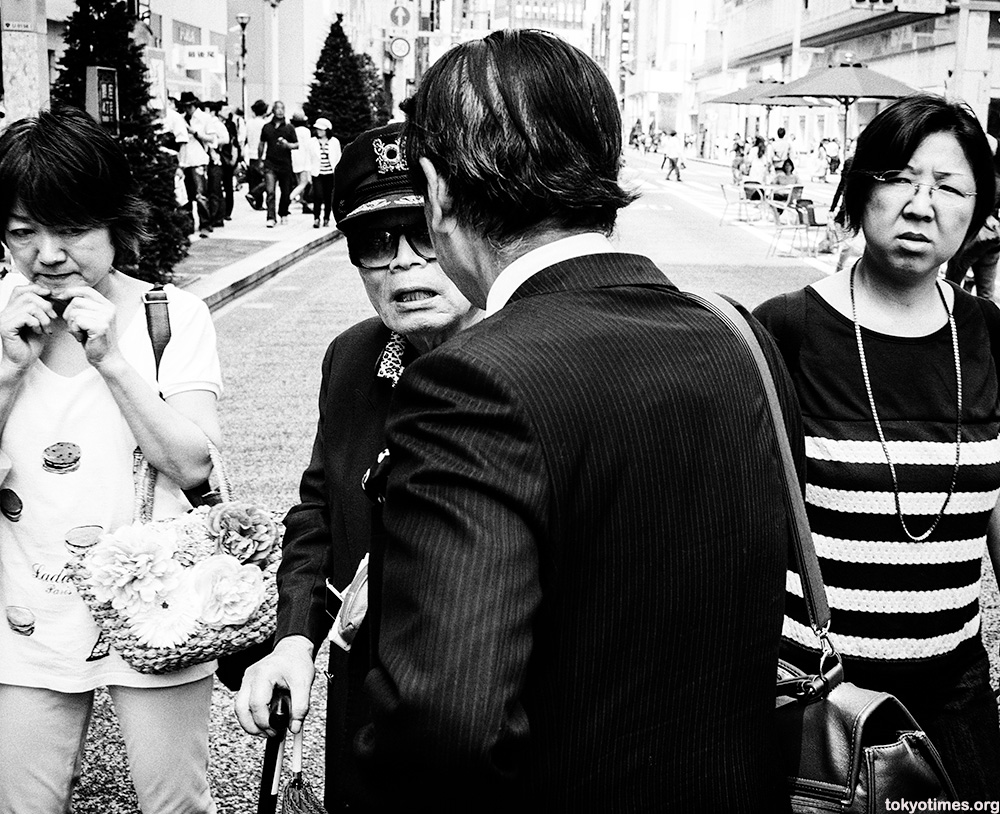
Confrontation isn’t a common Japanese trait, and considering the population of Tokyo and its seemingly incessant crowds, that’s almost certainly a good thing. But that’s not to say it’s a city of peace and zen-like harmony, because it’s not — not by any stretch of the imagination. Anger and frustration often simmer gently just below the surface, and now and again — despite the acute embarrassment of some — they quite understandably boil over.
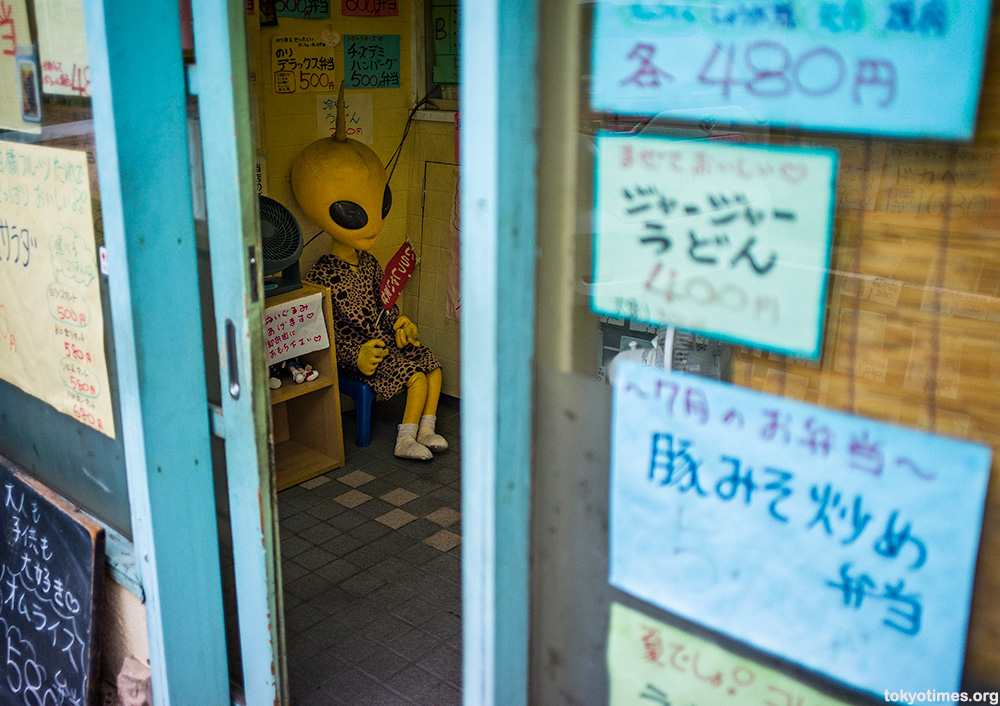
Whether made at home or bought in one of countless shops all over the country, the humble bento — or lunch box — is arguably just as much a part of Japanese culture as sushi and sake. A meal regularly enjoyed by tens of millions of locals everyday, along with even the odd alien or two.
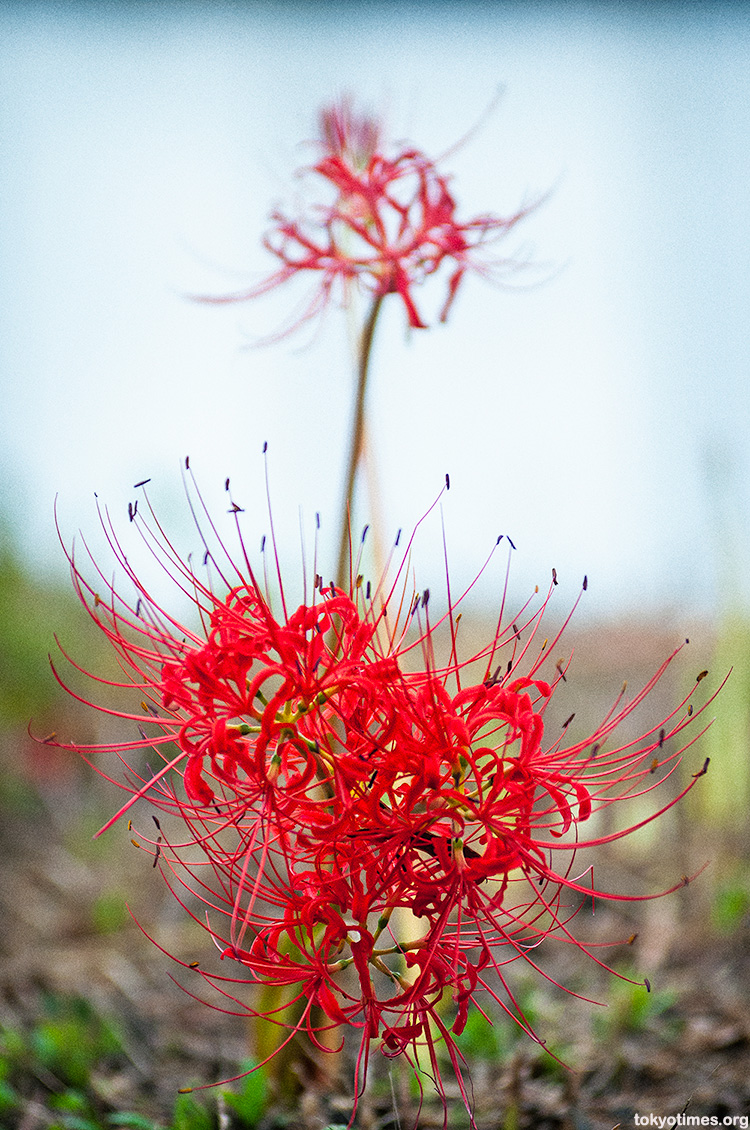
After months of unrelenting control, summer’s horribly clammy fingers are finally beginning to lose their grip on the capital’s climate. Not that it’s currently all that obvious, as the temperatures are still high and the humidity very similar, but the arrival of the late summer/early autumn flowering higanbana (red spider lily), does at least confirm it.
Known as the flower of death, the higanbana is a beautiful, slightly otherworldly sight, that easily lives up to references in its name to, ‘the other shore’.
Poisonous to rodents and other wild animals, they were often planted in and around graveyards during Japan’s pre-cremation days to stop the dead being eaten. Plus their bright colours are said to guide souls into the afterlife, which one would assume explains their use at funerals.
Yet while in many ways representing death, they are nonetheless very resilient to it, as despite being battered by typhoon Man-yi yesterday, this particular flower is still alive, well and just as wondrous.