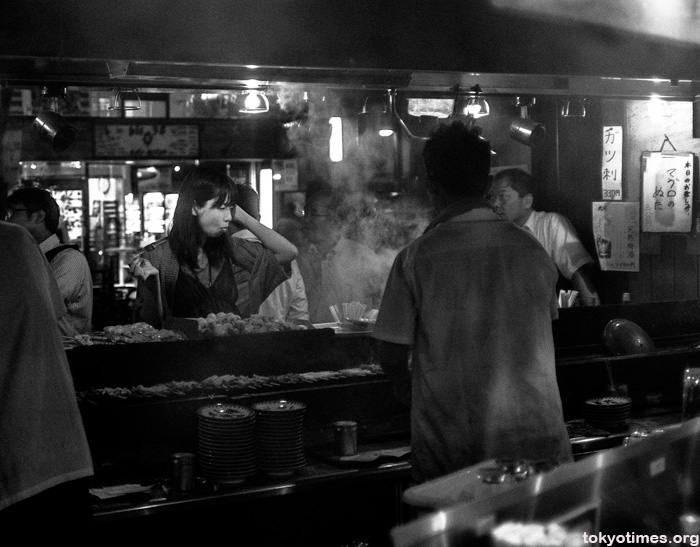
The simple Japanese pleasure, of some simple Japanese food.
Photographs from a small group of islands
The simple Japanese pleasure, of some simple Japanese food.
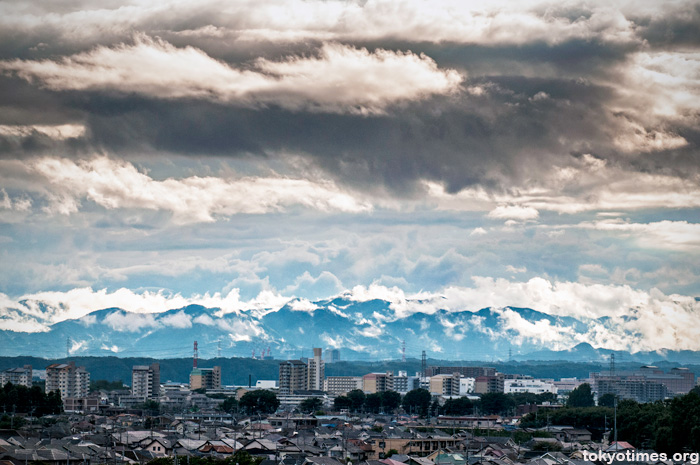
Growing up nowhere near any mountains makes being close to so many really quite special. A sense of nearness that can, of course, be easily forgotten in a city like Tokyo. But, a look to the west after the worst of a summer storm, and their proximity is often wonderfully apparent.
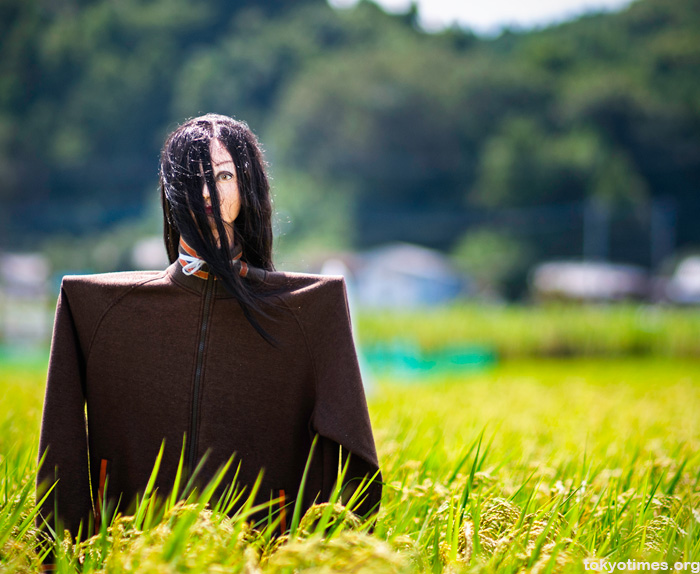
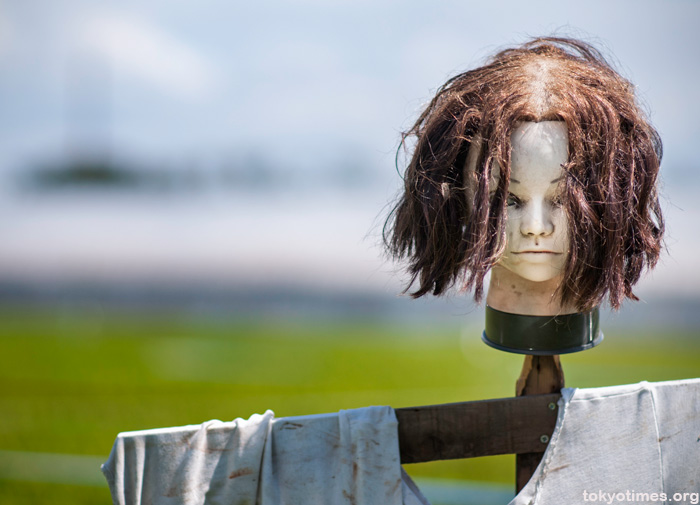
With the harvesting of rice in Tokyo not far away, it’s time once again for the city’s sinister scarecrows to do their work. A job that obviously involves deterring birds, but it often feels like their main focus is staring menacingly at me.
And now you.
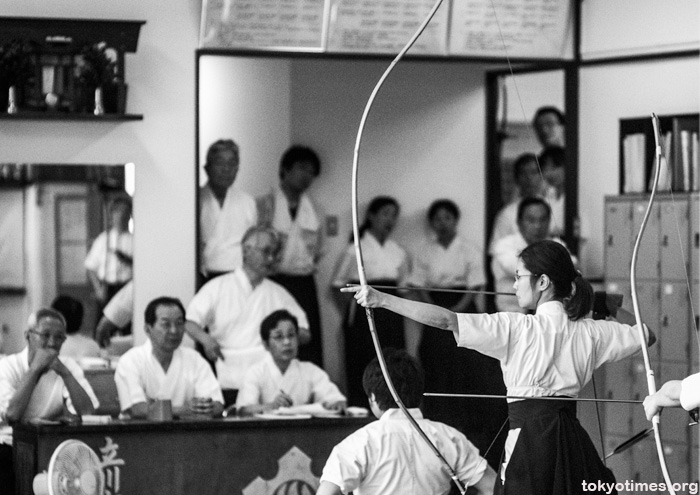
Many traditional Japanese pastimes are extremely regimented, leaving little room for spontaneity, and Kyudo, Japanese archery, is no different. With the emphasis very much on ritual and technique, archers must always complete the hassetsu (eight stages of shooting) — a set of steps so painstakingly followed that the eventual release of the arrow appears merely a part of the process, rather than the main purpose. An idea that the martial art’s association with zen Buddhism, and an emphasis on meditation and self-improvement, would seem to support.
In competitions, however, it is actually hitting the target that ultimately counts, although along with the aforementioned hassetsu, archers must also perform an intricate series of actions as they enter the dojo. Plus on top of that they are also required to kneel after each shot before slowly rising again when it’s their turn.
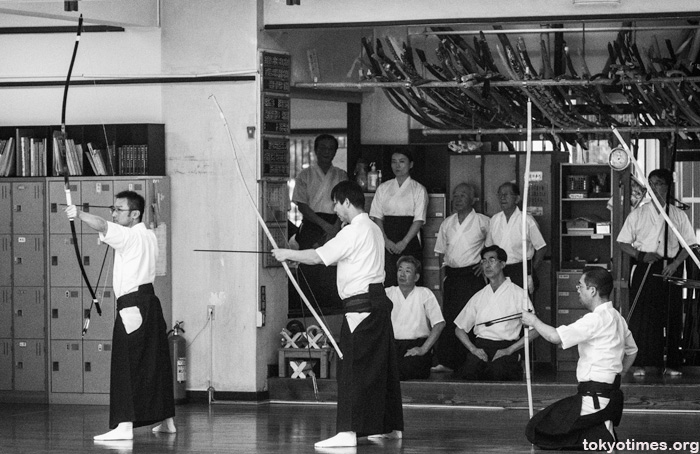
An effort that, along with the deadly seriousness of everybody involved, and the complete and utter silence, looked more like an exercise in discomfort, than development.
Yet despite this, the very obvious dedication on display, and the almost reverential atmosphere in and around the dojo, made it absolutely fascinating to watch.
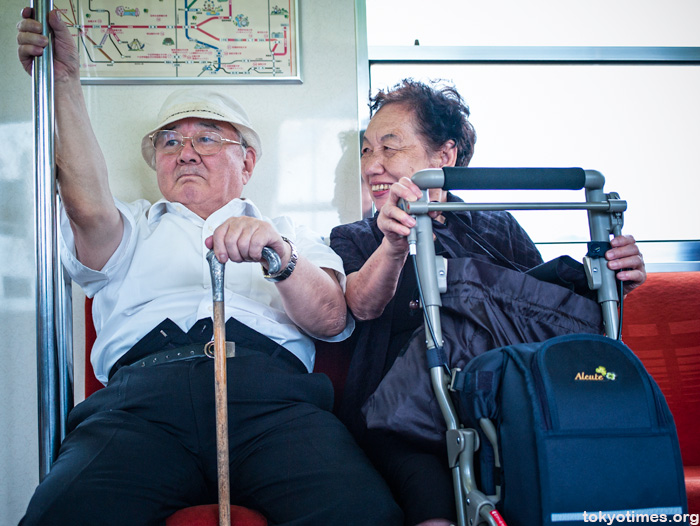
There were a few things that caught my eye with these two train travellers. There was of course the fashion. Not to mention the posture and expressions. But perhaps most of all it was the way they seemed to encapsulate the relationship — at least from the outside looking in — of many Japanese couples their age.